Category: oral health

  • I Have A Bump In The Roof Of My Mouth: Causes & Fixes

    I Have A Bump In The Roof Of My Mouth: Causes & Fixes

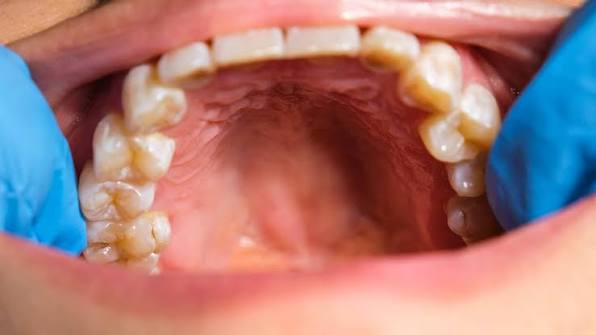
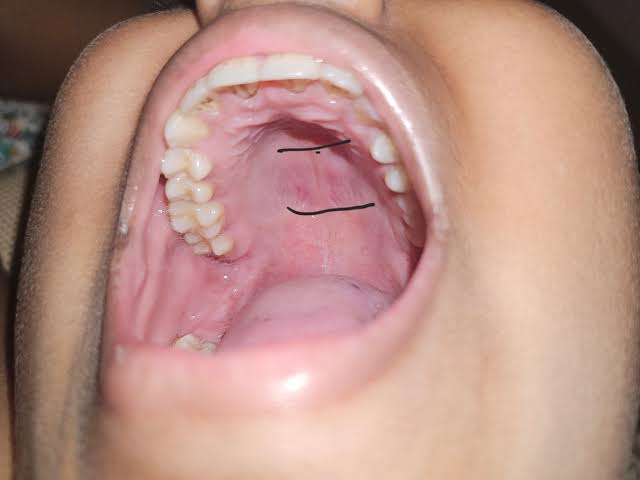
    Finding a strange lump or swelling on the hard palate can be an unsettling experience. You might find yourself touching it repeatedly, wondering if it is something serious or just a minor irritation. If you are thinking, “I have a bump in the roof of my mouth,” you are not alone; this is a very common complaint that ranges from harmless burns to conditions requiring medical attention.

    In this guide, we will explore the most likely causes, effective home remedies, and clear signs that indicate you need to see a healthcare professional. Our goal is to provide you with accurate, empathetic, and actionable information to ease your mind and help you heal.

    Why Did This Bump Appear Suddenly?

    The roof of your mouth, known medically as the palate, is sensitive tissue. It is divided into two parts: the hard palate at the front (covered by bone) and the soft palate at the back. Because this area is directly exposed to food, drinks, and bacteria, it is prone to various irritations.

    When you notice a bump, it is usually your body’s immune response to injury, infection, or blockage. Understanding the context of how it appeared is the first step in identifying the cause. Did you eat something hot recently? Have you been under high stress? Or did it appear without any obvious trigger?

    According to general dental health data, minor oral lesions are among the top reasons for unscheduled dental visits. However, the majority of these cases are benign and resolve on their own within a week or two.

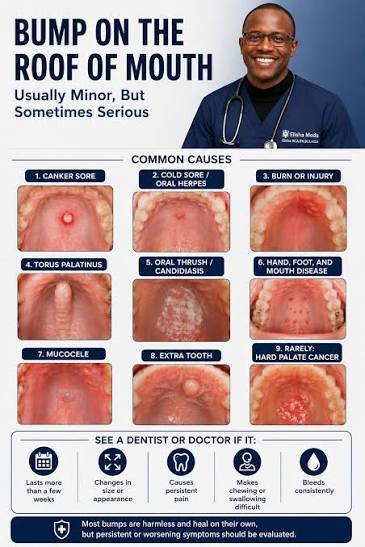
    Common Causes of Palatal Bumps

    To determine the right course of action, we must look at the specific characteristics of the bump. Here are the most frequent culprits.

    1. Thermal Burns (Pizza Palate)

    This is arguably the most common cause. The tissue on the roof of your mouth is delicate. Consuming food or beverages that are too hot—such as melted cheese, coffee, or soup—can scald the tissue.

    • Symptoms: A blister-like bump, redness, and tenderness.
    • Healing Time: Typically 3–7 days.
    • Action: Avoid hot foods until healed.

    2. Canker Sores (Aphthous Ulcers)

    While canker sores often appear on the inside of cheeks or gums, they can also develop on the soft palate. These are small, shallow lesions that can be quite painful.

    • Triggers: Stress, minor injury from brushing, acidic foods, or vitamin deficiencies.
    • Appearance: White or yellow center with a red border.

    3. Mucoceles

    A mucocele is a fluid-filled cyst that forms when a salivary gland duct becomes blocked or damaged. While more common on the lower lip, they can occur on the palate.

    • Appearance: A smooth, raised, bluish or clear bump.
    • Nature: Usually painless unless irritated by chewing.

    4. Oral Thrush (Candidiasis)

    This is a fungal infection caused by an overgrowth of Candida yeast. It is more common in infants, the elderly, or individuals with weakened immune systems.

    • Symptoms: Creamy white lesions that may bleed slightly when scraped.
    • Risk Factors: Antibiotic use, diabetes, or wearing dentures.

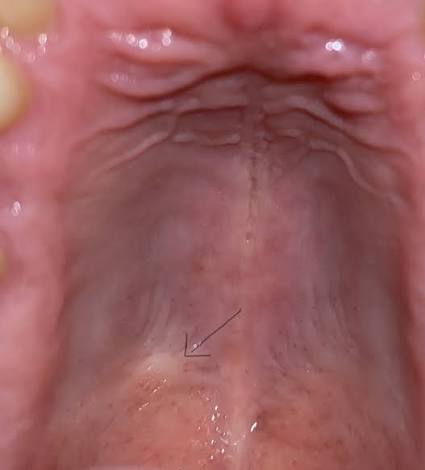
    5. Torus Palatinus

    If the bump is hard, bony, and has been there for a long time without changing, it might be a torus palatinus. This is a benign bony growth on the midline of the hard palate.

    • Nature: It is not a disease but a genetic anatomical variation.
    • Action: No treatment is needed unless it interferes with denture fitting.

    When Should You Worry? Red Flags to Watch For

    Most bumps are harmless, but some symptoms require immediate professional evaluation. Use this checklist to assess your situation:

    SymptomPotential ConcernAction Required
    Persists > 2 WeeksChronic infection or other pathologySee a dentist/doctor
    Rapid GrowthTumor or aggressive cystImmediate evaluation
    BleedingTrauma or vascular issueProfessional exam
    Difficulty SwallowingObstruction or severe swellingUrgent care
    Fever PresentSystemic infectionMedical attention

    If you experience any of the above, do not rely solely on home remedies. Early diagnosis is key to effective treatment. For more detailed information on oral diseases, you can refer to resources like Wikipedia’s page on Oral Medicine to understand the broader medical context.
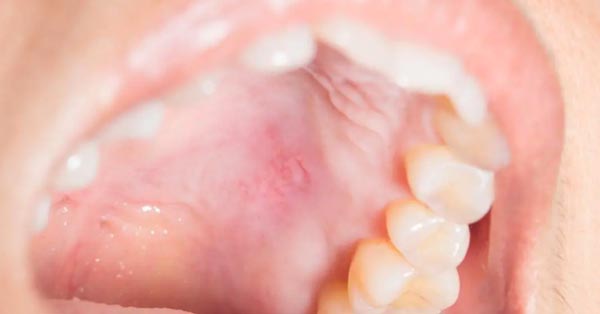
    I Have A Bump In The Roof Of My Mouth

    Effective Home Remedies for Relief

    If your bump is due to a minor burn, canker sore, or mild irritation, you can manage the discomfort at home. Here is a step-by-step approach to soothing your palate.

    Step 1: Salt Water Rinse

    Salt water is a natural disinfectant and helps reduce inflammation.

    1. Mix 1 teaspoon of salt into 1 cup (240 ml) of warm water.
    2. Swish the solution gently around your mouth for 30 seconds.
    3. Spit it out. Do not swallow.
    4. Repeat this 3–4 times a day, especially after meals.

    Step 2: Cold Compress or Ice Chips

    Cold helps numb the pain and reduce swelling.

    • Suck on small ice chips or popsicles.
    • Avoid direct contact with extreme cold for prolonged periods to prevent further tissue damage.

    Step 3: Dietary Adjustments

    What you eat plays a crucial role in healing.

    • Avoid: Spicy, acidic (citrus, tomato), crunchy, or very hot foods.
    • Choose: Soft, cool foods like yogurt, smoothies, mashed potatoes, and lukewarm soups.

    Step 4: Over-the-Counter Gels

    Pharmacies offer oral gels containing benzocaine or hydrogen peroxide. These can provide temporary pain relief and create a protective barrier over the sore. Always follow the package instructions carefully.

    Prevention Tips for Future Oral Health

    Preventing future bumps involves maintaining good oral hygiene and being mindful of your habits.

    • Test Food Temperature: Always let hot beverages and foods cool for a few minutes before consuming.
    • Gentle Brushing: Use a soft-bristled toothbrush to avoid scratching the palate.
    • Stay Hydrated: Dry mouth increases the risk of irritation and infection. Aim for at least 2 liters of water daily.
    • Manage Stress: High stress levels can trigger canker sores. Practice relaxation techniques like deep breathing or meditation.
    • Regular Dental Checkups: Visit your dentist every six months for cleanings and exams. They can spot early signs of issues like torus palatinus or oral thrush.

    FAQ: Common Questions About Mouth Bumps

    1. How long does it take for a bump on the roof of the mouth to heal?

    Most minor bumps, such as those from burns or canker sores, heal within 7 to 14 days. If the bump persists longer than two weeks, it is essential to consult a healthcare provider to rule out more serious conditions.

    2. Can a bump on the roof of my mouth be cancer?

    While oral cancer can present as a lump, it is relatively rare compared to benign causes like burns or cysts. However, any lump that does not heal, grows larger, or bleeds easily should be evaluated by a professional immediately. Early detection significantly improves outcomes.

    3. Is it safe to pop a bump on the roof of my mouth?

    No, never pop a bump. Popping can introduce bacteria, leading to infection, and may cause excessive bleeding. If it is a mucocele or abscess, it requires professional drainage under sterile conditions.

    4. What does a bump from an allergic reaction look like?

    Allergic reactions (oral allergy syndrome) often cause itching, tingling, or slight swelling rather than a distinct single bump. However, hives can occasionally form on the palate. If you suspect an allergy, identify and avoid the trigger food and consider an antihistamine if recommended by your doctor.

    5. Can stress cause bumps in the mouth?

    Yes, stress is a known trigger for canker sores and can weaken the immune system, making you more susceptible to infections like oral thrush. Managing stress is an important part of maintaining oral health.

    Conclusion

    Discovering that “I have a bump in the roof of my mouth“ can be alarming, but in most cases, it is a temporary and benign issue. Whether it is a simple pizza burn, a canker sore, or a blocked salivary gland, most conditions resolve with proper care and time.

    Remember to monitor the bump for changes. If it persists beyond two weeks, grows rapidly, or is accompanied by other severe symptoms, seek professional medical advice. By maintaining good oral hygiene and being mindful of what you consume, you can protect your palate and keep your smile healthy.

    Found this guide helpful? Share it with friends and family on social media to help them navigate their oral health concerns with confidence. Stay healthy!
  • Burned Roof of Mouth? Instant Relief Guide

    Burned Roof of Mouth? Instant Relief Guide

    Have you ever taken a bite of pizza or sipped coffee that was just a little too hot, only to feel that sharp, stinging pain on the roof of your mouth? It is a universally frustrating experience that can ruin your meal and leave you uncomfortable for days. If you are currently wincing in pain and searching for what to do when you burn roof of your mouth, you have come to the right place for immediate, effective relief.

    The roof of your mouth, known medically as the hard and soft palate, is covered in delicate mucous membranes. Unlike the skin on your hands, this tissue is thin and highly sensitive to thermal injury. While most minor burns heal quickly, knowing the correct first aid steps can significantly reduce pain, prevent infection, and speed up the recovery process. In this guide, we will walk you through evidence-based remedies, explain the healing timeline, and help you avoid common mistakes that could make the injury worse.

    Immediate First Aid: Cool It Down Safely

    When the burn first happens, your instinct might be to panic or drink ice-cold water immediately. However, extreme temperature changes can sometimes shock the already damaged tissue. The goal in the first few minutes is to gently lower the temperature of the affected area without causing further irritation.

    Step-by-Step Immediate Response

    1. Stop Eating Immediately: Remove any hot food or liquid from your mouth. Do not swallow if the substance is still scalding.
    2. Rinse with Cool Water: Take a sip of cool (not freezing) water. Swish it gently around your mouth for 10–15 seconds, focusing on the roof of your mouth. Spit it out. Repeat this process 3–4 times.
      • Tip: Use water at approximately 15–20°C (59–68°F). Avoid ice cubes directly on the burn, as they can cause “ice burn” or tissue damage due to extreme cold.
    3. Breathe Through Your Mouth: Gently inhale through your mouth and exhale through your nose. This airflow helps evaporate moisture and cools the palate naturally.
    4. Assess the Damage: Look in a mirror. Is the area red? Are there blisters? Is there white peeling skin? This assessment will help you determine the severity of the burn.

    According to general medical consensus, thermal burns in the mouth are usually first-degree (superficial) or second-degree (blistering). Most oral burns are first-degree, affecting only the outer layer of the tissue. For more detailed information on burn classifications, you can refer to Wikipedia’s article on burns, which provides a comprehensive overview of how thermal injuries are categorized medically.

    Soothing Remedies That Actually Work

    Once you have cooled the area, the next phase is managing pain and promoting healing. The mouth is a moist environment, which actually aids healing compared to skin burns, but it is also full of bacteria. Therefore, your remedies should focus on soothing inflammation while keeping the area clean.

    1. Salt Water Rinse

    This is one of the most recommended remedies by dentists. Salt water is a natural disinfectant that reduces swelling and cleanses the wound.

    • Recipe: Mix 1/2 teaspoon of salt into 1 cup (240 ml) of warm water.
    • Method: Swish gently for 30 seconds and spit. Do this 2–3 times a day, especially after meals.
    • Why it works: The saline solution creates a hypertonic environment that draws out excess fluid from swollen tissues, reducing pain and pressure.

    2. Honey Application

    Honey has been used for centuries for its antibacterial and anti-inflammatory properties. Recent studies suggest that medical-grade honey can accelerate wound healing in oral mucositis.

    • Method: Dab a small amount of raw, organic honey directly onto the burned area. Let it sit for a few minutes before swallowing or rinsing.
    • Caution: Do not use honey for children under 1 year old due to the risk of botulism.

    3. Cold Dairy Products

    Yogurt, milk, or ice cream can provide a coating effect that soothes the burn. The casein protein in dairy may also help neutralize some irritants, though its primary benefit here is thermal relief and coating.

    • Recommendation: Choose plain, unsweetened yogurt to avoid sugar irritating the wound. Avoid acidic flavored yogurts.

    4. Over-the-Counter Oral Gels

    Products containing benzocaine or lidocaine can numb the area temporarily. These are useful if the pain is preventing you from eating or sleeping.

    • Usage: Apply a small amount directly to the burn using a clean cotton swab. Follow the package instructions strictly, as overuse can lead to side effects.
    What To Do When You Burn Roof Of Your Mouth

    What to Avoid: Common Mistakes That Delay Healing

    While treating your burn, certain habits can exacerbate the injury or introduce infection. Being aware of these pitfalls is crucial for a speedy recovery.

    Avoid TheseWhy They HarmBetter Alternative
    Spicy FoodsCapsaicin irritates nerve endings and inflames damaged tissue.Bland, soft foods like mashed potatoes or oatmeal.
    Acidic DrinksCitrus juices and soda sting open wounds and erode enamel.Water, herbal tea (cooled), or almond milk.
    Crunchy SnacksChips, nuts, or toast can physically scrape the healing blister.Soft fruits like bananas or melons.
    Alcohol-Based MouthwashAlcohol dries out the tissue and causes intense stinging.Alcohol-free mouthwash or salt water rinses.
    Popping BlistersBreaking blisters exposes raw tissue to bacteria, increasing infection risk.Let blisters heal naturally; they will reabsorb or peel off on their own.

    Understanding the Healing Timeline

    Patience is key when dealing with oral burns. The mouth heals faster than most other parts of the body due to its rich blood supply, but it still takes time.

    • Days 1–2: This is the most painful period. You may experience throbbing, sensitivity to touch, and difficulty eating. Redness and slight swelling are common.
    • Days 3–4: Pain should start to subside. You might notice the top layer of skin beginning to peel or turn white. This is a normal part of the healing process as new tissue forms underneath.
    • Days 5–7: Most minor burns are fully healed by this point. Any peeling skin should have shed, revealing healthy pink tissue underneath.

    If your burn has not shown signs of improvement after 7 days, or if you develop a fever, pus, or increased swelling, you should consult a healthcare professional. These could be signs of a secondary bacterial infection.

    When to See a Doctor

    While most palate burns are minor home-treatable issues, there are specific scenarios where professional medical attention is necessary. Ignoring these signs can lead to complications.

    1. Large Blisters: If blisters cover a significant portion of your mouth or interfere with breathing or swallowing.
    2. Signs of Infection: Increased redness spreading beyond the burn site, yellow or green discharge, foul odor, or fever.
    3. Persistent Pain: If pain remains severe after 3–4 days despite home remedies.
    4. Chemical Burns: If the burn was caused by a chemical substance rather than heat, seek immediate medical help. Chemical burns can penetrate deeper and require specific neutralization treatments.

    FAQ: Common Questions About Burnt Palates

    1. How long does it take for the roof of your mouth to heal?

    Most minor first-degree burns on the roof of the mouth heal within 3 to 7 days. Second-degree burns with blisters may take up to two weeks. The mouth’s rapid cell turnover rate allows for quicker recovery compared to skin burns on other body parts.

    2. Can I brush my teeth if I burned the roof of my mouth?

    Yes, you should continue to maintain oral hygiene to prevent infection. However, be extra gentle around the burned area. Use a soft-bristled toothbrush and avoid scrubbing the palate directly. Rinsing with salt water after brushing is highly recommended.

    3. Is it safe to pop the blister on the roof of my mouth?

    No. Popping the blister removes the natural protective barrier against bacteria. This significantly increases the risk of infection and can delay healing. Let the blister burst or reabsorb on its own. If it bursts accidentally, keep the area clean with salt water rinses.

    4. What foods are best to eat with a burned mouth?

    Stick to cool, soft, and bland foods. Excellent options include:

    • Greek yogurt
    • Applesauce
    • Mashed potatoes (cooled)
    • Smoothies (avoid acidic fruits like oranges)
    • Pudding or custard
    • Lukewarm soup (broth-based, not creamy or spicy)

    5. Why does the skin on the roof of my mouth peel after a burn?

    Peeling is a natural part of the healing process. The top layer of damaged cells dies and separates from the new tissue forming underneath. This white, peeling skin is essentially a scab in a moist environment. Do not pull it off; let it fall away naturally during eating or rinsing.

    6. Can a burned roof of the mouth cause a loss of taste?

    Temporary alteration in taste is possible if the burn affects the taste buds located near the back of the tongue or soft palate. However, true loss of taste is rare. Any changes usually resolve as the tissue heals within a week. If taste changes persist longer, consult a doctor.

    Conclusion

    Dealing with a burned roof of your mouth is uncomfortable, but it is rarely serious. By acting quickly to cool the area, using soothing remedies like salt water rinses and honey, and avoiding irritants like spicy foods, you can manage the pain effectively. Remember that the mouth is resilient; with proper care, most burns heal completely within a week.

    If you found this guide helpful in soothing your pain, please share it with friends and family on social media. You never know who else might be suffering from a fresh pizza burn right now! Stay safe, eat wisely, and let your mouth heal.

  • Roof of Mouth Bump: Causes & Fixes

    Roof of Mouth Bump: Causes & Fixes

    Finding a strange lump in your mouth can be an immediate source of anxiety. You might run your tongue over the roof of your mouth and feel something that wasn’t there before, leading to questions about whether it is dangerous or just a minor irritation. If you have discovered a roof of mouth pea size solid bump behind front teeth, you are not alone, and in most cases, the cause is benign and treatable.

    This article will guide you through the potential causes, home care strategies, and professional treatments available. We aim to provide clarity and peace of mind by breaking down complex dental terminology into easy-to-understand information. By understanding what this bump might be, you can take the right steps toward relief and optimal oral health.

    What Is This Solid Bump on My Palate?

    The area behind your front teeth, known as the incisive papilla or the anterior hard palate, is a common site for various oral lesions. When you feel a roof of mouth pea size solid bump behind front teeth, it is often a reaction to local trauma, infection, or a developmental anomaly.

    While the internet can be a scary place filled with worst-case scenarios, the majority of these lumps are non-cancerous. They may be fluid-filled cysts, bony growths, or inflamed tissue from a burn or scratch. However, because the mouth is a complex ecosystem of bacteria and tissue, any persistent change warrants attention.

    According to general dental health data, minor oral lesions affect a significant portion of the population at some point in their lives. Understanding the specific characteristics of your bump—such as its texture, color, and pain level—is the first step in identifying it.

    Common Causes of a Pea-Sized Bump Behind Front Teeth

    To determine the best course of action, we must look at the most frequent culprits. Here are the primary reasons why this bump may have appeared.

    1. Incisive Papilla Inflammation

    The incisive papilla is a small, natural bump of tissue located directly behind your two upper front teeth. It covers the incisive foramen, where nerves and blood vessels pass through.

    • Cause: Eating hard foods (like chips or crusty bread) can scrape or bruise this sensitive area.
    • Symptoms: Swelling, tenderness, and a feeling of fullness. It often looks like a small, red, or pink pea-sized bump.
    • Prognosis: Usually resolves on its own within a few days.

    2. Nasopalatine Duct Cyst

    This is a developmental cyst that occurs in the midline of the palate, near the incisive papilla.

    • Cause: It forms from remnants of the nasopalatine duct during fetal development.
    • Symptoms: Often asymptomatic, but if infected, it can swell to the size of a pea or larger. It may feel firm or slightly soft.
    • Prognosis: May require surgical removal if it becomes symptomatic or infected.

    3. Torus Palatinus

    A torus palatinus is a bony growth on the roof of the mouth.

    • Cause: Genetic predisposition and environmental factors like teeth grinding (bruxism).
    • Symptoms: A hard, immovable lump that feels like bone. It grows slowly over years.
    • Prognosis: Benign and usually requires no treatment unless it interferes with dentures or eating.

    4. Abscess or Dental Infection

    If a front tooth has deep decay or trauma, an infection can spread to the root tip and create a bump on the palate.

    • Cause: Bacterial infection from a dead or dying tooth nerve.
    • Symptoms: A pimple-like bump (parulis) that may ooze pus, bad taste in the mouth, and tooth sensitivity.
    • Prognosis: Requires immediate dental intervention, such as a root canal or extraction.

    Comparison Table: Identifying Your Bump

    FeatureIncisive PapillitisNasopalatine CystTorus PalatinusDental Abscess
    TextureSoft to firmFirm or fluctuantHard (bone)Soft, fluid-filled
    Pain LevelMild to moderateLow (unless infected)NoneModerate to severe
    OnsetSudden (after eating)Slow/GradualVery Slow (years)Rapid (days/weeks)
    ColorRed/PinkNormal/PinkNormal/Gum-coloredRed/White head
    Roof Of Mouth Pea Size Solid Bump Behind Front Teeth

    When Should You Be Concerned?

    While many bumps are harmless, certain signs indicate a need for professional evaluation. You should schedule an appointment with a dentist or oral surgeon if you experience:

    • Persistence: The bump does not go away after two weeks.
    • Growth: The lump increases in size rapidly.
    • Pain: Severe pain that interferes with eating or sleeping.
    • Discharge: Pus or blood coming from the bump.
    • Systemic Symptoms: Fever, swollen lymph nodes, or fatigue.

    For more detailed information on oral pathology and conditions affecting the mouth, you can refer to Wikipedia’s page on Oral Medicine to understand the broader medical context.

    Step-by-Step Home Care and Relief

    If your bump is mild and likely caused by minor trauma or inflammation, you can try these home remedies to alleviate discomfort and promote healing.

    1. Salt Water Rinses
      • Mix 1 teaspoon of salt in 8 ounces (about 240 ml) of warm water.
      • Swish gently around the affected area for 30 seconds.
      • Spit out the solution. Repeat 2–3 times a day.
      • Why it works: Salt water reduces inflammation and helps keep the area clean.
    2. Avoid Irritants
      • Stop eating hard, crunchy, or spicy foods for a few days.
      • Avoid very hot beverages that could further burn the tissue.
      • Switch to a soft-bristled toothbrush to prevent accidental scraping.
    3. Over-the-Counter Pain Relief
      • Use oral gels containing benzocaine for temporary numbing.
      • Take ibuprofen or acetaminophen if there is significant pain or swelling.
      • Note: Always follow the dosage instructions on the package.
    4. Maintain Oral Hygiene
      • Continue brushing and flossing, but be gentle around the bump.
      • Use an alcohol-free mouthwash to avoid drying out the tissues.

    Professional Treatment Options

    If home care does not resolve the issue, a dental professional will diagnose the underlying cause and recommend appropriate treatment.

    • For Incisive Papillitis: No specific treatment is usually needed. The dentist may smooth any sharp edges on nearby teeth that are causing trauma.
    • For Nasopalatine Duct Cysts: Surgical enucleation (removal) is the standard treatment. This is a minor outpatient procedure performed under local anesthesia.
    • For Torus Palatinus: No treatment is necessary unless it causes functional issues. If removal is needed, it involves surgical reduction of the bone.
    • For Dental Abscess: Root canal therapy or extraction of the affected tooth is required to eliminate the infection. Antibiotics may be prescribed if the infection has spread.

    FAQ Section

    1. Can a bump on the roof of the mouth be cancer?

    While oral cancer can present as a lump, it is relatively rare compared to benign causes like cysts or trauma. Cancerous lumps are often painless in early stages, may bleed easily, and do not heal within two weeks. If you are a smoker or heavy drinker, your risk is higher, and you should see a dentist promptly for any persistent lump.

    2. Why does my bump hurt when I eat hot food?

    The tissue on the roof of the mouth is thin and sensitive. If the bump is inflamed (like incisive papillitis), heat can exacerbate the swelling and irritate the nerve endings. This is a sign that the tissue is currently injured and needs time to heal.

    3. How long does it take for a traumatic bump to heal?

    Minor trauma to the palate, such as a burn or scratch, typically heals within 7 to 14 days. If the bump persists beyond this timeframe, it is likely not simple trauma and should be evaluated by a professional.

    4. Can braces cause a bump behind the front teeth?

    Yes, braces can sometimes irritate the incisive papilla or the surrounding gums. The hardware may rub against the tissue, causing inflammation or a reactive hyperplasia (overgrowth of tissue). Your orthodontist can adjust the wires or brackets to reduce this irritation.

    5. Is it safe to pop the bump myself?

    No. You should never attempt to pop or drain a bump in your mouth. This can introduce bacteria, lead to a serious infection, and cause unnecessary pain. If the bump is a cyst or abscess, it requires sterile, professional drainage.

    6. What specialist should I see for this issue?

    Start with your general dentist. They can perform an examination and take X-rays to determine the cause. If necessary, they will refer you to an oral surgeon or an endodontist (root canal specialist) for further treatment.

    Conclusion

    Discovering a roof of mouth pea size solid bump behind front teeth can be unsettling, but knowledge is your best defense against anxiety. In most cases, these bumps are benign results of minor trauma, developmental cysts, or bony growths. By monitoring the symptoms, practicing good oral hygiene, and seeking professional advice when necessary, you can ensure your oral health remains in top condition.

    Remember, early detection is key. If the bump persists for more than two weeks, changes in size, or causes significant pain, do not hesitate to consult your dentist.

    Found this guide helpful? Share it with friends and family on social media to help them stay informed about their oral health!

  • Red Bumps on Roof of Mouth? Causes & Fixes

    Red Bumps on Roof of Mouth? Causes & Fixes

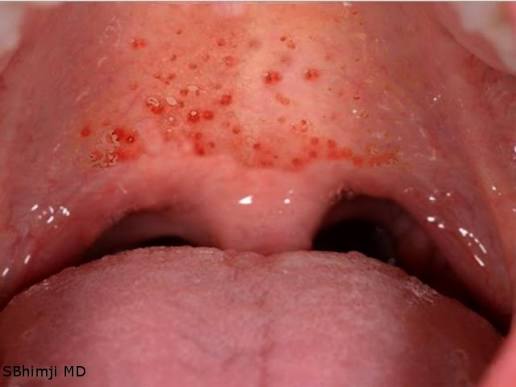
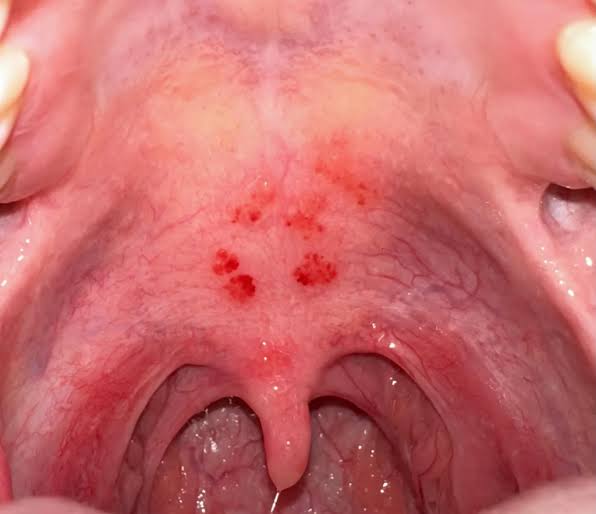
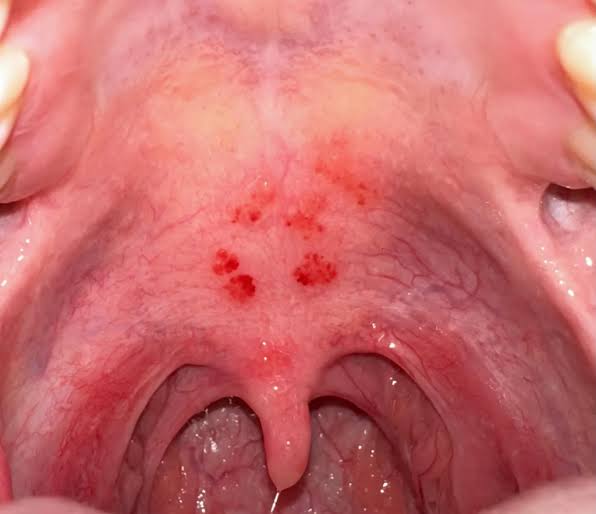
    Have you ever run your tongue over the roof of your mouth or the back of your throat and felt something unusual? Discovering red bumps on roof of mouth and back of throat can be alarming, often triggering immediate worry about infections or serious health issues. You are not alone in this concern; these small lesions are a very common complaint that usually stems from minor, treatable conditions rather than severe diseases.

    In this guide, we will walk you through the most likely causes, effective home remedies, and clear signs indicating when it is time to consult a healthcare professional. Our goal is to provide you with accurate, empathetic, and actionable information to help you find relief and peace of mind.

    What Are the Most Common Causes of Red Bumps?

    When you notice irritation in your oral cavity, understanding the root cause is the first step toward healing. The mouth is a complex environment exposed to food, bacteria, and temperature changes, making it susceptible to various irritants. Below are the primary reasons why you might develop these bumps.

    1. Thermal Burns (Pizza Palate)

    One of the most frequent culprits is simply eating food that is too hot. This condition, colloquially known as “pizza palate,” occurs when hot cheese or liquid burns the delicate tissue on the roof of your mouth.

    • Symptoms: Immediate pain, followed by redness, swelling, and sometimes blistering.
    • Recovery: Usually heals within 3–7 days without medical intervention.

    2. Canker Sores (Aphthous Ulcers)

    Canker sores are small, shallow lesions that develop on the soft tissues in your mouth or at the base of your gums. Unlike cold sores, they don’t occur on the surface of your lips and aren’t contagious.

    • Appearance: They often start as a tingling spot and evolve into a round or oval sore with a white or yellow center and a red border.
    • Triggers: Stress, minor mouth injury, acidic foods, or vitamin deficiencies.

    3. Viral Infections

    Several viruses can manifest as red bumps or blisters in the throat and mouth.

    • Herpes Simplex Virus (HSV-1): While commonly associated with lip cold sores, primary herpes infections can cause widespread red bumps and ulcers inside the mouth and throat.
    • Hand, Foot, and Mouth Disease: Common in children but can affect adults, causing painful red blisters in the mouth and throat.

    4. Allergic Reactions

    Food allergies or sensitivities to oral care products (like toothpaste containing sodium lauryl sulfate) can cause contact stomatitis. This results in inflammation and red bumps where the allergen touched the tissue.

    How Can You Tell If It’s an Infection?

    Distinguishing between simple irritation and an infection is crucial for proper treatment. While thermal burns heal on their own, infections may require medication.

    FeatureIrritation/BurnViral/Bacterial Infection
    OnsetImmediate after eating/drinkingGradual or sudden with other symptoms
    Pain LevelModerate, localizedCan be severe, widespread
    Associated SymptomsNoneFever, swollen lymph nodes, fatigue
    Duration3–7 daysMay persist longer without treatment
    Contagious?NoYes (depending on the pathogen)

    If you experience fever, difficulty swallowing, or if the bumps spread rapidly, it is highly likely you are dealing with an infectious agent rather than simple physical trauma.

    Red Bumps On Roof Of Mouth And Back Of Throat

    When Should You See a Doctor?

    While most cases of red bumps on roof of mouth and back of throat resolve on their own, certain red flags require professional medical attention. Ignoring these signs could lead to complications.

    You should schedule an appointment with your primary care physician or an ENT specialist if:

    1. The bumps persist for more than two weeks.
    2. You have a high fever (above 101°F or 38.3°C).
    3. You experience difficulty breathing or swallowing.
    4. There is pus or excessive bleeding from the bumps.
    5. You have a weakened immune system due to conditions like diabetes or HIV.

    According to general medical guidelines, persistent oral lesions should always be evaluated to rule out more serious conditions such as oral lichen planus or, in rare cases, oral cancer. For detailed anatomical references, you can review the structure of the oral cavity on Wikipedia.

    Effective Home Remedies for Relief

    If your symptoms are mild and likely caused by minor irritation or a canker sore, you can manage the discomfort at home. Here is a step-by-step approach to soothing your mouth and throat.

    Step 1: Salt Water Rinse

    Salt water is a natural disinfectant that helps reduce inflammation and keeps the area clean.

    • Recipe: Mix 1 teaspoon of salt into 8 ounces (approx. 240 ml) of warm water.
    • Method: Swish the solution around your mouth for 30 seconds, focusing on the affected areas, then spit it out. Do this 3–4 times a day.

    Step 2: Stay Hydrated

    Dry mouth can exacerbate irritation. Drinking plenty of water keeps the mucous membranes moist and promotes healing.

    • Tip: Avoid very hot or very cold beverages, as extreme temperatures can irritate the bumps further. Stick to room temperature fluids.

    Step 3: Avoid Irritants

    Until the bumps heal, steer clear of foods and substances that can aggravate the tissue.

    • Avoid: Spicy foods, acidic fruits (like oranges and lemons), crunchy snacks (like chips), and alcohol-based mouthwashes.
    • Choose: Soft, bland foods like yogurt, mashed potatoes, and smoothies.

    Step 4: Over-the-Counter Pain Relief

    If the pain is interfering with your daily life, consider using OTC medications.

    • Topical Gels: Benzocaine-based gels can numb the area temporarily.
    • Oral Medication: Ibuprofen or acetaminophen can help reduce pain and inflammation. Always follow the dosage instructions on the label.

    Preventing Future Occurrences

    Prevention is always better than cure. By making small adjustments to your daily routine, you can significantly reduce the risk of developing red bumps in your mouth and throat.

    • Practice Good Oral Hygiene: Brush twice a day and floss daily to remove bacteria that can cause infections. Replace your toothbrush every three months.
    • Check Your Toothpaste: If you frequently get canker sores, switch to a toothpaste that does not contain sodium lauryl sulfate (SLS), as this ingredient can trigger outbreaks in sensitive individuals.
    • Manage Stress: High stress levels weaken the immune system, making you more susceptible to viral outbreaks and canker sores. Incorporate relaxation techniques like meditation or deep breathing exercises into your routine.
    • Watch What You Eat: Be cautious with extremely hot foods. Let your meal cool for a few minutes before taking the first bite.

    FAQ Section

    1. Can stress cause red bumps in the mouth?

    Yes, stress is a significant trigger for canker sores and can weaken your immune system, making you more susceptible to viral infections like herpes simplex, which present as red bumps. Managing stress is a key part of maintaining oral health.

    2. Are red bumps on the roof of the mouth contagious?

    It depends on the cause. Thermal burns and canker sores are not contagious. However, if the bumps are caused by a viral infection like herpes or hand, foot, and mouth disease, they are highly contagious and can spread through saliva or close contact.

    3. How long do red bumps typically last?

    Most minor irritations, such as thermal burns or small canker sores, heal within 7 to 10 days. If the bumps are due to a viral infection, they may last up to two weeks. Any lesion persisting longer than two weeks should be examined by a doctor.

    4. Can allergies cause bumps in the back of the throat?

    Yes, allergic reactions to foods, pollen, or oral care products can cause inflammation and red bumps in the throat and mouth. This is often accompanied by itching or swelling. Identifying and avoiding the allergen is the best treatment.

    5. Is it safe to pop the bumps?

    No. You should never attempt to pop or squeeze bumps in your mouth. This can introduce bacteria, lead to secondary infections, and delay healing. Let them heal naturally or use topical treatments recommended by a pharmacist.

    Conclusion

    Discovering red bumps on roof of mouth and back of throat can be unsettling, but in the majority of cases, they are harmless and temporary. Whether caused by a hot slice of pizza, a stressful week, or a minor viral bug, most instances resolve with simple home care and time.

    By keeping your mouth clean, staying hydrated, and avoiding irritants, you can speed up the healing process. However, always listen to your body. If symptoms persist, worsen, or are accompanied by fever, do not hesitate to seek professional medical advice.

    Found this guide helpful? Share it with friends and family on social media to help them stay informed about their oral health!

  • Red Dots on Throat? Causes & Fixes

    Red Dots on Throat? Causes & Fixes

    Have you ever looked in the mirror, opened your mouth wide, and noticed something unsettling? Seeing red dots on back of throat and roof of mouth can be alarming, especially if they appear suddenly alongside discomfort or pain. You are not alone in this concern; many individuals experience these symptoms due to various benign or treatable conditions, and understanding the root cause is the first step toward relief.

    In this comprehensive guide, we will explore why these spots appear, how to distinguish between minor irritations and serious infections, and what steps you can take to heal quickly. We prioritize evidence-based information to ensure you have the clarity needed to make informed health decisions.

    What Causes Red Dots on the Back of the Throat?

    When you notice petechiae (tiny red spots) or larger inflamed areas in your oral cavity, it is usually a sign that your body is reacting to an irritant, virus, or bacteria. The mucous membranes in your mouth are sensitive and often the first place to show signs of systemic issues.

    1. Viral Infections

    The most common culprit behind red spots in the throat is a viral infection. Viruses such as the Coxsackievirus (which causes Hand, Foot, and Mouth Disease) or the Herpes Simplex Virus can lead to blister-like red dots. These are often accompanied by a mild fever or general malaise. According to general medical consensus, viral pharyngitis accounts for the majority of sore throat cases in adults.

    2. Strep Throat (Bacterial Infection)

    While viruses are more common, Streptococcus pyogenes bacteria cause Strep Throat, which frequently presents with distinct red spots on the soft palate (roof of the mouth). Unlike viral infections, Strep throat often comes with:

    • Sudden onset of severe sore throat.
    • Painful swallowing.
    • Swollen lymph nodes in the neck.
    • Absence of cough (usually).

    If you suspect Strep, it is crucial to get tested, as untreated bacterial infections can lead to complications. For more detailed information on bacterial throat infections, you can refer to Wikipedia’s page on Streptococcal pharyngitis.

    3. Allergic Reactions

    Environmental allergies or food sensitivities can cause inflammation in the throat. Post-nasal drip from allergic rhinitis can irritate the back of the throat, leading to redness and small bumps. Common triggers include pollen, dust mites, pet dander, or specific foods like nuts or dairy.

    4. Physical Irritation and Trauma

    Sometimes, the cause is mechanical. Eating very hot, spicy, or acidic foods can burn or irritate the delicate tissue of the roof of the mouth. Additionally, vigorous brushing or using a hard-bristled toothbrush can cause minor trauma, resulting in temporary red spots.

    How to Identify the Severity of Your Symptoms

    Not all red dots are created equal. Understanding the accompanying symptoms can help you determine whether you need immediate medical attention or if home care will suffice.

    SymptomLikely CauseAction Required
    Mild discomfort, no feverIrritation, Mild AllergyHome care, monitor for 2-3 days
    High fever, white patchesStrep ThroatSee a doctor for antibiotics
    Blisters on hands/feet tooHand, Foot, and Mouth DiseaseRest, hydration, consult pediatrician if child
    Difficulty breathing/swallowingSevere Allergic ReactionSeek Emergency Care Immediately
    Persistent spots > 2 weeksChronic IssueSchedule ENT appointment
    Red Dots On Back Of Throat And Roof Of Mouth

    Effective Home Remedies for Relief

    If your symptoms are mild and likely viral or irritant-based, you can manage the discomfort at home. Here is a step-by-step approach to soothing your throat and promoting healing.

    Step 1: Salt Water Gargle

    This is one of the most effective and oldest remedies for reducing inflammation and killing bacteria.

    1. Mix 1/2 teaspoon of salt into 8 ounces (approx. 240 ml) of warm water. Ensure the water is comfortable to drink, not scalding.
    2. Tilt your head back and gargle the solution for 10–15 seconds.
    3. Spit it out. Do not swallow.
    4. Repeat this process 3–4 times a day until symptoms improve.

    Step 2: Stay Hydrated

    Dehydration can worsen throat irritation. Aim to drink at least 2 liters of water daily. Warm liquids like herbal tea with honey can coat the throat and provide immediate soothing effects. Honey has natural antibacterial properties that may aid in healing.

    Step 3: Use a Humidifier

    Dry air can exacerbate throat irritation, especially while sleeping. Using a cool-mist humidifier in your bedroom can keep the air moist, preventing your throat from drying out overnight. Maintain humidity levels between 30% and 50% for optimal comfort.

    Step 4: Avoid Irritants

    Until your throat heals, avoid:

    • Smoking or vaping.
    • Spicy or acidic foods (like citrus or tomato sauce).
    • Alcohol-based mouthwashes, which can sting and dry out tissues.

    When Should You See a Doctor?

    While most cases of red dots on the throat resolve on their own, certain “red flags” indicate a need for professional medical evaluation. Ignoring these signs could lead to prolonged illness or complications.

    You should schedule an appointment with your healthcare provider if:

    • You have a fever higher than 101°F (38.3°C) that persists for more than 48 hours.
    • You experience difficulty breathing or swallowing saliva.
    • The red spots are accompanied by a rash on other parts of your body.
    • Symptoms do not improve after one week of home care.
    • You notice pus or white streaks on your tonsils.

    Early diagnosis of conditions like Strep throat is vital because it requires prescription antibiotics. Over-the-counter remedies will not cure a bacterial infection, and delaying treatment can increase the risk of spreading the bacteria to others or developing rheumatic fever.

    Frequently Asked Questions (FAQ)

    1. Can stress cause red dots on the roof of the mouth?

    Stress itself does not directly cause red dots, but it weakens the immune system, making you more susceptible to viral outbreaks like cold sores or canker sores. Additionally, stress can lead to behaviors like teeth grinding or cheek biting, which may cause physical trauma and redness in the mouth.

    2. Are red dots on the throat contagious?

    It depends on the cause. If the dots are caused by a viral infection (like the common cold or flu) or a bacterial infection (like Strep throat), they are highly contagious. However, if they are caused by allergies or physical irritation, they are not contagious. Always practice good hygiene, such as washing hands and not sharing utensils, until you know the cause.

    3. How long do red dots from a viral infection last?

    Viral pharyngitis typically resolves within 5 to 7 days. The redness and discomfort should gradually decrease during this period. If the spots persist beyond two weeks, it is advisable to consult a healthcare professional to rule out chronic conditions or other underlying issues.

    4. Can acid reflux cause red spots in the throat?

    Yes, Gastroesophageal Reflux Disease (GERD) can cause chronic irritation of the throat. Stomach acid traveling up the esophagus can inflame the back of the throat, leading to redness, swelling, and sometimes small red spots. Managing diet and taking antacids may help alleviate these symptoms.

    5. Is it safe to use over-the-counter numbing sprays?

    Over-the-counter numbing sprays containing benzocaine or phenol can provide temporary relief from pain. However, they should be used strictly according to the label instructions. Overuse can mask worsening symptoms or cause allergic reactions in some individuals. They are a symptom manager, not a cure.

    Conclusion

    Discovering red dots on back of throat and roof of mouth can be worrying, but in most cases, the cause is benign and temporary. Whether it is a minor viral infection, an allergic reaction, or simple physical irritation, understanding the symptoms allows you to take the right action.

    Remember to prioritize rest, hydration, and gentle home remedies like salt water gargles. However, never hesitate to seek professional medical advice if symptoms are severe, persistent, or accompanied by high fever. Your health is paramount, and early intervention is key to a speedy recovery.

    If you found this guide helpful, please share it with friends or family who might be dealing with similar throat issues. Spreading accurate health information helps everyone stay informed and healthy!

  • Why Is the Roof of Your Mouth Sore?

    Why Is the Roof of Your Mouth Sore?

    Have you ever taken a bite of hot pizza only to spend the next two days wincing every time your tongue touches the top of your mouth? It is a surprisingly common and frustrating experience. If you are currently asking yourself, “What causes the roof of your mouth to be sore,” you are not alone. This discomfort can range from a mild annoyance to a sharp pain that makes eating and drinking difficult.

    In this guide, we will explore the most frequent culprits behind palate pain, offer practical home remedies, and help you determine when it is time to see a doctor. Let’s get to the bottom of that sting so you can enjoy your food again.

    Common Causes of Palate Pain

    The roof of your mouth, medically known as the palate, is sensitive tissue. Because it is directly exposed to everything you eat, drink, and breathe, it is vulnerable to various irritants. Understanding the root cause is the first step toward effective treatment.

    1. Thermal Burns (The Pizza Palate)

    This is the most frequent cause of a sore roof of the mouth. The hard palate has a thin layer of mucous membrane covering the bone. When you consume food or liquids that are too hot (typically above 140°F or 60°C), this delicate tissue can scald instantly.

    • Symptoms: Redness, blistering, peeling skin, and a raw, tender feeling.
    • Healing Time: Minor burns usually heal within 3–7 days as the mouth regenerates cells faster than other parts of the body.

    2. Physical Trauma and Abrasion

    Sometimes, the damage isn’t from heat but from friction or sharp objects. Eating crunchy foods like tortilla chips, hard crusts, or candy can scratch the palate. Additionally, dental appliances such as retainers, dentures, or braces can rub against the roof of the mouth if they are ill-fitting.

    3. Canker Sores and Cold Sores

    While cold sores (herpes simplex virus) typically appear on the lips, they can occasionally occur on the hard palate. More commonly, you might develop canker sores (aphthous ulcers). These are small, shallow lesions that develop on the soft tissues in your mouth or at the base of your gums.

    • Trigger Factors: Stress, minor injury to the inside of your mouth, acidic foods, or vitamin deficiencies.
    • Appearance: White or yellow center with a red border.

    4. Oral Thrush (Yeast Infection)

    Oral thrush is a fungal infection caused by an overgrowth of Candida albicans. It is more common in infants, the elderly, and individuals with weakened immune systems or those taking antibiotics.

    • Symptoms: Creamy white lesions on the tongue or inner cheeks, which can spread to the roof of the mouth. Bleeding may occur if these lesions are scraped.
    • Sensation: A cotton-like feeling in the mouth, loss of taste, or cracking at the corners of the mouth.

    5. Allergic Reactions and Irritants

    Your palate may react to certain ingredients in toothpaste, mouthwash, or specific foods. Sodium lauryl sulfate (SLS), a foaming agent found in many toothpastes, is a known irritant for some people. Similarly, highly acidic foods (like citrus fruits or tomatoes) or spicy dishes can inflame the tissue.

    When to See a Doctor

    Most cases of a sore roof of the mouth resolve on their own within a week. However, persistent pain could indicate a more serious underlying condition. You should consult a healthcare provider if:

    • The soreness lasts longer than two weeks.
    • You have a high fever accompanying the mouth pain.
    • You notice white patches that do not wipe away.
    • You have difficulty swallowing or breathing.
    • There is unexplained bleeding.

    For more detailed information on oral conditions, you can refer to general medical resources like Wikipedia’s entry on Stomatitis to understand broader inflammatory conditions affecting the mouth.

    What Causes The Roof Of Your Mouth To Be Sore

    Effective Home Remedies for Relief

    While your mouth heals, you can manage the pain with these simple, effective strategies.

    1. Cool Down the Area

    If you have just burned your palate, act quickly. Sip cold water or suck on ice chips. This helps reduce inflammation and numbs the nerve endings temporarily. Avoid extremely cold items if you have sensitive teeth, but cool liquids are generally soothing.

    2. Salt Water Rinses

    A salt water rinse is a classic, dentist-recommended remedy. It helps clean the area, reduces bacteria, and promotes healing.

    How to make it:

    1. Mix 1/2 teaspoon of salt into 8 ounces (1 cup) of warm water.
    2. Swish the solution gently around your mouth for 30 seconds.
    3. Spit it out. Do not swallow.
    4. Repeat 2–3 times a day.

    3. Honey Application

    Honey has natural antibacterial and anti-inflammatory properties. Applying a small amount of raw honey directly to the sore spot can create a protective barrier and speed up healing. Ensure you use pure, raw honey rather than processed syrup for maximum benefit.

    4. Over-the-Counter Pain Relievers

    Topical oral gels containing benzocaine can provide temporary numbness. Alternatively, non-prescription pain relievers like ibuprofen or acetaminophen can help manage overall discomfort and reduce inflammation. Always follow the dosage instructions on the label.

    Prevention Tips: Keeping Your Palate Healthy

    Preventing a sore roof of your mouth is often easier than treating it. Here are some proactive steps you can take:

    Prevention StrategyAction Item
    Temperature CheckLet hot beverages and foods cool for 2–3 minutes before consuming. Test a small bite first.
    Dental HygieneSwitch to an SLS-free toothpaste if you experience frequent irritation. Brush gently.
    HydrationDrink plenty of water to keep oral tissues moist and resilient. Dry mouth increases susceptibility to injury.
    Dietary AwarenessLimit overly acidic or spicy foods if you are prone to canker sores. Identify and avoid personal trigger foods.
    Appliance CareEnsure dentures, retainers, or braces fit properly. Visit your dentist for adjustments if you feel rubbing.

    Frequently Asked Questions (FAQ)

    1. How long does it take for a burned roof of the mouth to heal?

    Minor thermal burns typically heal within 3 to 7 days. The mouth has a rich blood supply, which aids in rapid tissue regeneration. If the burn is severe or becomes infected, it may take up to two weeks. Keep the area clean and avoid further irritation during this period.

    2. Can stress cause the roof of my mouth to be sore?

    Yes, indirectly. Stress weakens the immune system, making you more susceptible to canker sores and cold sores. Additionally, stress can lead to behaviors like teeth grinding (bruxism) or nervous chewing, which might physically irritate the palate. Managing stress through relaxation techniques can help reduce the frequency of these outbreaks.

    3. Is a sore roof of the mouth a sign of cancer?

    While oral cancer can present as a sore that does not heal, it is rare for a sudden, acute soreness to be cancer. Oral cancer lesions are typically persistent, lasting more than two weeks, and may be accompanied by lumps, thickened patches, or difficulty moving the jaw. If you have a sore that does not heal after two weeks, see a dentist or doctor for evaluation to rule out serious conditions.

    4. What foods should I avoid when the roof of my mouth is sore?

    Avoid foods that are:

    • Hot in temperature: Soups, coffee, tea.
    • Acidic: Citrus fruits (lemons, oranges), tomatoes, vinegar-based dressings.
    • Spicy: Hot peppers, curry, salsa.
    • Crunchy/Sharp: Chips, nuts, hard crackers. Stick to soft, cool, and bland foods like yogurt, pudding, smoothies, and mashed potatoes until the pain subsides.

    5. Can dehydration cause palate pain?

    Yes. Saliva plays a crucial role in protecting the oral mucosa. When you are dehydrated, your mouth becomes dry (xerostomia), making the tissues more fragile and prone to irritation, cracking, and infection. Ensuring you drink at least 2 liters of water daily can help maintain healthy oral tissue integrity.

    Conclusion

    Dealing with a sore roof of your mouth is uncomfortable, but it is rarely a cause for panic. In most cases, the culprit is a minor burn, a scratch from food, or a small canker sore. By identifying what causes the roof of your mouth to be sore, you can take targeted steps to relieve the pain and prevent future occurrences.

    Remember to keep your mouth clean, stay hydrated, and give your body time to heal. If the pain persists beyond two weeks or worsens, do not hesitate to seek professional medical advice.

    Found this guide helpful? Share it with your friends on social media who might be suffering from “pizza palate” or other mouth mishaps. Your share could help someone find relief today!

  • Why Is the Roof of Your Mouth Sore?

    Why Is the Roof of Your Mouth Sore?

    Have you ever taken a bite of hot pizza or crunchy chips, only to wince in pain as your tongue touches the top of your mouth? It is a surprisingly common annoyance that can make eating, drinking, and even speaking uncomfortable. If you are asking yourself, “What cause the roof of your mouth to be sore,” you are not alone, and understanding the root issue is the first step toward finding relief.

    In this guide, we will break down the most frequent culprits behind palate pain, offer practical home remedies, and explain when it is time to seek professional medical advice. Let’s dive in to get your smile back on track.

    Understanding the Anatomy of Palate Pain

    The roof of your mouth, medically known as the palate, is divided into two sections: the hard palate at the front and the soft palate at the back. This area is lined with delicate mucous membranes that are sensitive to temperature, texture, and infection. Because it is constantly exposed to food and drink, it is prone to various types of trauma and irritation.

    When patients ask doctors about palate pain, they are often experiencing inflammation or minor tissue damage. While usually temporary, persistent soreness can signal underlying health issues. According to general medical consensus, identifying whether the pain is acute (sudden) or chronic (long-lasting) helps narrow down the diagnosis significantly.

    Common Causes of a Sore Roof of the Mouth

    To answer the question of what cause the roof of your mouth to be sore, we must look at both external injuries and internal conditions. Here are the primary reasons why your palate might be hurting.

    1. Thermal Burns from Hot Food

    This is the number one cause of sudden palate pain. Foods like hot cheese, coffee, or soup can reach temperatures that instantly scald the delicate skin on the roof of your mouth.

    • Symptoms: Redness, blistering, and a raw, tender feeling.
    • Healing Time: Typically 3–7 days.

    2. Physical Trauma from Crunchy Foods

    Hard foods such as tortilla chips, crusty bread, or popcorn kernels can scratch or abrade the palate. This is often referred to as “pizza palate” when associated with sharp crusts.

    • Symptoms: Localized tenderness, minor bleeding, or a rough patch.
    • Prevention: Chew slowly and allow sharp foods to soften with saliva before swallowing.

    3. Canker Sores (Aphthous Ulcers)

    Canker sores are small, shallow lesions that develop on the soft tissues in your mouth or at the base of your gums. Unlike cold sores, they don’t occur on the surface of your lips and aren’t contagious.

    • Triggers: Stress, minor injury, acidic foods, or vitamin deficiencies.
    • Appearance: White or yellow center with a red border.

    4. Oral Thrush (Candidiasis)

    Oral thrush is a fungal infection caused by an overgrowth of Candida albicans. It is more common in infants, the elderly, and those with compromised immune systems.

    • Symptoms: Creamy white lesions, cotton-like feeling in the mouth, and loss of taste.
    • Risk Factors: Antibiotic use, diabetes, or wearing dentures.

    5. Allergic Reactions

    Food allergies or sensitivities to certain ingredients (such as cinnamon, citrus, or specific preservatives) can cause contact stomatitis, leading to swelling and soreness on the palate.

    People Also Ask: Specific Questions Answered

    Google’s “People Also Ask” feature highlights what users are truly curious about. Here are detailed answers to those specific queries.

    Why Does It Hurt When I Eat Acidic Foods?

    If your palate is already compromised due to a minor burn or scratch, acidic foods like tomatoes, oranges, or vinegar-based dressings will sting intensely. The acid irritates the exposed nerve endings in the damaged tissue. It is best to avoid these foods until the tissue has healed completely.

    Can Dehydration Cause a Sore Palate?

    Yes. Saliva plays a crucial role in protecting the oral mucosa. When you are dehydrated, your mouth becomes dry (xerostomia), reducing the natural lubrication and protective barrier against bacteria and friction. This can lead to a general feeling of soreness or stickiness on the roof of the mouth.

    What Cause The Roof Of Your Mouth To Be Sore

    Is a Sore Roof of the Mouth a Sign of Cancer?

    While it is natural to worry, oral cancer is rare compared to benign causes like burns or canker sores. However, if you have a sore that does not heal within two weeks, bleeds easily, or is accompanied by a lump, you should see a dentist or doctor immediately. Early detection is key for any oral health issue.

    How Do I Know If It’s an Infection?

    Signs of infection include:

    • Pus or discharge.
    • Fever.
    • Swelling that spreads to the face or neck.
    • Persistent bad breath despite brushing.

    If you experience these symptoms, consult a healthcare provider promptly. For more detailed information on oral infections, you can refer to Wikipedia’s page on Oral Health.

    Quick Relief: Step-by-Step Home Remedies

    If you are dealing with a minor burn or irritation, you can manage the pain at home. Follow these steps for effective relief.

    1. Cool Down Immediately Sip cold water or suck on ice chips. Avoid extremely cold items if you have sensitivity, but cool temperatures help reduce inflammation. Aim for water at a refreshing, cool temperature (around 10–15°C).
    2. Salt Water Rinse Mix 1/2 teaspoon of salt into 8 ounces (240 ml) of warm water. Swish this solution around your mouth for 30 seconds and spit it out. This helps clean the area and reduces bacterial load. Repeat 2–3 times a day.
    3. Honey Application Honey has natural antibacterial and wound-healing properties. Apply a small amount of raw honey directly to the sore spot. Let it sit for a few minutes before rinsing gently.
    4. Avoid Irritants Stay away from spicy, acidic, or crunchy foods for at least 48 hours. Stick to soft, bland foods like yogurt, mashed potatoes, or smoothies.
    5. Over-the-Counter Gels Consider using an oral gel containing benzocaine for temporary numbness. Use strictly according to the package instructions.

    Comparison: Burn vs. Canker Sore vs. Thrush

    It can be tricky to distinguish between different causes. Use this table to help identify your issue.

    FeatureThermal BurnCanker SoreOral Thrush
    OnsetImmediate after eating hot foodGradual (1-2 days)Gradual (days to weeks)
    AppearanceRed, blistered, or peeled skinSmall ulcer with white/yellow centerWhite patches, creamy lesions
    Pain LevelSharp, stingingThrobbing, sensitive to touchMild discomfort, burning sensation
    Contagious?NoNoYes (can spread via contact)
    Healing Time3–7 days1–2 weeksRequires treatment

    When to See a Doctor

    While most cases of palate soreness resolve on their own, you should seek professional care if:

    • The pain persists for more than two weeks.
    • You have difficulty swallowing or breathing.
    • You notice unexplained weight loss.
    • You have a high fever accompanying the mouth sore.
    • Over-the-counter remedies provide no relief.

    Dentists and primary care physicians can perform a visual exam and, if necessary, take a swab to test for fungal or bacterial infections.

    FAQ Section

    1. How long does a burnt roof of the mouth take to heal?

    Most minor thermal burns heal within 3 to 7 days. The mouth has a rich blood supply, which promotes faster healing than skin on other parts of the body. Keep the area clean and avoid further irritation to speed up the process.

    2. Can stress cause sores on the roof of my mouth?

    Indirectly, yes. Stress weakens the immune system, making you more susceptible to canker sores and viral outbreaks like cold sores. Additionally, stress can lead to habits like teeth grinding or cheek biting, which may cause accidental trauma to the palate.

    3. Is it safe to pop a blister on the roof of my mouth?

    No. Popping a blister can introduce bacteria into the open wound, leading to infection. It also delays healing. Let the blister rupture naturally or reabsorb into the body. If it is large and painful, see a dentist for safe drainage.

    4. What vitamins help heal mouth sores?

    Deficiencies in Vitamin B12, Iron, Folate, and Zinc are linked to recurrent canker sores. Ensuring a balanced diet or taking supplements (under medical guidance) can help prevent future occurrences.

    5. Can toothpaste cause a sore roof of the mouth?

    Yes, some people are sensitive to sodium lauryl sulfate (SLS), a foaming agent found in many toothpastes. Switching to an SLS-free toothpaste may reduce irritation and frequency of sores.

    Conclusion

    Dealing with a sore roof of the mouth is uncomfortable, but in most cases, it is temporary and manageable. By understanding what cause the roof of your mouth to be sore—whether it’s a simple pizza burn, a canker sore, or a fungal infection—you can take the right steps to heal quickly. Remember to keep your mouth clean, stay hydrated, and avoid irritants while your tissue repairs itself.

    If you found this guide helpful, please share it with friends or family who might be suffering from similar discomfort. A quick share on social media could help someone find the relief they need today!

  • What Is The Lump On The Roof Of My Mouth?

    What Is The Lump On The Roof Of My Mouth?

    Have you ever run your tongue over the roof of your mouth and felt a strange, unexpected bump? It can be startling, triggering immediate worry about what might be wrong with your health. You are not alone in this concern; many people search for “What Is The Lump On The Roof Of My Mouth“ hoping for quick, reassuring answers. In most cases, these lumps are harmless and temporary, but understanding the root cause is essential for peace of mind and proper care.

    This guide will walk you through the most common reasons for palatal lumps, how to identify them, and exactly when you need professional medical attention. We will break down complex medical terms into simple, actionable advice so you can navigate this situation with confidence.

    Common Causes of Lumps on the Roof of Your Mouth

    The roof of your mouth, known medically as the palate, is divided into two sections: the hard palate (front) and the soft palate (back). A lump can appear in either area due to various factors ranging from minor injuries to underlying health conditions. Let’s explore the most frequent culprits.

    1. Torus Palatinus: A Benign Bone Growth

    One of the most common causes of a hard lump in the center of the hard palate is a torus palatinus. This is a bony growth that develops slowly over time. It is not cancerous and usually does not require treatment unless it interferes with denture fitting or causes discomfort.

    • Characteristics: Hard, immovable, located in the midline of the hard palate.
    • Prevalence: Studies suggest that torus palatinus affects approximately 20-30% of the population, with higher prevalence in certain ethnic groups.
    • Action: No action is needed unless it grows significantly large or becomes irritated.

    2. Nasopalatine Duct Cyst

    These cysts form from remnants of embryonic tissue. They are typically found behind the front teeth on the roof of the mouth. While often asymptomatic, they can become infected or grow large enough to cause swelling.

    • Symptoms: Swelling, pain, or a salty taste if the cyst drains.
    • Treatment: Surgical removal is usually recommended if the cyst causes symptoms.

    3. Mucoceles (Mucus Cysts)

    A mucocele is a fluid-filled sac that forms when a salivary gland duct is blocked or damaged. These are more common on the lower lip but can occur on the soft palate.

    • Appearance: Soft, bluish, or clear bump.
    • Cause: Often results from accidental biting or trauma to the area.
    • Resolution: Many mucoceles rupture and heal on their own within a few weeks.

    4. Thermal Burns (Pizza Palate)

    Did you recently eat something scalding hot? A “pizza burn” is a very common cause of temporary lumps or blisters on the roof of the mouth. The delicate tissue of the palate is easily damaged by high temperatures.

    • Healing Time: Typically heals within 3–7 days.
    • Care: Rinse with cool water and avoid spicy or acidic foods until healed.

    5. Oral Thrush (Candidiasis)

    Oral thrush is a fungal infection caused by an overgrowth of Candida albicans. It can present as white patches or raised bumps on the palate, often accompanied by a cottony feeling in the mouth.

    • Risk Factors: Antibiotic use, diabetes, weakened immune system, or steroid inhalers.
    • Treatment: Antifungal medications prescribed by a dentist or doctor.

    When Should You Worry? Red Flags to Watch For

    While most lumps are benign, some signs indicate a need for immediate professional evaluation. Ignoring these symptoms could delay the diagnosis of more serious conditions, such as oral cancer or severe infections.

    Use this checklist to assess your situation:

    SymptomPotential ConcernAction Required
    Persistent PainInfection or AbscessSee a dentist within 24-48 hours
    Rapid GrowthTumor or CystSchedule an appointment immediately
    BleedingTrauma or LesionConsult a healthcare provider
    Difficulty SwallowingObstruction or InfectionSeek urgent medical care
    NumbnessNerve InvolvementEmergency evaluation recommended
    Lasts > 2 WeeksChronic ConditionBook a dental exam

    If your lump persists for more than two weeks without improvement, it is crucial to consult a healthcare professional. Early detection is key to effective treatment for any oral health issue.

    What Is The Lump On The Roof Of My Mouth

    How Doctors Diagnose Palatal Lumps

    When you visit a dentist or oral surgeon for a lump on the roof of your mouth, they will follow a systematic diagnostic process. Understanding this process can help alleviate anxiety about the appointment.

    1. Visual Examination: The clinician will inspect the size, color, and texture of the lump.
    2. Palpation: They will gently feel the area to determine if the lump is hard, soft, fixed, or movable.
    3. Medical History Review: Questions about recent injuries, dietary habits, and overall health help narrow down potential causes.
    4. Imaging: If the lump is deep or bony, an X-ray or CT scan may be ordered to view the underlying structure.
    5. Biopsy: In rare cases where cancer is suspected, a small tissue sample may be taken for laboratory analysis.

    According to the National Institute of Dental and Craniofacial Research, regular dental check-ups are vital for early detection of oral abnormalities. This external resource provides comprehensive information on oral health standards and research.

    Step-by-Step Home Care for Minor Lumps

    If your lump is likely due to a minor burn or irritation, you can manage it at home with these steps. However, always monitor for changes.

    1. Rinse with Salt Water: Mix 1 teaspoon of salt in 8 ounces of warm water. Swish gently for 30 seconds, then spit out. Do this 2–3 times daily to reduce inflammation and keep the area clean.
    2. Avoid Irritants: Stay away from spicy, acidic, or crunchy foods that could aggravate the lump. Opt for soft, cool foods like yogurt or applesauce.
    3. Stay Hydrated: Drink plenty of water to maintain saliva production, which helps protect oral tissues. Aim for at least 2 liters of water per day.
    4. Over-the-Counter Pain Relief: If there is discomfort, consider using oral gels containing benzocaine or taking ibuprofen, following the package instructions.
    5. Monitor Progress: Keep a mental note of any changes in size, color, or pain level. If it worsens after 3 days, seek professional advice.

    FAQ: Common Questions About Mouth Lumps

    1. Can stress cause lumps on the roof of the mouth?

    Stress itself does not directly cause lumps, but it can weaken your immune system, making you more susceptible to infections like oral thrush or cold sores, which may present as bumps. Additionally, stress can lead to behaviors like cheek biting or grinding teeth, which might cause trauma-induced lumps.

    2. Is a lump on the roof of the mouth always cancer?

    No, the vast majority of lumps on the roof of the mouth are not cancer. Benign conditions like torus palatinus, mucoceles, and burns are far more common. However, any persistent lump should be evaluated by a professional to rule out malignancy.

    3. How long does it take for a burn lump to heal?

    Minor thermal burns on the palate typically heal within 3 to 7 days. The mouth has a rich blood supply, which promotes rapid healing. If the burn is severe or shows signs of infection (pus, increased redness), it may take longer and require medical attention.

    4. Can allergies cause bumps on the roof of the mouth?

    Yes, allergic reactions can cause swelling or hives in the mouth, including the palate. This is often accompanied by itching or tingling. If you suspect an allergy, identify and avoid the trigger, and consider antihistamines if recommended by your doctor.

    5. What is the difference between a cyst and a tumor?

    A cyst is a closed sac-like structure filled with liquid, semisolid, or gaseous material. A tumor is an abnormal mass of tissue that results when cells divide more than they should or do not die when they should. Tumors can be benign (non-cancerous) or malignant (cancerous), while cysts are generally benign but can become infected.

    6. Should I pop a blister on the roof of my mouth?

    Never pop a blister or lump in your mouth. Doing so can introduce bacteria, leading to infection, and may delay healing. Let it rupture naturally or seek professional drainage if necessary.

    Conclusion

    Discovering a lump on the roof of your mouth can be unsettling, but knowledge is your best defense against anxiety. By understanding the common causes—from benign bone growths like torus palatinus to minor thermal burns—you can better assess your situation. Remember, most lumps are harmless and resolve on their own with simple home care.

    However, vigilance is key. If the lump persists for more than two weeks, grows rapidly, or is accompanied by pain or bleeding, do not hesitate to consult a dentist or oral surgeon. Early intervention ensures the best possible outcome for your oral health.

    Found this article helpful? Share it with friends and family on social media to help spread awareness about oral health. Your share could help someone else find the answers they need!

  • Red Spots on Throat & Mouth: Causes & Fixes

    Red Spots on Throat & Mouth: Causes & Fixes

    Finding unexpected changes in your body can be alarming, especially when they involve sensitive areas like your mouth and throat. If you have noticed red spots on back of throat and roof of mouth, you are likely feeling discomfort, anxiety, or confusion about what might be causing them. You are not alone; this is a common symptom that ranges from minor irritations to infections requiring medical attention.

    In this comprehensive guide, we will explore the most likely culprits behind these symptoms, provide actionable home care tips, and clarify exactly when you need to seek professional help. Our goal is to empower you with accurate, easy-to-understand information so you can take the right steps toward relief.

    What Causes Red Spots on the Back of the Throat?

    When you look in the mirror and see red dots or patches, your first question is usually, “Is this serious?” The answer depends heavily on accompanying symptoms. Here are the most common medical conditions associated with this visual change.

    1. Strep Throat (Streptococcal Pharyngitis)

    Strep throat is a bacterial infection caused by Group A Streptococcus. It is one of the most frequent causes of bright red spots, often referred to as petechiae, on the soft palate (roof of the mouth) and the back of the throat.

    • Key Indicators: Sudden severe sore throat, pain when swallowing, fever, and swollen lymph nodes.
    • Statistic: According to the CDC, strep throat accounts for 20-30% of sore throats in children and 5-15% in adults.
    • Action: Requires antibiotics. Untreated strep can lead to complications like rheumatic fever.

    2. Viral Infections (Hand, Foot, and Mouth Disease)

    While often associated with children, Hand, Foot, and Mouth Disease (HFMD) can affect adults. It is caused by enteroviruses, most commonly Coxsackievirus A16.

    • Visual Signs: Small red blisters or ulcers on the tongue, gums, inside of the cheeks, and the roof of the mouth.
    • Progression: These spots may turn into painful open sores.
    • Contagion: Highly contagious through personal contact, nasal secretions, or fecal matter.

    3. Allergic Reactions

    Seasonal allergies or food sensitivities can cause inflammation in the oral cavity. This is often termed “allergic pharyngitis.”

    • Mechanism: Post-nasal drip irritates the throat lining, causing redness and small raised bumps.
    • Triggers: Pollen, dust mites, pet dander, or specific foods like strawberries or nuts.

    4. Oral Thrush (Candidiasis)

    Although thrush typically presents as white patches, it can sometimes cause underlying redness and irritation, especially if the white coating is scraped off. This fungal infection is more common in individuals with weakened immune systems or those taking antibiotics.

    Red Spots on Roof of Mouth vs. Throat: Is There a Difference?

    Understanding the location of the spots can help narrow down the diagnosis. While there is overlap, certain conditions prefer specific anatomical locations.

    FeatureRoof of Mouth (Hard/Soft Palate)Back of Throat (Pharynx/Tonsils)
    Common CauseHFMD, Thermal Burns, AllergiesStrep Throat, Tonsillitis, Mono
    SensationTingling, burning, rough textureSharp pain, difficulty swallowing
    AppearanceBlisters, flat red patchesPetechiae (tiny dots), swollen tonsils
    Immediate TriggerHot food/drinks, acidic foodsBacterial/Viral infection

    Note: If the spots are strictly on the roof of the mouth and appeared after eating pizza or drinking hot coffee, it is likely a thermal burn. These usually heal within 3–7 days without intervention.

    When Should You See a Doctor?

    Not every red spot requires a trip to the clinic, but ignoring certain symptoms can be dangerous. Use this checklist to determine if you need professional evaluation.

    Seek Immediate Medical Attention If:

    • You have difficulty breathing or swallowing saliva.
    • You experience a high fever (over 101°F or 38.3°C) that does not respond to medication.
    • There is visible pus on the tonsils or throat.
    • You develop a rash on your body alongside the throat symptoms.
    • The symptoms persist for more than 7 days without improvement.

    For more detailed information on bacterial infections of the throat, you can refer to the general overview provided by Wikipedia on Streptococcal pharyngitis.

    Red Spots On Back Of Throat And Roof Of Mouth

    Effective Home Remedies for Relief

    While waiting for a diagnosis or recovering from a mild viral infection, you can manage discomfort with these evidence-based home remedies.

    1. Salt Water Gargle

    This is the gold standard for soothing throat inflammation. Salt helps draw out excess fluid from inflamed tissues and reduces bacterial load.

    • Recipe: Mix 1/2 teaspoon of non-iodized salt into 8 ounces (approx. 240 ml) of warm water.
    • Method: Gargle for 10–15 seconds, then spit it out. Repeat 3–4 times daily.
    • Temperature Tip: Ensure the water is warm, not hot, to avoid further irritating the mucous membranes. Ideal temperature is around 98–100°F (37–38°C).

    2. Stay Hydrated with Cool Liquids

    Dehydration worsens throat pain. Cool liquids can numb the area slightly and keep the mucous membranes moist.

    • Recommendation: Drink at least 2 liters of water throughout the day.
    • Avoid: Citrus juices (orange, lemon) and carbonated drinks, as the acidity and bubbles can sting open sores.

    3. Honey and Herbal Tea

    Honey has natural antibacterial and anti-inflammatory properties.

    • Usage: Add one tablespoon of raw honey to chamomile or ginger tea.
    • Benefit: Chamomile promotes relaxation and reduces inflammation, while ginger acts as a natural pain reliever.

    4. Humidify Your Environment

    Dry air exacerbates throat irritation, especially during sleep.

    • Action: Use a cool-mist humidifier in your bedroom.
    • Target Humidity: Maintain indoor humidity between 30% and 50% for optimal respiratory comfort.

    Prevention Strategies for Oral Health

    Preventing future occurrences involves maintaining a strong immune system and good oral hygiene practices.

    1. Hand Hygiene: Wash hands frequently with soap and water for at least 20 seconds, especially before eating. This prevents the spread of viruses like HFMD and bacteria like Strep.
    2. Replace Your Toothbrush: If you have been diagnosed with a bacterial infection like strep throat, replace your toothbrush after 24–48 hours of starting antibiotics to prevent reinfection.
    3. Dietary Adjustments: Limit sugary foods and refined carbohydrates, which can promote fungal growth (thrush) and bacterial proliferation.
    4. Avoid Irritants: Reduce smoking and alcohol consumption, both of which dry out and irritate the throat lining, making it more susceptible to infection.

    Frequently Asked Questions (FAQ)

    1. Can stress cause red spots in the throat?

    Indirectly, yes. High stress levels weaken the immune system, making you more susceptible to viral outbreaks like cold sores or reactivation of latent viruses. However, stress itself does not directly create red spots; it lowers your body’s defense against the pathogens that do.

    2. Are red spots on the roof of the mouth contagious?

    It depends on the cause. If the spots are due to a viral infection (like HFMD or Herpes) or bacterial infection (Strep), they are highly contagious. If they are caused by allergies, thermal burns, or trauma from hard food, they are not contagious.

    3. How long do red spots from a viral infection last?

    Most viral-related red spots and sore throats resolve within 5 to 7 days. If symptoms persist beyond 10 days, it is crucial to see a healthcare provider to rule out bacterial infections or other underlying conditions.

    4. Can acid reflux cause red spots in the throat?

    Yes. Gastroesophageal Reflux Disease (GERD) can cause stomach acid to travel up the esophagus and reach the throat. This acid irritation can lead to chronic inflammation, redness, and sometimes small red bumps on the back of the throat, known as “reflux pharyngitis.”

    5. What is the difference between canker sores and red spots?

    Canker sores (aphthous ulcers) are typically shallow, painful lesions with a white or yellow center and a red border. They usually appear on the inner cheeks, lips, or tongue. Red spots on the back of the throat are often flat petechiae or inflamed tissue rather than open ulcers, though both can be painful.

    Conclusion

    Discovering red spots on back of throat and roof of mouth can be unsettling, but understanding the potential causes empowers you to react appropriately. Whether it is a simple thermal burn, a seasonal allergy, or a bacterial infection like strep throat, most cases are treatable and resolve quickly with proper care.

    Remember to monitor your symptoms closely. If you experience high fever, difficulty breathing, or persistent pain, do not hesitate to consult a healthcare professional. For mild cases, stick to hydration, salt water gargles, and rest.

    Found this guide helpful? Share it with friends and family on social media to help them stay informed about their oral health. Knowledge is the first step toward feeling better!

  • What Is That Bump On The Roof Of My Mouth?

    What Is That Bump On The Roof Of My Mouth?

    Have you ever run your tongue over the roof of your mouth and felt a strange, unexpected lump? It can be alarming to discover a new texture or swelling in such a sensitive area, leading to immediate questions about your health. If you are asking yourself, “What is that bump on the roof of my mouth,” you are not alone; this is a very common concern with a wide range of possible causes, most of which are harmless.

    In this guide, we will explore the most likely reasons for these bumps, how to identify them, and when it is time to seek professional medical advice. We aim to provide clear, actionable information to ease your mind and help you take the right steps for your oral health.

    Common Causes of Bumps on the Roof of Your Mouth

    The roof of your mouth, known medically as the palate, is divided into two sections: the hard palate (front) and the soft palate (back). Bumps can appear on either section due to various factors ranging from minor injuries to underlying health conditions. Understanding the specific characteristics of the bump—such as its color, size, and pain level—is crucial for identification.

    1. Thermal Burns (Pizza Palate)

    One of the most frequent culprits is a thermal burn, often colloquially called “pizza palate.” This occurs when you eat food or drink liquids that are too hot. The delicate tissue on the roof of the mouth gets scalded, leading to inflammation.

    • Symptoms: A tender, raised blister or rough patch.
    • Appearance: Often red or white.
    • Healing Time: Typically heals within 3 to 7 days without treatment.

    According to dental professionals, the mucous membrane in the mouth is highly vascular, which helps it heal quickly compared to skin elsewhere on the body. However, repeated burns can lead to chronic irritation.

    2. Canker Sores (Aphthous Ulcers)

    While canker sores are more common on the inner cheeks or gums, they can occasionally develop on the soft palate. These are small, shallow lesions that can make eating and talking painful.

    • Trigger Factors: Stress, minor mouth injury, acidic foods, or vitamin deficiencies.
    • Characteristics: White or yellow center with a red border.
    • Contagious? No, unlike cold sores.

    3. Oral Mucoceles

    A mucocele is a fluid-filled cyst that forms when a salivary gland becomes blocked or injured. While more common on the lower lip, they can appear on the roof of the mouth, particularly if you have a habit of biting or sucking on your palate.

    • Texture: Soft and movable.
    • Color: Clear, bluish, or pink.
    • Action: Many resolve on their own, but persistent ones may need minor surgical removal by a dentist.

    4. Torus Palatinus

    If the bump is hard, located in the center of the hard palate, and has been there for a long time, it might be a torus palatinus. This is a bony growth that is completely benign.

    • Prevalence: Affects approximately 20-30% of the population.
    • Nature: It is an exostosis (extra bone growth) and is not cancerous.
    • Treatment: Usually requires no treatment unless it interferes with denture fitting.
    What Is That Bump On The Roof Of My Mouth

    When Should You Be Concerned?

    While most bumps are benign, it is essential to distinguish between a minor irritation and something that requires medical attention. The American Cancer Society notes that early detection of oral abnormalities is key to successful treatment of serious conditions.

    You should schedule an appointment with a dentist or doctor if you experience any of the following red flags:

    1. Persistence: The bump does not heal or go away after two weeks.
    2. Growth: The lump is increasing in size rapidly.
    3. Bleeding: The area bleeds easily without obvious cause.
    4. Difficulty Swallowing: You feel obstruction or pain when swallowing.
    5. Color Changes: The bump is dark, black, or has irregular pigmentation.

    For more detailed information on oral lesions and their classifications, you can refer to this comprehensive resource on Oral Medicine.

    Comparison: Benign vs. Potentially Serious Bumps

    To help you assess your situation, here is a quick comparison table. Please note that this is for informational purposes only and not a substitute for professional diagnosis.

    FeatureBenign (Likely Harmless)Potentially Serious
    DurationHeals within 7–14 daysPersists longer than 2 weeks
    Pain LevelTender initially, then improvesPersistent pain or numbness
    TextureSoft, fluid-filled, or hard boneHard, fixed, or irregular surface
    ColorRed, white, or clearDark, black, or mixed colors
    ChangeStable or shrinkingGrowing in size

    Step-by-Step Home Care for Minor Bumps

    If you suspect your bump is due to a minor burn, canker sore, or irritation, you can manage it at home with these steps. The goal is to reduce inflammation and prevent infection.

    1. Salt Water Rinse Mix 1 teaspoon of salt into a glass of warm water (approximately 240 ml). Swish gently around your mouth for 30 seconds, then spit it out. Do this 2–3 times a day. Salt water is a natural disinfectant and helps soothe inflamed tissues.
    2. Avoid Irritants Stay away from spicy, acidic, or crunchy foods that could scratch or irritate the bump further. Opt for soft, cool foods like yogurt, smoothies, or mashed potatoes.
    3. Maintain Oral Hygiene Continue brushing and flossing, but be extra gentle around the affected area. Use a soft-bristled toothbrush to avoid aggravating the lesion.
    4. Over-the-Counter Relief If pain is significant, consider using an oral gel containing benzocaine. Follow the package instructions carefully. Do not use these products for more than 7 days without consulting a dentist.
    5. Hydration Drink plenty of water to keep your mouth moist. A dry mouth can slow down the healing process and increase bacterial growth. Aim for at least 2 liters of water daily.

    Frequently Asked Questions (FAQ)

    1. Can stress cause bumps on the roof of my mouth?

    Yes, indirectly. Stress can weaken your immune system, making you more susceptible to canker sores or viral outbreaks like cold sores. Additionally, stress often leads to behaviors like teeth grinding or cheek biting, which can cause physical trauma to the palate.

    2. Is a bump on the roof of my mouth contagious?

    It depends on the cause. Canker sores, burns, and torus palatinus are not contagious. However, if the bump is caused by a viral infection like herpes simplex (cold sores) or hand, foot, and mouth disease, it can be contagious through direct contact or sharing utensils.

    3. How long does it take for a burned palate to heal?

    Minor thermal burns usually heal within 3 to 7 days. Deeper burns may take up to two weeks. If the area remains painful or shows signs of infection (pus, increased swelling) after a week, see a dentist.

    4. Can allergies cause bumps on the roof of the mouth?

    Yes. Oral allergy syndrome or general allergic reactions can cause swelling, itching, or small hives on the palate. If you notice these symptoms after eating certain foods, consider keeping a food diary and consulting an allergist.

    5. What is the difference between a canker sore and a cold sore?

    Canker sores occur inside the mouth (including the roof) and are not contagious. Cold sores typically appear outside the mouth (on the lips) and are caused by the herpes virus, making them highly contagious. Cold sores rarely appear on the hard palate.

    6. Should I pop a bump on the roof of my mouth?

    Never attempt to pop or squeeze a bump in your mouth. This can introduce bacteria, lead to infection, and cause significant pain. If it is a cyst or abscess, it requires professional drainage by a dentist under sterile conditions.

    Conclusion

    Discovering a bump on the roof of your mouth can be unsettling, but in the vast majority of cases, it is a temporary and harmless issue such as a burn, canker sore, or benign bony growth. By understanding the common causes and monitoring the symptoms, you can effectively manage minor issues at home.

    Remember the golden rule of oral health: if it doesn’t heal in two weeks, get it checked. Early intervention is always better than waiting.

    Did you find this guide helpful? Share it with friends or family who might be dealing with similar oral health concerns. Spreading awareness helps everyone take better care of their smiles!