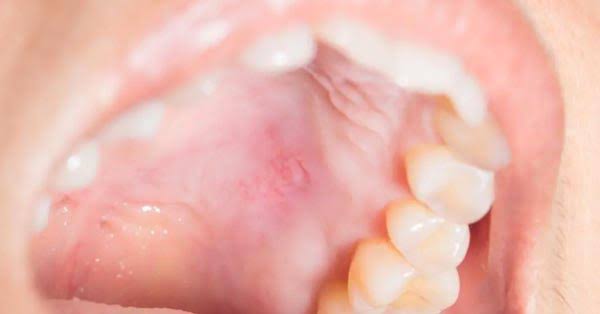
Have you ever run your tongue across the roof of your mouth and felt a strange, unexpected lump? It can be alarming to discover a new texture or protrusion in such a sensitive area, leading to immediate questions about your health. If you are currently asking yourself, “What is this bump on the roof of my mouth,” you are not alone; this is a very common concern that ranges from minor irritations to conditions requiring professional attention.
In this guide, we will explore the most likely culprits behind these oral anomalies, help you identify potential symptoms, and provide clear guidance on when it is time to consult a healthcare professional.
Common Causes of Bumps on the Hard Palate
The roof of your mouth, known medically as the palate, is divided into two sections: the hard palate at the front and the soft palate at the back. Bumps can appear on either section, but their causes often differ based on location and appearance. Understanding the origin is the first step toward effective treatment.
1. Torus Palatinus: A Benign Bone Growth
One of the most common reasons for a hard, immovable bump in the center of the hard palate is a torus palatinus. This is a bony growth that develops slowly over time.
- Characteristics: It feels hard like bone, is usually located in the midline of the roof of the mouth, and is painless.
- Prevalence: Studies suggest that torus palatinus affects approximately 20% to 30% of the population, with higher prevalence in certain ethnic groups.
- Treatment: Generally, no treatment is required unless the growth interferes with denture fitting or becomes ulcerated due to trauma.
2. Oral Mucocele (Mucus Cyst)
If the bump is soft, fluid-filled, and bluish or clear in color, it might be a mucocele. These occur when a salivary gland duct is blocked or damaged, causing saliva to pool under the tissue.
- Cause: Often results from accidental biting, sucking on the cheek, or minor trauma.
- Location: More common on the lower lip but can appear on the soft palate.
- Outcome: Many mucoceles rupture and heal on their own within a few weeks. However, persistent ones may require minor surgical removal by a dentist.
3. Thermal Burns (Pizza Palate)
Did you recently eat something piping hot? A “pizza burn” is a frequent cause of sudden bumps or blister-like lesions on the roof of the mouth.
- Symptoms: Redness, swelling, peeling skin, and tenderness.
- Healing Time: The mouth heals rapidly. Most thermal burns resolve within 3 to 7 days.
- Care: Avoid hot, spicy, or acidic foods until the tissue heals. Rinsing with cool water can provide immediate relief.
4. Canker Sores (Aphthous Ulcers)
While canker sores are more common on the inner cheeks and gums, they can occasionally appear on the soft palate. These are small, shallow lesions that develop on the soft tissues in your mouth or at the base of your gums.
- Appearance: White or yellow center with a red border.
- Sensation: They are typically painful, especially when eating or talking.
- Triggers: Stress, minor injury, acidic foods, or vitamin deficiencies (B-12, zinc, folate).
Less Common but Serious Conditions
While most bumps are benign, it is crucial to be aware of conditions that require medical intervention. Ignoring persistent changes in your oral tissue can lead to complications.
Oral Thrush (Candidiasis)
Oral thrush is a fungal infection caused by Candida albicans. It often presents as creamy white lesions on your tongue or inner cheeks, but it can also spread to the roof of the mouth.
- Risk Factors: Antibiotic use, diabetes, weakened immune system, or wearing dentures.
- Symptoms: Cotton-like feeling in the mouth, loss of taste, and cracking at the corners of the mouth.
- Treatment: Antifungal medications prescribed by a doctor or dentist.
Nasopalatine Duct Cyst
This is a rare developmental cyst that occurs in the midline of the anterior hard palate. It arises from remnants of the nasopalatine duct.
- Symptoms: Often asymptomatic, but can cause swelling, pain, or a salty taste if it drains.
- Diagnosis: Requires X-rays or CT scans for confirmation.
- Management: Surgical removal is typically recommended to prevent infection or bone erosion.
Oral Cancer
Although less common, a persistent bump could be a sign of oral cancer. Early detection is vital for successful treatment.
- Warning Signs: A sore that does not heal within two weeks, a lump that grows, difficulty swallowing, or unexplained bleeding.
- Risk Factors: Tobacco use, heavy alcohol consumption, and HPV infection.
- Action: If you have a risk factor and notice a persistent change, schedule an oral cancer screening immediately.
When to See a Doctor or Dentist
Knowing when to seek professional help is critical. Use the following checklist to determine if your bump requires immediate attention.
| Symptom | Action Required |
|---|---|
| Painful bump lasting more than 2 weeks | Schedule a dental appointment |
| Hard, fixed lump growing in size | Consult an oral surgeon |
| Bleeding without obvious cause | Seek immediate care |
| Difficulty breathing or swallowing | Go to the Emergency Room |
| Fever accompanied by oral swelling | See a doctor within 24 hours |
According to the Centers for Disease Control and Prevention (CDC), regular dental check-ups are essential for early detection of oral diseases. Do not wait for pain to become severe before seeking advice.
Home Care and Relief Strategies
If your bump is minor and likely caused by trauma or irritation, you can manage it at home while monitoring its progress. Here are some effective, evidence-based remedies:
- Salt Water Rinse: Mix 1/2 teaspoon of salt in 8 ounces of warm water. Swish gently for 30 seconds and spit. This helps reduce inflammation and keeps the area clean. Repeat 2–3 times daily.
- Avoid Irritants: Stay away from spicy, acidic, or crunchy foods that could aggravate the lesion. Opt for soft, cool foods like yogurt or smoothies.
- Over-the-Counter Gels: For painful sores like cankers, benzocaine gels can provide temporary numbness. Follow the package instructions carefully.
- Hydration: Drink plenty of water to keep your oral tissues moist and promote healing. Dehydration can worsen oral irritation.
FAQ: Common Questions About Mouth Bumps
1. Can a bump on the roof of my mouth go away on its own?
Yes, many bumps, such as those caused by thermal burns, minor trauma, or mucoceles, often resolve on their own within one to two weeks. However, if the bump persists beyond this timeframe, it requires professional evaluation.
2. Is a hard bump on the roof of my mouth always cancer?
No. A hard bump is frequently a torus palatinus, which is a benign bony growth. While oral cancer is a possibility, it is far less common than benign conditions. Only a biopsy can definitively rule out cancer.
3. Why does my bump hurt when I eat?
Pain during eating usually indicates inflammation or an open sore, such as a canker sore or a thermal burn. The friction from food and exposure to temperature extremes or acids can irritate the exposed nerve endings in the affected tissue.
4. Can allergies cause bumps on the roof of the mouth?
Yes, allergic reactions can cause swelling or hives in the mouth. This is often accompanied by itching or tingling. If you suspect an allergy, identify and avoid the trigger, and consider taking an antihistamine if recommended by your doctor.
5. How do dentists diagnose mouth bumps?
Dentists typically start with a visual examination and palpation (feeling the area). If necessary, they may order imaging tests like X-rays or CT scans. In cases where cancer is suspected, a biopsy (taking a small tissue sample) is performed for laboratory analysis.
Conclusion
Discovering a bump on the roof of your mouth can be unsettling, but in most cases, it is a harmless condition such as a torus palatinus, a minor burn, or a canker sore. By understanding the common causes and monitoring your symptoms, you can make informed decisions about your oral health.
Remember, the key takeaway is observation. If the bump is painless and unchanged, it may simply be part of your anatomy. However, if it grows, bleeds, or persists for more than two weeks, do not hesitate to consult a dental professional. Early intervention is always the best policy for maintaining optimal oral health.
Found this guide helpful? Share it with friends and family on social media to help them understand their oral health better. Your next share could help someone else find peace of mind!
Leave a Reply