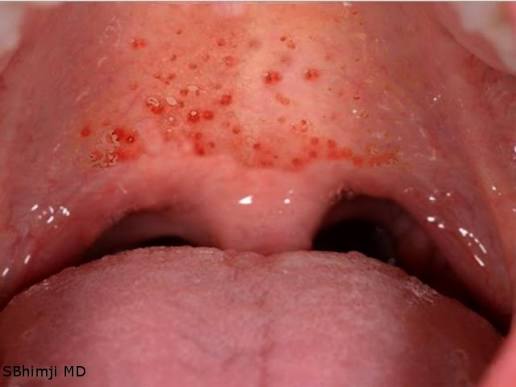
Have you ever run your tongue over the roof of your mouth or the back of your throat and felt something unusual? Discovering red bumps on roof of mouth and back of throat can be alarming, often triggering immediate worry about infections or serious health issues. You are not alone in this concern; these small lesions are a very common complaint that usually stems from minor, treatable conditions rather than severe diseases.
In this guide, we will walk you through the most likely causes, effective home remedies, and clear signs indicating when it is time to consult a healthcare professional. Our goal is to provide you with accurate, empathetic, and actionable information to help you find relief and peace of mind.
What Are the Most Common Causes of Red Bumps?
When you notice irritation in your oral cavity, understanding the root cause is the first step toward healing. The mouth is a complex environment exposed to food, bacteria, and temperature changes, making it susceptible to various irritants. Below are the primary reasons why you might develop these bumps.
1. Thermal Burns (Pizza Palate)
One of the most frequent culprits is simply eating food that is too hot. This condition, colloquially known as “pizza palate,” occurs when hot cheese or liquid burns the delicate tissue on the roof of your mouth.
- Symptoms: Immediate pain, followed by redness, swelling, and sometimes blistering.
- Recovery: Usually heals within 3–7 days without medical intervention.
2. Canker Sores (Aphthous Ulcers)
Canker sores are small, shallow lesions that develop on the soft tissues in your mouth or at the base of your gums. Unlike cold sores, they don’t occur on the surface of your lips and aren’t contagious.
- Appearance: They often start as a tingling spot and evolve into a round or oval sore with a white or yellow center and a red border.
- Triggers: Stress, minor mouth injury, acidic foods, or vitamin deficiencies.
3. Viral Infections
Several viruses can manifest as red bumps or blisters in the throat and mouth.
- Herpes Simplex Virus (HSV-1): While commonly associated with lip cold sores, primary herpes infections can cause widespread red bumps and ulcers inside the mouth and throat.
- Hand, Foot, and Mouth Disease: Common in children but can affect adults, causing painful red blisters in the mouth and throat.
4. Allergic Reactions
Food allergies or sensitivities to oral care products (like toothpaste containing sodium lauryl sulfate) can cause contact stomatitis. This results in inflammation and red bumps where the allergen touched the tissue.
How Can You Tell If It’s an Infection?
Distinguishing between simple irritation and an infection is crucial for proper treatment. While thermal burns heal on their own, infections may require medication.
| Feature | Irritation/Burn | Viral/Bacterial Infection |
|---|---|---|
| Onset | Immediate after eating/drinking | Gradual or sudden with other symptoms |
| Pain Level | Moderate, localized | Can be severe, widespread |
| Associated Symptoms | None | Fever, swollen lymph nodes, fatigue |
| Duration | 3–7 days | May persist longer without treatment |
| Contagious? | No | Yes (depending on the pathogen) |
If you experience fever, difficulty swallowing, or if the bumps spread rapidly, it is highly likely you are dealing with an infectious agent rather than simple physical trauma.
When Should You See a Doctor?
While most cases of red bumps on roof of mouth and back of throat resolve on their own, certain red flags require professional medical attention. Ignoring these signs could lead to complications.
You should schedule an appointment with your primary care physician or an ENT specialist if:
- The bumps persist for more than two weeks.
- You have a high fever (above 101°F or 38.3°C).
- You experience difficulty breathing or swallowing.
- There is pus or excessive bleeding from the bumps.
- You have a weakened immune system due to conditions like diabetes or HIV.
According to general medical guidelines, persistent oral lesions should always be evaluated to rule out more serious conditions such as oral lichen planus or, in rare cases, oral cancer. For detailed anatomical references, you can review the structure of the oral cavity on Wikipedia.
Effective Home Remedies for Relief
If your symptoms are mild and likely caused by minor irritation or a canker sore, you can manage the discomfort at home. Here is a step-by-step approach to soothing your mouth and throat.
Step 1: Salt Water Rinse
Salt water is a natural disinfectant that helps reduce inflammation and keeps the area clean.
- Recipe: Mix 1 teaspoon of salt into 8 ounces (approx. 240 ml) of warm water.
- Method: Swish the solution around your mouth for 30 seconds, focusing on the affected areas, then spit it out. Do this 3–4 times a day.
Step 2: Stay Hydrated
Dry mouth can exacerbate irritation. Drinking plenty of water keeps the mucous membranes moist and promotes healing.
- Tip: Avoid very hot or very cold beverages, as extreme temperatures can irritate the bumps further. Stick to room temperature fluids.
Step 3: Avoid Irritants
Until the bumps heal, steer clear of foods and substances that can aggravate the tissue.
- Avoid: Spicy foods, acidic fruits (like oranges and lemons), crunchy snacks (like chips), and alcohol-based mouthwashes.
- Choose: Soft, bland foods like yogurt, mashed potatoes, and smoothies.
Step 4: Over-the-Counter Pain Relief
If the pain is interfering with your daily life, consider using OTC medications.
- Topical Gels: Benzocaine-based gels can numb the area temporarily.
- Oral Medication: Ibuprofen or acetaminophen can help reduce pain and inflammation. Always follow the dosage instructions on the label.
Preventing Future Occurrences
Prevention is always better than cure. By making small adjustments to your daily routine, you can significantly reduce the risk of developing red bumps in your mouth and throat.
- Practice Good Oral Hygiene: Brush twice a day and floss daily to remove bacteria that can cause infections. Replace your toothbrush every three months.
- Check Your Toothpaste: If you frequently get canker sores, switch to a toothpaste that does not contain sodium lauryl sulfate (SLS), as this ingredient can trigger outbreaks in sensitive individuals.
- Manage Stress: High stress levels weaken the immune system, making you more susceptible to viral outbreaks and canker sores. Incorporate relaxation techniques like meditation or deep breathing exercises into your routine.
- Watch What You Eat: Be cautious with extremely hot foods. Let your meal cool for a few minutes before taking the first bite.
FAQ Section
1. Can stress cause red bumps in the mouth?
Yes, stress is a significant trigger for canker sores and can weaken your immune system, making you more susceptible to viral infections like herpes simplex, which present as red bumps. Managing stress is a key part of maintaining oral health.
2. Are red bumps on the roof of the mouth contagious?
It depends on the cause. Thermal burns and canker sores are not contagious. However, if the bumps are caused by a viral infection like herpes or hand, foot, and mouth disease, they are highly contagious and can spread through saliva or close contact.
3. How long do red bumps typically last?
Most minor irritations, such as thermal burns or small canker sores, heal within 7 to 10 days. If the bumps are due to a viral infection, they may last up to two weeks. Any lesion persisting longer than two weeks should be examined by a doctor.
4. Can allergies cause bumps in the back of the throat?
Yes, allergic reactions to foods, pollen, or oral care products can cause inflammation and red bumps in the throat and mouth. This is often accompanied by itching or swelling. Identifying and avoiding the allergen is the best treatment.
5. Is it safe to pop the bumps?
No. You should never attempt to pop or squeeze bumps in your mouth. This can introduce bacteria, lead to secondary infections, and delay healing. Let them heal naturally or use topical treatments recommended by a pharmacist.
Conclusion
Discovering red bumps on roof of mouth and back of throat can be unsettling, but in the majority of cases, they are harmless and temporary. Whether caused by a hot slice of pizza, a stressful week, or a minor viral bug, most instances resolve with simple home care and time.
By keeping your mouth clean, staying hydrated, and avoiding irritants, you can speed up the healing process. However, always listen to your body. If symptoms persist, worsen, or are accompanied by fever, do not hesitate to seek professional medical advice.
Found this guide helpful? Share it with friends and family on social media to help them stay informed about their oral health!
Leave a Reply