Are you standing in your driveway, looking up at your aging shingle roof, and wondering if swapping it for metal will actually pay off when you sell? It’s a common dilemma for homeowners who want to upgrade their property’s durability without throwing money into a void. You aren’t just looking for a new roof; you are looking for smart equity growth. The burning question on every homeowner’s mind is: Does a metal roof increase the value of your home?
The short answer is yes, but the real story lies in the numbers, the longevity, and the specific preferences of today’s buyers. In this guide, we will break down the financial realities, aesthetic impacts, and practical benefits of metal roofing to help you make an informed decision.
How Much Value Does a Metal Roof Actually Add?
When we talk about home value, we need to distinguish between resale value (what you get back when you sell) and market appeal (how fast it sells). Metal roofs excel in both categories, though the financial return can vary based on your location and the quality of the installation.
According to recent remodeling impact reports, metal roofing consistently ranks as one of the top exterior improvements for Return on Investment (ROI). On average, homeowners can recoup 85% to 95% of the installation cost upon resale. In some high-end markets or areas prone to severe weather, this figure can even exceed 100%.
Why is the retention rate so high? Because buyers recognize that a metal roof is a “one-and-done” solution. Unlike asphalt shingles that may need replacing every 15–20 years, a quality metal roof lasts 40–70 years. This long-term savings potential is immediately factored into the home’s appraisal value.
Key Financial Benefits at a Glance
- Higher Appraisal Values: Appraisers often adjust the comparable sales data upward for homes with newer, premium roofing materials.
- Reduced Negotiation Friction: During inspections, a solid metal roof eliminates the “roof replacement contingency” that often kills deals or lowers offers.
- Insurance Discounts: Many insurance carriers offer premiums reductions of 10–30% for metal roofs due to their fire and wind resistance, a selling point you can highlight to potential buyers.
Do Home Buyers Prefer Metal Roofs Over Asphalt Shingles?
Understanding buyer intent is crucial. The modern US homebuyer is increasingly educated about sustainability and maintenance costs. While asphalt shingles remain the most common roofing material due to low upfront cost, they are no longer the “gold standard” for discerning buyers.
The Shift Toward Durability
Today’s market favors low-maintenance homes. A survey by the National Association of Realtors (NAR) indicates that “new roof” is among the top three features that encourage buyers to proceed with a purchase. However, a metal roof signals a higher tier of quality.
Buyers perceive metal roofs as:
- Modern and Stylish: With advancements in coating technology, metal roofs can mimic slate, tile, or wood shake without the weight or decay issues.
- Energy Efficient: Reflective pigments in metal roofing can reduce cooling costs by up to 25%, a major selling point in warmer US states like Texas, Florida, and Arizona.
- Eco-Friendly: Metal roofs are often made from recycled materials and are 100% recyclable at the end of their life, appealing to environmentally conscious demographics.
Expert Insight: “In competitive housing markets, a metal roof acts as a differentiator. It tells the buyer, ‘This home has been protected with the best materials available.’ It reduces anxiety about future repair bills.”
What Are the Pros and Cons of Metal Roofing for Resale?
To provide a balanced view, let’s look at the trade-offs. No home improvement is perfect for every situation. Here is a breakdown to help you weigh the decision.
| Feature | Metal Roofing | Asphalt Shingles |
|---|---|---|
| Lifespan | 40–70+ Years | 15–25 Years |
| Upfront Cost | High ($15,000–$30,000+) | Low to Moderate ($8,000–$15,000) |
| Maintenance | Very Low | Moderate (Prone to moss, curling) |
| Noise | Can be noisy without insulation | Quiet |
| Aesthetic Variety | High (Standing seam, stone-coated) | Standard (Limited textures) |
| Resale Appeal | Premium / Luxury | Standard / Expected |
The Noise Myth
One common concern buyers raise is noise during rain or hail. However, this is largely a misconception for modern installations. When installed with proper solid sheathing and attic insulation, a metal roof is no louder than an asphalt roof. In fact, many homeowners report it sounds quieter because the mass of the structure dampens the sound. If you are installing a metal roof, ensure your contractor uses acoustic underlayment to mitigate any potential noise issues, which preserves the home’s comfort rating.
How Does Location Impact the Value Added by a Metal Roof?
Geography plays a massive role in whether a metal roof increases your home’s value significantly.
1. Severe Weather Zones
If you live in the Midwest (hail alley), the Southeast (hurricane zones), or the West Coast (wildfire risks), a metal roof is not just a luxury; it’s a necessity. In these regions, the value add is substantial because the roof provides critical protection. Buyers in these areas are willing to pay a premium for impact-resistant Class 4 rated metal panels.
2. Historic Districts
Be cautious if your home is in a designated historic district. Some HOAs or local preservation committees may restrict the type of metal roofing allowed. In these cases, stone-coated steel tiles that mimic traditional clay or slate might be the only approved option. Always check local ordinances before investing.
3. Urban vs. Rural
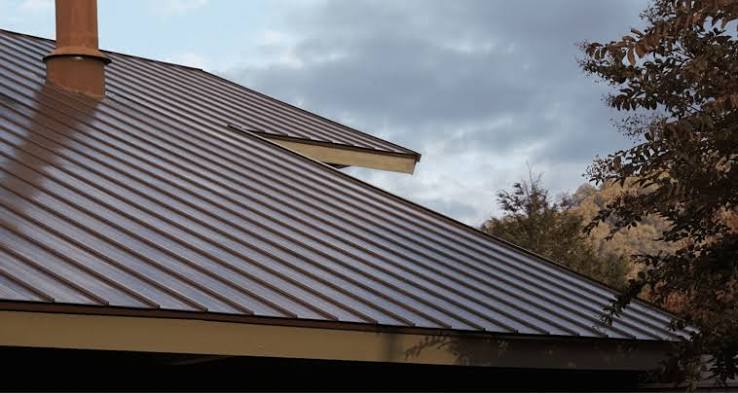
In rural areas, the rustic appeal of standing-seam metal roofs fits the aesthetic perfectly, often boosting curb appeal significantly. In dense urban suburbs, the style must match the neighborhood norm. A sleek, dark gray standing seam roof might look out of place next to traditional colonial homes with architectural shingles, potentially limiting your buyer pool.
What Type of Metal Roof Offers the Best ROI?
Not all metal roofs are created equal. The material you choose affects both the cost and the perceived value.
- Steel (Galvalume): The most common and cost-effective. It offers excellent durability and is widely accepted by buyers. Best for: General ROI.
- Aluminum: Ideal for coastal homes because it does not rust. It is lighter and more expensive than steel. Best for: Coastal properties.
- Copper and Zinc: These are premium luxury materials. They develop a patina over time and are extremely durable. While they add immense prestige, the ROI might be lower percentage-wise because the initial cost is so high. Best for: High-end luxury estates.
For most homeowners aiming to maximize resale value, painted galvanized steel or aluminum with a Kynar 500 finish offers the best balance of cost, durability, and aesthetic appeal.
FAQ Section
1. Will a metal roof interfere with Wi-Fi or cell signals?
Generally, no. While metal blocks radio waves, your Wi-Fi router and cell signals usually enter through windows and doors, not the roof. Unless you have a satellite dish mounted directly on the metal roof without proper clearance, you should not experience significant signal degradation.
2. How long does it take to install a metal roof?
A typical residential metal roof installation takes 2 to 5 days, depending on the complexity of the roofline and the size of the crew. This is comparable to asphalt shingle installation but requires more specialized labor.
3. Can I install a metal roof over my existing shingles?
In many cases, yes. This is called a “retrofit” installation. It saves on disposal costs and landfill waste. However, you must check local building codes and ensure the existing roof deck is structurally sound. Always consult with a licensed contractor to verify if your specific home qualifies. For more details on roofing structures, you can refer to general construction standards on Wikipedia.
4. Does the color of the metal roof affect home value?
Yes, indirectly. Neutral colors like charcoal, bronze, black, and slate gray tend to have the broadest appeal. Bold colors like bright red or blue may limit your buyer pool unless they fit a specific regional aesthetic (like barn-red in rural areas). Stick to timeless, neutral tones to maximize resale potential.
5. Is a metal roof harder to repair than shingles?
Repairs can be more complex because panels are large and interlocked. However, metal roofs require repairs far less frequently. If a panel is damaged by a falling branch, a professional can replace that specific section. It is not a DIY-friendly repair, so factor in professional service costs for long-term maintenance.
Conclusion
So, does a metal roof increase the value of your home? Absolutely. It transforms your property from a standard listing into a premium, low-maintenance asset. While the upfront cost is higher than asphalt, the combination of increased resale value, energy savings, insurance discounts, and decades of durability makes it a financially sound investment.
By choosing the right material and color for your region, you not only protect your family but also secure a stronger financial position for the future. If you are planning to sell within the next 5–10 years, a metal roof is one of the few upgrades that truly pays for itself.
Found this guide helpful? Share it with your friends on Facebook or Pinterest who are considering home renovations, and help them make smarter investment choices!
Leave a Reply