Tag: Home Improvement Value

  • Does a Metal Roof Increase Home Value?

    Does a Metal Roof Increase Home Value?

    Are you standing in your driveway, looking up at your aging shingle roof, and wondering if swapping it for metal will actually pay off when you sell? It’s a common dilemma for homeowners who want to upgrade their property’s durability without throwing money into a void. You aren’t just looking for a new roof; you are looking for smart equity growth. The burning question on every homeowner’s mind is: Does a metal roof increase the value of your home?

    The short answer is yes, but the real story lies in the numbers, the longevity, and the specific preferences of today’s buyers. In this guide, we will break down the financial realities, aesthetic impacts, and practical benefits of metal roofing to help you make an informed decision.


    How Much Value Does a Metal Roof Actually Add?

    When we talk about home value, we need to distinguish between resale value (what you get back when you sell) and market appeal (how fast it sells). Metal roofs excel in both categories, though the financial return can vary based on your location and the quality of the installation.

    According to recent remodeling impact reports, metal roofing consistently ranks as one of the top exterior improvements for Return on Investment (ROI). On average, homeowners can recoup 85% to 95% of the installation cost upon resale. In some high-end markets or areas prone to severe weather, this figure can even exceed 100%.

    Why is the retention rate so high? Because buyers recognize that a metal roof is a “one-and-done” solution. Unlike asphalt shingles that may need replacing every 15–20 years, a quality metal roof lasts 40–70 years. This long-term savings potential is immediately factored into the home’s appraisal value.

    Key Financial Benefits at a Glance

    • Higher Appraisal Values: Appraisers often adjust the comparable sales data upward for homes with newer, premium roofing materials.
    • Reduced Negotiation Friction: During inspections, a solid metal roof eliminates the “roof replacement contingency” that often kills deals or lowers offers.
    • Insurance Discounts: Many insurance carriers offer premiums reductions of 10–30% for metal roofs due to their fire and wind resistance, a selling point you can highlight to potential buyers.

    Do Home Buyers Prefer Metal Roofs Over Asphalt Shingles?

    Understanding buyer intent is crucial. The modern US homebuyer is increasingly educated about sustainability and maintenance costs. While asphalt shingles remain the most common roofing material due to low upfront cost, they are no longer the “gold standard” for discerning buyers.

    The Shift Toward Durability

    Today’s market favors low-maintenance homes. A survey by the National Association of Realtors (NAR) indicates that “new roof” is among the top three features that encourage buyers to proceed with a purchase. However, a metal roof signals a higher tier of quality.

    Buyers perceive metal roofs as:

    1. Modern and Stylish: With advancements in coating technology, metal roofs can mimic slate, tile, or wood shake without the weight or decay issues.
    2. Energy Efficient: Reflective pigments in metal roofing can reduce cooling costs by up to 25%, a major selling point in warmer US states like Texas, Florida, and Arizona.
    3. Eco-Friendly: Metal roofs are often made from recycled materials and are 100% recyclable at the end of their life, appealing to environmentally conscious demographics.

    Expert Insight: “In competitive housing markets, a metal roof acts as a differentiator. It tells the buyer, ‘This home has been protected with the best materials available.’ It reduces anxiety about future repair bills.”
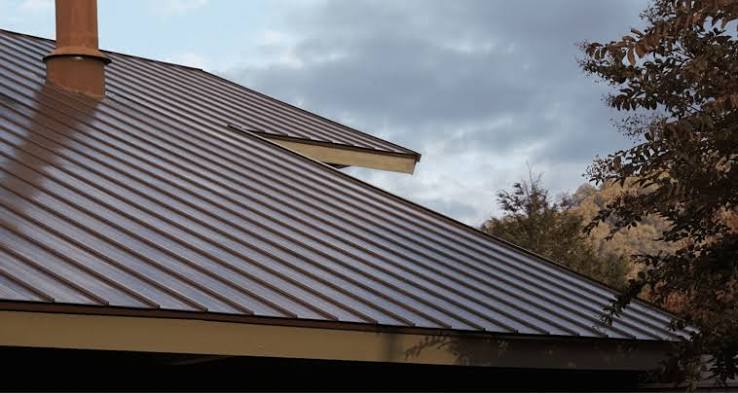
    Does A Metal Roof Increase The Value Of Your Home

    What Are the Pros and Cons of Metal Roofing for Resale?

    To provide a balanced view, let’s look at the trade-offs. No home improvement is perfect for every situation. Here is a breakdown to help you weigh the decision.

    FeatureMetal RoofingAsphalt Shingles
    Lifespan40–70+ Years15–25 Years
    Upfront CostHigh ($15,000–$30,000+)Low to Moderate ($8,000–$15,000)
    MaintenanceVery LowModerate (Prone to moss, curling)
    NoiseCan be noisy without insulationQuiet
    Aesthetic VarietyHigh (Standing seam, stone-coated)Standard (Limited textures)
    Resale AppealPremium / LuxuryStandard / Expected

    The Noise Myth

    One common concern buyers raise is noise during rain or hail. However, this is largely a misconception for modern installations. When installed with proper solid sheathing and attic insulation, a metal roof is no louder than an asphalt roof. In fact, many homeowners report it sounds quieter because the mass of the structure dampens the sound. If you are installing a metal roof, ensure your contractor uses acoustic underlayment to mitigate any potential noise issues, which preserves the home’s comfort rating.


    How Does Location Impact the Value Added by a Metal Roof?

    Geography plays a massive role in whether a metal roof increases your home’s value significantly.

    1. Severe Weather Zones

    If you live in the Midwest (hail alley), the Southeast (hurricane zones), or the West Coast (wildfire risks), a metal roof is not just a luxury; it’s a necessity. In these regions, the value add is substantial because the roof provides critical protection. Buyers in these areas are willing to pay a premium for impact-resistant Class 4 rated metal panels.

    2. Historic Districts

    Be cautious if your home is in a designated historic district. Some HOAs or local preservation committees may restrict the type of metal roofing allowed. In these cases, stone-coated steel tiles that mimic traditional clay or slate might be the only approved option. Always check local ordinances before investing.

    3. Urban vs. Rural

    In rural areas, the rustic appeal of standing-seam metal roofs fits the aesthetic perfectly, often boosting curb appeal significantly. In dense urban suburbs, the style must match the neighborhood norm. A sleek, dark gray standing seam roof might look out of place next to traditional colonial homes with architectural shingles, potentially limiting your buyer pool.


    What Type of Metal Roof Offers the Best ROI?

    Not all metal roofs are created equal. The material you choose affects both the cost and the perceived value.

    • Steel (Galvalume): The most common and cost-effective. It offers excellent durability and is widely accepted by buyers. Best for: General ROI.
    • Aluminum: Ideal for coastal homes because it does not rust. It is lighter and more expensive than steel. Best for: Coastal properties.
    • Copper and Zinc: These are premium luxury materials. They develop a patina over time and are extremely durable. While they add immense prestige, the ROI might be lower percentage-wise because the initial cost is so high. Best for: High-end luxury estates.

    For most homeowners aiming to maximize resale value, painted galvanized steel or aluminum with a Kynar 500 finish offers the best balance of cost, durability, and aesthetic appeal.


    FAQ Section

    1. Will a metal roof interfere with Wi-Fi or cell signals?

    Generally, no. While metal blocks radio waves, your Wi-Fi router and cell signals usually enter through windows and doors, not the roof. Unless you have a satellite dish mounted directly on the metal roof without proper clearance, you should not experience significant signal degradation.

    2. How long does it take to install a metal roof?

    A typical residential metal roof installation takes 2 to 5 days, depending on the complexity of the roofline and the size of the crew. This is comparable to asphalt shingle installation but requires more specialized labor.

    3. Can I install a metal roof over my existing shingles?

    In many cases, yes. This is called a “retrofit” installation. It saves on disposal costs and landfill waste. However, you must check local building codes and ensure the existing roof deck is structurally sound. Always consult with a licensed contractor to verify if your specific home qualifies. For more details on roofing structures, you can refer to general construction standards on Wikipedia.

    4. Does the color of the metal roof affect home value?

    Yes, indirectly. Neutral colors like charcoal, bronze, black, and slate gray tend to have the broadest appeal. Bold colors like bright red or blue may limit your buyer pool unless they fit a specific regional aesthetic (like barn-red in rural areas). Stick to timeless, neutral tones to maximize resale potential.

    5. Is a metal roof harder to repair than shingles?

    Repairs can be more complex because panels are large and interlocked. However, metal roofs require repairs far less frequently. If a panel is damaged by a falling branch, a professional can replace that specific section. It is not a DIY-friendly repair, so factor in professional service costs for long-term maintenance.


    Conclusion

    So, does a metal roof increase the value of your home? Absolutely. It transforms your property from a standard listing into a premium, low-maintenance asset. While the upfront cost is higher than asphalt, the combination of increased resale value, energy savings, insurance discounts, and decades of durability makes it a financially sound investment.

    By choosing the right material and color for your region, you not only protect your family but also secure a stronger financial position for the future. If you are planning to sell within the next 5–10 years, a metal roof is one of the few upgrades that truly pays for itself.

    Found this guide helpful? Share it with your friends on Facebook or Pinterest who are considering home renovations, and help them make smarter investment choices!
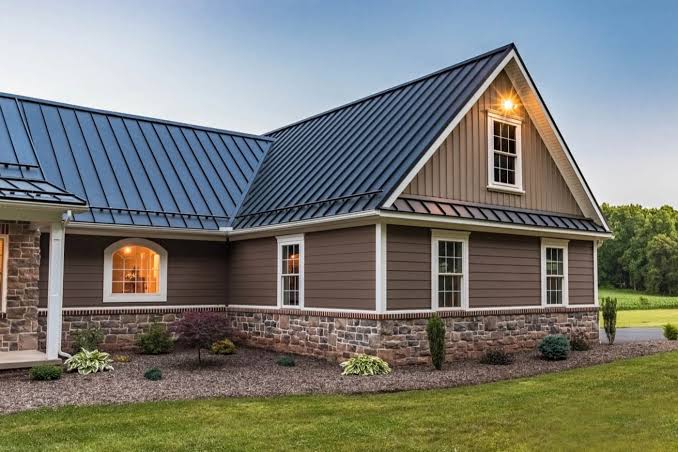
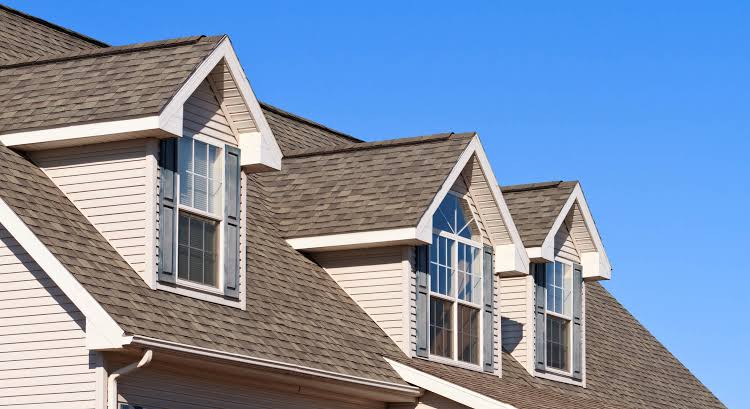
  • Does a Metal Roof Boost Home Value?

    Does a Metal Roof Boost Home Value?

    Have you ever looked up at your aging shingle roof and wondered if replacing it with metal is a smart financial move or just an expensive aesthetic choice? You are not alone; many homeowners struggle to balance immediate costs with long-term equity gains. Understanding how much does a new metal roof increase home value is crucial for making an informed decision that benefits both your wallet and your comfort.

    The Real ROI: Breaking Down the Numbers

    When considering a major home improvement, the Return on Investment (ROI) is usually the first question on every homeowner’s mind. Unlike a kitchen remodel, which might offer a subjective return based on buyer preference, a roof is a functional necessity. However, metal roofs have transcended their industrial roots to become a premium feature in the residential market.

    According to recent data from the Remodeling 2025-2026 Cost vs. Value Report, metal roof replacements typically recoup between 60% to 85% of their cost upon resale. While this might seem lower than some minor interior updates, the context matters. A metal roof often lasts 40 to 70 years, compared to 15 to 20 years for traditional asphalt shingles. This longevity means the “value” isn’t just in the immediate sale price, but in the deferred maintenance costs for the next owner.

    For a typical US home, installing a standing seam metal roof can cost between $15,000 and $30,000, depending on size and material quality. If this installation increases your home’s market value by $20,000, you have gained significant equity. More importantly, you have eliminated a major liability that could derail a future sale. Buyers are increasingly wary of homes needing immediate major repairs, so a new metal roof acts as a powerful negotiating tool.

    Why Do Buyers Pay More for Metal Roofs?

    To understand the valuation increase, we must look at buyer psychology. In the current US real estate market, energy efficiency and durability are top priorities. A metal roof signals to potential buyers that the home is modern, low-maintenance, and resilient.

    Energy Efficiency Savings

    One of the primary drivers of increased value is energy savings. Metal roofs reflect solar radiant heat, which can reduce cooling costs by 10-25%. For buyers in hot climates like Texas, Florida, or Arizona, this is a tangible monthly saving. When appraisers evaluate a home, they increasingly consider these operational costs. A home that is cheaper to run is inherently more valuable.

    Durability and Weather Resistance

    With climate change leading to more frequent severe weather events, durability is no longer a luxury—it’s a necessity. Metal roofs are resistant to:

    • High winds (up to 140 mph)
    • Fire (Class A fire rating)
    • Hail damage (depending on gauge)
    • Mold and mildew

    This resilience often translates to lower homeowners insurance premiums. Some insurers offer discounts of up to 35% for homes with metal roofing. When a buyer sees that they will save money on insurance and utilities, they are willing to pay a premium for the home itself.

    Metal Roof vs. Asphalt Shingles: A Value Comparison

    It is helpful to visualize the difference in value proposition between traditional asphalt shingles and modern metal roofing. Below is a comparison to help you weigh the options.

    FeatureAsphalt ShinglesMetal Roofing
    Lifespan15–20 Years40–70+ Years
    MaintenanceModerate to HighVery Low
    Energy EfficiencyLow (Absorbs Heat)High (Reflects Heat)
    Resale AppealStandard/ExpectedPremium/Luxury
    Insurance ImpactNeutralPotential Discounts
    Initial CostLowHigh

    While asphalt shingles are the standard expectation, a metal roof is an upgrade. In real estate terms, upgrades drive value. If two identical houses are on the market, and one has a brand-new metal roof while the other has 10-year-old shingles, the former will likely sell faster and for a higher price.

    How Much Does A New Metal Roof Increase Home Value

    Factors That Influence Value Increase

    Not all metal roofs create equal value. Several variables determine exactly how much equity you will gain.

    1. Quality of Installation

    A poorly installed metal roof can lead to leaks and noise issues, which detract from value. Ensure you hire certified installers who specialize in residential metal roofing. Look for contractors with strong reviews and warranties that cover both materials and labor.

    2. Style and Aesthetics

    Gone are the days when metal roofs looked like barns. Modern metal roofing comes in various styles, including panels that mimic slate, tile, or wood shakes. Choosing a style that complements your home’s architecture is vital. A sleek standing seam roof might look out of place on a historic Victorian home, whereas a stone-coated steel tile might blend perfectly. Aesthetic harmony boosts curb appeal, which directly influences perceived value.

    3. Local Market Trends

    In areas prone to wildfires or hurricanes, the value increase of a metal roof is significantly higher. For example, in California or the Southeastern US, the fire and wind resistance of metal is a major selling point. In contrast, in regions with mild weather and low construction costs, the ROI might be slightly lower, though still positive due to longevity.

    How to Maximize Your Roof’s Value Contribution

    If you decide to proceed, here are steps to ensure you get the maximum return on your investment.

    1. Choose the Right Material: Aluminum is great for coastal areas due to corrosion resistance, while steel is stronger and often more affordable inland. Copper is luxurious but very expensive; it may not yield a proportional ROI unless you are in a high-end luxury market.
    2. Add Insulation: Pair your metal roof with proper attic insulation. This enhances the energy-efficiency narrative, allowing you to market the home as “green” or “eco-friendly.”
    3. Document Everything: Keep all receipts, warranty documents, and before-and-after photos. Provide these to potential buyers to prove the quality of the installation and the remaining lifespan of the roof.
    4. Highlight Benefits in Listings: When selling, explicitly mention the energy savings, insurance discounts, and warranty details in your listing description. Don’t assume buyers know the benefits; educate them.

    For more detailed technical specifications on metal roofing materials, you can refer to the comprehensive overview on Wikipedia’s Metal Roofing page.

    Frequently Asked Questions (FAQ)

    1. Does a metal roof interfere with Wi-Fi or cell signals?

    This is a common myth. Generally, a metal roof does not significantly block Wi-Fi or cell signals. Most modern routers and cell phones are powerful enough to penetrate the roof, or signals enter through windows and walls. If you have concerns, a Wi-Fi extender can easily solve any minor connectivity issues.

    2. Is a metal roof noisy during rain or hail?

    No, not if installed correctly. Modern metal roofs are installed over solid sheathing and often include an underlayment that acts as a sound barrier. In fact, many homeowners report that metal roofs are quieter than asphalt shingles during rain because they dampen the sound rather than amplifying it.

    3. Will a metal roof void my home warranty?

    No, installing a metal roof should not void your existing home warranty, provided the installation is done by a licensed professional. However, always check with your specific warranty provider. Conversely, the new roof will come with its own manufacturer’s warranty, which can be a strong selling point.

    4. How long does it take to install a metal roof?

    Installation time varies based on the size of the home and complexity of the roofline. On average, a residential metal roof installation takes 3 to 7 days. This is comparable to or slightly longer than asphalt shingle installation due to the precision required.

    5. Can I install a metal roof over my existing shingles?

    In many cases, yes. This is called a “retrofit” installation. It saves on disposal costs and protects the existing roof deck. However, local building codes vary, and a structural inspection is necessary to ensure your home can support the additional weight. Always consult with a local contractor.

    Conclusion

    So, how much does a new metal roof increase home value? While the exact dollar amount varies by location and home size, the consensus is clear: it adds significant equity, enhances curb appeal, and offers a compelling selling point through energy efficiency and durability. With an ROI of up to 85% and a lifespan that outlasts traditional options by decades, a metal roof is not just an expense—it is a strategic investment in your home’s future.

    If you are planning to sell soon or simply want to protect your largest asset, a metal roof is a upgrade that pays dividends. Share this article with friends or family who are considering a roof replacement, and help them make a smarter financial decision!

  • How Much Does a New Roof Add to Home Value?

    How Much Does a New Roof Add to Home Value?

    Replacing a roof is one of the most significant investments a homeowner can make. It is not just about fixing leaks; it is about securing your family and protecting your asset. Many homeowners hesitate because they worry about the upfront cost versus the return on investment. If you are asking how much does a new roof add to value of home, you are looking for clarity in a complex market. This guide breaks down the numbers, the psychology of buyers, and the strategic choices that turn a major expense into a profitable upgrade.

    The Real Return on Investment (ROI) for Roof Replacement

    When considering a major renovation, the first question is always about the financial return. Unlike a kitchen remodel or a bathroom upgrade, a new roof is often seen as a “maintenance” item rather than a “luxury” feature. However, its impact on resale value is profound because it addresses a buyer’s primary fear: immediate, costly repairs.

    According to the Remodeling 2024 Cost vs. Value Report, replacing an asphalt shingle roof typically recoups about 60% to 70% of its cost upon resale. While this might seem lower than some interior renovations, the context matters. A new roof significantly reduces the time a home spends on the market. Homes with older roofs often sit unsold because buyers factor in the $10,000–$15,000 replacement cost into their offers, often deducting even more to account for hassle and risk.

    Why the ROI Varies

    The exact percentage of value added depends on several factors:

    • Local Real Estate Market: In high-demand areas, a pristine roof can be the deciding factor between multiple offers.
    • Material Choice: Premium materials like metal or slate may have a higher upfront cost but can appeal to luxury buyers, potentially increasing the perceived value beyond standard metrics.
    • Condition of the Old Roof: If your current roof is failing, the value add is higher because you are removing a major negotiation hurdle.

    Does a New Roof Increase Appraised Value?

    It is crucial to distinguish between market value (what a buyer will pay) and appraised value (what a bank says it is worth). Appraisers look at the condition of the property compared to recent sales of similar homes (comps).

    A new roof does not always drastically increase the appraised value in dollar-for-dollar terms. Instead, it prevents the appraiser from deducting value due to “deferred maintenance.” If comparable homes have new roofs and yours has a 20-year-old one, the appraiser will likely adjust your home’s value downward. By installing a new roof, you ensure your home is valued on par with the best comps in the neighborhood.

    For a deeper understanding of how property valuation works, you can refer to general appraisal principles on Wikipedia.

    Which Roofing Material Offers the Best Value?

    Not all roofs are created equal. The material you choose plays a massive role in both durability and aesthetic appeal, which directly influences buyer perception.

    MaterialAverage LifespanEstimated ROIBest For
    Asphalt Shingles15–30 Years60–70%Most suburban homes; budget-friendly
    Metal Roofing40–70 Years50–60%*Modern aesthetics; long-term owners
    Clay/Concrete Tile50+ Years50–60%Mediterranean/Southwestern styles
    Slate75–100+ YearsVariableLuxury/Historic properties

    *Note: Metal roofing often has a lower immediate ROI percentage because of the high initial cost, but it adds significant appeal to eco-conscious and modern buyers.

    Asphalt shingles remain the most popular choice in the US because they offer the best balance of cost and curb appeal. They are familiar to buyers and inspectors alike. Metal roofs, while more expensive, are gaining traction due to their energy efficiency and longevity. If you plan to stay in the home for another decade, metal might save you money in the long run, even if the immediate resale bump is slightly lower percentage-wise.

    How Much Does New Roof Add To Value Of Home

    How a New Roof Improves Curb Appeal and Sale Speed

    Beyond the raw numbers, a new roof transforms the visual identity of your home. The roof can account for up to 40% of your home’s visible exterior. A worn, moss-covered, or missing-shingle roof signals neglect to potential buyers. Conversely, a clean, new roof suggests that the home has been well-maintained.

    The Psychological Impact on Buyers

    Buyers are emotional creatures. When they see a new roof, they feel a sense of security. They do not have to worry about water damage, mold, or structural issues for decades. This peace of mind allows them to focus on other features of the home, such as the layout or the kitchen.

    Furthermore, a new roof can speed up the sale process. In a competitive market, homes with recent major upgrades often receive offers faster. A study by the National Association of Realtors (NAR) indicates that homes with updated exteriors sell more quickly than those with visible wear and tear. Time on the market costs money—every month your home sits unsold, you are paying mortgage, taxes, and utilities without income.

    Energy Efficiency: The Hidden Value Booster

    Modern roofing technology is not just about keeping rain out; it is about keeping energy costs down. Many new roofing systems come with reflective coatings or specialized underlayment that improves insulation.

    • Cool Roofs: These reflect more sunlight and absorb less heat than standard roofs. In hot climates like Arizona or Florida, this can reduce air conditioning costs by 10–15%.
    • Proper Ventilation: A new roof installation usually includes upgrading attic ventilation. Proper airflow prevents heat buildup in the summer and moisture accumulation in the winter, extending the life of your HVAC system.

    When marketing your home, highlight these energy-saving features. Buyers are increasingly interested in utility costs, and a certified energy-efficient roof can be a strong selling point.

    Step-by-Step: Maximizing Value During Installation

    To ensure you get the maximum value add, follow these steps during the replacement process:

    1. Choose Neutral Colors: Unless you live in a specific architectural district with strict guidelines, stick to neutral colors like charcoal, black, brown, or gray. These appeal to the widest range of buyers. Bold colors like red or blue can limit your buyer pool.
    2. Upgrade the Underlayment: Do not skimp on the layers beneath the shingles. High-quality synthetic underlayment provides better protection against ice dams and wind-driven rain. Mention this upgrade to potential buyers as a sign of quality construction.
    3. Replace Flashing and Vents: Ensure that all flashing around chimneys, vents, and skylights is replaced with new, corrosion-resistant materials. This prevents future leaks and shows attention to detail.
    4. Clean Up Thoroughly: After installation, ensure the contractor removes all nails and debris. A clean yard leaves a positive final impression on buyers who may drive by after the work is done.
    5. Get Documentation: Keep all warranties, receipts, and inspection reports. Provide these to potential buyers to prove the work was done professionally and is covered by warranty.

    Frequently Asked Questions (FAQ)

    1. Will a new roof help my home sell faster?

    Yes. A new roof removes a major contingency for buyers. Many buyers are hesitant to purchase a home with an old roof because they fear immediate repair costs. A new roof makes your home “move-in ready,” which appeals to first-time buyers and investors alike, often reducing the time on the market.

    2. Should I replace the roof before selling or negotiate a credit?

    It is generally better to replace the roof before listing if it is near the end of its life. Offering a credit often leads to negotiations where buyers ask for more than the actual repair cost. Additionally, a newly replaced roof is a marketing asset you can showcase in photos and listings, whereas a credit is just a financial adjustment.

    3. Does the color of the roof affect home value?

    Indirectly, yes. While the color itself doesn’t change the structural value, it affects curb appeal. Neutral tones blend well with most siding colors and landscapes, making the home look cohesive and well-maintained. Unusual colors may deter buyers who dislike the aesthetic, potentially lowering the offer price.

    4. Can I claim tax deductions for a new roof?

    Generally, no. A roof replacement is considered a personal improvement, not a medical necessity or business expense, so it is not tax-deductible for primary residences. However, if you install energy-efficient roofing materials, you may qualify for federal tax credits. Always consult a tax professional for the latest regulations.

    5. How long does a new roof last?

    The lifespan depends on the material. Asphalt shingles typically last 15–30 years. Metal roofs can last 40–70 years. Slate and tile roofs can last 50–100 years or more. Understanding the lifespan helps you justify the investment to buyers who are looking for long-term stability.

    Conclusion

    So, how much does a new roof add to value of home? While the direct financial return might hover around 60–70% of the cost, the indirect benefits are invaluable. You gain faster sale times, stronger negotiating power, and enhanced curb appeal. More importantly, you provide peace of mind to buyers, which is a powerful driver in real estate transactions.

    If your roof is aging, consider it not just as a repair, but as a strategic investment in your home’s marketability. Choose quality materials, hire reputable contractors, and document the process. Your future self—and your future buyer—will thank you.

    Did you find this guide helpful? Share it with friends who are planning to sell their homes or considering a roof replacement!

  • How Much Does A New Roof Add To Home Value?

    How Much Does A New Roof Add To Home Value?

    Replacing an aging roof is one of the most significant investments a homeowner can make, often causing stress due to the high upfront cost. However, understanding how much does a new roof add to home value can transform this expense into a strategic financial move that pays off when you sell. In this guide, we will break down the real return on investment (ROI) and help you make an informed decision for your property.

    The Real ROI: What Do the Numbers Say?

    When homeowners ask, “How much does a new roof add to home value?” they are usually looking for a specific dollar amount or percentage. While every market varies, industry data provides a clear baseline.

    According to the Remodeling 2024 Cost vs. Value Report, replacing a roof typically recoups between 60% to 70% of its cost in added home value. This means if you spend $10,000 on a new roof, you might see your home’s resale value increase by approximately $6,000 to $7,000.

    However, the true value extends beyond immediate resale price. A new roof significantly enhances curb appeal, which is critical for attracting buyers. In competitive US housing markets, a home with a recently replaced roof often sells faster and commands a higher premium than comparable homes with older roofs.

    Why Buyers Care About the Roof

    For potential buyers, the roof is a major “pain point.” They fear hidden leaks, mold issues, or the immediate need for replacement after purchase. By installing a new roof, you remove this barrier, making your home a “turn-key” property. This psychological ease for buyers is where much of the intangible value lies.

    Factors That Influence Value Addition

    Not all roof replacements yield the same financial return. Several variables dictate exactly how much value is added to your specific property.

    1. Material Choice Matters

    The type of roofing material you choose plays a pivotal role in both durability and aesthetic appeal. Here is a quick comparison of common materials and their impact on value:

    MaterialAverage LifespanImpact on Home ValueBest For
    Asphalt Shingles15–30 YearsModerateBudget-conscious sellers; standard suburban homes.
    Metal Roofing40–70 YearsHighModern aesthetics; energy-efficient marketing.
    Slate/Tile50+ YearsVery HighLuxury markets; historic homes.
    Wood Shakes20–40 YearsVariableRustic or cottage-style homes.

    Note: Asphalt shingles remain the most popular choice in the US due to their balance of cost and performance. However, metal roofs are gaining traction for their longevity and energy efficiency.

    2. Local Real Estate Market Conditions

    In a seller’s market, where inventory is low, a new roof can be the deciding factor that pushes your offer above asking price. In a buyer’s market, it serves as a defensive tool, ensuring your home doesn’t sit on the market due to inspection failures.

    3. Quality of Installation

    A poorly installed roof, regardless of material, can detract from value. Ensure you hire licensed, insured contractors with strong reviews. A warranty transferable to the new owner can also be a powerful selling point.

    How Much Does A New Roof Add To Home Value

    Does a New Roof Increase Appraisal Value?

    This is a common question among homeowners refinancing or selling. The short answer is: Yes, but indirectly.

    Appraisers primarily use the “Sales Comparison Approach,” comparing your home to similar recently sold properties. If comparable homes have new roofs and yours does not, the appraiser may adjust the value downward to account for the “deferred maintenance” or remaining life of your current roof.

    Conversely, a new roof ensures your home meets the condition standards of the highest comparables. It prevents value deductions rather than necessarily adding a massive premium above the neighborhood ceiling. For more detailed information on how property features are assessed, you can refer to general real estate appraisal principles on Wikipedia.

    Energy Efficiency: The Hidden Value Booster

    Modern roofing solutions offer more than just protection from the elements; they contribute to energy savings. This is increasingly important to US buyers who are conscious of utility costs and environmental impact.

    • Cool Roofs: These reflect more sunlight and absorb less heat than standard roofs. They can lower surface temperatures by up to 50°F, reducing air conditioning costs.
    • Insulation Integration: A roof replacement often allows for upgrading attic insulation and ventilation, further improving energy efficiency.

    When marketing your home, highlight these features. Stating that your new roof includes energy-efficient reflective shingles can justify a higher asking price by appealing to long-term cost savings for the buyer.

    When Should You Replace Before Selling?

    Deciding whether to replace your roof before listing your home depends on its current condition. Use this checklist to decide:

    1. Age of Roof: If it is over 20 years old, buyers will likely demand a replacement or a price reduction.
    2. Visible Damage: Missing shingles, sagging areas, or water stains on ceilings are red flags.
    3. Inspection Reports: If a pre-listing inspection reveals significant wear, replacing it proactively avoids negotiation headaches later.

    If the roof has 5–10 years of life left, it may be better to offer a credit at closing instead of replacing it. This allows the buyer to choose their own materials and contractor, which some prefer.

    Step-by-Step Guide to Maximizing Value

    If you decide to proceed, follow these steps to ensure you get the maximum return on your investment:

    1. Get Multiple Quotes: Obtain at least three detailed estimates from reputable local contractors. Compare not just price, but warranty terms and material brands.
    2. Choose Neutral Colors: Stick to colors that appeal to the broadest audience, such as charcoal, slate gray, or earth tones. Avoid bold colors unless they match a specific architectural style.
    3. Upgrade Ventilation: Ensure proper attic ventilation is installed. This extends the life of the roof and prevents ice dams in colder climates.
    4. Document Everything: Keep all receipts, warranties, and before/after photos. Provide these documents to potential buyers to prove the quality of the work.
    5. Highlight in Listing: Explicitly mention “New Roof (Year)” in your MLS listing and marketing materials. This is a key search filter for many buyers.

    FAQ Section

    1. How much does a new roof add to home value in percentage terms?

    On average, a new roof adds about 60% to 70% of its cost back to the home’s value. In percentage terms relative to the total home price, this might look like a 1–3% increase in overall property value, depending on the home’s base price and the roof’s cost.

    2. Is it better to repair or replace a roof before selling?

    If the roof is near the end of its lifespan (15+ years for asphalt), replacement is usually better. Repairs can look like “band-aids” to savvy buyers and may lead to further inspection issues. Full replacement provides peace of mind and a stronger negotiating position.

    3. Do metal roofs add more value than asphalt shingles?

    Yes, generally. Metal roofs have a longer lifespan and are perceived as premium. They can increase home value by 1% to 6% more than asphalt shingles in some markets, though the initial cost is significantly higher. The ROI depends on whether the local market values durability and modern aesthetics.

    4. Will a new roof lower my home insurance premiums?

    Often, yes. Many insurance companies offer discounts (typically 5% to 20%) for new roofs, especially if they are made of impact-resistant materials. This is a great selling point to mention to potential buyers, as it lowers their ongoing ownership costs.

    5. How long does a new roof last?

    • Asphalt Shingles: 15–30 years
    • Metal: 40–70 years
    • Slate/Tile: 50–100 years
    • Wood Shakes: 20–40 years Choosing a material with a longer lifespan can be a strong marketing angle for buyers planning to stay in the home long-term.

    6. Can I get a tax credit for a new roof?

    Generally, no. Standard roof replacements are considered maintenance and are not tax-deductible. However, if you install solar-ready roofing or energy-efficient materials that meet specific IRS criteria (such as certain solar tiles), you may qualify for federal energy tax credits. Always consult a tax professional for current laws.

    Conclusion

    Understanding how much does a new roof add to home value is essential for making smart financial decisions. While you may not recoup 100% of the cost immediately, the benefits of a faster sale, higher buyer confidence, and improved curb appeal are invaluable. A new roof transforms your home from a “project” into a “premium product” in the eyes of buyers.

    If you are considering selling soon, evaluate your roof’s condition honestly. If it’s aging, investing in a quality replacement could be the key to unlocking your home’s full market potential.

    Found this guide helpful? Share it with friends or family who are planning home improvements! Let’s help others make smarter real estate decisions.