Replacing a roof is one of the most significant investments a homeowner can make. It is not just about fixing leaks; it is about securing your family and protecting your asset. Many homeowners hesitate because they worry about the upfront cost versus the return on investment. If you are asking how much does a new roof add to value of home, you are looking for clarity in a complex market. This guide breaks down the numbers, the psychology of buyers, and the strategic choices that turn a major expense into a profitable upgrade.
The Real Return on Investment (ROI) for Roof Replacement
When considering a major renovation, the first question is always about the financial return. Unlike a kitchen remodel or a bathroom upgrade, a new roof is often seen as a “maintenance” item rather than a “luxury” feature. However, its impact on resale value is profound because it addresses a buyer’s primary fear: immediate, costly repairs.
According to the Remodeling 2024 Cost vs. Value Report, replacing an asphalt shingle roof typically recoups about 60% to 70% of its cost upon resale. While this might seem lower than some interior renovations, the context matters. A new roof significantly reduces the time a home spends on the market. Homes with older roofs often sit unsold because buyers factor in the $10,000–$15,000 replacement cost into their offers, often deducting even more to account for hassle and risk.
Why the ROI Varies
The exact percentage of value added depends on several factors:
- Local Real Estate Market: In high-demand areas, a pristine roof can be the deciding factor between multiple offers.
- Material Choice: Premium materials like metal or slate may have a higher upfront cost but can appeal to luxury buyers, potentially increasing the perceived value beyond standard metrics.
- Condition of the Old Roof: If your current roof is failing, the value add is higher because you are removing a major negotiation hurdle.
Does a New Roof Increase Appraised Value?
It is crucial to distinguish between market value (what a buyer will pay) and appraised value (what a bank says it is worth). Appraisers look at the condition of the property compared to recent sales of similar homes (comps).
A new roof does not always drastically increase the appraised value in dollar-for-dollar terms. Instead, it prevents the appraiser from deducting value due to “deferred maintenance.” If comparable homes have new roofs and yours has a 20-year-old one, the appraiser will likely adjust your home’s value downward. By installing a new roof, you ensure your home is valued on par with the best comps in the neighborhood.
For a deeper understanding of how property valuation works, you can refer to general appraisal principles on Wikipedia.
Which Roofing Material Offers the Best Value?
Not all roofs are created equal. The material you choose plays a massive role in both durability and aesthetic appeal, which directly influences buyer perception.
| Material | Average Lifespan | Estimated ROI | Best For |
|---|---|---|---|
| Asphalt Shingles | 15–30 Years | 60–70% | Most suburban homes; budget-friendly |
| Metal Roofing | 40–70 Years | 50–60%* | Modern aesthetics; long-term owners |
| Clay/Concrete Tile | 50+ Years | 50–60% | Mediterranean/Southwestern styles |
| Slate | 75–100+ Years | Variable | Luxury/Historic properties |
*Note: Metal roofing often has a lower immediate ROI percentage because of the high initial cost, but it adds significant appeal to eco-conscious and modern buyers.
Asphalt shingles remain the most popular choice in the US because they offer the best balance of cost and curb appeal. They are familiar to buyers and inspectors alike. Metal roofs, while more expensive, are gaining traction due to their energy efficiency and longevity. If you plan to stay in the home for another decade, metal might save you money in the long run, even if the immediate resale bump is slightly lower percentage-wise.
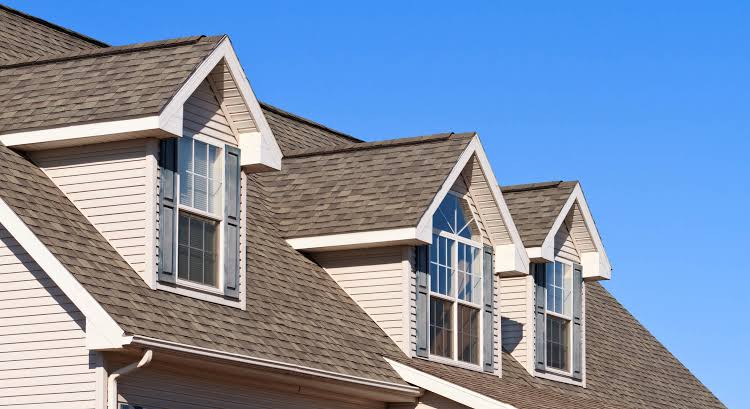
How a New Roof Improves Curb Appeal and Sale Speed
Beyond the raw numbers, a new roof transforms the visual identity of your home. The roof can account for up to 40% of your home’s visible exterior. A worn, moss-covered, or missing-shingle roof signals neglect to potential buyers. Conversely, a clean, new roof suggests that the home has been well-maintained.
The Psychological Impact on Buyers
Buyers are emotional creatures. When they see a new roof, they feel a sense of security. They do not have to worry about water damage, mold, or structural issues for decades. This peace of mind allows them to focus on other features of the home, such as the layout or the kitchen.
Furthermore, a new roof can speed up the sale process. In a competitive market, homes with recent major upgrades often receive offers faster. A study by the National Association of Realtors (NAR) indicates that homes with updated exteriors sell more quickly than those with visible wear and tear. Time on the market costs money—every month your home sits unsold, you are paying mortgage, taxes, and utilities without income.
Energy Efficiency: The Hidden Value Booster
Modern roofing technology is not just about keeping rain out; it is about keeping energy costs down. Many new roofing systems come with reflective coatings or specialized underlayment that improves insulation.
- Cool Roofs: These reflect more sunlight and absorb less heat than standard roofs. In hot climates like Arizona or Florida, this can reduce air conditioning costs by 10–15%.
- Proper Ventilation: A new roof installation usually includes upgrading attic ventilation. Proper airflow prevents heat buildup in the summer and moisture accumulation in the winter, extending the life of your HVAC system.
When marketing your home, highlight these energy-saving features. Buyers are increasingly interested in utility costs, and a certified energy-efficient roof can be a strong selling point.
Step-by-Step: Maximizing Value During Installation
To ensure you get the maximum value add, follow these steps during the replacement process:
- Choose Neutral Colors: Unless you live in a specific architectural district with strict guidelines, stick to neutral colors like charcoal, black, brown, or gray. These appeal to the widest range of buyers. Bold colors like red or blue can limit your buyer pool.
- Upgrade the Underlayment: Do not skimp on the layers beneath the shingles. High-quality synthetic underlayment provides better protection against ice dams and wind-driven rain. Mention this upgrade to potential buyers as a sign of quality construction.
- Replace Flashing and Vents: Ensure that all flashing around chimneys, vents, and skylights is replaced with new, corrosion-resistant materials. This prevents future leaks and shows attention to detail.
- Clean Up Thoroughly: After installation, ensure the contractor removes all nails and debris. A clean yard leaves a positive final impression on buyers who may drive by after the work is done.
- Get Documentation: Keep all warranties, receipts, and inspection reports. Provide these to potential buyers to prove the work was done professionally and is covered by warranty.
Frequently Asked Questions (FAQ)
1. Will a new roof help my home sell faster?
Yes. A new roof removes a major contingency for buyers. Many buyers are hesitant to purchase a home with an old roof because they fear immediate repair costs. A new roof makes your home “move-in ready,” which appeals to first-time buyers and investors alike, often reducing the time on the market.
2. Should I replace the roof before selling or negotiate a credit?
It is generally better to replace the roof before listing if it is near the end of its life. Offering a credit often leads to negotiations where buyers ask for more than the actual repair cost. Additionally, a newly replaced roof is a marketing asset you can showcase in photos and listings, whereas a credit is just a financial adjustment.
3. Does the color of the roof affect home value?
Indirectly, yes. While the color itself doesn’t change the structural value, it affects curb appeal. Neutral tones blend well with most siding colors and landscapes, making the home look cohesive and well-maintained. Unusual colors may deter buyers who dislike the aesthetic, potentially lowering the offer price.
4. Can I claim tax deductions for a new roof?
Generally, no. A roof replacement is considered a personal improvement, not a medical necessity or business expense, so it is not tax-deductible for primary residences. However, if you install energy-efficient roofing materials, you may qualify for federal tax credits. Always consult a tax professional for the latest regulations.
5. How long does a new roof last?
The lifespan depends on the material. Asphalt shingles typically last 15–30 years. Metal roofs can last 40–70 years. Slate and tile roofs can last 50–100 years or more. Understanding the lifespan helps you justify the investment to buyers who are looking for long-term stability.
Conclusion
So, how much does a new roof add to value of home? While the direct financial return might hover around 60–70% of the cost, the indirect benefits are invaluable. You gain faster sale times, stronger negotiating power, and enhanced curb appeal. More importantly, you provide peace of mind to buyers, which is a powerful driver in real estate transactions.
If your roof is aging, consider it not just as a repair, but as a strategic investment in your home’s marketability. Choose quality materials, hire reputable contractors, and document the process. Your future self—and your future buyer—will thank you.
Did you find this guide helpful? Share it with friends who are planning to sell their homes or considering a roof replacement!
Leave a Reply