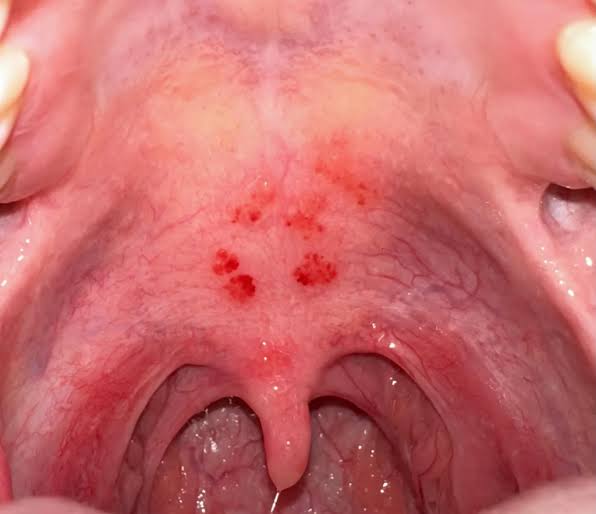
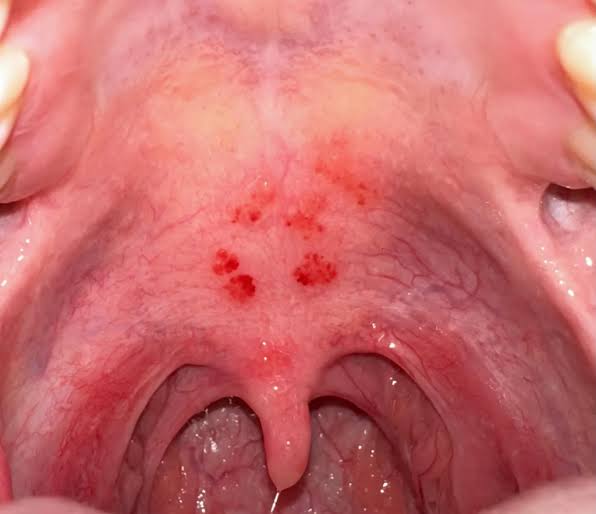
Tag: Sore Throat Remedies

  • Pain in Roof of Mouth When Swallowing? Causes & Fixes

    Pain in Roof of Mouth When Swallowing? Causes & Fixes

    Have you ever taken a bite of food or a sip of water, only to be hit with a sharp, unexpected sting in the upper part of your mouth? It is a frustrating and often alarming sensation that can make eating and drinking difficult. If you are currently dealing with pain in the roof of my mouth when I swallow, you are not alone, and there are clear, actionable steps you can take to find relief.

    This guide breaks down the most common causes, from minor burns to infections, and provides expert-backed strategies to soothe the discomfort. We will explore when this symptom is a temporary nuisance and when it might signal a need for professional medical attention.

    Why Does the Roof of My Mouth Hurt When I Swallow?

    The roof of your mouth, medically known as the palate, is sensitive tissue. When it becomes inflamed or injured, the act of swallowing—which involves muscle movement and friction against the palate—can trigger significant pain. Understanding the root cause is the first step toward effective treatment.

    1. Thermal Burns (Pizza Palate)

    One of the most frequent culprits is a thermal burn. This occurs when you consume food or beverages that are too hot. The delicate mucous membrane on the hard and soft palate can blister or peel, leading to rawness.

    • Symptoms: Redness, peeling skin, tenderness, and a burning sensation that worsens with contact.
    • Common Triggers: Hot cheese, coffee, soup, or freshly baked goods.

    According to dental health experts, these minor burns usually heal within three to seven days. However, during this period, swallowing can feel like sandpaper rubbing against an open wound.

    2. Viral and Bacterial Infections

    Infections are a primary reason for persistent pain. Conditions like strep throat, tonsillitis, or oral herpes can cause inflammation that radiates to the roof of the mouth.

    • Strep Throat: Caused by Streptococcus bacteria, this infection often leads to swollen tonsils and white patches. The inflammation can extend to the soft palate, making swallowing painful.
    • Herpes Simplex Virus (HSV-1): Often responsible for cold sores, HSV-1 can also cause lesions inside the mouth, including on the palate. These blisters are highly sensitive and can rupture, causing sharp pain during swallowing.

    For more detailed information on how viral infections affect oral health, you can refer to resources on Oral Herpes from Wikipedia.

    3. Allergic Reactions and Irritants

    Sometimes, the pain is not due to injury or infection but an allergic response. Oral Allergy Syndrome (OAS) can cause itching and swelling in the mouth after eating certain raw fruits or vegetables. Additionally, harsh ingredients in toothpaste or mouthwash, such as alcohol or strong mint flavors, can irritate sensitive tissues.

    Potential IrritantEffect on PalateRecommended Action
    Spicy FoodsChemical irritationAvoid until healed
    Acidic FruitsStinging sensationRinse with water after eating
    Alcohol-based MouthwashDrying and stingingSwitch to alcohol-free variants
    Hard/Crunchy FoodsPhysical abrasionStick to soft diets

    4. Dry Mouth (Xerostomia)

    Saliva plays a crucial role in protecting the oral mucosa. When you have dry mouth, the lack of lubrication increases friction during swallowing. This can lead to micro-tears and general soreness in the palate. Dehydration, certain medications, and breathing through your mouth at night are common causes of xerostomia.
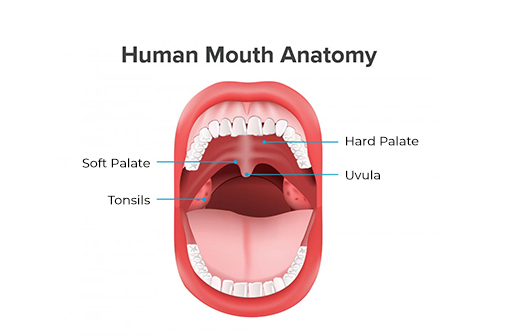
    Pain In The Roof Of My Mouth When I Swallow

    How to Relieve Pain in the Roof of Your Mouth

    Once you have identified the likely cause, you can begin treatment. Most cases of palate pain can be managed at home with simple, effective remedies.

    Step-by-Step Home Care Routine

    If you are dealing with minor burns or irritation, follow this routine to accelerate healing:

    1. Cool Down the Area: Immediately after noticing the pain, rinse your mouth with cool water. Do not use ice directly on the tissue, as this can cause further damage. Instead, sip cold water or suck on ice chips.
    2. Salt Water Rinse: Mix 1 teaspoon of salt into 8 ounces (240 ml) of warm water. Swish this solution gently around your mouth for 30 seconds, then spit it out. This helps reduce inflammation and keeps the area clean. Repeat this 3–4 times a day.
    3. Hydrate Properly: Drink at least 2 liters of water throughout the day. Keep the temperature between 22–28°C (room temperature) to avoid triggering sensitivity. Proper hydration supports saliva production and tissue repair.
    4. Apply Honey: Medical-grade honey has natural antibacterial and soothing properties. Apply a small amount directly to the affected area on the roof of your mouth. Let it sit for a few minutes before swallowing.
    5. Avoid Aggravating Foods: For the next 48 hours, stick to a soft diet. Think yogurt, smoothies, mashed potatoes, and lukewarm soups. Avoid anything spicy, acidic, or crunchy.

    Over-the-Counter Solutions

    If home remedies are not enough, consider these OTC options:

    • Oral Gels: Products containing benzocaine can numb the area temporarily. Use sparingly and follow package instructions.
    • Pain Relievers: Non-prescription anti-inflammatories like ibuprofen can help reduce swelling and pain.
    • Antihistamines: If you suspect an allergic reaction, an oral antihistamine may reduce swelling and discomfort.

    When to See a Doctor

    While most cases of palate pain resolve on their own, some symptoms indicate a more serious underlying issue. You should seek professional medical advice if:

    • The pain persists for more than 10 days without improvement.
    • You have a high fever (above 101°F or 38.3°C).
    • You notice white patches, pus, or bleeding in the mouth.
    • Swelling spreads to your face, neck, or eyes.
    • You have difficulty breathing or swallowing liquids.

    These could be signs of a severe bacterial infection, an abscess, or other conditions requiring prescription medication.

    Frequently Asked Questions (FAQ)

    1. Can stress cause pain in the roof of my mouth?

    Indirectly, yes. High stress levels can weaken your immune system, making you more susceptible to canker sores or viral outbreaks like cold sores. Additionally, stress can lead to teeth grinding (bruxism), which may cause trauma to the palate if the tongue presses hard against the roof of the mouth during sleep.

    2. Is pain in the roof of the mouth a sign of cancer?

    It is rare, but persistent sores that do not heal after two weeks should be evaluated by a dentist or doctor. Oral cancer can present as non-healing ulcers, lumps, or red/white patches. However, pain in the roof of my mouth when I swallow is far more commonly caused by benign issues like burns or infections. Early detection is key, so do not ignore persistent symptoms.

    3. Why does it hurt more when I eat acidic foods?

    Acidic foods, such as citrus fruits, tomatoes, and vinegar-based dressings, can irritate exposed nerve endings in damaged tissue. If the protective layer of the palate is compromised due to a burn or ulcer, acid causes a chemical sting. Avoiding these foods allows the tissue to regenerate without constant irritation.

    4. Can dehydration cause palate pain?

    Yes. Dehydration reduces saliva production, leading to dry mouth. Without sufficient saliva, the tissues in your mouth become dry and sticky. This increases friction when you swallow, potentially causing micro-abrasions and soreness. Ensuring adequate water intake is a simple yet effective preventive measure.

    5. How long does a burned palate take to heal?

    A minor thermal burn typically heals within 3 to 7 days. The mouth has a rich blood supply, which promotes rapid healing. However, if the burn is severe or becomes infected, it may take up to two weeks. Keeping the area clean and avoiding further irritation is crucial for speedy recovery.

    6. Should I brush my teeth if the roof of my mouth hurts?

    Yes, maintaining oral hygiene is important to prevent secondary infections. However, be gentle. Use a soft-bristled toothbrush and avoid scrubbing the affected area. You might also consider switching to a mild, SLS-free (sodium lauryl sulfate) toothpaste, as SLS can sometimes irritate sensitive oral tissues.

    Conclusion

    Experiencing pain in the roof of my mouth when I swallow is uncomfortable, but it is rarely a cause for panic. In most cases, it is a temporary issue resulting from minor burns, mild infections, or irritation. By identifying the cause and following a consistent care routine—including salt water rinses, hydration, and dietary adjustments—you can significantly reduce discomfort and speed up healing.

    Remember, your body is excellent at repairing itself, provided you give it the right environment. Listen to your body, avoid irritants, and stay hydrated. If symptoms persist beyond ten days or worsen, do not hesitate to consult a healthcare professional.

    Found this guide helpful? Share it with friends or family who might be suffering from similar oral discomfort. Your share could help someone find relief today!
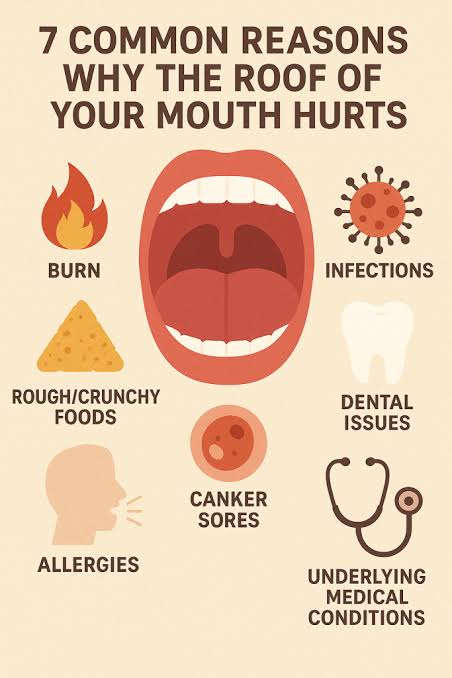
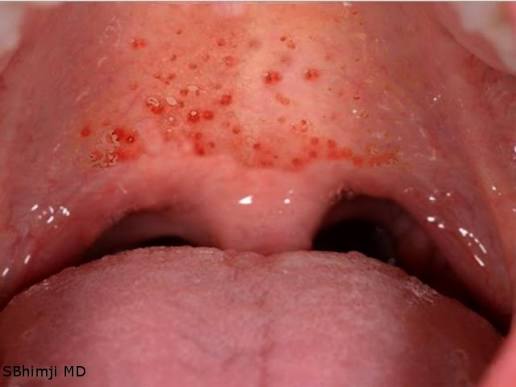
  • Pain on Roof of Mouth When Swallowing? Causes & Fixes

    Pain on Roof of Mouth When Swallowing? Causes & Fixes

    Have you ever taken a sip of hot coffee or a bite of pizza, only to feel a sharp, stinging sensation on the roof of your mouth? It is a surprisingly common yet distressing experience that can make eating and drinking uncomfortable. If you are currently dealing with pain on the roof of my mouth when I swallow, you are not alone, and there are clear, medical reasons behind it.

    In this comprehensive guide, we will explore why this happens, how to treat it at home, and when it is time to seek professional medical advice. We aim to provide you with actionable, evidence-based information to help you find relief quickly.

    Why Does the Roof of My Mouth Hurt When I Swallow?

    The roof of your mouth, known medically as the palate, is divided into two parts: the hard palate (front) and the soft palate (back). The soft palate is particularly sensitive because it moves during swallowing to prevent food from entering your nasal cavity. When this area becomes inflamed or injured, the act of swallowing triggers pain receptors.

    Understanding the root cause is the first step toward effective treatment. Below, we break down the most frequent culprits based on clinical observations and patient reports.

    1. Thermal Burns (Pizza Palate)

    This is arguably the most common cause. The tissue on the roof of the mouth is delicate. Consuming food or beverages that are too hot—typically above 60°C (140°F)—can cause first-degree burns.

    • Symptoms: Redness, blistering, peeling skin, and tenderness.
    • Why it hurts to swallow: As the soft palate lifts during swallowing, it stretches the burned tissue, causing sharp pain.
    • Recovery Time: Usually 3–7 days.

    2. Viral Infections

    Several viruses can cause lesions or inflammation in the oral cavity. Herpes Simplex Virus (HSV-1), which causes cold sores, can also manifest inside the mouth. Additionally, Hand, Foot, and Mouth Disease (common in children but possible in adults) causes painful blisters on the palate.

    According to the Centers for Disease Control and Prevention (CDC), viral infections often present with systemic symptoms like fever or fatigue alongside oral pain.

    3. Canker Sores (Aphthous Ulcers)

    These are small, shallow lesions that develop on the soft tissues in your mouth or at the base of your gums. Unlike cold sores, they are not contagious.

    • Trigger Factors: Stress, minor injury from dental work, acidic foods, or vitamin deficiencies (B-12, Zinc, Folate).
    • Sensation: A burning or tingling sensation before the sore appears, followed by sharp pain when touched or when swallowing.

    4. Allergic Reactions

    Oral Allergy Syndrome (OAS) can cause itching and swelling in the mouth and throat after eating certain raw fruits, vegetables, or nuts. In severe cases, this inflammation can lead to pain when swallowing.

    Immediate Relief: Home Remedies That Work

    If you are experiencing mild to moderate discomfort, you can often manage the symptoms at home. Here is a step-by-step approach to soothing the pain.

    Step 1: Cool Down the Area

    Heat exacerbates inflammation. Switch to cold or room-temperature foods and drinks.

    • Recommendation: Suck on ice chips or eat yogurt, pudding, or smoothies. Avoid anything hotter than 30°C (86°F) until the pain subsides.

    Step 2: Salt Water Rinse

    Salt water is a natural disinfectant and helps reduce swelling.

    • Recipe: Mix 1/2 teaspoon of salt into 8 ounces (approx. 240 ml) of warm water.
    • Instruction: Swish gently for 30 seconds and spit out. Repeat 3–4 times a day. Do not swallow the solution.

    Step 3: Over-the-Counter Pain Relievers

    Non-prescription medications can help manage pain and inflammation.

    • Options: Ibuprofen (Advil, Motrin) or Acetaminophen (Tylenol).
    • Note: Always follow the dosage instructions on the label. Topical oral gels containing benzocaine can also provide temporary numbing relief.

    Step 4: Hydrate Properly

    Dehydration can worsen mouth pain by reducing saliva production, which is essential for healing.

    • Goal: Drink at least 2 liters of water throughout the day. Use a straw if direct contact with the roof of your mouth is too painful.
    Pain On The Roof Of My Mouth When I Swallow

    What to Eat and What to Avoid

    Diet plays a crucial role in the healing process. Choosing the right foods can prevent further irritation.

    Food CategoryRecommended (Safe)Avoid (Irritants)
    TemperatureCold, Room TempHot, Steaming
    TextureSoft, Smooth (Mashed potatoes, soup)Crunchy, Sharp (Chips, toast)
    FlavorMild, BlandSpicy, Acidic (Citrus, Tomato)
    ChemicalsWater, MilkAlcohol, Tobacco, Carbonated Drinks

    When Should You See a Doctor?

    While most cases of palate pain resolve on their own within a week, some symptoms indicate a more serious underlying condition. You should consult a healthcare provider if:

    1. Duration: The pain persists for more than 10–14 days without improvement.
    2. Severity: The pain is severe enough to prevent you from eating or drinking, leading to dehydration.
    3. Additional Symptoms: You experience high fever, difficulty breathing, or swollen lymph nodes in the neck.
    4. Visible Changes: You notice white patches (which could indicate thrush or leukoplakia) or lumps that do not heal.
    5. Recurrence: You frequently get sores or pain in the same spot, which could indicate an autoimmune issue or chronic infection.

    Note: Persistent pain on the roof of the mouth can rarely be a sign of oral cancer. Early detection is key, so never ignore lingering symptoms.

    FAQ: Common Questions About Palate Pain

    1. Can stress cause pain on the roof of my mouth?

    Yes, indirectly. High stress levels can weaken your immune system, making you more susceptible to canker sores and viral outbreaks like herpes. Stress can also lead to teeth grinding (bruxism), which may cause referred pain in the jaw and palate area.

    2. Is it safe to pop a blister on the roof of my mouth?

    No. Popping a blister increases the risk of bacterial infection and delays healing. Let the blister rupture naturally or absorb on its own. If it is caused by a burn, keep the area clean with salt water rinses.

    3. Why does it hurt more when I swallow cold liquids?

    If the pain is triggered by cold rather than heat, it might not be a burn. It could indicate nerve sensitivity, a cracked tooth referring pain to the palate, or a specific type of ulcer. If cold sensitivity persists, see a dentist.

    4. Can acid reflux cause pain on the roof of my mouth?

    Yes. Gastroesophageal Reflux Disease (GERD) can cause stomach acid to travel up the esophagus and reach the back of the throat and soft palate. This acid irritation can cause inflammation and pain, especially in the morning.

    5. How long does a burned roof of the mouth take to heal?

    Minor thermal burns typically heal within 3 to 7 days. The mouth has a rich blood supply, which promotes faster healing compared to skin elsewhere on the body. Deeper burns may take up to two weeks.

    Conclusion

    Experiencing pain on the roof of my mouth when I swallow is often a temporary nuisance caused by minor burns, canker sores, or viral infections. By identifying the trigger and applying simple home remedies like salt water rinses and cold compresses, most people find relief within a week.

    However, listen to your body. If the pain is severe, persistent, or accompanied by other worrying symptoms, do not hesitate to seek professional medical advice. Your oral health is a window into your overall well-being.

    Found this guide helpful? Share it with friends or family who might be suffering from similar discomfort. Stay healthy and eat safely!

  • Red Bumps on Roof of Mouth? Causes & Fixes

    Red Bumps on Roof of Mouth? Causes & Fixes

    Have you ever run your tongue over the roof of your mouth or the back of your throat and felt something unusual? Discovering red bumps on roof of mouth and back of throat can be alarming, often triggering immediate worry about infections or serious health issues. You are not alone in this concern; these small lesions are a very common complaint that usually stems from minor, treatable conditions rather than severe diseases.

    In this guide, we will walk you through the most likely causes, effective home remedies, and clear signs indicating when it is time to consult a healthcare professional. Our goal is to provide you with accurate, empathetic, and actionable information to help you find relief and peace of mind.

    What Are the Most Common Causes of Red Bumps?

    When you notice irritation in your oral cavity, understanding the root cause is the first step toward healing. The mouth is a complex environment exposed to food, bacteria, and temperature changes, making it susceptible to various irritants. Below are the primary reasons why you might develop these bumps.

    1. Thermal Burns (Pizza Palate)

    One of the most frequent culprits is simply eating food that is too hot. This condition, colloquially known as “pizza palate,” occurs when hot cheese or liquid burns the delicate tissue on the roof of your mouth.

    • Symptoms: Immediate pain, followed by redness, swelling, and sometimes blistering.
    • Recovery: Usually heals within 3–7 days without medical intervention.

    2. Canker Sores (Aphthous Ulcers)

    Canker sores are small, shallow lesions that develop on the soft tissues in your mouth or at the base of your gums. Unlike cold sores, they don’t occur on the surface of your lips and aren’t contagious.

    • Appearance: They often start as a tingling spot and evolve into a round or oval sore with a white or yellow center and a red border.
    • Triggers: Stress, minor mouth injury, acidic foods, or vitamin deficiencies.

    3. Viral Infections

    Several viruses can manifest as red bumps or blisters in the throat and mouth.

    • Herpes Simplex Virus (HSV-1): While commonly associated with lip cold sores, primary herpes infections can cause widespread red bumps and ulcers inside the mouth and throat.
    • Hand, Foot, and Mouth Disease: Common in children but can affect adults, causing painful red blisters in the mouth and throat.

    4. Allergic Reactions

    Food allergies or sensitivities to oral care products (like toothpaste containing sodium lauryl sulfate) can cause contact stomatitis. This results in inflammation and red bumps where the allergen touched the tissue.

    How Can You Tell If It’s an Infection?

    Distinguishing between simple irritation and an infection is crucial for proper treatment. While thermal burns heal on their own, infections may require medication.

    FeatureIrritation/BurnViral/Bacterial Infection
    OnsetImmediate after eating/drinkingGradual or sudden with other symptoms
    Pain LevelModerate, localizedCan be severe, widespread
    Associated SymptomsNoneFever, swollen lymph nodes, fatigue
    Duration3–7 daysMay persist longer without treatment
    Contagious?NoYes (depending on the pathogen)

    If you experience fever, difficulty swallowing, or if the bumps spread rapidly, it is highly likely you are dealing with an infectious agent rather than simple physical trauma.

    Red Bumps On Roof Of Mouth And Back Of Throat

    When Should You See a Doctor?

    While most cases of red bumps on roof of mouth and back of throat resolve on their own, certain red flags require professional medical attention. Ignoring these signs could lead to complications.

    You should schedule an appointment with your primary care physician or an ENT specialist if:

    1. The bumps persist for more than two weeks.
    2. You have a high fever (above 101°F or 38.3°C).
    3. You experience difficulty breathing or swallowing.
    4. There is pus or excessive bleeding from the bumps.
    5. You have a weakened immune system due to conditions like diabetes or HIV.

    According to general medical guidelines, persistent oral lesions should always be evaluated to rule out more serious conditions such as oral lichen planus or, in rare cases, oral cancer. For detailed anatomical references, you can review the structure of the oral cavity on Wikipedia.

    Effective Home Remedies for Relief

    If your symptoms are mild and likely caused by minor irritation or a canker sore, you can manage the discomfort at home. Here is a step-by-step approach to soothing your mouth and throat.

    Step 1: Salt Water Rinse

    Salt water is a natural disinfectant that helps reduce inflammation and keeps the area clean.

    • Recipe: Mix 1 teaspoon of salt into 8 ounces (approx. 240 ml) of warm water.
    • Method: Swish the solution around your mouth for 30 seconds, focusing on the affected areas, then spit it out. Do this 3–4 times a day.

    Step 2: Stay Hydrated

    Dry mouth can exacerbate irritation. Drinking plenty of water keeps the mucous membranes moist and promotes healing.

    • Tip: Avoid very hot or very cold beverages, as extreme temperatures can irritate the bumps further. Stick to room temperature fluids.

    Step 3: Avoid Irritants

    Until the bumps heal, steer clear of foods and substances that can aggravate the tissue.

    • Avoid: Spicy foods, acidic fruits (like oranges and lemons), crunchy snacks (like chips), and alcohol-based mouthwashes.
    • Choose: Soft, bland foods like yogurt, mashed potatoes, and smoothies.

    Step 4: Over-the-Counter Pain Relief

    If the pain is interfering with your daily life, consider using OTC medications.

    • Topical Gels: Benzocaine-based gels can numb the area temporarily.
    • Oral Medication: Ibuprofen or acetaminophen can help reduce pain and inflammation. Always follow the dosage instructions on the label.

    Preventing Future Occurrences

    Prevention is always better than cure. By making small adjustments to your daily routine, you can significantly reduce the risk of developing red bumps in your mouth and throat.

    • Practice Good Oral Hygiene: Brush twice a day and floss daily to remove bacteria that can cause infections. Replace your toothbrush every three months.
    • Check Your Toothpaste: If you frequently get canker sores, switch to a toothpaste that does not contain sodium lauryl sulfate (SLS), as this ingredient can trigger outbreaks in sensitive individuals.
    • Manage Stress: High stress levels weaken the immune system, making you more susceptible to viral outbreaks and canker sores. Incorporate relaxation techniques like meditation or deep breathing exercises into your routine.
    • Watch What You Eat: Be cautious with extremely hot foods. Let your meal cool for a few minutes before taking the first bite.

    FAQ Section

    1. Can stress cause red bumps in the mouth?

    Yes, stress is a significant trigger for canker sores and can weaken your immune system, making you more susceptible to viral infections like herpes simplex, which present as red bumps. Managing stress is a key part of maintaining oral health.

    2. Are red bumps on the roof of the mouth contagious?

    It depends on the cause. Thermal burns and canker sores are not contagious. However, if the bumps are caused by a viral infection like herpes or hand, foot, and mouth disease, they are highly contagious and can spread through saliva or close contact.

    3. How long do red bumps typically last?

    Most minor irritations, such as thermal burns or small canker sores, heal within 7 to 10 days. If the bumps are due to a viral infection, they may last up to two weeks. Any lesion persisting longer than two weeks should be examined by a doctor.

    4. Can allergies cause bumps in the back of the throat?

    Yes, allergic reactions to foods, pollen, or oral care products can cause inflammation and red bumps in the throat and mouth. This is often accompanied by itching or swelling. Identifying and avoiding the allergen is the best treatment.

    5. Is it safe to pop the bumps?

    No. You should never attempt to pop or squeeze bumps in your mouth. This can introduce bacteria, lead to secondary infections, and delay healing. Let them heal naturally or use topical treatments recommended by a pharmacist.

    Conclusion

    Discovering red bumps on roof of mouth and back of throat can be unsettling, but in the majority of cases, they are harmless and temporary. Whether caused by a hot slice of pizza, a stressful week, or a minor viral bug, most instances resolve with simple home care and time.

    By keeping your mouth clean, staying hydrated, and avoiding irritants, you can speed up the healing process. However, always listen to your body. If symptoms persist, worsen, or are accompanied by fever, do not hesitate to seek professional medical advice.

    Found this guide helpful? Share it with friends and family on social media to help them stay informed about their oral health!

  • Red Dots on Throat? Causes & Fixes

    Red Dots on Throat? Causes & Fixes

    Have you ever looked in the mirror, opened your mouth wide, and noticed something unsettling? Seeing red dots on back of throat and roof of mouth can be alarming, especially if they appear suddenly alongside discomfort or pain. You are not alone in this concern; many individuals experience these symptoms due to various benign or treatable conditions, and understanding the root cause is the first step toward relief.

    In this comprehensive guide, we will explore why these spots appear, how to distinguish between minor irritations and serious infections, and what steps you can take to heal quickly. We prioritize evidence-based information to ensure you have the clarity needed to make informed health decisions.

    What Causes Red Dots on the Back of the Throat?

    When you notice petechiae (tiny red spots) or larger inflamed areas in your oral cavity, it is usually a sign that your body is reacting to an irritant, virus, or bacteria. The mucous membranes in your mouth are sensitive and often the first place to show signs of systemic issues.

    1. Viral Infections

    The most common culprit behind red spots in the throat is a viral infection. Viruses such as the Coxsackievirus (which causes Hand, Foot, and Mouth Disease) or the Herpes Simplex Virus can lead to blister-like red dots. These are often accompanied by a mild fever or general malaise. According to general medical consensus, viral pharyngitis accounts for the majority of sore throat cases in adults.

    2. Strep Throat (Bacterial Infection)

    While viruses are more common, Streptococcus pyogenes bacteria cause Strep Throat, which frequently presents with distinct red spots on the soft palate (roof of the mouth). Unlike viral infections, Strep throat often comes with:

    • Sudden onset of severe sore throat.
    • Painful swallowing.
    • Swollen lymph nodes in the neck.
    • Absence of cough (usually).

    If you suspect Strep, it is crucial to get tested, as untreated bacterial infections can lead to complications. For more detailed information on bacterial throat infections, you can refer to Wikipedia’s page on Streptococcal pharyngitis.

    3. Allergic Reactions

    Environmental allergies or food sensitivities can cause inflammation in the throat. Post-nasal drip from allergic rhinitis can irritate the back of the throat, leading to redness and small bumps. Common triggers include pollen, dust mites, pet dander, or specific foods like nuts or dairy.

    4. Physical Irritation and Trauma

    Sometimes, the cause is mechanical. Eating very hot, spicy, or acidic foods can burn or irritate the delicate tissue of the roof of the mouth. Additionally, vigorous brushing or using a hard-bristled toothbrush can cause minor trauma, resulting in temporary red spots.

    How to Identify the Severity of Your Symptoms

    Not all red dots are created equal. Understanding the accompanying symptoms can help you determine whether you need immediate medical attention or if home care will suffice.

    SymptomLikely CauseAction Required
    Mild discomfort, no feverIrritation, Mild AllergyHome care, monitor for 2-3 days
    High fever, white patchesStrep ThroatSee a doctor for antibiotics
    Blisters on hands/feet tooHand, Foot, and Mouth DiseaseRest, hydration, consult pediatrician if child
    Difficulty breathing/swallowingSevere Allergic ReactionSeek Emergency Care Immediately
    Persistent spots > 2 weeksChronic IssueSchedule ENT appointment
    Red Dots On Back Of Throat And Roof Of Mouth

    Effective Home Remedies for Relief

    If your symptoms are mild and likely viral or irritant-based, you can manage the discomfort at home. Here is a step-by-step approach to soothing your throat and promoting healing.

    Step 1: Salt Water Gargle

    This is one of the most effective and oldest remedies for reducing inflammation and killing bacteria.

    1. Mix 1/2 teaspoon of salt into 8 ounces (approx. 240 ml) of warm water. Ensure the water is comfortable to drink, not scalding.
    2. Tilt your head back and gargle the solution for 10–15 seconds.
    3. Spit it out. Do not swallow.
    4. Repeat this process 3–4 times a day until symptoms improve.

    Step 2: Stay Hydrated

    Dehydration can worsen throat irritation. Aim to drink at least 2 liters of water daily. Warm liquids like herbal tea with honey can coat the throat and provide immediate soothing effects. Honey has natural antibacterial properties that may aid in healing.

    Step 3: Use a Humidifier

    Dry air can exacerbate throat irritation, especially while sleeping. Using a cool-mist humidifier in your bedroom can keep the air moist, preventing your throat from drying out overnight. Maintain humidity levels between 30% and 50% for optimal comfort.

    Step 4: Avoid Irritants

    Until your throat heals, avoid:

    • Smoking or vaping.
    • Spicy or acidic foods (like citrus or tomato sauce).
    • Alcohol-based mouthwashes, which can sting and dry out tissues.

    When Should You See a Doctor?

    While most cases of red dots on the throat resolve on their own, certain “red flags” indicate a need for professional medical evaluation. Ignoring these signs could lead to prolonged illness or complications.

    You should schedule an appointment with your healthcare provider if:

    • You have a fever higher than 101°F (38.3°C) that persists for more than 48 hours.
    • You experience difficulty breathing or swallowing saliva.
    • The red spots are accompanied by a rash on other parts of your body.
    • Symptoms do not improve after one week of home care.
    • You notice pus or white streaks on your tonsils.

    Early diagnosis of conditions like Strep throat is vital because it requires prescription antibiotics. Over-the-counter remedies will not cure a bacterial infection, and delaying treatment can increase the risk of spreading the bacteria to others or developing rheumatic fever.

    Frequently Asked Questions (FAQ)

    1. Can stress cause red dots on the roof of the mouth?

    Stress itself does not directly cause red dots, but it weakens the immune system, making you more susceptible to viral outbreaks like cold sores or canker sores. Additionally, stress can lead to behaviors like teeth grinding or cheek biting, which may cause physical trauma and redness in the mouth.

    2. Are red dots on the throat contagious?

    It depends on the cause. If the dots are caused by a viral infection (like the common cold or flu) or a bacterial infection (like Strep throat), they are highly contagious. However, if they are caused by allergies or physical irritation, they are not contagious. Always practice good hygiene, such as washing hands and not sharing utensils, until you know the cause.

    3. How long do red dots from a viral infection last?

    Viral pharyngitis typically resolves within 5 to 7 days. The redness and discomfort should gradually decrease during this period. If the spots persist beyond two weeks, it is advisable to consult a healthcare professional to rule out chronic conditions or other underlying issues.

    4. Can acid reflux cause red spots in the throat?

    Yes, Gastroesophageal Reflux Disease (GERD) can cause chronic irritation of the throat. Stomach acid traveling up the esophagus can inflame the back of the throat, leading to redness, swelling, and sometimes small red spots. Managing diet and taking antacids may help alleviate these symptoms.

    5. Is it safe to use over-the-counter numbing sprays?

    Over-the-counter numbing sprays containing benzocaine or phenol can provide temporary relief from pain. However, they should be used strictly according to the label instructions. Overuse can mask worsening symptoms or cause allergic reactions in some individuals. They are a symptom manager, not a cure.

    Conclusion

    Discovering red dots on back of throat and roof of mouth can be worrying, but in most cases, the cause is benign and temporary. Whether it is a minor viral infection, an allergic reaction, or simple physical irritation, understanding the symptoms allows you to take the right action.

    Remember to prioritize rest, hydration, and gentle home remedies like salt water gargles. However, never hesitate to seek professional medical advice if symptoms are severe, persistent, or accompanied by high fever. Your health is paramount, and early intervention is key to a speedy recovery.

    If you found this guide helpful, please share it with friends or family who might be dealing with similar throat issues. Spreading accurate health information helps everyone stay informed and healthy!

  • Red Spots on Throat & Mouth: Causes & Fixes

    Red Spots on Throat & Mouth: Causes & Fixes

    Finding unexpected changes in your body can be alarming, especially when they involve sensitive areas like your mouth and throat. If you have noticed red spots on back of throat and roof of mouth, you are likely feeling discomfort, anxiety, or confusion about what might be causing them. You are not alone; this is a common symptom that ranges from minor irritations to infections requiring medical attention.

    In this comprehensive guide, we will explore the most likely culprits behind these symptoms, provide actionable home care tips, and clarify exactly when you need to seek professional help. Our goal is to empower you with accurate, easy-to-understand information so you can take the right steps toward relief.

    What Causes Red Spots on the Back of the Throat?

    When you look in the mirror and see red dots or patches, your first question is usually, “Is this serious?” The answer depends heavily on accompanying symptoms. Here are the most common medical conditions associated with this visual change.

    1. Strep Throat (Streptococcal Pharyngitis)

    Strep throat is a bacterial infection caused by Group A Streptococcus. It is one of the most frequent causes of bright red spots, often referred to as petechiae, on the soft palate (roof of the mouth) and the back of the throat.

    • Key Indicators: Sudden severe sore throat, pain when swallowing, fever, and swollen lymph nodes.
    • Statistic: According to the CDC, strep throat accounts for 20-30% of sore throats in children and 5-15% in adults.
    • Action: Requires antibiotics. Untreated strep can lead to complications like rheumatic fever.

    2. Viral Infections (Hand, Foot, and Mouth Disease)

    While often associated with children, Hand, Foot, and Mouth Disease (HFMD) can affect adults. It is caused by enteroviruses, most commonly Coxsackievirus A16.

    • Visual Signs: Small red blisters or ulcers on the tongue, gums, inside of the cheeks, and the roof of the mouth.
    • Progression: These spots may turn into painful open sores.
    • Contagion: Highly contagious through personal contact, nasal secretions, or fecal matter.

    3. Allergic Reactions

    Seasonal allergies or food sensitivities can cause inflammation in the oral cavity. This is often termed “allergic pharyngitis.”

    • Mechanism: Post-nasal drip irritates the throat lining, causing redness and small raised bumps.
    • Triggers: Pollen, dust mites, pet dander, or specific foods like strawberries or nuts.

    4. Oral Thrush (Candidiasis)

    Although thrush typically presents as white patches, it can sometimes cause underlying redness and irritation, especially if the white coating is scraped off. This fungal infection is more common in individuals with weakened immune systems or those taking antibiotics.

    Red Spots on Roof of Mouth vs. Throat: Is There a Difference?

    Understanding the location of the spots can help narrow down the diagnosis. While there is overlap, certain conditions prefer specific anatomical locations.

    FeatureRoof of Mouth (Hard/Soft Palate)Back of Throat (Pharynx/Tonsils)
    Common CauseHFMD, Thermal Burns, AllergiesStrep Throat, Tonsillitis, Mono
    SensationTingling, burning, rough textureSharp pain, difficulty swallowing
    AppearanceBlisters, flat red patchesPetechiae (tiny dots), swollen tonsils
    Immediate TriggerHot food/drinks, acidic foodsBacterial/Viral infection

    Note: If the spots are strictly on the roof of the mouth and appeared after eating pizza or drinking hot coffee, it is likely a thermal burn. These usually heal within 3–7 days without intervention.

    When Should You See a Doctor?

    Not every red spot requires a trip to the clinic, but ignoring certain symptoms can be dangerous. Use this checklist to determine if you need professional evaluation.

    Seek Immediate Medical Attention If:

    • You have difficulty breathing or swallowing saliva.
    • You experience a high fever (over 101°F or 38.3°C) that does not respond to medication.
    • There is visible pus on the tonsils or throat.
    • You develop a rash on your body alongside the throat symptoms.
    • The symptoms persist for more than 7 days without improvement.

    For more detailed information on bacterial infections of the throat, you can refer to the general overview provided by Wikipedia on Streptococcal pharyngitis.

    Red Spots On Back Of Throat And Roof Of Mouth

    Effective Home Remedies for Relief

    While waiting for a diagnosis or recovering from a mild viral infection, you can manage discomfort with these evidence-based home remedies.

    1. Salt Water Gargle

    This is the gold standard for soothing throat inflammation. Salt helps draw out excess fluid from inflamed tissues and reduces bacterial load.

    • Recipe: Mix 1/2 teaspoon of non-iodized salt into 8 ounces (approx. 240 ml) of warm water.
    • Method: Gargle for 10–15 seconds, then spit it out. Repeat 3–4 times daily.
    • Temperature Tip: Ensure the water is warm, not hot, to avoid further irritating the mucous membranes. Ideal temperature is around 98–100°F (37–38°C).

    2. Stay Hydrated with Cool Liquids

    Dehydration worsens throat pain. Cool liquids can numb the area slightly and keep the mucous membranes moist.

    • Recommendation: Drink at least 2 liters of water throughout the day.
    • Avoid: Citrus juices (orange, lemon) and carbonated drinks, as the acidity and bubbles can sting open sores.

    3. Honey and Herbal Tea

    Honey has natural antibacterial and anti-inflammatory properties.

    • Usage: Add one tablespoon of raw honey to chamomile or ginger tea.
    • Benefit: Chamomile promotes relaxation and reduces inflammation, while ginger acts as a natural pain reliever.

    4. Humidify Your Environment

    Dry air exacerbates throat irritation, especially during sleep.

    • Action: Use a cool-mist humidifier in your bedroom.
    • Target Humidity: Maintain indoor humidity between 30% and 50% for optimal respiratory comfort.

    Prevention Strategies for Oral Health

    Preventing future occurrences involves maintaining a strong immune system and good oral hygiene practices.

    1. Hand Hygiene: Wash hands frequently with soap and water for at least 20 seconds, especially before eating. This prevents the spread of viruses like HFMD and bacteria like Strep.
    2. Replace Your Toothbrush: If you have been diagnosed with a bacterial infection like strep throat, replace your toothbrush after 24–48 hours of starting antibiotics to prevent reinfection.
    3. Dietary Adjustments: Limit sugary foods and refined carbohydrates, which can promote fungal growth (thrush) and bacterial proliferation.
    4. Avoid Irritants: Reduce smoking and alcohol consumption, both of which dry out and irritate the throat lining, making it more susceptible to infection.

    Frequently Asked Questions (FAQ)

    1. Can stress cause red spots in the throat?

    Indirectly, yes. High stress levels weaken the immune system, making you more susceptible to viral outbreaks like cold sores or reactivation of latent viruses. However, stress itself does not directly create red spots; it lowers your body’s defense against the pathogens that do.

    2. Are red spots on the roof of the mouth contagious?

    It depends on the cause. If the spots are due to a viral infection (like HFMD or Herpes) or bacterial infection (Strep), they are highly contagious. If they are caused by allergies, thermal burns, or trauma from hard food, they are not contagious.

    3. How long do red spots from a viral infection last?

    Most viral-related red spots and sore throats resolve within 5 to 7 days. If symptoms persist beyond 10 days, it is crucial to see a healthcare provider to rule out bacterial infections or other underlying conditions.

    4. Can acid reflux cause red spots in the throat?

    Yes. Gastroesophageal Reflux Disease (GERD) can cause stomach acid to travel up the esophagus and reach the throat. This acid irritation can lead to chronic inflammation, redness, and sometimes small red bumps on the back of the throat, known as “reflux pharyngitis.”

    5. What is the difference between canker sores and red spots?

    Canker sores (aphthous ulcers) are typically shallow, painful lesions with a white or yellow center and a red border. They usually appear on the inner cheeks, lips, or tongue. Red spots on the back of the throat are often flat petechiae or inflamed tissue rather than open ulcers, though both can be painful.

    Conclusion

    Discovering red spots on back of throat and roof of mouth can be unsettling, but understanding the potential causes empowers you to react appropriately. Whether it is a simple thermal burn, a seasonal allergy, or a bacterial infection like strep throat, most cases are treatable and resolve quickly with proper care.

    Remember to monitor your symptoms closely. If you experience high fever, difficulty breathing, or persistent pain, do not hesitate to consult a healthcare professional. For mild cases, stick to hydration, salt water gargles, and rest.

    Found this guide helpful? Share it with friends and family on social media to help them stay informed about their oral health. Knowledge is the first step toward feeling better!