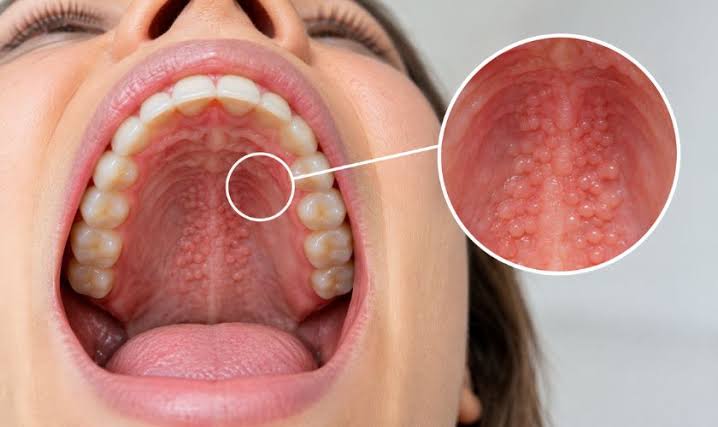
Have you ever run your tongue over the roof of your mouth and felt a strange, unexpected lump? It can be startling to discover a new texture or protrusion in such a sensitive area. You are not alone; many people ask, “What is the bump on the roof of your mouth?” while worrying about serious health issues.
In most cases, these bumps are harmless anatomical variations or minor irritations that resolve on their own. However, understanding the difference between a benign bone growth and a potential infection is crucial for your peace of mind and oral health. This guide will walk you through the most common causes, symptoms, and treatment options, helping you determine if you need professional care or just some simple home remedies.
Common Causes of Bumps on the Hard Palate
The roof of your mouth, known medically as the palate, is divided into two sections: the hard palate at the front and the soft palate at the back. Bumps can appear on either section, but their causes often differ. Here are the most frequent culprits behind that mysterious lump.
1. Torus Palatinus: The Benign Bone Growth
If the bump is located in the center of the hard palate and feels hard like bone, it is likely a torus palatinus. This is a bony growth that develops slowly over time. It is not a tumor, nor is it cancerous.
- Prevalence: Studies suggest that torus palatinus affects approximately 20% to 30% of the population, with higher rates observed in certain ethnic groups and women.
- Characteristics: It is usually painless, smooth, and covered by normal gum tissue. It may grow slowly over years or remain static.
- Cause: The exact cause is unknown, but genetics and environmental factors like teeth grinding (bruxism) are believed to play a role.
For most people, a torus palatinus requires no treatment. It only becomes an issue if it interferes with denture fitting or gets injured by sharp foods.
2. Canker Sores (Aphthous Ulcers)
Unlike the hard bone of a torus, canker sores are soft, painful lesions. They often start as a small red bump before developing into an open ulcer with a white or yellow center and a red border.
- Triggers: Stress, minor injury from brushing, acidic foods, or vitamin deficiencies (B12, iron, folate).
- Duration: These typically heal within 7 to 14 days without scarring.
- Sensation: They cause a stinging or burning pain, especially when eating spicy or acidic foods.
3. Mucoceles: Blocked Salivary Glands
Your mouth contains hundreds of minor salivary glands. If one of these ducts gets blocked or injured, saliva can accumulate under the skin, forming a fluid-filled cyst called a mucocele.
- Appearance: These look like clear or bluish bubbles. They are soft to the touch and can change size.
- Location: While more common on the lower lip, they can appear on the roof of the mouth, particularly after eating hot or hard foods that damage the gland.
- Resolution: Many mucoceles rupture and heal on their own, but persistent ones may require minor surgical removal by a dentist.
4. Oral Thrush (Candidiasis)
Oral thrush is a fungal infection caused by an overgrowth of Candida alb yeast. It doesn’t always present as a single “bump,” but rather as creamy white lesions that can resemble raised bumps or patches.
- Risk Factors: Antibiotic use, diabetes, weakened immune system, or wearing dentures.
- Symptoms: Cotton-like feeling in the mouth, loss of taste, and cracking at the corners of the mouth.
- Treatment: Antifungal medications prescribed by a healthcare provider.
5. Nasopalatine Duct Cyst
This is a rare, non-cancerous cyst that forms in the midline of the anterior hard palate. It originates from remnants of embryonic tissue.
- Symptoms: Often asymptomatic, but can cause swelling, pain, or a salty taste if it drains.
- Diagnosis: Requires X-rays or CT scans for confirmation.
- Treatment: Surgical removal is usually recommended to prevent infection or expansion.
When Should You Be Concerned?
While most bumps are benign, it is vital to recognize the warning signs of something more serious, such as oral cancer. According to the American Cancer Society, early detection significantly improves treatment outcomes.
You should schedule an appointment with a dentist or doctor if you experience any of the following:
| Symptom | Potential Concern | Action Required |
|---|---|---|
| Persistent Lump | Lasts longer than 2 weeks | See a dentist immediately |
| Rapid Growth | Tumor or aggressive cyst | Urgent medical evaluation |
| Bleeding | Unexplained bleeding from the bump | Professional exam needed |
| Color Change | Red, white, or dark patches | Biopsy may be required |
| Difficulty Swallowing | Obstruction or nerve involvement | Seek emergency care if severe |
Note: Smoking and heavy alcohol use are significant risk factors for oral cancers. If you have these habits and notice a new bump, do not wait for it to go away on its own.
How to Treat and Manage Mouth Bumps at Home
If your bump is minor, such as a canker sore or a minor irritation from hot food, you can manage it at home. Here is a step-by-step approach to soothe discomfort and promote healing.
Step 1: Maintain Oral Hygiene
Keep your mouth clean to prevent secondary infections.
- Brush gently with a soft-bristled toothbrush.
- Floss daily to remove bacteria buildup.
- Avoid alcohol-based mouthwashes, which can sting and dry out the tissue.
Step 2: Salt Water Rinses
Salt water is a natural disinfectant and helps reduce inflammation.
- Recipe: Mix 1 teaspoon of salt into 8 ounces (approx. 240 ml) of warm water.
- Method: Swish the solution around your mouth for 30 seconds, then spit it out.
- Frequency: Repeat 2–3 times a day until the bump heals.
Step 3: Avoid Irritants
Give your mouth a break from things that aggravate the tissue.
- Stop smoking or using tobacco products.
- Avoid spicy, acidic, or very hot foods.
- Crunchy foods like chips or nuts can scratch the bump, so opt for softer meals.
Step 4: Over-the-Counter Relief
For painful sores like cankers, consider using topical gels containing benzocaine. These provide temporary numbness. For suspected thrush, over-the-counter antifungal rinses may help, but prescription strength is often more effective.
Frequently Asked Questions (FAQ)
1. Is a bump on the roof of my mouth always cancer?
No, absolutely not. The vast majority of bumps on the roof of the mouth are benign conditions like torus palatinus, canker sores, or mucoceles. Oral cancer is relatively rare compared to these common issues. However, any lump that persists for more than two weeks should be evaluated by a professional to rule out malignancy.
2. Can I pop a bump on the roof of my mouth?
Never attempt to pop or squeeze a bump in your mouth. Doing so can introduce bacteria, leading to a serious infection. If it is a mucocele, popping it may provide temporary relief, but it will likely return and could scar. If it is an abscess, popping it can spread the infection to surrounding tissues. Always let a healthcare provider handle drainage if necessary.
3. Why does the bump hurt when I eat?
Pain during eating usually indicates inflammation or an open sore, such as a canker sore or an ulcer. Hot, spicy, or acidic foods stimulate the nerve endings in the exposed tissue, causing sharp pain. Bone growths like torus palatinus are generally painless unless the overlying gum tissue is scratched or ulcerated by hard food.
4. How long does it take for a mouth bump to heal?
The healing time depends on the cause:
- Canker sores: 7–14 days.
- Minor burns/irritation: 3–5 days.
- Mucoceles: Variable; some heal in weeks, others persist.
- Torus palatinus: Does not heal or disappear as it is bone; it is permanent unless surgically removed. If a bump does not improve within two weeks, seek medical advice.
5. Can braces or dentures cause bumps on the roof of the mouth?
Yes. Orthodontic appliances and ill-fitting dentures can cause friction and pressure points, leading to irritation bumps or epulis fissurata (an overgrowth of tissue due to chronic irritation). If your dental appliance feels loose or rubs against your palate, visit your dentist for an adjustment.
Conclusion
Discovering a lump in your mouth can be anxiety-inducing, but understanding what is the bump on the roof of your mouth often reveals a harmless condition. Whether it is a genetic bone growth like a torus palatinus or a temporary canker sore, most cases are manageable and non-threatening.
Key takeaways include:
- Most bumps are benign and resolve on their own.
- Maintain good oral hygiene and avoid irritants to speed up healing.
- Monitor the bump for changes in size, color, or pain levels.
- See a dentist if the bump lasts longer than two weeks.
Your oral health is a window into your overall well-being. Don’t ignore persistent changes. If you found this guide helpful, please share it with friends and family who might be experiencing similar concerns. Knowledge is the first step toward better health!
Leave a Reply