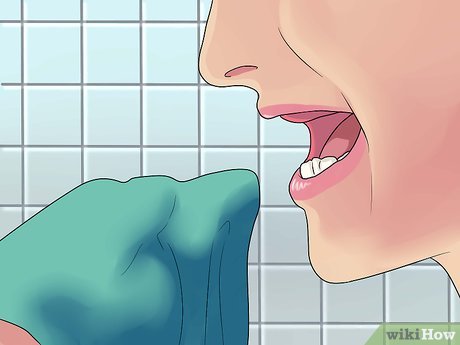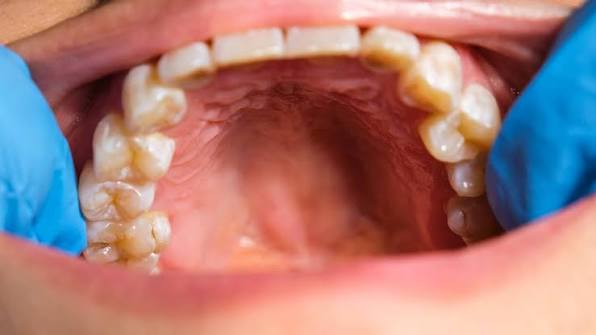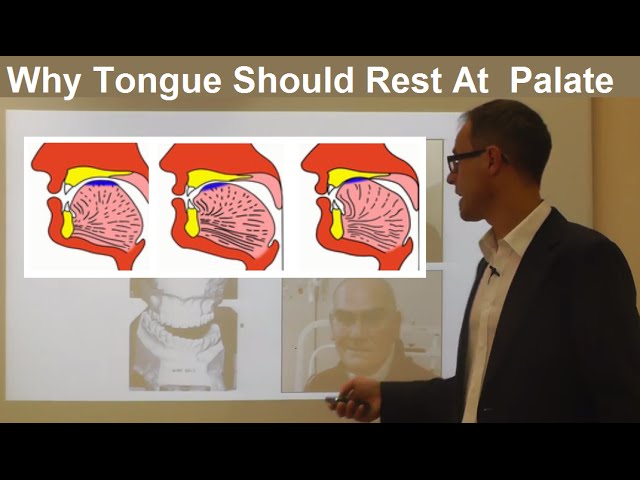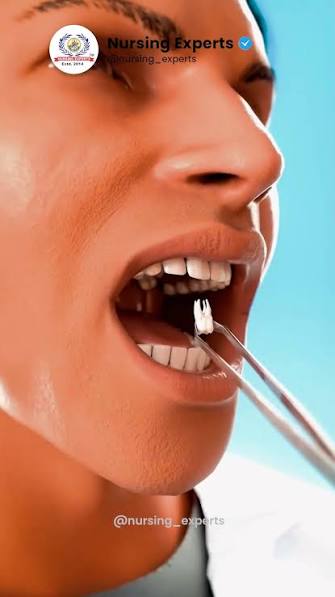
Category: oral health

  • Is The Roof Of Your Mouth Yellow? Causes & Fixes

    Is The Roof Of Your Mouth Yellow? Causes & Fixes

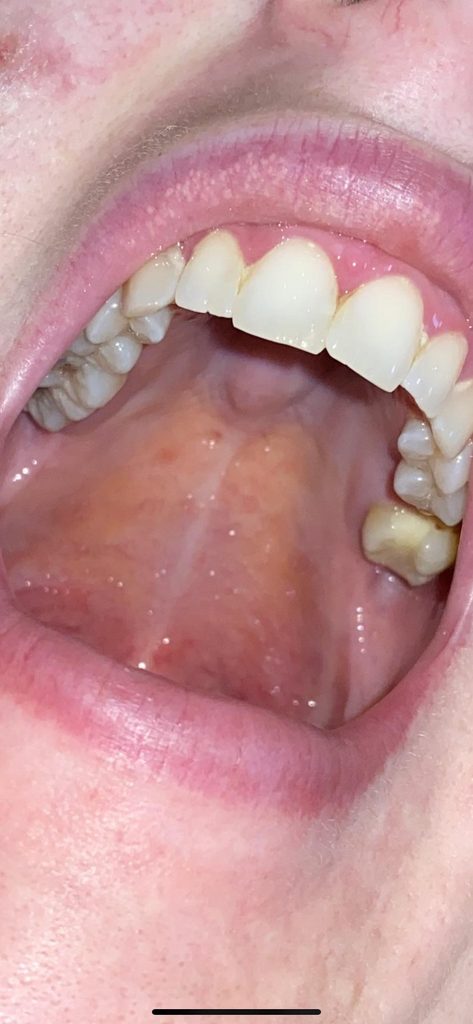
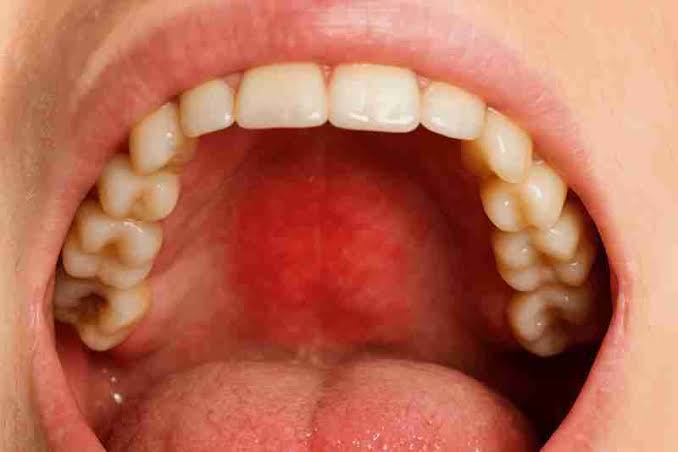
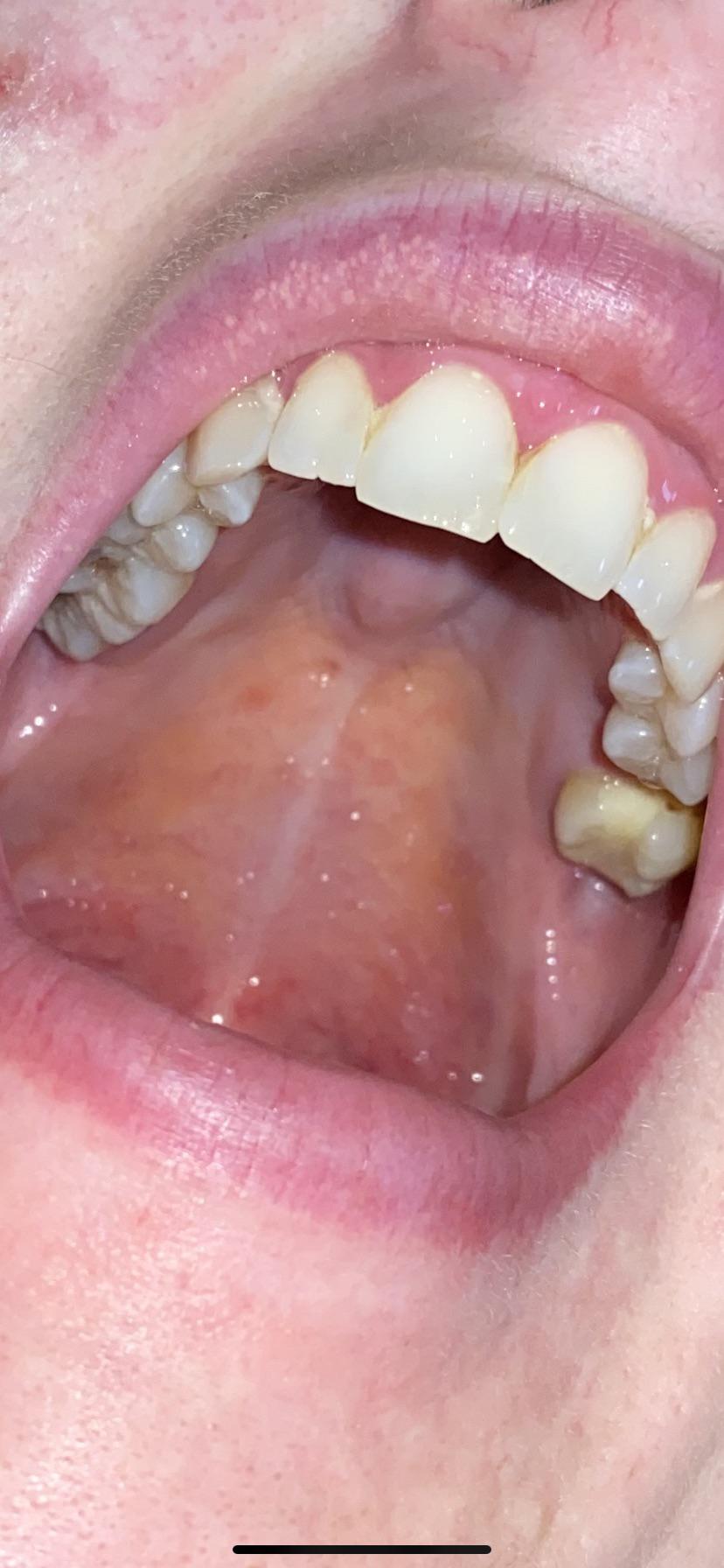
    Have you ever looked in the mirror, lifted your tongue, and noticed a strange discoloration on the roof of your mouth? It can be alarming to see a hue that isn’t the usual healthy pink, leading many to ask, “Is the roof of my mouth supposed to be yellow?” The short answer is no; a healthy palate should typically be pink, though slight variations exist. However, a yellow tint often signals an underlying issue ranging from minor hygiene habits to more serious medical conditions.

    In this guide, we will explore why this happens, what it means for your health, and exactly what steps you should take next. We’ll break down the medical facts with empathy and clarity, ensuring you have the knowledge to make informed decisions about your oral health.

    Why Is the Roof of My Mouth Yellow?

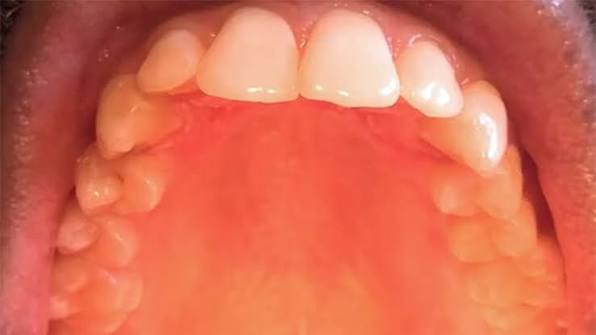
    When addressing the question, “Is the roof of your mouth supposed to be yellow,” it is crucial to understand that while occasional, temporary discoloration might be harmless, persistent yellowing is rarely normal. The palate (the roof of the mouth) is covered by mucous membrane tissue that is highly vascular, which usually gives it a pinkish-red appearance.

    If you notice a yellow tint, it is generally due to one of three categories:

    1. External Factors: Staining from food, drink, or smoking.
    2. Local Oral Conditions: Infections, buildup of dead cells, or cysts.
    3. Systemic Health Issues: Conditions affecting the entire body, such as liver dysfunction.

    Understanding the root cause is the first step toward effective treatment. Let’s dive deeper into the specific reasons behind this symptom.

    1. Jaundice and Liver Health

    One of the most significant medical reasons for a yellow mouth is jaundice. This condition occurs when there is too much bilirubin—a yellow pigment produced during the breakdown of red blood cells—in your bloodstream.

    While jaundice is most famously associated with yellowing of the whites of the eyes (sclera) and the skin, it can also affect the mucous membranes inside the mouth, including the roof of the mouth and under the tongue.

    • Key Indicator: If the yellowing is widespread and accompanied by yellow eyes, dark urine, or pale stools, it is likely jaundice.
    • Common Causes: Hepatitis, gallstones, alcohol-related liver disease, or pancreatic issues.

    According to Wikipedia’s entry on Jaundice, this symptom requires immediate medical attention as it indicates that your liver is not processing bilirubin correctly. Ignoring these signs can lead to severe complications.

    2. Oral Thrush (Candidiasis)

    Oral thrush is a fungal infection caused by an overgrowth of Candida albicans yeast. While thrush often presents as white patches, these patches can sometimes appear creamy yellow or become yellowish if they bleed slightly or mix with food debris.

    Who is at risk?

    • Infants and the elderly.
    • People with weakened immune systems.
    • Individuals using inhaled corticosteroids for asthma.
    • Diabetics with poor blood sugar control.

    If you scrape the patch and it bleeds or leaves a red, raw area, it is likely thrush. This condition is treatable with antifungal medications prescribed by a dentist or doctor.

    3. Smoking and Tobacco Use

    For smokers, the question “Is the roof of your mouth supposed to be yellow” often has a lifestyle-related answer. Tobacco smoke contains tar and nicotine, which are potent staining agents. Over time, these substances can stain the teeth, gums, and the soft tissue of the palate.

    Additionally, smoking can cause a condition known as Nicotinic Stomatitis. This involves inflammation of the salivary glands in the roof of the mouth, leading to white or yellowish bumps and general discoloration. Quitting smoking often reverses these effects, though it may take several weeks for the tissue to return to its natural pink color.

    4. Poor Oral Hygiene and Debris Buildup

    Sometimes, the answer is simpler than a disease. The roof of the mouth has a textured surface (rugae) that can trap food particles, dead skin cells, and bacteria. If you do not clean your palate regularly, this buildup can form a biofilm that appears yellow or off-white.

    This is particularly common in people who:

    • Do not brush their tongue or palate.
    • Have dry mouth (xerostomia), which reduces the natural cleansing action of saliva.
    • Consume a diet high in sugary or sticky foods.

    5. Viral Infections and Sores

    Certain viral infections, such as Herpes Simplex Virus (cold sores) or Hand, Foot, and Mouth Disease, can cause blisters or sores on the roof of the mouth. As these sores heal, they may develop a yellowish crust or fibrin coating, which is part of the natural healing process.

    ConditionAppearanceAssociated SymptomsAction Required
    JaundiceUniform yellow tintYellow eyes, fatigue, abdominal painSee a Doctor Immediately
    Oral ThrushCreamy yellow/white patchesBurning sensation, loss of tasteAntifungal Treatment
    Smoker’s PalateYellow/brown stainingRough texture, possible bumpsQuit Smoking, Dental Cleaning
    Hygiene BuildupThin yellow filmBad breath, coated tongueImprove Oral Hygiene
    Is The Roof Of Your Mouth Supposed To Be Yellow

    How to Diagnose the Cause at Home

    Before rushing to the clinic, you can perform a few simple checks to narrow down the potential cause. Remember, this is not a substitute for professional diagnosis, but it helps you provide better information to your healthcare provider.

    1. Check Your Eyes: Look in a well-lit mirror. Are the whites of your eyes yellow? If yes, seek emergency care for potential liver issues.
    2. The Scraping Test: Gently try to wipe the yellow area with a clean, damp gauze or toothbrush.
      • If it comes off easily, it is likely debris or mild thrush.
      • If it does not come off or bleeds, it may be a tissue change or infection.
    3. Assess Pain: Is the area painful? Thrush and viral sores are often painful or sensitive. Jaundice and staining are typically painless.
    4. Review Recent Habits: Have you started a new medication? Changed your diet? Started smoking? These contextual clues are vital for diagnosis.

    Step-by-Step Guide to Treating Yellow Palate

    Depending on the cause, here is how you can address the issue.

    For Hygiene-Related Discoloration

    1. Brush Your Palate: When brushing your teeth, gently brush the roof of your mouth with your toothbrush. Use soft bristles to avoid irritation.
    2. Tongue Scraping: Use a tongue scraper to remove bacterial buildup from the back of the tongue, which can migrate to the palate.
    3. Salt Water Rinse: Mix 1 teaspoon of salt in a glass of warm water (approx. 240ml). Swish for 30 seconds and spit. This helps reduce bacteria and soothe inflammation. Repeat twice daily.

    For Suspected Thrush

    1. Consult a Professional: You will likely need a prescription for nystatin or fluconazole.
    2. Probiotics: Incorporate yogurt with live cultures or probiotic supplements to help balance oral flora.
    3. Limit Sugar: Yeast thrives on sugar. Reduce intake of sweets and refined carbs during treatment.

    For Smokers

    1. Professional Cleaning: Visit a dental hygienist for a thorough scaling and polishing to remove tar stains.
    2. Cessation Support: Consider nicotine replacement therapies or counseling to quit smoking, which will prevent recurrence.

    FAQ Section

    1. Is the roof of your mouth supposed to be yellow after eating?

    Temporary yellowing can occur after consuming heavily pigmented foods like turmeric, curry, or certain candies. This should wash away with brushing or rinsing. If the color persists for more than 24 hours, it is not food-related.

    2. Can dehydration cause a yellow roof of the mouth?

    Dehydration leads to dry mouth, which reduces saliva flow. Saliva is essential for washing away bacteria and dead cells. Without it, buildup can occur, potentially leading to a yellowish film. Drinking 2–3 liters of water daily can help resolve this.

    3. When should I see a doctor for a yellow palate?

    You should see a doctor immediately if the yellowing is accompanied by yellow eyes, skin yellowing, abdominal pain, or fever. If the yellow patches are painful, bleeding, or do not improve with improved hygiene after one week, consult a dentist or primary care physician.

    4. Can allergies cause the roof of the mouth to turn yellow?

    Allergies typically cause swelling, itching, or redness rather than yellowing. However, post-nasal drip from allergic rhinitis can contribute to bacterial buildup and bad breath, which might indirectly affect the appearance of the palate.

    5. Is a yellow roof of the mouth contagious?

    If the cause is oral thrush or a viral infection like herpes, it can be contagious through shared utensils or kissing. If the cause is jaundice, smoking, or hygiene, it is not contagious. Always practice good hygiene until the cause is identified.

    Conclusion

    So, is the roof of your mouth supposed to be yellow? No, it is not. While a fleeting tint from food might be harmless, persistent yellow discoloration is a sign that something is off-balance in your oral or systemic health. Whether it is a simple case of plaque buildup, a fungal infection like thrush, or a more serious indicator like jaundice, paying attention to this symptom is crucial.

    By maintaining excellent oral hygiene, staying hydrated, and monitoring other symptoms, you can often prevent or quickly resolve minor issues. However, never ignore signs of liver distress. Your health is your most valuable asset, and early detection is key.

    Found this article helpful? Share it with friends and family on social media to spread awareness about oral health signs. Don’t forget to bookmark this page for future reference!
  • I Feel A Bump On The Roof Of My Mouth: Causes & Fixes

    I Feel A Bump On The Roof Of My Mouth: Causes & Fixes

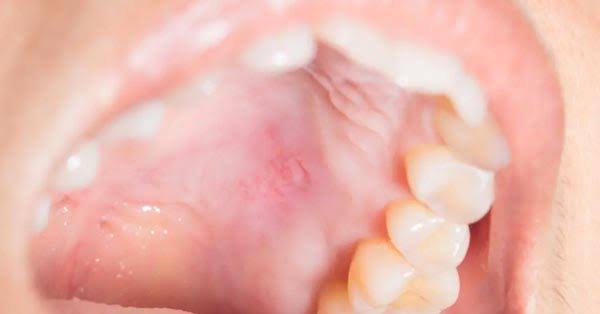
    Have you ever run your tongue over the roof of your mouth and suddenly stopped, startled by an unexpected lump? It is a surprisingly common experience that can range from a minor annoyance to a source of significant anxiety. If you are thinking, “I feel a bump on the roof of my mouth,” you are not alone, and in most cases, the cause is benign and temporary.

    Understanding what lies beneath that small protrusion is key to finding relief and peace of mind. In this guide, we will explore the most likely culprits behind palatal bumps, offer practical home remedies, and clarify exactly when professional medical attention is necessary.

    Why Did This Bump Suddenly Appear?

    The roof of your mouth, known medically as the palate, is divided into two sections: the hard palate at the front and the soft palate at the back. Because this area is rich in nerve endings, salivary glands, and blood vessels, it is susceptible to various irritations and conditions.

    When you notice a new growth, your brain immediately jumps to worst-case scenarios. However, statistical data from dental associations suggests that the vast majority of oral lumps are non-cancerous. They are often reactive responses to trauma, infection, or blocked glands. Identifying the specific type of bump is the first step toward effective treatment.

    Common Causes of Palatal Bumps

    To help you narrow down the possibilities, let’s look at the most frequent reasons for these oral anomalies.

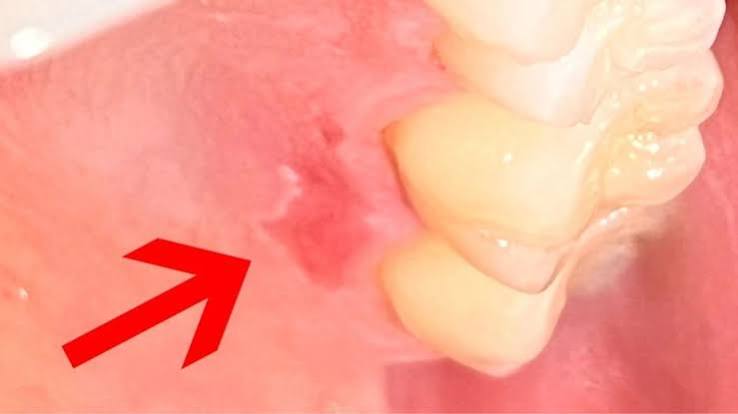
    1. Thermal Burns (Pizza Palate)

    This is arguably the most common cause. Eating food that is too hot—like melted cheese or hot coffee—can scald the delicate tissue of the hard palate.

    • Symptoms: A blister-like bump, redness, and tenderness.
    • Healing Time: Typically 3–7 days.
    • Action: Avoid hot foods and rinse with cool water.

    2. Canker Sores (Aphthous Ulcers)

    While canker sores usually appear on the inside of cheeks or gums, they can develop on the soft palate.

    • Appearance: Small, shallow lesions with a white or yellow center and a red border.
    • Trigger: Stress, minor injury, or acidic foods.
    • Note: These are not contagious but can be painful.

    3. Oral Mucoceles

    These occur when a salivary gland becomes blocked or damaged, causing saliva to pool under the skin.

    • Texture: Soft, fluid-filled, and often translucent or bluish.
    • Location: More common on the lower lip but can appear on the palate.
    • Outcome: They often rupture and heal on their own but may recur.

    4. Torus Palatinus

    If the bump is hard, bony, and located in the center of the hard palate, it might be a torus palatinus.

    • Nature: This is a benign bony growth, not a disease.
    • Prevalence: Affects approximately 20-30% of the population.
    • Concern Level: Low. It requires no treatment unless it interferes with denture fitting.

    5. Nasopalatine Duct Cyst

    This is a rare developmental cyst that forms in the midline of the anterior hard palate.

    • Symptoms: Often asymptomatic, but can cause swelling or discharge if infected.
    • Diagnosis: Requires X-ray or CT scan by a dentist.
    I Feel A Bump On The Roof Of My Mouth

    When Should You Worry? Red Flags to Watch For

    While most bumps are harmless, some signs indicate a need for professional evaluation. Use this checklist to assess your situation:

    SymptomLikely CauseAction Required
    Painful, white/yellow centerCanker SoreHome care; wait 1-2 weeks
    Blister after hot foodThermal BurnCool rinses; avoid irritants
    Hard, bony, painlessTorus PalatinusNo action needed
    Persists > 2 weeksVariousSee a Dentist
    Bleeding or rapid growthSerious ConditionSee a Doctor Immediately
    Accompanied by feverInfection/AbscessSeek Urgent Care

    According to the National Institute of Dental and Craniofacial Research, persistent oral lesions should never be ignored. Early detection is crucial for any potential serious conditions, including oral cancer, although this is rare in young, healthy individuals without risk factors like smoking or heavy alcohol use.

    Step-by-Step Home Relief Guide

    If your bump is due to minor trauma or irritation, you can manage it at home. Follow these steps to promote healing and reduce discomfort.

    1. Salt Water Rinse
      • Mix 1/2 teaspoon of salt into 8 ounces (240 ml) of warm water.
      • Swish gently around the mouth for 30 seconds.
      • Spit out. Repeat 2–3 times daily. This reduces inflammation and keeps the area clean.
    2. Cold Compress Application
      • Suck on ice chips or eat cold foods like yogurt or smoothies.
      • The cold temperature helps numb the area and reduces swelling.
      • Avoid direct contact of ice cubes with the bump for prolonged periods to prevent further tissue damage.
    3. Dietary Adjustments
      • Avoid spicy, acidic, or crunchy foods that could scratch or irritate the bump.
      • Stick to soft foods like mashed potatoes, soups (cooled), and scrambled eggs.
      • Stay hydrated with room-temperature water.
    4. Over-the-Counter Remedies
      • Consider using oral gels containing benzocaine for temporary pain relief.
      • Use antiseptic mouthwashes (alcohol-free) to prevent secondary infection.

    Expert Insights on Oral Health

    Dr. Emily Chen, a board-certified periodontist, notes, “Patients often panic when they feel a lump, but context is everything. Did you just eat a slice of hot pizza? Are you stressed? Most oral bumps are the body’s way of reacting to minor stressors. However, consistency is key. If it doesn’t go away in two weeks, get it checked.”

    Maintaining good oral hygiene is also preventive. Brushing twice daily and flossing removes bacteria that could infect minor abrasions, turning a simple scratch into an abscess.

    FAQ Section

    1. Can a bump on the roof of the mouth be cancer?

    While oral cancer can present as a lump, it is relatively rare compared to benign causes like burns or cysts. Oral cancer lumps are typically painless in early stages, do not heal within two weeks, and may be accompanied by unexplained bleeding or numbness. If you have risk factors like smoking or HPV, regular screenings are vital.

    2. How long does it take for a burn bump to heal?

    Minor thermal burns on the palate usually heal within 3 to 7 days. The mouth has an excellent blood supply, which accelerates healing. If the pain persists beyond a week or shows signs of infection (pus, increased swelling), consult a dentist.

    3. Is it safe to pop a blister on the roof of my mouth?

    No. Popping a blister or mucocele introduces bacteria into the open wound, significantly increasing the risk of infection. It can also delay healing and cause more pain. Let it rupture naturally or seek professional drainage if it is large and bothersome.

    4. What is the hard bump in the middle of my roof mouth?

    If the bump is hard, symmetrical, and located in the center of the hard palate, it is likely a Torus Palatinus. This is a benign bony exostosis (extra bone growth) and is completely normal. It does not require treatment unless it causes discomfort with eating or speaking.

    5. Can allergies cause bumps on the roof of the mouth?

    Yes. Allergic reactions to certain foods, medications, or oral care products can cause swelling or hives on the palate. This is often accompanied by itching or tingling. Antihistamines may help, but identifying and avoiding the allergen is the primary solution.

    Conclusion

    Finding a bump on the roof of your mouth can be alarming, but remember that “I feel a bump on the roof of my mouth“ is a search query driven by curiosity and caution, not necessarily crisis. Most causes are benign, such as thermal burns, canker sores, or natural bony structures.

    By monitoring the bump for changes, practicing good oral hygiene, and using simple home remedies, you can often resolve the issue quickly. However, always prioritize professional advice if the lump persists for more than two weeks, grows rapidly, or causes significant pain.

    Found this guide helpful? Share it with friends who might be worrying about their oral health. Knowledge is the best medicine for anxiety!

  • I Burned The Roof Of My Mouth: Instant Relief & Healing Tips

    I Burned The Roof Of My Mouth: Instant Relief & Healing Tips

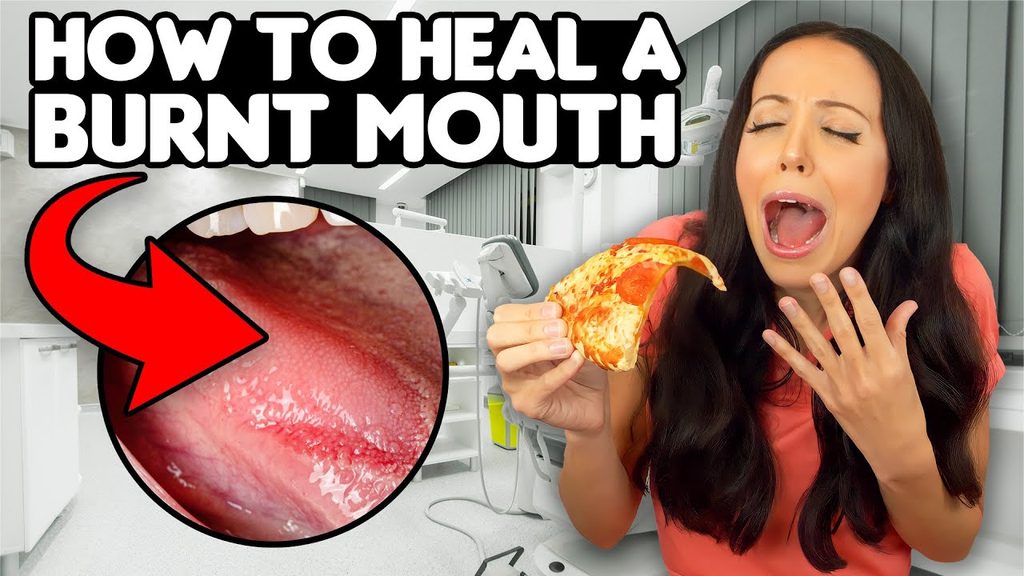
    Have you ever taken a bite of something delicious, only to immediately regret it because the temperature was far too high? It is a universal experience that leaves many of us thinking, “I burned the roof of my mouth with hot food,” while frantically searching for ways to stop the stinging sensation. You are not alone, and more importantly, there are effective, science-backed steps you can take right now to alleviate the pain and speed up recovery.

    In this guide, we will walk you through immediate first aid, what to avoid during the healing process, and when you should actually worry about seeking medical attention. Let’s turn that painful mistake into a manageable minor inconvenience.

    Why Does the Roof of Your Mouth Burn So Easily?

    Before we dive into the solutions, it helps to understand why this specific area is so vulnerable. The roof of your mouth, known medically as the palate, is covered by a thin layer of mucous membrane. Unlike the skin on your arms or legs, this tissue does not have a thick protective layer of keratin.

    When you consume food or beverages above 140°F (60°C), the heat transfers rapidly to these sensitive tissues. According to general medical understanding, thermal injuries to the oral cavity are classified similarly to skin burns. A first-degree burn affects only the outer layer of tissue, causing redness and pain, while a second-degree burn may result in blistering. Most kitchen-related incidents result in first-degree burns, which are painful but heal relatively quickly.

    Understanding the mechanism helps you realize that cooling the area immediately is critical to stopping the thermal damage from penetrating deeper into the tissue.

    Immediate First Aid: What to Do Right Now

    If you have just taken that scalding bite, time is of the essence. Follow these steps within the first few minutes to minimize tissue damage.

    1. Cool It Down Gently

    The most effective immediate action is to lower the temperature of the affected area. However, do not use ice cubes directly on the burn, as extreme cold can cause further tissue damage (similar to frostbite).

    • Sip cold water: Take small sips of cool (not freezing) water. Hold it in your mouth over the burned area for 10–15 seconds before swallowing.
    • Use milk: Dairy products can be soothing. The casein protein in milk may help coat the irritated tissue, providing a temporary barrier against air and further irritation.

    2. Avoid Aggravating the Area

    Once the initial shock wears off, you might feel tempted to touch the area with your tongue or fingers. Resist this urge. Probing the burn can introduce bacteria from your hands or disrupt the delicate healing cells forming on the surface.

    3. Assess the Severity

    Take a moment to look in a mirror if possible.

    • Redness only: Likely a first-degree burn. Home care is sufficient.
    • White patches or blisters: This indicates a second-degree burn. While still often manageable at home, it requires stricter hygiene to prevent infection.
    I Burned The Roof Of My Mouth With Hot Food

    How to Speed Up Healing Over the Next 24–48 Hours

    The acute pain usually subsides within a day, but the tenderness can last longer. Here is how to manage the recovery phase effectively.

    Dietary Adjustments

    What you eat plays a massive role in how fast your palate heals. For the next two days, stick to the “BLAND” protocol:

    • Ban acidic foods (no orange juice, tomato sauce, or soda).
    • Limit spicy ingredients (avoid chili, pepper, and hot sauces).
    • Avoid crunchy textures (chips, nuts, or hard crusts can scrape the burn).
    • No extremely hot temperatures (let food cool to lukewarm).
    • Dairy and soft foods are your friends (yogurt, pudding, smoothies).

    Natural Remedies That Work

    While many home remedies are anecdotal, some have basis in anti-inflammatory properties.

    1. Honey: Applying a small amount of honey to the burned area can help. Honey has natural antibacterial and wound-healing properties. Note: Do not give honey to children under one year old.
    2. Salt Water Rinse: Mix 1/2 teaspoon of salt in 8 ounces of warm water. Swish gently. This helps keep the area clean and reduces swelling. Do this 2–3 times a day, especially after eating.
    3. Aloe Vera: If you have pure aloe vera gel (ensure it is safe for internal use), it can provide a cooling, anti-inflammatory effect similar to its use on sunburns.

    Pain Management

    If the pain is distracting you from work or sleep, over-the-counter pain relievers like ibuprofen or acetaminophen can help reduce inflammation and discomfort. Always follow the dosage instructions on the label.

    What NOT To Do When You Burn Your Palate

    Making the wrong move can turn a minor annoyance into a week-long ordeal. Here is a comparison of helpful vs. harmful actions.

    ActionImpact on HealingRecommendation
    Popping BlistersIncreases infection risk; delays healingNever do this
    Using Alcohol MouthwashCauses severe stinging; dries out tissueAvoid completely
    Eating Hot PizzaRe-injures the tissue; resets healing clockWait 48 hours
    Smoking/VapingReduces blood flow; slows cell regenerationPause if possible
    Applying ButterTraps heat; introduces bacteriaUse honey instead

    For more detailed information on oral mucosa and its healing processes, you can refer to resources such as Wikipedia’s article on Oral Mucosa to understand the biological context of your injury.

    When Should You See a Doctor?

    Most burns from hot food are minor and resolve on their own within 3 to 7 days. However, you should seek professional medical advice if:

    • The pain does not improve after 3 days.
    • You notice signs of infection, such as pus, increased swelling, or fever.
    • The burn covers a large area of your mouth or throat, making it difficult to swallow or breathe.
    • You have underlying health conditions like diabetes, which can slow down wound healing.

    FAQ: Common Questions About Burning the Roof of Your Mouth

    1. How long does it take for a burned roof of the mouth to heal?

    Typically, a first-degree burn on the palate heals within 3 to 7 days. The mouth has a rich blood supply, which aids in faster regeneration compared to skin on other parts of the body. Second-degree burns with blistering may take up to two weeks.

    2. Can I brush my teeth if I burned the roof of my mouth?

    Yes, you should continue to maintain oral hygiene to prevent infection. However, be very gentle around the burned area. Use a soft-bristled toothbrush and avoid vigorous swishing with mouthwash. A mild saltwater rinse is a better alternative to commercial mouthwashes during the healing phase.

    3. Why does my burned mouth taste weird?

    Damage to the taste buds or the nerves in the palate can temporarily alter your sense of taste. This is usually temporary. As the tissue heals and the inflammation subsides, your normal sense of taste will return. Keep your mouth clean to minimize any metallic or bitter tastes caused by minor bleeding or cellular debris.

    4. Is it safe to put ice directly on the burn?

    No. Direct application of ice can cause cold thermal injury, damaging the tissue further. It is safer to sip cold water or suck on ice chips that melt slowly, allowing the liquid to cool the area without freezing the tissue.

    5. Can I drink coffee or tea after burning my mouth?

    It is best to avoid hot beverages for at least 24–48 hours. If you must have caffeine, let your coffee or tea cool to room temperature or drink it iced. The heat from the beverage can re-aggravate the sensitive nerve endings and delay the healing process.

    6. Does sugar help heal a burned mouth?

    While honey (which contains sugar) has healing properties, refined white sugar does not. In fact, high sugar intake can promote bacterial growth in the mouth. Stick to natural sweeteners like honey if you need soothing, but avoid sugary candies or sodas.

    Conclusion

    Accidentally saying, “I burned the roof of my mouth with hot food,” is a rite of passage for many food lovers. While the pain is sharp and immediate, remember that the mouth is one of the fastest-healing parts of the human body. By cooling the area immediately, avoiding irritants, and keeping the mouth clean, you can significantly reduce discomfort and recovery time.

    Listen to your body. If it hurts, don’t eat it. If it’s hot, let it cool. Your palate will thank you.

    Did this guide help you soothe your burn? Share this article with your friends who love piping hot pizza or fresh-out-of-the-oven lasagna—it might save them from a painful afternoon!

  • I Burned The Roof Of My Mouth: Why It’s Peeling & How to Heal

    I Burned The Roof Of My Mouth: Why It’s Peeling & How to Heal

    Have you ever taken a bite of something deliciously hot, only to regret it seconds later? That sharp, stinging pain on the roof of your mouth is all too common, but seeing the skin peel away can be genuinely alarming. If you are thinking, “I burned the roof of my mouth and its peeling,” you are not alone, and there are effective ways to manage the discomfort and speed up healing.

    This guide will walk you through exactly why this happens, how to treat it safely at home, and when you should actually worry. We’ll cut through the noise and provide clear, actionable advice based on medical best practices.

    Why Does the Roof of My Mouth Peel After a Burn?

    When you consume food or liquid that is too hot, you sustain a thermal injury to the delicate tissues in your mouth. The roof of your mouth, known medically as the hard and soft palate, is lined with a thin layer of mucous membrane. Unlike the skin on your arms or legs, this tissue is incredibly sensitive and lacks the thick protective outer layer (stratum corneum) found elsewhere on your body.

    The Science Behind the Peel

    The “peeling” you see is actually your body’s natural response to injury. When the heat damages the cells, the top layer of the mucous membrane dies and separates from the underlying tissue. This is similar to how skin blisters and peels after a sunburn, but it happens much faster in the mouth due to the moist environment.

    According to general medical consensus, these are typically first-degree or mild second-degree burns. The body rushes blood to the area to repair the damage, causing inflammation (redness and swelling), and eventually sheds the damaged cells. This shedding process is what creates those annoying, flappy pieces of skin that feel like they are hanging loose in your mouth.

    Key Insight: The mouth has one of the fastest healing rates in the human body due to rich blood supply and saliva properties. Most minor burns heal within 3 to 7 days.

    Immediate Steps: What to Do Right After the Burn

    If you just burned your mouth, immediate action can minimize the severity of the peel. Here is a step-by-step protocol to follow in the first hour:

    1. Cool It Down Immediately: Sip cold water or hold an ice chip against the burned area. Do not use ice directly for prolonged periods as it can cause further tissue damage; let it melt slightly. Aim for water at a temperature of 4–10°C (39–50°F).
    2. Rinse with Salt Water: Mix 1/2 teaspoon of salt into 8 ounces (240 ml) of warm (not hot) water. Swish gently for 30 seconds. This helps clean the area and reduces bacterial load without irritating the wound.
    3. Avoid Irritants: Do not consume acidic foods (like orange juice or tomato sauce), spicy foods, or crunchy snacks immediately. These will aggravate the exposed nerve endings.
    4. Do Not Pull the Skin: It is tempting to pull the peeling skin with your tongue or fingers. Resist this urge. Pulling it prematurely can expose raw tissue, increase pain, and raise the risk of infection. Let it fall off naturally.
    I Burned The Roof Of My Mouth And Its Peeling

    Best Home Remedies to Speed Up Healing

    Once the initial shock has passed, your goal shifts to comfort and accelerating tissue regeneration. Here are the most effective, evidence-based home remedies.

    1. Honey

    Honey is not just a sweetener; it has natural antibacterial and anti-inflammatory properties. A study published in various medical journals suggests that honey can promote wound healing.

    • How to use: Dab a small amount of raw honey directly onto the burned area. Let it sit for a few minutes before swallowing. Repeat 2–3 times a day.

    2. Yogurt and Probiotics

    Cool yogurt provides immediate soothing relief. More importantly, the probiotics can help maintain a healthy balance of bacteria in your mouth, preventing secondary infections while the tissue heals.

    • How to use: Eat a small cup of plain, unsweetened yogurt. Ensure it is cold but not frozen.

    3. Aloe Vera Gel

    Aloe vera is renowned for treating skin burns, and it works similarly for oral mucosa. It contains compounds that reduce inflammation and stimulate cell growth.

    • How to use: Use food-grade aloe vera gel. Apply a thin layer to the roof of your mouth. Rinse your mouth with water after 5–10 minutes if the taste is unpleasant.

    4. Over-the-Counter Oral Gels

    Products containing benzocaine or lidocaine can numb the area temporarily. While these do not speed up healing, they provide significant pain relief, allowing you to eat and sleep more comfortably.

    • Caution: Use these sparingly and follow package instructions. Overuse can lead to irritation.

    Foods to Eat vs. Foods to Avoid

    Your diet plays a crucial role in how quickly your mouth heals. Choosing the right foods prevents re-injury and provides the nutrients needed for tissue repair.

    Food CategoryRecommended (Eat This)Avoid (Wait Until Healed)
    TemperatureCold or room temperature itemsHot soups, coffee, tea, steamy dishes
    TextureSoft, smooth, creamyCrunchy chips, hard crusts, nuts
    Flavor ProfileMild, bland, non-acidicSpicy, citrusy, salty, vinegar-based
    ExamplesPudding, applesauce, smoothies, mashed potatoesSalsa, orange juice, pretzels, curry

    Pro Tip: Smoothies are excellent because they are cold, nutritious, and require no chewing. Just avoid adding acidic fruits like pineapples or strawberries until the peel has fully healed.

    When Should You See a Doctor?

    While most burnt roofs of the mouth are minor inconveniences, some signs indicate a more serious issue. You should consult a healthcare provider if:

    • The burn does not show signs of improvement after 7 days.
    • You develop a fever, which could indicate an infection.
    • There is excessive pus or foul-smelling discharge from the area.
    • The pain is severe and unmanageable with over-the-counter pain relievers.
    • You have difficulty breathing or swallowing (seek emergency care immediately).

    For more detailed information on oral health conditions, you can refer to resources like Wikipedia’s page on Oral Mucosa to understand the biological structure of your mouth better.

    FAQ: Common Questions About Burnt Mouths

    1. How long does it take for the roof of my mouth to stop peeling?

    Typically, the peeling phase lasts for 2 to 4 days. The complete healing process usually takes about one week. If the burn was severe, it might take up to two weeks, but this is less common with food-related burns.

    2. Is it safe to swallow the peeling skin?

    Yes, it is generally safe. The peeling skin is just dead tissue. Your stomach acid will break it down without any issues. However, try to spit out large pieces if possible to avoid a choking hazard or gagging reflex.

    3. Can I brush my teeth if the roof of my mouth is burned?

    Yes, you should continue to maintain oral hygiene. However, be very gentle around the burned area. Use a soft-bristled toothbrush and avoid splashing toothpaste foam directly onto the wound if it causes stinging. Rinsing with water afterward is helpful.

    4. Why does my mouth feel weird even after the pain stops?

    After the acute pain subsides, you may experience a sensation of roughness or numbness. This is because new cells are forming under the peeled layer. The nerve endings are still sensitive as they recalibrate. This feeling should disappear completely within a few days.

    5. Can I use mouthwash on a burned roof of my mouth?

    Avoid alcohol-based mouthwashes, as they will sting intensely and dry out the tissue, slowing healing. Instead, stick to saline rinses (salt water) or alcohol-free, therapeutic mouthwashes designed for sensitive mouths.

    6. Does dairy help heal burns?

    There is a myth that dairy increases mucus production and hinders healing, but there is no scientific evidence supporting this for minor oral burns. In fact, the cooling effect and protein content in milk or yogurt can be soothing and beneficial for tissue repair.

    Conclusion

    Dealing with a burnt roof of your mouth is uncomfortable, but it is rarely serious. Remember, if you find yourself saying, “I burned the roof of my mouth and its peeling,” it is a sign that your body is already working to repair itself. By keeping the area clean, avoiding irritants, and using soothing remedies like honey or cold yogurt, you can significantly reduce discomfort.

    Patience is key. Let the skin peel naturally, stay hydrated, and stick to soft, cool foods. Within a week, you should be back to enjoying your favorite hot meals without a second thought.

    Found this guide helpful? Share it with a friend who loves piping hot pizza or coffee! Spreading the word can help others handle this common kitchen mishap with confidence.

  • How To Stop The Roof Of Your Mouth From Itching Fast

    How To Stop The Roof Of Your Mouth From Itching Fast

    Have you ever been in the middle of a delicious meal or a quiet moment when suddenly, an intense, irritating itch develops on the roof of your mouth? It is a surprisingly common yet frustrating sensation that can distract you from your day and leave you wondering if something is wrong. If you are searching for effective ways on how to stop the roof of your mouth from itching, you are not alone, and relief is often closer than you think.

    This guide will walk you through the most common causes, immediate home remedies, and when to seek professional help, ensuring you can return to comfort quickly and safely.

    Why Does the Roof of My Mouth Itch?

    Before diving into solutions, it is crucial to understand the root cause. The roof of your mouth, known medically as the palate, is sensitive tissue. An itch here is rarely random; it is usually a signal from your immune system or a reaction to an external irritant.

    The most frequent culprit is Oral Allergy Syndrome (OAS), also known as pollen-food allergy syndrome. This occurs when your body confuses proteins in certain raw fruits, vegetables, or nuts with pollen allergens. According to the American Academy of Allergy, Asthma & Immunology, OAS affects up to 10% of the population, particularly those who already suffer from hay fever.

    Other common triggers include:

    • Seasonal Allergies: High pollen counts can cause post-nasal drip, irritating the palate.
    • Food Sensitivities: Spicy foods, acidic fruits, or artificial additives.
    • Dry Mouth (Xerostomia): Lack of saliva reduces the mouth’s natural cleaning ability, leading to irritation.
    • Thermal Burns: Eating food that is too hot can damage the delicate tissue, causing an itchy healing process.

    Understanding the trigger is the first step in effective treatment. For a deeper understanding of allergic reactions in the oral cavity, you can refer to this comprehensive overview on Wikipedia.

    Immediate Home Remedies to Soothe the Itch

    If you are experiencing sudden discomfort, you do not need to wait for a doctor’s appointment to find relief. Here are several proven, immediate steps you can take at home.

    1. Rinse with Cold Water or Salt Water

    Cold temperature helps constrict blood vessels and numb the nerve endings responsible for the itch.

    • Step 1: Take a sip of ice-cold water.
    • Step 2: Swish it around your mouth, focusing on the roof, for 30 seconds.
    • Step 3: Spit it out. Repeat as necessary.

    Alternatively, a saltwater rinse can reduce inflammation and clear out any lingering allergens. Mix 1/2 teaspoon of salt into 8 ounces (approx. 240 ml) of warm water. Gargle gently for 15–20 seconds and spit. Do not swallow the solution.

    2. Eat a Piece of Plain Bread or Crackers

    Sometimes, the itch is caused by microscopic particles of food or pollen stuck to the palate. Eating a piece of plain, dry bread or a unsalted cracker can act as a gentle abrasive.

    • Chew slowly.
    • Allow the bread to sweep across the roof of your mouth.
    • This mechanical action can physically remove the irritant.

    3. Apply Honey

    Honey has natural anti-inflammatory and antibacterial properties. It can coat the irritated tissue, providing a soothing barrier.

    • Take one teaspoon of raw honey.
    • Let it sit on the roof of your mouth for a minute before swallowing.
    • Note: Do not give honey to children under one year old due to the risk of botulism.
    How To Stop The Roof Of Your Mouth From Itching

    Managing Allergies and Long-Term Prevention

    If your itchy palate is a recurring issue, likely tied to allergies, home remedies may only provide temporary relief. You need a strategy to manage the underlying condition.

    Identify and Avoid Trigger Foods

    Keep a food diary for two weeks. Note what you ate and when the itching started. Common cross-reactive foods include:

    • Apples, peaches, and cherries (if allergic to birch pollen).
    • Melons and bananas (if allergic to ragweed).
    • Carrots and celery (if allergic to mugwort).

    Pro Tip: Cooking these foods often breaks down the problematic proteins. If raw apples itch, try apple sauce or baked apples.

    Over-the-Counter Antihistamines

    For persistent itching caused by seasonal allergies, an oral antihistamine can be highly effective.

    • Look for non-drowsy options like Cetirizine or Loratadine.
    • Follow the dosage instructions on the package strictly.
    • These medications block histamine, the chemical your body releases during an allergic reaction that causes itching and swelling.

    Maintain Optimal Oral Hygiene

    A clean mouth is less prone to irritation.

    • Brush twice daily with a soft-bristled toothbrush.
    • Floss daily to remove plaque buildup.
    • Use an alcohol-free mouthwash, as alcohol can dry out the tissues and worsen the itch.

    When to See a Doctor

    While most cases of an itchy palate are benign, some symptoms indicate a more serious condition. Seek medical attention if you experience:

    SymptomPotential CauseAction Required
    Swelling of lips or tongueSevere Allergic ReactionEmergency Care
    Difficulty breathingAnaphylaxisCall 911 Immediately
    White patches on palateOral Thrush (Fungal Infection)See Doctor/Dentist
    Itching lasts > 1 weekChronic ConditionSchedule Appointment
    Bleeding or soresTrauma or InfectionSee Dentist

    Anaphylaxis is a life-threatening allergic reaction. If the itching is accompanied by throat tightness, wheezing, or dizziness, do not wait. Use an epinephrine auto-injector if prescribed and seek emergency help immediately.

    FAQ: Common Questions About Itchy Palate

    1. Can stress cause the roof of my mouth to itch?

    Yes, indirectly. Stress can weaken your immune system and exacerbate existing conditions like eczema or allergies. Additionally, stress often leads to unconscious habits like rubbing the tongue against the palate, which can cause mechanical irritation.

    2. Is an itchy roof of the mouth a sign of pregnancy?

    Hormonal changes during pregnancy can increase blood flow to mucous membranes, making them more sensitive. Some pregnant women report increased sensitivity or itching in the mouth, though it is not a definitive sign of pregnancy on its own.

    3. Can dehydration cause an itchy palate?

    Absolutely. Saliva is essential for keeping the oral tissues moist and protected. When you are dehydrated, saliva production drops, leading to dry mouth (xerostomia). This dryness can feel like itching or burning. Drinking 2 liters of water throughout the day can help maintain proper hydration levels.

    4. Why does my mouth itch after eating pineapple?

    Pineapple contains an enzyme called bromelain, which breaks down proteins. This can cause a mild chemical “burn” or irritation on the sensitive tissues of the mouth, leading to an itchy or tingling sensation. Canning pineapple destroys bromelain, which is why canned pineapple rarely causes this issue.

    5. Should I scrape my tongue if my palate itches?

    Scraping your tongue can help remove bacteria and debris, but it will not directly stop an itchy palate unless the itch is caused by post-nasal drip carrying allergens over the tongue. Be gentle to avoid damaging the taste buds.

    Conclusion

    Dealing with an itchy roof of the mouth can be annoying, but it is rarely dangerous. By understanding the triggers—whether they are seasonal allergies, specific foods, or dryness—you can take control of the situation. Simple remedies like cold water rinses, honey, and avoiding trigger foods often provide quick relief.

    Remember, consistency is key. If you suffer from seasonal allergies, start taking preventive measures before the season peaks. Keep your oral hygiene routine strict, and stay hydrated.

    If you found this guide helpful, please share it with friends or family who might be suffering from similar discomfort. Sharing knowledge is the best way to help others find relief!

    Disclaimer: This article is for informational purposes only and does not constitute medical advice. Always consult with a healthcare professional for persistent or severe symptoms.

  • How to Get Fixodent Off the Roof of Your Mouth

    How to Get Fixodent Off the Roof of Your Mouth

    Have you ever finished a meal only to realize that a stubborn layer of denture adhesive is still clinging to the roof of your mouth? It is an uncomfortable, sticky sensation that can feel nearly impossible to remove with just water. If you are wondering how to get Fixodent off the roof of your mouth, you are not alone, and there are safe, gentle ways to resolve this common issue without irritating your sensitive gums.

    Denture adhesives like Fixodent are designed to be strong and water-resistant, which is great for keeping your teeth in place but challenging when it comes to cleanup. In this guide, we will walk you through professional, dentist-approved methods to dissolve and wipe away that residue efficiently. We prioritize your oral health, ensuring that the removal process is as gentle on your palate as it is effective.

    Why Does Fixodent Stick So Persistently?

    Before diving into the removal techniques, it helps to understand why this happens. Fixodent and similar adhesives contain polymers that swell when they come into contact with saliva. This swelling creates a seal that holds your dentures securely. However, if too much adhesive is used, or if the denture fit is slightly off, excess glue can squeeze out onto the soft tissues of your palate (the roof of your mouth).

    Once this excess adhesive dries or mixes with food particles, it forms a tough, rubbery film. Because the roof of your mouth is covered in delicate mucous membranes, scrubbing it aggressively can cause soreness or even minor abrasions. Therefore, the key to successful removal is dissolution rather than abrasion.

    According to general dental hygiene principles, maintaining clean oral tissues is crucial for preventing fungal infections like denture stomatitis. For more information on oral mucosa health, you can refer to resources on Wikipedia to understand the sensitivity of these tissues.

    Step-by-Step Guide: How to Remove Fixodent Safely

    Removing adhesive requires patience and the right tools. Do not use sharp objects, fingernails, or hard-bristled brushes directly on the roof of your mouth. Follow these steps for a safe and thorough cleanup.

    1. The Warm Salt Water Rinse

    The most gentle and effective first step is to loosen the bond using warm salt water. Salt acts as a mild antiseptic and helps break down the adhesive structure.

    • Prepare the solution: Mix 1 teaspoon of table salt into 8 ounces (approx. 240 ml) of warm water. Ensure the water is comfortably warm, not hot, to avoid burning your palate.
    • Swish gently: Take a sip and swish the water around your mouth, focusing on the roof of your mouth. Hold the water against the palate for 10–15 seconds before spitting it out.
    • Repeat: Do this 3–4 times. You should feel the adhesive starting to soften and lift.

    2. Use a Soft-Bristled Toothbrush or Gauze

    Once the adhesive has softened from the rinse, you can mechanically remove the residue.

    • Tool selection: Use a very soft-bristled toothbrush (specifically designated for gum care) or a piece of wet gauze wrapped around your finger.
    • Technique: Gently rub the roof of your mouth in small circular motions. Do not press hard. Let the softened adhesive roll off the tissue.
    • Rinse again: Spit out any dislodged particles and rinse with plain warm water.

    3. The Olive Oil or Coconut Oil Method

    If salt water isn’t enough, oils can help dissolve the hydrophobic components of the adhesive. This method is particularly useful for stubborn, dried-on patches.

    • Apply oil: Dip a cotton swab or your clean finger into a small amount of olive oil or coconut oil.
    • Massage: Gently massage the oil onto the sticky areas on the roof of your mouth. Let it sit for 2–3 minutes.
    • Wipe away: Use a damp, soft cloth or gauze to wipe the area. The oil helps lift the glue without stripping the natural moisture from your gums.

    4. Commercial Denture Cleanser Soak (For Removable Palates)

    Note: This step applies if you have a removable partial plate or if you are cleaning the denture itself, but some users find rinsing with a diluted denture cleanser solution helps break down residue in the mouth.

    • Caution: Never swallow denture cleanser.
    • Method: Mix a small amount of non-abrasive denture cleanser with water as per package instructions. Swish briefly and spit immediately, followed by extensive rinsing with plain water. Consult your dentist before using chemical cleaners directly in your mouth.
    How To Get Fixodent Off The Roof Of Your Mouth

    Common Mistakes to Avoid

    When learning how to get Fixodent off the roof of your mouth, many people make errors that can lead to injury. Here is a comparison of what to do versus what to avoid.

    ActionWhy It’s BadBetter Alternative
    Scraping with fingernailsCan tear delicate gum tissue and introduce bacteria.Use wet gauze or a soft toothbrush.
    Using hot waterCan burn the sensitive palate and worsen inflammation.Use lukewarm or tepid water.
    Using alcohol-based mouthwashDries out the mouth, making adhesive stickier and harder to remove.Use saline solution or plain water.
    Ignoring daily cleaningBuildup leads to chronic irritation and bad breath.Clean palate every time you remove dentures.

    Preventing Future Buildup

    Prevention is always easier than removal. If you find yourself constantly asking how to get Fixodent off the roof of your mouth, it may be time to adjust your application routine.

    Use Less Adhesive

    A common myth is that more adhesive equals better hold. In reality, excess adhesive squeezes out under pressure. You only need small dots or a thin strip along the ridge of the denture, not the entire surface.

    Check Your Denture Fit

    If adhesive is consistently leaking onto your palate, your dentures may no longer fit correctly. Bone resorption (shrinkage) occurs naturally over time. If your dentures are loose, see your dentist for an adjustment or relining. A proper fit minimizes the need for excessive adhesive.

    Clean Daily

    Make cleaning the roof of your mouth part of your nightly routine. Even if you don’t feel sticky residue, a gentle brush with a soft toothbrush can remove microscopic layers of adhesive and bacteria before they build up.

    FAQ: Frequently Asked Questions

    1. Is it safe to use vinegar to remove Fixodent from my mouth?

    While white vinegar is acidic and can break down adhesives, it is generally not recommended for direct use on the soft tissues of the mouth due to its strong acidity, which can cause stinging or irritation. Stick to warm salt water or olive oil, which are pH-neutral and soothing.

    2. How often should I clean the roof of my mouth?

    You should clean the roof of your mouth every time you remove your dentures, typically at least once a day before bed. This prevents bacterial buildup and keeps the tissues healthy. If you wear dentures 24/7 (as advised by some dentists for initial healing), consult your provider for a specific cleaning schedule.

    3. What if the adhesive won’t come off after trying these methods?

    If the residue remains after multiple attempts with warm water and oil, do not force it. Leave it alone for a few hours; natural saliva production will continue to break it down. Try again later. If irritation persists or the area becomes red and swollen, contact your dentist.

    4. Can I use baby oil to remove denture adhesive?

    Yes, mineral oil (often found in baby oil) is safe and effective for dissolving adhesive. However, ensure it is pure mineral oil without added fragrances or lotions, which could irritate oral tissues. Olive oil or coconut oil are often preferred because they are natural and edible.

    5. Does Fixodent damage the roof of the mouth?

    Fixodent itself is non-toxic and safe for oral use. However, improper removal or leaving excess adhesive in place for long periods can trap bacteria and food particles, leading to irritation, inflammation, or fungal infections. Proper hygiene is key to preventing damage.

    6. Why does my palate feel sore after removing the adhesive?

    Soreness is usually caused by aggressive scrubbing or the adhesive pulling on the delicate mucous membrane. Always use gentle, circular motions with soft materials. If soreness persists for more than two days, consult your dentist to rule out an ill-fitting denture or infection.

    Conclusion

    Learning how to get Fixodent off the roof of your mouth is an essential skill for any denture wearer. By using gentle methods like warm salt water rinses, soft gauze, and natural oils, you can effectively remove stubborn adhesive without harming your sensitive oral tissues. Remember, the goal is to dissolve the bond, not scrape it away.

    Consistent hygiene and proper adhesive application can prevent this issue from arising in the first place. If you find yourself struggling with excess glue frequently, it may be a sign that your dentures need a professional adjustment.

    Did you find these tips helpful? Share this article with friends or family members who wear dentures to help them maintain better oral hygiene. Let’s keep those smiles comfortable and confident!

  • How Long For Roof Of Mouth To Heal After Burn

    How Long For Roof Of Mouth To Heal After Burn

    Have you ever taken a bite of piping hot pizza or sipped scalding coffee, only to feel that immediate, sharp sting on the roof of your mouth? It is a painfully common experience that leaves many of us wondering exactly how long for roof of mouth to heal after burn. While the discomfort can be intense, understanding the healing timeline and proper care can significantly reduce your suffering and prevent complications.

    In this guide, we will break down the science behind oral burns, provide actionable steps to soothe the pain, and clarify when you should seek professional medical advice. Let’s get your smile back to normal.

    Understanding the Healing Timeline: What to Expect

    The roof of your mouth, known medically as the palate, is lined with delicate mucous membranes. Because this tissue is highly vascular (rich in blood vessels), it tends to heal faster than skin on other parts of your body. However, the exact duration depends on the severity of the burn.

    First-Degree Burns (Mild)

    Most “pizza palate” incidents are first-degree burns. These affect only the outer layer of the mucosa.

    • Healing Time: Typically 3 to 7 days.
    • Symptoms: Redness, mild swelling, and tenderness. You might feel roughness when touching the area with your tongue.
    • Outcome: No blisters usually form, and the skin may peel slightly as it heals.

    Second-Degree Burns (Moderate)

    If the heat source was extremely hot or remained in contact with the palate for longer, you may sustain a second-degree burn.

    • Healing Time: Approximately 1 to 2 weeks.
    • Symptoms: Formation of blisters (blood blisters or clear fluid-filled sacs), significant pain, and possible white patches where the top layer of tissue has died.
    • Outcome: The blister may burst, leaving a raw, sensitive ulcer that requires careful hygiene to prevent infection.

    Third-Degree Burns (Severe)

    These are rare from food or drink but can occur with chemical burns or extreme thermal injuries.

    • Healing Time: Several weeks to months.
    • Action Required: Immediate medical attention is necessary. Do not attempt to treat this at home.

    Expert Insight: According to general medical consensus, the oral cavity has one of the fastest healing rates in the human body due to the presence of salivary glands and high blood flow. For more detailed anatomical context, you can refer to the Palate entry on Wikipedia.

    Immediate Steps to Take Right After the Burn

    What you do in the first few minutes can influence how long for roof of mouth to heal after burn. Quick action can limit tissue damage.

    1. Cool It Down Immediately: Sip cold water or hold ice chips against the burned area. Avoid swallowing large amounts of ice directly, as this can cause further tissue stress. Aim for water temperatures between 0–4°C (32–39°F).
    2. Avoid Irritants: Do not consume acidic foods (like orange juice or tomato sauce), spicy dishes, or salty snacks for at least 24 hours. These will sting and inflame the damaged tissue.
    3. Do Not Pop Blisters: If a blister forms, leave it alone. Popping it introduces bacteria and increases the risk of infection, which will prolong healing time.

    Proven Home Remedies to Speed Up Recovery

    While time is the primary healer, you can create an optimal environment for recovery using these safe, effective methods.

    Salt Water Rinses

    Salt water is a natural disinfectant and helps reduce swelling.

    • Recipe: Mix 1/2 teaspoon of salt into 8 ounces (240 ml) of warm water.
    • Method: Swish gently for 30 seconds and spit out. Repeat 2–3 times a day, especially after meals.

    Honey Application

    Honey has natural antibacterial and anti-inflammatory properties.

    • Method: Apply a small amount of raw honey directly to the burned area. Let it sit for a few minutes before swallowing or rinsing.
    • Note: Ensure you are using pure honey, not sugary syrups.

    Over-the-Counter Pain Relief

    If the pain is distracting, consider using oral gels containing benzocaine. These provide temporary numbing relief. Always follow the package instructions regarding dosage and frequency.

    Dietary Adjustments During Healing

    Your diet plays a crucial role in comfort and healing speed.

    Food TypeRecommended?Why?
    Yogurt & Pudding✅ YesCool, soft, and soothing. Provides protein for repair.
    Smoothies✅ YesNutrient-dense and easy to swallow. Avoid citrus fruits.
    Hot Soup❌ NoHeat will aggravate the burn. Wait until lukewarm.
    Crunchy Chips❌ NoSharp edges can scratch the healing tissue.
    Spicy Tacos❌ NoCapsaicin causes inflammation and intense pain.
    How Long For Roof Of Mouth To Heal After Burn

    When to See a Doctor: Red Flags to Watch For

    While most burns heal on their own, complications can arise. You should consult a healthcare provider if:

    • The pain does not improve after 7 days.
    • You notice signs of infection, such as pus, increasing redness, or foul odor.
    • You develop a fever over 100.4°F (38°C).
    • The burn covers a large area of the mouth or throat, affecting your ability to swallow or breathe.
    • You have underlying health conditions like diabetes, which can slow down healing processes.

    Frequently Asked Questions (FAQ)

    1. Can I brush my teeth if I have a burned roof of my mouth?

    Yes, maintaining oral hygiene is critical to prevent infection. However, be gentle around the burned area. Use a soft-bristled toothbrush and avoid vigorous swishing with mouthwash that contains alcohol, as it will sting.

    2. Why does my roof of mouth feel rough after a burn?

    As the burned tissue heals, the top layer of cells dies and sheds. This peeling process can feel like rough skin or a film on the roof of your mouth. It is a normal part of the regeneration process and should resolve within a week.

    3. Does milk help heal a burned mouth?

    Milk can provide immediate soothing relief due to its cool temperature and coating texture. While it doesn’t necessarily “speed up” cellular healing, it can reduce pain and protect the area from irritants temporarily.

    4. Can a burned roof of the mouth cause a loss of taste?

    Temporary changes in taste are possible if the burn affects the taste buds located near the back of the tongue or soft palate. However, since the hard palate (roof of the mouth) does not contain taste buds, any taste alteration is likely due to general inflammation or pain rather than permanent damage. Taste usually returns to normal as healing progresses.

    5. Is it safe to use hydrogen peroxide on a mouth burn?

    No, it is generally not recommended. Hydrogen peroxide can be too harsh for delicate oral mucosa and may delay healing by damaging healthy cells. Stick to saline (salt water) rinses instead.

    Conclusion

    Knowing how long for roof of mouth to heal after burn can help alleviate anxiety and guide your care routine. For most minor thermal injuries, you can expect relief within 3 to 7 days with proper home care. By keeping the area clean, avoiding irritants, and using soothing remedies like salt water rinses, you support your body’s natural, rapid healing abilities.

    Remember, prevention is key. Always let hot foods and beverages cool for a few minutes before consuming them. If your symptoms persist beyond two weeks or worsen, do not hesitate to seek professional medical advice.

    Found this guide helpful? Share it with your friends on social media to help them handle their next “pizza palate” mishap with confidence!

  • Does Your Tongue Rest On The Roof Of Your Mouth?

    Does Your Tongue Rest On The Roof Of Your Mouth?

    Have you ever paused to think about where your tongue sits when you aren’t speaking or eating? For many people, this simple question reveals a surprising habit that could be affecting their sleep, facial structure, and overall well-being. If you are wondering, “Does your tongue rest on the roof of your mouth?” the answer should ideally be yes, but millions of adults and children inadvertently let it drop, leading to potential long-term issues.

    In this guide, we will explore the science behind proper tongue posture, often referred to as “oral rest position.” We will break down why it matters, how to achieve it correctly, and what happens when you get it wrong. Whether you are interested in improving your breathing, refining your jawline, or simply understanding your body better, this article provides the expert-backed insights you need.

    Why Proper Tongue Posture Matters More Than You Think

    Most of us never give our tongues a second thought unless we bite them accidentally. However, the tongue is a powerful muscle that plays a critical role in more than just taste and speech. It acts as a natural scaffold for your upper jaw (maxilla) and influences the development of your facial structure.

    When your tongue rests correctly, it applies gentle, consistent pressure against the palate. This pressure helps keep the airway open and supports the proper alignment of teeth. Conversely, incorrect tongue posture can lead to mouth breathing, dental misalignment, and even sleep disorders like obstructive sleep apnea.

    According to orthodontic and myofunctional experts, the resting position of the tongue is foundational to craniofacial development. Ignoring this small detail can have cascading effects on your health, from poor sleep quality to chronic neck pain. Understanding the mechanics of tongue placement is the first step toward correcting these issues naturally.

    What Is the Correct Oral Rest Position?

    To answer the core question directly: Yes, your tongue should rest on the roof of your mouth. But it’s not just about touching the ceiling of your mouth; the specific placement matters significantly.

    The ideal oral rest position involves three key components:

    1. Tip Placement: The tip of your tongue should rest gently against the ridge of gum tissue just behind your upper front teeth. This area is known as the incisive papilla. Crucially, do not push against the teeth themselves, as this can cause them to protrude over time.
    2. Body Contact: The middle and back portions of the tongue should suction lightly against the hard and soft palate.
    3. Lip Seal: Your lips should be closed comfortably, without strain, ensuring you breathe through your nose.

    This position is often summarized by the phrase: “Lips together, teeth slightly apart, tongue up.” It requires minimal effort once it becomes a habit, but it demands conscious practice initially.

    The Role of Nasal Breathing

    Proper tongue posture is inextricably linked to nasal breathing. When your tongue is on the roof of your mouth, it naturally encourages you to breathe through your nose. Nasal breathing filters, warms, and humidifies the air before it enters your lungs, offering significant health benefits over mouth breathing.

    If you find it difficult to keep your tongue up, it may be because you are a habitual mouth breather. Breaking this cycle is essential for maintaining the correct oral rest position.

    Common Mistakes People Make With Tongue Posture

    Even when people try to correct their tongue posture, they often fall into common traps. Here are the most frequent errors:

    • Pushing Against Front Teeth: As mentioned earlier, pressing the tongue against the incisors can lead to an “overjet” or buck teeth. The force should be directed upward, not forward.
    • Tensing the Jaw: Some individuals clench their jaw while trying to keep their tongue up. This creates tension in the temporomandibular joint (TMJ) and can lead to headaches. Your teeth should remain slightly apart.
    • Only Lifting the Tip: Many people only lift the very tip of their tongue, leaving the back half flat. This is ineffective. The entire dorsal surface of the tongue needs to engage with the palate to create the necessary vacuum seal.
    • Forcing It Too Hard: The pressure should be gentle. Think of it as a light suction, not a push. Excessive force can cause muscle fatigue and discomfort.
    Does Your Tongue Rest On The Roof Of Your Mouth

    The Consequences of Low Tongue Posture

    What happens if you ignore the question, “Does your tongue rest on the roof of your mouth?” and let it sit low in the floor of your mouth? The consequences can be both aesthetic and medical.

    Facial Development and “Long Face Syndrome”

    In children, low tongue posture combined with mouth breathing can alter facial growth. Without the upward pressure of the tongue, the upper jaw may narrow and descend vertically. This results in a longer, narrower face, often referred to as “adenoid facies” or long face syndrome. Features may include:

    • A recessed chin
    • Narrow dental arches
    • Crowded teeth
    • Dark circles under the eyes due to poor sleep quality

    Dental Issues

    Teeth align based on the balance of forces from the cheeks, lips, and tongue. When the tongue is low, the outward pressure from the cheeks is unchecked, potentially leading to crossbites or crowded teeth. Orthodontists often see relapse in patients who had braces but did not correct their tongue thrust or resting posture.

    Sleep and Respiratory Health

    A low tongue position allows the tongue to fall backward during sleep, partially obstructing the airway. This is a primary contributor to snoring and Obstructive Sleep Apnea (OSA). By keeping the tongue elevated, you help maintain a wider airway, promoting deeper, more restorative sleep.

    For more detailed information on the anatomy of the tongue and its functions, you can refer to this comprehensive resource on Wikipedia.

    How to Train Your Tongue for Proper Posture

    Changing a lifelong habit takes time and consistency. Here is a step-by-step guide to training your tongue to rest on the roof of your mouth.

    Step 1: The “Click” Technique

    Make a clicking sound with your tongue. Notice where the tip of your tongue lands after the click? It should be right behind your upper front teeth. Hold it there. This is your target zone.

    Step 2: Create a Vacuum Suction

    With your tongue in the “click” position, swallow your saliva. As you swallow, notice how the back of your tongue lifts. Try to maintain that lifted position after the swallow. You should feel a slight suction holding your tongue against the palate.

    Step 3: Check Your Lip Seal

    Ensure your lips are closed. If you cannot breathe comfortably through your nose while keeping your tongue up, you may have nasal congestion. Address any underlying allergies or structural issues with a doctor.

    Step 4: Practice Daily Reminders

    Set reminders on your phone or place sticky notes on your computer monitor that ask, “Does your tongue rest on the roof of your mouth?” Use these cues to check your posture throughout the day.

    Step 5: Strengthening Exercises

    Just like any muscle, the tongue can be strengthened. Try these simple exercises:

    • Tongue Sweep: Run the tip of your tongue along the roof of your mouth from front to back. Repeat 10 times.
    • Suction Hold: Suction your tongue to the roof of your mouth and hold it for 5–10 seconds. Release and repeat 5 times.

    FAQ Section

    1. Should my teeth touch when my tongue is on the roof of my mouth?

    No. In the ideal resting position, your teeth should be slightly apart (about 2–3 millimeters). This is known as the “freeway space.” Clenching your teeth together can lead to TMJ disorders and tooth wear.

    2. Can correcting tongue posture change my face shape as an adult?

    While dramatic skeletal changes are more common in children whose bones are still growing, adults can still benefit. Correcting tongue posture can improve muscle tone, reduce double chin appearance, and prevent further dental shifting. It may also enhance jawline definition by reducing mouth breathing and associated facial elongation.

    3. What if I have a tongue tie?

    A tongue tie (ankyloglossia) restricts the movement of the tongue, making it physically difficult to reach the roof of the mouth. If you suspect you have a tongue tie, consult with a dentist, ENT specialist, or myofunctional therapist. They may recommend a frenectomy (a minor procedure to release the tie) followed by therapy.

    4. Is it normal for my tongue to feel tired when I start practicing?

    Yes, absolutely. Your tongue is a muscle, and if it hasn’t been used correctly for years, it will fatigue quickly. Start with short intervals of proper posture and gradually increase the duration. The fatigue should subside as the muscle strengthens.

    5. Does tongue posture affect speech?

    Yes. Proper tongue placement is essential for clear articulation, particularly for sounds like “t,” “d,” “n,” and “l.” Low tongue posture can contribute to lisps or mumbled speech. Correcting the resting position often improves speech clarity over time.

    6. How long does it take to make this a habit?

    Habit formation varies by individual, but most experts suggest it takes between 3 to 6 months of consistent practice to make proper tongue posture automatic. Consistency is key—practicing for a few minutes every hour is more effective than one long session once a day.

    Conclusion

    So, does your tongue rest on the roof of your mouth? If it doesn’t, you now have the knowledge and tools to change that. Proper tongue posture is a small adjustment with profound implications for your breathing, sleep, dental health, and facial aesthetics. It is a free, non-invasive way to support your overall well-being.

    Remember, the goal is not perfection overnight but consistent awareness. Start by checking your posture right now. Are your lips closed? Is your tongue suctioned to the palate? Are your teeth slightly apart? If so, you are on the right track.

    If you found this guide helpful, please share it with friends or family who might benefit from better breathing and posture habits. Together, we can promote healthier lifestyles one small change at a time.

  • Can a Tooth Grow on the Roof of Your Mouth?

    Can a Tooth Grow on the Roof of Your Mouth?

    Have you ever felt a strange, hard bump on the roof of your mouth and wondered if it could possibly be a tooth? It is a startling sensation that often leads to immediate concern and confusion. You are not alone in asking, “Can a tooth grow on the roof of your mouth?” While it sounds like something out of a medical mystery novel, the answer is more nuanced than a simple yes or no.

    In most cases, what feels like a tooth is actually a benign bone growth or a cyst. However, in rare instances, teeth can indeed erupt in abnormal positions due to developmental issues. Understanding the difference between a harmless bony protrusion and a misplaced tooth is crucial for your oral health and peace of mind. This guide will walk you through the possibilities, helping you identify what might be happening in your mouth and when to seek professional care.

    What Does It Mean If a Tooth Grows on the Roof of Your Mouth?

    When patients ask if a tooth can grow on the roof of their mouth, they are usually describing one of two distinct scenarios: an ectopic eruption or a bony exostosis.

    An ectopic tooth is a real tooth that has developed in the wrong place. Instead of emerging from the gum line where it belongs, it pushes through the palate (the roof of the mouth). This is relatively rare but documented in dental literature. On the other hand, a bony growth is not a tooth at all, but rather an overgrowth of bone tissue that feels hard and smooth, mimicking the sensation of a tooth root or crown.

    According to data from the National Institutes of Health (NIH), developmental dental anomalies affect approximately 1% to 3% of the population. While most of these involve missing teeth or extra teeth (supernumerary) in the normal arch, palatal eruptions are less common but significant enough to warrant attention.

    The Difference Between a Real Tooth and a Bone Spur

    It is vital to distinguish between actual dental tissue and bone structures. Here is a quick comparison to help you understand what you might be feeling:

    FeatureEctopic Tooth (Supernumerary)Palatal Torus (Bone Growth)
    CompositionEnamel, dentin, pulp (real tooth structure)Compact bone tissue
    SensationMay be sensitive to hot/cold; sharp edgesUsually painless; smooth or lobed surface
    Growth RateGrows until fully formed, then stopsGrows very slowly over years
    AppearanceLooks like a small, white toothLooks like pink gum-covered bone
    PrevalenceRareCommon (affects ~20-30% of people)

    Common Causes of Abnormal Palatal Growths

    If you have discovered a hard lump on your palate, several factors could be at play. Understanding the root cause helps in determining the appropriate treatment.

    1. Supernumerary Teeth (Mesiodens)

    The most common type of extra tooth is called a mesiodens. These typically appear between the two upper front teeth but can sometimes erupt higher up on the palate. They are often congenital, meaning you are born with the potential for them to develop. Genetics play a significant role here; if your parents had extra teeth, you are more likely to have them too.

    2. Palatal Torus (Torus Palatinus)

    This is the most frequent reason people think they have a tooth on the roof of their mouth. A torus palatinus is a benign bony growth located in the midline of the hard palate. It is not a disease, nor is it cancerous. It is simply an exostosis—an overgrowth of bone. While the exact cause is unknown, it is believed to be a combination of genetic predisposition and environmental factors such as clenching or grinding teeth (bruxism).

    3. Impacted Canines

    Sometimes, the permanent canine teeth fail to erupt in their proper position. Due to lack of space or obstruction, they may get stuck (impacted) and begin to push against the palate. While the tooth itself may not fully “grow out” onto the roof, the bulge it creates under the gum tissue can feel exactly like a hard lump or a tooth trying to emerge.

    4. Odontomas

    An odontoma is a benign tumor made of dental tissue. It is essentially a “tooth-like” structure that grows in an disorganized mass. While technically a tumor, it is non-cancerous and slow-growing. Odontomas can prevent normal teeth from erupting and may create hard masses in the jaw or palate. For more detailed medical definitions of dental tumors, you can refer to Wikipedia’s entry on Odontoma.

    Can A Tooth Grow On The Roof Of Your Mouth

    Symptoms to Watch For

    Not all palatal anomalies present the same way. Some are silent, while others cause significant discomfort. Being aware of these symptoms can help you decide whether to schedule a dental appointment immediately.

    • Visible Bulge: A noticeable white or pink bump on the roof of the mouth.
    • Pain or Discomfort: Irritation when eating hard or crunchy foods.
    • Speech Issues: Difficulty pronouncing certain sounds if the growth is large.
    • Orthodontic Problems: Crowding or shifting of adjacent teeth.
    • Sinus Pressure: In rare cases, high palatal eruptions can affect sinus drainage.

    If you experience sudden pain, swelling, or bleeding from the area, it is crucial to see a dentist or oral surgeon promptly. These could be signs of infection or trauma to the tissue covering the growth.

    Diagnosis: How Dentists Identify Palatal Teeth

    You cannot diagnose this condition accurately at home. A professional evaluation is necessary to determine the nature of the growth. Here is what you can expect during a dental visit:

    1. Clinical Examination: The dentist will visually inspect and palpate (feel) the area to assess the hardness, size, and location of the growth.
    2. X-Rays (Radiographs): Standard periapical or panoramic X-rays help visualize the roots and structure beneath the gum line.
    3. Cone Beam CT Scan: For complex cases, a 3D CT scan provides a detailed view of the bone structure and the exact position of any ectopic teeth. This is essential for surgical planning if removal is needed.

    Treatment Options: Do You Need Surgery?

    Treatment depends entirely on the diagnosis. Not every lump on the roof of the mouth requires intervention.

    When No Treatment Is Needed

    If the growth is identified as a palatal torus and it is not causing pain, interfering with speech, or preventing the fit of dentures, no treatment is necessary. It is a harmless anatomical variation. Many people live their entire lives with a torus without ever needing it removed.

    When Removal Is Recommended

    Surgical intervention is typically considered in the following scenarios:

    • Supernumerary Teeth: If an extra tooth is causing crowding, damaging adjacent roots, or preventing normal teeth from erupting, extraction is usually recommended. This is often done by an oral surgeon.
    • Large Torus: If the bony growth becomes so large that it interferes with eating, speaking, or the fitting of prosthetic devices, a procedure called a torlectomy may be performed. This involves shaving down the excess bone.
    • Odontomas: These are generally removed surgically to allow for the proper eruption of permanent teeth and to prevent future complications.

    The Recovery Process

    If you undergo surgery to remove an ectopic tooth or reduce a torus, recovery is typically straightforward.

    • Days 1–3: Expect some swelling and mild discomfort. Use ice packs and prescribed pain medication.
    • Week 1: Stick to soft foods (yogurt, mashed potatoes, smoothies). Avoid hot temperatures and spicy foods.
    • Weeks 2–4: The gum tissue heals, and stitches (if used) dissolve or are removed. Full bone healing takes several months, but you can return to normal activities within a week.

    FAQ Section

    1. Can a baby tooth grow on the roof of the mouth?

    It is extremely rare for a primary (baby) tooth to erupt on the palate. However, supernumerary primary teeth can occur. If you notice a hard bump on a child’s palate, it is more likely to be a developmental cyst or early sign of a permanent tooth issue. Always consult a pediatric dentist.

    2. Is a tooth on the roof of the mouth dangerous?

    In most cases, no. Whether it is a benign bone growth (torus) or a supernumerary tooth, it is rarely life-threatening. However, it can lead to secondary issues like gum disease, cavities in adjacent teeth, or orthodontic problems if left untreated.

    3. Can braces fix a tooth growing on the roof of the mouth?

    Braces alone cannot move a tooth that is severely ectopic or impacted in the bone. Often, surgical exposure and extraction are required first. Once the obstacle is removed, braces can be used to align the remaining teeth properly.

    4. Why does my palatal bump hurt when I eat pizza?

    If you have a torus palatinus, the thin layer of gum tissue covering the bone can easily be irritated or burned by hot, sharp, or hard foods like pizza crust. This is mechanical irritation, not necessarily an infection. Using wax or adjusting your diet can help manage this.

    5. Can stress cause a tooth to grow on the roof of my mouth?

    Stress does not cause teeth to grow. However, stress can lead to bruxism (teeth grinding), which may stimulate bone growth in some individuals, potentially enlarging an existing torus. Stress also weakens the immune system, making you more susceptible to oral infections that might cause swelling.

    Conclusion

    So, can a tooth grow on the roof of your mouth? The answer is yes, but it is rare. More commonly, what you are feeling is a benign bony growth known as a palatal torus. Both conditions are manageable, and neither should cause panic.

    The key takeaway is to avoid self-diagnosis. What feels like a tooth could be a harmless bone spur, or it could be an impacted canine needing orthodontic attention. By scheduling a check-up with your dentist, you can get a clear diagnosis through X-rays and professional examination.

    If you found this article helpful, please share it with friends or family who might be experiencing similar oral health mysteries. Knowledge is the first step toward a healthier, happier smile!

  • Heal Sores on Roof of Mouth Fast

    Heal Sores on Roof of Mouth Fast

    Have you ever taken a bite of piping hot pizza only to regret it seconds later? That burning sensation on the roof of your mouth is not just painful; it can make eating, drinking, and even speaking a miserable experience for days. If you are wondering how to heal sores on the roof of your mouth, you are not alone, and there are effective ways to speed up your recovery.

    The roof of your mouth, known medically as the palate, is covered in delicate mucous membrane tissue. Because this area is constantly exposed to food, bacteria, and temperature changes, it is prone to irritation. While most minor burns or ulcers heal on their own within a week, knowing the right care steps can significantly reduce pain and prevent infection. In this guide, we will explore expert-backed strategies to soothe your palate and get you back to enjoying your favorite foods.

    Why Do Sores Develop on the Roof of Your Mouth?

    Before diving into treatments, it is crucial to understand what caused the sore. The approach to healing often depends on the underlying cause. The most common culprits include:

    • Thermal Burns: Eating food or drinking liquids that are too hot is the leading cause. The delicate tissue on the hard palate blisters or peels upon contact with extreme heat.
    • Canker Sores (Aphthous Ulcers): These are small, shallow lesions that develop on the soft tissues in your mouth or at the base of your gums. Unlike cold sores, they don’t occur on the surface of your lips and aren’t contagious.
    • Trauma: Accidentally scratching the roof of your mouth with sharp foods like tortilla chips, hard crusts, or dental appliances can create open wounds.
    • Infections: Viral infections like herpes simplex or fungal infections like oral thrush can also manifest as sores on the palate.

    According to dental health statistics, minor oral burns are among the most common intraoral injuries seen in emergency rooms and dental clinics. Understanding the trigger helps you choose the right remedy. For instance, a thermal burn requires cooling and protection, while a canker sore may benefit from anti-inflammatory agents.

    Immediate Steps to Relieve Pain and Promote Healing

    When you first notice a sore, immediate action can limit the damage. Here is a step-by-step protocol to follow in the first 24 hours.

    1. Cool Down the Area

    If the sore is caused by a burn, the first step is to lower the temperature of the tissue. Sip cold water or suck on ice chips. Avoid holding ice directly against the sore for too long, as this can cause further tissue damage (freezer burn). Instead, let cold water swirl gently around your mouth for 30–60 seconds.

    2. Salt Water Rinse

    One of the most effective and accessible remedies is a saline rinse. Salt water acts as a mild antiseptic and helps reduce swelling.

    • Mix 1/2 teaspoon of salt into 8 ounces (240 ml) of warm water.
    • Swish the solution gently around your mouth for 15–30 seconds.
    • Spit it out. Do not swallow.
    • Repeat this process 2–3 times a day, especially after meals.

    3. Avoid Irritants

    During the healing phase, your palate is hypersensitive. You must avoid foods and substances that can aggravate the wound. This includes:

    • Spicy foods (chili, hot sauce)
    • Acidic foods (citrus fruits, tomatoes, vinegar)
    • Crunchy or sharp foods (chips, nuts, toast)
    • Alcohol-based mouthwashes
    How To Heal Sores On The Roof Of Your Mouth

    Top Home Remedies to Speed Up Recovery

    While time is the ultimate healer, several natural remedies can accelerate the process and provide significant pain relief. These methods are widely recommended by healthcare professionals for minor oral lesions.

    Honey: Nature’s Healer

    Raw honey has potent antibacterial and anti-inflammatory properties. Studies have shown that applying honey topically to oral ulcers can reduce pain and size faster than some conventional treatments.

    • How to use: Dab a small amount of raw, organic honey directly onto the sore using a clean cotton swab. Leave it on for 10–15 minutes before rinsing lightly. Repeat 2–3 times daily.

    Aloe Vera Gel

    Aloe vera is renowned for its soothing effects on skin burns, and it works similarly on oral mucosa. It creates a protective barrier over the sore, reducing friction from tongue movement and food.

    • How to use: Ensure you use food-grade aloe vera gel. Apply a thin layer directly to the affected area. Let it sit for a few minutes before swallowing or rinsing.

    Milk of Magnesia

    This common antacid can help neutralize acids in the mouth and coat the sore, providing a protective layer.

    • How to use: Dip a cotton ball in milk of magnesia and apply it directly to the sore. Let it sit for a minute. You can do this up to four times a day.

    Over-the-Counter Gels

    Products containing benzocaine or hyaluronic acid can provide temporary numbness and promote tissue repair. Look for brands specifically designed for oral ulcers. Always follow the package instructions regarding dosage and frequency.

    Comparison: Natural Remedies vs. OTC Treatments

    Choosing between natural and pharmaceutical options can be confusing. Here is a quick breakdown to help you decide.

    FeatureNatural Remedies (Honey, Aloe)OTC Treatments (Gels, Rinses)
    Speed of Pain ReliefModerateFast (often contains anesthetics)
    Healing AccelerationHigh (anti-inflammatory)Moderate (protective barrier)
    Side EffectsMinimal to nonePossible allergic reaction to ingredients
    CostLow (often already at home)Moderate
    Best ForMinor burns, sensitive usersSevere pain, larger ulcers

    When to See a Doctor

    Most sores on the roof of the mouth heal within 7 to 10 days. However, certain signs indicate that you need professional medical attention. Ignoring these symptoms could lead to complications or indicate a more serious underlying condition.

    You should consult a dentist or doctor if:

    • The sore persists for more than two weeks without improvement.
    • You experience high fever, swollen lymph nodes, or difficulty swallowing.
    • The sores are unusually large or spread rapidly.
    • You have a weakened immune system due to conditions like diabetes or HIV.
    • You suspect the sore is related to a new medication or dental appliance.

    For more detailed information on oral health conditions and when to seek care, you can refer to comprehensive resources such as Wikipedia’s article on Mouth Ulcers, which provides a broad overview of various types of oral lesions and their clinical management.

    FAQ Section

    How long does it take for a burned roof of the mouth to heal?

    Minor thermal burns typically heal within 3 to 7 days. The mouth has a rich blood supply, which promotes rapid tissue regeneration. However, deeper burns or those that become infected may take up to two weeks to fully resolve.

    Can I brush my teeth if I have a sore on the roof of my mouth?

    Yes, maintaining oral hygiene is crucial to prevent infection. However, be gentle around the affected area. Use a soft-bristled toothbrush and avoid aggressive scrubbing near the sore. You might also consider using a toothpaste formulated for sensitive mouths that lacks harsh detergents like sodium lauryl sulfate (SLS).

    Is it safe to pop a blister on the roof of my mouth?

    No, you should never pop a blister or sore in your mouth. Doing so opens the wound to bacteria, significantly increasing the risk of infection and delaying the healing process. Let the blister rupture naturally or reabsorb into the tissue.

    What foods should I eat while my mouth is healing?

    Stick to a soft, bland diet. Ideal foods include yogurt, smoothies, mashed potatoes, scrambled eggs, and lukewarm soups. Avoid anything crunchy, spicy, acidic, or extremely hot. Keeping your food at room temperature or slightly cool can provide additional comfort.

    Can stress cause sores on the roof of the mouth?

    Yes, stress is a known trigger for canker sores. High stress levels can weaken your immune system, making you more susceptible to oral ulcers. Managing stress through adequate sleep, hydration, and relaxation techniques can help prevent recurrent sores.

    Conclusion

    Dealing with a sore on the roof of your mouth is uncomfortable, but it is usually a temporary issue that responds well to simple home care. By understanding how to heal sores on the roof of your mouth, you can take control of the situation. Remember to keep the area clean, avoid irritants, and use soothing remedies like salt water rinses or honey.

    Patience is key, as the mouth heals quickly but needs a few days of gentle care. If your symptoms persist beyond two weeks or worsen, do not hesitate to seek professional medical advice.

    Did you find this guide helpful? Share this article with friends and family who might be suffering from similar discomfort. Spreading knowledge about oral health can help others find relief faster!