Category: oral health

  • What Causes A Sore On The Roof Of Your Mouth?

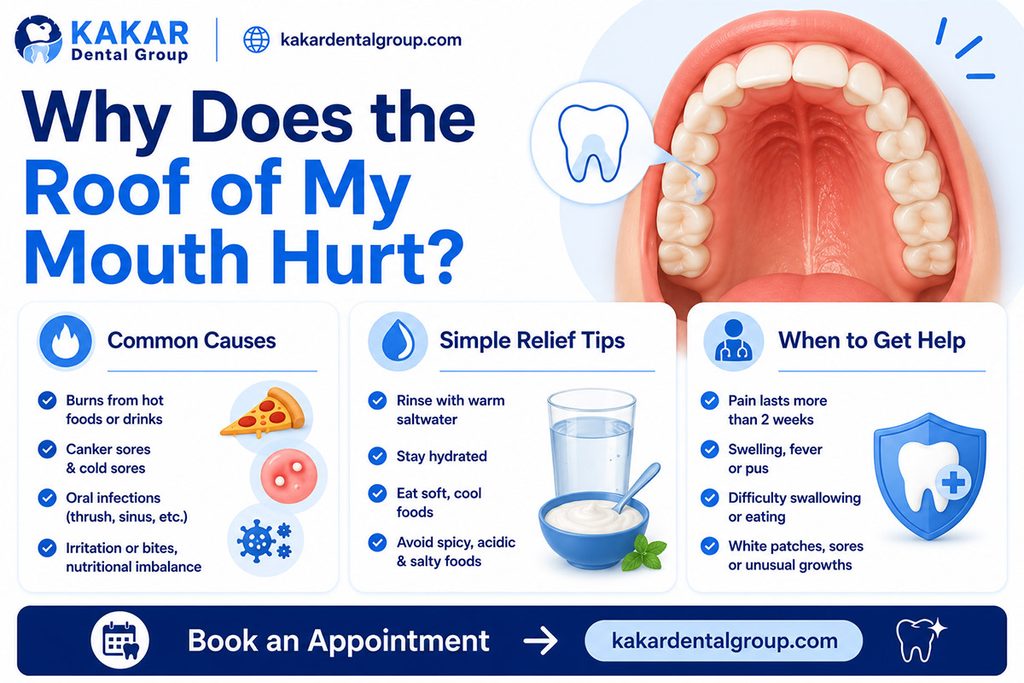
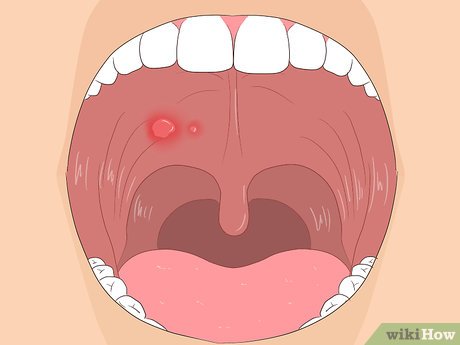
    What Causes A Sore On The Roof Of Your Mouth?

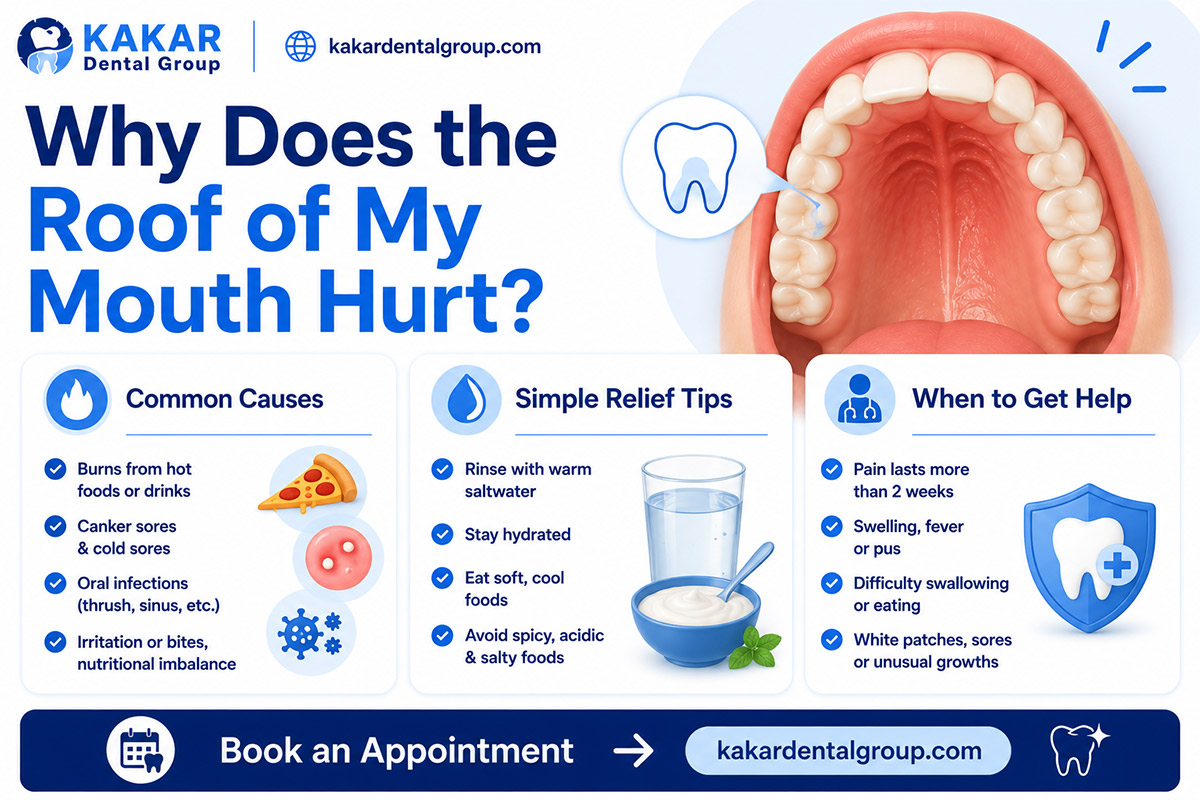
    Have you ever taken a bite of hot pizza only to feel a sharp, stinging pain on the roof of your mouth hours later? Or perhaps you woke up with an unexplained irritation that makes eating and speaking uncomfortable? You are not alone. Understanding what causes a sore on the roof of your mouth is the first step toward finding relief and preventing future occurrences.

    The roof of your mouth, medically known as the palate, is sensitive tissue that can be easily irritated by various factors. While most sores heal on their own within a week or two, knowing the root cause helps you choose the right treatment. In this guide, we will explore the most common culprits behind these painful lesions and provide actionable advice to soothe your discomfort.

    Common Triggers: Why Does My Palate Hurt?

    When investigating what causes a sore on the roof of your mouth, it is essential to look at both external injuries and internal health conditions. The palate is divided into two parts: the hard palate (front) and the soft palate (back). Each area reacts differently to stressors.

    1. Thermal Burns (Pizza Palate)

    This is arguably the most frequent cause. The tissue on the roof of your mouth is delicate. Consuming food or beverages that are too hotโ€”such as fresh coffee, soup, or melted cheeseโ€”can cause first-degree burns.

    • Symptoms: Redness, blistering, peeling skin, and immediate stinging pain.
    • Healing Time: Typically 3โ€“7 days.
    • Prevention: Always let hot foods cool for a few minutes before eating.

    2. Physical Trauma and Abrasion

    Sometimes, the damage is mechanical rather than thermal. Eating hard, crunchy foods like tortilla chips, crusty bread, or candy can scratch the palate. Additionally, accidental bites or aggressive brushing can lead to minor wounds that become sore.

    3. Canker Sores (Aphthous Ulcers)

    Canker sores are small, shallow lesions that develop on the soft tissues in your mouth or at the base of your gums. Unlike cold sores, they do not occur on the surface of your lips and are not contagious.

    • Appearance: White or yellow center with a red border.
    • Triggers: Stress, minor injury, acidic foods, or vitamin deficiencies.
    • Duration: Usually heals within 1โ€“2 weeks without scarring.

    4. Viral and Bacterial Infections

    Certain infections can manifest as sores on the palate. For instance, the herpes simplex virus (HSV-1) can cause cold sores, which occasionally appear inside the mouth on the hard palate. Other conditions like hand, foot, and mouth disease (common in children but possible in adults) also present with oral blisters.

    For more detailed medical definitions of oral conditions, you can refer to Wikipediaโ€™s entry on Mouth Ulcers.

    What Causes A Sore On The Roof Of Your Mouth

    Differentiating Between Serious and Minor Sores

    Not all sores are created equal. Understanding the difference between a minor irritation and a sign of a deeper health issue is crucial for your peace of mind.

    FeatureMinor Irritation/BurnCanker SorePotential Infection/Systemic Issue
    CauseHot food, sharp foodStress, acidity, traumaVirus, bacteria, autoimmune
    Pain LevelModerate, improves quicklySharp, especially when eatingVaries, often persistent
    AppearanceRed, peeled skinWhite/yellow ulcer with red ringClusters of blisters, white patches
    Healing Time3โ€“7 days7โ€“14 daysMay require medication
    Contagious?NoNoYes (if viral/bacterial)

    If you notice sores that persist for more than two weeks, bleed easily, or are accompanied by a high fever, it is vital to consult a healthcare professional. These could be signs of oral thrush, leukoplakia, or other conditions requiring medical intervention.

    Step-by-Step Relief: How to Soothe a Sore Palate

    Once you have identified what causes a sore on the roof of your mouth, the next logical step is treatment. Here is a practical, step-by-step guide to accelerating healing and reducing pain.

    Step 1: Rinse with Salt Water

    Salt water is a natural disinfectant that helps reduce inflammation and keeps the area clean.

    • Recipe: Mix 1 teaspoon of salt into 8 ounces (approx. 240 ml) of warm water.
    • Action: Swish gently around your mouth for 30 seconds, then spit it out.
    • Frequency: Repeat 2โ€“3 times a day, especially after meals.

    Step 2: Apply Cold Compresses

    If the sore is due to a burn or acute inflammation, cold can numb the pain and reduce swelling.

    • Method: Suck on ice chips or eat a popsicle. Avoid acidic flavors like lemon or orange, which may sting.
    • Duration: Apply for 10โ€“15 minutes at a time.

    Step 3: Use Over-the-Counter Gels

    Topical oral gels containing benzocaine can provide temporary numbing relief.

    • Application: Dry the area gently with a tissue, then apply a small amount of gel directly to the sore using a cotton swab.
    • Caution: Do not use these products for more than 7 days without consulting a dentist.

    Step 4: Adjust Your Diet

    What you eat plays a significant role in healing.

    • Avoid: Spicy, acidic (citrus, tomato), salty, and crunchy foods.
    • Choose: Soft, bland foods like yogurt, mashed potatoes, smoothies, and lukewarm soups.
    • Hydration: Drink plenty of water to keep your mouth moist, which aids in tissue repair.

    When to See a Doctor

    While most palatal sores are benign and self-limiting, there are specific red flags that warrant professional attention. You should schedule an appointment with your dentist or doctor if:

    1. The sore does not heal after two weeks.
    2. You have difficulty swallowing, breathing, or opening your mouth.
    3. The pain is severe and not relieved by over-the-counter medication.
    4. You experience recurring sores frequently (more than 3โ€“4 times a year).
    5. You have other symptoms like rash, fever, or joint pain.

    Early diagnosis can prevent complications, especially if the underlying cause is an infection or an autoimmune disorder.

    FAQ Section

    1. Can stress cause sores on the roof of my mouth?

    Yes, stress is a known trigger for canker sores. High-stress levels can weaken your immune system, making your mouth more susceptible to minor injuries and inflammation. Managing stress through relaxation techniques may help reduce the frequency of outbreaks.

    2. Is a sore on the roof of my mouth contagious?

    It depends on the cause. Burns, physical trauma, and canker sores are not contagious. However, if the sore is caused by a viral infection like herpes simplex (cold sores) or hand, foot, and mouth disease, it can be spread to others through direct contact or sharing utensils.

    3. How long does it take for a burned palate to heal?

    A minor thermal burn on the roof of the mouth typically heals within 3 to 7 days. The mouth has a rich blood supply, which promotes faster healing compared to skin on other parts of the body. Keeping the area clean and avoiding further irritation speeds up the process.

    4. Can vitamin deficiencies cause mouth sores?

    Absolutely. Deficiencies in Vitamin B12, zinc, folate, and iron are linked to recurrent canker sores. If you suffer from frequent oral ulcers, consider discussing your diet and potential supplements with your healthcare provider.

    5. Should I pop a blister on the roof of my mouth?

    No. Popping a blister can introduce bacteria into the wound, leading to infection and delayed healing. It is best to let the blister rupture naturally or reabsorb into the tissue. If it is painful, use cold compresses and salt water rinses instead.

    Conclusion

    Dealing with oral pain is never fun, but understanding what causes a sore on the roof of your mouth empowers you to take control of your oral health. Whether it is a simple pizza burn, a stress-induced canker sore, or a minor infection, most cases resolve quickly with proper care.

    Remember to prioritize gentle hygiene, stay hydrated, and avoid irritants while your mouth heals. If symptoms persist or worsen, do not hesitate to seek professional medical advice.

    Found this guide helpful? Share it with friends and family on social media to help them navigate their own oral health challenges. A little knowledge goes a long way in keeping our smiles healthy and pain-free!
  • Are There Lymph Nodes On The Roof Of Your Mouth?

    Are There Lymph Nodes On The Roof Of Your Mouth?

    Have you ever run your tongue along the roof of your mouth and felt a strange bump or swelling, immediately worrying that it might be a swollen gland? It is a common concern, especially when you are fighting off a cold or dealing with oral discomfort. Many people ask, “Are there lymph nodes on the roof of your mouth?” because they associate lumps in the head and neck area with the immune systemโ€™s lymphatic network.

    The short answer is no, but the reality of what you are feeling is important to understand for your peace of mind and health. In this guide, we will clear up the anatomical confusion, explain what those bumps actually are, and help you determine if you need medical attention.

    The Anatomical Truth: Do Lymph Nodes Exist on the Palate?

    To answer the question directly: No, there are no lymph nodes located on the roof of your mouth (the palate).

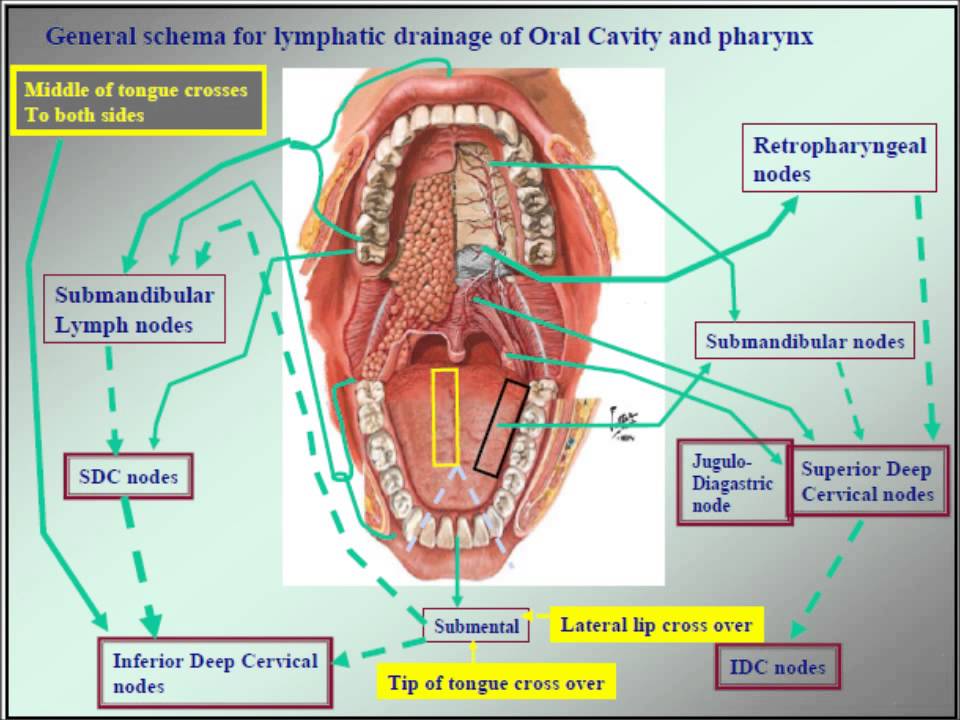
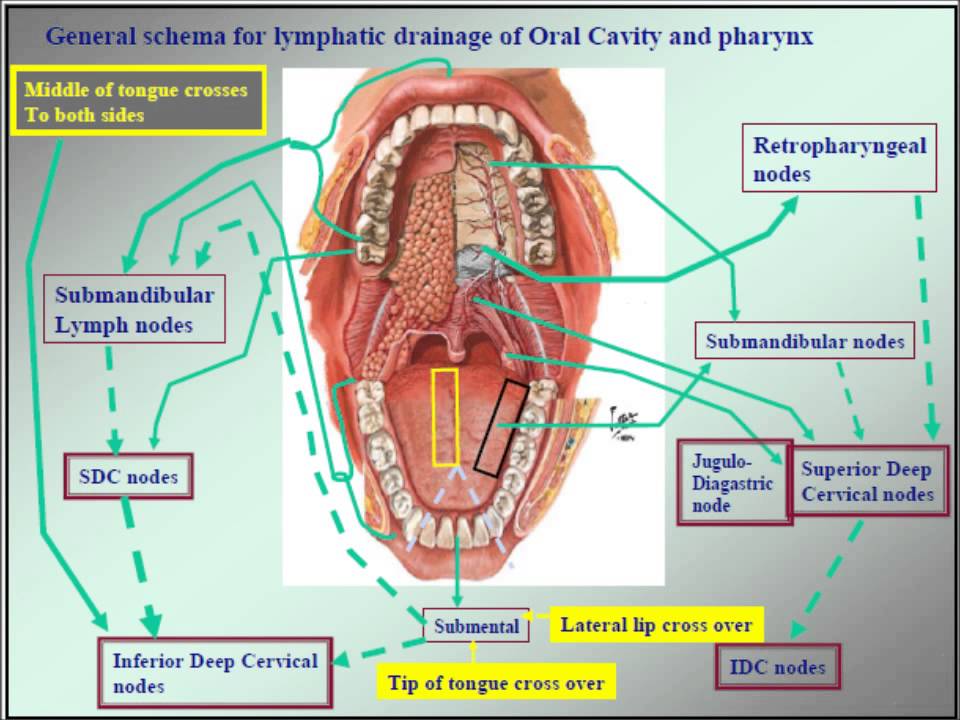
    Lymph nodes are small, bean-shaped structures that are part of your body’s lymphatic system. They act as filters for foreign particles and cancer cells. In the head and neck region, lymph nodes are primarily clustered in specific areas:

    • Under the jaw (submandibular)
    • Behind the ears (postauricular)
    • At the back of the head (occipital)
    • Along the sides of the neck (cervical)
    • Inside the throat (tonsils and adenoids, which are lymphoid tissue, but not discrete “nodes” on the palate)

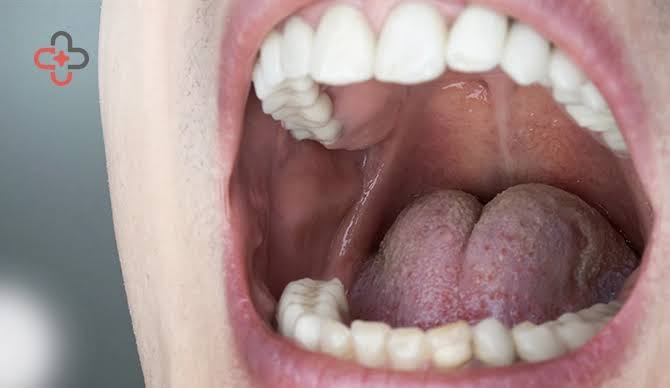
    The roof of your mouth consists of two main parts: the hard palate (the bony front section) and the soft palate (the muscular back section). Neither of these structures contains lymph nodes. If you feel a lump there, it is caused by something else entirely.

    Why the Confusion Exists

    The confusion often arises because the mouth is rich in lymphoid tissue, particularly in the throat area. The tonsils, located at the back of the throat near the soft palate, are part of the Waldeyer’s ring, a circle of lymphoid tissue. When these swell, the sensation can sometimes radiate or feel close to the roof of the mouth, leading people to believe the swelling is on the palate itself.

    For a deeper understanding of the lymphatic system’s structure, you can refer to this overview on Wikipedia.

    What Are Those Bumps on the Roof of My Mouth?

    If there are no lymph nodes there, what are you feeling? Several common conditions can cause lumps, bumps, or swelling on the hard or soft palate. Most are benign (harmless), but some require attention.

    1. Torus Palatinus (Bony Growth)

    A torus palatinus is a bony growth that develops on the hard palate. It is:

    • Hard to the touch: It feels like bone because it is bone.
    • Painless: Unless irritated by food or dental appliances.
    • Slow-growing: It may take years to become noticeable.
    • Common: It affects approximately 20-30% of the population.

    This is a genetic trait and is not a sign of disease. No treatment is needed unless it interferes with dentures or speech.

    2. Mucoceles (Mucus Cysts)

    Mucoceles are fluid-filled sacs that form when a salivary gland duct is blocked or injured. They are more common on the lower lip but can occur on the soft palate.

    • Appearance: Bluish or clear, soft, and round.
    • Cause: Often results from accidental biting or trauma.
    • Resolution: Many disappear on their own within a few weeks.

    3. Canker Sores (Aphthous Ulcers)

    These are small, shallow lesions that develop on the soft tissues in your mouth or at the base of your gums. Unlike cold sores, they don’t occur on the surface of your lips.

    • Symptoms: Painful, white or yellow center with a red border.
    • Duration: Usually heal within 1โ€“2 weeks.
    • Triggers: Stress, minor injury, acidic foods, or vitamin deficiencies.

    4. Nasopalatine Duct Cyst

    This is a rare developmental cyst that occurs in the midline of the anterior hard palate. It originates from remnants of the nasopalatine duct. While uncommon, it can cause swelling and requires professional diagnosis via X-ray or CT scan.

    Are There Lymph Nodes On The Roof Of Your Mouth

    Swollen Glands vs. Oral Lumps: How to Tell the Difference

    It is crucial to distinguish between a local oral issue and systemic lymph node swelling. Here is a quick comparison to help you identify what you are experiencing.

    FeatureLymph Node SwellingOral Lump (e.g., Cyst, Torus)
    LocationUnder jaw, neck, behind earsOn the gum, palate, or inner cheek
    TextureRubber-like, movableHard (bone) or fluid-filled (cyst)
    PainTender when pressedVaries (Torus is painless; ulcers hurt)
    CauseInfection, virus, immune responseTrauma, genetics, blocked gland
    VisibilityOften visible as neck swellingVisible only inside the mouth

    If you are pressing under your jaw and feel tender, movable lumps, those are likely swollen lymph nodes reacting to an infection in your mouth, throat, or sinuses. If you are touching the roof of your mouth directly, it is a local oral condition.

    When Should You See a Doctor or Dentist?

    While most bumps on the roof of the mouth are harmless, some signs indicate a need for professional evaluation. Do not ignore symptoms that persist or worsen.

    Seek medical advice if you experience:

    1. Persistence: The lump does not go away after two weeks.
    2. Growth: The bump is getting larger rapidly.
    3. Pain: Severe pain that interferes with eating or sleeping.
    4. Bleeding: The area bleeds without obvious cause.
    5. Color Changes: Red, white, or dark patches that do not heal.
    6. Systemic Symptoms: Fever, night sweats, or unexplained weight loss accompanying the oral lump.

    The Risk of Oral Cancer

    Although rare, lumps on the palate can sometimes be a sign of oral cancer. According to the Oral Cancer Foundation, early detection is key to successful treatment. Any sore or lump that does not heal within 14 days should be examined by a dentist or oral surgeon. They may perform a biopsy to rule out malignancy.

    How to Care for Minor Oral Irritations at Home

    If you have identified the lump as a minor issue like a canker sore or minor irritation from hot food, you can manage it at home while it heals.

    Step-by-Step Home Care Routine:

    1. Salt Water Rinse:
      • Mix 1 teaspoon of salt in 8 ounces (240 ml) of warm water.
      • Swish gently around the mouth for 30 seconds.
      • Spit out. Repeat 2โ€“3 times a day. This reduces inflammation and keeps the area clean.
    2. Avoid Irritants:
      • Stay away from spicy, acidic, or very hot foods.
      • Avoid crunchy foods like chips or nuts that could scratch the palate.
    3. Maintain Oral Hygiene:
      • Brush gently with a soft-bristled toothbrush.
      • Use an alcohol-free mouthwash to prevent drying out the tissues.
    4. Hydrate:
      • Drink plenty of water to keep saliva flowing, which naturally cleanses the mouth. Aim for at least 2 liters of water daily.

    FAQ Section

    1. Can sinus infections cause lumps on the roof of the mouth?

    Sinus infections do not create lumps on the palate, but they can cause pressure and pain in the upper teeth and hard palate area because the sinus cavities are located just above the roots of the upper teeth. This referred pain might make you feel like something is wrong with the roof of your mouth, but it is not a physical lump caused by lymph nodes.

    2. Why does the roof of my mouth feel swollen after eating?

    This is often due to thermal injury (burning your mouth on hot pizza or coffee) or an allergic reaction. Some people also experience “oral allergy syndrome” when eating certain raw fruits or vegetables, causing immediate itching or swelling of the palate.

    3. Are swollen tonsils the same as lymph nodes on the roof of the mouth?

    No. Tonsils are masses of lymphoid tissue located at the back of the throat, on either side. While they function similarly to lymph nodes by fighting infection, they are not located on the roof of the mouth. However, enlarged tonsils can make the entire throat area feel crowded and uncomfortable.

    4. Can stress cause bumps on the roof of the mouth?

    Stress does not directly cause lumps, but it weakens the immune system, making you more susceptible to canker sores (aphthous ulcers) and cold sores (if you carry the HSV-1 virus). These outbreaks can appear on the soft palate and feel like painful bumps.

    5. What specialist should I see for a lump on the palate?

    Start with your general dentist. They can examine the area and take X-rays if necessary. If the issue is complex, they may refer you to an oral surgeon or an otolaryngologist (ENT specialist) for further evaluation.

    Conclusion

    So, are there lymph nodes on the roof of your mouth? The answer is definitively no. The lumps or bumps you feel are likely benign conditions such as a torus palatinus, a mucocele, or a canker sore. Understanding the anatomy of your mouth helps alleviate unnecessary anxiety about swollen glands.

    However, vigilance is key. While most oral irregularities are harmless, any persistent lump, sore, or change in tissue texture that lasts longer than two weeks warrants a professional check-up. Your oral health is a window into your overall well-being, so never hesitate to seek expert advice when something feels off.

    If you found this article helpful in clearing up your concerns, please share it with friends or family who might be worrying about similar symptoms. Knowledge is the best remedy for health anxiety!

  • Can You Get Blisters On The Roof Of Your Mouth?

    Can You Get Blisters On The Roof Of Your Mouth?

    Have you ever taken a bite of piping hot pizza or crunchy chips, only to feel that sharp, stinging pain on the roof of your mouth hours later? It is a frustrating and surprisingly common experience that leaves many people asking, “Can you get blisters on the roof of your mouth?” The short answer is yes, and while they are usually harmless, they can be incredibly uncomfortable.

    In this guide, we will explore why these blisters form, how to distinguish between a simple burn and something more serious, and most importantly, how to speed up your healing process. Whether you are dealing with a minor thermal injury or a recurring issue, understanding the root cause is the first step toward relief.

    Why Do Blisters Form on the Roof of Your Mouth?

    The roof of your mouth, known medically as the palate, is covered by a delicate mucous membrane. Unlike the skin on your hands, this tissue is thin, sensitive, and highly vascular. When it encounters trauma, the body responds by sending fluid to the area to protect the underlying tissue, resulting in a blister.

    Thermal Burns: The Most Common Culprit

    The vast majority of blisters on the hard palate are caused by thermal burns. This happens when you consume food or beverages that are too hot. Common offenders include:

    • Freshly baked bread or pizza cheese.
    • Hot coffee or tea.
    • Microwaved foods with uneven heat distribution.

    When the temperature of the food exceeds 60ยฐC (140ยฐF), it can damage the epithelial cells almost instantly. The body reacts by separating the top layer of skin from the lower layers, filling the gap with serum to create a protective cushion.

    Mechanical Trauma

    It isnโ€™t just heat that causes damage. Sharp foods can physically abrade the palate. Think of tortilla chips, hard crusts, or even accidental bites. This friction can tear the delicate tissue, leading to inflammation and blister-like sores as the area attempts to heal.

    Is It a Blister, a Canker Sore, or Something Else?

    One of the most confusing aspects of oral health is distinguishing between different types of sores. While they may look similar, their causes and treatments differ significantly.

    FeatureThermal Burn BlisterCanker Sore (Aphthous Ulcer)Cold Sore (Herpes Simplex)
    CauseHeat or physical traumaStress, acidic food, minor injuryViral infection (HSV-1)
    LocationRoof of mouth, gumsInside cheeks, lips, tongueUsually outside lips, rarely inside
    AppearanceFluid-filled bubble, red baseWhite/yellow center, red borderCluster of small fluid-filled bumps
    Contagious?NoNoYes
    Healing Time3โ€“7 days1โ€“2 weeks7โ€“10 days

    Understanding this difference is crucial. If you suspect a viral infection like herpes, you should avoid sharing utensils and consult a healthcare provider, as this requires different management than a simple burn. For more detailed information on oral mucosal diseases, you can refer to resources like Wikipediaโ€™s entry on Oral Medicine.

    Can You Get Blisters On The Roof Of Your Mouth

    How to Treat a Blister on the Roof of Your Mouth

    If you are suffering from a painful blister, immediate action can reduce discomfort and prevent infection. Here is a step-by-step approach to managing oral blisters effectively.

    Step 1: Cool the Area Immediately

    If you have just burned your mouth, do not wait. Rinse your mouth with cool water immediately.

    • Action: Swish 200โ€“250 ml of cool (not ice-cold) water around your mouth for 30 seconds.
    • Why: This helps dissipate the residual heat stored in the tissue, limiting the depth of the burn.

    Step 2: Maintain Oral Hygiene

    Keep the area clean to prevent bacterial infection. However, be gentle.

    • Action: Brush your teeth softly, avoiding the blistered area. Use a mild, alcohol-free mouthwash.
    • Tip: Avoid mouthwashes containing high levels of alcohol, as they will sting and dry out the tissue, delaying healing.

    Step 3: Use Salt Water Rinses

    Salt water is a natural antiseptic and can help reduce swelling.

    • Recipe: Mix 1 teaspoon of salt into 240 ml (1 cup) of warm water.
    • Usage: Gargle gently for 15โ€“20 seconds, then spit it out. Repeat this 2โ€“3 times a day.

    Step 4: Apply Protective Barriers

    Over-the-counter oral gels containing benzocaine or hyaluronic acid can provide a protective layer over the blister. This reduces friction from food and tongue movement, allowing the tissue to heal faster.

    What Foods Should You Avoid?

    While your mouth is healing, your diet plays a critical role in recovery. Certain foods can irritate the open wound or introduce bacteria.

    Avoid These Irritants:

    • Spicy Foods: Chili peppers and hot sauces can cause intense pain and inflammation.
    • Acidic Foods: Citrus fruits (lemons, oranges), tomatoes, and vinegar-based dressings can sting and slow healing.
    • Crunchy/Hard Foods: Chips, nuts, and toast can physically scrape the blister, causing it to burst prematurely.
    • Very Hot Temperatures: Let your food cool to room temperature before eating.

    Choose These Soothing Options:

    • Yogurt and smoothies (cold and creamy).
    • Mashed potatoes or soft-cooked vegetables.
    • Lukewarm soups (blended).
    • Pudding or gelatin.

    When Should You See a Doctor?

    Most blisters on the roof of the mouth heal on their own within a week. However, there are specific signs that indicate you need professional medical attention. Ignoring these symptoms could lead to complications.

    1. Persistent Sores: If the blister does not heal after two weeks, it could be a sign of an underlying condition such as oral lichen planus or, in rare cases, oral cancer.
    2. Signs of Infection: Look for increased redness, pus, fever, or swollen lymph nodes in your neck.
    3. Difficulty Eating or Drinking: If the pain is so severe that you cannot stay hydrated, you risk dehydration and need medical intervention.
    4. Recurring Blisters: If you get blisters frequently without any obvious cause (like hot food), it may indicate an autoimmune disorder or a nutritional deficiency, such as a lack of Vitamin B12, iron, or folate.

    FAQ Section

    1. Can stress cause blisters on the roof of my mouth?

    Stress itself does not directly cause thermal blisters, but it weakens the immune system. This makes you more susceptible to canker sores (aphthous ulcers) and viral outbreaks like cold sores, which can appear on the palate. Managing stress through sleep and relaxation can help reduce frequency.

    2. Is it safe to pop a blister on the roof of my mouth?

    No. You should never intentionally pop a blister. The fluid inside protects the raw nerve endings underneath. Popping it exposes the tissue to bacteria from food and saliva, significantly increasing the risk of infection and prolonging pain. Let it burst naturally if it needs to.

    3. Can allergies cause blisters in the mouth?

    Yes. Oral Allergy Syndrome (OAS) can cause itching, swelling, and sometimes blister-like sensations in the mouth after eating certain raw fruits, vegetables, or nuts. If you notice a pattern between specific foods and mouth irritation, consult an allergist.

    4. How long does it take for a mouth burn to heal?

    Minor first-degree burns typically heal within 3 to 7 days. Deeper second-degree burns may take up to two weeks. During this time, the body regenerates the epithelial cells. Keeping the area clean and avoiding irritants speeds up this natural process.

    5. Does honey help heal mouth blisters?

    Some studies suggest that medical-grade honey has antibacterial and anti-inflammatory properties that can aid wound healing. Applying a small amount of pure honey to the blister may soothe pain and protect the area. However, ensure you are not allergic to bee products before trying this remedy.

    Conclusion

    So, can you get blisters on the roof of your mouth? Absolutely. While they are often the result of a simple culinary mishap involving hot food, they can also stem from mechanical trauma or underlying health issues. The key is to remain calm, keep the area clean, and avoid further irritation.

    By following the steps outlined aboveโ€”cooling the area, maintaining hygiene, and adjusting your dietโ€”you can significantly reduce discomfort and speed up recovery. Remember, your mouth is resilient, but it needs a little extra care when injured.

    If you found this guide helpful, please share it with your friends and family. Everyone knows someone who has burned their mouth on hot cheese! Sharing this knowledge can help others find quick relief and avoid common mistakes during healing.

  • Are There Lymph Nodes In The Roof Of Your Mouth?

    Are There Lymph Nodes In The Roof Of Your Mouth?

    It can be incredibly unsettling to feel a new lump or bump on the roof of your mouth. Your mind might immediately jump to serious health concerns, leading you to ask a very specific question: Are there lymph nodes in the roof of your mouth? You are not alone in this worry; many people experience similar anxieties when they detect changes in their oral cavity.

    The short answer is no, but the reality of what you are feeling is still important to understand. While true lymph nodes are not located in the hard or soft palate, the area is rich in other immune tissues that can swell and mimic the sensation of a lymph node. In this guide, we will clear up the anatomical confusion, explain what those bumps likely are, and help you determine if you need professional medical attention.

    The Anatomical Truth: Do Lymph Nodes Exist in the Palate?

    To answer the question “Are there lymph nodes in the roof of your mouth“ accurately, we must look at human anatomy. The roof of your mouth is divided into two sections: the hard palate (the bony front part) and the soft palate (the muscular back part).

    According to standard anatomical structures, there are no true lymph nodes embedded within the tissue of the hard or soft palate. Lymph nodes are typically clustered in specific regions of the head and neck, such as under the jaw (submandibular), behind the ears (postauricular), and along the sides of the neck (cervical).

    However, this does not mean the roof of your mouth lacks immune defense. The oral cavity is lined with mucosa that contains lymphoid tissue. This includes minor salivary glands and collections of immune cells that can become inflamed or swollen. When these tissues react to infection or irritation, they create bumps that feel remarkably like swollen lymph nodes, leading to the common misconception.

    For a deeper understanding of head and neck anatomy, you can refer to detailed diagrams on Wikipedia.org.

    Why Does It Feel Like There Is a Lump?

    If there are no lymph nodes, why does it feel like there is one? Several common conditions can cause swelling or lumps on the roof of the mouth. Understanding these can alleviate unnecessary fear.

    1. Swollen Salivary Glands

    The roof of your mouth contains hundreds of minor salivary glands. If one of these ducts gets blocked by mucus or debris, it can form a small, fluid-filled cyst known as a mucocele. These are usually harmless, painless, and may resolve on their own.

    2. Torus Palatinus

    Some people have a benign bony growth in the center of the hard palate called a torus palatinus. This is not a sign of disease but rather a genetic trait. It feels hard and immovable, unlike a soft, swollen lymph node.

    3. Infection and Inflammation

    Viral or bacterial infections, such as strep throat or the common cold, can cause the lymphoid tissue in the back of the throat (near the soft palate) to swell. This area includes the adenoids and tonsils, which are part of the lymphatic system. While not “nodes” in the palate itself, their proximity can make it feel like the roof of your mouth is affected.

    4. Irritation from Food

    Burns from hot pizza cheese or scratches from sharp chips can cause localized inflammation. This swelling is the bodyโ€™s natural healing response and can feel like a tender lump.

    Are There Lymph Nodes In The Roof Of Your Mouth

    Common Causes of Bumps on the Roof of the Mouth

    When you search for information about oral lumps, it is crucial to differentiate between benign issues and those requiring care. Here is a breakdown of common culprits.

    ConditionTexturePain LevelTypical Duration
    MucoceleSoft, fluid-filledPainlessDays to weeks
    Torus PalatinusHard, bonyPainlessPermanent
    Canker SoreSoft, ulceratedPainful1โ€“2 weeks
    AbscessFirm, swollenVery PainfulUntil treated
    Allergic ReactionSwollen tissueItchy/TenderHours to days

    Note: This table is for informational purposes only and does not replace professional diagnosis.

    When Should You Be Concerned?

    While most lumps on the roof of the mouth are harmless, some symptoms warrant a visit to a dentist or doctor. You should seek professional advice if you experience:

    • Persistent Swelling: A lump that does not go away after two weeks.
    • Rapid Growth: A bump that increases in size quickly.
    • Bleeding: Unexplained bleeding from the area.
    • Difficulty Swallowing: Any obstruction that affects eating or breathing.
    • Numbness: Loss of sensation in the palate or surrounding teeth.

    These symptoms could indicate a more serious underlying issue, such as an dental abscess or, in rare cases, oral cancer. Early detection is key to effective treatment.

    How to Relieve Discomfort at Home

    If you have identified a minor irritation or a small mucocele, you can manage the discomfort with simple home remedies. Here is a step-by-step approach to soothing your palate:

    1. Salt Water Rinse: Mix 1/2 teaspoon of salt in a glass of warm water. Swish gently for 30 seconds and spit out. This helps reduce inflammation and keeps the area clean.
    2. Avoid Irritants: Stay away from spicy, acidic, or very hot foods that can aggravate the sensitive tissue.
    3. Stay Hydrated: Drink plenty of water to keep your mouth moist and support saliva production, which naturally cleanses the oral cavity.
    4. Cold Compress: If there is external swelling or pain, applying a cold compress to the outside of your cheek can help numb the area and reduce inflammation.

    Remember, these steps are for minor irritations. If pain persists or worsens, do not hesitate to consult a healthcare provider.

    FAQ Section

    1. Can stress cause lumps on the roof of my mouth?

    Stress itself does not directly create lumps, but it can weaken your immune system, making you more susceptible to canker sores or viral infections that cause swelling. Additionally, stress can lead to teeth grinding, which may irritate the palate.

    2. Is a lump on the roof of my mouth a sign of cancer?

    While oral cancer can present as a lump, it is relatively rare compared to benign causes like mucoceles or torus palatinus. However, any persistent lump that does not heal within two weeks should be evaluated by a professional to rule out serious conditions.

    3. What is the difference between a lymph node and a swollen gland in the mouth?

    True lymph nodes are distinct organs located in specific clusters in the neck and head. “Swollen glands” in the mouth usually refer to inflamed salivary glands or lymphoid tissue. They function similarly in immune response but are anatomically different.

    4. Can allergies cause swelling in the roof of the mouth?

    Yes, allergic reactions to food, pollen, or medications can cause angioedema, which is rapid swelling of the deeper layers of the skin and mucous membranes. This can affect the roof of the mouth and may require immediate medical attention if it affects breathing.

    5. How do I know if my bump is a mucocele?

    A mucocele typically appears as a clear or bluish, fluid-filled blister. It is usually soft to the touch and painless. It often results from trauma to a salivary gland, such as biting your cheek or palate.

    Conclusion

    So, are there lymph nodes in the roof of your mouth? Anatomically, no. However, the presence of salivary glands, lymphoid tissue, and other structures means that swelling and lumps are common and often mistaken for lymph nodes. Most of these occurrences are benign and resolve on their own with proper care.

    Understanding the difference between normal anatomical variations and signs of infection empowers you to take better care of your oral health. Donโ€™t let anxiety dictate your reaction; instead, observe the symptoms, use home remedies for minor issues, and consult a professional if concerns persist.

    If you found this article helpful, please share it with friends and family who might have similar questions. Spreading accurate health information helps everyone stay informed and calm.

  • Why Is The Roof Of My Mouth Sore? Causes & Fixes

    Why Is The Roof Of My Mouth Sore? Causes & Fixes

    Have you ever taken a bite of hot pizza only to feel a sharp, lingering sting on the top of your mouth? Or perhaps you woke up with an unexplained tenderness that makes eating or drinking uncomfortable? You are not alone. Many people experience this discomfort, often leaving them asking, “Why is the roof of my mouth sore and swollen?”

    Understanding the root cause is the first step toward relief. Whether itโ€™s a minor burn from hot coffee or a sign of an underlying infection, identifying the trigger helps you choose the right treatment. In this guide, we will explore the most common reasons for palate pain, effective home remedies, and clear signs that indicate you need professional medical attention.

    Common Causes: Why Is The Roof Of My Mouth Sore And Swollen?

    The roof of your mouth, medically known as the palate, is sensitive tissue. It consists of the hard palate (the bony front part) and the soft palate (the muscular back part). Because it is exposed to everything we eat, drink, and breathe, it is prone to various irritants.

    Here are the primary reasons you might be experiencing pain and swelling:

    1. Thermal Burns (Pizza Palate)

    This is the most frequent culprit. The tissue on the roof of your mouth is delicate. Consuming food or beverages that are too hotโ€”such as fresh-out-of-the-oven pizza, hot coffee, or soupโ€”can cause first-degree burns.

    • Symptoms: Redness, blistering, peeling skin, and immediate stinging pain.
    • Healing Time: Typically 3โ€“7 days.

    2. Physical Trauma and Abrasion

    Sometimes, the damage is mechanical rather than thermal. Eating hard, crunchy foods like tortilla chips, hard candy, or crusty bread can scratch or puncture the palate. Additionally, aggressive brushing or using a toothbrush with hard bristles can cause micro-abrasions that become inflamed.

    3. Canker Sores (Aphthous Ulcers)

    Canker sores are small, shallow lesions that develop on the soft tissues in your mouth or at the base of your gums. Unlike cold sores, they donโ€™t occur on the surface of your lips and arenโ€™t contagious.

    • Appearance: White or yellow center with a red border.
    • Triggers: Stress, minor injury, acidic foods, or vitamin deficiencies.

    4. Oral Thrush (Candidiasis)

    Oral thrush is a fungal infection caused by Candida albicans. It is more common in infants, the elderly, and individuals with weakened immune systems or those taking antibiotics.

    • Symptoms: Creamy white lesions on the tongue or inner cheeks, sometimes spreading to the roof of the mouth. These lesions may bleed slightly when scraped.

    5. Allergic Reactions

    Food allergies or sensitivities to certain ingredients (like nuts, shellfish, or specific preservatives) can cause localized swelling and soreness. This is often accompanied by itching or a tingling sensation. In severe cases, this can lead to angioedema, a deeper swelling that requires immediate attention.

    6. Sinus Infections

    Your sinuses are located directly above the roof of your mouth. When you have a sinus infection (sinusitis), the pressure and inflammation can radiate downward, causing the roof of your mouth to feel tender, swollen, or achy.

    Immediate Relief: How to Soothe a Sore Palate

    If you are dealing with minor irritation, you can often manage the pain at home. The goal is to reduce inflammation, prevent infection, and promote healing.

    Step-by-Step Home Care Routine

    1. Rinse with Salt Water Mix 1/2 teaspoon of salt into 8 ounces (240 ml) of warm water. Swish gently around your mouth for 30 seconds, then spit it out. Do this 2โ€“3 times a day. Salt water is a natural disinfectant and helps reduce swelling.
    2. Apply Cold Compresses Suck on ice chips or eat cold foods like yogurt, pudding, or ice cream. The cold temperature numbs the nerve endings and reduces blood flow to the area, which minimizes swelling. Avoid acidic flavors like lemon or orange.
    3. Stay Hydrated Drink plenty of cool water. Aim for at least 2 liters per day. Hydration keeps the mucous membranes moist and promotes faster healing. Avoid alcohol and caffeine, as they can dehydrate you and irritate the tissue further.
    4. Use Over-the-Counter Gels Products containing benzocaine (such as Orajel or Anbesol) can provide temporary numbness. Apply a small amount directly to the sore spot using a clean cotton swab. Note: Follow package instructions carefully and do not use for more than 7 days.
    5. Avoid Irritants Until the sore heals, steer clear of:
      • Spicy foods
      • Acidic fruits (tomatoes, citrus)
      • Crunchy or sharp foods (chips, nuts)
      • Very hot beverages
    Why Is The Roof Of My Mouth Sore And Swollen

    When to See a Doctor: Red Flags

    While most cases of a sore roof of the mouth resolve on their own within a week, some symptoms indicate a more serious condition. According to general medical guidelines, you should consult a healthcare provider if you experience:

    SymptomPotential ConcernAction Required
    Sores lasting > 2 weeksOral cancer, chronic infectionSchedule dental/medical exam
    High fever (>101ยฐF / 38.3ยฐC)Systemic infectionSeek immediate care
    Difficulty breathing/swallowingSevere allergic reactionCall Emergency Services
    White patches that bleedOral thrush or leukoplakiaConsult doctor for antifungals
    Spreading rashViral infection (e.g., Hand, Foot, and Mouth)Medical evaluation needed

    For more detailed information on oral conditions and their classifications, you can refer to reputable resources such as Wikipediaโ€™s entry on Oral Medicine.

    Frequently Asked Questions (FAQ)

    1. Can stress cause the roof of my mouth to swell?

    Yes, indirectly. Stress weakens the immune system, making you more susceptible to canker sores and viral infections like cold sores. Additionally, stress often leads to teeth grinding (bruxism), which can cause trauma to the palate if the tongue presses against the roof of the mouth during sleep.

    2. Is a sore roof of the mouth a sign of oral cancer?

    It can be, but it is rare. Oral cancer usually presents as a sore that does not heal after two weeks, a lump, or a white/red patch that persists. If your soreness is linked to a recent burn or injury, it is likely benign. However, any persistent lesion should be evaluated by a dentist or doctor.

    3. Why does my roof of the mouth hurt after eating pineapple?

    Pineapple contains an enzyme called bromelain, which breaks down proteins. When you eat fresh pineapple, bromelain can essentially “digest” the protective mucous layer of your mouth, leading to irritation, soreness, and minor bleeding. Cooking pineapple deactivates this enzyme.

    4. How long does a burned roof of the mouth take to heal?

    A minor first-degree burn typically heals within 3 to 7 days. The mouth has a rich blood supply, which aids in rapid tissue regeneration. If the burn is severe (blistering or deep tissue damage), it may take up to two weeks. Keep the area clean and avoid further irritation to speed up the process.

    5. Can dehydration cause a sore palate?

    Yes. Chronic dehydration leads to dry mouth (xerostomia). Saliva is essential for protecting oral tissues and washing away bacteria. Without enough saliva, the roof of your mouth becomes dry, cracked, and more prone to irritation and infection.

    Conclusion

    Dealing with a sore and swollen roof of the mouth is uncomfortable, but in most cases, it is temporary and manageable. By understanding why is the roof of my mouth sore and swollen, you can take targeted steps to alleviate pain and prevent future occurrences. Remember, most minor burns and abrasions heal quickly with proper care, such as saltwater rinses and avoiding irritants.

    However, never ignore persistent symptoms. If your pain lasts longer than two weeks or is accompanied by fever or difficulty swallowing, seek professional medical advice immediately. Your oral health is a window into your overall well-being.

    Found this guide helpful? Share it with friends and family on social media to help them navigate their next mouth mishap with confidence! Stay healthy and keep smiling.

  • Burnt Roof of Mouth? Quick Relief & Healing Tips

    Burnt Roof of Mouth? Quick Relief & Healing Tips

    Have you ever taken a bite of piping hot pizza or sipped scalding coffee, only to feel that sharp, stinging pain on the roof of your mouth? It is a universally frustrating experience that can ruin your meal and leave you uncomfortable for days. If you are currently wincing and asking, “Burnt the roof of my mouth what can I do,” you are not alone, and there are effective ways to manage the pain and accelerate healing.

    In this guide, we will walk you through immediate first aid, proven home remedies, and warning signs that indicate you need professional medical attention. We combine dental expertise with practical, easy-to-follow steps to get you back to enjoying your food without fear.

    Immediate First Aid: What to Do Right After the Burn

    The seconds and minutes immediately following a thermal injury to your palate are critical. The tissue on the roof of your mouth (the hard and soft palate) is delicate and highly vascular, meaning it has many blood vessels. This makes it sensitive but also capable of healing relatively quickly if treated correctly.

    1. Cool It Down Immediately

    Do not ignore the heat. As soon as you realize you have burned your mouth, stop eating or drinking the hot substance.

    • Sip Cold Water: Take small sips of cold water. Ideally, use water at a temperature between 4ยฐC and 10ยฐC (39ยฐFโ€“50ยฐF). Hold the water in your mouth over the affected area for 10โ€“15 seconds before swallowing. This helps dissipate the residual heat trapped in the tissue.
    • Avoid Ice Cubes Directly: While ice seems logical, placing a frozen ice cube directly against a fresh burn can cause further tissue damage due to extreme cold shock. Stick to cool liquids or let ice chips melt slightly before applying.

    2. Assess the Severity

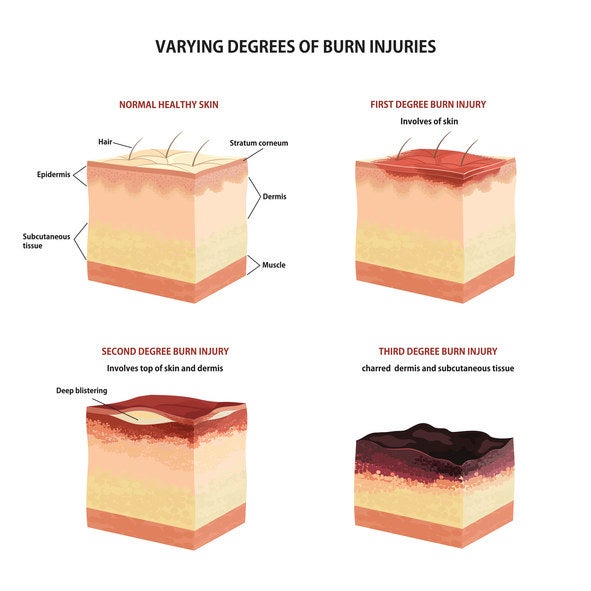
    Not all burns are created equal. Understanding the degree of your burn helps determine your next steps.

    Burn DegreeSymptomsExpected Healing TimeAction Required
    First-DegreeRedness, mild swelling, minor pain. No blisters.3โ€“7 daysHome care, soft diet.
    Second-DegreeBlisters, severe pain, significant swelling.1โ€“2 weeksHome care, monitor for infection.
    Third-DegreeWhite or charred skin, numbness (nerve damage).Several weeksSeek immediate medical help.

    Most kitchen-related incidents are first-degree or mild second-degree burns. If you see large blisters or experience numbness, consult a healthcare provider.

    Effective Home Remedies to Soothe Pain and Speed Healing

    Once the initial heat is gone, the goal shifts to reducing inflammation and preventing infection. Here are the most effective, science-backed remedies you can find in your kitchen or medicine cabinet.

    Honey: The Natural Healer

    Honey is not just a sweetener; it is a powerful antimicrobial and anti-inflammatory agent. Studies have shown that honey can promote wound healing and reduce pain in oral mucositis (inflammation of the mouth lining).

    • How to use: Take one teaspoon of raw, organic honey and let it coat the burnt area. Keep it there for as long as possible before swallowing. Repeat this 3โ€“4 times a day.
    • Why it works: Its viscous texture creates a protective barrier, while its natural enzymes fight bacteria.

    Salt Water Rinses

    A saline rinse is a dentistโ€™s favorite recommendation for any oral irritation. It helps clean the wound and reduces swelling.

    • Recipe: Mix 1/2 teaspoon of salt into 8 ounces (240 ml) of warm water. Ensure the water is lukewarm, not hot.
    • Instruction: Swish gently for 30 seconds and spit out. Do this 2โ€“3 times a day, especially after meals.
    • Note: Avoid aggressive swishing, which can irritate the damaged tissue further.

    Over-the-Counter Pain Relievers

    If the pain is distracting you from work or sleep, non-prescription medication can help.

    • Ibuprofen or Acetaminophen: These can reduce both pain and inflammation. Follow the dosage instructions on the bottle carefully.
    • Topical Oral Gels: Products containing benzocaine can numb the area temporarily. Use these sparingly, as overuse can irritate the tissue more. For more detailed information on oral tissues and healing processes, you can refer to general medical resources like Wikipediaโ€™s entry on Oral Mucosa.
    Burnt The Roof Of My Mouth What Can I Do

    What to Eat and Avoid During Recovery

    Your diet plays a massive role in how quickly your palate heals. Eating the wrong foods can rip off forming scabs or introduce bacteria to the open wound.

    Foods to Embrace

    • Cool Yogurt and Pudding: The smooth texture requires no chewing, and the cool temperature soothes the burn. Probiotics in yogurt may also support oral health.
    • Smoothies: Blend fruits like bananas and berries with milk or almond milk. Avoid acidic fruits like oranges or pineapples, as the acid will sting.
    • Mashed Potatoes: Let them cool to room temperature. They are filling and soft.
    • Oatmeal: Cook it until very soft and let it cool completely. It provides fiber without requiring vigorous chewing.

    Foods to Avoid

    • Crunchy or Sharp Foods: Chips, toast, crackers, and nuts can physically scrape the burnt area.
    • Spicy Foods: Capsaicin in chili peppers will cause intense pain and increase inflammation.
    • Acidic Foods: Tomatoes, citrus fruits, and vinegar-based dressings can delay healing by irritating the raw tissue.
    • Hot Beverages: Coffee, tea, and soup should be consumed at lukewarm or cold temperatures until fully healed.

    Common Mistakes That Delay Healing

    Even with good intentions, many people make errors that prolong their discomfort. Here is what you should never do when you have burnt the roof of your mouth.

    1. Popping Blisters

    If a blister forms, do not pop it. The fluid inside protects the underlying tissue from bacteria. Popping it creates an open wound, significantly increasing the risk of infection and extending healing time. Let it burst naturally or reabsorb.

    2. Using Alcohol-Based Mouthwash

    Standard mouthwashes often contain alcohol, which acts as an astringent. On healthy teeth, this is fine. On a burn, it causes severe stinging and dries out the tissue, slowing down the regeneration process. Switch to an alcohol-free rinse or stick to salt water.

    3. Ignoring Oral Hygiene

    Some people stop brushing their teeth because they are afraid of hurting their mouth. This is a mistake. Food particles left in the mouth can breed bacteria, leading to infection. Continue to brush gently, avoiding the burnt area if necessary, and floss daily.

    When to See a Doctor

    While most palate burns heal on their own within a week, complications can arise. Seek professional medical or dental advice if you experience:

    • Signs of infection, such as pus, increased redness, or foul odor.
    • Fever accompanying the mouth burn.
    • Difficulty breathing or swallowing (this could indicate swelling in the throat, which is a medical emergency).
    • No improvement after 10โ€“14 days.

    FAQ: Frequently Asked Questions

    How long does it take for the roof of your mouth to heal?

    For most first-degree burns, healing occurs within 3 to 7 days. Second-degree burns with blisters may take 1 to 2 weeks. The mouth has one of the fastest healing rates in the body due to high blood flow and saliva properties.

    Can a burnt roof of the mouth cause a loss of taste?

    Temporarily, yes. Severe swelling or damage to the taste buds near the back of the palate can alter your sense of taste. However, this is usually temporary and resolves as the tissue heals.

    Is it safe to use toothpaste on a burnt mouth?

    No. Toothpaste contains abrasives and detergents (like sodium lauryl sulfate) that can irritate open wounds. Stick to gentle rinses like salt water or specialized oral gels designed for mucosal injuries.

    Why does the skin peel off after a burn?

    Peeling is a natural part of the healing process. The top layer of damaged tissue dies and sloughs off to make way for new, healthy cells underneath. Do not pull at the peeling skin; let it fall away naturally to avoid bleeding.

    Can I drink coffee if I have a burnt palate?

    You can, but it must be iced or lukewarm. Hot coffee will re-injure the tissue. Additionally, coffee is acidic, which might cause mild stinging. If it hurts, switch to cold water or milk until healed.

    Conclusion

    Dealing with a burnt palate is painful, but it is rarely serious. By acting quickly to cool the area, using soothing remedies like honey and salt water, and adjusting your diet, you can significantly reduce discomfort and speed up recovery. Remember, patience is keyโ€”your mouth is working hard to repair itself.

    If you found this guide helpful, please share it with your friends and family on social media. You never know who might need this advice after their next hot cup of coffee! Stay safe, eat smart, and keep smiling.

  • What Causes A Bump On The Roof Of Your Mouth?

    What Causes A Bump On The Roof Of Your Mouth?

    Have you ever run your tongue over the roof of your mouth and felt a strange, unexpected lump? It can be alarming to discover a new texture or swelling in such a sensitive area. You are not alone; many people experience this at some point, often wondering what causes a bump on the roof of your mouth and whether it signals a serious health issue.

    In most cases, these bumps are harmless and temporary. However, understanding the underlying cause is crucial for proper treatment and peace of mind. This guide will walk you through the most common reasons for palatal bumps, how to treat them at home, and when it is time to consult a healthcare professional.

    Common Causes of Palatal Bumps

    The roof of your mouth, known medically as the palate, is divided into two sections: the hard palate (front) and the soft palate (back). Because this area is exposed to food, heat, and bacteria, it is susceptible to various irritations. Here are the primary culprits behind those mysterious lumps.

    1. Thermal Burns (Pizza Palate)

    This is arguably the most common cause. We have all been there: you take a bite of piping hot pizza or sip scalding coffee, and suddenly, the roof of your mouth feels tender.

    • Mechanism: The delicate mucous membrane on the palate gets burned by high temperatures.
    • Symptoms: Redness, swelling, blistering, and a raw sensation.
    • Healing Time: Typically 3โ€“7 days.

    The tissue regenerates quickly, but during the healing process, you may feel a raised, rough patch that resembles a bump.

    2. Canker Sores (Aphthous Ulcers)

    Canker sores are small, shallow lesions that develop on the soft tissues in your mouth or at the base of your gums. Unlike cold sores, they do not occur on the surface of your lips and are not contagious.

    • Appearance: White or yellow center with a red border.
    • Trigger Factors: Stress, minor injury to the mouth, acidic foods, or vitamin deficiencies (B-12, zinc, folate, iron).
    • Sensation: Painful, especially when eating spicy or acidic foods.

    While they usually appear on the inside of cheeks or under the tongue, they can occasionally form on the soft palate, presenting as a painful bump.

    3. Oral Mucoceles

    A mucocele is a fluid-filled cyst that forms when a salivary gland becomes blocked or damaged. While more common on the lower lip, they can appear on the roof of the mouth.

    • Cause: Trauma to the salivary duct, such as biting the area or sucking on the palate.
    • Characteristics: Soft, round, and bluish or clear in color.
    • Behavior: They may burst and refill repeatedly.

    4. Torus Palatinus

    If you have had a hard, bony bump in the center of your hard palate for years, it might be a torus palatinus. This is a benign bone growth.

    • Prevalence: Affects approximately 20โ€“30% of the population.
    • Nature: Genetic and developmental; not caused by disease.
    • Concern Level: Generally harmless unless it interferes with denture fitting.

    5. Infections (Viral and Fungal)

    Various infections can manifest as bumps or patches on the palate.

    • Oral Thrush (Candidiasis): A fungal infection causing creamy white lesions. It is more common in infants, the elderly, and those with compromised immune systems.
    • Herpes Simplex Virus: Can cause clusters of painful blisters on the hard palate.
    • HPV (Human Papillomavirus): Certain strains can cause warts (squamous papillomas) that look like small, cauliflower-like bumps.

    For more detailed information on oral conditions and their medical classifications, you can refer to Wikipediaโ€™s page on Oral Medicine.

    Less Common but Serious Causes

    While rare, some bumps may indicate more serious underlying conditions. It is essential to remain vigilant without becoming overly anxious.

    Oral Cancer

    Squamous cell carcinoma is the most common type of oral cancer. It can present as a lump, thickening, or rough spot on the palate.

    Risk Factors Include:

    • Tobacco use (smoking or chewing).
    • Heavy alcohol consumption.
    • HPV infection.
    • Prolonged sun exposure (for lip cancer, less relevant for palate but worth noting for overall oral health).

    Warning Signs:

    • A sore that does not heal within two weeks.
    • Unexplained bleeding.
    • Numbness in the mouth.
    • Difficulty swallowing or moving the jaw.
    What Causes A Bump On The Roof Of Your Mouth

    How to Identify the Cause: A Quick Comparison

    To help you narrow down the potential cause, refer to this comparison table. Remember, this is for informational purposes only and not a diagnostic tool.

    FeatureThermal BurnCanker SoreMucoceleTorus Palatinus
    OnsetImmediate after hot foodGradual (1-2 days)Sudden after traumaSlow growth over years
    Pain LevelModerate to HighHighLow to NoneNone
    TextureRaw, blisteredSoft ulcerSoft, fluid-filledHard, bony
    Duration3-7 days1-2 weeksWeeks to monthsPermanent
    ColorRed/WhiteWhite/Yellow with red rimClear/BluishPink (same as gum)

    Home Remedies and Treatment Options

    Most bumps on the roof of the mouth resolve on their own. However, you can speed up healing and reduce discomfort with these steps.

    1. Salt Water Rinses

    Salt water is a natural disinfectant and helps reduce inflammation.

    • Recipe: Mix 1 teaspoon of salt into 8 ounces (240 ml) of warm water.
    • Method: Swish gently for 30 seconds, then spit out. Repeat 2โ€“3 times daily.

    2. Cold Compresses

    For burns or acute swelling, cold can numb the area and reduce inflammation.

    • Action: Suck on ice chips or eat cold foods like yogurt or ice cream.
    • Caution: Avoid extremely hard ice chunks that could cause further physical trauma.

    3. Over-the-Counter Gels

    Products containing benzocaine can provide temporary pain relief for canker sores or burns. Apply directly to the bump using a clean cotton swab.

    4. Dietary Adjustments

    Avoid irritants while healing.

    • Avoid: Spicy, acidic (citrus, tomato), and crunchy foods.
    • Choose: Soft, bland foods like mashed potatoes, oatmeal, and smoothies.

    When to See a Doctor or Dentist

    You should seek professional medical advice if:

    1. The bump persists for more than two weeks.
    2. The bump grows rapidly in size.
    3. You experience difficulty breathing, swallowing, or speaking.
    4. There is unexplained bleeding or pus.
    5. You have a fever accompanying the oral symptom.

    Early detection is key, especially for ruling out serious conditions like oral cancer. A dentist can perform a visual exam and, if necessary, a biopsy to determine the nature of the lump.

    FAQ Section

    1. Can stress cause bumps on the roof of my mouth?

    Indirectly, yes. Stress weakens the immune system, making you more susceptible to canker sores and viral outbreaks like herpes. Additionally, stressed individuals may unconsciously bite or suck on their palate, leading to traumatic bumps or mucoceles.

    2. Is a bump on the roof of the mouth contagious?

    It depends on the cause. Canker sores, burns, and torus palatinus are not contagious. However, bumps caused by herpes simplex virus (cold sores) or certain strains of HPV are highly contagious through direct contact. Oral thrush is fungal and generally not considered contagious in healthy adults but can spread to infants or immunocompromised individuals.

    3. How long does it take for a burned palate to heal?

    Minor thermal burns typically heal within 3 to 7 days. The mouth has one of the fastest healing rates in the body due to rich blood supply. If the burn is severe (blistering extensively), it may take up to two weeks. Keep the area clean and avoid further irritation.

    4. Can allergies cause bumps on the roof of the mouth?

    Yes. Oral Allergy Syndrome (OAS) can cause itching, swelling, and small bumps on the palate after eating certain raw fruits, vegetables, or nuts. This is usually an immediate reaction. If you suspect an allergy, track your food intake and consult an allergist.

    5. Should I pop a bump on the roof of my mouth?

    No. Never attempt to pop, squeeze, or cut a bump in your mouth. This can introduce bacteria, lead to infection, and delay healing. If it is a mucocele, it may burst on its own, but let nature take its course. If it persists, see a dentist for safe removal.

    Conclusion

    Discovering a bump on the roof of your mouth can be unsettling, but in the vast majority of cases, it is a benign issue like a minor burn, canker sore, or harmless bone growth. By understanding what causes a bump on the roof of your mouth, you can better manage your symptoms and know when to seek help.

    Prioritize good oral hygiene, avoid extreme temperatures in food, and monitor any changes. If a lump persists beyond two weeks or causes significant pain, do not hesitate to consult a dental professional. Your oral health is a window into your overall well-being, so treat it with care.

    Found this guide helpful? Share it with friends and family on social media to help them stay informed about their oral health!

  • Should Your Tongue Rest on the Roof?

    Should Your Tongue Rest on the Roof?


    Have you ever stopped to think about where your tongue sits when you arenโ€™t speaking or eating? For most people, itโ€™s an afterthought, yet its position plays a critical role in your facial structure, breathing quality, and even sleep patterns. If you have been asking yourself, “Should your tongue rest on the roof of your mouth?” the short answer is a resounding yes, and understanding the “why” and “how” can transform your overall well-being.

    In this guide, we will dive deep into the science of proper oral posture, debunk common myths, and provide actionable steps to correct your tongue placement naturally. Whether you are dealing with mouth breathing, jaw pain, or simply want to optimize your health, this article is tailored for you.

    Why Proper Tongue Posture Matters More Than You Think

    Most of us grow up without ever being taught how to hold our tongues. We focus on brushing our teeth and flossing, but the muscular position of the tongue inside the mouth is often ignored. However, orthotropists and myofunctional therapists argue that this silence is costly.

    The tongue is a powerful muscle. When it rests correctly, it acts as a natural scaffold for the upper jaw (maxilla). This support helps maintain a wide airway, promotes nasal breathing, and encourages proper facial development. Conversely, a low-resting tongue can lead to a cascade of issues, from dental misalignment to chronic fatigue due to poor oxygen intake.

    According to recent studies in orthodontics, improper tongue posture is linked to mouth breathing, which dries out oral tissues and increases the risk of gum disease and cavities. By correcting this single habit, you may notice improvements in sleep quality, reduced snoring, and even a more defined jawline over time.

    The Science Behind “Tongue on the Roof”

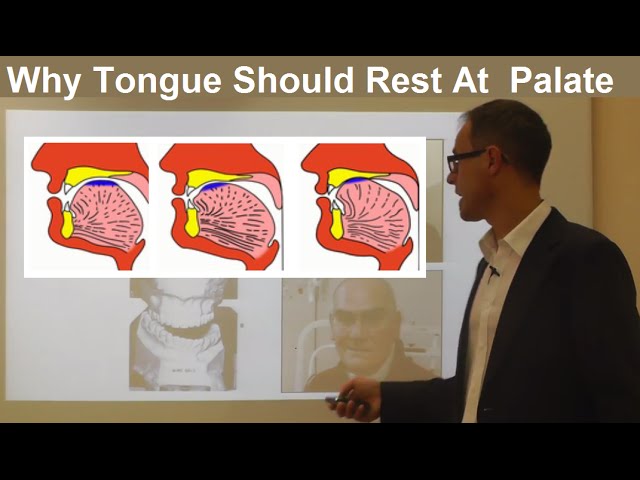
    To understand why experts insist on this posture, we need to look at anatomy. The roof of your mouth is not just a ceiling; it is the floor of your nasal cavity. When the tongue presses gently against this area, it helps keep the airway open and supports the maxillary bone.

    The Role of the Maxilla

    The maxilla is the central bone of the face. In children, proper tongue pressure helps widen the palate, creating enough room for all teeth to erupt straight. In adults, while the bones are fused, maintaining this pressure prevents the downward and backward rotation of the face, often referred to as “long face syndrome.”

    Dr. John Mew, a pioneer in orthotropics, has long advocated that oral posture dictates facial growth. While his methods are sometimes debated, the consensus among myofunctional therapists is clear: the tongue belongs on the roof.

    For a deeper understanding of the anatomical structures involved, you can refer to detailed diagrams on Wikipediaโ€™s page on the human tongue, which illustrates the complex musculature responsible for these movements.

    Should Your Tongue Rest On The Roof Of Your Mouth

    How to Correctly Place Your Tongue (Step-by-Step)

    Many people try to force their tongue up but end up straining their neck or jaw. Proper technique is subtle and relaxed. Here is how to achieve the ideal resting position, often called the “N-Spot” technique.

    1. Find the N-Spot: Say the word “Sing” or “King.” Notice where the back of your tongue touches as you hold the “ng” sound. That spot, slightly behind your front teeth but not touching them, is your target.
    2. Lift the Tip: Gently place the tip of your tongue on the ridge just behind your upper front teeth. Do not push against the teeth themselves, as this can cause them to protrude over time.
    3. Suction Hold: Instead of using muscular force to push up, create a slight vacuum. Swallow once while keeping the tongue in place. The suction should help hold the tongue against the palate effortlessly.
    4. Relax the Jaw: Ensure your teeth are slightly apart (about 2โ€“3 mm) and your lips are sealed. Your jaw muscles should be completely relaxed.
    5. Breathe Through Your Nose: With the tongue sealed against the roof, nasal breathing becomes the only efficient option. Inhale and exhale slowly through your nose.

    Pro Tip: If you find this difficult, start by practicing for 5 minutes a day. Set a timer on your phone. Gradually increase the duration as the muscle memory builds.

    Common Mistakes People Make

    Even with good intentions, many individuals fall into traps that hinder progress. Avoid these common errors:

    • Pushing Against Front Teeth: This is known as a “tongue thrust.” It can lead to an open bite and protruding teeth. Always aim for the palate, not the teeth.
    • Tensing the Neck: If your neck muscles feel tight, you are trying too hard. The tongue should work independently of the neck.
    • Blocking the Airway: Pressing the back of the tongue too far back can obstruct breathing. The seal should be light, allowing air to flow freely through the nose.
    • Forcing It During Sleep: Initially, do not worry about nighttime posture. Focus on daytime awareness first. Nighttime correction usually follows naturally after months of consistent daytime practice.

    Benefits vs. Risks: A Quick Comparison

    To help you visualize the impact of tongue posture, here is a breakdown of what happens when you get it right versus when you ignore it.

    FeatureCorrect Tongue Posture (On Roof)Incorrect Tongue Posture (Low/Forward)
    BreathingNasal breathing promoted; better filtrationMouth breathing likely; dry mouth & bad breath
    Facial StructureSupports high cheekbones & defined jawMay contribute to receding chin & long face
    Dental HealthReduces risk of crowding & malocclusionIncreases risk of overbite & narrow palate
    Sleep QualityReduced snoring & sleep apnea riskHigher likelihood of snoring & disrupted sleep
    SpeechClearer articulationPotential lisps or slurred speech

    Addressing Specific Concerns: People Also Ask

    1. Does tongue posture really change your face shape?

    In adults, dramatic skeletal changes are unlikely without surgical intervention. However, consistent proper posture can improve muscle tone in the face, reduce double chin appearance, and prevent further downward growth. In children, the impact on facial development is significant and well-documented.

    2. What if I have a tongue tie?

    Ankyloglossia, or tongue tie, physically restricts the tongueโ€™s movement. If you cannot reach the roof of your mouth comfortably, you may have a posterior or anterior tongue tie. Consult a dentist or myofunctional therapist. A simple frenectomy procedure might be recommended to release the restriction.

    3. Can this help with sleep apnea?

    Yes, indirectly. Proper tongue posture strengthens the muscles of the upper airway, preventing them from collapsing during sleep. While it is not a cure for severe obstructive sleep apnea, it is a valuable complementary therapy alongside CPAP or oral appliances.

    4. Is “Mewing” the same thing?

    “Mewing” is a popular internet term coined by Dr. Mike Mew, referring to the practice of maintaining proper tongue posture. While the core principle is the same, professional myofunctional therapy offers a more comprehensive approach, including swallowing patterns and lip seal exercises.

    Expert Insights on Long-Term Maintenance

    Changing a lifelong habit takes time. Sarah Johnson, a certified myofunctional therapist with over 15 years of experience, states:

    “Patients often expect overnight results. But retraining the neuromuscular pattern of the tongue requires consistency. Itโ€™s like going to the gym for your face. You wonโ€™t see abs after one crunch, but after six months of daily practice, the structural benefits become evident.”

    To maintain this habit:

    • Use Reminders: Place sticky notes on your computer or mirror.
    • Check-In During Stress: We tend to drop our tongues when stressed. Use stress as a cue to check your posture.
    • Stay Hydrated: Dry mouth makes it harder to maintain the suction seal. Drink water regularly.

    Frequently Asked Questions (FAQ)

    Q: Should my teeth touch when my tongue is on the roof? A: No. Your teeth should be slightly apart in a “rest position.” Clenching your teeth can lead to TMJ disorders and tooth wear.

    Q: How long does it take to see results? A: Minor improvements in breathing and reduced dry mouth can happen within weeks. Structural or aesthetic changes typically take 6โ€“12 months of consistent practice.

    Q: Can adults benefit from this, or is it only for kids? A: Adults absolutely benefit. While bone growth has stopped, soft tissue tone, airway patency, and dental stability can still be improved significantly.

    Q: What if I forget to keep my tongue up? A: Donโ€™t panic. It is normal to forget. Gently reset your posture whenever you notice it. Over time, it will become subconscious.

    Q: Is it painful to keep the tongue on the roof? A: It should not be painful. If you experience pain, you are likely tensing the wrong muscles. Relax your jaw and ensure you are using suction, not force.

    Conclusion

    So, should your tongue rest on the roof of your mouth? Absolutely. It is a simple, free, and non-invasive habit that supports better breathing, improved facial aesthetics, and overall oral health. While it may feel awkward at first, the long-term benefits far outweigh the initial learning curve.

    Start today by checking your tongue position. Seal your lips, relax your jaw, and let your tongue float up to the palate. Your future self will thank you for the better sleep and healthier smile.

    Found this guide helpful? Share it with friends who mouth breathe or struggle with jaw pain. Letโ€™s spread the word about the power of proper oral posture!

  • Why Is The Roof Of My Mouth Swollen And Hurting?

    Why Is The Roof Of My Mouth Swollen And Hurting?


    Have you ever taken a bite of hot pizza or a crunchy chip, only to feel a sharp, throbbing pain on the roof of your mouth? It is an incredibly uncomfortable sensation that can make eating, drinking, and even speaking difficult. If you are currently asking yourself, “Why is the roof of my mouth swollen and hurting,“ you are not alone. This common issue often stems from minor injuries or infections, but understanding the root cause is the first step toward effective relief.

    In this guide, we will explore the most likely reasons for your discomfort, provide actionable home remedies, and help you determine when it is time to seek professional medical advice. Letโ€™s dive in to get you feeling better quickly.

    Common Causes: Why Does the Palate Hurt?

    The roof of your mouth, known medically as the palate, is sensitive tissue. When it becomes inflamed, it is usually a response to irritation, infection, or trauma. Here are the primary culprits behind that painful swelling.

    1. Thermal Burns (Pizza Palate)

    This is arguably the most common reason for sudden pain. The hard palate has thin mucous membranes that are easily damaged by high temperatures. Consuming food or drinks that are too hotโ€”like fresh coffee, soup, or melted cheeseโ€”can cause first-degree burns.

    • Symptoms: Redness, blistering, peeling skin, and tenderness.
    • Healing Time: Typically 3โ€“7 days.

    2. Physical Trauma from Food

    Hard, sharp, or crunchy foods can scratch or puncture the delicate tissue of the palate. Think of tortilla chips, hard crusts of bread, or candy. Even aggressive brushing with a hard-bristled toothbrush can cause micro-abrasions that lead to swelling.

    3. Canker Sores (Aphthous Ulcers)

    Canker sores are small, shallow lesions that develop on the soft tissues in your mouth or at the base of your gums. While they often appear on the cheeks or lips, they can also form on the roof of the mouth.

    • Triggers: Stress, minor injury, acidic foods, or vitamin deficiencies.
    • Appearance: White or yellow center with a red border.

    4. Oral Thrush (Yeast Infection)

    Oral thrush is a fungal infection caused by Candida albicans. It is more common in infants, the elderly, and individuals with weakened immune systems or those taking antibiotics.

    • Symptoms: Creamy white lesions, bleeding if scraped, and a cotton-like feeling in the mouth.
    • Risk Factor: According to the Centers for Disease Control and Prevention (CDC), oral candidiasis is a common opportunistic infection in people with compromised immune systems.

    5. Allergic Reactions

    Food allergies or sensitivities to oral care products (like sodium lauryl sulfate in toothpaste) can cause contact stomatitis. This results in inflammation, swelling, and itching on the palate.

    Immediate Relief: How to Soothe the Pain at Home

    If you are dealing with minor swelling or a burn, you can often manage the pain effectively at home. Here is a step-by-step approach to reducing inflammation and promoting healing.

    Step 1: Cool Down the Area

    If the pain is due to a thermal burn, immediate cooling is essential.

    • Sip cold water or suck on ice chips.
    • Avoid hot beverages for at least 24โ€“48 hours.
    • Eat soft, cool foods like yogurt, pudding, or smoothies.

    Step 2: Salt Water Rinse

    Salt water is a natural disinfectant that helps reduce swelling and kills bacteria.

    1. Mix 1/2 teaspoon of salt into 8 ounces (approx. 240 ml) of warm water.
    2. Swish the solution gently around your mouth for 30 seconds.
    3. Spit it out. Do not swallow.
    4. Repeat this process 3โ€“4 times a day, especially after meals.

    Step 3: Use Over-the-Counter Remedies

    • Pain Relievers: Non-prescription medications like ibuprofen or acetaminophen can help reduce pain and inflammation.
    • Topical Gels: Look for oral gels containing benzocaine. These provide temporary numbing relief. Note: Use strictly as directed on the label.

    Step 4: Avoid Irritants

    While your mouth is healing, steer clear of:

    • Spicy foods
    • Acidic fruits (oranges, lemons, tomatoes)
    • Crunchy or sharp snacks
    • Alcohol-based mouthwashes
    Why Is The Roof Of My Mouth Swollen And Hurting

    When to See a Doctor: Red Flags to Watch For

    While most cases of a swollen palate resolve on their own within a week, some symptoms indicate a more serious underlying condition. You should consult a dentist or healthcare provider if you experience:

    SymptomPossible ConcernAction Required
    Swelling lasts > 2 weeksChronic infection or lesionSchedule dental exam
    High fever (>100.4ยฐF / 38ยฐC)Systemic infectionSeek medical attention
    Difficulty breathing/swallowingSevere allergic reactionGo to ER immediately
    White patches that bleedOral thrush or lichen planusConsult doctor for antifungals
    Lumps that grow rapidlyCyst or tumorUrgent specialist referral

    It is crucial to listen to your body. Persistent pain is not normal and should never be ignored. Early diagnosis can prevent complications and ensure faster recovery.

    Preventing Future Palate Pain

    Prevention is always better than cure. Here are some practical tips to keep your oral health in top shape and avoid recurring issues.

    • Test Food Temperature: Always let hot food and drinks cool for a few minutes before consuming. A simple “lip test” can save you from a painful burn.
    • Chew Carefully: Take smaller bites and chew slowly, especially when eating hard or crunchy foods.
    • Maintain Oral Hygiene: Brush twice a day with a soft-bristled toothbrush and floss daily. This prevents gum disease and reduces the bacterial load in your mouth.
    • Stay Hydrated: Dry mouth (xerostomia) increases the risk of irritation and infection. Drink plenty of water throughout the day.
    • Check Your Products: If you frequently get mouth sores, consider switching to a toothpaste free of sodium lauryl sulfate (SLS).

    FAQ Section

    1. Can stress cause the roof of my mouth to swell?

    Indirectly, yes. Stress weakens the immune system, making you more susceptible to canker sores and viral infections like cold sores, which can cause swelling and pain on the palate. However, stress itself does not directly cause physical swelling without an underlying lesion.

    2. Is a swollen roof of the mouth contagious?

    It depends on the cause. If the swelling is due to a burn or trauma, it is not contagious. However, if it is caused by a viral infection (like herpes simplex) or a fungal infection (like thrush), it can be transmitted to others through shared utensils, kissing, or poor hygiene practices.

    3. How long does it take for a burned palate to heal?

    Minor thermal burns usually heal within 3 to 7 days. Deeper burns may take up to two weeks. During this time, the tissue may peel, which is a normal part of the healing process. Keep the area clean and avoid further irritation.

    4. Can dehydration cause mouth pain?

    Yes. Saliva plays a critical role in protecting the oral tissues. When you are dehydrated, saliva production decreases, leading to a dry mouth. This makes the delicate tissues of the palate more prone to irritation, cracking, and infection.

    5. What is the best food to eat when the roof of your mouth hurts?

    Stick to a soft, bland, and cool diet. Excellent options include:

    • Greek yogurt
    • Applesauce
    • Mashed potatoes (cooled)
    • Smoothies (avoid acidic fruits)
    • Scrambled eggs
    • Oatmeal

    6. Should I pop a blister on the roof of my mouth?

    No. Never pop a blister in your mouth. Doing so opens the wound to bacteria, significantly increasing the risk of infection and delaying the healing process. Let the blister rupture naturally or absorb on its own.

    Conclusion

    Dealing with a swollen and painful roof of the mouth is frustrating, but in most cases, it is a temporary issue caused by minor burns, trauma, or common infections. By identifying the causeโ€”whether itโ€™s that too-hot cup of coffee or a stubborn canker soreโ€”you can apply the right treatment to speed up recovery.

    Remember to keep your mouth clean, stay hydrated, and avoid irritants while you heal. If the pain persists for more than two weeks or is accompanied by other severe symptoms, do not hesitate to consult a healthcare professional.

    Found this guide helpful? Share it with your friends and family on social media so they can also find relief from mouth pain. Stay healthy and smile confidently!

  • Stop Itchy Roof of Mouth: Fast Relief Guide

    Stop Itchy Roof of Mouth: Fast Relief Guide

    Have you ever been in the middle of a delicious meal or a quiet afternoon when suddenly, an uncontrollable itch strikes the roof of your mouth? It is a frustrating and distracting sensation that can make it difficult to focus or enjoy your food. If you are searching for how to stop the roof of my mouth from itching, you are not alone; this common issue affects millions of Americans annually, often stemming from mild allergies or environmental irritants.

    In this comprehensive guide, we will explore the root causes of this annoying sensation and provide actionable, expert-backed strategies to bring you immediate relief. We will cover everything from quick home remedies to understanding when you need to see a doctor, ensuring you have the knowledge to manage this condition effectively.

    Why Does the Roof of My Mouth Itch?

    Before diving into solutions, it is crucial to understand the “why.” The roof of your mouth, known medically as the palate, is lined with sensitive mucous membranes. When these membranes become inflamed or irritated, nerve endings send itch signals to your brain.

    According to data from the American College of Allergy, Asthma, and Immunology, up to 30% of adults suffer from some form of allergic rhinitis, which frequently manifests as oral itching. However, allergies are not the only culprit. Identifying the specific trigger is the first step toward effective treatment.

    Common Triggers at a Glance

    Trigger CategorySpecific CausesTypical Symptoms
    AllergiesPollen, dust mites, pet danderItching, sneezing, watery eyes
    Food SensitivitiesNuts, shellfish, certain fruitsSwelling, tingling, hives
    Oral Allergy SyndromeRaw fruits/veggies (cross-reactivity)Itching immediately after eating
    DrynessDehydration, mouth breathingCracking, general irritation
    InfectionsCold sores, thrush (yeast)Pain, white patches, blisters

    How to Stop the Roof of My Mouth From Itching: Immediate Home Remedies

    If you are experiencing sudden itching, you likely want relief now. Here are several proven methods to soothe the irritation instantly. These remedies are safe, easy to implement, and require items you probably already have in your kitchen.

    1. Rinse with Salt Water

    Salt water is a natural antiseptic and anti-inflammatory agent. It helps to reduce swelling and flush out any allergens or irritants stuck in the mucous membranes.

    • Step 1: Mix 1/2 teaspoon of non-iodized salt into 8 ounces (approx. 240 ml) of warm water. Ensure the water is comfortably warm, not hot, to avoid further irritation.
    • Step 2: Swish the solution around your mouth, focusing on tilting your head back to let the water reach the roof of your mouth.
    • Step 3: Gargle for 30 seconds, then spit it out. Do not swallow.
    • Step 4: Repeat this process 2โ€“3 times a day until the itching subsides.

    2. Apply a Cold Compress or Ice Chips

    Cold temperatures constrict blood vessels, which reduces inflammation and numbs the nerve endings responsible for the itch sensation.

    • Method A: Suck on small ice chips. Let them melt slowly against the roof of your mouth. This provides prolonged cooling relief.
    • Method B: If you donโ€™t have ice, drink a glass of cold water. Avoid sugary or acidic drinks, as these can exacerbate irritation.

    3. Use Honey for Soothing

    Honey has natural antibacterial and anti-inflammatory properties. It creates a protective coating over the irritated tissue.

    • Instruction: Take one teaspoon of raw, organic honey and let it coat the roof of your mouth. Hold it there for a minute before swallowing. Note: Do not give honey to children under one year old.

    4. Over-the-Counter Antihistamines

    If the itching is caused by seasonal allergies or histamine release, an oral antihistamine can block the chemical reaction causing the itch.

    • Recommendation: Look for second-generation antihistamines like cetirizine (Zyrtec) or loratadine (Claritin), which are less likely to cause drowsiness than older versions like diphenhydramine (Benadryl). Always follow the dosage instructions on the label.
    How To Stop The Roof Of My Mouth From Itching

    Understanding Oral Allergy Syndrome (OAS)

    One of the most common yet misunderstood causes of an itchy palate is Oral Allergy Syndrome (OAS), also known as pollen-food syndrome. This occurs when your immune system confuses proteins in certain raw fruits, vegetables, or nuts with pollen grains.

    For example, if you are allergic to birch pollen, you might experience an itchy roof of the mouth after eating apples, carrots, or hazelnuts. This is because the protein structures are similar.

    Key Characteristics of OAS:

    • Timing: Symptoms usually occur immediately after eating the trigger food.
    • Duration: The itching typically subsides within minutes to an hour after stopping consumption.
    • Severity: It is generally mild, but in rare cases, it can progress to more severe allergic reactions.

    To manage OAS, try peeling the fruit or cooking it. Heat denatures the proteins, making them less likely to trigger an allergic response. For more detailed information on cross-reactivity, you can refer to the Wikipedia page on Oral Allergy Syndrome.

    When to See a Doctor: Red Flags to Watch For

    While most cases of an itchy roof of the mouth are benign and temporary, some symptoms indicate a more serious underlying condition. You should seek professional medical attention if you experience:

    1. Difficulty Breathing: If the itching is accompanied by throat tightness, wheezing, or shortness of breath, this could be a sign of anaphylaxis, a life-threatening allergic reaction. Call emergency services immediately.
    2. Persistent Symptoms: If the itching lasts for more than a week despite home treatment, it may indicate a chronic infection or autoimmune issue.
    3. Visible Lesions: Look for white patches, blisters, or sores. These could be signs of oral thrush (a yeast infection) or herpes simplex virus (cold sores), which require prescription medication.
    4. Swelling: Significant swelling of the lips, tongue, or face requires immediate medical evaluation.

    Preventive Measures for Long-Term Relief

    Prevention is always better than cure. By making small adjustments to your daily routine, you can significantly reduce the frequency of itchy palate episodes.

    Maintain Oral Hygiene

    Bacteria and food particles can irritate the sensitive tissues of the mouth. Brush your teeth twice a day and floss daily. Consider using an alcohol-free mouthwash, as alcohol can dry out the mucous membranes, leading to irritation.

    Stay Hydrated

    Dehydration leads to dry mouth (xerostomia), which makes the roof of the mouth more susceptible to itching and cracking. Aim to drink at least 2 liters of water daily. If you live in a dry climate or use heating/air conditioning frequently, consider using a humidifier in your bedroom.

    Identify and Avoid Triggers

    Keep a food and symptom diary. Note what you ate and any environmental exposures (like high pollen days) when the itching occurs. Over time, patterns will emerge, allowing you to avoid specific triggers.

    Manage Stress

    Stress can weaken the immune system and exacerbate inflammatory responses, including skin and mucosal irritation. Incorporate stress-reduction techniques such as deep breathing exercises, meditation, or regular physical activity into your routine.

    FAQ Section

    1. Can dehydration cause the roof of my mouth to itch?

    Yes, dehydration can lead to dry mouth, which reduces the protective saliva layer in your mouth. This dryness can cause the delicate tissues on the roof of your mouth to become irritated and itchy. Drinking plenty of water is one of the simplest and most effective ways to prevent this.

    2. Is an itchy roof of the mouth a sign of a cold?

    It can be. In the early stages of a viral upper respiratory infection, the mucous membranes in the nose and mouth may become inflamed and itchy. This is often accompanied by other symptoms like a runny nose, sore throat, or fatigue. If you suspect a cold, rest and hydration are key.

    3. Why does my mouth itch after eating bananas?

    This is likely due to Oral Allergy Syndrome. Bananas contain proteins that are structurally similar to ragweed pollen. If you have a ragweed allergy, your body may mistake the banana proteins for pollen, triggering an immune response that results in itching. Cooking the banana may help, as heat breaks down these proteins.

    4. Can toothpaste cause an itchy roof of the mouth?

    Yes, some individuals are sensitive to ingredients commonly found in toothpaste, such as sodium lauryl sulfate (SLS), cinnamon flavoring, or whitening agents. If you notice itching after brushing, try switching to a hypoallergenic, SLS-free toothpaste to see if symptoms improve.

    5. How long does an allergic itch in the mouth last?

    For mild allergic reactions or Oral Allergy Syndrome, the itching usually subsides within 30 minutes to two hours after removing the trigger. If you take an antihistamine, relief may come faster. If the itching persists beyond 24 hours, consult a healthcare provider.

    6. Is it safe to scratch the roof of my mouth with my tongue?

    While it provides temporary relief, vigorous scratching with your tongue or fingers can damage the delicate tissue, leading to micro-tears and increasing the risk of infection. It is better to use soothing methods like cold water or salt rinses instead of mechanical scratching.

    Conclusion

    Dealing with an itchy roof of the mouth can be uncomfortable, but it is rarely a cause for panic. By understanding the underlying causesโ€”whether they are allergies, dryness, or dietary triggersโ€”you can take control of your symptoms. Simple remedies like salt water rinses, staying hydrated, and avoiding known allergens can provide significant relief.

    Remember, while home remedies are effective for mild cases, persistent or severe symptoms should always be evaluated by a healthcare professional. Your health is paramount, and accurate diagnosis ensures you get the right treatment.

    If you found this guide helpful, please share it with friends and family who might be suffering from similar issues. Spreading awareness about oral health and allergy management can help others find relief faster. Stay healthy, stay hydrated, and keep smiling!