Category: oral health

  • Why Is The Roof Of My Mouth Swollen? Causes & Fixes

    Why Is The Roof Of My Mouth Swollen? Causes & Fixes

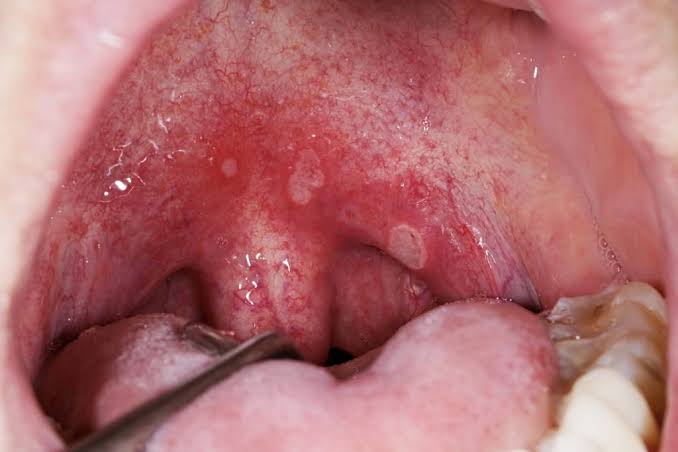
    Have you ever taken a bite of hot pizza or a crunchy chip, only to feel a sharp, lingering pain on the roof of your mouth? It is an incredibly uncomfortable sensation that can make eating, drinking, and even speaking difficult. If you are currently asking yourself, “Why is the roof of my mouth swollen and sore,“ you are not alone; this is a common oral health issue with various triggers ranging from minor burns to underlying infections.

    In this comprehensive guide, we will explore the most likely culprits behind your discomfort, provide actionable steps for relief, and help you understand when it is time to seek professional medical advice. Let’s dive into the science of your palate and how to heal it effectively.

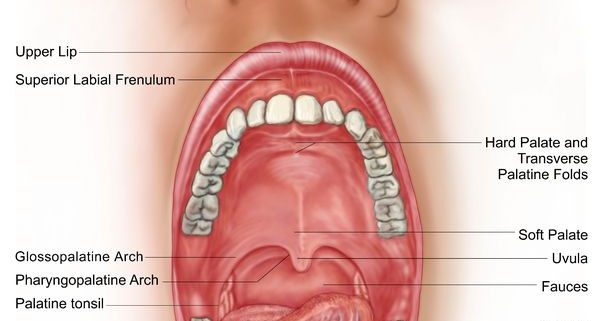
    Understanding the Anatomy: What Is the Palate?

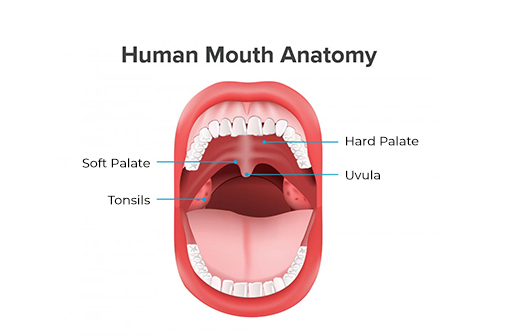
    Before we diagnose the pain, it helps to understand what we are dealing with. The roof of your mouth is medically known as the palate. It is divided into two parts:

    • The Hard Palate: The bony front section just behind your teeth.
    • The Soft Palate: The muscular back section near your throat.

    Both areas are lined with delicate mucous membranes. Because these tissues are thin and sensitive, they are highly susceptible to irritation, trauma, and infection. When these tissues become inflamed, you experience swelling, redness, and soreness.

    Common Causes: Why Is the Roof Of My Mouth Swollen And Sore?

    Identifying the root cause is the first step toward healing. Here are the most frequent reasons for palate inflammation, categorized by type.

    1. Thermal Burns (Pizza Palate)

    This is arguably the most common cause. Consuming food or beverages that are too hot can scald the delicate tissue of the hard palate.

    • Symptoms: Immediate stinging, blistering, or peeling skin.
    • Recovery Time: Typically 3–7 days.
    • Expert Insight: According to dental professionals, second-degree burns on the palate can cause significant swelling as the body rushes blood to the area to repair damaged cells.

    2. Physical Trauma and Abrasion

    Your mouth is a tough environment, but it has limits. Eating hard, sharp foods like tortilla chips, crusty bread, or candy can scratch or puncture the palate.

    • Mechanism: Micro-abrasions create entry points for bacteria, leading to localized swelling.
    • Prevention: Chew slowly and avoid using your teeth to open packages or crack nuts.

    3. Canker Sores (Aphthous Ulcers)

    These are small, shallow lesions that develop on the soft tissues in your mouth or at the base of your gums. Unlike cold sores, they don’t occur on the surface of your lips and aren’t contagious.

    • Appearance: White or yellow center with a red border.
    • Triggers: Stress, minor injury to oral tissues, acidic foods, or vitamin deficiencies (B-12, zinc, folate).

    4. Allergic Reactions

    Oral Allergy Syndrome (OAS) can cause itching and swelling in the mouth shortly after eating certain raw fruits, vegetables, or nuts.

    • Common Triggers: Pollen-related cross-reactivity with apples, carrots, or celery.
    • Severity: Usually mild, but severe swelling that impacts breathing requires immediate emergency care.

    5. Infections (Viral and Fungal)

    • Herpes Simplex Virus (HSV-1): Can cause cold sores inside the mouth, often on the hard palate. These are fluid-filled blisters that burst and crust over.
    • Oral Thrush (Candidiasis): A fungal infection causing creamy white lesions on the tongue or inner cheeks, which can spread to the palate. It is more common in infants, the elderly, and those with compromised immune systems.

    For a deeper understanding of oral mucosal diseases, you can refer to general medical resources such as Wikipedia’s page on Oral Medicine to see broader classifications of conditions affecting the mouth.
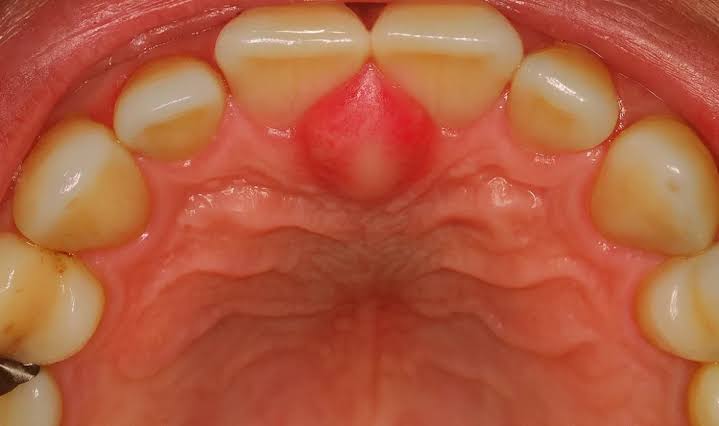
    Why Is The Roof Of My Mouth Swollen And Sore

    Immediate Relief: How to Soothe a Swollen Palate

    If you are suffering right now, here is a step-by-step protocol to reduce pain and accelerate healing.

    Step 1: Cool It Down

    Apply cold to the affected area to constrict blood vessels and reduce swelling.

    • Action: Suck on ice chips or eat sugar-free popsicles.
    • Duration: Apply intermittently for 10–15 minutes.

    Step 2: Salt Water Rinse

    Salt water is a natural disinfectant that helps reduce inflammation and keeps the area clean.

    • Recipe: Mix 1/2 teaspoon of salt into 8 ounces (240 ml) of warm water.
    • Method: Swish gently for 30 seconds, then spit out. Repeat 3–4 times a day.
    • Note: Do not use hot water, as it will aggravate the burn or sore.

    Step 3: Avoid Irritants

    While healing, your palate is vulnerable. Strictly avoid:

    • Spicy foods (chili, hot sauce)
    • Acidic foods (citrus fruits, tomato sauce, vinegar)
    • Crunchy/hard textures (chips, nuts)
    • Alcohol-based mouthwashes

    Step 4: Over-the-Counter Remedies

    • Pain Relievers: Ibuprofen or acetaminophen can help manage pain and reduce inflammation.
    • Topical Gels: Benzocaine-based gels (like Orajel) can numb the area temporarily. Use sparingly and follow label instructions.

    Comparison: Home Remedies vs. Medical Treatments

    FeatureHome RemediesMedical Treatments
    Best ForMinor burns, small abrasions, mild canker soresSevere infections, persistent ulcers, allergic reactions
    CostLow (salt, ice, honey)Variable (consultation fees, prescription meds)
    SpeedGradual relief (2–7 days)Faster resolution for specific conditions
    RiskMinimalPotential side effects from medication

    When to See a Doctor or Dentist

    While most cases of a swollen palate resolve on their own, some symptoms indicate a more serious underlying issue. Seek professional care if:

    1. Persistence: The swelling or sore does not heal after two weeks.
    2. Severity: You have difficulty breathing, swallowing, or opening your mouth.
    3. Systemic Symptoms: You experience high fever, fatigue, or swollen lymph nodes in the neck.
    4. Recurrence: You frequently get sores or swelling without an obvious cause (like burning your mouth).
    5. White Patches: You notice thick white patches that cannot be wiped away (potential sign of leukoplakia or thrush).

    FAQ Section

    1. Can dehydration cause the roof of my mouth to swell?

    Yes, indirectly. Dehydration reduces saliva production, leading to a dry mouth (xerostomia). Saliva is essential for protecting oral tissues and washing away food particles. Without it, the palate becomes more susceptible to irritation, friction, and bacterial growth, which can lead to soreness and mild swelling.

    2. Is a swollen palate a sign of cancer?

    It is rare, but persistent sores that do not heal within two weeks can be a sign of oral cancer. Other warning signs include unexplained bleeding, numbness, or lumps in the neck. However, the vast majority of swollen palates are caused by benign issues like burns or canker sores. If you are concerned, always consult a healthcare provider for peace of mind.

    3. How long does it take for a burned palate to heal?

    Minor first-degree burns typically heal within 3 to 7 days. More severe second-degree burns, which may involve blistering, can take up to two weeks to fully resolve. During this time, keeping the area clean and avoiding irritants is crucial.

    4. Can stress cause the roof of my mouth to hurt?

    Stress weakens the immune system, making you more prone to canker sores and viral outbreaks like herpes simplex. Additionally, stress can lead to unconscious habits like grinding your teeth or pressing your tongue against the roof of your mouth, causing physical trauma and swelling.

    5. What foods should I eat when the roof of my mouth is sore?

    Stick to a soft, bland diet. Excellent options include:

    • Yogurt and pudding
    • Mashed potatoes
    • Smoothies (avoid acidic fruits like orange or pineapple)
    • Lukewarm soups (broth-based, not tomato-based)
    • Scrambled eggs

    Conclusion

    Dealing with a painful, swollen palate is never fun, but understanding why is the roof of my mouth swollen and sore empowers you to take the right steps for recovery. In most cases, the culprit is a minor burn, physical abrasion, or a common canker sore that will heal with simple home care like salt water rinses and cold compresses.

    Remember to listen to your body. If the pain persists beyond two weeks or is accompanied by other severe symptoms, do not hesitate to consult a dentist or doctor. Early intervention can prevent minor issues from becoming major complications.

    Found this guide helpful? Share it with friends and family on social media to help them navigate their next “pizza palate” mishap! Stay healthy, and keep smiling.
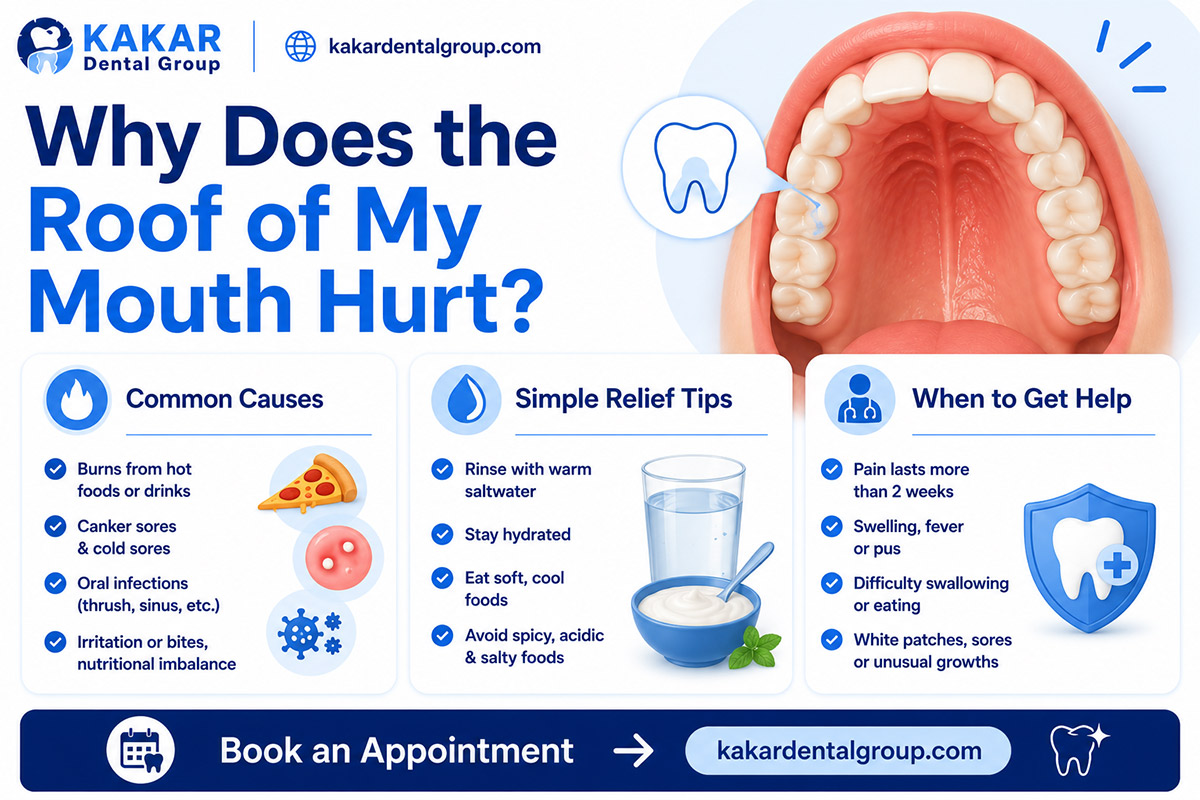
  • Why Roof of Mouth Hurts After Eating?

    Why Roof of Mouth Hurts After Eating?

    Have you ever taken a bite of your favorite meal, only to be greeted by a sharp, stinging pain on the roof of your mouth? It is a frustrating and surprisingly common experience that can turn a enjoyable dinner into an uncomfortable ordeal. If you are asking yourself, “Why does the roof of my mouth hurt after eating,” you are not alone, and understanding the root cause is the first step toward finding relief.

    In this guide, we will explore the most likely culprits behind palate pain, ranging from simple thermal injuries to underlying medical conditions. We will provide actionable advice on how to soothe the discomfort and when it is time to consult a healthcare professional. Let’s dive in to restore your comfort and confidence at the dining table.

    The Most Common Culprit: Thermal Injury (Pizza Palate)

    If you have ever eagerly bitten into a slice of hot pizza or sipped scalding coffee, you may have experienced what dentists colloquially call “pizza palate.” This is technically known as a thermal burn to the hard palate.

    The roof of your mouth is covered by a thin layer of mucous membrane that is highly sensitive to temperature changes. When food exceeds 140°F (60°C), it can cause immediate damage to these tissues. Unlike the skin on your hands, the tissue in your mouth heals quickly but is also more prone to initial injury because we often eat without testing the temperature thoroughly.

    Symptoms of a Thermal Burn

    • Immediate stinging or burning sensation.
    • Redness or swelling on the hard palate.
    • In severe cases, blistering or peeling of the top layer of skin.
    • Temporary loss of taste sensitivity in the affected area.

    According to dental health statistics, minor oral burns are one of the most frequent reasons for emergency dental visits related to soft tissue trauma. The good news? These usually heal on their own within 3 to 7 days.

    Could It Be an Allergic Reaction?

    While burns are physical injuries, pain can also stem from an immune response. Oral Allergy Syndrome (OAS) is a condition where people who are allergic to certain pollens experience itching, tingling, or pain in the mouth after eating raw fruits, vegetables, or nuts.

    For example, if you are allergic to birch pollen, you might feel irritation on the roof of your mouth after eating apples, carrots, or hazelnuts. This happens because the proteins in these foods are structurally similar to the pollen proteins, confusing your immune system.

    Key Differences: Burn vs. Allergy

    FeatureThermal BurnOral Allergy Syndrome
    OnsetImmediate upon contact with hot foodWithin minutes of eating specific raw foods
    SensationSharp pain, stingingItching, tingling, mild swelling
    DurationLasts several daysUsually subsides quickly after swallowing/spitting
    TriggerHigh temperatureSpecific raw plant-based foods

    If you suspect an allergy, it is crucial to identify the trigger. Keeping a food diary can help pinpoint which items cause the reaction. For more detailed information on how allergens affect oral health, you can refer to resources on immune system responses.

    Mechanical Trauma and Abrasive Foods

    Sometimes, the issue isn’t heat or chemistry, but physics. Eating hard, crunchy, or sharp foods can cause mechanical trauma to the delicate tissues of the palate.

    Common offenders include:

    • Tortilla chips and hard tacos.
    • Crusty breads or baguettes.
    • Hard candies.
    • Fish bones or small fragments of shellfish shells.

    These items can scratch or puncture the mucosal lining, leading to localized pain that feels like a cut or abrasion. This type of injury is often mistaken for a burn because the sensation is similar, but upon inspection, you might see a small white or red sore rather than general redness.

    Infections and Underlying Conditions

    If the pain persists for more than a week or occurs frequently without any obvious trigger like hot food, an underlying infection or condition might be to blame.

    1. Candidiasis (Oral Thrush)

    This is a fungal infection caused by an overgrowth of Candida albicans. It often presents as creamy white lesions on the tongue or inner cheeks, but it can also affect the roof of the mouth, causing soreness and a cottony feeling. It is more common in individuals with weakened immune systems, those taking antibiotics, or people with diabetes.

    2. Canker Sores (Aphthous Ulcers)

    While canker sores typically appear on the inside of the cheeks or gums, they can occasionally form on the soft palate. These small, shallow ulcers are painful and can be triggered by stress, minor injury, or acidic foods.

    3. Sinus Issues

    Believe it or not, your sinuses and your mouth are connected. Severe sinus infections or post-nasal drip can cause inflammation in the upper throat and the roof of the mouth, leading to a dull ache that worsens when swallowing or eating.

    Why Does The Roof Of My Mouth Hurt After Eating

    How to Relieve Pain: A Step-by-Step Guide

    If you are currently experiencing pain, here is a practical protocol to speed up healing and reduce discomfort.

    1. Cool Down Immediately: Rinse your mouth with cold water. Do not use ice directly on the tissue as it can cause further damage. Aim for water at a temperature of 10–15°C (50–59°F).
    2. Salt Water Rinse: Mix 1/2 teaspoon of salt into 8 ounces (240 ml) of warm water. Swish gently for 30 seconds and spit out. This helps reduce inflammation and keeps the area clean. Repeat this 2–3 times a day.
    3. Avoid Irritants: Stay away from spicy, acidic (like citrus or tomato sauce), and very hot foods for at least 48 hours. Stick to soft, cool foods like yogurt, pudding, or smoothies.
    4. Over-the-Counter Relief: Consider using an oral gel containing benzocaine for temporary numbing. Ensure you follow the package instructions carefully.
    5. Hydrate: Drink plenty of water to keep the oral mucosa moist. Dry mouth can exacerbate pain and slow healing. Aim for at least 2 liters of water throughout the day.

    When to See a Doctor

    Most cases of palate pain resolve on their own within a week. However, you should seek professional medical advice if:

    • The pain lasts longer than 10 days.
    • You have difficulty swallowing or breathing.
    • You notice pus, excessive bleeding, or large blisters.
    • You have a high fever accompanying the mouth pain.
    • The pain is severe enough to prevent you from eating or drinking adequately.

    FAQ Section

    1. Why does the roof of my mouth hurt after eating spicy food?

    Spicy foods contain capsaicin, which binds to pain receptors in the mouth. If your palate is already sensitive due to a minor burn or abrasion, spicy food will intensify the pain. Additionally, some people may have a mild sensitivity or allergy to specific spices, causing inflammation.

    2. Can dehydration cause pain in the roof of the mouth?

    Yes. Saliva plays a crucial role in protecting the oral tissues. When you are dehydrated, saliva production decreases, leading to a dry mouth (xerostomia). This makes the mucous membranes on the roof of your mouth more susceptible to irritation, friction, and pain during eating.

    3. Is it normal for the roof of my mouth to peel after eating?

    Peeling skin on the roof of the mouth is often a sign of a healing thermal burn. As the damaged tissue regenerates, the top layer may slough off. However, if peeling occurs frequently without burns, it could indicate a reaction to certain oral care products (like whitening toothpaste) or a condition like oral lichen planus.

    4. Why does my palate hurt only when I eat acidic foods?

    Acidic foods (like oranges, lemons, or vinegar-based dressings) can irritate exposed nerve endings if the protective mucosal layer is compromised. This is common if you have a small ulcer, a healing burn, or gum recession. The acid stings the raw tissue, causing sharp pain.

    5. Can braces cause pain on the roof of the mouth?

    Yes. Brackets and wires can sometimes rub against the soft palate, especially if a wire is poking out or if the brackets are positioned high. This causes mechanical irritation and sores. Using orthodontic wax can help cover sharp edges and provide relief.

    Conclusion

    Understanding why does the roof of my mouth hurt after eating is essential for maintaining both your comfort and your oral health. Whether it is a simple case of “pizza palate,” a mild allergic reaction, or mechanical irritation from crunchy snacks, most causes are benign and treatable at home.

    By identifying the trigger—be it temperature, texture, or an underlying condition—you can take proactive steps to prevent future occurrences. Remember to listen to your body; if the pain persists or worsens, do not hesitate to consult a dentist or doctor.

    If you found this guide helpful, please share it with your friends and family on social media. Someone else might be suffering from a mysterious palate pain right now, and your share could provide them with the relief they need!

  • Sore on Roof of Mouth? Causes & Fast Relief

    Sore on Roof of Mouth? Causes & Fast Relief

    Have you ever taken a bite of hot pizza or crunchy chips, only to feel a sharp sting hours later? It is an incredibly frustrating and painful experience that can make eating, drinking, and even speaking difficult. If you are currently thinking, “I have a sore in the roof of my mouth,” you are not alone, and there are proven ways to manage the pain and speed up healing.

    The roof of your mouth, known medically as the palate, is sensitive tissue. When it becomes irritated, injured, or infected, it can disrupt your daily life. This guide will walk you through why this happens, how to treat it at home, and when you need professional medical attention. We will break down complex medical information into simple, actionable steps so you can find relief quickly.

    Why Does the Roof of My Mouth Hurt?

    Understanding the root cause is the first step toward effective treatment. The palate is divided into two parts: the hard palate (the bony front section) and the soft palate (the muscular back section). Sores can appear on either, but the causes often differ slightly.

    1. Thermal Burns (Pizza Palate)

    This is the most common culprit. The tissue on the roof of your mouth is delicate. Consuming food or drinks that are too hot—typically above 140°F (60°C)—can cause first-degree or second-degree burns.

    • Symptoms: Redness, blistering, peeling skin, and a raw, tender sensation.
    • Healing Time: Usually 3–7 days.

    2. Physical Trauma

    Hard foods like tortilla chips, crusty bread, or candy can scratch or puncture the palate. Even aggressive brushing or dental appliances can cause abrasions.

    • Symptoms: A distinct cut or scrape, minor bleeding, and localized pain.

    3. Canker Sores (Aphthous Ulcers)

    These are small, shallow lesions that develop on the soft tissues in your mouth or at the base of your gums. Unlike cold sores, they don’t occur on the surface of your lips and aren’t contagious.

    • Symptoms: Round or oval sores with a white or yellow center and a red border. They can be quite painful.
    • Triggers: Stress, minor injury, acidic foods, or vitamin deficiencies.

    4. Oral Thrush (Candidiasis)

    This is a fungal infection caused by an overgrowth of Candida yeast. It is more common in infants, the elderly, and those with weakened immune systems.

    • Symptoms: Creamy white lesions on the tongue or inner cheeks, which can spread to the roof of the mouth. Bleeding may occur if scraped.

    5. Viral Infections

    Viruses like Herpes Simplex (cold sores) or Hand, Foot, and Mouth Disease can cause blisters and sores on the palate.

    • Symptoms: Clusters of small blisters that burst and form ulcers, often accompanied by fever or fatigue.

    Immediate Home Remedies for Pain Relief

    When you realize, “I have a sore in the roof of my mouth,” your immediate goal is to reduce inflammation and prevent infection. Here are evidence-based home remedies that are safe and effective.

    Salt Water Rinse

    Salt water is a natural disinfectant that helps reduce swelling and cleans the sore.

    1. Mix 1/2 teaspoon of salt into 8 ounces (240 ml) of warm water.
    2. Swish the solution gently around your mouth for 15–30 seconds.
    3. Spit it out. Do not swallow.
    4. Repeat 2–3 times a day.

    Honey Application

    Honey has natural antibacterial and anti-inflammatory properties. Manuka honey, in particular, is renowned for its healing capabilities.

    • Apply a small dab of honey directly to the sore.
    • Let it sit for a few minutes before swallowing or rinsing.
    • Note: Do not give honey to children under 1 year old.

    Cold Compresses

    If the sore is due to a burn, cold can numb the area and reduce inflammation.

    • Suck on ice chips or popsicles.
    • Avoid very acidic flavors (like lemon) which may sting.

    Over-the-Counter Gels

    Products containing benzocaine or lidocaine can provide temporary numbing relief. Look for gels specifically designed for oral use. Always follow the package instructions regarding dosage and frequency.

    I Have A Sore In The Roof Of My Mouth

    What to Eat and What to Avoid

    Your diet plays a crucial role in the healing process. Certain foods can irritate the sore, delaying recovery, while others can soothe it.

    Foods to Eat (Soothing)Foods to Avoid (Irritating)
    Yogurt and smoothiesSpicy foods (chili, hot sauce)
    Mashed potatoesAcidic fruits (citrus, tomatoes)
    Cool soups (not hot)Salty snacks (chips, pretzels)
    ApplesauceCrunchy/hard foods (nuts, toast)
    Pudding or gelatinVery hot beverages

    Pro Tip: Let your food cool to room temperature or below before eating. Aim for a temperature between 68–72°F (20–22°C) to avoid re-injuring the tissue.

    When Should You See a Doctor?

    While most mouth sores heal on their own within a week or two, some signs indicate a more serious underlying issue. According to general medical guidelines, you should consult a healthcare provider if:

    • The sore persists for more than two weeks without improvement.
    • You have difficulty swallowing, breathing, or opening your mouth.
    • You experience a high fever (above 100.4°F or 38°C).
    • The sore is unusually large or spreads rapidly.
    • You notice white patches that cannot be wiped away (potential sign of oral lichen planus or other conditions).

    For more detailed information on oral conditions, you can refer to trusted resources like Wikipedia’s page on Mouth Ulcers to understand the broader medical context, though always prioritize professional medical advice for diagnosis.

    Prevention Tips for a Healthy Palate

    Preventing future sores is easier than treating them. Here are some habits to adopt:

    1. Test Food Temperature: Before taking a big bite, touch the food to your lip or take a tiny test bite.
    2. Chew Carefully: Be mindful when eating hard or sharp foods. Chew slowly to avoid accidental scratches.
    3. Maintain Oral Hygiene: Brush twice a day with a soft-bristled toothbrush and floss daily. This reduces bacteria that can infect minor cuts.
    4. Stay Hydrated: A dry mouth is more prone to irritation. Drink plenty of water throughout the day.
    5. Manage Stress: High stress levels can weaken your immune system, making you more susceptible to canker sores. Practice relaxation techniques like deep breathing or meditation.

    FAQ Section

    1. How long does it take for a burned roof of the mouth to heal?

    Most minor thermal burns on the palate heal within 3 to 7 days. The mouth has a rich blood supply, which promotes rapid healing. However, deeper burns may take up to two weeks. Keep the area clean and avoid irritants to speed up the process.

    2. Can stress cause sores on the roof of my mouth?

    Yes, stress is a known trigger for canker sores (aphthous ulcers). While stress doesn’t directly burn the tissue, it can weaken your immune response, making your mouth more vulnerable to minor injuries and infections. Managing stress can help reduce the frequency of these outbreaks.

    3. Is a sore on the roof of my mouth contagious?

    It depends on the cause. Canker sores and burns are not contagious. However, if the sore is caused by a viral infection like herpes simplex (cold sores) or hand, foot, and mouth disease, it is contagious. Avoid sharing utensils, cups, or kissing until the sore has completely healed if you suspect a viral cause.

    4. Why does my sore hurt more when I eat acidic foods?

    Acidic foods (like oranges, pineapples, or tomato sauce) lower the pH level in your mouth. This acidity irritates the exposed nerve endings in the open sore, causing a sharp stinging sensation. It also slows down the healing process by inflaming the tissue further. Stick to neutral-pH foods during recovery.

    5. Can vitamin deficiencies cause mouth sores?

    Yes. Deficiencies in Vitamin B12, Iron, Folate, and Zinc are linked to recurrent canker sores. If you frequently get sores without an obvious cause like burning or trauma, consider discussing a blood test with your doctor to check your nutrient levels.

    6. Should I pop a blister on the roof of my mouth?

    No, never pop a blister. Popping it exposes the raw tissue underneath to bacteria, increasing the risk of infection and prolonging healing time. Let the blister burst naturally or reabsorb into the body. If it is painful, use a saltwater rinse to keep it clean.

    Conclusion

    Dealing with the thought, “I have a sore in the roof of my mouth,” is uncomfortable, but it is rarely a cause for panic. Most cases are the result of minor burns, physical trauma, or common canker sores that resolve with simple home care. By using saltwater rinses, avoiding irritating foods, and keeping your mouth clean, you can significantly reduce pain and speed up healing.

    Remember, patience is key. Your mouth is one of the fastest-healing parts of your body, but it needs a little help from you. If symptoms persist beyond two weeks or worsen, do not hesitate to seek professional medical advice.

    Found this guide helpful? Share it with friends and family on social media so they can also find quick relief from mouth sores. Your next meal doesn’t have to be painful!

  • What Can Cause Sores In The Roof Of Your Mouth?

    What Can Cause Sores In The Roof Of Your Mouth?

    Have you ever taken a bite of hot pizza only to feel a sharp, stinging pain on the roof of your mouth hours later? Or perhaps you woke up with an unexplained blister that makes eating and speaking uncomfortable? You are not alone; many people experience this painful condition, leading them to ask, “What can cause sores in the roof of your mouth?” Understanding the root cause is the first step toward healing and preventing future occurrences.

    In this guide, we will explore the most common reasons behind these irritating lesions, differentiate between minor injuries and serious conditions, and provide actionable advice for relief. Whether it’s a simple thermal burn or a sign of an underlying health issue, knowing what to look for can save you time, money, and discomfort.

    Common Causes of Palatal Sores

    The roof of your mouth, known medically as the palate, is sensitive tissue. When it develops sores, it is usually a reaction to physical trauma, infection, or systemic health issues. Let’s break down the primary culprits.

    1. Thermal Burns (Pizza Palate)

    This is arguably the most frequent cause of sores on the hard palate. We often refer to this as “pizza palate.” It happens when you consume food or beverages that are too hot.

    • How it happens: Hot cheese, soup, or coffee can scald the delicate mucous membranes.
    • Symptoms: Redness, blistering, peeling skin, and tenderness.
    • Healing Time: Typically 3–7 days.

    According to dental professionals, the palate has fewer nerve endings than the tongue, which is why you might not feel the burn immediately until the damage is done.

    2. Canker Sores (Aphthous Ulcers)

    Canker sores are small, shallow lesions that develop on the soft tissues in your mouth or at the base of your gums. While they commonly appear on the inner cheeks or lips, they can also form on the soft palate (the back part of the roof of your mouth).

    • Appearance: White or yellow center with a red border.
    • Triggers: Stress, minor injury from brushing, food sensitivities (chocolate, coffee, strawberries, eggs, nuts, cheese), or nutritional deficiencies (B-12, zinc, folate, iron).
    • Contagious? No.

    3. Cold Sores (Herpes Simplex Virus)

    Unlike canker sores, cold sores are caused by the herpes simplex virus (HSV-1). They are highly contagious and usually appear on the lips, but primary outbreaks can occur inside the mouth, including the roof.

    • Appearance: Clusters of fluid-filled blisters that burst and crust over.
    • Triggers: Stress, sunlight, fever, or hormonal changes.
    • Contagious? Yes, very.

    4. Physical Trauma

    Your mouth is a rugged environment, but it is not invincible. Sharp foods like tortilla chips, hard candy, or even accidental bites can scratch or puncture the palate. Additionally, ill-fitting dentures or orthodontic appliances can cause chronic friction ulcers.

    5. Oral Thrush (Candidiasis)

    Oral thrush is a fungal infection caused by Candida albicans. It is more common in infants, the elderly, and individuals with compromised immune systems or those who use inhalers for asthma.

    • Symptoms: Creamy white lesions on the tongue or inner cheeks, sometimes spreading to the roof of the mouth. These lesions may bleed slightly when scraped.
    • Risk Factors: Antibiotic use, diabetes, dry mouth.

    6. Allergic Reactions

    Some individuals develop sores or irritation due to allergic reactions to certain ingredients in toothpaste, mouthwash, or specific foods. Sodium lauryl sulfate (SLS), a foaming agent found in many toothpastes, is a known irritant for some people prone to canker sores.

    What Can Cause Sores In The Roof Of Your Mouth

    Differentiating Between Minor and Serious Conditions

    It can be challenging to determine if a sore is benign or requires medical attention. Use this comparison table to help assess your situation.

    FeatureMinor Injury / Canker SorePotential Serious Condition
    DurationHeals within 7–14 daysPersists longer than 2 weeks
    Pain LevelModerate, improves over timeSevere, worsening, or numbness
    AppearanceSmall, round, white/yellow centerLarge, irregular borders, bleeding
    Other SymptomsNone or mild discomfortFever, difficulty swallowing, weight loss
    CauseTrauma, stress, dietInfection, autoimmune disease, cancer

    If your sore fits the description in the right column, it is crucial to consult a healthcare provider. Persistent sores can sometimes be a sign of oral cancer or other systemic diseases. For more detailed information on oral health conditions, you can refer to Wikipedia’s page on Mouth Ulcers to understand the broader medical context.

    Step-by-Step Relief and Treatment

    If you are dealing with a painful sore on the roof of your mouth, here is a practical guide to speeding up recovery and managing pain.

    Step 1: Rinse with Salt Water

    Salt water is a natural disinfectant and helps reduce inflammation.

    • Recipe: Mix 1 teaspoon of salt into 8 ounces (approx. 240 ml) of warm water.
    • Action: Swish gently around your mouth for 30 seconds, then spit it out. Do this 3–4 times a day.

    Step 2: Apply Topical Treatments

    Over-the-counter gels containing benzocaine or hydrogen peroxide can numb the area and promote healing.

    • Tip: Dry the area with a clean tissue before applying the gel for better adhesion.

    Step 3: Avoid Irritants

    While healing, steer clear of:

    • Spicy or acidic foods (citrus, tomatoes).
    • Crunchy or sharp foods (chips, toast).
    • Very hot beverages.

    Step 4: Maintain Oral Hygiene

    Continue brushing and flossing, but use a soft-bristled toothbrush. Consider switching to an SLS-free toothpaste if you suspect sensitivity.

    Step 5: Stay Hydrated

    Dry mouth can exacerbate sores. Drink plenty of water throughout the day. Aim for at least 2 liters of water daily, keeping the temperature cool (22–28°C) to avoid further irritation.

    When to See a Doctor

    While most palatal sores resolve on their own, certain red flags warrant professional evaluation. Seek medical advice if:

    1. The sore does not heal after two weeks.
    2. You have a high fever accompanying the sore.
    3. The sores are spreading rapidly.
    4. You have difficulty eating, drinking, or swallowing.
    5. You notice white patches that cannot be wiped away.

    Early diagnosis is key, especially if the cause is viral, fungal, or related to an autoimmune condition like lupus or Crohn’s disease.

    FAQ Section

    Q1: How long does it take for a burn on the roof of the mouth to heal?

    A: A minor thermal burn typically heals within 3 to 7 days. The mouth has a rich blood supply, which aids in rapid tissue regeneration. However, deeper burns may take up to two weeks. Keep the area clean and avoid hot foods to speed up the process.

    Q2: Can stress cause sores on the roof of my mouth?

    A: Yes, stress is a significant trigger for canker sores (aphthous ulcers). High stress levels can weaken your immune system, making you more susceptible to outbreaks. Managing stress through relaxation techniques, adequate sleep, and exercise can help reduce the frequency of these sores.

    Q3: Are sores on the roof of the mouth contagious?

    A: It depends on the cause. Canker sores and thermal burns are not contagious. However, cold sores caused by the herpes simplex virus and oral thrush (fungal infection) are contagious. Avoid sharing utensils, cups, or lip balm if you suspect a viral or fungal origin.

    Q4: What home remedies work best for immediate pain relief?

    A: For immediate relief, try rinsing with cold water or sucking on ice chips to numb the area. Honey has natural antibacterial properties and can be applied directly to the sore. Over-the-counter oral anesthetics containing benzocaine are also effective for temporary pain management.

    Q5: Could my toothpaste be causing the sores?

    A: It is possible. Many commercial toothpastes contain sodium lauryl sulfate (SLS), a foaming agent that can irritate the mucous lining of the mouth in sensitive individuals. Switching to an SLS-free toothpaste may reduce the frequency of canker sores.

    Q6: When should I worry about a sore on the roof of my mouth?

    A: You should consult a doctor or dentist if the sore persists for more than two weeks, is unusually large, is accompanied by a fever, or if you have difficulty swallowing. Persistent sores can sometimes indicate underlying health issues that require professional treatment.

    Conclusion

    Dealing with sores on the roof of your mouth can be frustrating and painful, but understanding what can cause sores in the roof of your mouth empowers you to take control of your oral health. Most cases are benign, resulting from minor burns, stress-induced canker sores, or physical trauma, and they heal within a week or two with proper care.

    By maintaining good oral hygiene, avoiding known irritants, and managing stress, you can significantly reduce your risk of developing these uncomfortable lesions. Remember, if a sore persists beyond two weeks or is accompanied by other concerning symptoms, do not hesitate to seek professional medical advice.

    Found this guide helpful? Share it with friends and family on social media to help them navigate their own oral health challenges. Your share could be the tip someone needs to find relief today!

  • The Roof of the Mouth: Hard & Soft Palate Explained

    The Roof of the Mouth: Hard & Soft Palate Explained

    Have you ever run your tongue along the top of your mouth and wondered about the distinct textures you feel? It is a curious part of our anatomy that plays a crucial role in eating, speaking, and breathing, yet many of us rarely think about it until something feels wrong. Understanding exactly what the roof of the mouth is made up of the hard and soft palates can help you better appreciate your oral health and identify potential issues early.

    In this comprehensive guide, we will break down the complex structure of your palate, explain its vital functions, and provide expert insights into keeping this sensitive area healthy. Whether you are a student, a health enthusiast, or simply curious about your body, this article will provide clear, accurate, and actionable information.

    What Exactly Is the Roof of the Mouth Made Of?

    To answer the primary question directly: the roof of the mouth, medically known as the palate, is divided into two distinct sections—the hard palate and the soft palate. These two structures work together but are composed of different tissues and serve different mechanical purposes.

    The hard palate forms the anterior (front) two-thirds of the roof. It is a bony structure covered by a thin layer of mucous membrane. This rigid surface provides a stable platform against which your tongue can press food during chewing.

    The soft palate makes up the posterior (back) one-third. Unlike its front counterpart, it contains no bone. Instead, it is composed of muscle fibers and connective tissue, making it flexible and movable. This flexibility is essential for swallowing and speech.

    Understanding this division is critical because problems affecting the hard palate (like burns from hot pizza) differ significantly from issues affecting the soft palate (like snoring or sleep apnea).

    The Hard Palate: Structure and Function

    The hard palate is the rigid shelf you feel immediately behind your upper teeth. Its primary job is structural support and mechanical assistance during mastication (chewing).

    Anatomical Composition

    The hard palate is formed by two specific bones:

    1. The Palatine Process of the Maxilla: This is the horizontal part of the upper jawbone.
    2. The Horizontal Plate of the Palatine Bone: This bone sits further back and connects to the maxilla.

    These bones are fused together at the midline by a suture called the median palatine suture. Overlying these bones is a specialized type of tissue called keratinized stratified squamous epithelium. This tissue is tough and resistant to abrasion, which is necessary because it constantly rubs against food.

    Key Functions

    • Chewing Surface: It provides a hard surface for the tongue to crush food against the teeth.
    • Speech Articulation: It helps produce certain consonant sounds, such as “t,” “d,” and “k,” by allowing the tongue to create brief closures against the roof of the mouth.
    • Separation: It physically separates the oral cavity from the nasal cavity, preventing food from entering your nose while eating.
    The Roof Of The Mouth Is Made Up Of The

    The Soft Palate: The Flexible Muscle

    Moving further back into your throat, you encounter the soft palate. If you say “ahhh” in front of a mirror, you can see this structure lift.

    Anatomical Composition

    The soft palate lacks bone. Instead, it is a muscular flap composed of:

    • Muscle Fibers: Including the levator veli palatini and tensor veli palatini muscles.
    • Connective Tissue: Providing structure and elasticity.
    • Mucous Membrane: A non-keratinized lining that is softer and more sensitive than the hard palate.

    At the very back of the soft palate hangs the uvula, that small, teardrop-shaped piece of tissue that often gets blamed for snoring.

    Key Functions

    • Swallowing (Deglutition): When you swallow, the soft palate lifts and moves backward to close off the nasopharynx. This prevents food and liquid from going up into your nasal cavity.
    • Speech: It controls the resonance of your voice. By raising or lowering, it allows air to escape through the nose (for sounds like “m” and “n”) or keeps it in the mouth (for most other sounds).
    • Suction: In infants, the soft palate creates a seal necessary for effective breastfeeding or bottle-feeding.

    Common Issues Affecting the Palate

    Even though the palate is robust, it is susceptible to various conditions. Recognizing these early can prevent complications.

    ConditionAffected AreaSymptomsCommon Causes
    Palatal BurnsHard PalateRedness, blistering, painHot foods (pizza cheese, coffee)
    Canker SoresBothSmall, painful ulcersStress, minor injury, acidic foods
    Sleep ApneaSoft PalateSnoring, daytime fatigueRelaxed muscles blocking airway
    Cleft PalateBothGap in the roof of the mouthCongenital birth defect
    ThrushBothWhite patches, bleedingFungal infection (Candida)

    The Danger of Thermal Burns

    One of the most common injuries to the roof of the mouth is a thermal burn. Because the hard palate has less blood flow than other parts of the mouth, it heals slower. If you burn your palate, avoid spicy or acidic foods for a few days to allow the epithelial layer to regenerate.

    Sleep Apnea and the Soft Palate

    Obstructive Sleep Apnea (OSA) is a serious condition where the soft palate and tongue relax too much during sleep, blocking the airway. According to the National Heart, Lung, and Blood Institute, this can lead to high blood pressure and heart disease. If you snore loudly or wake up gasping, consult a healthcare provider.

    How to Maintain a Healthy Palate

    Keeping the roof of your mouth healthy is largely about good overall oral hygiene and mindful eating habits. Here are some expert-recommended steps:

    1. Practice Gentle Brushing: Many people forget to brush their palate. Use a soft-bristled toothbrush to gently clean the hard palate to remove bacteria and food debris. Do not scrub the soft palate aggressively, as it is sensitive.
    2. Stay Hydrated: A dry mouth increases the risk of infection and bad breath. Saliva helps wash away bacteria from the roof of the mouth. Aim for at least 2 liters of water daily.
    3. Avoid Extremely Hot Foods: Let your coffee or soup cool for a minute before consuming. Repeated thermal injury can lead to chronic inflammation or even cellular changes over time.
    4. Regular Dental Checkups: Dentists examine the roof of your mouth during routine cleanings. They can spot early signs of oral cancer, which often presents as a persistent sore or patch on the palate.
    5. Quit Smoking: Tobacco use is a leading cause of oral cancers and can cause “nicotinic stomatitis,” a condition where the hard palate becomes white and thickened.

    Frequently Asked Questions (FAQ)

    1. Why does the roof of my mouth hurt?

    Pain in the roof of the mouth is commonly caused by thermal burns from hot food, minor trauma from sharp foods (like chips), or canker sores. If the pain persists for more than two weeks, it could indicate an infection or other underlying issue, and you should see a dentist.

    2. Can you get cancer on the roof of your mouth?

    Yes, oral cancer can develop on both the hard and soft palate. Risk factors include tobacco use, heavy alcohol consumption, and HPV infection. Early detection is key, so report any non-healing sores, lumps, or white/red patches to your doctor immediately.

    3. What is the bump on the roof of my mouth?

    A hard, bony bump in the center of the hard palate is often a torus palatinus. It is a benign bony growth that is harmless and requires no treatment unless it interferes with dentures. If the bump is soft, painful, or growing rapidly, seek medical advice.

    4. How does the palate help with speech?

    The palate acts as a barrier and a resonating chamber. The hard palate provides a surface for the tongue to create crisp consonant sounds. The soft palate raises to block nasal airflow for most sounds and lowers to allow nasal airflow for sounds like “m,” “n,” and “ng.”

    5. Is it normal for the roof of my mouth to be white?

    A slightly lighter color than the rest of the mouth can be normal due to the keratinized tissue. However, distinct white patches that cannot be wiped away may indicate leukoplakia or thrush. Always have unusual discoloration checked by a professional.

    Conclusion

    Understanding what the roof of the mouth is made up of the hard and soft palates reveals the intricate design of our oral anatomy. From the bony stability of the hard palate that aids in chewing to the muscular flexibility of the soft palate that enables speech and swallowing, each part plays a vital role in our daily lives.

    By maintaining good oral hygiene, being mindful of food temperatures, and staying hydrated, you can keep your palate healthy and functional. Remember, your mouth is the gateway to your overall health, so don’t ignore persistent symptoms.

    If you found this guide helpful, please share it with friends and family on social media. Spreading awareness about oral anatomy can help others take better care of their health!

  • Why Does The Roof Of My Mouth Have A Bump?

    Why Does The Roof Of My Mouth Have A Bump?

    Have you ever run your tongue over the roof of your mouth and felt something unexpected? It can be startling to discover a lump or bump on your palate, leading to immediate concern about what it might be. If you are asking yourself, “Why does the roof of my mouth have a bump,” you are not alone; this is a common oral health query with various potential causes, ranging from minor irritations to conditions requiring professional attention.

    In this guide, we will explore the most likely reasons for these bumps, how to identify them, and when you should seek medical advice. Our goal is to provide you with clear, actionable information to ease your mind and help you take the right next steps.

    Common Causes of Bumps on the Roof of Your Mouth

    The roof of your mouth, known medically as the palate, is divided into two sections: the hard palate at the front and the soft palate at the back. Bumps can appear in either area, and their cause often depends on their location, texture, and accompanying symptoms.

    1. Torus Palatinus: A Benign Bone Growth

    One of the most common reasons for a hard, immovable bump in the center of the hard palate is a torus palatinus. This is a benign bony growth that develops slowly over time.

    • Characteristics: Hard, smooth, and located in the midline of the roof of the mouth.
    • Symptoms: Usually painless unless irritated by food or dental appliances.
    • Prevalence: It affects approximately 20-30% of the population, according to various dental studies.

    Torus palatinus is genetic and more common in women and certain ethnic groups. It is generally harmless and does not require treatment unless it interferes with denture fitting or speech.

    2. Burns from Hot Food (Pizza Palate)

    If the bump appeared suddenly after eating, it is likely a thermal burn. This is colloquially known as “pizza palate.”

    • Cause: Consuming food or drinks that are too hot (above 65°C or 149°F).
    • Appearance: Reddened area, blister, or swollen tissue.
    • Healing Time: Typically heals within 3–7 days.

    The tissue on the roof of the mouth is delicate. When burned, it swells as part of the inflammatory response. While painful, these bumps are temporary and resolve on their own with proper care.

    3. Canker Sores (Aphthous Ulcers)

    Canker sores are small, shallow lesions that develop on the soft tissues in your mouth or at the base of your gums. They can also appear on the soft palate.

    • Appearance: White or yellow center with a red border.
    • Sensation: Painful, especially when eating acidic or spicy foods.
    • Trigger: Stress, minor injury, or nutritional deficiencies (like Vitamin B12 or iron).

    Unlike cold sores, canker sores are not contagious. They usually heal within one to two weeks without scarring.

    4. Oral Mucoceles

    A mucocele is a fluid-filled swelling that occurs when a salivary gland becomes blocked or damaged. While more common on the lower lip, they can occur on the roof of the mouth, particularly on the soft palate.

    • Texture: Soft, movable, and filled with clear fluid.
    • Cause: Trauma to the salivary duct, such as biting the area or sucking on the cheek.
    • Outcome: Many rupture and heal on their own, but persistent ones may need minor surgical removal.

    5. Infections: Viral and Bacterial

    Certain infections can cause bumps or blisters on the palate.

    • Herpes Simplex Virus (HSV-1): Causes cold sores, which can appear inside the mouth as clusters of small blisters. These are highly contagious.
    • Hand, Foot, and Mouth Disease: Common in children but can affect adults, causing painful red blisters on the tongue, gums, and inside of the cheeks.
    • Oral Thrush: A fungal infection caused by Candida yeast, leading to creamy white lesions that can be wiped off, leaving a red, bleeding area.

    For more detailed information on oral infections, you can refer to this Wikipedia article on Oral Candidiasis.

    Why Does The Roof Of My Mouth Have A Bump

    Less Common but Serious Conditions

    While most bumps are benign, it is crucial to be aware of rarer, more serious conditions.

    Oral Cancer

    Oral cancer can present as a lump, thickening, or rough spot on the roof of the mouth.

    • Risk Factors: Tobacco use, heavy alcohol consumption, and HPV infection.
    • Warning Signs: A sore that does not heal within two weeks, unexplained bleeding, numbness, or difficulty swallowing.
    • Action: If you have a persistent bump that changes in size or color, see a dentist or doctor immediately. Early detection significantly improves prognosis.

    Nasopalatine Duct Cyst

    This is a rare developmental cyst that forms in the midline of the anterior palate. It arises from remnants of the nasopalatine duct.

    • Symptoms: Swelling, pain, or a salty taste if it drains.
    • Diagnosis: Requires X-ray or CT scan for confirmation.
    • Treatment: Surgical removal is typically recommended to prevent infection.

    How to Identify the Type of Bump

    To help determine the cause, consider the following factors. Use this checklist to assess your symptom:

    FeatureBenign (Likely Safe)Concerning (See a Doctor)
    DurationLess than 2 weeksPersists longer than 2 weeks
    Pain LevelMild or intermittentSevere, worsening, or constant
    TextureSoft, fluid-filled, or hard boneHard, fixed, irregular edges
    ColorSame as surrounding tissue or redWhite, red, or mixed patches
    GrowthStable sizeRapidly increasing in size
    Other SymptomsNoneBleeding, numbness, weight loss

    Home Remedies and Relief Strategies

    If the bump is due to a minor issue like a burn or canker sore, you can manage discomfort at home. Here are effective, safe steps:

    1. Salt Water Rinse: Mix 1 teaspoon of salt in 8 ounces (240 ml) of warm water. Swish gently for 30 seconds and spit out. Do this 2–3 times a day to reduce inflammation and keep the area clean.
    2. Avoid Irritants: Stay away from spicy, acidic, or crunchy foods that can aggravate the bump. Opt for soft, cool foods like yogurt, applesauce, or smoothies.
    3. Cold Compress: Suck on ice chips or eat cold treats like popsicles to numb the area and reduce swelling.
    4. Over-the-Counter Gels: Use oral gels containing benzocaine for temporary pain relief. Follow the package instructions carefully.
    5. Hydration: Drink plenty of water to keep your mouth moist and promote healing. Aim for at least 2 liters of water daily.

    Note: Do not attempt to pop or squeeze any bump on your mouth. This can introduce bacteria and lead to infection.

    When to See a Dentist or Doctor

    You should schedule an appointment with a healthcare provider if:

    • The bump does not heal within two weeks.
    • You experience difficulty breathing, swallowing, or speaking.
    • There is unexplained bleeding from the bump.
    • You have a fever or swollen lymph nodes in your neck.
    • The bump is growing rapidly or changing color.
    • You have a history of tobacco or heavy alcohol use.

    Early intervention is key for serious conditions. A dentist can perform a visual exam and, if necessary, order imaging or a biopsy to determine the exact cause.

    FAQ Section

    1. Can stress cause bumps on the roof of my mouth?

    Yes, stress can weaken your immune system, making you more susceptible to canker sores or viral outbreaks like herpes. Additionally, stress may lead to habits like grinding your teeth or accidentally biting your mouth, causing trauma and subsequent bumps.

    2. Is a bump on the roof of my mouth contagious?

    It depends on the cause. Canker sores, torus palatinus, and burns are not contagious. However, bumps caused by viruses like herpes simplex (cold sores) or hand, foot, and mouth disease are highly contagious. Avoid sharing utensils or kissing until the lesion heals.

    3. How long does it take for a burned roof of the mouth to heal?

    Minor thermal burns usually heal within 3 to 7 days. Deeper burns may take up to two weeks. During this time, keep the area clean and avoid hot or spicy foods to prevent further irritation.

    4. Can allergies cause bumps on the palate?

    Yes, oral allergy syndrome or general allergic reactions can cause swelling or hives on the roof of the mouth. If you suspect an allergy, identify and avoid the trigger. Antihistamines may help reduce swelling, but consult a doctor for severe reactions.

    5. What is the difference between a canker sore and a cold sore?

    Canker sores occur inside the mouth (on the soft palate, gums, or cheeks) and are not contagious. Cold sores typically appear outside the mouth (on the lips) but can occur inside, and they are caused by the herpes virus, making them contagious.

    6. Should I brush over the bump?

    Brush gently around the area to maintain oral hygiene, but avoid scrubbing the bump directly, as this can cause pain and delay healing. Use a soft-bristled toothbrush and mild toothpaste.

    Conclusion

    Discovering a bump on the roof of your mouth can be alarming, but in most cases, it is a benign condition such as a torus palatinus, a minor burn, or a canker sore. By understanding the characteristics of the bump and monitoring its progression, you can often manage it effectively at home.

    However, never ignore a bump that persists for more than two weeks, grows rapidly, or is accompanied by other concerning symptoms. Your oral health is a window into your overall well-being, so regular dental check-ups are essential.

    If you found this article helpful, please share it with friends or family who might be experiencing similar concerns. Knowledge is power, and spreading awareness can help others seek timely care. Stay healthy and keep smiling!

  • Roof Pain? Quick Relief & Causes

    Roof Pain? Quick Relief & Causes

    Have you ever taken a bite of piping hot pizza or crunchy chips, only to be greeted by a sharp, throbbing pain in the upper part of your mouth? It is an incredibly uncomfortable sensation that can make eating, drinking, and even speaking difficult. If you are currently wincing in discomfort and searching for what to do when the roof of your mouth hurts, you are not alone. This guide provides immediate, actionable steps to soothe the pain and explains why it happens, helping you recover faster and prevent future irritation.

    Why Does the Roof of My Mouth Hurt?

    Before diving into solutions, it is helpful to understand the culprit. The roof of your mouth, known medically as the palate, is covered by delicate mucous membranes. These tissues are sensitive to temperature, texture, and chemical irritants.

    According to dental health statistics, thermal burns from hot food and beverages are among the most common minor oral injuries. However, pain in this area isn’t always due to heat. Identifying the root cause ensures you apply the right remedy.

    Common Causes of Palate Pain

    • Thermal Burns: Consuming food or drinks that are too hot (above 60°C/140°F) can scald the tissue instantly.
    • Abrasion Injury: Eating hard, sharp foods like tortilla chips, crusty bread, or candy can scratch the soft tissue.
    • Canker Sores (Aphthous Ulcers): Small, shallow lesions that develop on the soft tissues in your mouth or at the base of your gums.
    • Oral Thrush: A fungal infection causing creamy white lesions, often seen in infants, the elderly, or those with compromised immune systems.
    • Allergic Reactions: Sensitivity to certain foods, toothpaste ingredients (like sodium lauryl sulfate), or mouthwashes.

    For a deeper understanding of oral anatomy and how these tissues regenerate, you can refer to the detailed overview on Wikipedia’s page about the Human Mouth. Understanding the biological structure helps explain why healing can sometimes feel slow despite the mouth’s rich blood supply.

    Immediate Steps: What To Do When The Roof Of Your Mouth Hurts

    If you have just burned or scraped your palate, time is of the essence. The first few minutes determine the severity of the injury and the speed of your recovery. Here is a step-by-step protocol to minimize damage and alleviate pain immediately.

    Step 1: Cool It Down Immediately

    Do not ignore the burning sensation. As soon as you feel the pain:

    1. Take a sip of cold water (ideally between 4–10°C / 39–50°F).
    2. Swish it gently around your mouth for 30–60 seconds.
    3. Spit it out if it becomes warm, and repeat with fresh cold water. Avoid ice cubes directly on the burn, as extreme cold can cause further tissue damage (freezer burn) on already compromised skin.

    Step 2: Rinse with Salt Water

    After the initial cooling, prepare a saline rinse to clean the area and reduce inflammation.

    • Mix 1/2 teaspoon of salt into 1 cup (240 ml) of warm water.
    • Swish gently for 30 seconds.
    • Spit out the solution. Do this 2–3 times a day. Salt water is a natural disinfectant and helps draw out fluid from inflamed tissues, reducing swelling.

    Step 3: Apply a Protective Barrier

    If the pain persists, consider using an over-the-counter oral gel containing benzocaine or hyaluronic acid. These create a temporary film over the wound, protecting it from air and food particles while numbing the nerve endings.

    What To Do When The Roof Of Your Mouth Hurts

    Home Remedies for Faster Healing

    Once the immediate shock has passed, you can accelerate the healing process using simple household items. These remedies are widely recommended by dental professionals for their safety and efficacy.

    RemedyHow It WorksApplication Method
    HoneyNatural antibacterial and anti-inflammatory properties.Dab a small amount of raw honey directly on the sore. Leave for 10 mins.
    YogurtProbiotics help balance oral bacteria; cool texture soothes.Eat plain, unsweetened yogurt. Avoid flavored varieties with sugar.
    Coconut OilContains lauric acid which reduces inflammation.Swish 1 tablespoon in mouth for 5–10 minutes (oil pulling).
    Aloe VeraPromotes tissue regeneration and cools the burn.Use food-grade aloe vera gel. Apply directly to the affected area.

    Pro Tip: Avoid acidic foods like orange juice, tomato sauce, or vinegar-based dressings for at least 48 hours. Acid will sting the open wound and delay healing significantly.

    When to See a Doctor or Dentist

    While most cases of palate pain resolve within 3 to 7 days, some symptoms indicate a more serious underlying issue. You should seek professional medical advice if:

    • The pain persists for more than two weeks without improvement.
    • You notice white patches that cannot be wiped away (potential sign of leukoplakia or thrush).
    • There is excessive bleeding or pus discharge.
    • You have a high fever accompanying the mouth pain.
    • You experience difficulty swallowing or breathing.

    Ignoring persistent oral lesions can lead to complications. Early diagnosis is key, especially if the sore is unrelated to a recent burn or injury.

    Preventing Future Palate Pain

    Prevention is always better than cure. By making small adjustments to your eating habits, you can protect the sensitive roof of your mouth.

    1. Test Temperature First: Always blow on hot beverages or take a tiny test bite of hot food. Let pizza or coffee sit for 2–3 minutes before consuming.
    2. Chew Thoroughly: Chewing hard foods properly reduces the risk of sharp edges scraping the palate.
    3. Stay Hydrated: A dry mouth is more susceptible to injury and infection. Aim for at least 2 liters of water daily.
    4. Check Your Toothpaste: If you frequently get canker sores, switch to a toothpaste free from sodium lauryl sulfate (SLS), a foaming agent that can irritate sensitive tissues.

    FAQ: Common Questions About Roof of Mouth Pain

    1. How long does it take for a burned roof of the mouth to heal?

    Minor first-degree burns typically heal within 3 to 7 days. The mouth has a high rate of cell turnover, which aids quick recovery. Deeper second-degree burns may take up to two weeks. If it lasts longer, consult a dentist.

    2. Can stress cause pain in the roof of my mouth?

    Indirectly, yes. Stress weakens the immune system, making you more prone to canker sores or cold sores, which can appear on the palate. Additionally, stress can lead to teeth grinding (bruxism), which might cause referred pain or accidental biting injuries.

    3. Is it safe to pop a blister on the roof of my mouth?

    No. Never pop a blister or sore in your mouth. This opens the wound to bacteria, increasing the risk of infection and significantly delaying healing. Let it rupture naturally or absorb on its own.

    4. Why does the roof of my mouth hurt after eating pineapple?

    Pineapple contains an enzyme called bromelain, which breaks down proteins. When you eat fresh pineapple, this enzyme essentially starts “digesting” the sensitive tissues in your mouth, causing a tingling or painful sensation. Cooking pineapple deactivates bromelain, preventing this issue.

    5. Can allergies cause the roof of my mouth to itch or hurt?

    Yes. Oral Allergy Syndrome (OAS) can cause itching, swelling, or pain in the mouth and throat after eating certain raw fruits, vegetables, or nuts. If you suspect this, try cooking the food or avoiding the trigger entirely.

    Conclusion

    Dealing with a painful roof of the mouth is unpleasant, but it is usually a temporary and manageable condition. By knowing what to do when the roof of your mouth hurts, you can take control of the situation. Remember the golden rules: cool the area immediately, keep it clean with salt water rinses, and avoid irritants like spicy or acidic foods.

    Most importantly, listen to your body. If simple home remedies don’t provide relief within a week, do not hesitate to seek professional dental care. Your oral health is a vital window into your overall well-being.

    Found this guide helpful? Share it with friends who love hot coffee or crunchy snacks! Stay healthy and smile bright.

  • Why Is the Roof of My Mouth Sore? Common Causes & Fixes

    Why Is the Roof of My Mouth Sore? Common Causes & Fixes

    Have you ever taken a bite of hot pizza only to regret it seconds later? Or perhaps you woke up with a strange, tender sensation on the top of your mouth that makes eating uncomfortable. You are not alone. Many people experience this irritating condition, often left wondering what causes the roof of the mouth to be sore.

    Understanding the root cause is the first step toward finding relief. Whether it’s a minor thermal burn or a sign of an underlying health issue, identifying the trigger helps you choose the right treatment. In this guide, we will explore the most common reasons for palate pain, effective home remedies, and when you should see a doctor.

    Thermal Burns: The Most Common Culprit

    If you are asking what causes the roof of the mouth to be sore, the most likely answer is a thermal burn. The tissue on the roof of your mouth, known as the palate, is delicate and highly sensitive to temperature changes.

    How It Happens

    When you consume food or beverages that are too hot—such as fresh coffee, melted cheese, or soup—the heat damages the top layer of skin cells on the palate. This results in inflammation, redness, and sometimes blistering.

    Symptoms to Watch For

    • Immediate stinging or burning sensation.
    • Redness or white patches on the hard palate.
    • Peeling skin a few days after the incident.
    • Temporary loss of taste sensitivity in the affected area.

    According to dental health experts, these minor burns usually heal on their own within three to seven days. However, during this period, the area remains vulnerable to further irritation. To speed up healing, avoid spicy or acidic foods and rinse your mouth with cool water immediately after the burn occurs.

    Trauma from Hard or Sharp Foods

    Not all injuries come from heat. Mechanical trauma is another frequent answer to what causes the roof of the mouth to be sore. Eating hard, crunchy, or sharp foods can scratch or bruise the soft tissue of the palate.

    Common Offenders

    • Tortilla chips and hard tacos.
    • Crusty bread or baguettes.
    • Hard candies.
    • Fish bones or sharp fruit seeds.

    These items can create small abrasions or cuts. While they may seem minor, the constant movement of your tongue against the roof of your mouth can prevent these small wounds from healing quickly, leading to prolonged soreness.

    Pro Tip: If you suspect a scratch, maintain excellent oral hygiene. Brush gently and use a mild, alcohol-free mouthwash to prevent bacteria from infecting the wound.

    Canker Sores and Aphthous Ulcers

    Canker sores (aphthous ulcers) are small, shallow lesions that develop on the soft tissues in your mouth or at the base of your gums. Unlike cold sores, they don’t occur on the surface of your lips and aren’t contagious.

    Why They Appear on the Palate

    While canker sores are more common on the inner cheeks and gums, they can appear on the soft palate (the back part of the roof of the mouth). The exact cause is unclear, but several factors contribute to their development:

    • Minor injury to the mouth from dental work, overzealous brushing, or sports accidents.
    • Food sensitivities, particularly to chocolate, coffee, strawberries, eggs, nuts, cheese, and spicy or acidic foods.
    • Nutritional deficiencies, such as vitamin B-12, zinc, folate (folic acid), or iron.
    • Emotional stress.

    A study published in the Journal of Oral Pathology & Medicine suggests that up to 20% of the general population suffers from recurrent aphthous stomatitis. These sores typically heal within one to two weeks without scarring.

    What Causes The Roof Of The Mouth To Be Sore

    Oral Thrush: A Fungal Infection

    Oral thrush is a yeast infection caused by Candida albicans. While it often affects the tongue and inner cheeks, it can also spread to the roof of the mouth, causing significant discomfort.

    Identifying Thrush

    • Creamy white lesions on your tongue, inner cheeks, and sometimes the roof of your mouth.
    • Bleeding if the lesions are scraped.
    • Cotton-like feeling in your mouth.
    • Loss of taste or an unpleasant metallic taste.

    Thrush is more common in infants, the elderly, and individuals with weakened immune systems. It is also frequently seen in people who wear dentures or have taken antibiotics recently, which can disrupt the natural balance of microorganisms in the mouth.

    For more detailed information on fungal infections in the oral cavity, you can refer to this comprehensive overview on Wikipedia.

    Allergic Reactions and Irritants

    Sometimes, the answer to what causes the roof of the mouth to be sore lies in your diet or personal care products. Contact stomatitis is an inflammatory reaction to an allergen or irritant.

    Common Triggers

    1. Toothpaste and Mouthwash: Ingredients like sodium lauryl sulfate (SLS) can irritate sensitive tissues in some individuals.
    2. Foods: Acidic fruits (citrus, tomatoes), spicy foods, and certain preservatives can cause contact irritation.
    3. Dental Materials: Rarely, individuals may have an allergic reaction to materials used in fillings or dentures, such as nickel or acrylics.

    If you notice a pattern of soreness after using a specific product or eating certain foods, try eliminating them temporarily to see if symptoms improve. Switching to an SLS-free toothpaste is a simple first step for many sufferers.

    Sinus Infections and Post-Nasal Drip

    Surprisingly, your nose and mouth are closely connected. Chronic sinusitis or severe allergies can lead to post-nasal drip, where mucus drains down the back of your throat and onto the soft palate.

    The Connection

    The constant presence of mucus can irritate the sensitive tissues of the soft palate, leading to soreness, swelling, and even secondary infections. Additionally, mouth breathing due to nasal congestion can dry out the oral tissues, making them more prone to cracking and soreness.

    If your palate soreness is accompanied by facial pressure, nasal congestion, or a headache, treating the underlying sinus issue may resolve the mouth pain.

    When to See a Doctor

    Most cases of a sore roof of the mouth are benign and resolve on their own. However, you should seek professional medical advice if you experience:

    • Sores that do not heal after two weeks.
    • Difficulty swallowing or breathing.
    • High fever accompanying the mouth sores.
    • White patches that cannot be wiped away.
    • Severe pain that interferes with eating and drinking.

    These symptoms could indicate a more serious condition, such as oral lichen planus, leukoplakia, or even oral cancer. Early diagnosis is crucial for effective treatment.

    Effective Home Remedies for Relief

    While waiting for your palate to heal, you can manage pain and promote healing with these simple steps:

    1. Salt Water Rinse: Mix 1 teaspoon of salt in a glass of warm water. Swish it around your mouth for 30 seconds and spit it out. This helps reduce inflammation and keeps the area clean.
    2. Honey: Apply a small amount of raw honey directly to the sore spot. Honey has natural antibacterial and anti-inflammatory properties.
    3. Cold Compresses: Suck on ice chips or eat cold foods like yogurt or ice cream to numb the area and reduce swelling.
    4. Stay Hydrated: Drink plenty of water to keep your mouth moist. Avoid alcohol and caffeine, which can dehydrate you.
    5. Avoid Irritants: Steer clear of spicy, acidic, and crunchy foods until the soreness subsides.

    FAQ Section

    1. Can stress cause the roof of my mouth to be sore?

    Yes, stress can weaken your immune system, making you more susceptible to canker sores and cold sores. Additionally, stress often leads to unconscious habits like grinding your teeth or pressing your tongue against the roof of your mouth, which can cause mechanical irritation.

    2. How long does a burnt roof of the mouth take to heal?

    A minor thermal burn typically heals within 3 to 7 days. More severe burns that involve blistering may take up to two weeks. Keeping the area clean and avoiding further irritation speeds up the process.

    3. Is a sore roof of the mouth a sign of cancer?

    While oral cancer can present as a non-healing sore, it is rare. Most sore palates are caused by burns, trauma, or minor infections. However, if a sore persists for more than two weeks without improvement, it is essential to see a dentist or doctor for evaluation.

    4. Can dehydration cause palate soreness?

    Yes. Dehydration reduces saliva production, leading to a dry mouth (xerostomia). Saliva is crucial for protecting oral tissues and washing away food particles and bacteria. Without it, the roof of the mouth can become dry, cracked, and sore.

    5. What foods should I avoid when my palate is sore?

    Avoid hot, spicy, acidic (like citrus and tomato-based products), and crunchy or sharp foods (like chips and nuts). Stick to soft, cool, and bland foods like mashed potatoes, smoothies, and yogurt.

    Conclusion

    Dealing with a sore roof of the mouth can be frustrating, but understanding what causes the roof of the mouth to be sore empowers you to take the right steps for relief. Whether it’s a simple pizza burn, a canker sore, or a reaction to a new toothpaste, most cases are temporary and manageable with home care.

    Remember to listen to your body. If simple remedies don’t work or if symptoms persist, don’t hesitate to consult a healthcare professional. Your oral health is a vital part of your overall well-being.

    Did you find this guide helpful? Share it with your friends and family on social media to help them navigate their own oral health challenges!

  • Pain in Roof of Mouth When Swallowing? Causes & Fixes

    Pain in Roof of Mouth When Swallowing? Causes & Fixes

    Have you ever taken a bite of food or a sip of water, only to be hit with a sharp, unexpected sting in the upper part of your mouth? It is a frustrating and often alarming sensation that can make eating and drinking difficult. If you are currently dealing with pain in the roof of my mouth when I swallow, you are not alone, and there are clear, actionable steps you can take to find relief.

    This guide breaks down the most common causes, from minor burns to infections, and provides expert-backed strategies to soothe the discomfort. We will explore when this symptom is a temporary nuisance and when it might signal a need for professional medical attention.

    Why Does the Roof of My Mouth Hurt When I Swallow?

    The roof of your mouth, medically known as the palate, is sensitive tissue. When it becomes inflamed or injured, the act of swallowing—which involves muscle movement and friction against the palate—can trigger significant pain. Understanding the root cause is the first step toward effective treatment.

    1. Thermal Burns (Pizza Palate)

    One of the most frequent culprits is a thermal burn. This occurs when you consume food or beverages that are too hot. The delicate mucous membrane on the hard and soft palate can blister or peel, leading to rawness.

    • Symptoms: Redness, peeling skin, tenderness, and a burning sensation that worsens with contact.
    • Common Triggers: Hot cheese, coffee, soup, or freshly baked goods.

    According to dental health experts, these minor burns usually heal within three to seven days. However, during this period, swallowing can feel like sandpaper rubbing against an open wound.

    2. Viral and Bacterial Infections

    Infections are a primary reason for persistent pain. Conditions like strep throat, tonsillitis, or oral herpes can cause inflammation that radiates to the roof of the mouth.

    • Strep Throat: Caused by Streptococcus bacteria, this infection often leads to swollen tonsils and white patches. The inflammation can extend to the soft palate, making swallowing painful.
    • Herpes Simplex Virus (HSV-1): Often responsible for cold sores, HSV-1 can also cause lesions inside the mouth, including on the palate. These blisters are highly sensitive and can rupture, causing sharp pain during swallowing.

    For more detailed information on how viral infections affect oral health, you can refer to resources on Oral Herpes from Wikipedia.

    3. Allergic Reactions and Irritants

    Sometimes, the pain is not due to injury or infection but an allergic response. Oral Allergy Syndrome (OAS) can cause itching and swelling in the mouth after eating certain raw fruits or vegetables. Additionally, harsh ingredients in toothpaste or mouthwash, such as alcohol or strong mint flavors, can irritate sensitive tissues.

    Potential IrritantEffect on PalateRecommended Action
    Spicy FoodsChemical irritationAvoid until healed
    Acidic FruitsStinging sensationRinse with water after eating
    Alcohol-based MouthwashDrying and stingingSwitch to alcohol-free variants
    Hard/Crunchy FoodsPhysical abrasionStick to soft diets

    4. Dry Mouth (Xerostomia)

    Saliva plays a crucial role in protecting the oral mucosa. When you have dry mouth, the lack of lubrication increases friction during swallowing. This can lead to micro-tears and general soreness in the palate. Dehydration, certain medications, and breathing through your mouth at night are common causes of xerostomia.

    Pain In The Roof Of My Mouth When I Swallow

    How to Relieve Pain in the Roof of Your Mouth

    Once you have identified the likely cause, you can begin treatment. Most cases of palate pain can be managed at home with simple, effective remedies.

    Step-by-Step Home Care Routine

    If you are dealing with minor burns or irritation, follow this routine to accelerate healing:

    1. Cool Down the Area: Immediately after noticing the pain, rinse your mouth with cool water. Do not use ice directly on the tissue, as this can cause further damage. Instead, sip cold water or suck on ice chips.
    2. Salt Water Rinse: Mix 1 teaspoon of salt into 8 ounces (240 ml) of warm water. Swish this solution gently around your mouth for 30 seconds, then spit it out. This helps reduce inflammation and keeps the area clean. Repeat this 3–4 times a day.
    3. Hydrate Properly: Drink at least 2 liters of water throughout the day. Keep the temperature between 22–28°C (room temperature) to avoid triggering sensitivity. Proper hydration supports saliva production and tissue repair.
    4. Apply Honey: Medical-grade honey has natural antibacterial and soothing properties. Apply a small amount directly to the affected area on the roof of your mouth. Let it sit for a few minutes before swallowing.
    5. Avoid Aggravating Foods: For the next 48 hours, stick to a soft diet. Think yogurt, smoothies, mashed potatoes, and lukewarm soups. Avoid anything spicy, acidic, or crunchy.

    Over-the-Counter Solutions

    If home remedies are not enough, consider these OTC options:

    • Oral Gels: Products containing benzocaine can numb the area temporarily. Use sparingly and follow package instructions.
    • Pain Relievers: Non-prescription anti-inflammatories like ibuprofen can help reduce swelling and pain.
    • Antihistamines: If you suspect an allergic reaction, an oral antihistamine may reduce swelling and discomfort.

    When to See a Doctor

    While most cases of palate pain resolve on their own, some symptoms indicate a more serious underlying issue. You should seek professional medical advice if:

    • The pain persists for more than 10 days without improvement.
    • You have a high fever (above 101°F or 38.3°C).
    • You notice white patches, pus, or bleeding in the mouth.
    • Swelling spreads to your face, neck, or eyes.
    • You have difficulty breathing or swallowing liquids.

    These could be signs of a severe bacterial infection, an abscess, or other conditions requiring prescription medication.

    Frequently Asked Questions (FAQ)

    1. Can stress cause pain in the roof of my mouth?

    Indirectly, yes. High stress levels can weaken your immune system, making you more susceptible to canker sores or viral outbreaks like cold sores. Additionally, stress can lead to teeth grinding (bruxism), which may cause trauma to the palate if the tongue presses hard against the roof of the mouth during sleep.

    2. Is pain in the roof of the mouth a sign of cancer?

    It is rare, but persistent sores that do not heal after two weeks should be evaluated by a dentist or doctor. Oral cancer can present as non-healing ulcers, lumps, or red/white patches. However, pain in the roof of my mouth when I swallow is far more commonly caused by benign issues like burns or infections. Early detection is key, so do not ignore persistent symptoms.

    3. Why does it hurt more when I eat acidic foods?

    Acidic foods, such as citrus fruits, tomatoes, and vinegar-based dressings, can irritate exposed nerve endings in damaged tissue. If the protective layer of the palate is compromised due to a burn or ulcer, acid causes a chemical sting. Avoiding these foods allows the tissue to regenerate without constant irritation.

    4. Can dehydration cause palate pain?

    Yes. Dehydration reduces saliva production, leading to dry mouth. Without sufficient saliva, the tissues in your mouth become dry and sticky. This increases friction when you swallow, potentially causing micro-abrasions and soreness. Ensuring adequate water intake is a simple yet effective preventive measure.

    5. How long does a burned palate take to heal?

    A minor thermal burn typically heals within 3 to 7 days. The mouth has a rich blood supply, which promotes rapid healing. However, if the burn is severe or becomes infected, it may take up to two weeks. Keeping the area clean and avoiding further irritation is crucial for speedy recovery.

    6. Should I brush my teeth if the roof of my mouth hurts?

    Yes, maintaining oral hygiene is important to prevent secondary infections. However, be gentle. Use a soft-bristled toothbrush and avoid scrubbing the affected area. You might also consider switching to a mild, SLS-free (sodium lauryl sulfate) toothpaste, as SLS can sometimes irritate sensitive oral tissues.

    Conclusion

    Experiencing pain in the roof of my mouth when I swallow is uncomfortable, but it is rarely a cause for panic. In most cases, it is a temporary issue resulting from minor burns, mild infections, or irritation. By identifying the cause and following a consistent care routine—including salt water rinses, hydration, and dietary adjustments—you can significantly reduce discomfort and speed up healing.

    Remember, your body is excellent at repairing itself, provided you give it the right environment. Listen to your body, avoid irritants, and stay hydrated. If symptoms persist beyond ten days or worsen, do not hesitate to consult a healthcare professional.

    Found this guide helpful? Share it with friends or family who might be suffering from similar oral discomfort. Your share could help someone find relief today!

  • Canker Sores on Roof of Mouth: Pictures & Relief

    Canker Sores on Roof of Mouth: Pictures & Relief

    Have you ever woken up with a sharp, stinging pain every time you take a sip of coffee or bite into a piece of toast? It is an incredibly frustrating experience that disrupts your daily routine and makes eating a chore. If you are currently searching for pictures of canker sores on the roof of the mouth, you are likely trying to confirm if that painful spot is indeed a common ulcer or something more serious. You are not alone in this discomfort, and understanding what you are looking at is the first step toward healing.

    What Do Canker Sores on the Roof of the Mouth Look Like?

    When we talk about canker sores, medically known as aphthous stomatitis, most people imagine them on the inside of the cheeks or lips. However, they can appear anywhere in the oral cavity, including the hard palate (the roof of the mouth). Identifying them correctly is crucial because treatment differs from other oral conditions like cold sores or oral thrush.

    Visual Characteristics

    If you were to look at high-resolution pictures of canker sores on the roof of the mouth, you would typically notice specific visual markers. Unlike cold sores, which are fluid-filled blisters caused by a virus, canker sores are open ulcers. Here is what to look for:

    • Shape: They are usually round or oval.
    • Color: The center is white or yellowish, surrounded by a bright red border. This redness indicates inflammation.
    • Size: Most are small (minor aphthous ulcers), measuring less than 1 centimeter in diameter. However, major aphthous ulcers can be larger and deeper, taking longer to heal.
    • Texture: They appear as shallow depressions in the tissue, not raised bumps.

    It is important to note that while the roof of the mouth is a less common location for canker sores compared to the inner cheeks, it is still a frequent site for irritation-induced ulcers. If the sore looks like a cluster of tiny blisters rather than a single open ulcer, it might be a herpes simplex outbreak (cold sore), which requires different management.

    Why Do They Appear on the Hard Palate?

    Understanding the “why” helps prevent future occurrences. The roof of the mouth is particularly susceptible to physical trauma due to its position directly against food during chewing.

    Common Triggers

    According to dental health experts, several factors contribute to the development of these sores on the palate:

    1. Physical Trauma: This is the most common cause for sores on the roof of the mouth. Accidentally burning your palate on hot pizza cheese, scratching it with a sharp chip, or aggressive brushing can break the mucosal lining, leading to an ulcer.
    2. Food Sensitivities: Acidic foods (citrus fruits, tomatoes) and spicy dishes can irritate the sensitive tissue of the hard palate. Additionally, some individuals have sensitivities to gluten or dairy, which may manifest as oral ulcers.
    3. Nutritional Deficiencies: A lack of Vitamin B-12, zinc, folate, or iron can weaken the immune system’s ability to maintain healthy oral mucosa.
    4. Stress and Hormonal Changes: High stress levels trigger inflammatory responses in the body, often making the mouth more prone to outbreaks.

    Canker Sore vs. Cold Sore: Know the Difference

    Confusing these two conditions is common, but treating a canker sore with cold sore medication (or vice versa) will not yield results. Below is a comparison to help you distinguish between the two.

    FeatureCanker Sore (Aphthous Ulcer)Cold Sore (Herpes Simplex)
    LocationInside the mouth (cheeks, gums, roof of mouth)Outside the mouth (lips, nose, chin)
    AppearanceWhite/yellow center with red borderFluid-filled blister that crusts over
    Contagious?NoYes (highly contagious)
    CauseStress, injury, diet, immune responseHerpes Simplex Virus (HSV-1)
    Healing Time1–2 weeks7–10 days

    Note: While canker sores are not contagious, poor oral hygiene can exacerbate them. For more detailed medical definitions, you can refer to resources like Wikipedia’s page on Aphthous Stomatitis.

    Pictures Of Canker Sores On The Roof Of The Mouth

    How to Treat Canker Sores on the Roof of the Mouth

    Since the roof of the mouth is constantly exposed to food and air, keeping a sore there clean and protected can be challenging. However, you can speed up healing and reduce pain with a structured approach.

    Step-by-Step Home Remedies

    1. Salt Water Rinse:
      • Mix 1 teaspoon of salt in ½ cup of warm water.
      • Swish the solution around your mouth for 30 seconds, focusing on the roof of the mouth.
      • Spit it out. Do this 2–3 times a day. This helps reduce inflammation and keeps the area clean.
    2. Baking Soda Paste:
      • Mix a small amount of baking soda with a few drops of water to form a thick paste.
      • Apply the paste directly to the sore using a cotton swab.
      • Let it sit for 1 minute before rinsing. Baking soda neutralizes acids and soothes irritation.
    3. Honey Application:
      • Use raw, organic honey if possible.
      • Dab a small amount directly onto the ulcer 3–4 times a day. Honey has natural antibacterial and anti-inflammatory properties.

    Over-the-Counter Solutions

    If home remedies do not provide sufficient relief, consider these OTC options:

    • Topical Gels: Products containing benzocaine (like Orajel) can numb the area temporarily, allowing you to eat comfortably.
    • Antimicrobial Mouthwashes: Look for alcohol-free mouthwashes containing cetylpyridinium chloride to reduce bacterial load without drying out the tissue.

    When to See a Doctor

    While most canker sores heal on their own within two weeks, there are scenarios where professional medical advice is necessary. You should consult a dentist or doctor if:

    • The sore is unusually large (greater than 1 cm).
    • The pain is severe and prevents you from drinking fluids.
    • The sore does not show signs of healing after 14 days.
    • You have a high fever accompanying the sore.
    • You experience frequent outbreaks (more than 3–4 times a year).

    Persistent sores on the roof of the mouth could indicate an underlying health issue, such as an autoimmune disorder or a severe vitamin deficiency, which requires blood tests for diagnosis.

    FAQ: Common Questions About Palate Canker Sores

    1. Are canker sores on the roof of the mouth contagious?

    No, canker sores are not contagious. You cannot spread them to other people through kissing, sharing utensils, or talking. They are caused by internal factors like stress, injury, or immune response, not by a virus or bacteria that can be transmitted.

    2. How long does it take for a canker sore on the palate to heal?

    Most minor canker sores heal within 7 to 10 days. Larger or deeper ulcers may take up to two weeks. The roof of the mouth may feel tender for a few days even after the visible ulcer has disappeared.

    3. Can I pop a canker sore?

    Never attempt to pop a canker sore. Unlike a pimple or a cold sore blister, a canker sore is an open ulcer. Popping it does not exist as a concept here, but picking at it can introduce bacteria, cause bleeding, and significantly delay healing.

    4. What foods should I avoid when I have a sore on the roof of my mouth?

    Avoid acidic, spicy, salty, and crunchy foods. Specifically, stay away from citrus fruits (lemons, oranges), tomato-based sauces, chips, and nuts. These can physically irritate the ulcer or chemically burn the exposed nerve endings, causing intense pain.

    5. Is a canker sore on the roof of the mouth a sign of cancer?

    It is highly unlikely. Oral cancer lesions typically do not heal within two weeks and may present as thickened patches, lumps, or persistent red/white patches. However, if a sore persists for more than three weeks without improvement, it is essential to get it checked by a healthcare professional to rule out serious conditions.

    Conclusion

    Dealing with a painful ulcer on the roof of your mouth is undeniably annoying, but it is usually a temporary and manageable condition. By recognizing the visual signs—such as the white center and red border—you can confidently identify it as a canker sore rather than a more serious issue. Remember, looking at pictures of canker sores on the roof of the mouth is a great starting point, but proper care involves gentle hygiene, avoiding irritants, and using soothing remedies like salt water rinses.

    If you found this guide helpful in identifying and treating your oral discomfort, please consider sharing it with friends or family who might be suffering in silence. Good oral health is a shared journey, and spreading awareness can help others find relief faster. Stay hydrated, manage stress, and keep smiling!