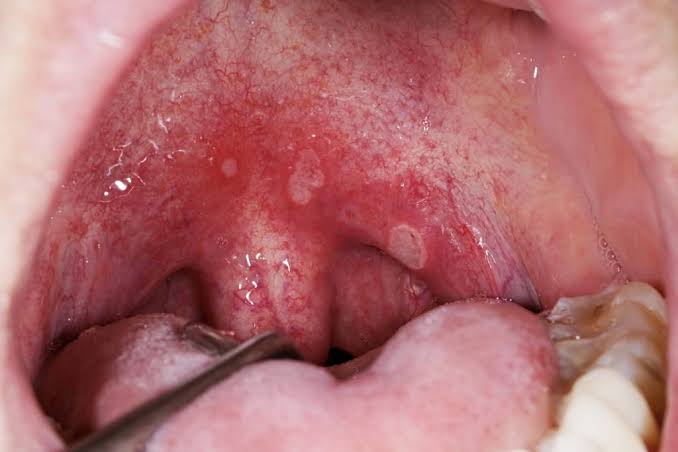
Have you ever taken a bite of hot pizza or crunchy chips, only to feel a sharp sting hours later? It is an incredibly frustrating and painful experience that can make eating, drinking, and even speaking difficult. If you are currently thinking, “I have a sore in the roof of my mouth,” you are not alone, and there are proven ways to manage the pain and speed up healing.
The roof of your mouth, known medically as the palate, is sensitive tissue. When it becomes irritated, injured, or infected, it can disrupt your daily life. This guide will walk you through why this happens, how to treat it at home, and when you need professional medical attention. We will break down complex medical information into simple, actionable steps so you can find relief quickly.
Why Does the Roof of My Mouth Hurt?
Understanding the root cause is the first step toward effective treatment. The palate is divided into two parts: the hard palate (the bony front section) and the soft palate (the muscular back section). Sores can appear on either, but the causes often differ slightly.
1. Thermal Burns (Pizza Palate)
This is the most common culprit. The tissue on the roof of your mouth is delicate. Consuming food or drinks that are too hot—typically above 140°F (60°C)—can cause first-degree or second-degree burns.
- Symptoms: Redness, blistering, peeling skin, and a raw, tender sensation.
- Healing Time: Usually 3–7 days.
2. Physical Trauma
Hard foods like tortilla chips, crusty bread, or candy can scratch or puncture the palate. Even aggressive brushing or dental appliances can cause abrasions.
- Symptoms: A distinct cut or scrape, minor bleeding, and localized pain.
3. Canker Sores (Aphthous Ulcers)
These are small, shallow lesions that develop on the soft tissues in your mouth or at the base of your gums. Unlike cold sores, they don’t occur on the surface of your lips and aren’t contagious.
- Symptoms: Round or oval sores with a white or yellow center and a red border. They can be quite painful.
- Triggers: Stress, minor injury, acidic foods, or vitamin deficiencies.
4. Oral Thrush (Candidiasis)
This is a fungal infection caused by an overgrowth of Candida yeast. It is more common in infants, the elderly, and those with weakened immune systems.
- Symptoms: Creamy white lesions on the tongue or inner cheeks, which can spread to the roof of the mouth. Bleeding may occur if scraped.
5. Viral Infections
Viruses like Herpes Simplex (cold sores) or Hand, Foot, and Mouth Disease can cause blisters and sores on the palate.
- Symptoms: Clusters of small blisters that burst and form ulcers, often accompanied by fever or fatigue.
Immediate Home Remedies for Pain Relief
When you realize, “I have a sore in the roof of my mouth,” your immediate goal is to reduce inflammation and prevent infection. Here are evidence-based home remedies that are safe and effective.
Salt Water Rinse
Salt water is a natural disinfectant that helps reduce swelling and cleans the sore.
- Mix 1/2 teaspoon of salt into 8 ounces (240 ml) of warm water.
- Swish the solution gently around your mouth for 15–30 seconds.
- Spit it out. Do not swallow.
- Repeat 2–3 times a day.
Honey Application
Honey has natural antibacterial and anti-inflammatory properties. Manuka honey, in particular, is renowned for its healing capabilities.
- Apply a small dab of honey directly to the sore.
- Let it sit for a few minutes before swallowing or rinsing.
- Note: Do not give honey to children under 1 year old.
Cold Compresses
If the sore is due to a burn, cold can numb the area and reduce inflammation.
- Suck on ice chips or popsicles.
- Avoid very acidic flavors (like lemon) which may sting.
Over-the-Counter Gels
Products containing benzocaine or lidocaine can provide temporary numbing relief. Look for gels specifically designed for oral use. Always follow the package instructions regarding dosage and frequency.
What to Eat and What to Avoid
Your diet plays a crucial role in the healing process. Certain foods can irritate the sore, delaying recovery, while others can soothe it.
| Foods to Eat (Soothing) | Foods to Avoid (Irritating) |
|---|---|
| Yogurt and smoothies | Spicy foods (chili, hot sauce) |
| Mashed potatoes | Acidic fruits (citrus, tomatoes) |
| Cool soups (not hot) | Salty snacks (chips, pretzels) |
| Applesauce | Crunchy/hard foods (nuts, toast) |
| Pudding or gelatin | Very hot beverages |
Pro Tip: Let your food cool to room temperature or below before eating. Aim for a temperature between 68–72°F (20–22°C) to avoid re-injuring the tissue.
When Should You See a Doctor?
While most mouth sores heal on their own within a week or two, some signs indicate a more serious underlying issue. According to general medical guidelines, you should consult a healthcare provider if:
- The sore persists for more than two weeks without improvement.
- You have difficulty swallowing, breathing, or opening your mouth.
- You experience a high fever (above 100.4°F or 38°C).
- The sore is unusually large or spreads rapidly.
- You notice white patches that cannot be wiped away (potential sign of oral lichen planus or other conditions).
For more detailed information on oral conditions, you can refer to trusted resources like Wikipedia’s page on Mouth Ulcers to understand the broader medical context, though always prioritize professional medical advice for diagnosis.
Prevention Tips for a Healthy Palate
Preventing future sores is easier than treating them. Here are some habits to adopt:
- Test Food Temperature: Before taking a big bite, touch the food to your lip or take a tiny test bite.
- Chew Carefully: Be mindful when eating hard or sharp foods. Chew slowly to avoid accidental scratches.
- Maintain Oral Hygiene: Brush twice a day with a soft-bristled toothbrush and floss daily. This reduces bacteria that can infect minor cuts.
- Stay Hydrated: A dry mouth is more prone to irritation. Drink plenty of water throughout the day.
- Manage Stress: High stress levels can weaken your immune system, making you more susceptible to canker sores. Practice relaxation techniques like deep breathing or meditation.
FAQ Section
1. How long does it take for a burned roof of the mouth to heal?
Most minor thermal burns on the palate heal within 3 to 7 days. The mouth has a rich blood supply, which promotes rapid healing. However, deeper burns may take up to two weeks. Keep the area clean and avoid irritants to speed up the process.
2. Can stress cause sores on the roof of my mouth?
Yes, stress is a known trigger for canker sores (aphthous ulcers). While stress doesn’t directly burn the tissue, it can weaken your immune response, making your mouth more vulnerable to minor injuries and infections. Managing stress can help reduce the frequency of these outbreaks.
3. Is a sore on the roof of my mouth contagious?
It depends on the cause. Canker sores and burns are not contagious. However, if the sore is caused by a viral infection like herpes simplex (cold sores) or hand, foot, and mouth disease, it is contagious. Avoid sharing utensils, cups, or kissing until the sore has completely healed if you suspect a viral cause.
4. Why does my sore hurt more when I eat acidic foods?
Acidic foods (like oranges, pineapples, or tomato sauce) lower the pH level in your mouth. This acidity irritates the exposed nerve endings in the open sore, causing a sharp stinging sensation. It also slows down the healing process by inflaming the tissue further. Stick to neutral-pH foods during recovery.
5. Can vitamin deficiencies cause mouth sores?
Yes. Deficiencies in Vitamin B12, Iron, Folate, and Zinc are linked to recurrent canker sores. If you frequently get sores without an obvious cause like burning or trauma, consider discussing a blood test with your doctor to check your nutrient levels.
6. Should I pop a blister on the roof of my mouth?
No, never pop a blister. Popping it exposes the raw tissue underneath to bacteria, increasing the risk of infection and prolonging healing time. Let the blister burst naturally or reabsorb into the body. If it is painful, use a saltwater rinse to keep it clean.
Conclusion
Dealing with the thought, “I have a sore in the roof of my mouth,” is uncomfortable, but it is rarely a cause for panic. Most cases are the result of minor burns, physical trauma, or common canker sores that resolve with simple home care. By using saltwater rinses, avoiding irritating foods, and keeping your mouth clean, you can significantly reduce pain and speed up healing.
Remember, patience is key. Your mouth is one of the fastest-healing parts of your body, but it needs a little help from you. If symptoms persist beyond two weeks or worsen, do not hesitate to seek professional medical advice.
Found this guide helpful? Share it with friends and family on social media so they can also find quick relief from mouth sores. Your next meal doesn’t have to be painful!
Leave a Reply