Have you ever run your tongue over the roof of your mouth and felt a strange, painful bump? It’s an unsettling sensation that immediately makes you wonder if something is seriously wrong. You are not alone in this concern; many people ask, “Can you get pimples on the roof of your mouth?” while worrying about infection or poor hygiene.
The short answer is no, not in the traditional sense. True acne vulgaris (pimples) requires hair follicles and sebaceous glands, which are not present on the mucous membranes inside your mouth. However, various other conditions can mimic the appearance and sensation of a pimple. Understanding the difference is crucial for proper treatment and peace of mind. In this guide, we will explore what these bumps actually are, why they appear, and how to treat them effectively.
What Are Those Bumps on the Roof of Your Mouth?
When you feel a raised, tender spot on your palate, it is easy to assume it is a pimple. However, the anatomy of your mouth tells a different story. The roof of your mouth is lined with mucous membrane, not skin. Therefore, it lacks the pores necessary for typical acne formation.
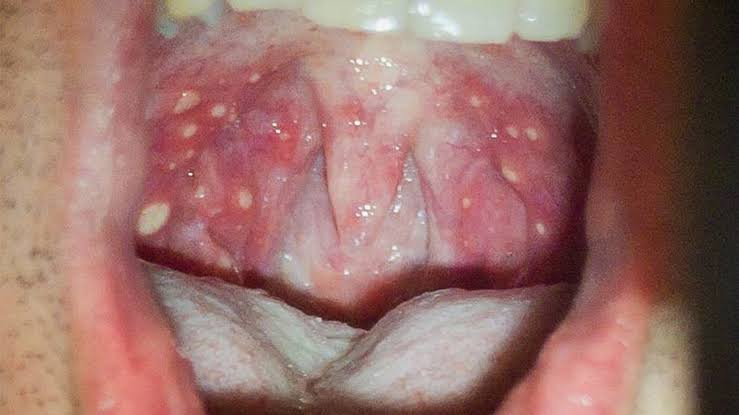
Instead, these bumps are usually inflammatory responses to irritation, infection, or trauma. Common culprits include:
- Canker Sores (Aphthous Ulcers): Small, shallow lesions that develop on the soft tissues in your mouth or at the base of your gums.
- Mucoceles: Fluid-filled cysts caused by blocked salivary glands.
- Oral Thrush: A fungal infection that can cause white patches and bumps.
- Trauma: Burns from hot food or scratches from crunchy snacks like chips.
According to dental health experts, distinguishing between these conditions is the first step toward relief. While a pimple on your face might require benzoyl peroxide, a bump on your palate needs a completely different approach.
Why Do I Have a Pimple-Like Bump on My Palate?
If it’s not a pimple, what causes these annoying protrusions? Several factors contribute to their development. Identifying the root cause helps prevent recurrence.
1. Physical Trauma and Burns
The most common cause is simple physical injury. Eating pizza straight out of the oven or biting into a sharp tortilla chip can damage the delicate tissue of the hard palate. This trauma triggers an inflammatory response, resulting in swelling that feels like a pimple.
2. Viral Infections
Viruses such as Herpes Simplex Virus (HSV-1) can cause cold sores. While typically found on the lips, they can occasionally appear on the hard palate. These often start as tingling sensations before developing into fluid-filled blisters that eventually burst and crust over.
3. Allergic Reactions
Food sensitivities or allergic reactions to oral care products (like toothpaste containing sodium lauryl sulfate) can lead to localized swelling. This is often accompanied by itching or redness in surrounding areas.
4. Nutritional Deficiencies
A lack of essential vitamins, particularly Vitamin B12, iron, and folate, can weaken the oral mucosa. This makes the tissue more susceptible to ulcers and bumps. A study published in the Journal of Clinical and Diagnostic Research highlights the correlation between recurrent aphthous stomatitis and nutritional deficits.
Is It Dangerous? Signs You Should See a Doctor
Most bumps on the roof of the mouth are benign and resolve on their own within a week or two. However, some symptoms warrant professional medical attention. Ignoring persistent issues can lead to complications or indicate underlying health problems.
Use this checklist to determine if you need a dentist or doctor:
| Symptom | Action Required |
|---|---|
| Duration > 2 Weeks | Schedule an appointment. Persistent sores may indicate oral cancer or chronic infection. |
| Severe Pain | Seek immediate care if pain prevents eating or drinking. |
| Fever | Visit a doctor if accompanied by high temperature, suggesting systemic infection. |
| Rapid Growth | Get evaluated if the bump grows quickly or changes color dramatically. |
| Difficulty Swallowing | Emergency care may be needed if airway or swallowing is compromised. |
It is always better to err on the side of caution. For more detailed information on oral lesions, you can refer to resources like Wikipedia’s page on Oral Medicine to understand the broader medical context.
How to Treat Bumps on the Roof of Your Mouth at Home
If your bump is minor and likely caused by trauma or a mild canker sore, home remedies can provide significant relief. Here is a step-by-step guide to speeding up healing.
Step 1: Salt Water Rinse
Salt water is a natural disinfectant that reduces inflammation and cleans the area.
- Mix 1 teaspoon of salt into 8 ounces (240 ml) of warm water.
- Swish the solution gently around your mouth for 30 seconds.
- Spit it out. Do not swallow.
- Repeat this process 3–4 times a day, especially after meals.
Step 2: Apply Honey
Manuka honey or raw honey has antibacterial and anti-inflammatory properties.
- Dry the area gently with a clean tissue.
- Dab a small amount of honey directly onto the bump using a cotton swab.
- Leave it for 15–20 minutes before rinsing lightly.
- Repeat twice daily.
Step 3: Avoid Irritants
While healing, avoid foods that are:
- Spicy (chili, hot sauce)
- Acidic (citrus fruits, tomatoes)
- Crunchy (nuts, chips)
- Extremely hot (temperature-wise)
Stick to soft, cool foods like yogurt, smoothies, and mashed potatoes to minimize friction.
Step 4: Over-the-Counter Gels
Pharmacy-grade oral gels containing benzocaine can numb the area temporarily. Follow the package instructions carefully. These do not heal the bump but provide pain relief to help you eat and sleep comfortably.
Prevention: Keeping Your Oral Mucosa Healthy
Preventing future bumps involves maintaining good oral hygiene and making mindful lifestyle choices.
- Brush Gently: Use a soft-bristled toothbrush to avoid scratching the palate.
- Stay Hydrated: Dry mouth increases the risk of irritation and infection. Aim for 2 liters of water daily.
- Check Your Toothpaste: If you get frequent sores, switch to a toothpaste free of sodium lauryl sulfate (SLS).
- Manage Stress: High stress levels are linked to canker sores. Practice relaxation techniques like deep breathing or meditation.
- Balanced Diet: Ensure you are getting enough Vitamins B12, C, and Iron through leafy greens, lean meats, and fortified cereals.
FAQ Section
1. Can stress cause bumps on the roof of my mouth?
Yes, stress is a known trigger for canker sores and cold sores. When you are stressed, your immune system weakens, making your body less effective at fighting off minor viral infections or healing small traumas in the mouth.
2. How long does it take for a mouth bump to heal?
Most minor traumatic bumps or canker sores heal within 7 to 14 days. If the bump persists beyond two weeks without signs of improvement, it is essential to consult a healthcare provider to rule out more serious conditions.
3. Can I pop a bump on the roof of my mouth?
No, never attempt to pop a bump in your mouth. Doing so can introduce bacteria, leading to a secondary infection. It can also cause excessive bleeding and delay healing. Let the body heal naturally or seek professional drainage if necessary.
4. Is a bump on the roof of my mouth contagious?
It depends on the cause. Canker sores and trauma-induced bumps are not contagious. However, if the bump is caused by the herpes virus (cold sore) or oral thrush (fungus), it can be spread to others through sharing utensils, kissing, or close contact.
5. What foods should I avoid if I have a mouth sore?
Avoid acidic foods (like oranges and lemons), spicy dishes, salty snacks, and very hot beverages. These can irritate the open sore, increase pain, and prolong the healing process. Stick to bland, soft, and cool foods.
Conclusion
So, can you get pimples on the roof of your mouth? Technically, no. But you can certainly get bumps that look and feel like them. Whether it’s a minor burn from hot coffee, a canker sore triggered by stress, or a mucocele from a blocked gland, most cases are harmless and self-limiting.
By understanding the true nature of these oral irritations, you can treat them effectively with simple home remedies like salt water rinses and honey. Remember to monitor the duration and severity of the bump. If it doesn’t heal within two weeks or causes severe discomfort, professional evaluation is key.
Take care of your oral health, stay hydrated, and manage stress to keep your smile healthy. If you found this guide helpful, please share it with friends who might be dealing with the same mystery bump!
Leave a Reply