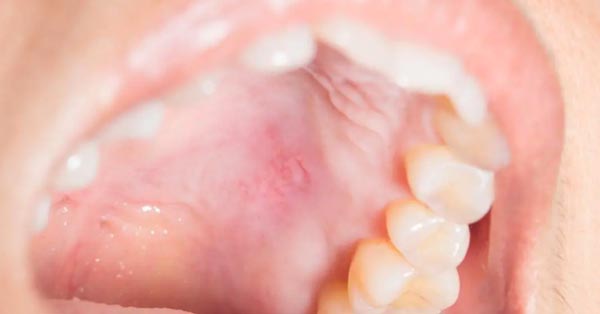
Finding a strange lump or swelling on the hard palate can be an unsettling experience. You might find yourself touching it repeatedly, wondering if it is something serious or just a minor irritation. If you are thinking, “I have a bump in the roof of my mouth,” you are not alone; this is a very common complaint that ranges from harmless burns to conditions requiring medical attention.
In this guide, we will explore the most likely causes, effective home remedies, and clear signs that indicate you need to see a healthcare professional. Our goal is to provide you with accurate, empathetic, and actionable information to ease your mind and help you heal.
Why Did This Bump Appear Suddenly?
The roof of your mouth, known medically as the palate, is sensitive tissue. It is divided into two parts: the hard palate at the front (covered by bone) and the soft palate at the back. Because this area is directly exposed to food, drinks, and bacteria, it is prone to various irritations.
When you notice a bump, it is usually your body’s immune response to injury, infection, or blockage. Understanding the context of how it appeared is the first step in identifying the cause. Did you eat something hot recently? Have you been under high stress? Or did it appear without any obvious trigger?
According to general dental health data, minor oral lesions are among the top reasons for unscheduled dental visits. However, the majority of these cases are benign and resolve on their own within a week or two.
Common Causes of Palatal Bumps
To determine the right course of action, we must look at the specific characteristics of the bump. Here are the most frequent culprits.
1. Thermal Burns (Pizza Palate)
This is arguably the most common cause. The tissue on the roof of your mouth is delicate. Consuming food or beverages that are too hot—such as melted cheese, coffee, or soup—can scald the tissue.
- Symptoms: A blister-like bump, redness, and tenderness.
- Healing Time: Typically 3–7 days.
- Action: Avoid hot foods until healed.
2. Canker Sores (Aphthous Ulcers)
While canker sores often appear on the inside of cheeks or gums, they can also develop on the soft palate. These are small, shallow lesions that can be quite painful.
- Triggers: Stress, minor injury from brushing, acidic foods, or vitamin deficiencies.
- Appearance: White or yellow center with a red border.
3. Mucoceles
A mucocele is a fluid-filled cyst that forms when a salivary gland duct becomes blocked or damaged. While more common on the lower lip, they can occur on the palate.
- Appearance: A smooth, raised, bluish or clear bump.
- Nature: Usually painless unless irritated by chewing.
4. Oral Thrush (Candidiasis)
This is a fungal infection caused by an overgrowth of Candida yeast. It is more common in infants, the elderly, or individuals with weakened immune systems.
- Symptoms: Creamy white lesions that may bleed slightly when scraped.
- Risk Factors: Antibiotic use, diabetes, or wearing dentures.
5. Torus Palatinus
If the bump is hard, bony, and has been there for a long time without changing, it might be a torus palatinus. This is a benign bony growth on the midline of the hard palate.
- Nature: It is not a disease but a genetic anatomical variation.
- Action: No treatment is needed unless it interferes with denture fitting.
When Should You Worry? Red Flags to Watch For
Most bumps are harmless, but some symptoms require immediate professional evaluation. Use this checklist to assess your situation:
| Symptom | Potential Concern | Action Required |
|---|---|---|
| Persists > 2 Weeks | Chronic infection or other pathology | See a dentist/doctor |
| Rapid Growth | Tumor or aggressive cyst | Immediate evaluation |
| Bleeding | Trauma or vascular issue | Professional exam |
| Difficulty Swallowing | Obstruction or severe swelling | Urgent care |
| Fever Present | Systemic infection | Medical attention |
If you experience any of the above, do not rely solely on home remedies. Early diagnosis is key to effective treatment. For more detailed information on oral diseases, you can refer to resources like Wikipedia’s page on Oral Medicine to understand the broader medical context.
Effective Home Remedies for Relief
If your bump is due to a minor burn, canker sore, or mild irritation, you can manage the discomfort at home. Here is a step-by-step approach to soothing your palate.
Step 1: Salt Water Rinse
Salt water is a natural disinfectant and helps reduce inflammation.
- Mix 1 teaspoon of salt into 1 cup (240 ml) of warm water.
- Swish the solution gently around your mouth for 30 seconds.
- Spit it out. Do not swallow.
- Repeat this 3–4 times a day, especially after meals.
Step 2: Cold Compress or Ice Chips
Cold helps numb the pain and reduce swelling.
- Suck on small ice chips or popsicles.
- Avoid direct contact with extreme cold for prolonged periods to prevent further tissue damage.
Step 3: Dietary Adjustments
What you eat plays a crucial role in healing.
- Avoid: Spicy, acidic (citrus, tomato), crunchy, or very hot foods.
- Choose: Soft, cool foods like yogurt, smoothies, mashed potatoes, and lukewarm soups.
Step 4: Over-the-Counter Gels
Pharmacies offer oral gels containing benzocaine or hydrogen peroxide. These can provide temporary pain relief and create a protective barrier over the sore. Always follow the package instructions carefully.
Prevention Tips for Future Oral Health
Preventing future bumps involves maintaining good oral hygiene and being mindful of your habits.
- Test Food Temperature: Always let hot beverages and foods cool for a few minutes before consuming.
- Gentle Brushing: Use a soft-bristled toothbrush to avoid scratching the palate.
- Stay Hydrated: Dry mouth increases the risk of irritation and infection. Aim for at least 2 liters of water daily.
- Manage Stress: High stress levels can trigger canker sores. Practice relaxation techniques like deep breathing or meditation.
- Regular Dental Checkups: Visit your dentist every six months for cleanings and exams. They can spot early signs of issues like torus palatinus or oral thrush.
FAQ: Common Questions About Mouth Bumps
1. How long does it take for a bump on the roof of the mouth to heal?
Most minor bumps, such as those from burns or canker sores, heal within 7 to 14 days. If the bump persists longer than two weeks, it is essential to consult a healthcare provider to rule out more serious conditions.
2. Can a bump on the roof of my mouth be cancer?
While oral cancer can present as a lump, it is relatively rare compared to benign causes like burns or cysts. However, any lump that does not heal, grows larger, or bleeds easily should be evaluated by a professional immediately. Early detection significantly improves outcomes.
3. Is it safe to pop a bump on the roof of my mouth?
No, never pop a bump. Popping can introduce bacteria, leading to infection, and may cause excessive bleeding. If it is a mucocele or abscess, it requires professional drainage under sterile conditions.
4. What does a bump from an allergic reaction look like?
Allergic reactions (oral allergy syndrome) often cause itching, tingling, or slight swelling rather than a distinct single bump. However, hives can occasionally form on the palate. If you suspect an allergy, identify and avoid the trigger food and consider an antihistamine if recommended by your doctor.
5. Can stress cause bumps in the mouth?
Yes, stress is a known trigger for canker sores and can weaken the immune system, making you more susceptible to infections like oral thrush. Managing stress is an important part of maintaining oral health.
Conclusion
Discovering that “I have a bump in the roof of my mouth“ can be alarming, but in most cases, it is a temporary and benign issue. Whether it is a simple pizza burn, a canker sore, or a blocked salivary gland, most conditions resolve with proper care and time.
Remember to monitor the bump for changes. If it persists beyond two weeks, grows rapidly, or is accompanied by other severe symptoms, seek professional medical advice. By maintaining good oral hygiene and being mindful of what you consume, you can protect your palate and keep your smile healthy.
Found this guide helpful? Share it with friends and family on social media to help them navigate their oral health concerns with confidence. Stay healthy!
Leave a Reply