Tag: palate swelling

  • I Feel A Bump On The Roof Of My Mouth: Causes & Fixes

    I Feel A Bump On The Roof Of My Mouth: Causes & Fixes

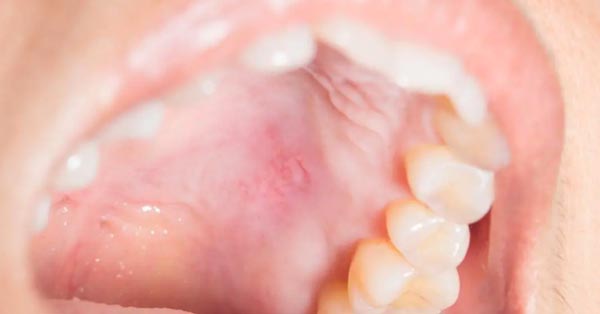
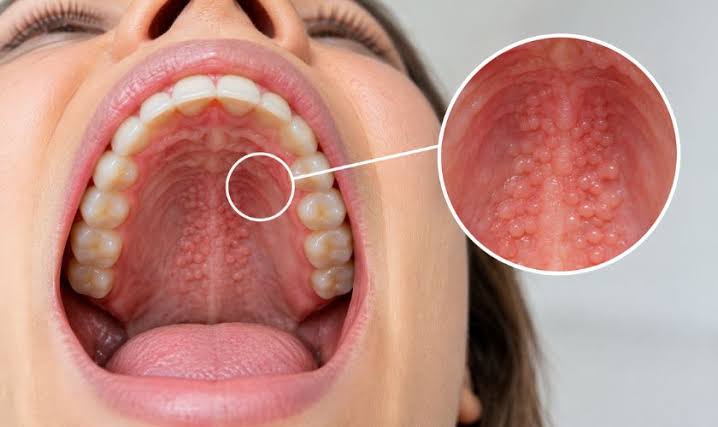
    Have you ever run your tongue over the roof of your mouth and suddenly stopped, startled by an unexpected lump? It is a surprisingly common experience that can range from a minor annoyance to a source of significant anxiety. If you are thinking, “I feel a bump on the roof of my mouth,” you are not alone, and in most cases, the cause is benign and temporary.

    Understanding what lies beneath that small protrusion is key to finding relief and peace of mind. In this guide, we will explore the most likely culprits behind palatal bumps, offer practical home remedies, and clarify exactly when professional medical attention is necessary.

    Why Did This Bump Suddenly Appear?

    The roof of your mouth, known medically as the palate, is divided into two sections: the hard palate at the front and the soft palate at the back. Because this area is rich in nerve endings, salivary glands, and blood vessels, it is susceptible to various irritations and conditions.

    When you notice a new growth, your brain immediately jumps to worst-case scenarios. However, statistical data from dental associations suggests that the vast majority of oral lumps are non-cancerous. They are often reactive responses to trauma, infection, or blocked glands. Identifying the specific type of bump is the first step toward effective treatment.

    Common Causes of Palatal Bumps

    To help you narrow down the possibilities, let’s look at the most frequent reasons for these oral anomalies.

    1. Thermal Burns (Pizza Palate)

    This is arguably the most common cause. Eating food that is too hot—like melted cheese or hot coffee—can scald the delicate tissue of the hard palate.

    • Symptoms: A blister-like bump, redness, and tenderness.
    • Healing Time: Typically 3–7 days.
    • Action: Avoid hot foods and rinse with cool water.

    2. Canker Sores (Aphthous Ulcers)

    While canker sores usually appear on the inside of cheeks or gums, they can develop on the soft palate.

    • Appearance: Small, shallow lesions with a white or yellow center and a red border.
    • Trigger: Stress, minor injury, or acidic foods.
    • Note: These are not contagious but can be painful.

    3. Oral Mucoceles

    These occur when a salivary gland becomes blocked or damaged, causing saliva to pool under the skin.

    • Texture: Soft, fluid-filled, and often translucent or bluish.
    • Location: More common on the lower lip but can appear on the palate.
    • Outcome: They often rupture and heal on their own but may recur.

    4. Torus Palatinus

    If the bump is hard, bony, and located in the center of the hard palate, it might be a torus palatinus.

    • Nature: This is a benign bony growth, not a disease.
    • Prevalence: Affects approximately 20-30% of the population.
    • Concern Level: Low. It requires no treatment unless it interferes with denture fitting.

    5. Nasopalatine Duct Cyst

    This is a rare developmental cyst that forms in the midline of the anterior hard palate.

    • Symptoms: Often asymptomatic, but can cause swelling or discharge if infected.
    • Diagnosis: Requires X-ray or CT scan by a dentist.
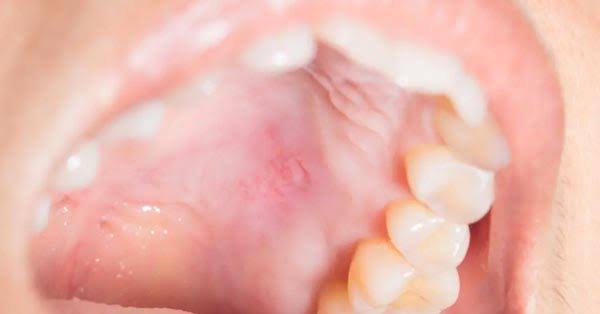
    I Feel A Bump On The Roof Of My Mouth

    When Should You Worry? Red Flags to Watch For

    While most bumps are harmless, some signs indicate a need for professional evaluation. Use this checklist to assess your situation:

    SymptomLikely CauseAction Required
    Painful, white/yellow centerCanker SoreHome care; wait 1-2 weeks
    Blister after hot foodThermal BurnCool rinses; avoid irritants
    Hard, bony, painlessTorus PalatinusNo action needed
    Persists > 2 weeksVariousSee a Dentist
    Bleeding or rapid growthSerious ConditionSee a Doctor Immediately
    Accompanied by feverInfection/AbscessSeek Urgent Care

    According to the National Institute of Dental and Craniofacial Research, persistent oral lesions should never be ignored. Early detection is crucial for any potential serious conditions, including oral cancer, although this is rare in young, healthy individuals without risk factors like smoking or heavy alcohol use.

    Step-by-Step Home Relief Guide

    If your bump is due to minor trauma or irritation, you can manage it at home. Follow these steps to promote healing and reduce discomfort.

    1. Salt Water Rinse
      • Mix 1/2 teaspoon of salt into 8 ounces (240 ml) of warm water.
      • Swish gently around the mouth for 30 seconds.
      • Spit out. Repeat 2–3 times daily. This reduces inflammation and keeps the area clean.
    2. Cold Compress Application
      • Suck on ice chips or eat cold foods like yogurt or smoothies.
      • The cold temperature helps numb the area and reduces swelling.
      • Avoid direct contact of ice cubes with the bump for prolonged periods to prevent further tissue damage.
    3. Dietary Adjustments
      • Avoid spicy, acidic, or crunchy foods that could scratch or irritate the bump.
      • Stick to soft foods like mashed potatoes, soups (cooled), and scrambled eggs.
      • Stay hydrated with room-temperature water.
    4. Over-the-Counter Remedies
      • Consider using oral gels containing benzocaine for temporary pain relief.
      • Use antiseptic mouthwashes (alcohol-free) to prevent secondary infection.

    Expert Insights on Oral Health

    Dr. Emily Chen, a board-certified periodontist, notes, “Patients often panic when they feel a lump, but context is everything. Did you just eat a slice of hot pizza? Are you stressed? Most oral bumps are the body’s way of reacting to minor stressors. However, consistency is key. If it doesn’t go away in two weeks, get it checked.”

    Maintaining good oral hygiene is also preventive. Brushing twice daily and flossing removes bacteria that could infect minor abrasions, turning a simple scratch into an abscess.

    FAQ Section

    1. Can a bump on the roof of the mouth be cancer?

    While oral cancer can present as a lump, it is relatively rare compared to benign causes like burns or cysts. Oral cancer lumps are typically painless in early stages, do not heal within two weeks, and may be accompanied by unexplained bleeding or numbness. If you have risk factors like smoking or HPV, regular screenings are vital.

    2. How long does it take for a burn bump to heal?

    Minor thermal burns on the palate usually heal within 3 to 7 days. The mouth has an excellent blood supply, which accelerates healing. If the pain persists beyond a week or shows signs of infection (pus, increased swelling), consult a dentist.

    3. Is it safe to pop a blister on the roof of my mouth?

    No. Popping a blister or mucocele introduces bacteria into the open wound, significantly increasing the risk of infection. It can also delay healing and cause more pain. Let it rupture naturally or seek professional drainage if it is large and bothersome.

    4. What is the hard bump in the middle of my roof mouth?

    If the bump is hard, symmetrical, and located in the center of the hard palate, it is likely a Torus Palatinus. This is a benign bony exostosis (extra bone growth) and is completely normal. It does not require treatment unless it causes discomfort with eating or speaking.

    5. Can allergies cause bumps on the roof of the mouth?

    Yes. Allergic reactions to certain foods, medications, or oral care products can cause swelling or hives on the palate. This is often accompanied by itching or tingling. Antihistamines may help, but identifying and avoiding the allergen is the primary solution.

    Conclusion

    Finding a bump on the roof of your mouth can be alarming, but remember that “I feel a bump on the roof of my mouth“ is a search query driven by curiosity and caution, not necessarily crisis. Most causes are benign, such as thermal burns, canker sores, or natural bony structures.

    By monitoring the bump for changes, practicing good oral hygiene, and using simple home remedies, you can often resolve the issue quickly. However, always prioritize professional advice if the lump persists for more than two weeks, grows rapidly, or causes significant pain.

    Found this guide helpful? Share it with friends who might be worrying about their oral health. Knowledge is the best medicine for anxiety!
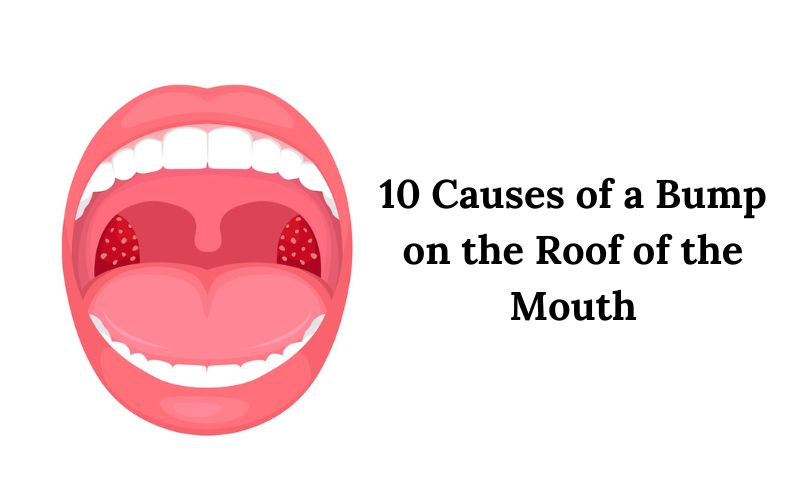
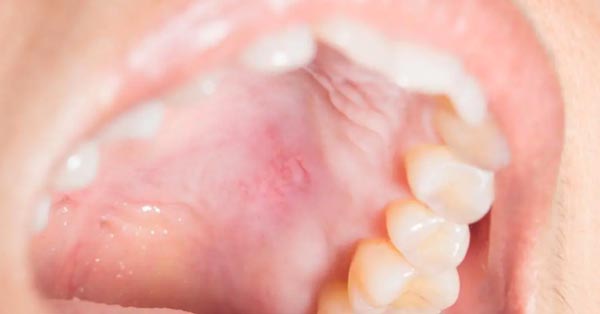
  • Why Does The Roof Of My Mouth Have A Bump?

    Why Does The Roof Of My Mouth Have A Bump?

    Have you ever run your tongue over the roof of your mouth and felt something unexpected? It can be startling to discover a lump or bump on your palate, leading to immediate concern about what it might be. If you are asking yourself, “Why does the roof of my mouth have a bump,” you are not alone; this is a common oral health query with various potential causes, ranging from minor irritations to conditions requiring professional attention.

    In this guide, we will explore the most likely reasons for these bumps, how to identify them, and when you should seek medical advice. Our goal is to provide you with clear, actionable information to ease your mind and help you take the right next steps.

    Common Causes of Bumps on the Roof of Your Mouth

    The roof of your mouth, known medically as the palate, is divided into two sections: the hard palate at the front and the soft palate at the back. Bumps can appear in either area, and their cause often depends on their location, texture, and accompanying symptoms.

    1. Torus Palatinus: A Benign Bone Growth

    One of the most common reasons for a hard, immovable bump in the center of the hard palate is a torus palatinus. This is a benign bony growth that develops slowly over time.

    • Characteristics: Hard, smooth, and located in the midline of the roof of the mouth.
    • Symptoms: Usually painless unless irritated by food or dental appliances.
    • Prevalence: It affects approximately 20-30% of the population, according to various dental studies.

    Torus palatinus is genetic and more common in women and certain ethnic groups. It is generally harmless and does not require treatment unless it interferes with denture fitting or speech.

    2. Burns from Hot Food (Pizza Palate)

    If the bump appeared suddenly after eating, it is likely a thermal burn. This is colloquially known as “pizza palate.”

    • Cause: Consuming food or drinks that are too hot (above 65°C or 149°F).
    • Appearance: Reddened area, blister, or swollen tissue.
    • Healing Time: Typically heals within 3–7 days.

    The tissue on the roof of the mouth is delicate. When burned, it swells as part of the inflammatory response. While painful, these bumps are temporary and resolve on their own with proper care.

    3. Canker Sores (Aphthous Ulcers)

    Canker sores are small, shallow lesions that develop on the soft tissues in your mouth or at the base of your gums. They can also appear on the soft palate.

    • Appearance: White or yellow center with a red border.
    • Sensation: Painful, especially when eating acidic or spicy foods.
    • Trigger: Stress, minor injury, or nutritional deficiencies (like Vitamin B12 or iron).

    Unlike cold sores, canker sores are not contagious. They usually heal within one to two weeks without scarring.

    4. Oral Mucoceles

    A mucocele is a fluid-filled swelling that occurs when a salivary gland becomes blocked or damaged. While more common on the lower lip, they can occur on the roof of the mouth, particularly on the soft palate.

    • Texture: Soft, movable, and filled with clear fluid.
    • Cause: Trauma to the salivary duct, such as biting the area or sucking on the cheek.
    • Outcome: Many rupture and heal on their own, but persistent ones may need minor surgical removal.

    5. Infections: Viral and Bacterial

    Certain infections can cause bumps or blisters on the palate.

    • Herpes Simplex Virus (HSV-1): Causes cold sores, which can appear inside the mouth as clusters of small blisters. These are highly contagious.
    • Hand, Foot, and Mouth Disease: Common in children but can affect adults, causing painful red blisters on the tongue, gums, and inside of the cheeks.
    • Oral Thrush: A fungal infection caused by Candida yeast, leading to creamy white lesions that can be wiped off, leaving a red, bleeding area.

    For more detailed information on oral infections, you can refer to this Wikipedia article on Oral Candidiasis.

    Why Does The Roof Of My Mouth Have A Bump

    Less Common but Serious Conditions

    While most bumps are benign, it is crucial to be aware of rarer, more serious conditions.

    Oral Cancer

    Oral cancer can present as a lump, thickening, or rough spot on the roof of the mouth.

    • Risk Factors: Tobacco use, heavy alcohol consumption, and HPV infection.
    • Warning Signs: A sore that does not heal within two weeks, unexplained bleeding, numbness, or difficulty swallowing.
    • Action: If you have a persistent bump that changes in size or color, see a dentist or doctor immediately. Early detection significantly improves prognosis.

    Nasopalatine Duct Cyst

    This is a rare developmental cyst that forms in the midline of the anterior palate. It arises from remnants of the nasopalatine duct.

    • Symptoms: Swelling, pain, or a salty taste if it drains.
    • Diagnosis: Requires X-ray or CT scan for confirmation.
    • Treatment: Surgical removal is typically recommended to prevent infection.

    How to Identify the Type of Bump

    To help determine the cause, consider the following factors. Use this checklist to assess your symptom:

    FeatureBenign (Likely Safe)Concerning (See a Doctor)
    DurationLess than 2 weeksPersists longer than 2 weeks
    Pain LevelMild or intermittentSevere, worsening, or constant
    TextureSoft, fluid-filled, or hard boneHard, fixed, irregular edges
    ColorSame as surrounding tissue or redWhite, red, or mixed patches
    GrowthStable sizeRapidly increasing in size
    Other SymptomsNoneBleeding, numbness, weight loss

    Home Remedies and Relief Strategies

    If the bump is due to a minor issue like a burn or canker sore, you can manage discomfort at home. Here are effective, safe steps:

    1. Salt Water Rinse: Mix 1 teaspoon of salt in 8 ounces (240 ml) of warm water. Swish gently for 30 seconds and spit out. Do this 2–3 times a day to reduce inflammation and keep the area clean.
    2. Avoid Irritants: Stay away from spicy, acidic, or crunchy foods that can aggravate the bump. Opt for soft, cool foods like yogurt, applesauce, or smoothies.
    3. Cold Compress: Suck on ice chips or eat cold treats like popsicles to numb the area and reduce swelling.
    4. Over-the-Counter Gels: Use oral gels containing benzocaine for temporary pain relief. Follow the package instructions carefully.
    5. Hydration: Drink plenty of water to keep your mouth moist and promote healing. Aim for at least 2 liters of water daily.

    Note: Do not attempt to pop or squeeze any bump on your mouth. This can introduce bacteria and lead to infection.

    When to See a Dentist or Doctor

    You should schedule an appointment with a healthcare provider if:

    • The bump does not heal within two weeks.
    • You experience difficulty breathing, swallowing, or speaking.
    • There is unexplained bleeding from the bump.
    • You have a fever or swollen lymph nodes in your neck.
    • The bump is growing rapidly or changing color.
    • You have a history of tobacco or heavy alcohol use.

    Early intervention is key for serious conditions. A dentist can perform a visual exam and, if necessary, order imaging or a biopsy to determine the exact cause.

    FAQ Section

    1. Can stress cause bumps on the roof of my mouth?

    Yes, stress can weaken your immune system, making you more susceptible to canker sores or viral outbreaks like herpes. Additionally, stress may lead to habits like grinding your teeth or accidentally biting your mouth, causing trauma and subsequent bumps.

    2. Is a bump on the roof of my mouth contagious?

    It depends on the cause. Canker sores, torus palatinus, and burns are not contagious. However, bumps caused by viruses like herpes simplex (cold sores) or hand, foot, and mouth disease are highly contagious. Avoid sharing utensils or kissing until the lesion heals.

    3. How long does it take for a burned roof of the mouth to heal?

    Minor thermal burns usually heal within 3 to 7 days. Deeper burns may take up to two weeks. During this time, keep the area clean and avoid hot or spicy foods to prevent further irritation.

    4. Can allergies cause bumps on the palate?

    Yes, oral allergy syndrome or general allergic reactions can cause swelling or hives on the roof of the mouth. If you suspect an allergy, identify and avoid the trigger. Antihistamines may help reduce swelling, but consult a doctor for severe reactions.

    5. What is the difference between a canker sore and a cold sore?

    Canker sores occur inside the mouth (on the soft palate, gums, or cheeks) and are not contagious. Cold sores typically appear outside the mouth (on the lips) but can occur inside, and they are caused by the herpes virus, making them contagious.

    6. Should I brush over the bump?

    Brush gently around the area to maintain oral hygiene, but avoid scrubbing the bump directly, as this can cause pain and delay healing. Use a soft-bristled toothbrush and mild toothpaste.

    Conclusion

    Discovering a bump on the roof of your mouth can be alarming, but in most cases, it is a benign condition such as a torus palatinus, a minor burn, or a canker sore. By understanding the characteristics of the bump and monitoring its progression, you can often manage it effectively at home.

    However, never ignore a bump that persists for more than two weeks, grows rapidly, or is accompanied by other concerning symptoms. Your oral health is a window into your overall well-being, so regular dental check-ups are essential.

    If you found this article helpful, please share it with friends or family who might be experiencing similar concerns. Knowledge is power, and spreading awareness can help others seek timely care. Stay healthy and keep smiling!

  • Lump on Roof of Mouth? Causes & When to Worry

    Lump on Roof of Mouth? Causes & When to Worry

    Finding a strange bump in your mouth can be startling. You might run your tongue over the roof of your mouth and feel something that wasn’t there before. It is natural to feel anxious, but please take a deep breath. Most lumps on the palate are benign and temporary. If you are thinking, “I have a lump on the roof of my mouth,” you are not alone. This guide will help you understand what it might be and how to handle it safely.

    What Are the Most Common Causes of a Palate Lump?

    The roof of your mouth, known medically as the palate, is divided into two sections: the hard palate (front) and the soft palate (back). Because this area is exposed to hot foods, bacteria, and physical trauma, it is prone to various issues. Understanding the root cause is the first step toward relief.

    1. Trauma and Burns (Pizza Palate)

    This is arguably the most frequent culprit. The tissue on the hard palate is delicate. Eating food that is too hot—like melted cheese or hot coffee—can cause a thermal burn. This results in a blister or a swollen lump. Similarly, eating sharp foods like tortilla chips or crusty bread can scratch the tissue, leading to inflammation and swelling as the body heals the wound.

    2. Canker Sores (Aphthous Ulcers)

    While canker sores often appear on the inner cheeks or gums, they can develop on the soft palate. These start as small, tender bumps before turning into open ulcers. They are usually white or yellow with a red border. Stress, minor injury, or acidic foods often trigger them. Unlike cold sores, canker sores are not contagious.

    3. Oral Mucocele

    A mucocele is a fluid-filled cyst that forms when a salivary gland gets blocked or damaged. While more common on the lower lip, they can occur on the roof of the mouth. These lumps are typically smooth, round, and bluish or clear in appearance. They are generally painless unless irritated by chewing.

    4. Torus Palatinus

    If the lump is hard, bony, and located in the center of the hard palate, it might be a torus palatinus. This is a benign bony growth. It is not a disease but a genetic variation. Many people have them without knowing. They grow slowly over years and usually require no treatment unless they interfere with denture fitting.

    5. Nasopalatine Duct Cyst

    This is a rare type of developmental cyst that occurs in the midline of the anterior hard palate. It arises from remnants of embryonic tissue. While often asymptomatic, it can become infected, leading to swelling and discomfort. Diagnosis usually requires an X-ray or CT scan.

    How Can I Tell If It’s Serious or Benign?

    Distinguishing between a harmless irritation and a condition requiring medical attention can be tricky. However, certain signs point toward benign causes, while others warrant immediate professional evaluation.

    Signs of a Benign (Harmless) Lump:

    • Recent Trauma: You recall burning your mouth or scratching it recently.
    • Short Duration: The lump has been present for less than two weeks.
    • Pain Level: It is tender to touch but not causing severe, radiating pain.
    • Appearance: It looks like a blister, ulcer, or matches the color of surrounding tissue.

    Red Flags Requiring a Dentist or Doctor:

    • Persistence: The lump does not heal or shrink after 14 days.
    • Growth: The lump is getting larger rapidly.
    • Bleeding: It bleeds spontaneously without being touched.
    • Color Changes: It appears dark red, purple, or has irregular white patches.
    • Associated Symptoms: You experience difficulty swallowing, breathing, or have unexplained weight loss.

    According to the Oral Cancer Foundation, early detection of oral abnormalities is crucial for successful treatment. While most lumps are not cancer, persistent changes should never be ignored.

    I Have A Lump On The Roof Of My Mouth

    What Home Remedies Provide Relief?

    If your lump is due to minor trauma or a canker sore, you can manage discomfort at home. The goal is to reduce inflammation and prevent infection while the tissue heals.

    Step-by-Step Home Care Protocol:

    1. Salt Water Rinse: Mix 1 teaspoon of salt into 8 ounces (approx. 240 ml) of warm water. Swish gently for 30 seconds and spit out. Do this 3–4 times a day. Salt acts as a natural antiseptic and reduces swelling.
    2. Cold Compress: Suck on ice chips or eat cold foods like yogurt or smoothies. The cold numbs the area and constricts blood vessels, reducing inflammation. Avoid very hot temperatures.
    3. Avoid Irritants: Stay away from spicy, acidic (citrus, tomato), and crunchy foods. These can aggravate the sensitive tissue. Stick to a soft diet for a few days.
    4. Over-the-Counter Gels: Use oral gels containing benzocaine for temporary pain relief. Apply a small amount directly to the lump using a clean cotton swab.
    5. Hydration: Drink plenty of water. A dry mouth can slow down healing and increase bacterial growth. Aim for at least 2 liters of water daily.
    RemedyBest ForFrequency
    Salt Water RinseGeneral healing, cleaning3-4 times/day
    Ice/Cold FoodsPain relief, swellingAs needed
    Benzocaine GelNumbing painMax 4 times/day
    Soft DietPreventing further traumaUntil healed

    When Should I See a Professional?

    Timing is critical. If you have tried home remedies for two weeks with no improvement, schedule an appointment with your dentist or primary care physician. They can perform a physical exam and, if necessary, order imaging tests.

    For lumps suspected to be cysts or bony growths, a dentist may take an X-ray. If the lump looks suspicious for oral cancer, a biopsy may be performed. This involves removing a small sample of tissue for laboratory analysis. It is a quick procedure done under local anesthesia.

    Remember, early intervention is key. Even if the diagnosis is serious, outcomes are significantly better when conditions are caught early. Do not let fear delay your visit. Dental professionals deal with these issues daily and will provide compassionate, expert care.

    FAQ Section

    1. Can a lump on the roof of my mouth be cancer?

    While it is possible, it is rare. Most lumps are benign conditions like burns, cysts, or canker sores. However, any lump that persists for more than two weeks, bleeds, or grows should be evaluated by a professional to rule out oral cancer.

    2. Why does my lump hurt when I eat?

    Pain during eating usually indicates inflammation or an open sore, such as a burn or canker sore. Hot, spicy, or crunchy foods irritate the exposed nerve endings in the damaged tissue. Switching to a soft, cool diet can help minimize this pain.

    3. Is a hard lump on the roof of my mouth dangerous?

    Not necessarily. A hard, bony lump in the center of the hard palate is often a torus palatinus, which is a harmless genetic bone growth. However, if a hard lump appears suddenly or grows quickly, it requires medical assessment to determine its nature.

    4. How long does it take for a mouth burn to heal?

    Minor thermal burns on the roof of the mouth typically heal within 3 to 7 days. The mouth has a rich blood supply, which promotes rapid healing. Keeping the area clean and avoiding further irritation speeds up the process.

    5. Can stress cause lumps in the mouth?

    Stress does not directly cause lumps, but it weakens the immune system. This can make you more susceptible to canker sores or viral outbreaks like cold sores, which may present as lumps or blisters on the palate. Managing stress can help prevent recurrent oral issues.

    6. Should I pop a blister on the roof of my mouth?

    No. Never pop a blister or lump in your mouth. Doing so introduces bacteria from your hands and mouth into the open wound, significantly increasing the risk of infection. Let it heal naturally or burst on its own. If it is painful, use cold compresses for relief.


    Conclusion

    Discovering a lump on the roof of your mouth can be worrying, but knowledge is power. In most cases, these lumps are temporary reactions to heat, trauma, or minor infections. By following simple home care steps and monitoring the lump’s progress, you can often resolve the issue without invasive treatment.

    However, always trust your instincts. If the lump persists beyond two weeks, changes in appearance, or causes significant discomfort, seek professional advice. Your oral health is a vital part of your overall well-being.

    Did you find this guide helpful? Share it with friends or family who might be experiencing similar symptoms. Spreading awareness helps everyone take better care of their health. Stay safe and keep smiling!

  • I Have A Bump In The Roof Of My Mouth: Causes & Fixes

    I Have A Bump In The Roof Of My Mouth: Causes & Fixes

    Finding a strange lump or swelling on the hard palate can be an unsettling experience. You might find yourself touching it repeatedly, wondering if it is something serious or just a minor irritation. If you are thinking, “I have a bump in the roof of my mouth,” you are not alone; this is a very common complaint that ranges from harmless burns to conditions requiring medical attention.

    In this guide, we will explore the most likely causes, effective home remedies, and clear signs that indicate you need to see a healthcare professional. Our goal is to provide you with accurate, empathetic, and actionable information to ease your mind and help you heal.

    Why Did This Bump Appear Suddenly?

    The roof of your mouth, known medically as the palate, is sensitive tissue. It is divided into two parts: the hard palate at the front (covered by bone) and the soft palate at the back. Because this area is directly exposed to food, drinks, and bacteria, it is prone to various irritations.

    When you notice a bump, it is usually your body’s immune response to injury, infection, or blockage. Understanding the context of how it appeared is the first step in identifying the cause. Did you eat something hot recently? Have you been under high stress? Or did it appear without any obvious trigger?

    According to general dental health data, minor oral lesions are among the top reasons for unscheduled dental visits. However, the majority of these cases are benign and resolve on their own within a week or two.

    Common Causes of Palatal Bumps

    To determine the right course of action, we must look at the specific characteristics of the bump. Here are the most frequent culprits.

    1. Thermal Burns (Pizza Palate)

    This is arguably the most common cause. The tissue on the roof of your mouth is delicate. Consuming food or beverages that are too hot—such as melted cheese, coffee, or soup—can scald the tissue.

    • Symptoms: A blister-like bump, redness, and tenderness.
    • Healing Time: Typically 3–7 days.
    • Action: Avoid hot foods until healed.

    2. Canker Sores (Aphthous Ulcers)

    While canker sores often appear on the inside of cheeks or gums, they can also develop on the soft palate. These are small, shallow lesions that can be quite painful.

    • Triggers: Stress, minor injury from brushing, acidic foods, or vitamin deficiencies.
    • Appearance: White or yellow center with a red border.

    3. Mucoceles

    A mucocele is a fluid-filled cyst that forms when a salivary gland duct becomes blocked or damaged. While more common on the lower lip, they can occur on the palate.

    • Appearance: A smooth, raised, bluish or clear bump.
    • Nature: Usually painless unless irritated by chewing.

    4. Oral Thrush (Candidiasis)

    This is a fungal infection caused by an overgrowth of Candida yeast. It is more common in infants, the elderly, or individuals with weakened immune systems.

    • Symptoms: Creamy white lesions that may bleed slightly when scraped.
    • Risk Factors: Antibiotic use, diabetes, or wearing dentures.

    5. Torus Palatinus

    If the bump is hard, bony, and has been there for a long time without changing, it might be a torus palatinus. This is a benign bony growth on the midline of the hard palate.

    • Nature: It is not a disease but a genetic anatomical variation.
    • Action: No treatment is needed unless it interferes with denture fitting.

    When Should You Worry? Red Flags to Watch For

    Most bumps are harmless, but some symptoms require immediate professional evaluation. Use this checklist to assess your situation:

    SymptomPotential ConcernAction Required
    Persists > 2 WeeksChronic infection or other pathologySee a dentist/doctor
    Rapid GrowthTumor or aggressive cystImmediate evaluation
    BleedingTrauma or vascular issueProfessional exam
    Difficulty SwallowingObstruction or severe swellingUrgent care
    Fever PresentSystemic infectionMedical attention

    If you experience any of the above, do not rely solely on home remedies. Early diagnosis is key to effective treatment. For more detailed information on oral diseases, you can refer to resources like Wikipedia’s page on Oral Medicine to understand the broader medical context.

    I Have A Bump In The Roof Of My Mouth

    Effective Home Remedies for Relief

    If your bump is due to a minor burn, canker sore, or mild irritation, you can manage the discomfort at home. Here is a step-by-step approach to soothing your palate.

    Step 1: Salt Water Rinse

    Salt water is a natural disinfectant and helps reduce inflammation.

    1. Mix 1 teaspoon of salt into 1 cup (240 ml) of warm water.
    2. Swish the solution gently around your mouth for 30 seconds.
    3. Spit it out. Do not swallow.
    4. Repeat this 3–4 times a day, especially after meals.

    Step 2: Cold Compress or Ice Chips

    Cold helps numb the pain and reduce swelling.

    • Suck on small ice chips or popsicles.
    • Avoid direct contact with extreme cold for prolonged periods to prevent further tissue damage.

    Step 3: Dietary Adjustments

    What you eat plays a crucial role in healing.

    • Avoid: Spicy, acidic (citrus, tomato), crunchy, or very hot foods.
    • Choose: Soft, cool foods like yogurt, smoothies, mashed potatoes, and lukewarm soups.

    Step 4: Over-the-Counter Gels

    Pharmacies offer oral gels containing benzocaine or hydrogen peroxide. These can provide temporary pain relief and create a protective barrier over the sore. Always follow the package instructions carefully.

    Prevention Tips for Future Oral Health

    Preventing future bumps involves maintaining good oral hygiene and being mindful of your habits.

    • Test Food Temperature: Always let hot beverages and foods cool for a few minutes before consuming.
    • Gentle Brushing: Use a soft-bristled toothbrush to avoid scratching the palate.
    • Stay Hydrated: Dry mouth increases the risk of irritation and infection. Aim for at least 2 liters of water daily.
    • Manage Stress: High stress levels can trigger canker sores. Practice relaxation techniques like deep breathing or meditation.
    • Regular Dental Checkups: Visit your dentist every six months for cleanings and exams. They can spot early signs of issues like torus palatinus or oral thrush.

    FAQ: Common Questions About Mouth Bumps

    1. How long does it take for a bump on the roof of the mouth to heal?

    Most minor bumps, such as those from burns or canker sores, heal within 7 to 14 days. If the bump persists longer than two weeks, it is essential to consult a healthcare provider to rule out more serious conditions.

    2. Can a bump on the roof of my mouth be cancer?

    While oral cancer can present as a lump, it is relatively rare compared to benign causes like burns or cysts. However, any lump that does not heal, grows larger, or bleeds easily should be evaluated by a professional immediately. Early detection significantly improves outcomes.

    3. Is it safe to pop a bump on the roof of my mouth?

    No, never pop a bump. Popping can introduce bacteria, leading to infection, and may cause excessive bleeding. If it is a mucocele or abscess, it requires professional drainage under sterile conditions.

    4. What does a bump from an allergic reaction look like?

    Allergic reactions (oral allergy syndrome) often cause itching, tingling, or slight swelling rather than a distinct single bump. However, hives can occasionally form on the palate. If you suspect an allergy, identify and avoid the trigger food and consider an antihistamine if recommended by your doctor.

    5. Can stress cause bumps in the mouth?

    Yes, stress is a known trigger for canker sores and can weaken the immune system, making you more susceptible to infections like oral thrush. Managing stress is an important part of maintaining oral health.

    Conclusion

    Discovering that “I have a bump in the roof of my mouth“ can be alarming, but in most cases, it is a temporary and benign issue. Whether it is a simple pizza burn, a canker sore, or a blocked salivary gland, most conditions resolve with proper care and time.

    Remember to monitor the bump for changes. If it persists beyond two weeks, grows rapidly, or is accompanied by other severe symptoms, seek professional medical advice. By maintaining good oral hygiene and being mindful of what you consume, you can protect your palate and keep your smile healthy.

    Found this guide helpful? Share it with friends and family on social media to help them navigate their oral health concerns with confidence. Stay healthy!

  • I Have A Bump On The Roof Of My Mouth: Causes & Fixes

    I Have A Bump On The Roof Of My Mouth: Causes & Fixes

    Finding a strange lump in your mouth can be an immediate source of anxiety. You might run your tongue over it constantly, wondering if it’s something serious or just a minor irritation. If you are thinking, “I have a bump on the roof of my mouth,“ you are not alone; this is a very common complaint that ranges from harmless temporary issues to conditions requiring professional attention.

    In this guide, we will walk you through the most likely causes, home remedies, and clear signs that indicate you need to see a dentist or doctor. Our goal is to provide you with accurate, empathetic, and actionable information to ease your mind and help you take the right next steps.

    Why Do I Have a Bump on the Roof of My Mouth?

    The roof of your mouth, known medically as the palate, is divided into two sections: the hard palate (front) and the soft palate (back). Because this area is sensitive and exposed to hot foods, bacteria, and physical trauma, it is prone to various types of swellings.

    Understanding the root cause is essential for proper treatment. While many bumps resolve on their own within a few days, others may persist. Below, we break down the most frequent culprits based on clinical data and dental expertise.

    1. Thermal Burns (Pizza Palate)

    This is arguably the most common reason for a sudden bump. Eating food that is too hot—like melted cheese or hot coffee—can burn the delicate tissue of the hard palate.

    • Symptoms: A blister-like bump, redness, and tenderness.
    • Healing Time: Typically 3–7 days.
    • Action: Avoid hot foods and rinse with cool water.

    2. Canker Sores (Aphthous Ulcers)

    These are small, shallow lesions that develop on the soft tissues in your mouth or at the base of your gums. Unlike cold sores, they don’t occur on the surface of your lips and aren’t contagious.

    • Appearance: White or yellow center with a red border.
    • Trigger: Stress, minor injury, or acidic foods.
    • Healing Time: 1–2 weeks.

    3. Oral Mucoceles

    A mucocele is a fluid-filled cyst that forms when a salivary gland becomes blocked or damaged. While more common on the lower lip, they can appear on the roof of the mouth.

    • Texture: Soft, movable, and often painless.
    • Color: Clear, bluish, or pink.
    • Note: These often rupture and heal on their own but may recur.

    4. Torus Palatinus

    If you have had a hard, bony bump in the middle of your roof of mouth for years, it might be a torus palatinus. This is a benign bony growth.

    • Characteristics: Hard, immovable, and usually painless.
    • Prevalence: Affects approximately 20% of the population.
    • Treatment: Generally none required unless it interferes with dentures.

    5. Infections and Abscesses

    A dental abscess from an upper tooth can sometimes drain or swell into the palate. This is a serious condition requiring immediate dental care.

    • Symptoms: Severe throbbing pain, fever, and a pus-filled bump.
    • Risk: Can spread infection to other parts of the body if untreated.

    When Should You Worry? Red Flags to Watch For

    While most bumps are benign, it is crucial to distinguish between a minor irritation and a potential health threat. Use this checklist to evaluate your symptoms.

    SymptomLikely CauseAction Required
    Painful, white/yellow spotCanker SoreHome care; wait 1-2 weeks
    Blister after eating hot foodThermal BurnCool rinses; avoid irritants
    Hard, bony, painless lumpTorus PalatinusNo action needed
    Persistent > 2 weeksVariousSee a Dentist
    Bleeding or rapid growthSerious ConditionSee a Doctor Immediately
    Fever + SwellingInfection/AbscessUrgent Dental Care

    According to the Oral Cancer Foundation, any sore or lump that does not heal within two weeks should be evaluated by a professional to rule out oral cancer or other systemic issues. Early detection is key to successful treatment outcomes.

    How to Treat a Bump on the Roof of Your Mouth at Home

    If your bump is minor and caused by trauma or a canker sore, you can manage the discomfort at home. Here is a step-by-step approach to promote healing.

    Step 1: Salt Water Rinse

    Salt water is a natural disinfectant that reduces inflammation and kills bacteria.

    1. Mix 1/2 teaspoon of salt into 8 ounces (240 ml) of warm water.
    2. Swish the solution gently around your mouth for 30 seconds.
    3. Spit it out. Do not swallow.
    4. Repeat this 2–3 times a day, especially after meals.

    Step 2: Apply Cold Compress

    If the bump is swollen due to a burn or injury, cold can help numb the area and reduce swelling.

    • Suck on ice chips or eat cold foods like yogurt or smoothies.
    • Avoid direct application of ice to the tissue for prolonged periods to prevent frostbite.

    Step 3: Avoid Irritants

    Give your mouth a break from substances that can aggravate the tissue.

    • Stop smoking: Tobacco slows healing significantly.
    • Avoid spicy/acidic foods: Citrus, tomatoes, and hot peppers can sting open sores.
    • Skip crunchy foods: Chips and nuts can physically scratch the bump.

    Step 4: Over-the-Counter Relief

    For pain management, you can use topical oral gels containing benzocaine. These provide temporary numbing relief. Always follow the package instructions and consult a pharmacist if you have underlying health conditions.

    I Have A Bump On The Roof Of My Mouth

    Medical Treatments for Persistent Bumps

    If home remedies do not work, or if the bump is caused by an infection or cyst, a healthcare provider may intervene.

    • Antibiotics: Prescribed if the bump is caused by a bacterial infection or abscess.
    • Drainage: A dentist may need to lance and drain a large mucocele or abscess.
    • Biopsy: If a lesion looks suspicious or persists without a clear cause, a small tissue sample may be taken for laboratory analysis to rule out oral cancer.
    • Surgical Removal: Benign growths like large torus palatinus or persistent cysts may be surgically removed if they cause discomfort or interfere with speech and eating.

    Frequently Asked Questions (FAQ)

    1. Can a bump on the roof of my mouth be cancer?

    While rare, oral cancer can present as a lump or sore on the palate. However, most bumps are benign. If the bump is hard, fixed in place, bleeds easily, or does not heal after two weeks, seek professional evaluation immediately.

    2. How long does it take for a burned palate to heal?

    Minor thermal burns usually heal within 3 to 7 days. Deeper burns may take up to two weeks. Keeping the area clean and avoiding further irritation speeds up the process.

    3. Is it safe to pop a bump on the roof of my mouth?

    No. You should never attempt to pop or squeeze a bump in your mouth. This can introduce bacteria, lead to severe infection, and cause unnecessary bleeding. Let it heal naturally or see a dentist for safe drainage if needed.

    4. What does a syphilis sore look like in the mouth?

    Secondary syphilis can cause mucous patches or snail-track ulcers on the roof of the mouth. These are typically painless, grayish-white lesions. If you suspect an STI, consult a healthcare provider for testing and treatment.

    5. Can allergies cause bumps on the roof of the mouth?

    Yes. Oral allergy syndrome or general allergic reactions can cause swelling, itching, and small bumps on the palate. This is often accompanied by itching in the throat or ears. Antihistamines may help alleviate these symptoms.

    6. Why do I get recurring bumps on the roof of my mouth?

    Recurring bumps may be linked to chronic stress, nutritional deficiencies (such as Vitamin B12, iron, or folate), hormonal changes, or ongoing irritation from dental appliances. Keeping a symptom diary can help identify triggers.

    Conclusion

    Discovering that “I have a bump on the roof of my mouth“ can be unsettling, but in the majority of cases, it is a temporary and harmless issue caused by minor trauma, burns, or canker sores. By maintaining good oral hygiene, avoiding irritants, and using simple home remedies like salt water rinses, you can often speed up the healing process.

    However, your health is paramount. If the bump persists for more than two weeks, grows rapidly, or is accompanied by fever and severe pain, do not hesitate to consult a dental professional. Early intervention ensures peace of mind and prevents potential complications.

    Found this guide helpful? Share it with friends or family who might be dealing with similar oral health concerns. Spreading awareness helps everyone take better care of their smiles!