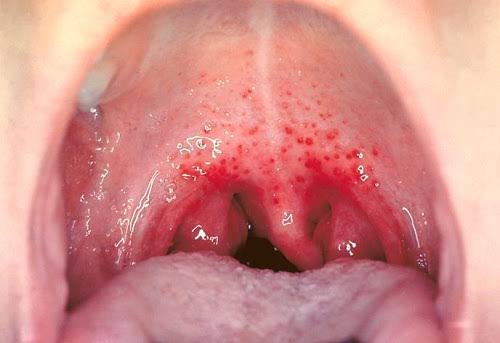
Category: oral health

  • Bumps on Roof of Mouth: Causes & Fixes

    Bumps on Roof of Mouth: Causes & Fixes

    Have you ever run your tongue over the roof of your mouth and felt something unusual? It can be startling to discover a lump or bump in such a sensitive area, leading to immediate worry about what it might be. If you are asking, “What Does Bumps On The Roof Of Your Mouth Mean,“ you are not alone; this is a common concern that ranges from minor irritations to conditions requiring medical attention.

    In this guide, we will explore the most likely culprits behind these bumps, how to treat them at home, and exactly when you should seek professional help. We aim to provide clear, empathetic, and medically grounded information to put your mind at ease.

    Common Causes of Bumps on the Palate

    The roof of your mouth, known medically as the palate, is divided into two sections: the hard palate (front) and the soft palate (back). Bumps can appear on either section due to various reasons. Understanding the root cause is the first step toward effective treatment.

    1. Thermal Burns (Pizza Palate)

    One of the most frequent causes of bumps on the roof of the mouth is a thermal burn. This often happens when you eat food that is too hot, such as melted cheese from pizza or hot coffee.

    • Symptoms: Redness, blistering, peeling skin, and tenderness.
    • Healing Time: Typically 3–7 days.
    • Why it happens: The tissue on the hard palate is thin and sensitive to extreme temperatures.

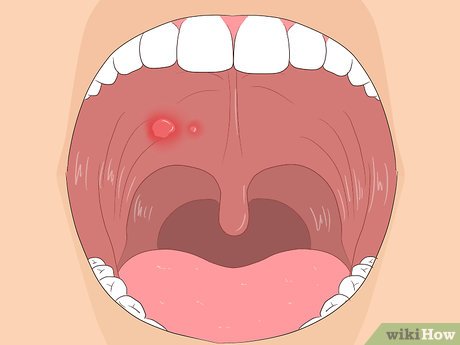
    2. Canker Sores (Aphthous Ulcers)

    Canker sores are small, shallow lesions that develop on the soft tissues in your mouth or at the base of your gums. Unlike cold sores, they don’t occur on the surface of your lips and aren’t contagious.

    • Appearance: White or yellow center with a red border.
    • Trigger Factors: Stress, minor injury to the mouth, acidic foods, or vitamin deficiencies.
    • Pain Level: Moderate to high, especially when eating spicy or acidic foods.

    3. Oral Thrush (Candidiasis)

    Oral thrush is a fungal infection caused by an overgrowth of Candida alb yeast. It is more common in infants, the elderly, and individuals with compromised immune systems.

    • Appearance: Creamy white lesions that may bleed slightly when scraped.
    • Sensation: Cotton-like feeling in the mouth, loss of taste, or cracking at the corners of the mouth.

    4. Mucoceles

    A mucocele is a harmless, fluid-filled swelling that occurs when a salivary gland becomes blocked or damaged. While more common on the lower lip, they can appear on the roof of the mouth.

    • Appearance: Clear or bluish dome-shaped bump.
    • Cause: Trauma from biting or sucking on the cheek/palate.

    5. Torus Palatinus

    This is a bony growth on the hard palate. It is not a disease but a benign anatomical variation.

    • Characteristics: Hard, immovable, and usually painless.
    • Prevalence: Affects approximately 20-30% of the population.
    • Action Required: None, unless it interferes with denture fitting.

    When Should You Be Concerned?

    While most bumps are benign and self-limiting, some signs indicate a need for professional evaluation. According to the National Institute of Dental and Craniofacial Research, persistent oral changes should never be ignored.

    Use this checklist to determine if you need to see a dentist or doctor:

    SymptomAction Required
    Bump lasts longer than 2 weeksSee a Doctor
    Rapid growth in sizeSee a Doctor Immediately
    Bleeding without causeSee a Doctor
    Difficulty swallowing or breathingEmergency Care
    Accompanied by feverSee a Doctor

    If you notice any of these red flags, do not attempt home remedies. Early diagnosis is crucial for conditions like oral cancer, although it is important to note that oral cancer is relatively rare compared to benign causes.
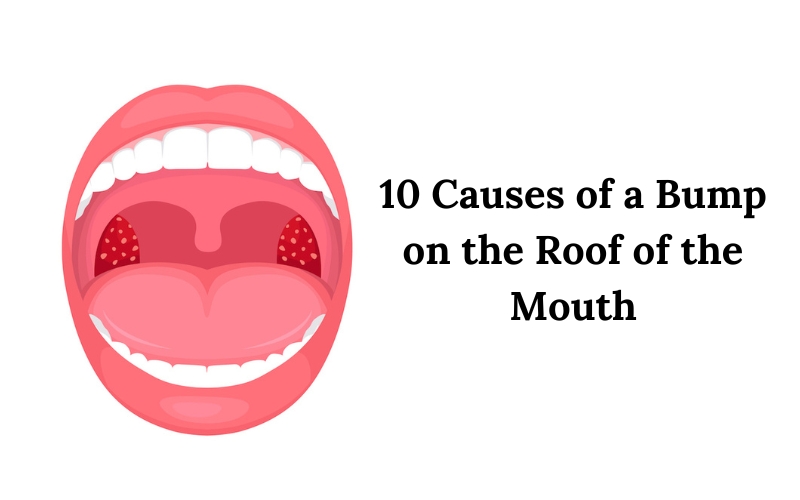
    What Does Bumps On The Roof Of Your Mouth Mean

    Home Remedies and Treatment Options

    For minor bumps caused by burns, canker sores, or mild irritation, you can manage the discomfort at home. Here is a step-by-step approach to soothing your palate.

    Step 1: Salt Water Rinse

    Salt water is a natural disinfectant that helps reduce inflammation and speed up healing.

    1. Mix 1 teaspoon of salt into 8 ounces (240 ml) of warm water.
    2. Swish the solution around your mouth for 30 seconds.
    3. Spit it out. Do not swallow.
    4. Repeat 2–3 times a day.

    Step 2: Cold Compress

    If the bump is due to a burn or trauma, cold can help numb the area and reduce swelling.

    • Suck on ice chips or popsicles.
    • Avoid very hot foods and drinks for at least 48 hours.

    Step 3: Over-the-Counter Gels

    For painful canker sores, consider using benzocaine-based gels. These create a protective barrier over the sore, reducing pain while eating.

    • Tip: Apply the gel directly to the dry bump using a clean cotton swab for best adherence.

    Step 4: Dietary Adjustments

    Avoid foods that can irritate the sensitive tissue further.

    • Avoid: Spicy foods, acidic fruits (lemons, oranges), crunchy chips, and alcohol-based mouthwashes.
    • Choose: Soft, cool foods like yogurt, smoothies, and mashed potatoes.

    Prevention Tips for a Healthy Palate

    Preventing bumps on the roof of your mouth is largely about mindful eating and good oral hygiene.

    • Let Food Cool: Wait a few minutes after cooking or ordering hot food before taking the first bite. Test the temperature with your lip or a small sip.
    • Stay Hydrated: Dry mouth can increase the risk of irritation and infection. Aim for 2 liters of water daily.
    • Maintain Oral Hygiene: Brush twice a day and floss daily to prevent bacterial and fungal overgrowth.
    • Quit Smoking: Tobacco use significantly increases the risk of oral cancers and delays healing of mouth sores.

    FAQ Section

    1. Can stress cause bumps on the roof of my mouth?

    Yes, stress can weaken your immune system, making you more susceptible to canker sores and cold sores. While stress itself doesn’t create a physical bump, it triggers the biological responses that lead to their formation.

    2. Is a bump on the roof of the mouth always cancer?

    No, absolutely not. The vast majority of bumps are benign, caused by burns, cysts, or minor infections. Oral cancer is rare and usually presents with additional symptoms like persistent pain, numbness, or loose teeth. However, any bump lasting more than two weeks should be checked.

    3. How long does it take for a burned palate to heal?

    A minor thermal burn typically heals within 3 to 7 days. During this time, the top layer of skin may peel off, which is a normal part of the healing process. Keep the area clean and avoid further irritation.

    4. Can allergies cause bumps on the roof of the mouth?

    Yes, oral allergy syndrome can cause itching, swelling, or small bumps on the palate after eating certain raw fruits, vegetables, or nuts. This is usually an immediate reaction and subsides once the allergen is removed.

    5. What is the difference between a canker sore and a cold sore?

    Canker sores occur inside the mouth and are not contagious. Cold sores (fever blisters) occur outside the mouth, usually on the lips, and are caused by the herpes simplex virus, making them highly contagious.

    6. Should I pop a bump on the roof of my mouth?

    Never pop a bump in your mouth. This can introduce bacteria, lead to infection, and delay healing. If it is a mucocele or abscess, it requires professional drainage by a dentist.

    Conclusion

    Discovering a bump on the roof of your mouth can be alarming, but in most cases, it is a temporary and harmless issue. Whether it’s a simple pizza burn, a stressful canker sore, or a benign bony growth, understanding “What Does Bumps On The Roof Of Your Mouth Mean“ empowers you to take the right action.

    Remember to monitor the bump for changes. If it persists beyond two weeks, grows rapidly, or causes significant pain, consult a healthcare professional. For minor issues, gentle home care and patience are your best allies.

    Found this guide helpful? Share it with friends and family on social media to help them navigate their oral health concerns with confidence!
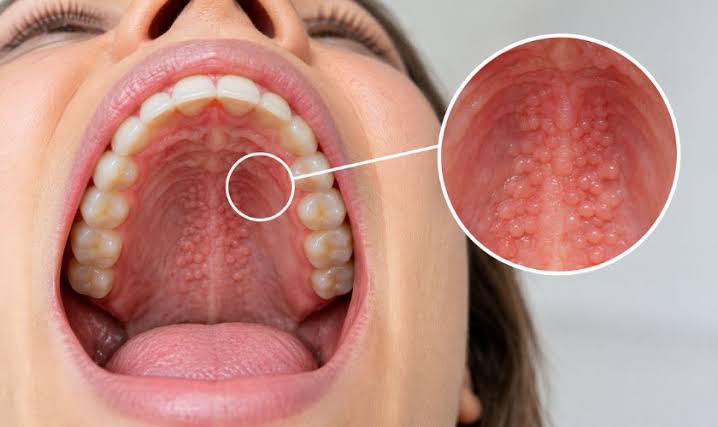
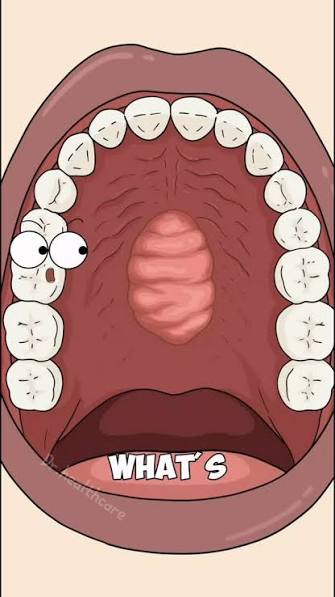
  • What Do Bumps On The Roof Of Your Mouth Mean?

    What Do Bumps On The Roof Of Your Mouth Mean?

    Have you ever run your tongue over the roof of your mouth and felt something unusual? It can be alarming to discover a lump or bump in such a sensitive area, leading to immediate questions about your health. If you are asking yourself, “What do bumps on the roof of your mouth mean,” you are not alone; this is a common concern with various potential causes, ranging from minor irritations to conditions requiring medical attention.

    In this guide, we will explore the most likely reasons for these bumps, how to treat them at home, and exactly when you should seek professional help. Our goal is to provide you with clear, actionable information backed by dental expertise so you can find relief and peace of mind.

    Common Causes of Bumps on the Roof of Your Mouth

    The roof of your mouth, known medically as the palate, is divided into two sections: the hard palate (front) and the soft palate (back). Because this area is exposed to hot foods, bacteria, and physical trauma, it is prone to several types of lesions. Understanding the specific characteristics of the bump can help identify the cause.

    1. Thermal Burns (Pizza Palate)

    One of the most frequent causes of bumps on the roof of the mouth is a thermal burn. This often happens when you eat food that is too hot, such as melted cheese or fresh-out-of-the-oven pizza.

    • Symptoms: Redness, blistering, or a raw, tender feeling.
    • Healing Time: Typically heals within 3–7 days.
    • Treatment: Rinse with cool water and avoid spicy or acidic foods until healed.

    2. Canker Sores (Aphthous Ulcers)

    Canker sores are small, shallow lesions that develop on the soft tissues in your mouth or at the base of your gums. Unlike cold sores, they don’t occur on the surface of your lips and aren’t contagious.

    • Appearance: White or yellow center with a red border.
    • Trigger Factors: Stress, minor injury to oral tissues, acidic foods, or vitamin deficiencies.
    • Management: Over-the-counter topical gels can reduce pain. They usually resolve on their own within one to two weeks.

    3. Oral Mucoceles

    These are harmless, fluid-filled cysts that form when a salivary gland becomes blocked or injured. While more common on the inner lip, they can appear on the roof of the mouth.

    • Texture: Soft, movable, and often bluish or clear.
    • Cause: Often results from biting the cheek or sucking on the lips/cheeks.
    • Outcome: Many disappear on their own, but persistent ones may need minor surgical removal by a dentist.

    4. Torus Palatinus

    If you have had a hard, bony bump in the center of the roof of your mouth for years, it might be a torus palatinus. This is a benign bone growth.

    • Characteristics: Hard, immovable, and painless.
    • Prevalence: Affects approximately 20-30% of the population.
    • Action Required: None, unless it interferes with denture fitting or gets irritated.

    Infections and Viral Conditions

    Sometimes, bumps are a sign of an underlying infection. These require different treatment approaches compared to simple irritations.

    Herpes Simplex Virus (Cold Sores)

    While commonly associated with the lips, the herpes simplex virus type 1 (HSV-1) can cause outbreaks inside the mouth, particularly on the hard palate.

    • Symptoms: Clusters of small, painful blisters that burst and crust over.
    • Contagiousness: Highly contagious through direct contact.
    • Treatment: Antiviral medications prescribed by a doctor can shorten the outbreak duration.

    Oral Thrush (Candidiasis)

    Oral thrush is a fungal infection caused by an overgrowth of Candida albicans. It is more common in infants, the elderly, and individuals with compromised immune systems.

    • Appearance: Creamy white lesions that may bleed slightly when scraped.
    • Risk Factors: Antibiotic use, diabetes, or wearing dentures.
    • Remedy: Antifungal mouthwashes or lozenges prescribed by a healthcare provider.

    For more detailed information on fungal infections in the oral cavity, you can refer to this comprehensive overview on Wikipedia.

    What Do Bumps On The Roof Of Your Mouth Mean

    When Should You Worry? Red Flags to Watch For

    Most bumps on the roof of the mouth are benign and temporary. However, certain symptoms indicate a need for professional evaluation. Use this checklist to determine if you should see a dentist or doctor:

    SymptomPotential ConcernAction
    Persists > 2 WeeksChronic irritation or pathologySchedule dental exam
    Rapid GrowthTumor or cyst expansionImmediate consultation
    BleedingTrauma or vascular issueSee a professional
    Difficulty SwallowingObstruction or severe inflammationUrgent care
    Fever AccompanimentSystemic infectionMedical attention

    Note: Oral cancer can sometimes present as a non-healing sore or lump. While rare, early detection is crucial for successful treatment. If you are a smoker or heavy drinker, your risk is higher, and regular screenings are essential.

    Step-by-Step Home Care Guide

    If your bump is likely due to a minor burn or irritation, you can manage it at home with these steps. Follow this routine to promote healing and reduce discomfort.

    1. Salt Water Rinse
      • Mix 1/2 teaspoon of salt into 8 ounces (240 ml) of warm water.
      • Swish gently around your mouth for 30 seconds.
      • Spit out the solution. Repeat 2–3 times daily. This helps reduce bacteria and soothe inflammation.
    2. Hydration Maintenance
      • Drink at least 2 liters of water throughout the day.
      • Keep the water temperature between 22–28°C (room temperature) to avoid further irritating the sensitive tissue.
    3. Dietary Adjustments
      • Avoid crunchy foods (chips, nuts) that can scratch the bump.
      • Steer clear of acidic items like citrus fruits, tomatoes, and vinegar-based dressings.
      • Opt for soft, cool foods like yogurt, smoothies, or mashed potatoes.
    4. Topical Relief
      • Apply an over-the-counter oral gel containing benzocaine if pain is significant.
      • Use only as directed on the package, typically no more than 4 times a day.

    FAQ Section

    1. Can stress cause bumps on the roof of my mouth?

    Yes, indirectly. Stress weakens the immune system, making you more susceptible to canker sores and viral outbreaks like herpes. Additionally, stress can lead to habits like teeth grinding or cheek biting, which may cause physical trauma resulting in bumps.

    2. Are bumps on the roof of the mouth contagious?

    It depends on the cause. Canker sores and torus palatinus are not contagious. However, bumps caused by the herpes simplex virus (cold sores) or certain bacterial infections are contagious. Always practice good hygiene and avoid sharing utensils if you suspect an infectious cause.

    3. How long does it take for a burn on the roof of the mouth to heal?

    Minor thermal burns usually heal within 3 to 7 days. The mouth has a rich blood supply, which aids in rapid tissue regeneration. If the burn is severe or shows signs of infection (pus, increasing redness), it may take longer and require medical attention.

    4. What is the difference between a canker sore and a cold sore?

    The primary difference is location and cause. Canker sores appear inside the mouth, are not caused by a virus, and are not contagious. Cold sores are caused by the HSV-1 virus, usually appear on the lips or outer mouth, and are highly contagious. However, cold sores can occasionally appear on the hard palate.

    5. Should I pop a bump on the roof of my mouth?

    No. Never attempt to pop or squeeze a bump in your mouth. This can introduce bacteria, lead to serious infection, and delay healing. If the bump is a mucocele or abscess, it requires professional drainage by a dentist under sterile conditions.

    Conclusion

    Discovering a bump on the roof of your mouth can be unsettling, but in most cases, it is a temporary issue caused by minor trauma, burns, or common conditions like canker sores. By understanding what do bumps on the roof of your mouth mean, you can better assess whether home care is sufficient or if professional intervention is needed.

    Remember to monitor the bump for changes in size, color, or pain levels. If it persists for more than two weeks, consult your dentist to rule out any serious underlying conditions. Maintaining good oral hygiene and staying hydrated are your best defenses against many of these common oral issues.

    Found this guide helpful? Share it with friends and family on social media to help them navigate their oral health concerns with confidence!
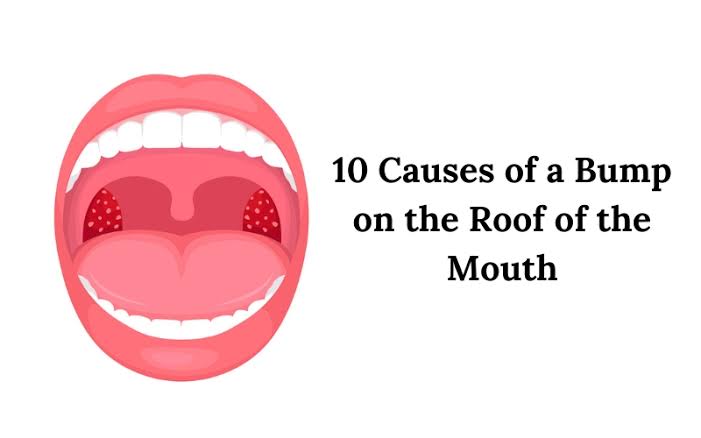
  • What Is A Bump On The Roof Of Your Mouth?

    What Is A Bump On The Roof Of Your Mouth?

    Have you ever run your tongue across the roof of your mouth and felt a strange, unexpected lump? It can be alarming to discover a new texture or protrusion in such a sensitive area. You are not alone; many people ask, “What is a bump on the roof of my mouth?” while worrying about serious health issues.

    In most cases, these bumps are harmless and temporary. However, understanding the underlying cause is crucial for proper care and peace of mind. This guide will walk you through the most common reasons for palate bumps, how to treat them at home, and exactly when you need professional medical attention.

    Common Causes of Bumps on the Roof of Your Mouth

    The roof of your mouth, known medically as the palate, is divided into two sections: the hard palate (front) and the soft palate (back). Because this area is exposed to hot foods, bacteria, and physical trauma, it is prone to various irritations. Here are the most frequent culprits behind that mysterious lump.

    1. Thermal Burns (Pizza Palate)

    This is arguably the most common cause. We have all been too eager to eat a slice of piping hot pizza or drink scalding coffee. When the delicate tissue of the hard palate comes into contact with extreme heat, it can blister or swell.

    • Symptoms: Redness, swelling, tenderness, and sometimes a fluid-filled blister.
    • Healing Time: Typically 3–7 days.
    • Prevention: Let food cool for at least 2–3 minutes before eating.

    2. Canker Sores (Aphthous Ulcers)

    Canker sores are small, shallow lesions that develop on the soft tissues in your mouth or at the base of your gums. Unlike cold sores, they don’t occur on the surface of your lips and aren’t contagious.

    • Appearance: White or yellow center with a red border.
    • Triggers: Stress, minor injury to oral tissues, acidic foods, or vitamin deficiencies.
    • Pain Level: Moderate to high, especially when eating spicy or acidic foods.

    3. Torus Palatinus

    If the bump feels hard, bony, and has been there for a long time without changing, it might be a torus palatinus. This is a benign bony growth on the midline of the hard palate.

    • Nature: Genetic and harmless.
    • Prevalence: Affects approximately 20–30% of the population.
    • Action Required: None, unless it interferes with denture fitting.

    4. Oral Mucocele

    A mucocele is a cyst-like bump caused by a blocked salivary gland. While more common on the lower lip, they can appear on the roof of the mouth if a minor salivary gland becomes obstructed due to trauma (like biting or scratching the palate).

    • Texture: Soft, fluid-filled, and movable.
    • Color: Clear, bluish, or pink.
    • Resolution: Often ruptures and heals on its own within a few weeks.

    5. Nasopalatine Duct Cyst

    This is a rare developmental cyst that occurs in the midline of the anterior hard palate. It originates from remnants of the nasopalatine duct.

    • Symptoms: Often asymptomatic but can cause swelling or drainage if infected.
    • Diagnosis: Requires X-ray or CT scan by a dentist or oral surgeon.

    For more detailed anatomical information regarding the oral cavity, you can refer to Wikipedia’s article on the Human Mouth.

    Less Common but Serious Causes

    While most bumps are benign, some require immediate medical intervention. It is vital to distinguish between a minor irritation and a potential health risk.

    Oral Thrush (Candidiasis)

    Oral thrush is a fungal infection caused by Candida albicans. It often presents as creamy white lesions on the tongue or inner cheeks, but it can also affect the roof of the mouth.

    • Risk Factors: Antibiotic use, diabetes, weakened immune system, or wearing dentures.
    • Treatment: Antifungal medications prescribed by a doctor.

    Oral Cancer

    Although less common, a persistent bump could be a sign of oral cancer. Early detection is key to successful treatment.

    Red Flags for Oral Cancer:

    • A sore or lump that does not heal within two weeks.
    • Persistent pain or numbness.
    • Difficulty chewing, swallowing, or moving the jaw.
    • Unexplained bleeding.
    • White or red patches that do not wipe away.

    Expert Insight: According to the Oral Cancer Foundation, early-stage oral cancer has a significantly higher survival rate. If you notice any changes in your oral tissue that persist beyond 14 days, schedule an appointment with your dentist or primary care provider immediately.

    What Is A Bump On The Roof Of Your Mouth

    How to Treat a Bump on the Roof of Your Mouth at Home

    If your bump is due to a minor burn, canker sore, or mild irritation, you can manage it effectively at home. Follow these steps to promote healing and reduce discomfort.

    Step-by-Step Home Care Routine

    1. Salt Water Rinse
      • Mix 1/2 teaspoon of salt into 8 ounces (240 ml) of warm water.
      • Swish gently around your mouth for 30 seconds.
      • Spit out the solution. Do not swallow.
      • Repeat 2–3 times daily to reduce inflammation and keep the area clean.
    2. Apply Cold Compress
      • Suck on ice chips or eat cold foods like yogurt or smoothies.
      • Avoid extremely hot temperatures, which can aggravate the tissue.
    3. Avoid Irritants
      • Stop consuming spicy, acidic, or crunchy foods (like chips) that can scratch the bump.
      • Avoid alcohol-based mouthwashes, as they can sting and dry out the tissue.
    4. Over-the-Counter Relief
      • Use oral gels containing benzocaine for temporary pain relief.
      • Take ibuprofen or acetaminophen if the pain is affecting your sleep or daily activities.
    Treatment MethodBest ForFrequency
    Salt Water RinseBurns, Canker Sores, General Hygiene2–3 times/day
    Ice/Cold FoodsThermal Burns, SwellingAs needed
    Benzocaine GelPain ManagementUp to 4 times/day
    Honey ApplicationMinor Ulcers (Antibacterial)2 times/day

    When to See a Doctor or Dentist

    Knowing when to seek professional help is just as important as home care. You should schedule an appointment if:

    • The bump persists for more than two weeks.
    • The bump is growing rapidly in size.
    • You experience difficulty breathing or swallowing.
    • There is pus, severe bleeding, or foul odor coming from the bump.
    • You have a fever accompanying the oral symptom.
    • The bump is hard, fixed in place, and painless (this can sometimes be more concerning than a painful sore).

    FAQ: Common Questions About Palate Bumps

    1. Can a bump on the roof of my mouth go away on its own?

    Yes, most bumps caused by minor trauma, burns, or canker sores will heal on their own within 7–14 days. Maintaining good oral hygiene and avoiding irritants speeds up this process.

    2. Is a bump on the roof of my mouth contagious?

    It depends on the cause. Canker sores, burns, and torus palatinus are not contagious. However, if the bump is caused by a viral infection like herpes (cold sores) or a fungal infection like thrush, it may be transmissible to others through shared utensils or kissing.

    3. Why does the bump hurt when I eat?

    The roof of your mouth is rich in nerve endings. Inflammation or open sores expose these nerves, making them sensitive to temperature, texture, and chemicals (like salt or acid) in food. This is a natural protective mechanism to prevent further injury.

    4. Can allergies cause bumps on the roof of the mouth?

    Yes. Oral Allergy Syndrome (OAS) can cause itching, swelling, or small bumps in the mouth after eating certain raw fruits, vegetables, or nuts. This is usually an immediate reaction and subsides once the allergen is removed.

    5. Should I pop a blister on the roof of my mouth?

    No. Popping a blister can introduce bacteria into the wound, leading to infection and delayed healing. Let it rupture naturally or absorb back into the tissue. If it is large and painful, see a dentist for safe drainage.

    Conclusion

    Discovering a lump in your mouth can be unsettling, but remember that “What is a bump on the roof of your mouth“ is a question with mostly reassuring answers. In the vast majority of cases, these bumps are benign results of minor burns, canker sores, or natural anatomical variations like torus palatinus.

    By practicing good oral hygiene, avoiding extreme temperatures in food, and monitoring the bump’s progress, you can often manage the issue at home. However, never ignore a sore that lasts longer than two weeks. Your oral health is a window into your overall well-being, so stay vigilant and proactive.

    Found this guide helpful? Share it with friends and family on social media to help them navigate their own oral health concerns with confidence!
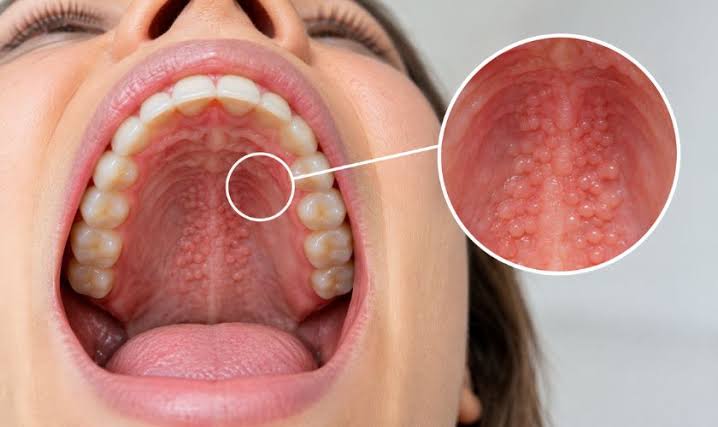
  • What Causes A Bump In The Roof Of Your Mouth?

    What Causes A Bump In The Roof Of Your Mouth?

    Have you ever run your tongue over the roof of your mouth and felt a strange, unexpected lump? It can be alarming to discover a new texture or protrusion in such a sensitive area, leading to immediate questions about your health. If you are wondering what causes a bump in the roof of your mouth, you are not alone; this is a common concern with a wide range of potential explanations, from harmless minor injuries to conditions requiring medical attention.

    In this guide, we will explore the most frequent culprits behind these oral anomalies, help you distinguish between benign issues and serious conditions, and provide clear steps on how to manage them. Understanding the root cause is the first step toward peace of mind and proper treatment.

    Common Causes of Palatal Bumps

    The roof of your mouth, known medically as the palate, is divided into two sections: the hard palate at the front and the soft palate at the back. Because this area is exposed to heat, friction, and various foods, it is susceptible to several types of irritation and growths. Below are the most prevalent reasons for developing a bump in this region.

    1. Thermal Burns (Pizza Palate)

    One of the most frequent causes of a bump on the roof of the mouth is a thermal burn. This often happens when you eat food that is too hot, such as melted cheese from a pizza or hot coffee. The delicate tissue of the hard palate can blister or swell almost immediately after contact with high temperatures.

    • Symptoms: Redness, swelling, tenderness, and sometimes a fluid-filled blister.
    • Healing Time: Typically heals within 3 to 7 days without intervention.
    • Management: Avoid hot or spicy foods until healed. Rinsing with cool water can provide immediate relief.

    2. Canker Sores (Aphthous Ulcers)

    While canker sores are more common on the inner cheeks or gums, they can occasionally appear on the soft palate. These are small, shallow lesions that develop on the soft tissues in your mouth or at the base of your gums. Unlike cold sores, they do not occur on the surface of your lips and are not contagious.

    • Appearance: White or yellow center with a red border.
    • Triggers: Stress, minor injury to the mouth, acidic foods, or vitamin deficiencies.
    • Duration: Usually resolves on its own in one to two weeks.

    3. Oral Mucoceles

    A mucocele is a harmless, fluid-filled swelling that occurs when a salivary gland becomes blocked or damaged. While they are more common on the lower lip, they can form on the roof of the mouth, particularly if you have a habit of biting or sucking on your cheek or palate.

    • Texture: Soft, dome-shaped, and often translucent or bluish.
    • Risk: Generally painless unless irritated by chewing.
    • Treatment: Many disappear on their own, but persistent ones may require minor surgical removal by a dentist.

    4. Torus Palatinus

    If the bump feels hard, bony, and is located in the center of the hard palate, it might be a torus palatinus. This is a benign bony growth that develops slowly over time. It is a genetic trait and is not considered a disease or a sign of poor health.

    • Prevalence: Affects approximately 20-30% of the population.
    • Characteristics: Hard, immovable, and usually painless.
    • Action Required: No treatment is necessary unless it interferes with denture fitting or causes discomfort.

    When Should You Be Concerned?

    While most bumps are benign, it is crucial to recognize signs that may indicate a more serious underlying issue. Ignoring persistent symptoms can delay diagnosis of conditions that require professional intervention.

    Signs of Infection

    An abscess or bacterial infection can cause significant swelling and pus formation. If the bump is accompanied by fever, severe pain, or a foul taste in your mouth, it may be an dental abscess spreading to the palate. This requires immediate antibiotic treatment and possibly drainage by a healthcare provider.

    Oral Cancer Warning Signs

    Although less common, oral cancer can present as a lump or thickening in the mouth. According to the American Cancer Society, early detection significantly improves survival rates. You should consult a doctor if you notice:

    • A sore that does not heal within two weeks.
    • A lump that grows in size.
    • Unexplained bleeding or numbness.
    • Difficulty swallowing or moving the jaw.
    FeatureBenign Bump (e.g., Burn, Cyst)Potentially Serious Condition
    DurationHeals within 1-2 weeksPersists longer than 2 weeks
    Pain LevelMild to moderate, improves over timeSevere, worsening, or numbness
    GrowthStable or shrinksGrows larger or changes shape
    ColorRed, white, or clearMixed colors, dark patches, or ulcerated
    What Causes A Bump In The Roof Of Your Mouth

    How to Treat Minor Bumps at Home

    If you have determined that your bump is likely due to a minor injury like a burn or a canker sore, you can manage the discomfort at home. Here is a step-by-step approach to promote healing and reduce irritation.

    1. Salt Water Rinse: Mix 1 teaspoon of salt in 8 ounces of warm water. Swish gently for 30 seconds and spit out. Do this 2-3 times a day to reduce inflammation and keep the area clean.
    2. Avoid Irritants: Steer clear of acidic foods (like citrus fruits and tomatoes), spicy dishes, and crunchy snacks that could scratch the bump.
    3. Cold Compress: Suck on ice chips or eat cold yogurt to numb the area and reduce swelling.
    4. Over-the-Counter Relief: Use oral gels containing benzocaine for temporary pain relief, but follow the package instructions carefully to avoid overuse.

    It is important to maintain good oral hygiene during this period. Brush gently around the affected area to prevent plaque buildup, which can exacerbate irritation.

    Frequently Asked Questions (FAQ)

    1. Can a bump on the roof of my mouth go away on its own?

    Yes, many bumps such as thermal burns, canker sores, and minor mucoceles will resolve on their own within one to two weeks. However, if the bump persists beyond this timeframe, it is advisable to see a dentist or doctor for evaluation.

    2. Is a hard bump on the roof of the mouth always cancer?

    No, a hard bump is often a torus palatinus, which is a benign bony growth. While oral cancer is a possibility, it is far less common than benign conditions. A professional examination is the only way to confirm the nature of the lump.

    3. What does an oral abscess look like on the palate?

    An oral abscess on the palate may appear as a red, swollen, and painful lump. It might have a white or yellow center indicating pus. It is often accompanied by throbbing pain, sensitivity to temperature, and sometimes a fever.

    4. Can allergies cause bumps in the mouth?

    Yes, allergic reactions to certain foods or oral care products can cause swelling or hives in the mouth, including the roof. This condition, known as oral allergy syndrome, usually presents with itching and mild swelling shortly after exposure to the allergen.

    5. Should I pop a blister on the roof of my mouth?

    No, you should never pop a blister or bump in your mouth. Doing so can introduce bacteria, leading to infection and delaying the healing process. Let it heal naturally or seek professional advice if it is causing significant discomfort.

    Conclusion

    Discovering a bump on the roof of your mouth can be unsettling, but understanding what causes a bump in the roof of your mouth helps demystify the situation. In most cases, these lumps are the result of minor injuries like burns, canker sores, or benign growths like torus palatinus. By monitoring the size, color, and duration of the bump, you can often determine if home care is sufficient or if professional help is needed.

    Remember, persistence is key. If a bump does not heal within two weeks, grows larger, or is accompanied by other concerning symptoms, do not hesitate to consult a healthcare provider. Early intervention is always the best policy for oral health.

    If you found this guide helpful, please share it with friends and family who might be dealing with similar oral health concerns. Spreading awareness can help others feel more informed and less anxious about their symptoms.

  • What Is The Bump On The Roof Of Your Mouth?

    What Is The Bump On The Roof Of Your Mouth?

    Have you ever run your tongue over the roof of your mouth and felt a strange, unexpected lump? It can be startling to discover a new texture or protrusion in such a sensitive area. You are not alone; many people ask, “What is the bump on the roof of your mouth?” while worrying about serious health issues.

    In most cases, these bumps are harmless anatomical variations or minor irritations that resolve on their own. However, understanding the difference between a benign bone growth and a potential infection is crucial for your peace of mind and oral health. This guide will walk you through the most common causes, symptoms, and treatment options, helping you determine if you need professional care or just some simple home remedies.

    Common Causes of Bumps on the Hard Palate

    The roof of your mouth, known medically as the palate, is divided into two sections: the hard palate at the front and the soft palate at the back. Bumps can appear on either section, but their causes often differ. Here are the most frequent culprits behind that mysterious lump.

    1. Torus Palatinus: The Benign Bone Growth

    If the bump is located in the center of the hard palate and feels hard like bone, it is likely a torus palatinus. This is a bony growth that develops slowly over time. It is not a tumor, nor is it cancerous.

    • Prevalence: Studies suggest that torus palatinus affects approximately 20% to 30% of the population, with higher rates observed in certain ethnic groups and women.
    • Characteristics: It is usually painless, smooth, and covered by normal gum tissue. It may grow slowly over years or remain static.
    • Cause: The exact cause is unknown, but genetics and environmental factors like teeth grinding (bruxism) are believed to play a role.

    For most people, a torus palatinus requires no treatment. It only becomes an issue if it interferes with denture fitting or gets injured by sharp foods.

    2. Canker Sores (Aphthous Ulcers)

    Unlike the hard bone of a torus, canker sores are soft, painful lesions. They often start as a small red bump before developing into an open ulcer with a white or yellow center and a red border.

    • Triggers: Stress, minor injury from brushing, acidic foods, or vitamin deficiencies (B12, iron, folate).
    • Duration: These typically heal within 7 to 14 days without scarring.
    • Sensation: They cause a stinging or burning pain, especially when eating spicy or acidic foods.

    3. Mucoceles: Blocked Salivary Glands

    Your mouth contains hundreds of minor salivary glands. If one of these ducts gets blocked or injured, saliva can accumulate under the skin, forming a fluid-filled cyst called a mucocele.

    • Appearance: These look like clear or bluish bubbles. They are soft to the touch and can change size.
    • Location: While more common on the lower lip, they can appear on the roof of the mouth, particularly after eating hot or hard foods that damage the gland.
    • Resolution: Many mucoceles rupture and heal on their own, but persistent ones may require minor surgical removal by a dentist.

    4. Oral Thrush (Candidiasis)

    Oral thrush is a fungal infection caused by an overgrowth of Candida alb yeast. It doesn’t always present as a single “bump,” but rather as creamy white lesions that can resemble raised bumps or patches.

    • Risk Factors: Antibiotic use, diabetes, weakened immune system, or wearing dentures.
    • Symptoms: Cotton-like feeling in the mouth, loss of taste, and cracking at the corners of the mouth.
    • Treatment: Antifungal medications prescribed by a healthcare provider.

    5. Nasopalatine Duct Cyst

    This is a rare, non-cancerous cyst that forms in the midline of the anterior hard palate. It originates from remnants of embryonic tissue.

    • Symptoms: Often asymptomatic, but can cause swelling, pain, or a salty taste if it drains.
    • Diagnosis: Requires X-rays or CT scans for confirmation.
    • Treatment: Surgical removal is usually recommended to prevent infection or expansion.
    What Is The Bump On The Roof Of Your Mouth

    When Should You Be Concerned?

    While most bumps are benign, it is vital to recognize the warning signs of something more serious, such as oral cancer. According to the American Cancer Society, early detection significantly improves treatment outcomes.

    You should schedule an appointment with a dentist or doctor if you experience any of the following:

    SymptomPotential ConcernAction Required
    Persistent LumpLasts longer than 2 weeksSee a dentist immediately
    Rapid GrowthTumor or aggressive cystUrgent medical evaluation
    BleedingUnexplained bleeding from the bumpProfessional exam needed
    Color ChangeRed, white, or dark patchesBiopsy may be required
    Difficulty SwallowingObstruction or nerve involvementSeek emergency care if severe

    Note: Smoking and heavy alcohol use are significant risk factors for oral cancers. If you have these habits and notice a new bump, do not wait for it to go away on its own.

    How to Treat and Manage Mouth Bumps at Home

    If your bump is minor, such as a canker sore or a minor irritation from hot food, you can manage it at home. Here is a step-by-step approach to soothe discomfort and promote healing.

    Step 1: Maintain Oral Hygiene

    Keep your mouth clean to prevent secondary infections.

    • Brush gently with a soft-bristled toothbrush.
    • Floss daily to remove bacteria buildup.
    • Avoid alcohol-based mouthwashes, which can sting and dry out the tissue.

    Step 2: Salt Water Rinses

    Salt water is a natural disinfectant and helps reduce inflammation.

    • Recipe: Mix 1 teaspoon of salt into 8 ounces (approx. 240 ml) of warm water.
    • Method: Swish the solution around your mouth for 30 seconds, then spit it out.
    • Frequency: Repeat 2–3 times a day until the bump heals.

    Step 3: Avoid Irritants

    Give your mouth a break from things that aggravate the tissue.

    • Stop smoking or using tobacco products.
    • Avoid spicy, acidic, or very hot foods.
    • Crunchy foods like chips or nuts can scratch the bump, so opt for softer meals.

    Step 4: Over-the-Counter Relief

    For painful sores like cankers, consider using topical gels containing benzocaine. These provide temporary numbness. For suspected thrush, over-the-counter antifungal rinses may help, but prescription strength is often more effective.

    Frequently Asked Questions (FAQ)

    1. Is a bump on the roof of my mouth always cancer?

    No, absolutely not. The vast majority of bumps on the roof of the mouth are benign conditions like torus palatinus, canker sores, or mucoceles. Oral cancer is relatively rare compared to these common issues. However, any lump that persists for more than two weeks should be evaluated by a professional to rule out malignancy.

    2. Can I pop a bump on the roof of my mouth?

    Never attempt to pop or squeeze a bump in your mouth. Doing so can introduce bacteria, leading to a serious infection. If it is a mucocele, popping it may provide temporary relief, but it will likely return and could scar. If it is an abscess, popping it can spread the infection to surrounding tissues. Always let a healthcare provider handle drainage if necessary.

    3. Why does the bump hurt when I eat?

    Pain during eating usually indicates inflammation or an open sore, such as a canker sore or an ulcer. Hot, spicy, or acidic foods stimulate the nerve endings in the exposed tissue, causing sharp pain. Bone growths like torus palatinus are generally painless unless the overlying gum tissue is scratched or ulcerated by hard food.

    4. How long does it take for a mouth bump to heal?

    The healing time depends on the cause:

    • Canker sores: 7–14 days.
    • Minor burns/irritation: 3–5 days.
    • Mucoceles: Variable; some heal in weeks, others persist.
    • Torus palatinus: Does not heal or disappear as it is bone; it is permanent unless surgically removed. If a bump does not improve within two weeks, seek medical advice.

    5. Can braces or dentures cause bumps on the roof of the mouth?

    Yes. Orthodontic appliances and ill-fitting dentures can cause friction and pressure points, leading to irritation bumps or epulis fissurata (an overgrowth of tissue due to chronic irritation). If your dental appliance feels loose or rubs against your palate, visit your dentist for an adjustment.

    Conclusion

    Discovering a lump in your mouth can be anxiety-inducing, but understanding what is the bump on the roof of your mouth often reveals a harmless condition. Whether it is a genetic bone growth like a torus palatinus or a temporary canker sore, most cases are manageable and non-threatening.

    Key takeaways include:

    • Most bumps are benign and resolve on their own.
    • Maintain good oral hygiene and avoid irritants to speed up healing.
    • Monitor the bump for changes in size, color, or pain levels.
    • See a dentist if the bump lasts longer than two weeks.

    Your oral health is a window into your overall well-being. Don’t ignore persistent changes. If you found this guide helpful, please share it with friends and family who might be experiencing similar concerns. Knowledge is the first step toward better health!

  • Keep Tongue on Roof of Mouth While Sleeping

    Keep Tongue on Roof of Mouth While Sleeping

    Do you wake up with a dry mouth, bad breath, or feeling unrefreshed despite getting eight hours of sleep? You might be a chronic mouth breather, a habit that can negatively impact your dental health, sleep quality, and even facial structure over time. Learning how to keep tongue on roof of mouth while sleeping is the foundational step toward reclaiming your health and ensuring your body rests in its most natural, efficient state.

    Why Does Tongue Position Matter During Sleep?

    Before diving into the “how,” it is crucial to understand the “why.” The position of your tongue is not just a minor detail; it is the gatekeeper of your airway.

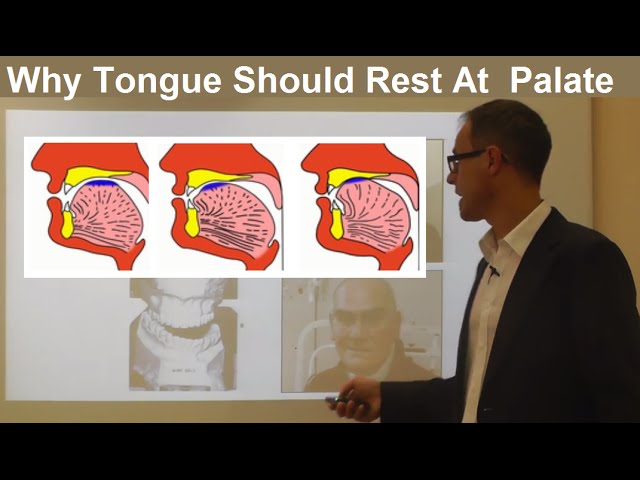
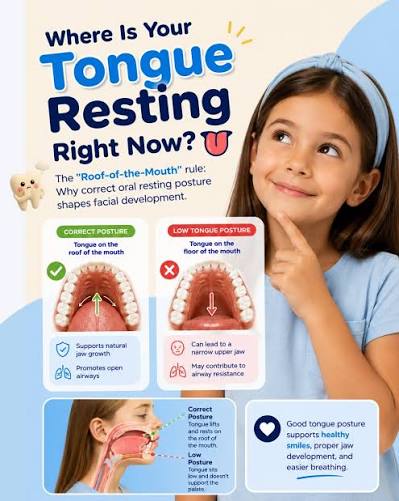
    When your tongue rests correctly on the roof of your mouth (the palate), it acts as a natural seal for your oral cavity. This encourages nasal breathing, which filters, warms, and humidifies the air before it reaches your lungs. Conversely, when the tongue falls back into the throat, it obstructs the airway, leading to snoring, sleep apnea, and mouth breathing.

    According to myofunctional therapy principles, the correct resting position involves the tip of the tongue resting gently against the ridge behind the upper front teeth (not touching them), with the entire body of the tongue suctioned against the hard palate. This is often referred to as the “N-spot” position.

    The Health Risks of Improper Tongue Posture

    Chronic low tongue posture and mouth breathing are linked to several health issues:

    • Dental Problems: Increased risk of cavities and gum disease due to dry mouth.
    • Facial Development: In children, it can lead to long-face syndrome and narrow dental arches. In adults, it may contribute to premature aging signs around the mouth.
    • Sleep Disruption: Poor oxygenation leads to fragmented sleep and daytime fatigue.
    • Orthodontic Relapse: Teeth may shift back after braces if tongue pressure is incorrect.
    How To Keep Tongue On Roof Of Mouth While Sleeping

    Step-by-Step Guide: How to Keep Tongue on Roof of Mouth While Sleepingi

    Retraining your tongue requires patience and consistency. It is a muscle memory issue, and like any physical therapy, it takes time to rewire neural pathways. Here is a comprehensive guide to help you achieve proper tongue posture at night.

    1. Master the Daytime “Spot” Technique

    You cannot expect your tongue to stay in place at night if it does not know where to go during the day. Start by practicing while awake.

    • Locate the Spot: Say the word “Sing” or “King.” Notice where the tip of your tongue lands at the end of the sound. That is your target spot—the alveolar ridge.
    • Create Suction: Once the tip is in place, flatten the rest of your tongue against the roof of your mouth. Imagine you are trying to suck a small piece of food off the palate.
    • Check Your Lips: Ensure your lips are sealed comfortably without strain.
    • Breathe Through Your Nose: Verify that you can breathe easily through your nose while maintaining this position.

    Practice this for 5–10 minutes, three times a day. Set reminders on your phone if necessary.

    2. Strengthen Orofacial Muscles

    A weak tongue will fall back when you relax into deep sleep. Strengthening exercises can help maintain posture.

    • The Tongue Click: Press your tongue flat against the roof of your mouth and pull it down quickly to make a clicking sound. Repeat 10 times.
    • The Palate Push: Push your entire tongue against the roof of your mouth as hard as you can for 5 seconds. Relax and repeat 10 times.
    • Chewing Practice: Chew your food thoroughly on both sides of your mouth to engage jaw muscles evenly.

    3. Address Nasal Congestion

    If your nose is blocked, you cannot keep your tongue on the roof of your mouth effectively because you will be forced to open your mouth to breathe.

    • Saline Rinse: Use a neti pot or saline spray before bed to clear allergens and mucus.
    • Humidifier: Keep bedroom humidity between 40–60% to prevent nasal passages from drying out and swelling.
    • Allergy Management: If allergies are the culprit, consult an allergist. Untreated allergic rhinitis is a primary cause of mouth breathing.

    For more detailed information on nasal anatomy and function, you can refer to this resource on Nasal Breathing.

    4. Use Mouth Tape (With Caution)

    Mouth taping has gained popularity as a tool to enforce nasal breathing. However, it is a training aid, not a cure-all.

    How to use it safely:

    1. Ensure your nasal passages are completely clear.
    2. Use specialized surgical tape or porous mouth tape (never duct tape or strong adhesives).
    3. Place a small vertical strip over the center of your lips, leaving the corners slightly open for safety.
    4. Practice during the day first to get used to the sensation.

    Warning: Do not use mouth tape if you have severe sleep apnea, nausea, or have consumed alcohol/sedatives, as these conditions increase the risk of aspiration if you need to vomit or struggle to breathe.

    Troubleshooting Common Challenges

    Even with the best intentions, keeping the tongue elevated can be difficult. Here is a comparison of common obstacles and solutions.

    ChallengePossible CauseSolution
    Tongue feels tiredWeak myofunctional musclesPerform daily tongue strengthening exercises.
    Jaw painClenching or TMJ issuesConsult a dentist; ensure you are not biting down hard.
    Waking up gaspingUndiagnosed Sleep ApneaStop taping immediately and see a sleep specialist.
    Dry mouth persistsMouth still opening slightlyTry a chin strap in conjunction with tongue exercises.

    The Role of Professional Help

    While self-help techniques are effective for many, some individuals require professional intervention. If you suspect you have Obstructive Sleep Apnea (OSA), characterized by loud snoring and pauses in breathing, you must seek medical advice.

    A myofunctional therapist can provide personalized exercises to correct tongue thrust and swallowing patterns. Additionally, an ENT (Ear, Nose, and Throat) doctor can check for structural issues like a deviated septum or enlarged tonsils that physically prevent nasal breathing.

    FAQ Section

    1. Is it dangerous to keep my tongue on the roof of my mouth while sleeping?

    No, it is actually the natural and healthy resting position for the human tongue. It promotes nasal breathing, which is safer and more efficient than mouth breathing. However, forcing it if you have a physical obstruction can be uncomfortable. Always prioritize clear airways.

    2. Can mouth tape help me keep my tongue in place?

    Mouth tape helps keep your lips closed, which indirectly supports tongue posture by preventing mouth breathing. However, it does not actively push the tongue up. You must train the tongue muscles separately to ensure they stay suctioned to the palate.

    3. How long does it take to form this habit?

    Muscle memory varies by individual. Most people report noticeable improvements in 2–4 weeks of consistent daytime practice. Full automaticity during sleep may take 2–3 months. Consistency is key.

    4. What if I have a short frenulum (tongue-tie)?

    A tight lingual frenulum can physically restrict the tongue from reaching the roof of the mouth. If you cannot place your tongue on the palate without straining or lifting the tip of your tongue off the spot, consult a dentist or oral surgeon. A simple frenectomy procedure may be recommended.

    5. Will this stop my snoring?

    For many people, yes. Snoring is often caused by the vibration of soft tissues when the airway is partially obstructed by a falling tongue. Keeping the tongue elevated opens the airway, significantly reducing or eliminating snoring. However, if snoring persists, it may indicate deeper sleep apnea issues.

    6. Can children benefit from this technique?

    Absolutely. Early intervention is critical for facial development. Encouraging proper tongue posture in children can prevent orthodontic issues, improve focus, and support healthy growth patterns. Pediatric myofunctional therapy is highly recommended for young mouth breathers.

    Conclusion

    Learning how to keep tongue on roof of mouth while sleeping is more than just a quirky health hack; it is a fundamental shift toward better physiological function. By promoting nasal breathing, you enhance oxygen uptake, protect your dental health, and improve the quality of your rest.

    Start small. Practice the “spot” technique during the day, address any nasal congestion, and consider safe tools like mouth tape only after establishing basic muscle control. Remember, your body wants to breathe correctly—it just needs a little reminder.

    If you found this guide helpful, please share it with friends or family who struggle with snoring or poor sleep. Better rest is just a tongue position away!

  • Pain on Roof of Mouth When Swallowing? Causes & Fixes

    Pain on Roof of Mouth When Swallowing? Causes & Fixes

    Have you ever taken a sip of hot coffee or a bite of pizza, only to feel a sharp, stinging sensation on the roof of your mouth? It is a surprisingly common yet distressing experience that can make eating and drinking uncomfortable. If you are currently dealing with pain on the roof of my mouth when I swallow, you are not alone, and there are clear, medical reasons behind it.

    In this comprehensive guide, we will explore why this happens, how to treat it at home, and when it is time to seek professional medical advice. We aim to provide you with actionable, evidence-based information to help you find relief quickly.

    Why Does the Roof of My Mouth Hurt When I Swallow?

    The roof of your mouth, known medically as the palate, is divided into two parts: the hard palate (front) and the soft palate (back). The soft palate is particularly sensitive because it moves during swallowing to prevent food from entering your nasal cavity. When this area becomes inflamed or injured, the act of swallowing triggers pain receptors.

    Understanding the root cause is the first step toward effective treatment. Below, we break down the most frequent culprits based on clinical observations and patient reports.

    1. Thermal Burns (Pizza Palate)

    This is arguably the most common cause. The tissue on the roof of the mouth is delicate. Consuming food or beverages that are too hot—typically above 60°C (140°F)—can cause first-degree burns.

    • Symptoms: Redness, blistering, peeling skin, and tenderness.
    • Why it hurts to swallow: As the soft palate lifts during swallowing, it stretches the burned tissue, causing sharp pain.
    • Recovery Time: Usually 3–7 days.

    2. Viral Infections

    Several viruses can cause lesions or inflammation in the oral cavity. Herpes Simplex Virus (HSV-1), which causes cold sores, can also manifest inside the mouth. Additionally, Hand, Foot, and Mouth Disease (common in children but possible in adults) causes painful blisters on the palate.

    According to the Centers for Disease Control and Prevention (CDC), viral infections often present with systemic symptoms like fever or fatigue alongside oral pain.

    3. Canker Sores (Aphthous Ulcers)

    These are small, shallow lesions that develop on the soft tissues in your mouth or at the base of your gums. Unlike cold sores, they are not contagious.

    • Trigger Factors: Stress, minor injury from dental work, acidic foods, or vitamin deficiencies (B-12, Zinc, Folate).
    • Sensation: A burning or tingling sensation before the sore appears, followed by sharp pain when touched or when swallowing.

    4. Allergic Reactions

    Oral Allergy Syndrome (OAS) can cause itching and swelling in the mouth and throat after eating certain raw fruits, vegetables, or nuts. In severe cases, this inflammation can lead to pain when swallowing.

    Immediate Relief: Home Remedies That Work

    If you are experiencing mild to moderate discomfort, you can often manage the symptoms at home. Here is a step-by-step approach to soothing the pain.

    Step 1: Cool Down the Area

    Heat exacerbates inflammation. Switch to cold or room-temperature foods and drinks.

    • Recommendation: Suck on ice chips or eat yogurt, pudding, or smoothies. Avoid anything hotter than 30°C (86°F) until the pain subsides.

    Step 2: Salt Water Rinse

    Salt water is a natural disinfectant and helps reduce swelling.

    • Recipe: Mix 1/2 teaspoon of salt into 8 ounces (approx. 240 ml) of warm water.
    • Instruction: Swish gently for 30 seconds and spit out. Repeat 3–4 times a day. Do not swallow the solution.

    Step 3: Over-the-Counter Pain Relievers

    Non-prescription medications can help manage pain and inflammation.

    • Options: Ibuprofen (Advil, Motrin) or Acetaminophen (Tylenol).
    • Note: Always follow the dosage instructions on the label. Topical oral gels containing benzocaine can also provide temporary numbing relief.

    Step 4: Hydrate Properly

    Dehydration can worsen mouth pain by reducing saliva production, which is essential for healing.

    • Goal: Drink at least 2 liters of water throughout the day. Use a straw if direct contact with the roof of your mouth is too painful.
    Pain On The Roof Of My Mouth When I Swallow

    What to Eat and What to Avoid

    Diet plays a crucial role in the healing process. Choosing the right foods can prevent further irritation.

    Food CategoryRecommended (Safe)Avoid (Irritants)
    TemperatureCold, Room TempHot, Steaming
    TextureSoft, Smooth (Mashed potatoes, soup)Crunchy, Sharp (Chips, toast)
    FlavorMild, BlandSpicy, Acidic (Citrus, Tomato)
    ChemicalsWater, MilkAlcohol, Tobacco, Carbonated Drinks

    When Should You See a Doctor?

    While most cases of palate pain resolve on their own within a week, some symptoms indicate a more serious underlying condition. You should consult a healthcare provider if:

    1. Duration: The pain persists for more than 10–14 days without improvement.
    2. Severity: The pain is severe enough to prevent you from eating or drinking, leading to dehydration.
    3. Additional Symptoms: You experience high fever, difficulty breathing, or swollen lymph nodes in the neck.
    4. Visible Changes: You notice white patches (which could indicate thrush or leukoplakia) or lumps that do not heal.
    5. Recurrence: You frequently get sores or pain in the same spot, which could indicate an autoimmune issue or chronic infection.

    Note: Persistent pain on the roof of the mouth can rarely be a sign of oral cancer. Early detection is key, so never ignore lingering symptoms.

    FAQ: Common Questions About Palate Pain

    1. Can stress cause pain on the roof of my mouth?

    Yes, indirectly. High stress levels can weaken your immune system, making you more susceptible to canker sores and viral outbreaks like herpes. Stress can also lead to teeth grinding (bruxism), which may cause referred pain in the jaw and palate area.

    2. Is it safe to pop a blister on the roof of my mouth?

    No. Popping a blister increases the risk of bacterial infection and delays healing. Let the blister rupture naturally or absorb on its own. If it is caused by a burn, keep the area clean with salt water rinses.

    3. Why does it hurt more when I swallow cold liquids?

    If the pain is triggered by cold rather than heat, it might not be a burn. It could indicate nerve sensitivity, a cracked tooth referring pain to the palate, or a specific type of ulcer. If cold sensitivity persists, see a dentist.

    4. Can acid reflux cause pain on the roof of my mouth?

    Yes. Gastroesophageal Reflux Disease (GERD) can cause stomach acid to travel up the esophagus and reach the back of the throat and soft palate. This acid irritation can cause inflammation and pain, especially in the morning.

    5. How long does a burned roof of the mouth take to heal?

    Minor thermal burns typically heal within 3 to 7 days. The mouth has a rich blood supply, which promotes faster healing compared to skin elsewhere on the body. Deeper burns may take up to two weeks.

    Conclusion

    Experiencing pain on the roof of my mouth when I swallow is often a temporary nuisance caused by minor burns, canker sores, or viral infections. By identifying the trigger and applying simple home remedies like salt water rinses and cold compresses, most people find relief within a week.

    However, listen to your body. If the pain is severe, persistent, or accompanied by other worrying symptoms, do not hesitate to seek professional medical advice. Your oral health is a window into your overall well-being.

    Found this guide helpful? Share it with friends or family who might be suffering from similar discomfort. Stay healthy and eat safely!

  • How To Get Rid Of Sore On Roof Of Mouth Fast

    How To Get Rid Of Sore On Roof Of Mouth Fast

    Have you ever taken a bite of piping hot pizza only to regret it seconds later? That sharp, stinging pain on the roof of your mouth is not just annoying; it can make eating, drinking, and even speaking uncomfortable. If you are wondering how to get rid of sore on roof of mouth, you are not alone, and there are effective ways to speed up healing and manage the pain at home.

    In this guide, we will explore safe, evidence-based methods to soothe your palate, prevent infection, and help you return to enjoying your favorite foods without fear.

    Why Does the Roof of My Mouth Hurt?

    Before diving into treatments, it helps to understand what you are dealing with. The roof of your mouth, known as the palate, is covered in delicate mucous membranes. These tissues are highly sensitive to temperature, texture, and chemicals.

    Most sores on the palate fall into two categories:

    1. Thermal Burns: Caused by hot food or drinks (like coffee or cheese).
    2. Canker Sores (Aphthous Ulcers): Small, shallow lesions that develop on soft tissues in your mouth or at the base of your gums.

    According to dental health statistics, nearly 20% of the general population suffers from recurrent canker sores. While thermal burns usually heal within 3–7 days, canker sores can linger for up to two weeks if not treated properly. Understanding the cause helps you choose the right remedy.

    Immediate Relief: Cold Therapy and Salt Water

    When pain strikes, your first instinct might be to reach for medication. However, simple home interventions are often the most effective first line of defense.

    1. The Power of Cold

    Cold temperatures constrict blood vessels, which reduces inflammation and numbs the nerve endings responsible for pain.

    • Suck on ice chips: Let them melt slowly over the sore spot.
    • Eat frozen yogurt or popsicles: Avoid acidic flavors like lemon or orange, as citric acid can sting. Stick to mild flavors like vanilla or berry.
    • Drink cold water: Keep your mouth hydrated and cool.

    2. Salt Water Rinse

    This is a gold-standard remedy recommended by dentists worldwide. Salt water is a natural disinfectant that helps reduce bacteria and speeds up the healing process.

    How to make it:

    • Mix 1/2 teaspoon of salt into 1 cup (240 ml) of warm water.
    • Swish the solution around your mouth for 30 seconds.
    • Spit it out. Do not swallow.
    • Repeat this 3–4 times a day, especially after meals.

    Pro Tip: Ensure the water is warm, not hot. Hot water will aggravate the burn or sore.

    Topical Treatments and Over-the-Counter Solutions

    If home remedies aren’t cutting it, over-the-counter (OTC) products can provide stronger relief. These are designed to coat the sore, protecting it from further irritation while it heals.

    Honey: Nature’s Healer

    Raw honey has antibacterial and anti-inflammatory properties. A study published in the Journal of Clinical and Diagnostic Research found that honey could significantly reduce the size and pain of oral ulcers compared to standard treatments.

    • Application: Dab a small amount of raw honey directly onto the sore using a clean cotton swab. Leave it for a few minutes before rinsing gently.

    OTC Gels and Pastes

    Look for products containing benzocaine or hydrogen peroxide.

    • Benzocaine: Acts as a local anesthetic to numb the area temporarily.
    • Hydrogen Peroxide Rinses: Help clean the sore and reduce bacterial load.
    Product TypeBest ForFrequency
    Ice/Cold FoodsImmediate pain reliefAs needed
    Salt Water RinseCleaning & Healing3-4 times daily
    HoneyNatural antibacterial action2-3 times daily
    Benzocaine GelNumbing severe painUp to 4 times daily
    How To Get Rid Of Sore On Roof Of Mouth

    What to Avoid: Foods That Worsen the Pain

    Knowing what not to eat is just as important as knowing what remedies to use. Certain foods can irritate the open wound, delaying healing and increasing discomfort.

    • Acidic Foods: Tomatoes, citrus fruits (lemons, oranges, grapefruits), and vinegar-based dressings.
    • Spicy Foods: Chili powder, hot sauce, and curries can cause intense stinging.
    • Crunchy or Sharp Foods: Chips, toast, and nuts can physically scrape the sore, reopening the wound.
    • Very Hot Beverages: Coffee, tea, or soup should be cooled to lukewarm temperatures before consumption.

    Instead, opt for a soft diet. Think mashed potatoes, smoothies, scrambled eggs, and oatmeal. These foods require minimal chewing and are gentle on the palate.

    When to See a Doctor: Red Flags

    While most sores on the roof of the mouth are benign and self-limiting, some symptoms indicate a more serious underlying issue. You should consult a healthcare provider if:

    1. The sore does not heal after two weeks.
    2. You have a high fever accompanying the sore.
    3. The pain is so severe that you cannot drink fluids, leading to dehydration.
    4. You notice white patches that cannot be wiped away (could indicate oral thrush or leukoplakia).
    5. The sore bleeds easily or grows in size.

    For more detailed information on oral conditions, you can refer to reputable medical resources such as Wikipedia’s page on Mouth Ulcers to understand the broader medical context.

    Preventing Future Sores

    Prevention is always better than cure. Here are some strategies to keep your palate healthy:

    • Let Food Cool Down: Wait at least 2–3 minutes after taking food out of the microwave or oven. Test the temperature with your lip before taking a bite.
    • Maintain Oral Hygiene: Brush twice a day with a soft-bristled toothbrush. Avoid toothpastes containing sodium lauryl sulfate (SLS), as some studies suggest SLS may trigger canker sores in sensitive individuals.
    • Manage Stress: High stress levels weaken the immune system, making you more prone to outbreaks. Practice mindfulness, yoga, or adequate sleep.
    • Check Your Diet: Deficiencies in Vitamin B12, zinc, folate, and iron are linked to recurrent mouth sores. Consider a balanced diet or supplements if advised by your doctor.

    FAQ: Common Questions About Palate Sores

    1. How long does it take for a burn on the roof of the mouth to heal?

    Minor thermal burns typically heal within 3 to 7 days. The mouth has a rich blood supply, which promotes rapid tissue regeneration. However, deeper burns or infected sores may take up to two weeks.

    2. Can I put aspirin directly on the sore?

    No. This is a common myth. Placing aspirin directly on gum or palate tissue can cause chemical burns due to its acidity, worsening the pain and damaging the tissue further. Always swallow aspirin as directed or use approved topical gels.

    3. Is a sore on the roof of the mouth contagious?

    It depends on the cause. Canker sores and thermal burns are NOT contagious. However, if the sore is caused by the herpes simplex virus (cold sores), it is highly contagious. If you are unsure, avoid sharing utensils or kissing until it heals.

    4. Why do I keep getting sores on the roof of my mouth?

    Recurrent sores may be triggered by stress, hormonal changes, minor injury from brushing or eating, food sensitivities (like chocolate or coffee), or nutritional deficiencies. If they are frequent, keep a food diary to identify triggers.

    5. Does milk help with a burned palate?

    Yes, cold milk can be soothing. It coats the mouth and provides a cooling effect. Additionally, dairy products contain calcium and proteins that may support tissue repair. Ensure the milk is cold, not warm.

    Conclusion

    Dealing with a sore on the roof of your mouth is unpleasant, but it is rarely serious. By understanding how to get rid of sore on roof of mouth through simple steps like cold therapy, salt water rinses, and avoiding irritants, you can significantly reduce your recovery time.

    Remember, patience is key. Your mouth is one of the fastest-healing parts of your body, but it needs a clean and calm environment to do its job. If symptoms persist beyond two weeks, do not hesitate to seek professional dental advice.

    Found this guide helpful? Share it with friends and family on social media so they can find relief too! Your next meal doesn’t have to be painful.

  • Is The Roof of Your Mouth Supposed to Be Flat?

    Is The Roof of Your Mouth Supposed to Be Flat?

    Have you ever run your tongue along the top of your mouth and wondered about its shape? It is a common curiosity, especially if you notice bumps or ridges that seem unusual. Many people ask, “Is the roof of your mouth supposed to be flat?” because they are unsure what constitutes normal oral anatomy versus a potential health concern.

    The short answer is no, the roof of your mouth is not supposed to be perfectly flat. In fact, a completely smooth palate is often an anomaly rather than the norm. Understanding the natural contours of your hard and soft palate can help you distinguish between healthy anatomical features and signs that require professional dental attention.

    In this comprehensive guide, we will explore the intricate structure of your palate, explain why it has ridges, and identify when changes in its shape might signal a problem. By the end of this article, you will have a clear understanding of what is normal for your oral health.

    Understanding the Natural Anatomy of Your Palate

    To answer whether the roof of your mouth should be flat, we first need to look at what makes up this area. The roof of your mouth, medically known as the palate, is divided into two distinct sections: the hard palate and the soft palate.

    The Hard Palate

    The hard palate is the bony front part of the roof of your mouth. It separates your oral cavity from your nasal cavity. If you run your tongue along this area, you will likely feel a firm, rigid surface. However, it is rarely smooth. Most adults have transverse palatine folds, also known as palatal rugae. These are the irregular ridges or wrinkles located just behind your upper front teeth.

    These rugae serve a functional purpose. They help grip food against the tongue during chewing and swallowing, preventing food from slipping back too quickly. According to general anatomical standards, having between 3 to 5 prominent ridges on each side is considered typical.

    The Soft Palate

    Behind the hard palate lies the soft palate. This area is made of muscle and tissue, lacking bone. It is smoother than the hard palate but still has texture. The soft palate plays a crucial role in speech and swallowing by closing off the nasal passages when you swallow.

    FeatureHard PalateSoft Palate
    CompositionBone covered by mucous membraneMuscle and connective tissue
    TextureFirm, often with ridges (rugae)Softer, smoother, flexible
    FunctionChewing support, separation from noseSpeech, swallowing, breathing
    SensationLess sensitive to touchHighly sensitive

    If you are wondering is the roof of your mouth supposed to be flat, remember that the hard palate has natural bumps, while the soft palate is relatively smoother but still curved. A perfectly flat, featureless hard palate is uncommon.

    Why Does the Roof of My Mouth Have Bumps?

    Many patients visit dentists concerned about the bumps on their palate, fearing they are growths or tumors. In most cases, these are normal anatomical structures.

    Palatal Rugae

    As mentioned earlier, palatal rugae are the most common reason for a “bumpy” feeling. They are unique to each individual, much like fingerprints. Their presence is a sign of normal development. They do not change significantly throughout adulthood unless there is trauma or significant orthodontic movement.

    Torus Palatinus

    Another common cause of a bump or raised area is a torus palatinus. This is a benign bony growth that occurs in the midline of the hard palate. It is not a tumor and is not cancerous. Studies suggest that torus palatinus affects approximately 20% to 30% of the population, with higher prevalence in certain ethnic groups.

    While a torus palatinus can make the roof of the mouth feel less flat and more domed or lumpy, it is generally harmless. It usually requires no treatment unless it interferes with denture fitting or causes ulceration due to trauma from hard foods.

    For more detailed information on oral anatomical variations, you can refer to resources such as Wikipedia’s page on the Palate, which provides extensive diagrams and medical definitions.

    When Should You Be Concerned About Palate Shape?

    While a non-flat palate is normal, certain changes or symptoms warrant a visit to your dentist or doctor. Here are some red flags to watch for:

    • Sudden Changes: If the shape of your palate changes rapidly over days or weeks.
    • Pain or Tenderness: Normal rugae or torus palatinus should not be painful. Persistent pain could indicate an infection, abscess, or other issue.
    • Sores or Ulcers: Any sore that does not heal within two weeks should be evaluated.
    • Color Changes: White patches (leukoplakia), red patches (erythroplakia), or dark spots may indicate precancerous conditions or infections like thrush.
    • Difficulty Swallowing or Speaking: If the structure of your palate seems to interfere with basic functions.

    It is important to differentiate between normal anatomical variance and pathological changes. Regular dental check-ups are the best way to monitor these changes.

    Is The Roof Of Your Mouth Supposed To Be Flat

    Common Conditions That Affect the Roof of the Mouth

    Several conditions can alter the appearance or sensation of the roof of your mouth. Understanding these can help alleviate anxiety when you notice something unusual.

    1. Canker Sores (Aphthous Ulcers)

    These are small, shallow lesions that develop on the soft tissues in your mouth or at the base of your gums. They can appear on the soft palate and are often painful. They typically heal on their own within one to two weeks.

    2. Oral Thrush

    Caused by an overgrowth of the fungus Candida albicans, oral thrush appears as creamy white lesions on your tongue or inner cheeks. It can spread to the roof of your mouth, causing a cottony feeling and loss of taste. This is more common in infants, the elderly, and those with compromised immune systems.

    3. Burns from Hot Food

    Accidentally burning the roof of your mouth with hot pizza or coffee is common. This can cause temporary swelling, blistering, or peeling skin, making the palate feel rough or uneven. This usually resolves within a few days.

    4. Nasopalatine Duct Cyst

    This is a rare, non-cancerous cyst that develops in the midline of the palate. It may cause a swelling that feels like a fluid-filled bump. While often asymptomatic, it may require surgical removal if it becomes infected or large.

    How to Maintain a Healthy Palate

    Keeping the roof of your mouth healthy is part of overall oral hygiene. Here are some practical steps:

    1. Brush Gently: When brushing your teeth, avoid scrubbing the roof of your mouth aggressively. Use a soft-bristled toothbrush.
    2. Stay Hydrated: Dry mouth can increase the risk of infections and irritation. Drink plenty of water throughout the day.
    3. Avoid Irritants: Limit consumption of very hot foods and beverages. Reduce tobacco and alcohol use, as these are major risk factors for oral cancers.
    4. Regular Dental Visits: Schedule check-ups every six months. Your dentist can spot abnormalities early.

    FAQ Section

    1. Is it normal for the roof of my mouth to feel rough?

    Yes, it is entirely normal. The hard palate contains palatal rugae, which are natural ridges that create a rough or textured surface. This texture helps with chewing and speech.

    2. Can braces change the shape of the roof of my mouth?

    Orthodontic treatment can slightly alter the position of the teeth and the surrounding bone, but it generally does not change the fundamental shape of the hard palate. However, expanders used in orthodontics can widen the palate, potentially making it feel different temporarily.

    3. What does a healthy roof of the mouth look like?

    A healthy palate should be pink in color, similar to the rest of your gum tissue. It may have ridges (rugae) on the front half and be smoother on the back half. There should be no sores, white patches, or persistent swelling.

    4. Why does the roof of my mouth hurt after eating spicy food?

    Spicy foods contain capsaicin, which can irritate the sensitive mucous membranes of the palate. This can cause temporary inflammation or a burning sensation. Rinsing with milk or water can help soothe the irritation.

    5. Can stress cause bumps on the roof of my mouth?

    Stress itself does not directly cause structural bumps, but it can weaken the immune system, leading to outbreaks of canker sores or cold sores. These can appear on the palate and feel like painful bumps.

    6. Is a high arch in the roof of the mouth a problem?

    A high-arched palate is a common anatomical variation. In most cases, it is not a problem. However, in some instances, it may be associated with certain genetic conditions or affect speech and breathing. If you have concerns, consult a healthcare provider.

    Conclusion

    So, is the roof of your mouth supposed to be flat? The answer is a definitive no. A healthy palate is characterized by natural ridges, curves, and textures that play vital roles in eating and speaking. While a completely smooth palate is rare, significant changes, pain, or discoloration should never be ignored.

    By understanding the normal anatomy of your mouth, you can better monitor your oral health and identify when professional care is needed. Remember, regular dental check-ups are your best defense against oral health issues.

    If you found this article helpful, please share it with friends and family who might be curious about their oral anatomy. Staying informed is the first step toward better health!

  • Why Is The Roof Of My Mouth Red And Sore?

    Why Is The Roof Of My Mouth Red And Sore?

    Have you ever taken a sip of hot coffee or bitten into a slice of pizza, only to feel a sharp, lingering sting on the top of your mouth? It is an uncomfortable sensation that can make eating, drinking, and even speaking difficult. If you are currently asking yourself, “Why is the roof of my mouth red and sore,” you are not alone. This common issue often stems from minor injuries or infections, but understanding the root cause is the first step toward finding relief.

    In this guide, we will explore the most likely reasons for your discomfort, provide actionable home remedies, and help you determine when it is time to seek professional medical advice.

    Common Causes: Why Does Your Palate Hurt?

    The roof of your mouth, medically known as the palate, is sensitive tissue. When it becomes red and inflamed, it is usually a sign that your body is reacting to an irritant, injury, or infection. Let’s break down the most frequent culprits.

    1. Thermal Burns (Pizza Palate)

    This is arguably the most common reason for a sudden red and sore palate. Often referred to colloquially as “pizza palate,” this occurs when you consume food or beverages that are too hot.

    • How it happens: The thin layer of mucous membrane on the hard palate is easily damaged by temperatures above 60°C (140°F).
    • Symptoms: Immediate stinging, redness, and sometimes blistering or peeling skin a day later.
    • Recovery: Minor burns typically heal within 3–7 days as the mouth has a rich blood supply that promotes rapid healing.

    2. Abrasions from Hard Foods

    Crunchy foods like tortilla chips, hard crusts, or candy can physically scratch the delicate tissue of the roof of your mouth. Unlike a burn, which is thermal damage, this is mechanical trauma. You might notice a specific spot that feels raw or tender to the touch of your tongue.

    3. Canker Sores (Aphthous Ulcers)

    While canker sores often appear on the inner cheeks or gums, they can also develop on the soft palate. These are small, shallow lesions that can be quite painful.

    • Appearance: White or yellow center with a red border.
    • Triggers: Stress, minor mouth injury, acidic foods, or vitamin deficiencies (B-12, zinc, folate).
    • Duration: Usually heal on their own in one to two weeks.

    4. Oral Thrush (Candidiasis)

    Oral thrush is a fungal infection caused by an overgrowth of Candida alb yeast. It is more common in infants, the elderly, and individuals with weakened immune systems or those who use inhalers for asthma.

    • Symptoms: Creamy white lesions that may bleed slightly when scraped, leaving a red, sore base. You might also experience a cotton-like feeling in your mouth or loss of taste.
    • Treatment: Requires antifungal medication prescribed by a doctor.

    5. Allergic Reactions

    Food allergies or sensitivities to oral care products can cause inflammation. This condition, known as oral allergy syndrome, often occurs after eating certain raw fruits, vegetables, or nuts. Additionally, some people react to ingredients in toothpaste, such as sodium lauryl sulfate (SLS), leading to generalized redness and soreness.

    Less Common but Serious Conditions

    While most cases are benign, persistent redness and soreness can indicate underlying health issues.

    ConditionKey SymptomsAction Required
    Herpes Simplex (Cold Sores)Clusters of blisters, fever, tingling before outbreakAntiviral meds; highly contagious
    Hand, Foot, and Mouth DiseaseSores in mouth, rash on hands/feet (common in kids)Supportive care; usually viral
    Oral Lichen PlanusLacy white patches, red swollen tissuesMonitor; consult dentist if painful
    Oral CancerPersistent sore > 2 weeks, lump, difficulty swallowingImmediate medical evaluation

    According to the Centers for Disease Control and Prevention (CDC), maintaining good oral hygiene and regular dental check-ups are crucial for early detection of serious oral conditions. For more detailed information on oral diseases, you can refer to comprehensive resources like Wikipedia’s entry on Oral Medicine.

    Immediate Relief: How to Soothe a Sore Palate

    If you are dealing with a minor burn or abrasion, you can manage the pain at home. Here is a step-by-step approach to speeding up recovery.

    Step 1: Cool It Down

    Immediately after a burn, rinse your mouth with cold water. This helps lower the tissue temperature and reduces inflammation.

    • Action: Sip ice-cold water or suck on an ice chip for 10–15 minutes.
    • Avoid: Do not apply ice directly to the sore spot for extended periods, as this can cause further tissue damage.

    Step 2: Salt Water Rinse

    Salt water is a natural disinfectant and helps reduce swelling.

    • Recipe: Mix 1/2 teaspoon of salt into 1 cup (240 ml) of warm water.
    • Method: Swish gently for 30 seconds, then spit it out. Repeat 2–3 times a day.
    • Note: Ensure the water is warm, not hot, to avoid aggravating the sore.

    Step 3: Use Honey

    Honey has natural antibacterial and wound-healing properties.

    • Application: Apply a small amount of raw honey directly to the sore area. Let it sit for a few minutes before swallowing.
    • Benefit: Creates a protective barrier and reduces pain.

    Step 4: Over-the-Counter Remedies

    For persistent pain, consider using oral gels containing benzocaine. These provide temporary numbing relief. However, use them sparingly and follow package instructions.

    Why Is The Roof Of My Mouth Red And Sore

    What to Avoid During Healing

    To prevent further irritation, adjust your diet and habits while your palate heals.

    • Spicy Foods: Chili, hot sauce, and peppery dishes will sting inflamed tissue.
    • Acidic Foods: Citrus fruits (lemons, oranges), tomatoes, and vinegar can delay healing.
    • Crunchy/Hard Foods: Avoid chips, nuts, and hard bread crusts that can scrape the sore.
    • Alcohol and Tobacco: Both can dry out the mouth and irritate the mucous membranes, slowing down the healing process.
    • Very Hot Beverages: Stick to lukewarm or cold drinks until the soreness subsides.

    When to See a Doctor or Dentist

    Most cases of a red and sore roof of the mouth resolve within a week. However, you should seek professional care if:

    1. The sore persists for more than two weeks. Any oral lesion that does not heal in this timeframe needs evaluation to rule out oral cancer.
    2. You have a high fever. This could indicate a systemic infection like strep throat or hand, foot, and mouth disease.
    3. You have difficulty swallowing or breathing. This is a medical emergency.
    4. White patches appear. If you suspect oral thrush, you will need prescription antifungal medication.
    5. The pain is severe and unmanageable with home remedies.

    FAQ Section

    1. Can stress cause the roof of my mouth to become sore?

    Yes, indirectly. Stress weakens the immune system, making you more susceptible to canker sores and cold sores. Additionally, stress can lead to teeth grinding (bruxism), which may cause accidental trauma to the palate.

    2. Is a red roof of the mouth a sign of dehydration?

    Dehydration can cause dry mouth (xerostomia), which makes the tissues in your mouth more prone to irritation and infection. While dehydration itself doesn’t typically cause redness directly, the lack of saliva reduces the mouth’s natural cleaning and healing abilities, exacerbating other issues.

    3. How long does a burned palate take to heal?

    Minor first-degree burns usually heal within 3 to 7 days. More severe burns that involve blistering may take up to two weeks. Keeping the area clean and avoiding irritants speeds up the process.

    4. Can toothpaste cause a sore roof of the mouth?

    Yes. Some individuals are sensitive to ingredients like sodium lauryl sulfate (SLS), alcohol, or strong flavoring agents like cinnamon. Switching to a gentle, SLS-free toothpaste may resolve chronic irritation.

    5. What is the difference between a canker sore and a cold sore?

    Canker sores occur inside the mouth (including the palate) and are not contagious. Cold sores are caused by the herpes virus, usually appear on the lips or outside the mouth, and are highly contagious. While cold sores rarely appear on the hard palate, they can occur on the soft palate during primary infections.

    Conclusion

    Dealing with a red and sore roof of the mouth is uncomfortable, but in most cases, it is a temporary issue caused by minor burns, scratches, or common infections. By identifying the trigger—whether it’s that too-hot cup of coffee or a stressful week—you can take targeted steps to heal. Remember to keep your mouth clean, stay hydrated, and avoid irritants.

    If your symptoms persist beyond two weeks or worsen, do not hesitate to consult a healthcare professional. Your oral health is a window into your overall well-being.

    Found this guide helpful? Share it with friends and family on social media to help them find relief from their mouth pain too! Stay healthy and smile bright.