Have you ever run your tongue over the roof of your mouth and felt a strange, unexpected lump? It can be alarming to discover a new texture or swelling in such a sensitive area, leading to immediate questions about your health. If you are asking yourself, “What is that bump on the roof of my mouth,” you are not alone; this is a very common concern with a wide range of possible causes, most of which are harmless.
In this guide, we will explore the most likely reasons for these bumps, how to identify them, and when it is time to seek professional medical advice. We aim to provide clear, actionable information to ease your mind and help you take the right steps for your oral health.
Common Causes of Bumps on the Roof of Your Mouth
The roof of your mouth, known medically as the palate, is divided into two sections: the hard palate (front) and the soft palate (back). Bumps can appear on either section due to various factors ranging from minor injuries to underlying health conditions. Understanding the specific characteristics of the bump—such as its color, size, and pain level—is crucial for identification.
1. Thermal Burns (Pizza Palate)
One of the most frequent culprits is a thermal burn, often colloquially called “pizza palate.” This occurs when you eat food or drink liquids that are too hot. The delicate tissue on the roof of the mouth gets scalded, leading to inflammation.
- Symptoms: A tender, raised blister or rough patch.
- Appearance: Often red or white.
- Healing Time: Typically heals within 3 to 7 days without treatment.
According to dental professionals, the mucous membrane in the mouth is highly vascular, which helps it heal quickly compared to skin elsewhere on the body. However, repeated burns can lead to chronic irritation.
2. Canker Sores (Aphthous Ulcers)
While canker sores are more common on the inner cheeks or gums, they can occasionally develop on the soft palate. These are small, shallow lesions that can make eating and talking painful.
- Trigger Factors: Stress, minor mouth injury, acidic foods, or vitamin deficiencies.
- Characteristics: White or yellow center with a red border.
- Contagious? No, unlike cold sores.
3. Oral Mucoceles
A mucocele is a fluid-filled cyst that forms when a salivary gland becomes blocked or injured. While more common on the lower lip, they can appear on the roof of the mouth, particularly if you have a habit of biting or sucking on your palate.
- Texture: Soft and movable.
- Color: Clear, bluish, or pink.
- Action: Many resolve on their own, but persistent ones may need minor surgical removal by a dentist.
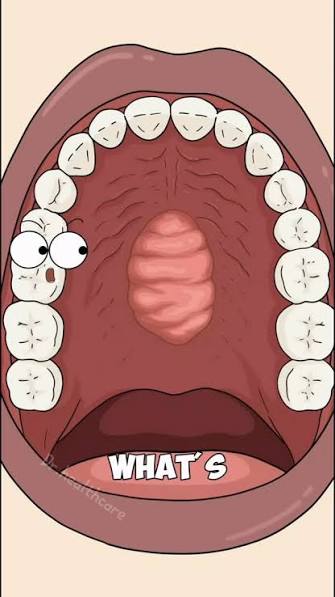
4. Torus Palatinus
If the bump is hard, located in the center of the hard palate, and has been there for a long time, it might be a torus palatinus. This is a bony growth that is completely benign.
- Prevalence: Affects approximately 20-30% of the population.
- Nature: It is an exostosis (extra bone growth) and is not cancerous.
- Treatment: Usually requires no treatment unless it interferes with denture fitting.
When Should You Be Concerned?
While most bumps are benign, it is essential to distinguish between a minor irritation and something that requires medical attention. The American Cancer Society notes that early detection of oral abnormalities is key to successful treatment of serious conditions.
You should schedule an appointment with a dentist or doctor if you experience any of the following red flags:
- Persistence: The bump does not heal or go away after two weeks.
- Growth: The lump is increasing in size rapidly.
- Bleeding: The area bleeds easily without obvious cause.
- Difficulty Swallowing: You feel obstruction or pain when swallowing.
- Color Changes: The bump is dark, black, or has irregular pigmentation.
For more detailed information on oral lesions and their classifications, you can refer to this comprehensive resource on Oral Medicine.
Comparison: Benign vs. Potentially Serious Bumps
To help you assess your situation, here is a quick comparison table. Please note that this is for informational purposes only and not a substitute for professional diagnosis.
| Feature | Benign (Likely Harmless) | Potentially Serious |
|---|---|---|
| Duration | Heals within 7–14 days | Persists longer than 2 weeks |
| Pain Level | Tender initially, then improves | Persistent pain or numbness |
| Texture | Soft, fluid-filled, or hard bone | Hard, fixed, or irregular surface |
| Color | Red, white, or clear | Dark, black, or mixed colors |
| Change | Stable or shrinking | Growing in size |
Step-by-Step Home Care for Minor Bumps
If you suspect your bump is due to a minor burn, canker sore, or irritation, you can manage it at home with these steps. The goal is to reduce inflammation and prevent infection.
- Salt Water Rinse Mix 1 teaspoon of salt into a glass of warm water (approximately 240 ml). Swish gently around your mouth for 30 seconds, then spit it out. Do this 2–3 times a day. Salt water is a natural disinfectant and helps soothe inflamed tissues.
- Avoid Irritants Stay away from spicy, acidic, or crunchy foods that could scratch or irritate the bump further. Opt for soft, cool foods like yogurt, smoothies, or mashed potatoes.
- Maintain Oral Hygiene Continue brushing and flossing, but be extra gentle around the affected area. Use a soft-bristled toothbrush to avoid aggravating the lesion.
- Over-the-Counter Relief If pain is significant, consider using an oral gel containing benzocaine. Follow the package instructions carefully. Do not use these products for more than 7 days without consulting a dentist.
- Hydration Drink plenty of water to keep your mouth moist. A dry mouth can slow down the healing process and increase bacterial growth. Aim for at least 2 liters of water daily.
Frequently Asked Questions (FAQ)
1. Can stress cause bumps on the roof of my mouth?
Yes, indirectly. Stress can weaken your immune system, making you more susceptible to canker sores or viral outbreaks like cold sores. Additionally, stress often leads to behaviors like teeth grinding or cheek biting, which can cause physical trauma to the palate.
2. Is a bump on the roof of my mouth contagious?
It depends on the cause. Canker sores, burns, and torus palatinus are not contagious. However, if the bump is caused by a viral infection like herpes simplex (cold sores) or hand, foot, and mouth disease, it can be contagious through direct contact or sharing utensils.
3. How long does it take for a burned palate to heal?
Minor thermal burns usually heal within 3 to 7 days. Deeper burns may take up to two weeks. If the area remains painful or shows signs of infection (pus, increased swelling) after a week, see a dentist.
4. Can allergies cause bumps on the roof of the mouth?
Yes. Oral allergy syndrome or general allergic reactions can cause swelling, itching, or small hives on the palate. If you notice these symptoms after eating certain foods, consider keeping a food diary and consulting an allergist.
5. What is the difference between a canker sore and a cold sore?
Canker sores occur inside the mouth (including the roof) and are not contagious. Cold sores typically appear outside the mouth (on the lips) and are caused by the herpes virus, making them highly contagious. Cold sores rarely appear on the hard palate.
6. Should I pop a bump on the roof of my mouth?
Never attempt to pop or squeeze a bump in your mouth. This can introduce bacteria, lead to infection, and cause significant pain. If it is a cyst or abscess, it requires professional drainage by a dentist under sterile conditions.
Conclusion
Discovering a bump on the roof of your mouth can be unsettling, but in the vast majority of cases, it is a temporary and harmless issue such as a burn, canker sore, or benign bony growth. By understanding the common causes and monitoring the symptoms, you can effectively manage minor issues at home.
Remember the golden rule of oral health: if it doesn’t heal in two weeks, get it checked. Early intervention is always better than waiting.
Did you find this guide helpful? Share it with friends or family who might be dealing with similar oral health concerns. Spreading awareness helps everyone take better care of their smiles!