Category: oral health

  • Why Does The Roof Of My Mouth Hurt So Bad?

    Why Does The Roof Of My Mouth Hurt So Bad?

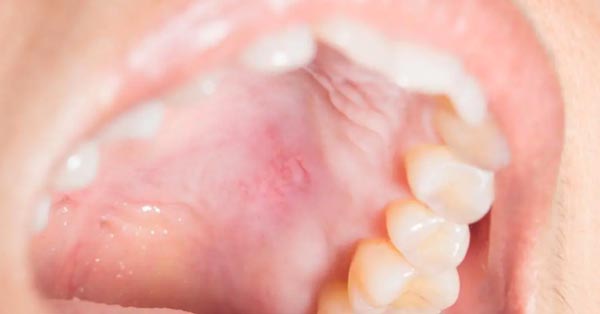
    Have you ever taken a bite of piping hot pizza only to spend the next two days wincing every time your tongue touches the top of your mouth? It is a surprisingly common yet incredibly frustrating experience that can make eating, drinking, and even speaking uncomfortable. If you are currently rubbing your tongue against the rough texture of your palate and asking, “Why does the roof of my mouth hurt so bad,” you are not alone, and there is usually a straightforward explanation.

    In this guide, we will explore the most likely culprits behind your discomfort, ranging from minor thermal injuries to underlying health conditions. We will also provide actionable, expert-backed advice on how to soothe the pain and speed up healing, ensuring you can get back to enjoying your favorite foods without fear.

    Understanding the Anatomy: Why Is the Palate Sensitive?

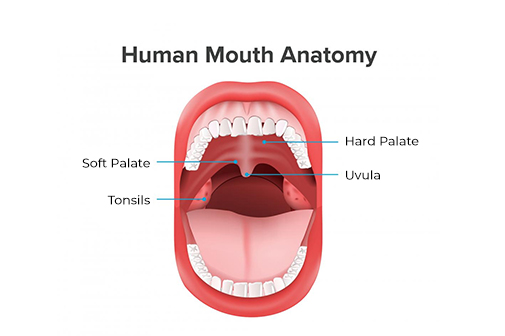
    Before diving into the causes, it helps to understand what is hurting. The roof of your mouth is called the palate. It consists of two parts:

    • The Hard Palate: The bony front section directly behind your upper teeth.
    • The Soft Palate: The muscular, flexible back section near your throat.

    This area is lined with delicate mucous membranes that are highly sensitive to temperature, texture, and chemical changes. Because it is constantly exposed to food and drink, it is prone to various types of trauma. According to dental professionals, the tissue in the mouth heals faster than skin elsewhere on the body due to rich blood supply, but the initial pain can be intense because of the high concentration of nerve endings.

    Common Causes: Why Does the Roof Of My Mouth Hurt So Bad?

    When patients visit dentists complaining of palate pain, the diagnosis often falls into one of several common categories. Letโ€™s break them down.

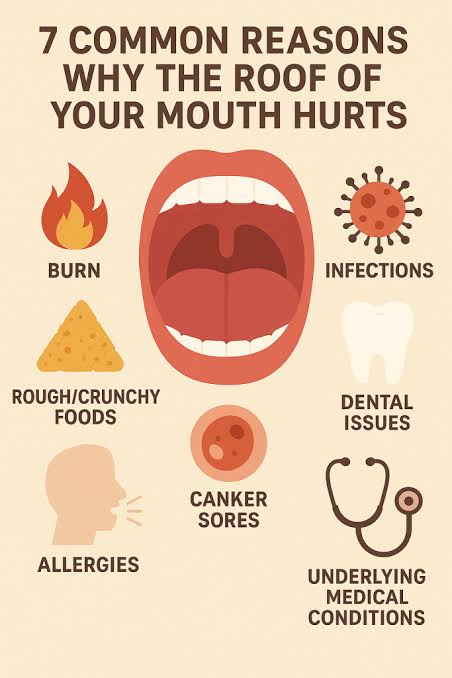
    1. Thermal Burns (Pizza Palate)

    This is the number one reason for sudden, sharp pain. The medical term is often informal, but “pizza palate” is widely recognized. When you consume food or liquids that are too hot (above 140ยฐF or 60ยฐC), the thin layer of tissue on the hard palate can scald.

    • Symptoms: Redness, swelling, blistering, and a raw, tender feeling.
    • Healing Time: Usually 3โ€“7 days.
    • Why it hurts: The heat damages the epithelial cells, exposing the nerves underneath.

    2. Physical Trauma and Abrasions

    Sometimes, the culprit isnโ€™t heat, but texture. Crunchy foods like tortilla chips, hard crusts, or popcorn kernels can scratch or puncture the soft tissue.

    • Scenario: You might feel a sharp sting while eating, followed by a lingering soreness.
    • Risk: These small abrasions can become entry points for bacteria, leading to secondary infections if not kept clean.

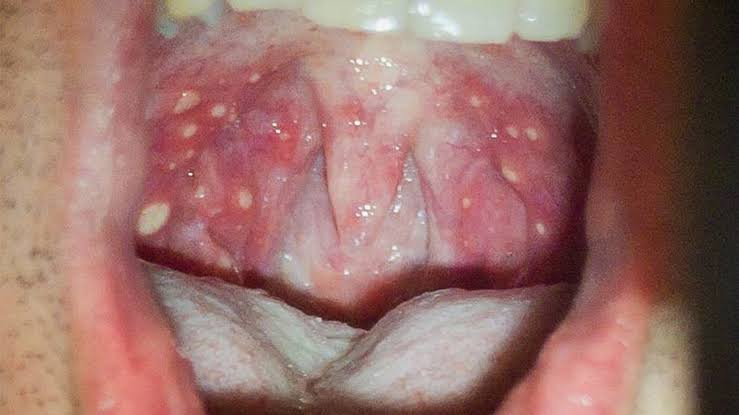
    3. Canker Sores (Aphthous Ulcers)

    Canker sores are small, shallow lesions that develop on the soft tissues in your mouth or at the base of your gums. While they commonly appear on the inside of cheeks or lips, they can also form on the soft palate.

    • Appearance: White or yellow center with a red border.
    • Trigger Factors: Stress, minor injury, acidic foods, or vitamin deficiencies (B-12, zinc, folate).
    • Pain Level: High, especially when eating spicy or acidic foods.

    4. Oral Thrush (Candidiasis)

    Oral thrush is a fungal infection caused by an overgrowth of Candida alb yeast. It is more common in infants, the elderly, and individuals with compromised immune systems or those who use inhalers for asthma.

    • Symptoms: Creamy white lesions on the roof of the mouth, inner cheeks, and sometimes the tongue. Bleeding may occur if scraped.
    • Sensation: A cotton-like feeling in the mouth, loss of taste, and cracking at the corners of the mouth.

    5. Sinus Infections and Allergies

    Surprisingly, your nose and mouth are connected. Severe sinus congestion or allergies can cause post-nasal drip, which irritates the soft palate. Additionally, pressure from inflamed sinuses can refer pain to the upper teeth and the roof of the mouth.

    CausePrimary SymptomTypical DurationImmediate Relief
    Thermal BurnRaw, blistered skin3โ€“7 daysCold water, ice chips
    Physical ScratchSharp, localized pain2โ€“5 daysSalt water rinse
    Canker SoreWhite ulcer with red halo1โ€“2 weeksTopical gels, avoid acid
    Oral ThrushWhite patches, cotton feelRequires treatmentAntifungal medication
    Why Does The Roof Of My Mouth Hurt So Bad

    How to Find Relief: Step-by-Step Home Remedies

    If you are dealing with minor burns or scratches, you can manage the pain at home. Here is a proven protocol to reduce inflammation and promote healing.

    Step 1: Cool Down the Area

    Immediately after a burn, rinse your mouth with cold water. Do not use ice directly on the tissue as it can cause further damage (freezer burn). Instead, suck on ice chips or popsicles. The cold constricts blood vessels, reducing swelling and numbing the nerve endings.

    Step 2: Salt Water Rinses

    Mix 1/2 teaspoon of salt into 8 ounces (240 ml) of warm water. Swish this solution gently around your mouth for 30 seconds, then spit it out.

    • Why it works: Salt is a natural disinfectant. It helps draw out fluid from the tissues, reducing swelling, and creates an environment where bacteria struggle to survive.
    • Frequency: Repeat 2โ€“3 times a day.

    Step 3: Avoid Irritants

    While healing, strictly avoid:

    • Spicy foods (chili, hot sauce)
    • Acidic foods (citrus fruits, tomato sauce, vinegar)
    • Crunchy or sharp foods (chips, nuts)
    • Alcohol-based mouthwashes (they sting and dry out the tissue)

    Step 4: Use Over-the-Counter Aids

    For persistent pain, consider using oral gels containing benzocaine. These provide temporary numbing. However, use them sparingly and follow package instructions. For canker sores, look for products specifically designed to coat the ulcer and protect it from friction.

    When to See a Doctor or Dentist

    While most cases of palate pain resolve on their own, some situations require professional attention. You should seek medical advice if:

    1. The pain lasts longer than two weeks. Most minor oral injuries heal within 7โ€“10 days. Persistent pain could indicate a more serious issue.
    2. You have difficulty swallowing or breathing. This could signal a severe allergic reaction or a deep infection spreading to the throat.
    3. You notice white patches that bleed. This is a classic sign of oral thrush or potentially other conditions like leukoplakia, which requires a biopsy.
    4. You have a high fever. Fever combined with mouth sores may indicate a viral infection like herpes simplex or hand, foot, and mouth disease.

    For more detailed information on oral conditions and their systemic links, you can refer to resources provided by Wikipedia which offers a broad overview of oral anatomy and common pathologies.

    FAQ Section

    1. Can stress cause the roof of my mouth to hurt?

    Yes, indirectly. Stress weakens the immune system, making you more susceptible to canker sores and cold sores. Additionally, stress often leads to behaviors like teeth grinding (bruxism) or consuming more acidic/comfort foods, which can irritate the palate.

    2. Why does the roof of my mouth hurt after eating pineapple?

    Pineapple contains an enzyme called bromelain, which breaks down proteins. When you eat fresh pineapple, this enzyme essentially starts “digesting” the delicate mucous membranes in your mouth, causing a tingling or burning sensation. Cooking pineapple deactivates bromelain, preventing this effect.

    3. Is it normal for the roof of my mouth to hurt when I have a cold?

    It is quite common. Congestion leads to mouth breathing, which dries out the oral tissues. A dry palate is more prone to irritation and cracking. Furthermore, post-nasal drip can carry inflammatory mucus that irritates the soft palate.

    4. How can I prevent burning the roof of my mouth?

    The best prevention is patience. Allow hot foods and beverages to cool for at least 2โ€“3 minutes before consuming. Test the temperature with a small sip or bite first. Also, be mindful of microwaved foods, which often have “hot spots” that are significantly hotter than the rest of the dish.

    5. Can vitamin deficiencies cause palate pain?

    Absolutely. Deficiencies in Vitamin B12, Iron, Folate, and Zinc are linked to recurrent aphthous stomatitis (canker sores). If you frequently suffer from mouth sores without obvious physical trauma, consider discussing a blood test with your healthcare provider to check your nutrient levels.

    Conclusion

    Dealing with a sore palate is never fun, but understanding why does the roof of my mouth hurt so bad is the first step toward relief. In most cases, the culprit is a minor thermal burn or physical scratch that will heal naturally within a week. By keeping the area clean, avoiding irritants, and using simple home remedies like salt water rinses, you can significantly reduce discomfort.

    However, listen to your body. If the pain persists, worsens, or is accompanied by other symptoms like fever or white patches, do not hesitate to consult a dental or medical professional. Early intervention can prevent minor issues from becoming major complications.

    Found this guide helpful? Share it with your friends on social media who might be suffering from “pizza palate” right now! Letโ€™s help everyone enjoy their meals pain-free.

  • Why Does the Roof of My Mouth Hurt When I Eat?

    Why Does the Roof of My Mouth Hurt When I Eat?

    Have you ever taken a bite of your favorite pizza or sipped hot coffee, only to be stopped in your tracks by a sharp sting? It is a frustrating and surprisingly common experience that can turn mealtime into a chore. If you are constantly dealing with pain in the roof of my mouth when I eat, you are not alone, and there are clear, actionable steps you can take to find relief.

    The roof of your mouth, medically known as the palate, is sensitive tissue that plays a crucial role in eating and speaking. When it becomes irritated, inflamed, or injured, even soft foods can become uncomfortable. In this guide, we will explore why this happens, how to treat it at home, and when it is time to seek professional medical advice.

    What Causes Pain in the Roof of My Mouth When I Eat?

    Understanding the root cause is the first step toward healing. The palate is lined with mucous membranes that are delicate and prone to various irritants. Here are the most common culprits behind this discomfort.

    1. Thermal Burns (Pizza Palate)

    This is arguably the most frequent cause. The hard palate has less blood flow than other parts of the mouth, making it slower to heal from heat damage. Consuming food or drinks that are too hotโ€”typically above 140ยฐF (60ยฐC)โ€”can cause first-degree burns. This condition is so common it has earned the nickname “pizza palate.”

    2. Abrasive Foods

    Crunchy foods like tortilla chips, hard crusts, or popcorn kernels can physically scratch or abrade the soft tissue of the palate. These micro-tears may not bleed visibly but can cause significant stinging when exposed to acidic or salty foods later in the meal.

    3. Canker Sores (Aphthous Ulcers)

    Canker sores are small, shallow lesions that develop on the soft tissues in your mouth or at the base of your gums. Unlike cold sores, they donโ€™t occur on the surface of your lips and arenโ€™t contagious. However, they can be painful, especially when eating spicy or acidic foods. Stress, minor injury to your mouth, or certain toothpastes can trigger them.

    4. Allergic Reactions

    Oral Allergy Syndrome (OAS) can cause itching, tingling, or pain in the roof of the mouth immediately after eating certain raw fruits, vegetables, or nuts. This is due to cross-reactivity between pollen allergens and proteins in these foods.

    How Can I Tell If Itโ€™s a Burn or an Infection?

    Distinguishing between a simple burn and an infection is vital for proper treatment. While both cause pain, their symptoms and progression differ significantly.

    FeatureThermal BurnInfection (Viral/Bacterial)
    OnsetImmediate after eating hot foodGradual, often over 1-2 days
    AppearanceRedness, blistering, or peeling skinWhite/yellow ulcers, red halo, swelling
    DurationHeals in 3โ€“7 daysMay last 1โ€“2 weeks without treatment
    Other SymptomsLocalized pain onlyFever, swollen lymph nodes, fatigue

    If you notice systemic symptoms like fever or if the pain spreads beyond the palate, it is likely an infection rather than a simple burn. For more detailed information on oral infections, you can refer to Wikipediaโ€™s article on Stomatitis.

    Pain In The Roof Of My Mouth When I Eat

    What Are the Best Home Remedies for Immediate Relief?

    If you are experiencing pain in the roof of my mouth when I eat, you do not always need prescription medication. Several effective home remedies can soothe the irritation and promote faster healing.

    Step-by-Step Soothing Routine

    1. Rinse with Salt Water Mix 1/2 teaspoon of salt into 8 ounces (approx. 240 ml) of warm water. Swish gently for 30 seconds and spit it out. This helps reduce inflammation and keeps the area clean. Do this 2โ€“3 times a day.
    2. Apply Cold Compresses Suck on ice chips or eat cold, soft foods like yogurt or smoothies. The cold temperature numbs the nerve endings and reduces swelling. Avoid icy treats with hard chunks that could further irritate the tissue.
    3. Use Honey Raw honey has natural antibacterial and anti-inflammatory properties. Apply a small amount directly to the affected area on the roof of your mouth. Let it sit for a few minutes before swallowing. Note: Do not give honey to children under one year old.
    4. Stay Hydrated Drink plenty of water throughout the day. A dry mouth exacerbates pain and slows down the healing process. Aim for at least 2 liters of water daily, keeping the temperature cool or room temperature.

    Foods to Avoid During Healing

    While your palate heals, certain foods can act as irritants. Temporarily remove these from your diet:

    • Acidic foods: Citrus fruits, tomatoes, and vinegar-based dressings.
    • Spicy foods: Chili peppers, hot sauce, and curries.
    • Crunchy/Sharp foods: Chips, crackers, and toast.
    • Very hot beverages: Coffee, tea, or soup. Let them cool to lukewarm before consuming.

    When Should I See a Doctor or Dentist?

    Most cases of palate pain resolve on their own within a week. However, ignoring persistent symptoms can lead to complications. You should schedule an appointment with a healthcare provider if:

    • The pain lasts longer than two weeks.
    • You have difficulty swallowing or breathing.
    • You notice white patches that do not wipe away (potential sign of oral thrush or leukoplakia).
    • You have a high fever or swollen glands in your neck.
    • The pain is severe enough to prevent you from eating or drinking adequately.

    Early intervention is key, especially if the underlying cause is a bacterial infection or a dental issue like an abscessed tooth referring pain to the palate.

    Can Toothpaste or Mouthwash Cause This Pain?

    Yes, your oral hygiene products might be the hidden culprit. Many commercial toothpastes and mouthwashes contain sodium lauryl sulfate (SLS), a foaming agent that can irritate sensitive oral tissues. For some individuals, SLS triggers canker sores or general inflammation on the roof of the mouth.

    Solution: Switch to an SLS-free toothpaste and an alcohol-free mouthwash. Look for products labeled “sensitive” or “natural,” which often use milder ingredients. Give your mouth two weeks to adjust to the new products to see if the pain subsides.

    FAQ Section

    1. Why does the roof of my mouth hurt only when I eat specific foods?

    If the pain is triggered by specific items like apples, carrots, or nuts, it may be due to mechanical abrasion from hard textures. If it happens with fruits like melons or bananas, it could be Oral Allergy Syndrome. Pay attention to the texture and type of food to identify the trigger.

    2. Is pain in the roof of the mouth a sign of cancer?

    While oral cancer can present as a sore that doesnโ€™t heal, it is rare for palate pain to be the only symptom without other signs like lumps, bleeding, or numbness. Most cases are benign burns or ulcers. However, any sore lasting more than two weeks should be evaluated by a professional to rule out serious conditions.

    3. How long does a burned roof of the mouth take to heal?

    Minor thermal burns typically heal within 3 to 7 days. The mouth has a rich blood supply (except for the hard palate), which aids in rapid cell regeneration. Keeping the area clean and avoiding further irritation will speed up the process.

    4. Can stress cause pain in the roof of my mouth?

    Indirectly, yes. Stress weakens the immune system, making you more susceptible to canker sores and viral outbreaks like cold sores. Additionally, stress can lead to teeth grinding (bruxism), which may cause referred pain or accidental biting of the palate.

    5. What is the best over-the-counter medication for this pain?

    Topical oral gels containing benzocaine can provide temporary numbness. Anti-inflammatory medications like ibuprofen can help reduce swelling and pain. Always follow the dosage instructions on the label and consult a pharmacist if you have other health conditions.

    Conclusion

    Dealing with pain in the roof of my mouth when I eat is unpleasant, but it is rarely a cause for panic. In most cases, it is a temporary issue caused by thermal burns, abrasive foods, or minor ulcers. By identifying the trigger, adjusting your diet, and using simple home remedies like salt water rinses, you can find relief quickly.

    Remember, your oral health is a window into your overall well-being. If the pain persists despite home care, do not hesitate to consult a dentist or doctor. Early diagnosis ensures that you can return to enjoying your meals without discomfort.

    Found this guide helpful? Share it with friends and family on social media who might be suffering from similar oral discomfort. Your share could help someone find the relief they need today!

  • Should You Brush the Roof of Your Mouth?

    Should You Brush the Roof of Your Mouth?

    Have you ever finished brushing your teeth, looked in the mirror, and wondered if you missed a spot? Many people focus exclusively on their teeth and gums, often neglecting other critical areas of the oral cavity. If you have found yourself asking, “Are you supposed to brush the roof of your mouth,” you are not alone, and the answer is more nuanced than a simple yes or no.

    Maintaining comprehensive oral hygiene is about more than just a bright smile; it is about systemic health. The roof of your mouth, known medically as the palate, plays a surprising role in your overall bacterial load. In this guide, we will explore why this area matters, how to clean it safely, and what dental professionals recommend for optimal health.

    Why the Roof of Your Mouth Matters for Oral Health

    To understand whether you should brush your palate, we first need to understand its anatomy and function. The roof of the mouth is divided into two parts: the hard palate at the front and the soft palate at the back. While it may seem like an inert surface, it is actually a prime real estate for bacteria.

    The Bacterial Haven

    Your mouth is home to over 700 species of bacteria. While many are harmless, others contribute to tooth decay, gum disease, and bad breath (halitosis). The rough texture of the hard palate can trap food particles, plaque, and dead cells. If left uncleaned, these residues create a biofilm that contributes to poor oral health.

    According to general dental consensus, reducing the overall bacterial load in the mouth is crucial. By ignoring the roof of your mouth, you are leaving a significant portion of your oral cavity uncleaned. This can undermine your efforts in brushing and flossing elsewhere.

    Are You Supposed to Brush the Roof of Your Mouth?

    The short answer is yes, but with caution. You are supposed to clean the roof of your mouth, but “brushing” it with the same intensity as your enamel might not be the best approach.

    The Difference Between Cleaning and Scrubbing

    Enamel is the hardest substance in the human body, designed to withstand vigorous scrubbing. The tissue on the roof of your mouth, however, is mucous membrane. It is delicate, sensitive, and prone to abrasion.

    • Hard Palate: Can tolerate gentle brushing.
    • Soft Palate: Extremely sensitive and should generally be avoided by toothbrush bristles to prevent gagging or tissue damage.

    Dental experts suggest that while you should remove debris and bacteria from this area, the method matters. Aggressive scrubbing can lead to micro-tears in the tissue, creating entry points for infection and causing unnecessary discomfort.

    How to Safely Clean the Roof of Your Mouth

    If you decide to incorporate this step into your routine, technique is everything. Here is a step-by-step guide to doing it safely and effectively.

    Step 1: Choose the Right Tool

    You do not necessarily need a separate tool. Your regular toothbrush can work, but consider the following:

    • Soft-Bristled Toothbrush: Essential to prevent irritation.
    • Tongue Scraper: Some people find a wide tongue scraper effective for the hard palate.
    • Dedicated Palate Cleaner: Rare, but some electric toothbrushes come with specific modes or heads for soft tissue.

    Step 2: The Gentle Sweep

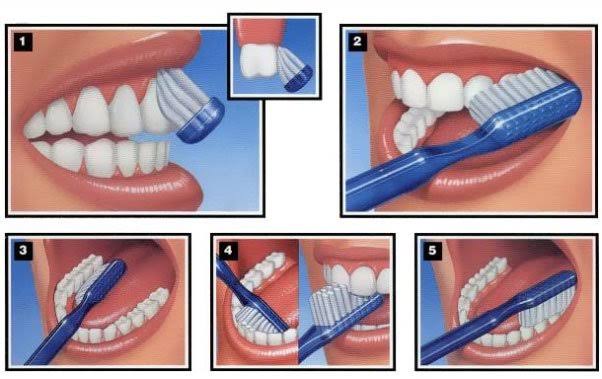
    1. Wet your toothbrush and apply a small amount of toothpaste.
    2. Place the brush gently against the front part of the hard palate (behind your upper front teeth).
    3. Use light, circular motions or gentle back-and-forth strokes.
    4. Move gradually toward the back, but stop before you reach the soft palate (the squishy part near the throat).

    Step 3: Rinse Thoroughly

    After cleaning the palate, rinse your mouth with water or an alcohol-free mouthwash to remove dislodged bacteria and debris.

    Pro Tip: If you experience any bleeding or persistent soreness, stop immediately. Your goal is hygiene, not exfoliation.

    Are You Supposed To Brush The Roof Of Your Mouth

    Brushing vs. Scraping: Which is Better?

    When it comes to the roof of the mouth and the tongue, there is an ongoing debate between brushing and scraping. Letโ€™s break down the pros and cons to help you decide.

    FeatureBrushing (Toothbrush)Scraping (Tongue Scraper)
    EffectivenessGood for removing loose debrisExcellent for removing thick biofilm
    ComfortFamiliar feel, but can trigger gag reflexOften feels cleaner, less gagging
    Risk of IrritationModerate (if bristles are hard)Low (if used with light pressure)
    Ease of UseHigh (already in hand)Medium (requires separate tool)

    For most people, gentle brushing is sufficient for the hard palate. However, if you suffer from chronic bad breath, incorporating a scraper for the tongue and the very front of the palate might yield better results.

    The Connection to Bad Breath (Halitosis)

    One of the primary reasons people ask, “Are you supposed to brush the roof of your mouth?” is due to persistent bad breath. Halitosis is often caused by volatile sulfur compounds produced by bacteria breaking down food particles and proteins.

    The roof of the mouth, particularly the posterior aspect near the tonsils, can harbor anaerobic bacteria. These bacteria thrive in low-oxygen environments and produce foul-smelling gases. By regularly cleaning this area, you reduce the substrate available for these bacteria, thereby significantly reducing odor.

    A study published in the Journal of Clinical Dentistry noted that mechanical cleaning of oral soft tissues, including the palate and tongue, resulted in a measurable reduction in halitosis compared to tooth brushing alone. This highlights the importance of a holistic approach to oral care.

    Common Mistakes to Avoid

    Even with good intentions, many people make errors when trying to clean their palate. Here are the most common pitfalls:

    1. Using Hard Bristles: Never use a medium or hard-bristled brush on soft tissue. It causes micro-abrasions that can become infected.
    2. Going Too Far Back: Attempting to brush the soft palate often triggers the gag reflex and provides little hygiene benefit. Stick to the hard palate.
    3. Ignoring Frequency: Cleaning the palate once a month is not enough. It should be part of your daily routine, ideally once a day.
    4. Pressing Too Hard: Let the bristles do the work. Pressing hard does not clean better; it only damages tissue.

    Expert Insights and Scientific Context

    To further validate the importance of total oral hygiene, we can look at broader medical resources. The structure of the oral cavity is complex, and maintaining its health is linked to systemic conditions. For more detailed anatomical context, you can refer to the Wikipedia page on the Human Mouth, which outlines the various components and their functions.

    Dentists emphasize that the mouth is the gateway to the body. Poor oral hygiene has been linked to heart disease, diabetes, and respiratory issues. By expanding your cleaning routine to include the roof of your mouth, you are taking a proactive step toward overall wellness.

    FAQ Section

    1. Can I use mouthwash instead of brushing the roof of my mouth?

    Mouthwash is a great adjunct, but it is not a replacement for mechanical cleaning. While antimicrobial rinses kill bacteria, they do not physically remove the biofilm and food debris stuck to the textured surface of the palate. Mechanical cleaning is necessary for thorough hygiene.

    2. Does brushing the roof of my mouth prevent thrush?

    Oral thrush is a fungal infection caused by Candida. While good hygiene helps maintain a balanced oral microbiome, brushing the palate alone cannot prevent thrush if other risk factors (like antibiotic use or a compromised immune system) are present. However, a clean environment is less conducive to fungal overgrowth.

    3. My palate bleeds when I brush it. What should I do?

    Bleeding is a sign of trauma or underlying gum disease. Stop brushing the area immediately and switch to a softer brush. If bleeding persists for more than a few days, consult your dentist. It could indicate gingivitis or a more serious condition.

    4. Is it normal for the roof of my mouth to feel rough?

    Yes, the hard palate has a naturally textured surface with ridges called rugae. This texture helps in manipulating food during chewing. However, if you notice new lumps, sores, or changes in texture, see a dental professional for an evaluation.

    5. How often should I clean the roof of my mouth?

    Ideally, you should clean the roof of your mouth once a day. This can be done during your morning or evening brushing routine. Consistency is key to preventing bacterial buildup.

    Conclusion

    So, are you supposed to brush the roof of your mouth? Yes, you are. But remember, it is about cleaning, not scrubbing. By gently incorporating this step into your daily routine, you can reduce bad breath, lower your bacterial load, and improve your overall oral health.

    Start with a soft-bristled toothbrush, be gentle, and focus on the hard palate. Your mouthโ€”and your breathโ€”will thank you.

    Did you find this guide helpful? Share this article with your friends and family on social media to help them achieve better oral hygiene habits. Together, we can promote healthier smiles and healthier bodies.

  • Burnt Roof of Mouth? Hereโ€™s What Happens & How to Heal

    Burnt Roof of Mouth? Hereโ€™s What Happens & How to Heal

    Have you ever taken a bite of piping hot pizza or sipped scalding coffee, only to feel that sharp, stinging sensation on the roof of your mouth? It is a universally frustrating experience that can ruin your meal and leave you in discomfort for days. If you are asking yourself what happens when you burn the roof of your mouth, you are not alone; understanding the biological response and proper care can significantly speed up your recovery.

    The Immediate Biological Response: What Actually Happens?

    When you consume food or liquids that exceed the safe temperature threshold (typically above 140ยฐF or 60ยฐC), the delicate tissue lining the roof of your mouth, known as the hard and soft palate, suffers thermal injury. This isn’t just a superficial sting; it is a localized burn that triggers an immediate inflammatory response.

    The first thing you notice is the pain. This occurs because the heat damages the nerve endings in the mucous membranes. Your body reacts by sending blood to the area to initiate healing, which causes redness and swelling. In more severe cases, the top layer of skin may separate from the underlying tissue, forming a blister.

    According to dental professionals, these burns are classified similarly to skin burns:

    • First-degree: Redness and mild pain (most common).
    • Second-degree: Blistering and intense pain.
    • Third-degree: Deep tissue damage (rare from food, usually requires medical attention).

    For most people, the experience falls into the first or second degree. While painful, the mouth is one of the fastest-healing parts of the human body due to its rich blood supply and unique cellular regeneration properties.

    Why Does the Roof of My Mouth Feel Rough or Peeled?

    A few hours after the initial burn, you might run your tongue over the roof of your mouth and feel a rough, textured, or even “peeled” surface. This is a normal part of the healing process, but it can be alarming if you aren’t expecting it.

    The Shedding Process

    The roughness you feel is actually dead tissue. When the heat damages the epithelial cells on the surface of your palate, those cells die and begin to slough off. Your body is essentially shedding the damaged layer to make room for new, healthy cells underneath.

    • Day 1-2: The area is tender, red, and sensitive to touch.
    • Day 3-5: A white or yellowish film may appear. This is not necessarily pus; it is often a fibrin clot, a natural bandage your body creates to protect the wound while it heals.
    • Day 7+: The tissue regenerates, and the roughness disappears.

    It is crucial not to pick at this peeling skin. Doing so can expose raw nerve endings, increase the risk of infection, and delay healing. Let the tissue shed naturally during eating or brushing.

    What Happens When You Burn The Roof Of Your Mouth

    How to Relieve Pain and Speed Up Healing

    While time is the ultimate healer, you don’t have to suffer in silence. There are several evidence-based methods to manage pain and support the regeneration process. Here is a step-by-step guide to treating a burnt palate.

    Step 1: Cool It Down Immediately

    As soon as you realize youโ€™ve burned your mouth, stop eating. Take small sips of cold water or hold ice chips against the roof of your mouth.

    • Recommendation: Use cold water (around 40โ€“50ยฐF / 4โ€“10ยฐC) for 10โ€“15 minutes. Avoid extreme ice directly on the tissue for too long, as this can cause further tissue damage (frostbite-like effect).

    Step 2: Rinse with Salt Water

    Salt water is a natural disinfectant and helps reduce inflammation.

    • Recipe: Mix 1/2 teaspoon of salt into 8 ounces (240 ml) of warm water.
    • Action: Swish gently for 30 seconds and spit out. Repeat 2โ€“3 times a day.

    Step 3: Use Soothing Agents

    Certain foods and products can coat the burn and provide a protective barrier.

    • Honey: Known for its antimicrobial and wound-healing properties. Apply a small amount directly to the burnt area.
    • Yogurt or Milk: The cool temperature and probiotics can soothe irritation.
    • Aloe Vera: Ensure it is food-grade aloe vera gel. It has anti-inflammatory properties that can reduce pain.

    Step 4: Over-the-Counter Pain Relief

    If the pain is interfering with your ability to eat or sleep, consider using OTC medications.

    • Oral Gels: Products containing benzocaine can numb the area temporarily.
    • Anti-inflammatories: Ibuprofen can help reduce swelling and pain systemically.

    Foods to Eat vs. Foods to Avoid

    Your diet plays a critical role in how quickly your mouth heals. Irritating the wound can reset the healing clock. Use this table to guide your food choices during the recovery period.

    Food CategoryRecommended (Healing)Avoid (Irritating)
    TemperatureCold or room temperature foodsPiping hot soups, coffee, tea
    TextureSoft, smooth textures (pudding, yogurt)Crunchy, sharp foods (chips, toast)
    Flavor ProfileBland, mild flavorsSpicy, acidic, or salty foods
    ExamplesIce cream, smoothies, mashed potatoesCitrus fruits, tomato sauce, salsa

    Pro Tip: Stick to a soft-food diet for the first 48 hours. Think of foods that require minimal chewing and wonโ€™t scratch the sensitive palate.

    When Should You See a Doctor?

    Most burnt palates heal within 3 to 7 days without professional intervention. However, there are specific signs that indicate a complication or a more severe injury requiring medical attention.

    You should consult a healthcare provider if:

    1. Signs of Infection: Increased redness, swelling, pus, or fever.
    2. Persistent Pain: The pain does not subside after 7โ€“10 days.
    3. Large Blisters: If blisters are large, numerous, or interfering with breathing/swallowing.
    4. White Patches: If white patches persist beyond two weeks, it could indicate a fungal infection (thrush) or other oral conditions unrelated to the burn.

    For more detailed information on oral mucosal injuries, you can refer to resources like Wikipediaโ€™s article on Oral Mucosa to understand the anatomy involved.

    Frequently Asked Questions (FAQ)

    1. How long does it take for the roof of your mouth to heal?

    Typically, minor burns on the roof of the mouth heal within 3 to 7 days. The mouth has a high rate of cell turnover, which allows for faster recovery compared to skin burns on other parts of the body. Severe second-degree burns may take up to two weeks.

    2. Can I brush my teeth if I have a burnt roof of my mouth?

    Yes, maintaining oral hygiene is crucial to prevent infection. However, be gentle around the affected area. Use a soft-bristled toothbrush and avoid scrubbing the burnt spot directly. Rinsing with salt water after brushing can help keep the area clean.

    3. Why does my burnt mouth taste weird?

    Damage to the taste buds and nerve endings on the roof of your mouth can temporarily alter your sense of taste. You might experience a metallic, bitter, or bland taste. This is usually temporary and resolves as the tissue heals.

    4. Is it bad to pop the blister on the roof of my mouth?

    Yes, do not pop it. The blister acts as a natural sterile bandage protecting the raw tissue underneath. Popping it introduces bacteria from your mouth into the open wound, significantly increasing the risk of infection and prolonging healing time.

    5. Can drinking hot coffee cause permanent damage?

    It is highly unlikely. Most thermal injuries from food and beverages are superficial. Permanent damage usually requires exposure to extremely high temperatures for a prolonged period, which is rare in accidental dietary burns. However, chronic consumption of very hot beverages has been linked to other health risks, so moderation is key.

    6. What is the best home remedy for a burnt palate?

    Cold dairy products (like yogurt or milk), honey, and salt water rinses are among the most effective home remedies. They soothe pain, reduce inflammation, and keep the area clean without harsh chemicals.

    Conclusion

    Experiencing the pain of a burnt palate is unpleasant, but understanding what happens when you burn the roof of your mouth can help you manage the situation effectively. By cooling the area immediately, avoiding irritants, and using soothing remedies like salt water or honey, you can minimize discomfort and speed up the natural healing process.

    Remember, your mouth is resilient. With a little care and patience, youโ€™ll be back to enjoying your favorite hot foods in no time. If you found this guide helpful, please share it with your friends and family on social mediaโ€”because everyone knows someone who loves their pizza just a little too hot!

  • Do You Have Taste Buds on the Roof of Your Mouth?

    Do You Have Taste Buds on the Roof of Your Mouth?

    Have you ever taken a sip of hot coffee or a bite of spicy food and felt a distinct sensation on the roof of your mouth, wondering if you were actually “tasting” it there? It is a common confusion, as our mouths are complex sensory landscapes. Many people ask, “Are there taste buds in the roof of your mouth?” to understand if that upper surface contributes to flavor or if it is merely a structural boundary.

    The short answer is nuanced: while the hard palate (the bony front part) generally lacks taste buds, the soft palate (the muscular back part) does contain them. Understanding this distinction can change how you perceive flavor and even help you identify certain oral health issues. In this guide, we will dive deep into the anatomy of your mouth, debunk common myths, and explain exactly how your sense of taste works beyond just the tongue.

    The Anatomy of Taste: Where Are Taste Buds Located?

    To answer whether taste buds exist on the roof of the mouth, we first need to map out the terrain of the oral cavity. Most people believe taste buds are exclusively located on the tongue, specifically on those small bumps called papillae. While the tongue is indeed the primary organ for taste, it is not the sole player.

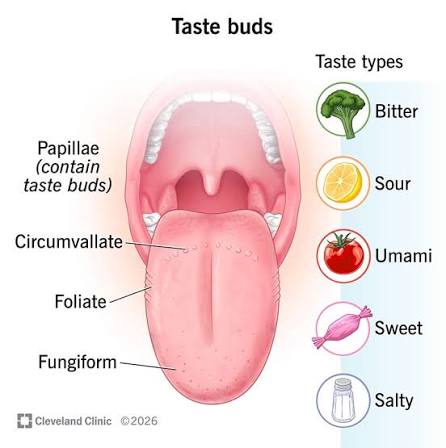
    Taste buds are microscopic sensory organs that contain gustatory receptor cells. These cells detect chemical compounds in food and send signals to the brain via cranial nerves. According to standard anatomical models, taste buds are distributed across several areas:

    • The Tongue: Specifically on the fungiform, foliate, and circumvallate papillae.
    • The Soft Palate: The rear, muscular part of the roof of the mouth.
    • The Epiglottis: The flap that covers the windpipe during swallowing.
    • The Upper Esophagus: Though fewer in number here.

    It is crucial to distinguish between the hard palate and the soft palate. The hard palate is the bony structure at the front of the roof of your mouth. It is covered by a thick layer of keratinized epithelium, designed to withstand the friction of chewing. This area does not contain taste buds. Its primary job is mechanical, helping to crush food against the tongue.

    However, the soft palate, located further back near the throat, is softer and more flexible. This area does contain scattered taste buds. This is why you might perceive certain flavors more intensely when food moves toward the back of your mouth during swallowing.

    Why Does the Roof of My Mouth Feel Sensitive to Flavor?

    If the hard palate doesnโ€™t have taste buds, why does it feel like it reacts to strong flavors? This is a common point of confusion. The sensation you feel on the roof of your mouth is often not “taste” in the strict scientific sense, but rather chemesthesis.

    Chemesthesis refers to chemical sensitivity that is not related to taste or smell. It involves the trigeminal nerve, which detects pain, temperature, and touch. When you eat something spicy, minty, or carbonated, the trigeminal nerve is activated.

    Sensation TypeDetected ByExample
    Gustation (Taste)Taste Buds (Gustatory Cells)Sweet, Salty, Sour, Bitter, Umami
    ChemesthesisTrigeminal Nerve EndingsSpiciness (Capsaicin), Coolness (Menthol), Burn

    So, when you feel a “zing” on the roof of your mouth from a soda or a chili pepper, it is your nerve endings reacting to irritation or temperature, not your taste buds identifying a flavor profile. This distinction is vital for understanding oral sensitivity and avoiding damage from excessively hot or acidic foods.

    Are There Taste Buds In The Roof Of Your Mouth

    The Role of the Soft Palate in Flavor Perception

    While the hard palate is inactive in terms of taste, the soft palate plays a surprising role in the overall eating experience. Research suggests that the taste buds on the soft palate are particularly sensitive to bitter and sweet tastes. This may serve an evolutionary purpose: detecting potentially toxic substances (often bitter) before they are fully swallowed, or identifying high-energy foods (sweet).

    Furthermore, the soft palate helps close off the nasal cavity during swallowing. This action forces air through the nose, enhancing retronasal olfaction. Simply put, much of what we perceive as “flavor” is actually smell. By directing aromas upward into the nasal passage, the soft palate amplifies the complexity of the food you are eating.

    For more detailed anatomical references, you can review the structural breakdown provided by Wikipediaโ€™s entry on the palate, which offers comprehensive diagrams of the oral cavityโ€™s divisions.

    Common Myths About Taste Buds and the Palate

    There are several misconceptions about how we taste that persist despite scientific evidence. Letโ€™s clear up a few:

    Myth 1: The Tongue Map is Accurate

    You may have learned in school that different parts of the tongue detect specific tastes (e.g., sweet at the tip, bitter at the back). This “tongue map” has been debunked. All taste buds, including those on the soft palate, can detect all five basic tastes, though some areas may be slightly more sensitive to certain profiles.

    Myth 2: Only the Tongue Tastes

    As established, taste buds are present in the throat, epiglottis, and soft palate. Ignoring these areas leads to an incomplete understanding of flavor perception.

    Myth 3: Burning the Roof of Your Mouth Destroys Taste Buds

    Since the hard palate lacks taste buds, burning it with hot pizza cheese wonโ€™t destroy your ability to taste. However, it can damage the delicate tissue and nerve endings, causing temporary pain and reduced sensitivity to texture and temperature. The soft palate, having taste buds, can suffer temporary taste distortion if severely burned, but these cells regenerate quickly.

    How to Protect Your Oral Sensory Health

    Maintaining the health of your entire oral cavity, including the roof of your mouth, ensures optimal sensory function. Here are practical steps to keep your taste buds and nerve endings healthy:

    1. Avoid Extreme Temperatures: Consistently consuming scalding hot beverages can damage the epithelial lining of the hard and soft palates. Let your coffee cool to around 60ยฐC (140ยฐF) before drinking.
    2. Practice Good Oral Hygiene: Bacteria buildup can affect taste perception. Brush your tongue gently and use a mouthwash that doesnโ€™t contain excessive alcohol, which can dry out oral tissues.
    3. Stay Hydrated: Saliva is essential for dissolving food particles so they can reach taste receptors. Dehydration leads to dry mouth, which significantly dulls taste. Aim for at least 2 liters of water daily.
    4. Quit Smoking: Smoking damages taste buds and reduces blood flow to the oral tissues, impairing both taste and smell. Smokers often report a diminished ability to taste subtle flavors.
    5. Monitor Medications: Some medications can cause metallic tastes or dry mouth. If you notice sudden changes in taste, consult your healthcare provider.

    FAQ Section

    1. Can you lose taste buds on the roof of your mouth?

    Yes, but it is rare to lose them exclusively on the soft palate without other symptoms. Taste buds regenerate every 10โ€“14 days. However, aging, smoking, radiation therapy, or certain infections can reduce the overall number of functional taste buds in the mouth, including those on the soft palate.

    2. Why does the roof of my mouth hurt when I eat acidic foods?

    This is likely due to the thin mucous membrane on the hard palate being irritated by acid, not because of taste buds. The trigeminal nerve endings detect the acidity as a mild pain or sting. This is a protective mechanism to prevent tissue damage.

    3. Are there more taste buds on the tongue or the roof of the mouth?

    There are significantly more taste buds on the tongue. The tongue contains thousands of taste buds across its various papillae. The soft palate has a much smaller concentration, serving more as a supplementary sensory area rather than the primary detector.

    4. Can burns on the roof of the mouth affect my sense of taste?

    Temporary burns on the hard palate will not affect taste since there are no taste buds there. However, severe burns that extend to the soft palate could temporarily impair taste sensation in that specific area. Full recovery usually occurs within two weeks as the cells regenerate.

    5. Do children have taste buds on the roof of their mouths?

    Yes, children have taste buds on their soft palates, just like adults. In fact, children often have a higher density of taste buds overall, which is why they may be more sensitive to bitter flavors (like vegetables) than adults. As we age, the number of taste buds naturally decreases.

    Conclusion

    So, are there taste buds in the roof of your mouth? The answer is yes, but with a caveat. They are located specifically on the soft palate, not the hard bony front section. While the tongue remains the powerhouse of taste, the soft palate contributes to our ability to detect bitter and sweet notes and plays a critical role in directing aromas for a full flavor experience.

    Understanding this anatomy helps us appreciate the complexity of eating. It also reminds us to care for our entire oral cavity, not just our teeth and tongue. By avoiding extreme temperatures and maintaining good hygiene, you protect both your taste buds and the sensitive nerve endings that make every meal enjoyable.

    If you found this explanation helpful, please share it with your friends and family! You might just change the way they think about their next cup of coffee. Donโ€™t forget to leave a comment below if youโ€™ve ever experienced strange sensations on the roof of your mouthโ€”weโ€™d love to hear your stories.

  • Stuck? Fear Of Peanut Butter On The Roof Of Your Mouth

    Stuck? Fear Of Peanut Butter On The Roof Of Your Mouth

    Have you ever taken a bite of your favorite sandwich, only to feel that familiar, suffocating panic as the paste adheres firmly to the palate? You are not alone in experiencing the Fear Of Peanut Butter On The Roof Of Your Mouth, a common sensory anxiety that ruins mealtime enjoyment for many Americans. This article explores why this happens and provides actionable, stress-free solutions to help you enjoy your protein snack without the dread.

    Why Does Peanut Butter Stick to the Palate?

    To conquer the fear, we must first understand the mechanics behind the stickiness. It is not just in your head; it is physics and chemistry working against your comfort.

    Peanut butter is an emulsion of ground peanuts, oil, and often added sugars or stabilizers. When you chew, the mechanical action breaks down the structure, but the high viscosity and low water content allow it to adhere strongly to mucous membranes. The roof of your mouth (the hard and soft palate) is lined with sensitive tissue that can easily trap dense, oily substances.

    According to food science principles, the adhesion is caused by:

    • High Viscosity: The thickness prevents it from sliding down easily.
    • Hydrophobic Nature: The oils repel saliva initially, preventing immediate lubrication.
    • Surface Tension: The smooth surface of the palate creates a vacuum-like effect when pressed against the thick paste.

    Understanding this helps demystify the experience. It is not a personal failure; it is a material property of the food.

    Is “Arachibutyrophobia” a Real Medical Condition?

    You might have heard the term arachibutyrophobia tossed around in memes or casual conversation. But is it a clinically recognized phobia?

    The short answer is no. While the fear of peanut butter sticking to the roof of the mouth is a very real sensory discomfort or anxiety, it is not classified as a distinct phobia in the Diagnostic and Statistical Manual of Mental Disorders (DSM-5). However, for individuals with sensory processing disorders, autism spectrum disorder (ASD), or general anxiety, this sensation can trigger genuine distress.

    For most people, it is less of a phobia and more of a nuisance anxiety. It is the fear of choking, embarrassment, or simply the unpleasant tactile sensation of having something stuck that wonโ€™t go away. Recognizing this distinction is crucial because it shifts the solution from “therapy” to “practical management.”

    Expert Insight: Dr. Sarah Jenkins, a behavioral psychologist specializing in food aversions, notes, “When patients describe a fear of sticky foods, they are often describing a loss of control. The solution lies in regaining control through preparation and technique.”

    How to Prevent Peanut Butter from Sticking

    Prevention is always better than cure. If you want to avoid the panic entirely, you need to alter how you consume the peanut butter. Here are proven strategies to minimize adhesion.

    1. Choose the Right Type of Peanut Butter

    Not all peanut butters are created equal. Natural, organic peanut butters tend to be oilier and less sticky than commercial brands loaded with hydrogenated oils and sugar.

    • Natural Peanut Butter: Higher oil content means it melts faster in the mouth.
    • Crunchy vs. Creamy: Surprisingly, crunchy peanut butter may be easier to manage. The nut fragments break up the mass, allowing saliva to penetrate more easily and reducing the “vacuum” effect.

    2. The “Pairing” Technique

    Never eat peanut butter dry or on plain white bread if you are prone to sticking. Pair it with foods that have high water content or abrasive textures.

    • Apple Slices: The crispness and moisture help wash the palate.
    • Celery Sticks: The fibrous texture acts as a natural scrubber.
    • Whole Grain Bread: The rougher texture prevents the smooth paste from forming a seamless seal against your palate.

    3. Temperature Matters

    Cold peanut butter is significantly stickier than room-temperature or slightly warmed peanut butter.

    • Tip: Let your jar sit out for 10 minutes before spreading.
    • Advanced Tip: Microwave your spread for 5โ€“10 seconds. Warm oil flows more freely, reducing viscosity and making it easier to swallow.
    Fear Of Peanut Butter On The Roof Of Your Mouth

    What to Do If It Gets Stuck: Immediate Remedies

    Despite your best efforts, accidents happen. If you feel that familiar cling, do not panic. Panic tightens the throat and reduces saliva production, making the problem worse. Follow these steps immediately.

    Step-by-Step Removal Guide

    1. Stay Calm: Take a slow breath through your nose. Remind yourself that this is uncomfortable, not dangerous.
    2. Do Not Gulp Water Immediately: Gulping large amounts of water can sometimes push the mass further back or cause choking if the airway is partially obstructed. Instead, take small sips.
    3. Use a “Solvent”:
      • Warm Water: Sip warm (not hot) water. Heat helps melt the oils.
      • Milk or Yogurt: The fats and proteins in dairy can help break down the peanut butterโ€™s adhesion better than water alone.
      • Crackers or Bread: Eat a dry cracker or a piece of bread. The dry, absorbent material will bind to the peanut butter and pull it off the palate as you chew and swallow.
    4. Tongue Sweep: Use your tongue to gently sweep the roof of your mouth. Combine this with sipping water to create a lubricating slurry.
    MethodEffectivenessSpeedBest For
    Warm WaterHighMediumGeneral sticking
    Dry CrackerVery HighFastHeavy adhesion
    Milk/YogurtHighMediumSensory comfort
    Gulping WaterLowSlowEmergency only

    The Role of Saliva in Managing Sticky Foods

    Saliva is your bodyโ€™s natural lubricant, but its effectiveness varies from person to person. If you suffer from dry mouth (xerostomia), your fear of sticky foods is justified because you lack the natural mechanism to clear them.

    • Hydration: Ensure you are well-hydrated throughout the day. Dehydration leads to thicker, less effective saliva.
    • Chewing Gum: Chewing sugar-free gum before eating can stimulate saliva flow, preparing your mouth for sticky foods.
    • Medical Check: If you consistently struggle with sticky foods due to dry mouth, consult a dentist or doctor. It could be a side effect of medication or an underlying health issue.

    For more detailed information on oral health and saliva function, you can refer to this comprehensive resource on Wikipedia: Saliva.

    Overcoming the Psychological Barrier

    For many, the issue is 50% physical and 50% psychological. The anticipation of the stickiness creates tension, which alters how we eat.

    • Mindful Eating: Slow down. Chew thoroughly. This mixes saliva with the food before it reaches the back of the mouth.
    • Exposure Therapy: Start with small amounts. Try a teaspoon of peanut butter mixed into oatmeal. Gradually increase the texture complexity as your confidence grows.
    • Reframe the Narrative: Instead of thinking, “It will get stuck,” think, “I have tools to handle it if it does.” Having a glass of water and a cracker nearby gives you a safety net.

    FAQ: Common Questions About Peanut Butter Adhesion

    1. Can peanut butter stuck on the roof of my mouth cause choking?

    While rare, it is possible if the mass is large and blocks the airway. However, the human gag reflex is strong. If you feel it sticking, stay calm, sip water, and use a cracker to dislodge it. Never ignore difficulty breathing.

    2. Is crunchy peanut butter better than creamy for this issue?

    Yes, for many people. The solid nut pieces disrupt the uniform sticky layer, allowing saliva to penetrate and break down the mixture more efficiently than smooth, homogenous creamy peanut butter.

    3. Why does honey not stick as much as peanut butter?

    Honey is hydrophilic (water-loving) and dissolves easily in saliva. Peanut butter is hydrophobic (oil-based) and does not mix readily with water-based saliva, leading to stronger adhesion to the mucous membranes.

    4. Should I avoid peanut butter if I have this fear?

    No. Peanut butter is a nutritious source of protein and healthy fats. Instead of avoiding it, modify how you eat it. Use the pairing and temperature techniques mentioned above to enjoy it safely.

    5. Does drinking cold water help remove stuck peanut butter?

    Cold water can actually make the oils in peanut butter solidify slightly, making it harder to remove. Warm or room-temperature liquids are far more effective at melting the fats and easing removal.

    6. Is there a specific brand of peanut butter that is less sticky?

    Brands that are labeled “natural” or “no-stir” with higher oil separation tend to be less sticky once stirred. Avoid brands with high fructose corn syrup or hydrogenated oils, as these additives increase viscosity and adhesion.

    Conclusion

    The Fear Of Peanut Butter On The Roof Of Your Mouth is a valid sensory concern, but it does not have to dictate your diet. By understanding the science behind adhesion, choosing the right type of peanut butter, and employing simple remedial tactics like using crackers or warm liquids, you can reclaim your enjoyment of this classic staple.

    Remember, the key is preparation and staying calm. With these strategies, you can turn a moment of panic into a manageable minor inconvenience.

    Did you find these tips helpful? Share this article with your friends who also dread the “peanut butter panic” on social media! Letโ€™s help everyone enjoy their sandwiches stress-free.

  • Lump on Roof of Mouth? Causes & When to Worry

    Lump on Roof of Mouth? Causes & When to Worry

    Finding a strange bump in your mouth can be startling. You might run your tongue over the roof of your mouth and feel something that wasnโ€™t there before. It is natural to feel anxious, but please take a deep breath. Most lumps on the palate are benign and temporary. If you are thinking, “I have a lump on the roof of my mouth,” you are not alone. This guide will help you understand what it might be and how to handle it safely.

    What Are the Most Common Causes of a Palate Lump?

    The roof of your mouth, known medically as the palate, is divided into two sections: the hard palate (front) and the soft palate (back). Because this area is exposed to hot foods, bacteria, and physical trauma, it is prone to various issues. Understanding the root cause is the first step toward relief.

    1. Trauma and Burns (Pizza Palate)

    This is arguably the most frequent culprit. The tissue on the hard palate is delicate. Eating food that is too hotโ€”like melted cheese or hot coffeeโ€”can cause a thermal burn. This results in a blister or a swollen lump. Similarly, eating sharp foods like tortilla chips or crusty bread can scratch the tissue, leading to inflammation and swelling as the body heals the wound.

    2. Canker Sores (Aphthous Ulcers)

    While canker sores often appear on the inner cheeks or gums, they can develop on the soft palate. These start as small, tender bumps before turning into open ulcers. They are usually white or yellow with a red border. Stress, minor injury, or acidic foods often trigger them. Unlike cold sores, canker sores are not contagious.

    3. Oral Mucocele

    A mucocele is a fluid-filled cyst that forms when a salivary gland gets blocked or damaged. While more common on the lower lip, they can occur on the roof of the mouth. These lumps are typically smooth, round, and bluish or clear in appearance. They are generally painless unless irritated by chewing.

    4. Torus Palatinus

    If the lump is hard, bony, and located in the center of the hard palate, it might be a torus palatinus. This is a benign bony growth. It is not a disease but a genetic variation. Many people have them without knowing. They grow slowly over years and usually require no treatment unless they interfere with denture fitting.

    5. Nasopalatine Duct Cyst

    This is a rare type of developmental cyst that occurs in the midline of the anterior hard palate. It arises from remnants of embryonic tissue. While often asymptomatic, it can become infected, leading to swelling and discomfort. Diagnosis usually requires an X-ray or CT scan.

    How Can I Tell If Itโ€™s Serious or Benign?

    Distinguishing between a harmless irritation and a condition requiring medical attention can be tricky. However, certain signs point toward benign causes, while others warrant immediate professional evaluation.

    Signs of a Benign (Harmless) Lump:

    • Recent Trauma: You recall burning your mouth or scratching it recently.
    • Short Duration: The lump has been present for less than two weeks.
    • Pain Level: It is tender to touch but not causing severe, radiating pain.
    • Appearance: It looks like a blister, ulcer, or matches the color of surrounding tissue.

    Red Flags Requiring a Dentist or Doctor:

    • Persistence: The lump does not heal or shrink after 14 days.
    • Growth: The lump is getting larger rapidly.
    • Bleeding: It bleeds spontaneously without being touched.
    • Color Changes: It appears dark red, purple, or has irregular white patches.
    • Associated Symptoms: You experience difficulty swallowing, breathing, or have unexplained weight loss.

    According to the Oral Cancer Foundation, early detection of oral abnormalities is crucial for successful treatment. While most lumps are not cancer, persistent changes should never be ignored.

    I Have A Lump On The Roof Of My Mouth

    What Home Remedies Provide Relief?

    If your lump is due to minor trauma or a canker sore, you can manage discomfort at home. The goal is to reduce inflammation and prevent infection while the tissue heals.

    Step-by-Step Home Care Protocol:

    1. Salt Water Rinse: Mix 1 teaspoon of salt into 8 ounces (approx. 240 ml) of warm water. Swish gently for 30 seconds and spit out. Do this 3โ€“4 times a day. Salt acts as a natural antiseptic and reduces swelling.
    2. Cold Compress: Suck on ice chips or eat cold foods like yogurt or smoothies. The cold numbs the area and constricts blood vessels, reducing inflammation. Avoid very hot temperatures.
    3. Avoid Irritants: Stay away from spicy, acidic (citrus, tomato), and crunchy foods. These can aggravate the sensitive tissue. Stick to a soft diet for a few days.
    4. Over-the-Counter Gels: Use oral gels containing benzocaine for temporary pain relief. Apply a small amount directly to the lump using a clean cotton swab.
    5. Hydration: Drink plenty of water. A dry mouth can slow down healing and increase bacterial growth. Aim for at least 2 liters of water daily.
    RemedyBest ForFrequency
    Salt Water RinseGeneral healing, cleaning3-4 times/day
    Ice/Cold FoodsPain relief, swellingAs needed
    Benzocaine GelNumbing painMax 4 times/day
    Soft DietPreventing further traumaUntil healed

    When Should I See a Professional?

    Timing is critical. If you have tried home remedies for two weeks with no improvement, schedule an appointment with your dentist or primary care physician. They can perform a physical exam and, if necessary, order imaging tests.

    For lumps suspected to be cysts or bony growths, a dentist may take an X-ray. If the lump looks suspicious for oral cancer, a biopsy may be performed. This involves removing a small sample of tissue for laboratory analysis. It is a quick procedure done under local anesthesia.

    Remember, early intervention is key. Even if the diagnosis is serious, outcomes are significantly better when conditions are caught early. Do not let fear delay your visit. Dental professionals deal with these issues daily and will provide compassionate, expert care.

    FAQ Section

    1. Can a lump on the roof of my mouth be cancer?

    While it is possible, it is rare. Most lumps are benign conditions like burns, cysts, or canker sores. However, any lump that persists for more than two weeks, bleeds, or grows should be evaluated by a professional to rule out oral cancer.

    2. Why does my lump hurt when I eat?

    Pain during eating usually indicates inflammation or an open sore, such as a burn or canker sore. Hot, spicy, or crunchy foods irritate the exposed nerve endings in the damaged tissue. Switching to a soft, cool diet can help minimize this pain.

    3. Is a hard lump on the roof of my mouth dangerous?

    Not necessarily. A hard, bony lump in the center of the hard palate is often a torus palatinus, which is a harmless genetic bone growth. However, if a hard lump appears suddenly or grows quickly, it requires medical assessment to determine its nature.

    4. How long does it take for a mouth burn to heal?

    Minor thermal burns on the roof of the mouth typically heal within 3 to 7 days. The mouth has a rich blood supply, which promotes rapid healing. Keeping the area clean and avoiding further irritation speeds up the process.

    5. Can stress cause lumps in the mouth?

    Stress does not directly cause lumps, but it weakens the immune system. This can make you more susceptible to canker sores or viral outbreaks like cold sores, which may present as lumps or blisters on the palate. Managing stress can help prevent recurrent oral issues.

    6. Should I pop a blister on the roof of my mouth?

    No. Never pop a blister or lump in your mouth. Doing so introduces bacteria from your hands and mouth into the open wound, significantly increasing the risk of infection. Let it heal naturally or burst on its own. If it is painful, use cold compresses for relief.


    Conclusion

    Discovering a lump on the roof of your mouth can be worrying, but knowledge is power. In most cases, these lumps are temporary reactions to heat, trauma, or minor infections. By following simple home care steps and monitoring the lumpโ€™s progress, you can often resolve the issue without invasive treatment.

    However, always trust your instincts. If the lump persists beyond two weeks, changes in appearance, or causes significant discomfort, seek professional advice. Your oral health is a vital part of your overall well-being.

    Did you find this guide helpful? Share it with friends or family who might be experiencing similar symptoms. Spreading awareness helps everyone take better care of their health. Stay safe and keep smiling!

  • Why Does the Roof of My Mouth Hurt?

    Why Does the Roof of My Mouth Hurt?

    Have you ever taken a bite of pizza only to regret it seconds later as a sharp sting radiates across the top of your mouth? It is a surprisingly common yet uncomfortable experience that can make eating, drinking, and even talking difficult. If you are currently wincing in discomfort and asking yourself, “What does it mean when roof of your mouth hurts,” you are not alone, and there is usually a straightforward explanation.

    In this guide, we will explore the most likely culprits behind palate pain, ranging from minor thermal injuries to underlying health conditions. We will also provide actionable, expert-backed advice on how to soothe the pain and when it is time to see a doctor. Letโ€™s dive in to get you some relief.

    Common Causes of Palate Pain

    The roof of your mouth, medically known as the palate, is divided into two sections: the hard palate at the front and the soft palate at the back. Because this area is lined with sensitive mucous membranes, it is vulnerable to various irritants. Understanding the root cause is the first step toward effective treatment.

    1. Thermal Injury (The Pizza Burn)

    By far the most common reason for sudden palate pain is a thermal burn. The tissues in your mouth are delicate, and consuming food or drinks that are too hot can damage the top layer of cells.

    • How it happens: Eating freshly baked bread, hot cheese, or sipping scalding coffee.
    • Symptoms: Immediate stinging, redness, and potentially blistering or peeling skin after a few days.
    • Healing Time: Minor burns typically heal within 3โ€“7 days as the mouth has a high rate of cell regeneration.

    2. Abrasion from Hard Foods

    Sometimes, it is not the heat, but the texture. Crunchy foods like tortilla chips, hard crusts, or candy can scratch the soft tissue of the hard palate.

    • Mechanism: Physical trauma creates micro-tears in the mucosa.
    • Sensation: A raw, tender feeling that worsens when touched by the tongue or more food.

    3. Canker Sores (Aphthous Ulcers)

    Canker sores are small, shallow lesions that develop on the soft tissues in your mouth or at the base of your gums. While they often appear on the inside of cheeks, they can certainly form on the soft palate.

    • Appearance: White or yellow center with a red border.
    • Triggers: Stress, minor injury, acidic foods, or vitamin deficiencies (B-12, zinc, folate).
    • Duration: Usually heal on their own in one to two weeks.

    4. Oral Thrush (Candidiasis)

    Oral thrush is a fungal infection caused by an overgrowth of Candida albicans. It is more common in infants, the elderly, and those with compromised immune systems.

    • Symptoms: Creamy white lesions on the tongue or inner cheeks, sometimes spreading to the roof of the mouth. These lesions may bleed slightly when scraped.
    • Sensation: Cotton-like feeling in the mouth, loss of taste, or cracking at the corners of the mouth.

    5. Sinus Infections and Allergies

    Your sinuses are located directly above the roof of your mouth. When they become inflamed due to a cold, flu, or allergies, the pressure can manifest as pain in the palate.

    • Connection: The maxillary sinuses sit close to the upper teeth and palate. Congestion can cause referred pain.
    • Indicator: Pain usually accompanies other symptoms like nasal congestion, headache, or post-nasal drip.

    When to Worry: Less Common but Serious Conditions

    While most cases of palate pain are benign and temporary, some conditions require medical attention. It is crucial to distinguish between a minor irritation and a sign of something more systemic.

    ConditionKey SymptomsAction Required
    Hand, Foot, and Mouth DiseaseFever, sore throat, painful blisters on hands, feet, and mouth.Consult a pediatrician or GP; highly contagious.
    Oral Lichen PlanusLacy white patches, red swollen tissues, or open sores.See a dentist or specialist for monitoring.
    Salivary StonesPain under the tongue or roof of mouth, especially when eating.Medical evaluation may be needed for removal.
    Oral CancerPersistent sore that does not heal, loose teeth, numbness.Immediate professional evaluation required.

    According to the National Institute of Dental and Craniofacial Research, persistent oral lesions that do not heal within two weeks should always be evaluated by a healthcare professional to rule out serious conditions. This external validation underscores the importance of monitoring your symptoms.

    What Does It Mean When Roof Of Your Mouth Hurts

    How to Relieve Pain at Home: Step-by-Step Guide

    If you are dealing with a minor burn, scratch, or canker sore, you can manage the pain effectively at home. Here is a practical protocol to speed up healing and reduce discomfort.

    Step 1: Cool Down the Area

    Immediately after a thermal burn, cool the tissue to stop the burning process and reduce inflammation.

    • Action: Sip cold water or suck on ice chips.
    • Detail: Use approximately 200โ€“250 ml of cold water (temperature around 4โ€“10ยฐC). Hold it in your mouth for 30 seconds before swallowing. Repeat every hour as needed.

    Step 2: Salt Water Rinse

    Salt water is a natural disinfectant that helps reduce swelling and cleans the wound.

    • Recipe: Mix 1/2 teaspoon of salt into 8 ounces (240 ml) of warm water.
    • Method: Swish gently for 30 seconds, then spit out. Do this 3โ€“4 times a day, especially after meals.

    Step 3: Avoid Irritants

    Give your palate a break from substances that can aggravate the sensitive tissue.

    • Avoid: Spicy foods, acidic fruits (citrus, tomatoes), very hot beverages, and crunchy/sharp foods.
    • Choose: Soft, bland foods like yogurt, applesauce, mashed potatoes, and smoothies.

    Step 4: Over-the-Counter Remedies

    For persistent pain, topical treatments can provide a protective barrier.

    • Options: Look for gels containing benzocaine or hydrogen peroxide rinses designed for mouth sores.
    • Note: Always follow the package instructions and consult a pharmacist if you have existing health conditions.

    People Also Ask: Addressing Your Specific Concerns

    To ensure we cover all bases, letโ€™s address specific questions users frequently search for regarding palate pain.

    Why does the roof of my mouth hurt after eating pineapple?

    Pineapple contains an enzyme called bromelain, which breaks down proteins. Since your mouth is made of protein, bromelain essentially “digests” the tender tissue on the roof of your mouth, causing a stinging sensation. Cooking pineapple deactivates this enzyme, which is why canned pineapple rarely causes this issue.

    Can stress cause pain in the roof of the mouth?

    Indirectly, yes. High stress levels can weaken your immune system, making you more susceptible to canker sores or cold sores (herpes simplex), which can appear on the palate. Additionally, stress often leads to teeth grinding (bruxism), which can create tension and referred pain in the jaw and upper palate.

    Is it normal for the roof of my mouth to hurt after a dental procedure?

    Yes, it is relatively common. During dental work, especially involving the upper teeth, the injection site or the retraction tools used to keep your mouth open can irritate the palate. This pain should subside within a few days. If it persists or worsens, contact your dentist.

    What vitamin deficiency causes mouth sores?

    Deficiencies in Vitamin B-12, Iron, Folate (B-9), and Zinc are strongly linked to recurrent aphthous stomatitis (canker sores). If you frequently suffer from these sores, consider asking your doctor for a blood test to check your nutrient levels.

    FAQ Section

    Q: How long does a burnt roof of the mouth take to heal? A: Most minor thermal burns heal within 3 to 7 days. The mouth has excellent blood supply, which promotes rapid healing. If the pain persists beyond two weeks, seek medical advice.

    Q: Can I use honey to treat a sore palate? A: Yes, honey has natural antibacterial and anti-inflammatory properties. Applying a small amount of medical-grade honey directly to the sore can help soothe pain and protect the area. However, do not give honey to children under one year old due to the risk of botulism.

    Q: Should I pop a blister on the roof of my mouth? A: No. Popping a blister increases the risk of infection and delays healing. Let it rupture naturally or reabsorb. Keep the area clean with salt water rinses instead.

    Q: When should I see a doctor for palate pain? A: You should see a doctor if:

    • The pain lasts longer than two weeks.
    • You have a high fever.
    • There is significant swelling or difficulty breathing/swallowing.
    • You notice white patches that cannot be wiped away.

    Q: Does smoking affect palate pain? A: Yes. Smoking restricts blood flow to the gum and palate tissues, slowing down healing and increasing the risk of infections like thrush and periodontal disease. Quitting smoking can significantly improve oral health outcomes.

    Conclusion

    Dealing with a sore roof of the mouth can be frustrating, but understanding “what does it mean when roof of your mouth hurts“ empowers you to take the right steps. In most cases, the culprit is a minor burn, scratch, or canker sore that will resolve with simple home care like salt water rinses and avoiding irritants.

    However, always listen to your body. If the pain is severe, persistent, or accompanied by other systemic symptoms, do not hesitate to consult a healthcare professional. Early detection is key to managing any underlying conditions effectively.

    If you found this guide helpful, please share it with friends or family who might be suffering from similar discomfort. Knowledge is the best medicine, and sharing it can help others find relief faster!

  • Why Does the Roof of My Mouth Hurt When I Eat?

    Why Does the Roof of My Mouth Hurt When I Eat?

    Have you ever taken a bite of your favorite hot pizza or crunchy chip, only to be stopped in your tracks by a sharp sting? It is a frustrating and surprisingly common experience that can turn mealtime into a chore. If you are constantly dealing with pain on the roof of my mouth when I eat, you are not alone, and there are logical explanations for why this happens.

    In this guide, we will explore the most likely culprits behind this discomfort, ranging from minor thermal burns to underlying medical conditions. We will provide actionable advice on how to soothe the pain immediately and prevent it from returning, ensuring you can enjoy your meals without fear.

    What Causes Pain on the Roof of the Mouth When Eating?

    The roof of your mouth, medically known as the palate, is covered in delicate mucous membranes. Because it is directly exposed to food and drink, it is highly susceptible to irritation. Understanding the root cause is the first step toward effective treatment.

    1. Thermal Burns (Pizza Palate)

    The most common reason for sudden pain is a thermal burn. This occurs when you consume food or beverages that are too hot. The thin tissue on the hard palate can blister or peel quickly.

    • Symptoms: Immediate stinging, redness, and sometimes a white patch where the skin has peeled.
    • Common Triggers: Hot coffee, melted cheese, fresh-out-of-the-oven bread.

    2. Mechanical Trauma from Hard Foods

    Crunchy foods can act like sandpaper against the sensitive palate. Chips, crusty bread, or hard candies can cause micro-abrasions or even small cuts.

    • Why it hurts: These tiny wounds expose nerve endings, making every subsequent bite painful.
    • Prevention: Chew slowly and allow saliva to soften hard foods before swallowing.

    3. Canker Sores (Aphthous Ulcers)

    Canker sores are small, shallow lesions that develop on the soft tissues in your mouth or at the base of your gums. While they often appear on the inner cheeks, they can also form on the roof of the mouth.

    • Appearance: White or yellow center with a red border.
    • Trigger: Stress, minor injury, acidic foods, or vitamin deficiencies.

    4. Oral Thrush (Candidiasis)

    This is a fungal infection caused by an overgrowth of Candida yeast. It is more common in individuals with weakened immune systems, those taking antibiotics, or people with diabetes.

    • Symptoms: Creamy white lesions, bleeding when scraped, and a cottony feeling in the mouth.
    • Sensation: A burning sensation that worsens when eating spicy or acidic foods.

    5. Allergic Reactions

    Oral Allergy Syndrome (OAS) can cause itching, swelling, or pain in the mouth shortly after eating certain raw fruits, vegetables, or nuts. This is due to cross-reactivity between pollen allergens and proteins in food.

    How to Identify the Source of Your Palate Pain

    Differentiating between a simple burn and an infection is crucial for proper treatment. Use the table below to help identify what might be affecting you.

    SymptomLikely CauseDurationAction Required
    Sudden stinging after hot foodThermal Burn3โ€“7 daysCool rinses, soft diet
    Sharp pain from crunchingMechanical Trauma2โ€“5 daysAvoid hard foods
    Visible white/yellow soreCanker Sore1โ€“2 weeksTopical gels, avoid acid
    White patches, cottony feelOral ThrushUntil treatedAntifungal medication
    Itching/swelling after fruitAllergic ReactionMinutes/HoursAntihistamines, avoid trigger

    If you suspect an infection like thrush, it is essential to consult a healthcare provider. For more detailed information on oral infections, you can refer to resources provided by Wikipedia to understand the biological mechanisms behind fungal growth in the mouth.

    Immediate Relief: How to Soothe a Burning Palate

    If you are currently experiencing pain on the roof of my mouth when I eat, here are some immediate steps you can take to reduce discomfort and promote healing.

    Step 1: Cool Down the Area

    Temperature control is vital. Do not apply ice directly to the burn, as this can cause further tissue damage. Instead:

    • Sip cold water or milk.
    • Suck on ice chips or popsicles.
    • Rinse with cool salt water (mix 1/2 teaspoon of salt in 8 ounces of warm water, then let it cool).

    Step 2: Choose the Right Foods

    During the healing phase, your diet plays a significant role in recovery. Stick to the “BRAT” diet concept but adapted for mouth pain:

    • Bananas (soft and non-acidic)
    • Rice (cool, plain)
    • Applesauce (unsweetened)
    • Toast (only if softened with butter or broth, otherwise avoid)

    Avoid:

    • Spicy foods (chili, pepper)
    • Acidic foods (citrus, tomatoes, vinegar)
    • Crunchy textures (chips, nuts)
    • Very hot temperatures

    Step 3: Over-the-Counter Remedies

    For persistent pain, consider using oral gels containing benzocaine. These provide temporary numbness. However, use them sparingly and follow package instructions. Honey has also been shown in some studies to have wound-healing properties; applying a small amount of medical-grade honey to the affected area may help.

    Pain On The Roof Of My Mouth When I Eat

    When to See a Doctor or Dentist

    While most cases of palate pain resolve on their own within a week, some symptoms indicate a need for professional evaluation. Do not ignore these warning signs:

    1. Persistent Pain: If the pain lasts longer than two weeks.
    2. Unexplained Bleeding: If the area bleeds without obvious trauma.
    3. Difficulty Swallowing: If the pain spreads to your throat or makes swallowing difficult.
    4. Fever: Accompanied by mouth sores, this could indicate a viral or bacterial infection.
    5. White Patches That Donโ€™t Wipe Off: This could be a sign of leukoplakia or other conditions requiring biopsy.

    Early intervention can prevent minor issues from becoming major health concerns. Regular dental check-ups are also crucial for maintaining overall oral health and catching issues early.

    Preventing Future Palate Pain

    Prevention is always better than cure. Here are some long-term strategies to keep your palate healthy:

    • Test Temperature: Always blow on hot food or take a small test sip of hot beverages before consuming fully.
    • Chew Thoroughly: Break down hard foods with your molars before they touch the roof of your mouth.
    • Stay Hydrated: A dry mouth is more prone to injury and infection. Drink plenty of water throughout the day.
    • Maintain Oral Hygiene: Brush twice daily and floss once a day to reduce bacterial load in the mouth.
    • Manage Stress: High stress levels can trigger canker sores. Practice relaxation techniques like deep breathing or meditation.

    FAQ Section

    1. Why does the roof of my mouth hurt when I eat acidic foods?

    Acidic foods like oranges, tomatoes, and pineapples can irritate existing micro-abrasions or canker sores. The acid stimulates the nerve endings in the exposed tissue, causing a sharp, stinging pain. If you have no visible sores, you may have sensitive mucous membranes or early-stage inflammation.

    2. Can a sinus infection cause pain on the roof of my mouth?

    Yes. The roots of your upper teeth are close to your sinus cavities. When sinuses are inflamed or infected, the pressure can radiate to the roof of the mouth, causing a dull ache or sensitivity when chewing. This is often accompanied by nasal congestion or headache.

    3. Is pain on the roof of the mouth a sign of oral cancer?

    While rare, persistent sores or lumps that do not heal within two weeks can be a sign of oral cancer. Other symptoms include numbness, loose teeth, or difficulty moving the jaw. If you have risk factors like smoking or heavy alcohol use, regular screenings are essential. However, most palate pain is benign and related to trauma or minor infections.

    4. How long does a burned roof of the mouth take to heal?

    A minor thermal burn typically heals within 3 to 7 days. The mouth has a rich blood supply, which aids in rapid healing. Deeper burns may take up to two weeks. Keeping the area clean and avoiding irritants will speed up the process.

    5. Can braces cause pain on the roof of my mouth?

    Yes. Braces, particularly the wires or brackets, can rub against the palate, causing irritation or ulcers. Using orthodontic wax to cover sharp edges and using a soft-bristled toothbrush can help alleviate this discomfort. If the pain persists, consult your orthodontist for an adjustment.

    6. What home remedies work best for palate pain?

    Saltwater rinses are highly effective for cleaning and soothing the area. Aloe vera gel (food grade) can also reduce inflammation. Avoiding alcohol-based mouthwashes is crucial, as they can dry out and irritate the tissue further.

    Conclusion

    Experiencing pain on the roof of my mouth when I eat is rarely a cause for panic, but it is always a signal from your body that something needs attention. Whether it is a simple burn from hot coffee, a scratch from a chip, or a minor infection, most cases can be managed with home care and dietary adjustments.

    By understanding the causes and applying the relief strategies outlined above, you can minimize discomfort and return to enjoying your favorite meals. Remember, if symptoms persist beyond two weeks or worsen, seeking professional medical advice is the safest course of action.

    Did you find this guide helpful? Share it with friends and family who might be suffering from similar oral discomfort. Letโ€™s spread awareness about oral health and make mealtime enjoyable again!

  • Can You Get Pimples On The Roof Of Your Mouth?

    Can You Get Pimples On The Roof Of Your Mouth?

    Have you ever run your tongue over the roof of your mouth and felt a strange, painful bump? Itโ€™s an unsettling sensation that immediately makes you wonder if something is seriously wrong. You are not alone in this concern; many people ask, “Can you get pimples on the roof of your mouth?” while worrying about infection or poor hygiene.

    The short answer is no, not in the traditional sense. True acne vulgaris (pimples) requires hair follicles and sebaceous glands, which are not present on the mucous membranes inside your mouth. However, various other conditions can mimic the appearance and sensation of a pimple. Understanding the difference is crucial for proper treatment and peace of mind. In this guide, we will explore what these bumps actually are, why they appear, and how to treat them effectively.

    What Are Those Bumps on the Roof of Your Mouth?

    When you feel a raised, tender spot on your palate, it is easy to assume it is a pimple. However, the anatomy of your mouth tells a different story. The roof of your mouth is lined with mucous membrane, not skin. Therefore, it lacks the pores necessary for typical acne formation.

    Instead, these bumps are usually inflammatory responses to irritation, infection, or trauma. Common culprits include:

    • Canker Sores (Aphthous Ulcers): Small, shallow lesions that develop on the soft tissues in your mouth or at the base of your gums.
    • Mucoceles: Fluid-filled cysts caused by blocked salivary glands.
    • Oral Thrush: A fungal infection that can cause white patches and bumps.
    • Trauma: Burns from hot food or scratches from crunchy snacks like chips.

    According to dental health experts, distinguishing between these conditions is the first step toward relief. While a pimple on your face might require benzoyl peroxide, a bump on your palate needs a completely different approach.

    Why Do I Have a Pimple-Like Bump on My Palate?

    If itโ€™s not a pimple, what causes these annoying protrusions? Several factors contribute to their development. Identifying the root cause helps prevent recurrence.

    1. Physical Trauma and Burns

    The most common cause is simple physical injury. Eating pizza straight out of the oven or biting into a sharp tortilla chip can damage the delicate tissue of the hard palate. This trauma triggers an inflammatory response, resulting in swelling that feels like a pimple.

    2. Viral Infections

    Viruses such as Herpes Simplex Virus (HSV-1) can cause cold sores. While typically found on the lips, they can occasionally appear on the hard palate. These often start as tingling sensations before developing into fluid-filled blisters that eventually burst and crust over.

    3. Allergic Reactions

    Food sensitivities or allergic reactions to oral care products (like toothpaste containing sodium lauryl sulfate) can lead to localized swelling. This is often accompanied by itching or redness in surrounding areas.

    4. Nutritional Deficiencies

    A lack of essential vitamins, particularly Vitamin B12, iron, and folate, can weaken the oral mucosa. This makes the tissue more susceptible to ulcers and bumps. A study published in the Journal of Clinical and Diagnostic Research highlights the correlation between recurrent aphthous stomatitis and nutritional deficits.

    Can You Get Pimples On The Roof Of Your Mouth

    Is It Dangerous? Signs You Should See a Doctor

    Most bumps on the roof of the mouth are benign and resolve on their own within a week or two. However, some symptoms warrant professional medical attention. Ignoring persistent issues can lead to complications or indicate underlying health problems.

    Use this checklist to determine if you need a dentist or doctor:

    SymptomAction Required
    Duration > 2 WeeksSchedule an appointment. Persistent sores may indicate oral cancer or chronic infection.
    Severe PainSeek immediate care if pain prevents eating or drinking.
    FeverVisit a doctor if accompanied by high temperature, suggesting systemic infection.
    Rapid GrowthGet evaluated if the bump grows quickly or changes color dramatically.
    Difficulty SwallowingEmergency care may be needed if airway or swallowing is compromised.

    It is always better to err on the side of caution. For more detailed information on oral lesions, you can refer to resources like Wikipediaโ€™s page on Oral Medicine to understand the broader medical context.

    How to Treat Bumps on the Roof of Your Mouth at Home

    If your bump is minor and likely caused by trauma or a mild canker sore, home remedies can provide significant relief. Here is a step-by-step guide to speeding up healing.

    Step 1: Salt Water Rinse

    Salt water is a natural disinfectant that reduces inflammation and cleans the area.

    1. Mix 1 teaspoon of salt into 8 ounces (240 ml) of warm water.
    2. Swish the solution gently around your mouth for 30 seconds.
    3. Spit it out. Do not swallow.
    4. Repeat this process 3โ€“4 times a day, especially after meals.

    Step 2: Apply Honey

    Manuka honey or raw honey has antibacterial and anti-inflammatory properties.

    1. Dry the area gently with a clean tissue.
    2. Dab a small amount of honey directly onto the bump using a cotton swab.
    3. Leave it for 15โ€“20 minutes before rinsing lightly.
    4. Repeat twice daily.

    Step 3: Avoid Irritants

    While healing, avoid foods that are:

    • Spicy (chili, hot sauce)
    • Acidic (citrus fruits, tomatoes)
    • Crunchy (nuts, chips)
    • Extremely hot (temperature-wise)

    Stick to soft, cool foods like yogurt, smoothies, and mashed potatoes to minimize friction.

    Step 4: Over-the-Counter Gels

    Pharmacy-grade oral gels containing benzocaine can numb the area temporarily. Follow the package instructions carefully. These do not heal the bump but provide pain relief to help you eat and sleep comfortably.

    Prevention: Keeping Your Oral Mucosa Healthy

    Preventing future bumps involves maintaining good oral hygiene and making mindful lifestyle choices.

    • Brush Gently: Use a soft-bristled toothbrush to avoid scratching the palate.
    • Stay Hydrated: Dry mouth increases the risk of irritation and infection. Aim for 2 liters of water daily.
    • Check Your Toothpaste: If you get frequent sores, switch to a toothpaste free of sodium lauryl sulfate (SLS).
    • Manage Stress: High stress levels are linked to canker sores. Practice relaxation techniques like deep breathing or meditation.
    • Balanced Diet: Ensure you are getting enough Vitamins B12, C, and Iron through leafy greens, lean meats, and fortified cereals.

    FAQ Section

    1. Can stress cause bumps on the roof of my mouth?

    Yes, stress is a known trigger for canker sores and cold sores. When you are stressed, your immune system weakens, making your body less effective at fighting off minor viral infections or healing small traumas in the mouth.

    2. How long does it take for a mouth bump to heal?

    Most minor traumatic bumps or canker sores heal within 7 to 14 days. If the bump persists beyond two weeks without signs of improvement, it is essential to consult a healthcare provider to rule out more serious conditions.

    3. Can I pop a bump on the roof of my mouth?

    No, never attempt to pop a bump in your mouth. Doing so can introduce bacteria, leading to a secondary infection. It can also cause excessive bleeding and delay healing. Let the body heal naturally or seek professional drainage if necessary.

    4. Is a bump on the roof of my mouth contagious?

    It depends on the cause. Canker sores and trauma-induced bumps are not contagious. However, if the bump is caused by the herpes virus (cold sore) or oral thrush (fungus), it can be spread to others through sharing utensils, kissing, or close contact.

    5. What foods should I avoid if I have a mouth sore?

    Avoid acidic foods (like oranges and lemons), spicy dishes, salty snacks, and very hot beverages. These can irritate the open sore, increase pain, and prolong the healing process. Stick to bland, soft, and cool foods.

    Conclusion

    So, can you get pimples on the roof of your mouth? Technically, no. But you can certainly get bumps that look and feel like them. Whether itโ€™s a minor burn from hot coffee, a canker sore triggered by stress, or a mucocele from a blocked gland, most cases are harmless and self-limiting.

    By understanding the true nature of these oral irritations, you can treat them effectively with simple home remedies like salt water rinses and honey. Remember to monitor the duration and severity of the bump. If it doesnโ€™t heal within two weeks or causes severe discomfort, professional evaluation is key.

    Take care of your oral health, stay hydrated, and manage stress to keep your smile healthy. If you found this guide helpful, please share it with friends who might be dealing with the same mystery bump!