Have you ever taken a bite of piping hot pizza only to spend the next two days wincing every time your tongue touches the top of your mouth? It is a surprisingly common yet incredibly frustrating experience that can make eating, drinking, and even speaking uncomfortable. If you are currently rubbing your tongue against the rough texture of your palate and asking, “Why does the roof of my mouth hurt so bad,” you are not alone, and there is usually a straightforward explanation.
In this guide, we will explore the most likely culprits behind your discomfort, ranging from minor thermal injuries to underlying health conditions. We will also provide actionable, expert-backed advice on how to soothe the pain and speed up healing, ensuring you can get back to enjoying your favorite foods without fear.
Understanding the Anatomy: Why Is the Palate Sensitive?
Before diving into the causes, it helps to understand what is hurting. The roof of your mouth is called the palate. It consists of two parts:
- The Hard Palate: The bony front section directly behind your upper teeth.
- The Soft Palate: The muscular, flexible back section near your throat.
This area is lined with delicate mucous membranes that are highly sensitive to temperature, texture, and chemical changes. Because it is constantly exposed to food and drink, it is prone to various types of trauma. According to dental professionals, the tissue in the mouth heals faster than skin elsewhere on the body due to rich blood supply, but the initial pain can be intense because of the high concentration of nerve endings.
Common Causes: Why Does the Roof Of My Mouth Hurt So Bad?
When patients visit dentists complaining of palate pain, the diagnosis often falls into one of several common categories. Let’s break them down.
1. Thermal Burns (Pizza Palate)
This is the number one reason for sudden, sharp pain. The medical term is often informal, but “pizza palate” is widely recognized. When you consume food or liquids that are too hot (above 140°F or 60°C), the thin layer of tissue on the hard palate can scald.
- Symptoms: Redness, swelling, blistering, and a raw, tender feeling.
- Healing Time: Usually 3–7 days.
- Why it hurts: The heat damages the epithelial cells, exposing the nerves underneath.
2. Physical Trauma and Abrasions
Sometimes, the culprit isn’t heat, but texture. Crunchy foods like tortilla chips, hard crusts, or popcorn kernels can scratch or puncture the soft tissue.
- Scenario: You might feel a sharp sting while eating, followed by a lingering soreness.
- Risk: These small abrasions can become entry points for bacteria, leading to secondary infections if not kept clean.
3. Canker Sores (Aphthous Ulcers)
Canker sores are small, shallow lesions that develop on the soft tissues in your mouth or at the base of your gums. While they commonly appear on the inside of cheeks or lips, they can also form on the soft palate.
- Appearance: White or yellow center with a red border.
- Trigger Factors: Stress, minor injury, acidic foods, or vitamin deficiencies (B-12, zinc, folate).
- Pain Level: High, especially when eating spicy or acidic foods.
4. Oral Thrush (Candidiasis)
Oral thrush is a fungal infection caused by an overgrowth of Candida alb yeast. It is more common in infants, the elderly, and individuals with compromised immune systems or those who use inhalers for asthma.
- Symptoms: Creamy white lesions on the roof of the mouth, inner cheeks, and sometimes the tongue. Bleeding may occur if scraped.
- Sensation: A cotton-like feeling in the mouth, loss of taste, and cracking at the corners of the mouth.
5. Sinus Infections and Allergies
Surprisingly, your nose and mouth are connected. Severe sinus congestion or allergies can cause post-nasal drip, which irritates the soft palate. Additionally, pressure from inflamed sinuses can refer pain to the upper teeth and the roof of the mouth.
| Cause | Primary Symptom | Typical Duration | Immediate Relief |
|---|---|---|---|
| Thermal Burn | Raw, blistered skin | 3–7 days | Cold water, ice chips |
| Physical Scratch | Sharp, localized pain | 2–5 days | Salt water rinse |
| Canker Sore | White ulcer with red halo | 1–2 weeks | Topical gels, avoid acid |
| Oral Thrush | White patches, cotton feel | Requires treatment | Antifungal medication |
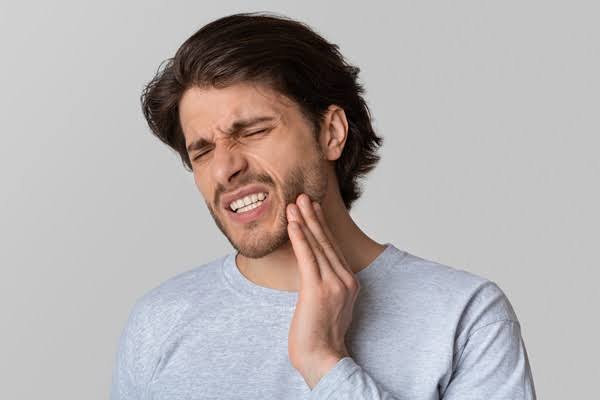
How to Find Relief: Step-by-Step Home Remedies
If you are dealing with minor burns or scratches, you can manage the pain at home. Here is a proven protocol to reduce inflammation and promote healing.
Step 1: Cool Down the Area
Immediately after a burn, rinse your mouth with cold water. Do not use ice directly on the tissue as it can cause further damage (freezer burn). Instead, suck on ice chips or popsicles. The cold constricts blood vessels, reducing swelling and numbing the nerve endings.
Step 2: Salt Water Rinses
Mix 1/2 teaspoon of salt into 8 ounces (240 ml) of warm water. Swish this solution gently around your mouth for 30 seconds, then spit it out.
- Why it works: Salt is a natural disinfectant. It helps draw out fluid from the tissues, reducing swelling, and creates an environment where bacteria struggle to survive.
- Frequency: Repeat 2–3 times a day.
Step 3: Avoid Irritants
While healing, strictly avoid:
- Spicy foods (chili, hot sauce)
- Acidic foods (citrus fruits, tomato sauce, vinegar)
- Crunchy or sharp foods (chips, nuts)
- Alcohol-based mouthwashes (they sting and dry out the tissue)
Step 4: Use Over-the-Counter Aids
For persistent pain, consider using oral gels containing benzocaine. These provide temporary numbing. However, use them sparingly and follow package instructions. For canker sores, look for products specifically designed to coat the ulcer and protect it from friction.
When to See a Doctor or Dentist
While most cases of palate pain resolve on their own, some situations require professional attention. You should seek medical advice if:
- The pain lasts longer than two weeks. Most minor oral injuries heal within 7–10 days. Persistent pain could indicate a more serious issue.
- You have difficulty swallowing or breathing. This could signal a severe allergic reaction or a deep infection spreading to the throat.
- You notice white patches that bleed. This is a classic sign of oral thrush or potentially other conditions like leukoplakia, which requires a biopsy.
- You have a high fever. Fever combined with mouth sores may indicate a viral infection like herpes simplex or hand, foot, and mouth disease.
For more detailed information on oral conditions and their systemic links, you can refer to resources provided by Wikipedia which offers a broad overview of oral anatomy and common pathologies.
FAQ Section
1. Can stress cause the roof of my mouth to hurt?
Yes, indirectly. Stress weakens the immune system, making you more susceptible to canker sores and cold sores. Additionally, stress often leads to behaviors like teeth grinding (bruxism) or consuming more acidic/comfort foods, which can irritate the palate.
2. Why does the roof of my mouth hurt after eating pineapple?
Pineapple contains an enzyme called bromelain, which breaks down proteins. When you eat fresh pineapple, this enzyme essentially starts “digesting” the delicate mucous membranes in your mouth, causing a tingling or burning sensation. Cooking pineapple deactivates bromelain, preventing this effect.
3. Is it normal for the roof of my mouth to hurt when I have a cold?
It is quite common. Congestion leads to mouth breathing, which dries out the oral tissues. A dry palate is more prone to irritation and cracking. Furthermore, post-nasal drip can carry inflammatory mucus that irritates the soft palate.
4. How can I prevent burning the roof of my mouth?
The best prevention is patience. Allow hot foods and beverages to cool for at least 2–3 minutes before consuming. Test the temperature with a small sip or bite first. Also, be mindful of microwaved foods, which often have “hot spots” that are significantly hotter than the rest of the dish.
5. Can vitamin deficiencies cause palate pain?
Absolutely. Deficiencies in Vitamin B12, Iron, Folate, and Zinc are linked to recurrent aphthous stomatitis (canker sores). If you frequently suffer from mouth sores without obvious physical trauma, consider discussing a blood test with your healthcare provider to check your nutrient levels.
Conclusion
Dealing with a sore palate is never fun, but understanding why does the roof of my mouth hurt so bad is the first step toward relief. In most cases, the culprit is a minor thermal burn or physical scratch that will heal naturally within a week. By keeping the area clean, avoiding irritants, and using simple home remedies like salt water rinses, you can significantly reduce discomfort.
However, listen to your body. If the pain persists, worsens, or is accompanied by other symptoms like fever or white patches, do not hesitate to consult a dental or medical professional. Early intervention can prevent minor issues from becoming major complications.
Found this guide helpful? Share it with your friends on social media who might be suffering from “pizza palate” right now! Let’s help everyone enjoy their meals pain-free.
Leave a Reply