Have you ever taken a bite of pizza only to regret it seconds later as a sharp sting radiates across the top of your mouth? It is a surprisingly common yet uncomfortable experience that can make eating, drinking, and even talking difficult. If you are currently wincing in discomfort and asking yourself, “What does it mean when roof of your mouth hurts,” you are not alone, and there is usually a straightforward explanation.
In this guide, we will explore the most likely culprits behind palate pain, ranging from minor thermal injuries to underlying health conditions. We will also provide actionable, expert-backed advice on how to soothe the pain and when it is time to see a doctor. Let’s dive in to get you some relief.
Common Causes of Palate Pain
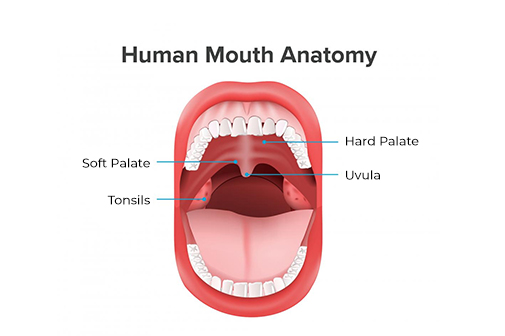
The roof of your mouth, medically known as the palate, is divided into two sections: the hard palate at the front and the soft palate at the back. Because this area is lined with sensitive mucous membranes, it is vulnerable to various irritants. Understanding the root cause is the first step toward effective treatment.
1. Thermal Injury (The Pizza Burn)
By far the most common reason for sudden palate pain is a thermal burn. The tissues in your mouth are delicate, and consuming food or drinks that are too hot can damage the top layer of cells.
- How it happens: Eating freshly baked bread, hot cheese, or sipping scalding coffee.
- Symptoms: Immediate stinging, redness, and potentially blistering or peeling skin after a few days.
- Healing Time: Minor burns typically heal within 3–7 days as the mouth has a high rate of cell regeneration.
2. Abrasion from Hard Foods
Sometimes, it is not the heat, but the texture. Crunchy foods like tortilla chips, hard crusts, or candy can scratch the soft tissue of the hard palate.
- Mechanism: Physical trauma creates micro-tears in the mucosa.
- Sensation: A raw, tender feeling that worsens when touched by the tongue or more food.
3. Canker Sores (Aphthous Ulcers)
Canker sores are small, shallow lesions that develop on the soft tissues in your mouth or at the base of your gums. While they often appear on the inside of cheeks, they can certainly form on the soft palate.
- Appearance: White or yellow center with a red border.
- Triggers: Stress, minor injury, acidic foods, or vitamin deficiencies (B-12, zinc, folate).
- Duration: Usually heal on their own in one to two weeks.
4. Oral Thrush (Candidiasis)
Oral thrush is a fungal infection caused by an overgrowth of Candida albicans. It is more common in infants, the elderly, and those with compromised immune systems.
- Symptoms: Creamy white lesions on the tongue or inner cheeks, sometimes spreading to the roof of the mouth. These lesions may bleed slightly when scraped.
- Sensation: Cotton-like feeling in the mouth, loss of taste, or cracking at the corners of the mouth.
5. Sinus Infections and Allergies
Your sinuses are located directly above the roof of your mouth. When they become inflamed due to a cold, flu, or allergies, the pressure can manifest as pain in the palate.
- Connection: The maxillary sinuses sit close to the upper teeth and palate. Congestion can cause referred pain.
- Indicator: Pain usually accompanies other symptoms like nasal congestion, headache, or post-nasal drip.
When to Worry: Less Common but Serious Conditions
While most cases of palate pain are benign and temporary, some conditions require medical attention. It is crucial to distinguish between a minor irritation and a sign of something more systemic.
| Condition | Key Symptoms | Action Required |
|---|---|---|
| Hand, Foot, and Mouth Disease | Fever, sore throat, painful blisters on hands, feet, and mouth. | Consult a pediatrician or GP; highly contagious. |
| Oral Lichen Planus | Lacy white patches, red swollen tissues, or open sores. | See a dentist or specialist for monitoring. |
| Salivary Stones | Pain under the tongue or roof of mouth, especially when eating. | Medical evaluation may be needed for removal. |
| Oral Cancer | Persistent sore that does not heal, loose teeth, numbness. | Immediate professional evaluation required. |
According to the National Institute of Dental and Craniofacial Research, persistent oral lesions that do not heal within two weeks should always be evaluated by a healthcare professional to rule out serious conditions. This external validation underscores the importance of monitoring your symptoms.
How to Relieve Pain at Home: Step-by-Step Guide
If you are dealing with a minor burn, scratch, or canker sore, you can manage the pain effectively at home. Here is a practical protocol to speed up healing and reduce discomfort.
Step 1: Cool Down the Area
Immediately after a thermal burn, cool the tissue to stop the burning process and reduce inflammation.
- Action: Sip cold water or suck on ice chips.
- Detail: Use approximately 200–250 ml of cold water (temperature around 4–10°C). Hold it in your mouth for 30 seconds before swallowing. Repeat every hour as needed.
Step 2: Salt Water Rinse
Salt water is a natural disinfectant that helps reduce swelling and cleans the wound.
- Recipe: Mix 1/2 teaspoon of salt into 8 ounces (240 ml) of warm water.
- Method: Swish gently for 30 seconds, then spit out. Do this 3–4 times a day, especially after meals.
Step 3: Avoid Irritants
Give your palate a break from substances that can aggravate the sensitive tissue.
- Avoid: Spicy foods, acidic fruits (citrus, tomatoes), very hot beverages, and crunchy/sharp foods.
- Choose: Soft, bland foods like yogurt, applesauce, mashed potatoes, and smoothies.
Step 4: Over-the-Counter Remedies
For persistent pain, topical treatments can provide a protective barrier.
- Options: Look for gels containing benzocaine or hydrogen peroxide rinses designed for mouth sores.
- Note: Always follow the package instructions and consult a pharmacist if you have existing health conditions.
People Also Ask: Addressing Your Specific Concerns
To ensure we cover all bases, let’s address specific questions users frequently search for regarding palate pain.
Why does the roof of my mouth hurt after eating pineapple?
Pineapple contains an enzyme called bromelain, which breaks down proteins. Since your mouth is made of protein, bromelain essentially “digests” the tender tissue on the roof of your mouth, causing a stinging sensation. Cooking pineapple deactivates this enzyme, which is why canned pineapple rarely causes this issue.
Can stress cause pain in the roof of the mouth?
Indirectly, yes. High stress levels can weaken your immune system, making you more susceptible to canker sores or cold sores (herpes simplex), which can appear on the palate. Additionally, stress often leads to teeth grinding (bruxism), which can create tension and referred pain in the jaw and upper palate.
Is it normal for the roof of my mouth to hurt after a dental procedure?
Yes, it is relatively common. During dental work, especially involving the upper teeth, the injection site or the retraction tools used to keep your mouth open can irritate the palate. This pain should subside within a few days. If it persists or worsens, contact your dentist.
What vitamin deficiency causes mouth sores?
Deficiencies in Vitamin B-12, Iron, Folate (B-9), and Zinc are strongly linked to recurrent aphthous stomatitis (canker sores). If you frequently suffer from these sores, consider asking your doctor for a blood test to check your nutrient levels.
FAQ Section
Q: How long does a burnt roof of the mouth take to heal? A: Most minor thermal burns heal within 3 to 7 days. The mouth has excellent blood supply, which promotes rapid healing. If the pain persists beyond two weeks, seek medical advice.
Q: Can I use honey to treat a sore palate? A: Yes, honey has natural antibacterial and anti-inflammatory properties. Applying a small amount of medical-grade honey directly to the sore can help soothe pain and protect the area. However, do not give honey to children under one year old due to the risk of botulism.
Q: Should I pop a blister on the roof of my mouth? A: No. Popping a blister increases the risk of infection and delays healing. Let it rupture naturally or reabsorb. Keep the area clean with salt water rinses instead.
Q: When should I see a doctor for palate pain? A: You should see a doctor if:
- The pain lasts longer than two weeks.
- You have a high fever.
- There is significant swelling or difficulty breathing/swallowing.
- You notice white patches that cannot be wiped away.
Q: Does smoking affect palate pain? A: Yes. Smoking restricts blood flow to the gum and palate tissues, slowing down healing and increasing the risk of infections like thrush and periodontal disease. Quitting smoking can significantly improve oral health outcomes.
Conclusion
Dealing with a sore roof of the mouth can be frustrating, but understanding “what does it mean when roof of your mouth hurts“ empowers you to take the right steps. In most cases, the culprit is a minor burn, scratch, or canker sore that will resolve with simple home care like salt water rinses and avoiding irritants.
However, always listen to your body. If the pain is severe, persistent, or accompanied by other systemic symptoms, do not hesitate to consult a healthcare professional. Early detection is key to managing any underlying conditions effectively.
If you found this guide helpful, please share it with friends or family who might be suffering from similar discomfort. Knowledge is the best medicine, and sharing it can help others find relief faster!
Leave a Reply