Have you ever run your tongue over the roof of your mouth and felt a strange, unexpected lump? It can be alarming to discover a new texture or protrusion in such a sensitive area, leading to immediate questions about your health. If you are wondering what causes a bump in the roof of your mouth, you are not alone; this is a common concern with a wide range of potential explanations, from harmless minor injuries to conditions requiring medical attention.
In this guide, we will explore the most frequent culprits behind these oral anomalies, help you distinguish between benign issues and serious conditions, and provide clear steps on how to manage them. Understanding the root cause is the first step toward peace of mind and proper treatment.
Common Causes of Palatal Bumps
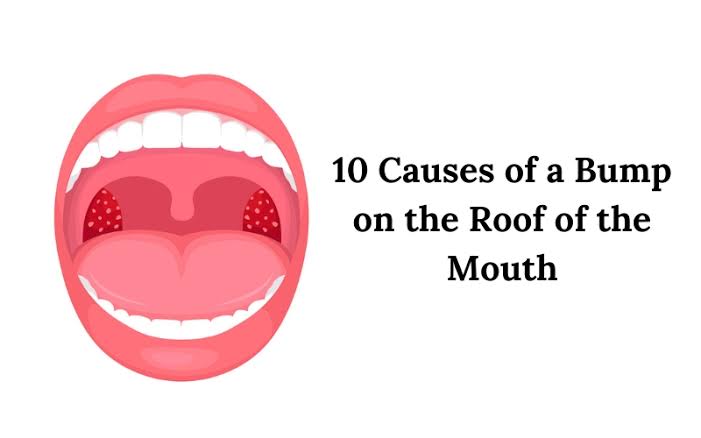
The roof of your mouth, known medically as the palate, is divided into two sections: the hard palate at the front and the soft palate at the back. Because this area is exposed to heat, friction, and various foods, it is susceptible to several types of irritation and growths. Below are the most prevalent reasons for developing a bump in this region.
1. Thermal Burns (Pizza Palate)
One of the most frequent causes of a bump on the roof of the mouth is a thermal burn. This often happens when you eat food that is too hot, such as melted cheese from a pizza or hot coffee. The delicate tissue of the hard palate can blister or swell almost immediately after contact with high temperatures.
- Symptoms: Redness, swelling, tenderness, and sometimes a fluid-filled blister.
- Healing Time: Typically heals within 3 to 7 days without intervention.
- Management: Avoid hot or spicy foods until healed. Rinsing with cool water can provide immediate relief.
2. Canker Sores (Aphthous Ulcers)
While canker sores are more common on the inner cheeks or gums, they can occasionally appear on the soft palate. These are small, shallow lesions that develop on the soft tissues in your mouth or at the base of your gums. Unlike cold sores, they do not occur on the surface of your lips and are not contagious.
- Appearance: White or yellow center with a red border.
- Triggers: Stress, minor injury to the mouth, acidic foods, or vitamin deficiencies.
- Duration: Usually resolves on its own in one to two weeks.
3. Oral Mucoceles
A mucocele is a harmless, fluid-filled swelling that occurs when a salivary gland becomes blocked or damaged. While they are more common on the lower lip, they can form on the roof of the mouth, particularly if you have a habit of biting or sucking on your cheek or palate.
- Texture: Soft, dome-shaped, and often translucent or bluish.
- Risk: Generally painless unless irritated by chewing.
- Treatment: Many disappear on their own, but persistent ones may require minor surgical removal by a dentist.
4. Torus Palatinus
If the bump feels hard, bony, and is located in the center of the hard palate, it might be a torus palatinus. This is a benign bony growth that develops slowly over time. It is a genetic trait and is not considered a disease or a sign of poor health.
- Prevalence: Affects approximately 20-30% of the population.
- Characteristics: Hard, immovable, and usually painless.
- Action Required: No treatment is necessary unless it interferes with denture fitting or causes discomfort.
When Should You Be Concerned?
While most bumps are benign, it is crucial to recognize signs that may indicate a more serious underlying issue. Ignoring persistent symptoms can delay diagnosis of conditions that require professional intervention.
Signs of Infection
An abscess or bacterial infection can cause significant swelling and pus formation. If the bump is accompanied by fever, severe pain, or a foul taste in your mouth, it may be an dental abscess spreading to the palate. This requires immediate antibiotic treatment and possibly drainage by a healthcare provider.
Oral Cancer Warning Signs
Although less common, oral cancer can present as a lump or thickening in the mouth. According to the American Cancer Society, early detection significantly improves survival rates. You should consult a doctor if you notice:
- A sore that does not heal within two weeks.
- A lump that grows in size.
- Unexplained bleeding or numbness.
- Difficulty swallowing or moving the jaw.
| Feature | Benign Bump (e.g., Burn, Cyst) | Potentially Serious Condition |
|---|---|---|
| Duration | Heals within 1-2 weeks | Persists longer than 2 weeks |
| Pain Level | Mild to moderate, improves over time | Severe, worsening, or numbness |
| Growth | Stable or shrinks | Grows larger or changes shape |
| Color | Red, white, or clear | Mixed colors, dark patches, or ulcerated |
How to Treat Minor Bumps at Home
If you have determined that your bump is likely due to a minor injury like a burn or a canker sore, you can manage the discomfort at home. Here is a step-by-step approach to promote healing and reduce irritation.
- Salt Water Rinse: Mix 1 teaspoon of salt in 8 ounces of warm water. Swish gently for 30 seconds and spit out. Do this 2-3 times a day to reduce inflammation and keep the area clean.
- Avoid Irritants: Steer clear of acidic foods (like citrus fruits and tomatoes), spicy dishes, and crunchy snacks that could scratch the bump.
- Cold Compress: Suck on ice chips or eat cold yogurt to numb the area and reduce swelling.
- Over-the-Counter Relief: Use oral gels containing benzocaine for temporary pain relief, but follow the package instructions carefully to avoid overuse.
It is important to maintain good oral hygiene during this period. Brush gently around the affected area to prevent plaque buildup, which can exacerbate irritation.
Frequently Asked Questions (FAQ)
1. Can a bump on the roof of my mouth go away on its own?
Yes, many bumps such as thermal burns, canker sores, and minor mucoceles will resolve on their own within one to two weeks. However, if the bump persists beyond this timeframe, it is advisable to see a dentist or doctor for evaluation.
2. Is a hard bump on the roof of the mouth always cancer?
No, a hard bump is often a torus palatinus, which is a benign bony growth. While oral cancer is a possibility, it is far less common than benign conditions. A professional examination is the only way to confirm the nature of the lump.
3. What does an oral abscess look like on the palate?
An oral abscess on the palate may appear as a red, swollen, and painful lump. It might have a white or yellow center indicating pus. It is often accompanied by throbbing pain, sensitivity to temperature, and sometimes a fever.
4. Can allergies cause bumps in the mouth?
Yes, allergic reactions to certain foods or oral care products can cause swelling or hives in the mouth, including the roof. This condition, known as oral allergy syndrome, usually presents with itching and mild swelling shortly after exposure to the allergen.
5. Should I pop a blister on the roof of my mouth?
No, you should never pop a blister or bump in your mouth. Doing so can introduce bacteria, leading to infection and delaying the healing process. Let it heal naturally or seek professional advice if it is causing significant discomfort.
Conclusion
Discovering a bump on the roof of your mouth can be unsettling, but understanding what causes a bump in the roof of your mouth helps demystify the situation. In most cases, these lumps are the result of minor injuries like burns, canker sores, or benign growths like torus palatinus. By monitoring the size, color, and duration of the bump, you can often determine if home care is sufficient or if professional help is needed.
Remember, persistence is key. If a bump does not heal within two weeks, grows larger, or is accompanied by other concerning symptoms, do not hesitate to consult a healthcare provider. Early intervention is always the best policy for oral health.
If you found this guide helpful, please share it with friends and family who might be dealing with similar oral health concerns. Spreading awareness can help others feel more informed and less anxious about their symptoms.
Leave a Reply