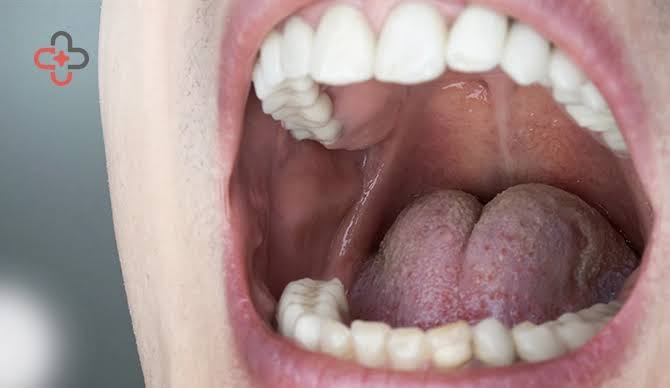
Have you ever taken a bite of hot pizza only to feel a sharp, lingering sting on the top of your mouth? Or perhaps you woke up with an unexplained tenderness that makes eating or drinking uncomfortable? You are not alone. Many people experience this discomfort, often leaving them asking, “Why is the roof of my mouth sore and swollen?”
Understanding the root cause is the first step toward relief. Whether it’s a minor burn from hot coffee or a sign of an underlying infection, identifying the trigger helps you choose the right treatment. In this guide, we will explore the most common reasons for palate pain, effective home remedies, and clear signs that indicate you need professional medical attention.
Common Causes: Why Is The Roof Of My Mouth Sore And Swollen?
The roof of your mouth, medically known as the palate, is sensitive tissue. It consists of the hard palate (the bony front part) and the soft palate (the muscular back part). Because it is exposed to everything we eat, drink, and breathe, it is prone to various irritants.
Here are the primary reasons you might be experiencing pain and swelling:
1. Thermal Burns (Pizza Palate)
This is the most frequent culprit. The tissue on the roof of your mouth is delicate. Consuming food or beverages that are too hot—such as fresh-out-of-the-oven pizza, hot coffee, or soup—can cause first-degree burns.
- Symptoms: Redness, blistering, peeling skin, and immediate stinging pain.
- Healing Time: Typically 3–7 days.
2. Physical Trauma and Abrasion
Sometimes, the damage is mechanical rather than thermal. Eating hard, crunchy foods like tortilla chips, hard candy, or crusty bread can scratch or puncture the palate. Additionally, aggressive brushing or using a toothbrush with hard bristles can cause micro-abrasions that become inflamed.
3. Canker Sores (Aphthous Ulcers)
Canker sores are small, shallow lesions that develop on the soft tissues in your mouth or at the base of your gums. Unlike cold sores, they don’t occur on the surface of your lips and aren’t contagious.
- Appearance: White or yellow center with a red border.
- Triggers: Stress, minor injury, acidic foods, or vitamin deficiencies.
4. Oral Thrush (Candidiasis)
Oral thrush is a fungal infection caused by Candida albicans. It is more common in infants, the elderly, and individuals with weakened immune systems or those taking antibiotics.
- Symptoms: Creamy white lesions on the tongue or inner cheeks, sometimes spreading to the roof of the mouth. These lesions may bleed slightly when scraped.
5. Allergic Reactions
Food allergies or sensitivities to certain ingredients (like nuts, shellfish, or specific preservatives) can cause localized swelling and soreness. This is often accompanied by itching or a tingling sensation. In severe cases, this can lead to angioedema, a deeper swelling that requires immediate attention.
6. Sinus Infections
Your sinuses are located directly above the roof of your mouth. When you have a sinus infection (sinusitis), the pressure and inflammation can radiate downward, causing the roof of your mouth to feel tender, swollen, or achy.
Immediate Relief: How to Soothe a Sore Palate
If you are dealing with minor irritation, you can often manage the pain at home. The goal is to reduce inflammation, prevent infection, and promote healing.
Step-by-Step Home Care Routine
- Rinse with Salt Water Mix 1/2 teaspoon of salt into 8 ounces (240 ml) of warm water. Swish gently around your mouth for 30 seconds, then spit it out. Do this 2–3 times a day. Salt water is a natural disinfectant and helps reduce swelling.
- Apply Cold Compresses Suck on ice chips or eat cold foods like yogurt, pudding, or ice cream. The cold temperature numbs the nerve endings and reduces blood flow to the area, which minimizes swelling. Avoid acidic flavors like lemon or orange.
- Stay Hydrated Drink plenty of cool water. Aim for at least 2 liters per day. Hydration keeps the mucous membranes moist and promotes faster healing. Avoid alcohol and caffeine, as they can dehydrate you and irritate the tissue further.
- Use Over-the-Counter Gels Products containing benzocaine (such as Orajel or Anbesol) can provide temporary numbness. Apply a small amount directly to the sore spot using a clean cotton swab. Note: Follow package instructions carefully and do not use for more than 7 days.
- Avoid Irritants Until the sore heals, steer clear of:
- Spicy foods
- Acidic fruits (tomatoes, citrus)
- Crunchy or sharp foods (chips, nuts)
- Very hot beverages
When to See a Doctor: Red Flags
While most cases of a sore roof of the mouth resolve on their own within a week, some symptoms indicate a more serious condition. According to general medical guidelines, you should consult a healthcare provider if you experience:
| Symptom | Potential Concern | Action Required |
|---|---|---|
| Sores lasting > 2 weeks | Oral cancer, chronic infection | Schedule dental/medical exam |
| High fever (>101°F / 38.3°C) | Systemic infection | Seek immediate care |
| Difficulty breathing/swallowing | Severe allergic reaction | Call Emergency Services |
| White patches that bleed | Oral thrush or leukoplakia | Consult doctor for antifungals |
| Spreading rash | Viral infection (e.g., Hand, Foot, and Mouth) | Medical evaluation needed |
For more detailed information on oral conditions and their classifications, you can refer to reputable resources such as Wikipedia’s entry on Oral Medicine.
Frequently Asked Questions (FAQ)
1. Can stress cause the roof of my mouth to swell?
Yes, indirectly. Stress weakens the immune system, making you more susceptible to canker sores and viral infections like cold sores. Additionally, stress often leads to teeth grinding (bruxism), which can cause trauma to the palate if the tongue presses against the roof of the mouth during sleep.
2. Is a sore roof of the mouth a sign of oral cancer?
It can be, but it is rare. Oral cancer usually presents as a sore that does not heal after two weeks, a lump, or a white/red patch that persists. If your soreness is linked to a recent burn or injury, it is likely benign. However, any persistent lesion should be evaluated by a dentist or doctor.
3. Why does my roof of the mouth hurt after eating pineapple?
Pineapple contains an enzyme called bromelain, which breaks down proteins. When you eat fresh pineapple, bromelain can essentially “digest” the protective mucous layer of your mouth, leading to irritation, soreness, and minor bleeding. Cooking pineapple deactivates this enzyme.
4. How long does a burned roof of the mouth take to heal?
A minor first-degree burn typically heals within 3 to 7 days. The mouth has a rich blood supply, which aids in rapid tissue regeneration. If the burn is severe (blistering or deep tissue damage), it may take up to two weeks. Keep the area clean and avoid further irritation to speed up the process.
5. Can dehydration cause a sore palate?
Yes. Chronic dehydration leads to dry mouth (xerostomia). Saliva is essential for protecting oral tissues and washing away bacteria. Without enough saliva, the roof of your mouth becomes dry, cracked, and more prone to irritation and infection.
Conclusion
Dealing with a sore and swollen roof of the mouth is uncomfortable, but in most cases, it is temporary and manageable. By understanding why is the roof of my mouth sore and swollen, you can take targeted steps to alleviate pain and prevent future occurrences. Remember, most minor burns and abrasions heal quickly with proper care, such as saltwater rinses and avoiding irritants.
However, never ignore persistent symptoms. If your pain lasts longer than two weeks or is accompanied by fever or difficulty swallowing, seek professional medical advice immediately. Your oral health is a window into your overall well-being.
Found this guide helpful? Share it with friends and family on social media to help them navigate their next mouth mishap with confidence! Stay healthy and keep smiling.
Leave a Reply