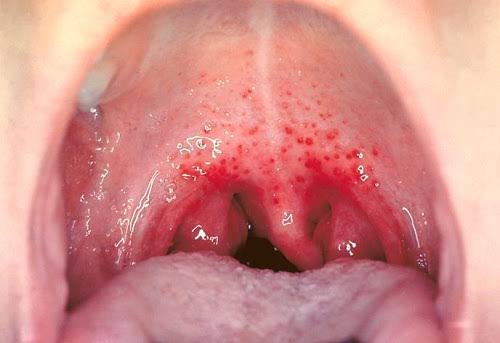
Tag: mouth sores

  • What Causes A Sore On The Roof Of Your Mouth?

    What Causes A Sore On The Roof Of Your Mouth?

    Have you ever taken a bite of hot pizza only to feel a sharp, stinging pain on the roof of your mouth hours later? Or perhaps you woke up with an unexplained irritation that makes eating and speaking uncomfortable? You are not alone. Understanding what causes a sore on the roof of your mouth is the first step toward finding relief and preventing future occurrences.

    The roof of your mouth, medically known as the palate, is sensitive tissue that can be easily irritated by various factors. While most sores heal on their own within a week or two, knowing the root cause helps you choose the right treatment. In this guide, we will explore the most common culprits behind these painful lesions and provide actionable advice to soothe your discomfort.

    Common Triggers: Why Does My Palate Hurt?

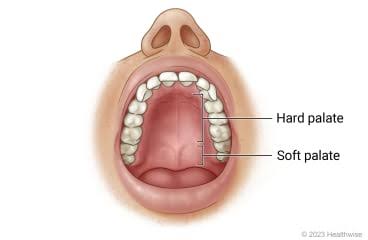
    When investigating what causes a sore on the roof of your mouth, it is essential to look at both external injuries and internal health conditions. The palate is divided into two parts: the hard palate (front) and the soft palate (back). Each area reacts differently to stressors.

    1. Thermal Burns (Pizza Palate)

    This is arguably the most frequent cause. The tissue on the roof of your mouth is delicate. Consuming food or beverages that are too hot—such as fresh coffee, soup, or melted cheese—can cause first-degree burns.

    • Symptoms: Redness, blistering, peeling skin, and immediate stinging pain.
    • Healing Time: Typically 3–7 days.
    • Prevention: Always let hot foods cool for a few minutes before eating.

    2. Physical Trauma and Abrasion

    Sometimes, the damage is mechanical rather than thermal. Eating hard, crunchy foods like tortilla chips, crusty bread, or candy can scratch the palate. Additionally, accidental bites or aggressive brushing can lead to minor wounds that become sore.

    3. Canker Sores (Aphthous Ulcers)

    Canker sores are small, shallow lesions that develop on the soft tissues in your mouth or at the base of your gums. Unlike cold sores, they do not occur on the surface of your lips and are not contagious.

    • Appearance: White or yellow center with a red border.
    • Triggers: Stress, minor injury, acidic foods, or vitamin deficiencies.
    • Duration: Usually heals within 1–2 weeks without scarring.

    4. Viral and Bacterial Infections

    Certain infections can manifest as sores on the palate. For instance, the herpes simplex virus (HSV-1) can cause cold sores, which occasionally appear inside the mouth on the hard palate. Other conditions like hand, foot, and mouth disease (common in children but possible in adults) also present with oral blisters.

    For more detailed medical definitions of oral conditions, you can refer to Wikipedia’s entry on Mouth Ulcers.
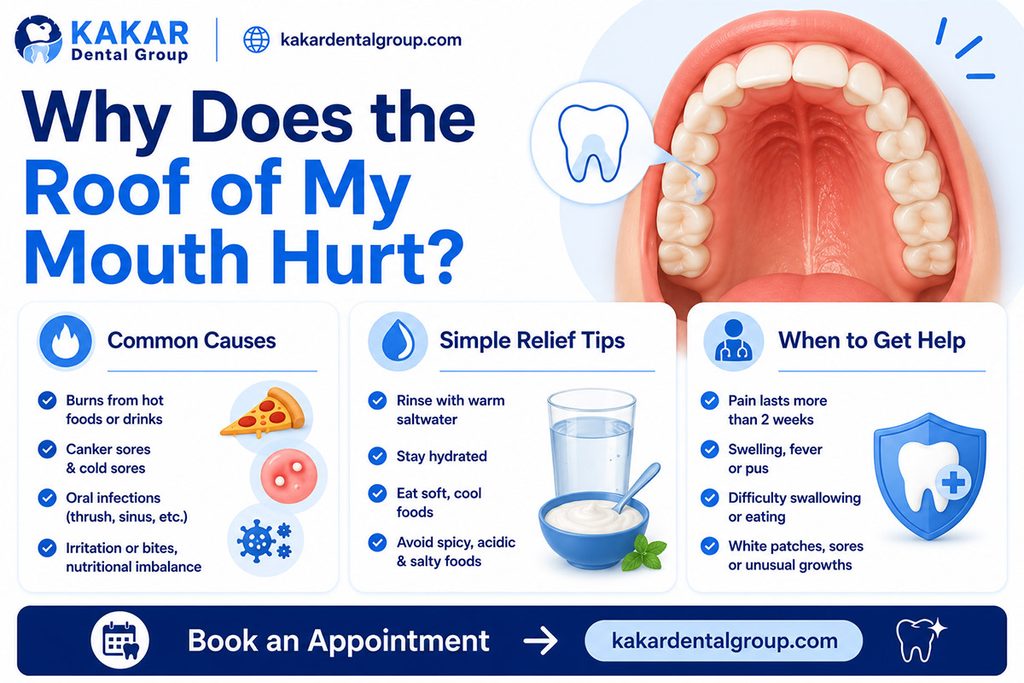
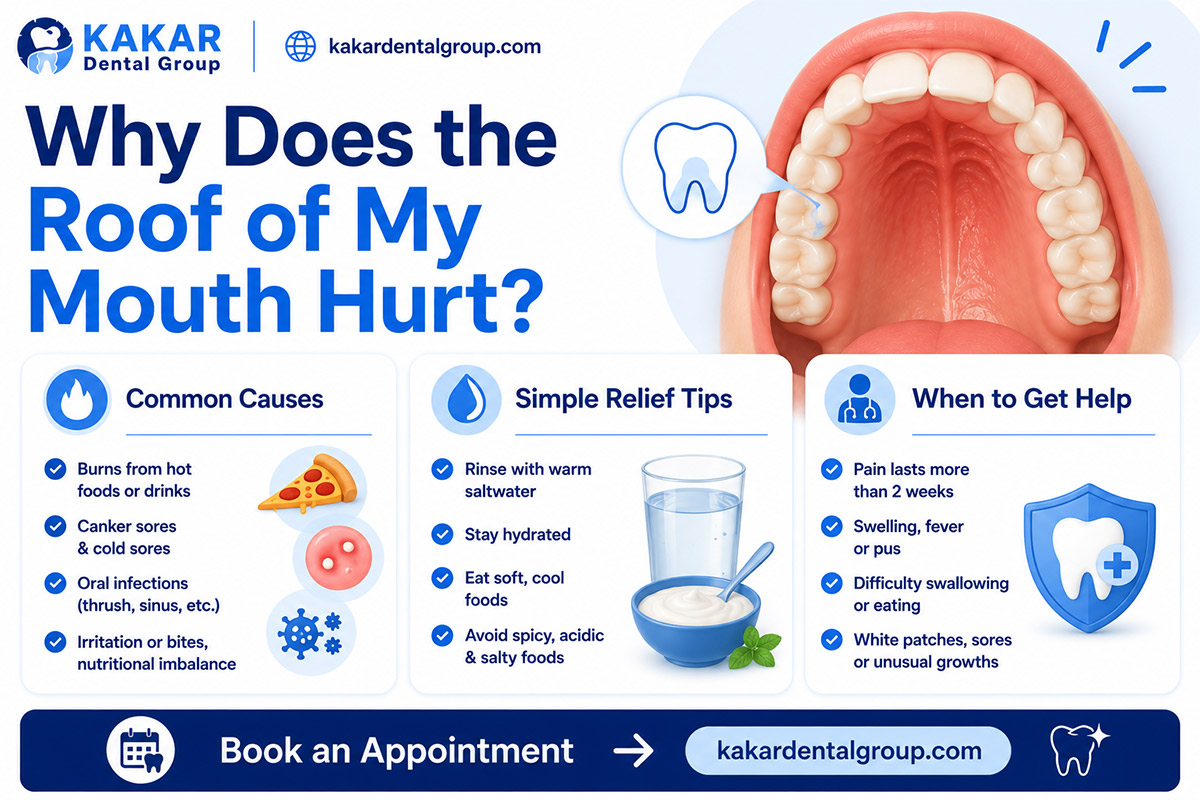
    What Causes A Sore On The Roof Of Your Mouth

    Differentiating Between Serious and Minor Sores

    Not all sores are created equal. Understanding the difference between a minor irritation and a sign of a deeper health issue is crucial for your peace of mind.

    FeatureMinor Irritation/BurnCanker SorePotential Infection/Systemic Issue
    CauseHot food, sharp foodStress, acidity, traumaVirus, bacteria, autoimmune
    Pain LevelModerate, improves quicklySharp, especially when eatingVaries, often persistent
    AppearanceRed, peeled skinWhite/yellow ulcer with red ringClusters of blisters, white patches
    Healing Time3–7 days7–14 daysMay require medication
    Contagious?NoNoYes (if viral/bacterial)

    If you notice sores that persist for more than two weeks, bleed easily, or are accompanied by a high fever, it is vital to consult a healthcare professional. These could be signs of oral thrush, leukoplakia, or other conditions requiring medical intervention.

    Step-by-Step Relief: How to Soothe a Sore Palate

    Once you have identified what causes a sore on the roof of your mouth, the next logical step is treatment. Here is a practical, step-by-step guide to accelerating healing and reducing pain.

    Step 1: Rinse with Salt Water

    Salt water is a natural disinfectant that helps reduce inflammation and keeps the area clean.

    • Recipe: Mix 1 teaspoon of salt into 8 ounces (approx. 240 ml) of warm water.
    • Action: Swish gently around your mouth for 30 seconds, then spit it out.
    • Frequency: Repeat 2–3 times a day, especially after meals.

    Step 2: Apply Cold Compresses

    If the sore is due to a burn or acute inflammation, cold can numb the pain and reduce swelling.

    • Method: Suck on ice chips or eat a popsicle. Avoid acidic flavors like lemon or orange, which may sting.
    • Duration: Apply for 10–15 minutes at a time.

    Step 3: Use Over-the-Counter Gels

    Topical oral gels containing benzocaine can provide temporary numbing relief.

    • Application: Dry the area gently with a tissue, then apply a small amount of gel directly to the sore using a cotton swab.
    • Caution: Do not use these products for more than 7 days without consulting a dentist.

    Step 4: Adjust Your Diet

    What you eat plays a significant role in healing.

    • Avoid: Spicy, acidic (citrus, tomato), salty, and crunchy foods.
    • Choose: Soft, bland foods like yogurt, mashed potatoes, smoothies, and lukewarm soups.
    • Hydration: Drink plenty of water to keep your mouth moist, which aids in tissue repair.

    When to See a Doctor

    While most palatal sores are benign and self-limiting, there are specific red flags that warrant professional attention. You should schedule an appointment with your dentist or doctor if:

    1. The sore does not heal after two weeks.
    2. You have difficulty swallowing, breathing, or opening your mouth.
    3. The pain is severe and not relieved by over-the-counter medication.
    4. You experience recurring sores frequently (more than 3–4 times a year).
    5. You have other symptoms like rash, fever, or joint pain.

    Early diagnosis can prevent complications, especially if the underlying cause is an infection or an autoimmune disorder.

    FAQ Section

    1. Can stress cause sores on the roof of my mouth?

    Yes, stress is a known trigger for canker sores. High-stress levels can weaken your immune system, making your mouth more susceptible to minor injuries and inflammation. Managing stress through relaxation techniques may help reduce the frequency of outbreaks.

    2. Is a sore on the roof of my mouth contagious?

    It depends on the cause. Burns, physical trauma, and canker sores are not contagious. However, if the sore is caused by a viral infection like herpes simplex (cold sores) or hand, foot, and mouth disease, it can be spread to others through direct contact or sharing utensils.

    3. How long does it take for a burned palate to heal?

    A minor thermal burn on the roof of the mouth typically heals within 3 to 7 days. The mouth has a rich blood supply, which promotes faster healing compared to skin on other parts of the body. Keeping the area clean and avoiding further irritation speeds up the process.

    4. Can vitamin deficiencies cause mouth sores?

    Absolutely. Deficiencies in Vitamin B12, zinc, folate, and iron are linked to recurrent canker sores. If you suffer from frequent oral ulcers, consider discussing your diet and potential supplements with your healthcare provider.

    5. Should I pop a blister on the roof of my mouth?

    No. Popping a blister can introduce bacteria into the wound, leading to infection and delayed healing. It is best to let the blister rupture naturally or reabsorb into the tissue. If it is painful, use cold compresses and salt water rinses instead.

    Conclusion

    Dealing with oral pain is never fun, but understanding what causes a sore on the roof of your mouth empowers you to take control of your oral health. Whether it is a simple pizza burn, a stress-induced canker sore, or a minor infection, most cases resolve quickly with proper care.

    Remember to prioritize gentle hygiene, stay hydrated, and avoid irritants while your mouth heals. If symptoms persist or worsen, do not hesitate to seek professional medical advice.

    Found this guide helpful? Share it with friends and family on social media to help them navigate their own oral health challenges. A little knowledge goes a long way in keeping our smiles healthy and pain-free!
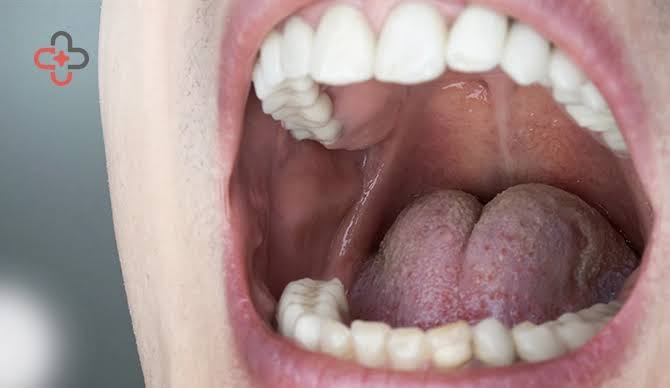
  • Why Is The Roof Of My Mouth Sore? Causes & Fixes

    Why Is The Roof Of My Mouth Sore? Causes & Fixes

    Have you ever taken a bite of hot pizza only to feel a sharp, lingering sting on the top of your mouth? Or perhaps you woke up with an unexplained tenderness that makes eating or drinking uncomfortable? You are not alone. Many people experience this discomfort, often leaving them asking, “Why is the roof of my mouth sore and swollen?”

    Understanding the root cause is the first step toward relief. Whether it’s a minor burn from hot coffee or a sign of an underlying infection, identifying the trigger helps you choose the right treatment. In this guide, we will explore the most common reasons for palate pain, effective home remedies, and clear signs that indicate you need professional medical attention.

    Common Causes: Why Is The Roof Of My Mouth Sore And Swollen?

    The roof of your mouth, medically known as the palate, is sensitive tissue. It consists of the hard palate (the bony front part) and the soft palate (the muscular back part). Because it is exposed to everything we eat, drink, and breathe, it is prone to various irritants.

    Here are the primary reasons you might be experiencing pain and swelling:

    1. Thermal Burns (Pizza Palate)

    This is the most frequent culprit. The tissue on the roof of your mouth is delicate. Consuming food or beverages that are too hot—such as fresh-out-of-the-oven pizza, hot coffee, or soup—can cause first-degree burns.

    • Symptoms: Redness, blistering, peeling skin, and immediate stinging pain.
    • Healing Time: Typically 3–7 days.

    2. Physical Trauma and Abrasion

    Sometimes, the damage is mechanical rather than thermal. Eating hard, crunchy foods like tortilla chips, hard candy, or crusty bread can scratch or puncture the palate. Additionally, aggressive brushing or using a toothbrush with hard bristles can cause micro-abrasions that become inflamed.

    3. Canker Sores (Aphthous Ulcers)

    Canker sores are small, shallow lesions that develop on the soft tissues in your mouth or at the base of your gums. Unlike cold sores, they don’t occur on the surface of your lips and aren’t contagious.

    • Appearance: White or yellow center with a red border.
    • Triggers: Stress, minor injury, acidic foods, or vitamin deficiencies.

    4. Oral Thrush (Candidiasis)

    Oral thrush is a fungal infection caused by Candida albicans. It is more common in infants, the elderly, and individuals with weakened immune systems or those taking antibiotics.

    • Symptoms: Creamy white lesions on the tongue or inner cheeks, sometimes spreading to the roof of the mouth. These lesions may bleed slightly when scraped.

    5. Allergic Reactions

    Food allergies or sensitivities to certain ingredients (like nuts, shellfish, or specific preservatives) can cause localized swelling and soreness. This is often accompanied by itching or a tingling sensation. In severe cases, this can lead to angioedema, a deeper swelling that requires immediate attention.

    6. Sinus Infections

    Your sinuses are located directly above the roof of your mouth. When you have a sinus infection (sinusitis), the pressure and inflammation can radiate downward, causing the roof of your mouth to feel tender, swollen, or achy.

    Immediate Relief: How to Soothe a Sore Palate

    If you are dealing with minor irritation, you can often manage the pain at home. The goal is to reduce inflammation, prevent infection, and promote healing.

    Step-by-Step Home Care Routine

    1. Rinse with Salt Water Mix 1/2 teaspoon of salt into 8 ounces (240 ml) of warm water. Swish gently around your mouth for 30 seconds, then spit it out. Do this 2–3 times a day. Salt water is a natural disinfectant and helps reduce swelling.
    2. Apply Cold Compresses Suck on ice chips or eat cold foods like yogurt, pudding, or ice cream. The cold temperature numbs the nerve endings and reduces blood flow to the area, which minimizes swelling. Avoid acidic flavors like lemon or orange.
    3. Stay Hydrated Drink plenty of cool water. Aim for at least 2 liters per day. Hydration keeps the mucous membranes moist and promotes faster healing. Avoid alcohol and caffeine, as they can dehydrate you and irritate the tissue further.
    4. Use Over-the-Counter Gels Products containing benzocaine (such as Orajel or Anbesol) can provide temporary numbness. Apply a small amount directly to the sore spot using a clean cotton swab. Note: Follow package instructions carefully and do not use for more than 7 days.
    5. Avoid Irritants Until the sore heals, steer clear of:
      • Spicy foods
      • Acidic fruits (tomatoes, citrus)
      • Crunchy or sharp foods (chips, nuts)
      • Very hot beverages
    Why Is The Roof Of My Mouth Sore And Swollen

    When to See a Doctor: Red Flags

    While most cases of a sore roof of the mouth resolve on their own within a week, some symptoms indicate a more serious condition. According to general medical guidelines, you should consult a healthcare provider if you experience:

    SymptomPotential ConcernAction Required
    Sores lasting > 2 weeksOral cancer, chronic infectionSchedule dental/medical exam
    High fever (>101°F / 38.3°C)Systemic infectionSeek immediate care
    Difficulty breathing/swallowingSevere allergic reactionCall Emergency Services
    White patches that bleedOral thrush or leukoplakiaConsult doctor for antifungals
    Spreading rashViral infection (e.g., Hand, Foot, and Mouth)Medical evaluation needed

    For more detailed information on oral conditions and their classifications, you can refer to reputable resources such as Wikipedia’s entry on Oral Medicine.

    Frequently Asked Questions (FAQ)

    1. Can stress cause the roof of my mouth to swell?

    Yes, indirectly. Stress weakens the immune system, making you more susceptible to canker sores and viral infections like cold sores. Additionally, stress often leads to teeth grinding (bruxism), which can cause trauma to the palate if the tongue presses against the roof of the mouth during sleep.

    2. Is a sore roof of the mouth a sign of oral cancer?

    It can be, but it is rare. Oral cancer usually presents as a sore that does not heal after two weeks, a lump, or a white/red patch that persists. If your soreness is linked to a recent burn or injury, it is likely benign. However, any persistent lesion should be evaluated by a dentist or doctor.

    3. Why does my roof of the mouth hurt after eating pineapple?

    Pineapple contains an enzyme called bromelain, which breaks down proteins. When you eat fresh pineapple, bromelain can essentially “digest” the protective mucous layer of your mouth, leading to irritation, soreness, and minor bleeding. Cooking pineapple deactivates this enzyme.

    4. How long does a burned roof of the mouth take to heal?

    A minor first-degree burn typically heals within 3 to 7 days. The mouth has a rich blood supply, which aids in rapid tissue regeneration. If the burn is severe (blistering or deep tissue damage), it may take up to two weeks. Keep the area clean and avoid further irritation to speed up the process.

    5. Can dehydration cause a sore palate?

    Yes. Chronic dehydration leads to dry mouth (xerostomia). Saliva is essential for protecting oral tissues and washing away bacteria. Without enough saliva, the roof of your mouth becomes dry, cracked, and more prone to irritation and infection.

    Conclusion

    Dealing with a sore and swollen roof of the mouth is uncomfortable, but in most cases, it is temporary and manageable. By understanding why is the roof of my mouth sore and swollen, you can take targeted steps to alleviate pain and prevent future occurrences. Remember, most minor burns and abrasions heal quickly with proper care, such as saltwater rinses and avoiding irritants.

    However, never ignore persistent symptoms. If your pain lasts longer than two weeks or is accompanied by fever or difficulty swallowing, seek professional medical advice immediately. Your oral health is a window into your overall well-being.

    Found this guide helpful? Share it with friends and family on social media to help them navigate their next mouth mishap with confidence! Stay healthy and keep smiling.

  • What Can Cause Sores In The Roof Of Your Mouth?

    What Can Cause Sores In The Roof Of Your Mouth?

    Have you ever taken a bite of hot pizza only to feel a sharp, stinging pain on the roof of your mouth hours later? Or perhaps you woke up with an unexplained blister that makes eating and speaking uncomfortable? You are not alone; many people experience this painful condition, leading them to ask, “What can cause sores in the roof of your mouth?” Understanding the root cause is the first step toward healing and preventing future occurrences.

    In this guide, we will explore the most common reasons behind these irritating lesions, differentiate between minor injuries and serious conditions, and provide actionable advice for relief. Whether it’s a simple thermal burn or a sign of an underlying health issue, knowing what to look for can save you time, money, and discomfort.

    Common Causes of Palatal Sores

    The roof of your mouth, known medically as the palate, is sensitive tissue. When it develops sores, it is usually a reaction to physical trauma, infection, or systemic health issues. Let’s break down the primary culprits.

    1. Thermal Burns (Pizza Palate)

    This is arguably the most frequent cause of sores on the hard palate. We often refer to this as “pizza palate.” It happens when you consume food or beverages that are too hot.

    • How it happens: Hot cheese, soup, or coffee can scald the delicate mucous membranes.
    • Symptoms: Redness, blistering, peeling skin, and tenderness.
    • Healing Time: Typically 3–7 days.

    According to dental professionals, the palate has fewer nerve endings than the tongue, which is why you might not feel the burn immediately until the damage is done.

    2. Canker Sores (Aphthous Ulcers)

    Canker sores are small, shallow lesions that develop on the soft tissues in your mouth or at the base of your gums. While they commonly appear on the inner cheeks or lips, they can also form on the soft palate (the back part of the roof of your mouth).

    • Appearance: White or yellow center with a red border.
    • Triggers: Stress, minor injury from brushing, food sensitivities (chocolate, coffee, strawberries, eggs, nuts, cheese), or nutritional deficiencies (B-12, zinc, folate, iron).
    • Contagious? No.

    3. Cold Sores (Herpes Simplex Virus)

    Unlike canker sores, cold sores are caused by the herpes simplex virus (HSV-1). They are highly contagious and usually appear on the lips, but primary outbreaks can occur inside the mouth, including the roof.

    • Appearance: Clusters of fluid-filled blisters that burst and crust over.
    • Triggers: Stress, sunlight, fever, or hormonal changes.
    • Contagious? Yes, very.

    4. Physical Trauma

    Your mouth is a rugged environment, but it is not invincible. Sharp foods like tortilla chips, hard candy, or even accidental bites can scratch or puncture the palate. Additionally, ill-fitting dentures or orthodontic appliances can cause chronic friction ulcers.

    5. Oral Thrush (Candidiasis)

    Oral thrush is a fungal infection caused by Candida albicans. It is more common in infants, the elderly, and individuals with compromised immune systems or those who use inhalers for asthma.

    • Symptoms: Creamy white lesions on the tongue or inner cheeks, sometimes spreading to the roof of the mouth. These lesions may bleed slightly when scraped.
    • Risk Factors: Antibiotic use, diabetes, dry mouth.

    6. Allergic Reactions

    Some individuals develop sores or irritation due to allergic reactions to certain ingredients in toothpaste, mouthwash, or specific foods. Sodium lauryl sulfate (SLS), a foaming agent found in many toothpastes, is a known irritant for some people prone to canker sores.

    What Can Cause Sores In The Roof Of Your Mouth

    Differentiating Between Minor and Serious Conditions

    It can be challenging to determine if a sore is benign or requires medical attention. Use this comparison table to help assess your situation.

    FeatureMinor Injury / Canker SorePotential Serious Condition
    DurationHeals within 7–14 daysPersists longer than 2 weeks
    Pain LevelModerate, improves over timeSevere, worsening, or numbness
    AppearanceSmall, round, white/yellow centerLarge, irregular borders, bleeding
    Other SymptomsNone or mild discomfortFever, difficulty swallowing, weight loss
    CauseTrauma, stress, dietInfection, autoimmune disease, cancer

    If your sore fits the description in the right column, it is crucial to consult a healthcare provider. Persistent sores can sometimes be a sign of oral cancer or other systemic diseases. For more detailed information on oral health conditions, you can refer to Wikipedia’s page on Mouth Ulcers to understand the broader medical context.

    Step-by-Step Relief and Treatment

    If you are dealing with a painful sore on the roof of your mouth, here is a practical guide to speeding up recovery and managing pain.

    Step 1: Rinse with Salt Water

    Salt water is a natural disinfectant and helps reduce inflammation.

    • Recipe: Mix 1 teaspoon of salt into 8 ounces (approx. 240 ml) of warm water.
    • Action: Swish gently around your mouth for 30 seconds, then spit it out. Do this 3–4 times a day.

    Step 2: Apply Topical Treatments

    Over-the-counter gels containing benzocaine or hydrogen peroxide can numb the area and promote healing.

    • Tip: Dry the area with a clean tissue before applying the gel for better adhesion.

    Step 3: Avoid Irritants

    While healing, steer clear of:

    • Spicy or acidic foods (citrus, tomatoes).
    • Crunchy or sharp foods (chips, toast).
    • Very hot beverages.

    Step 4: Maintain Oral Hygiene

    Continue brushing and flossing, but use a soft-bristled toothbrush. Consider switching to an SLS-free toothpaste if you suspect sensitivity.

    Step 5: Stay Hydrated

    Dry mouth can exacerbate sores. Drink plenty of water throughout the day. Aim for at least 2 liters of water daily, keeping the temperature cool (22–28°C) to avoid further irritation.

    When to See a Doctor

    While most palatal sores resolve on their own, certain red flags warrant professional evaluation. Seek medical advice if:

    1. The sore does not heal after two weeks.
    2. You have a high fever accompanying the sore.
    3. The sores are spreading rapidly.
    4. You have difficulty eating, drinking, or swallowing.
    5. You notice white patches that cannot be wiped away.

    Early diagnosis is key, especially if the cause is viral, fungal, or related to an autoimmune condition like lupus or Crohn’s disease.

    FAQ Section

    Q1: How long does it take for a burn on the roof of the mouth to heal?

    A: A minor thermal burn typically heals within 3 to 7 days. The mouth has a rich blood supply, which aids in rapid tissue regeneration. However, deeper burns may take up to two weeks. Keep the area clean and avoid hot foods to speed up the process.

    Q2: Can stress cause sores on the roof of my mouth?

    A: Yes, stress is a significant trigger for canker sores (aphthous ulcers). High stress levels can weaken your immune system, making you more susceptible to outbreaks. Managing stress through relaxation techniques, adequate sleep, and exercise can help reduce the frequency of these sores.

    Q3: Are sores on the roof of the mouth contagious?

    A: It depends on the cause. Canker sores and thermal burns are not contagious. However, cold sores caused by the herpes simplex virus and oral thrush (fungal infection) are contagious. Avoid sharing utensils, cups, or lip balm if you suspect a viral or fungal origin.

    Q4: What home remedies work best for immediate pain relief?

    A: For immediate relief, try rinsing with cold water or sucking on ice chips to numb the area. Honey has natural antibacterial properties and can be applied directly to the sore. Over-the-counter oral anesthetics containing benzocaine are also effective for temporary pain management.

    Q5: Could my toothpaste be causing the sores?

    A: It is possible. Many commercial toothpastes contain sodium lauryl sulfate (SLS), a foaming agent that can irritate the mucous lining of the mouth in sensitive individuals. Switching to an SLS-free toothpaste may reduce the frequency of canker sores.

    Q6: When should I worry about a sore on the roof of my mouth?

    A: You should consult a doctor or dentist if the sore persists for more than two weeks, is unusually large, is accompanied by a fever, or if you have difficulty swallowing. Persistent sores can sometimes indicate underlying health issues that require professional treatment.

    Conclusion

    Dealing with sores on the roof of your mouth can be frustrating and painful, but understanding what can cause sores in the roof of your mouth empowers you to take control of your oral health. Most cases are benign, resulting from minor burns, stress-induced canker sores, or physical trauma, and they heal within a week or two with proper care.

    By maintaining good oral hygiene, avoiding known irritants, and managing stress, you can significantly reduce your risk of developing these uncomfortable lesions. Remember, if a sore persists beyond two weeks or is accompanied by other concerning symptoms, do not hesitate to seek professional medical advice.

    Found this guide helpful? Share it with friends and family on social media to help them navigate their own oral health challenges. Your share could be the tip someone needs to find relief today!

  • Why Is the Roof of My Mouth Sore? Common Causes & Fixes

    Why Is the Roof of My Mouth Sore? Common Causes & Fixes

    Have you ever taken a bite of hot pizza only to regret it seconds later? Or perhaps you woke up with a strange, tender sensation on the top of your mouth that makes eating uncomfortable. You are not alone. Many people experience this irritating condition, often left wondering what causes the roof of the mouth to be sore.

    Understanding the root cause is the first step toward finding relief. Whether it’s a minor thermal burn or a sign of an underlying health issue, identifying the trigger helps you choose the right treatment. In this guide, we will explore the most common reasons for palate pain, effective home remedies, and when you should see a doctor.

    Thermal Burns: The Most Common Culprit

    If you are asking what causes the roof of the mouth to be sore, the most likely answer is a thermal burn. The tissue on the roof of your mouth, known as the palate, is delicate and highly sensitive to temperature changes.

    How It Happens

    When you consume food or beverages that are too hot—such as fresh coffee, melted cheese, or soup—the heat damages the top layer of skin cells on the palate. This results in inflammation, redness, and sometimes blistering.

    Symptoms to Watch For

    • Immediate stinging or burning sensation.
    • Redness or white patches on the hard palate.
    • Peeling skin a few days after the incident.
    • Temporary loss of taste sensitivity in the affected area.

    According to dental health experts, these minor burns usually heal on their own within three to seven days. However, during this period, the area remains vulnerable to further irritation. To speed up healing, avoid spicy or acidic foods and rinse your mouth with cool water immediately after the burn occurs.

    Trauma from Hard or Sharp Foods

    Not all injuries come from heat. Mechanical trauma is another frequent answer to what causes the roof of the mouth to be sore. Eating hard, crunchy, or sharp foods can scratch or bruise the soft tissue of the palate.

    Common Offenders

    • Tortilla chips and hard tacos.
    • Crusty bread or baguettes.
    • Hard candies.
    • Fish bones or sharp fruit seeds.

    These items can create small abrasions or cuts. While they may seem minor, the constant movement of your tongue against the roof of your mouth can prevent these small wounds from healing quickly, leading to prolonged soreness.

    Pro Tip: If you suspect a scratch, maintain excellent oral hygiene. Brush gently and use a mild, alcohol-free mouthwash to prevent bacteria from infecting the wound.

    Canker Sores and Aphthous Ulcers

    Canker sores (aphthous ulcers) are small, shallow lesions that develop on the soft tissues in your mouth or at the base of your gums. Unlike cold sores, they don’t occur on the surface of your lips and aren’t contagious.

    Why They Appear on the Palate

    While canker sores are more common on the inner cheeks and gums, they can appear on the soft palate (the back part of the roof of the mouth). The exact cause is unclear, but several factors contribute to their development:

    • Minor injury to the mouth from dental work, overzealous brushing, or sports accidents.
    • Food sensitivities, particularly to chocolate, coffee, strawberries, eggs, nuts, cheese, and spicy or acidic foods.
    • Nutritional deficiencies, such as vitamin B-12, zinc, folate (folic acid), or iron.
    • Emotional stress.

    A study published in the Journal of Oral Pathology & Medicine suggests that up to 20% of the general population suffers from recurrent aphthous stomatitis. These sores typically heal within one to two weeks without scarring.

    What Causes The Roof Of The Mouth To Be Sore

    Oral Thrush: A Fungal Infection

    Oral thrush is a yeast infection caused by Candida albicans. While it often affects the tongue and inner cheeks, it can also spread to the roof of the mouth, causing significant discomfort.

    Identifying Thrush

    • Creamy white lesions on your tongue, inner cheeks, and sometimes the roof of your mouth.
    • Bleeding if the lesions are scraped.
    • Cotton-like feeling in your mouth.
    • Loss of taste or an unpleasant metallic taste.

    Thrush is more common in infants, the elderly, and individuals with weakened immune systems. It is also frequently seen in people who wear dentures or have taken antibiotics recently, which can disrupt the natural balance of microorganisms in the mouth.

    For more detailed information on fungal infections in the oral cavity, you can refer to this comprehensive overview on Wikipedia.

    Allergic Reactions and Irritants

    Sometimes, the answer to what causes the roof of the mouth to be sore lies in your diet or personal care products. Contact stomatitis is an inflammatory reaction to an allergen or irritant.

    Common Triggers

    1. Toothpaste and Mouthwash: Ingredients like sodium lauryl sulfate (SLS) can irritate sensitive tissues in some individuals.
    2. Foods: Acidic fruits (citrus, tomatoes), spicy foods, and certain preservatives can cause contact irritation.
    3. Dental Materials: Rarely, individuals may have an allergic reaction to materials used in fillings or dentures, such as nickel or acrylics.

    If you notice a pattern of soreness after using a specific product or eating certain foods, try eliminating them temporarily to see if symptoms improve. Switching to an SLS-free toothpaste is a simple first step for many sufferers.

    Sinus Infections and Post-Nasal Drip

    Surprisingly, your nose and mouth are closely connected. Chronic sinusitis or severe allergies can lead to post-nasal drip, where mucus drains down the back of your throat and onto the soft palate.

    The Connection

    The constant presence of mucus can irritate the sensitive tissues of the soft palate, leading to soreness, swelling, and even secondary infections. Additionally, mouth breathing due to nasal congestion can dry out the oral tissues, making them more prone to cracking and soreness.

    If your palate soreness is accompanied by facial pressure, nasal congestion, or a headache, treating the underlying sinus issue may resolve the mouth pain.

    When to See a Doctor

    Most cases of a sore roof of the mouth are benign and resolve on their own. However, you should seek professional medical advice if you experience:

    • Sores that do not heal after two weeks.
    • Difficulty swallowing or breathing.
    • High fever accompanying the mouth sores.
    • White patches that cannot be wiped away.
    • Severe pain that interferes with eating and drinking.

    These symptoms could indicate a more serious condition, such as oral lichen planus, leukoplakia, or even oral cancer. Early diagnosis is crucial for effective treatment.

    Effective Home Remedies for Relief

    While waiting for your palate to heal, you can manage pain and promote healing with these simple steps:

    1. Salt Water Rinse: Mix 1 teaspoon of salt in a glass of warm water. Swish it around your mouth for 30 seconds and spit it out. This helps reduce inflammation and keeps the area clean.
    2. Honey: Apply a small amount of raw honey directly to the sore spot. Honey has natural antibacterial and anti-inflammatory properties.
    3. Cold Compresses: Suck on ice chips or eat cold foods like yogurt or ice cream to numb the area and reduce swelling.
    4. Stay Hydrated: Drink plenty of water to keep your mouth moist. Avoid alcohol and caffeine, which can dehydrate you.
    5. Avoid Irritants: Steer clear of spicy, acidic, and crunchy foods until the soreness subsides.

    FAQ Section

    1. Can stress cause the roof of my mouth to be sore?

    Yes, stress can weaken your immune system, making you more susceptible to canker sores and cold sores. Additionally, stress often leads to unconscious habits like grinding your teeth or pressing your tongue against the roof of your mouth, which can cause mechanical irritation.

    2. How long does a burnt roof of the mouth take to heal?

    A minor thermal burn typically heals within 3 to 7 days. More severe burns that involve blistering may take up to two weeks. Keeping the area clean and avoiding further irritation speeds up the process.

    3. Is a sore roof of the mouth a sign of cancer?

    While oral cancer can present as a non-healing sore, it is rare. Most sore palates are caused by burns, trauma, or minor infections. However, if a sore persists for more than two weeks without improvement, it is essential to see a dentist or doctor for evaluation.

    4. Can dehydration cause palate soreness?

    Yes. Dehydration reduces saliva production, leading to a dry mouth (xerostomia). Saliva is crucial for protecting oral tissues and washing away food particles and bacteria. Without it, the roof of the mouth can become dry, cracked, and sore.

    5. What foods should I avoid when my palate is sore?

    Avoid hot, spicy, acidic (like citrus and tomato-based products), and crunchy or sharp foods (like chips and nuts). Stick to soft, cool, and bland foods like mashed potatoes, smoothies, and yogurt.

    Conclusion

    Dealing with a sore roof of the mouth can be frustrating, but understanding what causes the roof of the mouth to be sore empowers you to take the right steps for relief. Whether it’s a simple pizza burn, a canker sore, or a reaction to a new toothpaste, most cases are temporary and manageable with home care.

    Remember to listen to your body. If simple remedies don’t work or if symptoms persist, don’t hesitate to consult a healthcare professional. Your oral health is a vital part of your overall well-being.

    Did you find this guide helpful? Share it with your friends and family on social media to help them navigate their own oral health challenges!

  • What Does a Normal Roof of the Mouth Look Like?

    What Does a Normal Roof of the Mouth Look Like?

    Have you ever run your tongue along the top of your mouth and wondered if what you’re feeling is actually normal? It is a common concern, especially when you notice a new bump, ridge, or change in texture that wasn’t there before. Understanding what does a normal roof of the mouth look like can help alleviate unnecessary anxiety and empower you to detect genuine issues early.

    The roof of your mouth, medically known as the palate, is a complex structure that plays a vital role in eating, speaking, and breathing. While it may seem like a simple surface, it has distinct anatomical features that vary slightly from person to person. In this guide, we will break down the anatomy of a healthy palate, distinguish between normal variations and potential problems, and provide expert insights on maintaining optimal oral health.

    The Anatomy of a Healthy Palate

    To understand what is normal, we first need to look at the structure. The roof of the mouth is divided into two main sections: the hard palate and the soft palate. Each has a unique appearance and function.

    The Hard Palate: The Front Section

    The hard palate makes up the front two-thirds of the roof of your mouth. If you run your tongue from your front teeth backward, you will feel a bony, rigid surface. This is the hard palate.

    • Color: A healthy hard palate is typically pale pink or coral pink. It may appear slightly lighter than the gums surrounding your teeth.
    • Texture: It is not perfectly smooth. You will likely feel transverse ridges known as palatine rugae. These are normal folds of tissue that help grip food while chewing.
    • Midline Ridge: Many people have a slight raised ridge running down the center of the hard palate. This is called the median palatine raphe. It is a normal anatomical feature where the two halves of the palate fused during development.

    The Soft Palate: The Back Section

    Moving further back, past the hard bone, you enter the soft palate. This area is muscular and flexible, allowing it to move during swallowing and speech.

    • Color: The soft palate is usually a deeper pink or reddish-pink compared to the hard palate. It is more vascular (has more blood vessels), which contributes to this color difference.
    • Texture: It feels smooth and soft to the touch, lacking the bony rigidity and rugae of the front section.
    • The Uvula: Hanging down from the center of the soft palate is the uvula, that small, fleshy teardrop-shaped piece of tissue. Its presence and size vary among individuals, but it should be symmetrical and match the color of the surrounding soft palate.

    Common Variations That Are Still Normal

    One of the most frequent questions patients ask dentists is about lumps or bumps. Before panicking, it is crucial to recognize that several “abnormalities” are actually benign, normal variations.

    Torus Palatinus

    A torus palatinus is a bony growth located on the midline of the hard palate. It feels like a hard, immovable lump under the skin.

    • Prevalence: It affects approximately 20-30% of the population.
    • Characteristics: It is harmless, grows very slowly over years, and requires no treatment unless it interferes with denture fitting.
    • Appearance: It looks like a smooth, rounded bump covered by normal pink mucosa.

    Geographic Tongue Extension

    While technically affecting the tongue, sometimes patterns of redness or white patches can appear near the posterior roof of the mouth due to adjacent inflammation. However, true geographic tongue is limited to the tongue’s surface. If you see map-like patterns strictly on the palate, it is likely something else and should be checked.

    Pigmentation

    Just like skin, the mucous membranes of the mouth can have pigmentation. Some individuals, particularly those with darker skin tones, may have natural melanin pigmentation on their palate. This appears as brownish or blackish flat spots and is entirely normal if it has been present for a long time without change.

    What Does A Normal Roof Of The Mouth Look Like

    Red Flags: When to See a Dentist

    Knowing what does a normal roof of the mouth look like is equally important for identifying when something is wrong. While minor irritations from hot pizza or crunchy chips are common, certain signs warrant professional evaluation.

    FeatureNormal AppearancePotential Warning Sign
    ColorPale pink to coral pinkWhite patches (leukoplakia), bright red areas, or dark black/blue spots
    TextureSmooth or slight ridges (rugae)Rough, scaly, or cauliflower-like textures
    SensationNo pain or mild sensitivityPersistent pain, numbness, or bleeding without injury
    LumpsHard, midline bony growth (Torus)Soft, growing lumps, or ulcers that do not heal in 2 weeks

    Persistent Sores

    If you have a sore or ulcer on the roof of your mouth that does not heal within two weeks, it is a primary indicator to see a healthcare provider. While most mouth sores are aphthous ulcers (canker sores) caused by stress or minor trauma, persistent non-healing lesions can be a sign of oral cancer or other systemic conditions.

    White Patches

    White patches that cannot be wiped away may indicate leukoplakia, a condition often linked to tobacco use or chronic irritation. Another possibility is oral thrush (candidiasis), a fungal infection that presents as creamy white lesions. Unlike leukoplakia, thrush can often be scraped off, leaving a red, raw area underneath.

    How to Maintain a Healthy Palate

    Maintaining the health of your palate involves more than just brushing your teeth. Here are actionable steps to ensure your oral cavity remains in top condition.

    1. Practice Gentle Hygiene: When brushing, gently clean the roof of your mouth to remove bacteria and food debris. Use a soft-bristled toothbrush to avoid abrading the delicate tissue of the soft palate.
    2. Stay Hydrated: Saliva is essential for protecting the oral mucosa. Dry mouth (xerostomia) can make the palate more susceptible to infection and irritation. Aim to drink at least 2 liters of water daily.
    3. Avoid Extreme Temperatures: Frequently consuming scalding hot foods or beverages can cause thermal burns, leading to blistering or sloughing of the tissue on the hard palate. Let your coffee cool for a few minutes before sipping.
    4. Limit Irritants: Tobacco and excessive alcohol consumption are significant risk factors for oral cancers and mucosal diseases. Quitting smoking can significantly improve the color and health of your palate within weeks.
    5. Regular Dental Check-ups: Your dentist examines your entire oral cavity, including the roof of your mouth, during routine cleanings. These visits are crucial for early detection of any changes.

    For more detailed information on oral anatomy and related conditions, you can refer to the comprehensive overview provided by Wikipedia on the Human Palate.

    FAQ Section

    1. Why is my roof of the mouth white?

    A white roof of the mouth can be caused by several factors. The most common is a thermal burn from hot food, which causes the top layer of skin to peel and turn white. Other causes include oral thrush (a yeast infection), leukoplakia (thickened white patches), or simply dehydration. If the whiteness persists for more than a week or is accompanied by pain, consult a dentist.

    2. Is it normal to have bumps on the roof of my mouth?

    Yes, small bumps are often normal. The palatine rugae are natural ridges on the hard palate. Additionally, a torus palatinus is a common, harmless bony growth in the center of the palate. However, if new bumps appear suddenly, are painful, bleed, or grow rapidly, they should be evaluated by a professional.

    3. What does an infected roof of the mouth look like?

    An infected palate may appear bright red, swollen, and inflamed. If it is a bacterial or fungal infection like thrush, you might see white, cottage-cheese-like patches. Viral infections, such as herpes simplex, may present as clusters of small, fluid-filled blisters that eventually burst and form ulcers.

    4. Can stress affect the roof of my mouth?

    Indirectly, yes. Stress can weaken your immune system, making you more susceptible to canker sores (aphthous ulcers) or cold sores. Stress can also lead to behaviors like teeth grinding or poor dietary choices, which may irritate the oral tissues.

    5. How long does it take for a burned roof of the mouth to heal?

    Minor thermal burns on the roof of the mouth typically heal within 3 to 7 days. The mouth has a rich blood supply, which promotes rapid healing. During this time, avoid spicy, acidic, or crunchy foods that could further irritate the area.

    Conclusion

    Understanding what does a normal roof of the mouth look like is a fundamental part of taking charge of your oral health. A healthy palate is generally pink, smooth or slightly ridged, and free of persistent pain or unusual lumps. While variations like torus palatinus or minor pigmentation are common and benign, being aware of red flags such as non-healing sores or unexplained white patches is crucial for early intervention.

    By maintaining good oral hygiene, staying hydrated, and visiting your dentist regularly, you can ensure that your palate remains healthy. If you notice any persistent changes, do not hesitate to seek professional advice.

    Found this guide helpful? Share it with your friends and family on social media to help them better understand their oral health!

  • Bumps on Roof of Mouth: Causes & Fixes

    Bumps on Roof of Mouth: Causes & Fixes

    Have you ever run your tongue over the roof of your mouth and felt something unusual? It can be startling to discover a lump or bump in such a sensitive area, leading to immediate worry about what it might be. If you are asking, “What Does Bumps On The Roof Of Your Mouth Mean,“ you are not alone; this is a common concern that ranges from minor irritations to conditions requiring medical attention.

    In this guide, we will explore the most likely culprits behind these bumps, how to treat them at home, and exactly when you should seek professional help. We aim to provide clear, empathetic, and medically grounded information to put your mind at ease.

    Common Causes of Bumps on the Palate

    The roof of your mouth, known medically as the palate, is divided into two sections: the hard palate (front) and the soft palate (back). Bumps can appear on either section due to various reasons. Understanding the root cause is the first step toward effective treatment.

    1. Thermal Burns (Pizza Palate)

    One of the most frequent causes of bumps on the roof of the mouth is a thermal burn. This often happens when you eat food that is too hot, such as melted cheese from pizza or hot coffee.

    • Symptoms: Redness, blistering, peeling skin, and tenderness.
    • Healing Time: Typically 3–7 days.
    • Why it happens: The tissue on the hard palate is thin and sensitive to extreme temperatures.

    2. Canker Sores (Aphthous Ulcers)

    Canker sores are small, shallow lesions that develop on the soft tissues in your mouth or at the base of your gums. Unlike cold sores, they don’t occur on the surface of your lips and aren’t contagious.

    • Appearance: White or yellow center with a red border.
    • Trigger Factors: Stress, minor injury to the mouth, acidic foods, or vitamin deficiencies.
    • Pain Level: Moderate to high, especially when eating spicy or acidic foods.

    3. Oral Thrush (Candidiasis)

    Oral thrush is a fungal infection caused by an overgrowth of Candida alb yeast. It is more common in infants, the elderly, and individuals with compromised immune systems.

    • Appearance: Creamy white lesions that may bleed slightly when scraped.
    • Sensation: Cotton-like feeling in the mouth, loss of taste, or cracking at the corners of the mouth.

    4. Mucoceles

    A mucocele is a harmless, fluid-filled swelling that occurs when a salivary gland becomes blocked or damaged. While more common on the lower lip, they can appear on the roof of the mouth.

    • Appearance: Clear or bluish dome-shaped bump.
    • Cause: Trauma from biting or sucking on the cheek/palate.

    5. Torus Palatinus

    This is a bony growth on the hard palate. It is not a disease but a benign anatomical variation.

    • Characteristics: Hard, immovable, and usually painless.
    • Prevalence: Affects approximately 20-30% of the population.
    • Action Required: None, unless it interferes with denture fitting.

    When Should You Be Concerned?

    While most bumps are benign and self-limiting, some signs indicate a need for professional evaluation. According to the National Institute of Dental and Craniofacial Research, persistent oral changes should never be ignored.

    Use this checklist to determine if you need to see a dentist or doctor:

    SymptomAction Required
    Bump lasts longer than 2 weeksSee a Doctor
    Rapid growth in sizeSee a Doctor Immediately
    Bleeding without causeSee a Doctor
    Difficulty swallowing or breathingEmergency Care
    Accompanied by feverSee a Doctor

    If you notice any of these red flags, do not attempt home remedies. Early diagnosis is crucial for conditions like oral cancer, although it is important to note that oral cancer is relatively rare compared to benign causes.

    What Does Bumps On The Roof Of Your Mouth Mean

    Home Remedies and Treatment Options

    For minor bumps caused by burns, canker sores, or mild irritation, you can manage the discomfort at home. Here is a step-by-step approach to soothing your palate.

    Step 1: Salt Water Rinse

    Salt water is a natural disinfectant that helps reduce inflammation and speed up healing.

    1. Mix 1 teaspoon of salt into 8 ounces (240 ml) of warm water.
    2. Swish the solution around your mouth for 30 seconds.
    3. Spit it out. Do not swallow.
    4. Repeat 2–3 times a day.

    Step 2: Cold Compress

    If the bump is due to a burn or trauma, cold can help numb the area and reduce swelling.

    • Suck on ice chips or popsicles.
    • Avoid very hot foods and drinks for at least 48 hours.

    Step 3: Over-the-Counter Gels

    For painful canker sores, consider using benzocaine-based gels. These create a protective barrier over the sore, reducing pain while eating.

    • Tip: Apply the gel directly to the dry bump using a clean cotton swab for best adherence.

    Step 4: Dietary Adjustments

    Avoid foods that can irritate the sensitive tissue further.

    • Avoid: Spicy foods, acidic fruits (lemons, oranges), crunchy chips, and alcohol-based mouthwashes.
    • Choose: Soft, cool foods like yogurt, smoothies, and mashed potatoes.

    Prevention Tips for a Healthy Palate

    Preventing bumps on the roof of your mouth is largely about mindful eating and good oral hygiene.

    • Let Food Cool: Wait a few minutes after cooking or ordering hot food before taking the first bite. Test the temperature with your lip or a small sip.
    • Stay Hydrated: Dry mouth can increase the risk of irritation and infection. Aim for 2 liters of water daily.
    • Maintain Oral Hygiene: Brush twice a day and floss daily to prevent bacterial and fungal overgrowth.
    • Quit Smoking: Tobacco use significantly increases the risk of oral cancers and delays healing of mouth sores.

    FAQ Section

    1. Can stress cause bumps on the roof of my mouth?

    Yes, stress can weaken your immune system, making you more susceptible to canker sores and cold sores. While stress itself doesn’t create a physical bump, it triggers the biological responses that lead to their formation.

    2. Is a bump on the roof of the mouth always cancer?

    No, absolutely not. The vast majority of bumps are benign, caused by burns, cysts, or minor infections. Oral cancer is rare and usually presents with additional symptoms like persistent pain, numbness, or loose teeth. However, any bump lasting more than two weeks should be checked.

    3. How long does it take for a burned palate to heal?

    A minor thermal burn typically heals within 3 to 7 days. During this time, the top layer of skin may peel off, which is a normal part of the healing process. Keep the area clean and avoid further irritation.

    4. Can allergies cause bumps on the roof of the mouth?

    Yes, oral allergy syndrome can cause itching, swelling, or small bumps on the palate after eating certain raw fruits, vegetables, or nuts. This is usually an immediate reaction and subsides once the allergen is removed.

    5. What is the difference between a canker sore and a cold sore?

    Canker sores occur inside the mouth and are not contagious. Cold sores (fever blisters) occur outside the mouth, usually on the lips, and are caused by the herpes simplex virus, making them highly contagious.

    6. Should I pop a bump on the roof of my mouth?

    Never pop a bump in your mouth. This can introduce bacteria, lead to infection, and delay healing. If it is a mucocele or abscess, it requires professional drainage by a dentist.

    Conclusion

    Discovering a bump on the roof of your mouth can be alarming, but in most cases, it is a temporary and harmless issue. Whether it’s a simple pizza burn, a stressful canker sore, or a benign bony growth, understanding “What Does Bumps On The Roof Of Your Mouth Mean“ empowers you to take the right action.

    Remember to monitor the bump for changes. If it persists beyond two weeks, grows rapidly, or causes significant pain, consult a healthcare professional. For minor issues, gentle home care and patience are your best allies.

    Found this guide helpful? Share it with friends and family on social media to help them navigate their oral health concerns with confidence!

  • What Is A Bump On The Roof Of Your Mouth?

    What Is A Bump On The Roof Of Your Mouth?

    Have you ever run your tongue across the roof of your mouth and felt a strange, unexpected lump? It can be alarming to discover a new texture or protrusion in such a sensitive area. You are not alone; many people ask, “What is a bump on the roof of my mouth?” while worrying about serious health issues.

    In most cases, these bumps are harmless and temporary. However, understanding the underlying cause is crucial for proper care and peace of mind. This guide will walk you through the most common reasons for palate bumps, how to treat them at home, and exactly when you need professional medical attention.

    Common Causes of Bumps on the Roof of Your Mouth

    The roof of your mouth, known medically as the palate, is divided into two sections: the hard palate (front) and the soft palate (back). Because this area is exposed to hot foods, bacteria, and physical trauma, it is prone to various irritations. Here are the most frequent culprits behind that mysterious lump.

    1. Thermal Burns (Pizza Palate)

    This is arguably the most common cause. We have all been too eager to eat a slice of piping hot pizza or drink scalding coffee. When the delicate tissue of the hard palate comes into contact with extreme heat, it can blister or swell.

    • Symptoms: Redness, swelling, tenderness, and sometimes a fluid-filled blister.
    • Healing Time: Typically 3–7 days.
    • Prevention: Let food cool for at least 2–3 minutes before eating.

    2. Canker Sores (Aphthous Ulcers)

    Canker sores are small, shallow lesions that develop on the soft tissues in your mouth or at the base of your gums. Unlike cold sores, they don’t occur on the surface of your lips and aren’t contagious.

    • Appearance: White or yellow center with a red border.
    • Triggers: Stress, minor injury to oral tissues, acidic foods, or vitamin deficiencies.
    • Pain Level: Moderate to high, especially when eating spicy or acidic foods.

    3. Torus Palatinus

    If the bump feels hard, bony, and has been there for a long time without changing, it might be a torus palatinus. This is a benign bony growth on the midline of the hard palate.

    • Nature: Genetic and harmless.
    • Prevalence: Affects approximately 20–30% of the population.
    • Action Required: None, unless it interferes with denture fitting.

    4. Oral Mucocele

    A mucocele is a cyst-like bump caused by a blocked salivary gland. While more common on the lower lip, they can appear on the roof of the mouth if a minor salivary gland becomes obstructed due to trauma (like biting or scratching the palate).

    • Texture: Soft, fluid-filled, and movable.
    • Color: Clear, bluish, or pink.
    • Resolution: Often ruptures and heals on its own within a few weeks.

    5. Nasopalatine Duct Cyst

    This is a rare developmental cyst that occurs in the midline of the anterior hard palate. It originates from remnants of the nasopalatine duct.

    • Symptoms: Often asymptomatic but can cause swelling or drainage if infected.
    • Diagnosis: Requires X-ray or CT scan by a dentist or oral surgeon.

    For more detailed anatomical information regarding the oral cavity, you can refer to Wikipedia’s article on the Human Mouth.

    Less Common but Serious Causes

    While most bumps are benign, some require immediate medical intervention. It is vital to distinguish between a minor irritation and a potential health risk.

    Oral Thrush (Candidiasis)

    Oral thrush is a fungal infection caused by Candida albicans. It often presents as creamy white lesions on the tongue or inner cheeks, but it can also affect the roof of the mouth.

    • Risk Factors: Antibiotic use, diabetes, weakened immune system, or wearing dentures.
    • Treatment: Antifungal medications prescribed by a doctor.

    Oral Cancer

    Although less common, a persistent bump could be a sign of oral cancer. Early detection is key to successful treatment.

    Red Flags for Oral Cancer:

    • A sore or lump that does not heal within two weeks.
    • Persistent pain or numbness.
    • Difficulty chewing, swallowing, or moving the jaw.
    • Unexplained bleeding.
    • White or red patches that do not wipe away.

    Expert Insight: According to the Oral Cancer Foundation, early-stage oral cancer has a significantly higher survival rate. If you notice any changes in your oral tissue that persist beyond 14 days, schedule an appointment with your dentist or primary care provider immediately.

    What Is A Bump On The Roof Of Your Mouth

    How to Treat a Bump on the Roof of Your Mouth at Home

    If your bump is due to a minor burn, canker sore, or mild irritation, you can manage it effectively at home. Follow these steps to promote healing and reduce discomfort.

    Step-by-Step Home Care Routine

    1. Salt Water Rinse
      • Mix 1/2 teaspoon of salt into 8 ounces (240 ml) of warm water.
      • Swish gently around your mouth for 30 seconds.
      • Spit out the solution. Do not swallow.
      • Repeat 2–3 times daily to reduce inflammation and keep the area clean.
    2. Apply Cold Compress
      • Suck on ice chips or eat cold foods like yogurt or smoothies.
      • Avoid extremely hot temperatures, which can aggravate the tissue.
    3. Avoid Irritants
      • Stop consuming spicy, acidic, or crunchy foods (like chips) that can scratch the bump.
      • Avoid alcohol-based mouthwashes, as they can sting and dry out the tissue.
    4. Over-the-Counter Relief
      • Use oral gels containing benzocaine for temporary pain relief.
      • Take ibuprofen or acetaminophen if the pain is affecting your sleep or daily activities.
    Treatment MethodBest ForFrequency
    Salt Water RinseBurns, Canker Sores, General Hygiene2–3 times/day
    Ice/Cold FoodsThermal Burns, SwellingAs needed
    Benzocaine GelPain ManagementUp to 4 times/day
    Honey ApplicationMinor Ulcers (Antibacterial)2 times/day

    When to See a Doctor or Dentist

    Knowing when to seek professional help is just as important as home care. You should schedule an appointment if:

    • The bump persists for more than two weeks.
    • The bump is growing rapidly in size.
    • You experience difficulty breathing or swallowing.
    • There is pus, severe bleeding, or foul odor coming from the bump.
    • You have a fever accompanying the oral symptom.
    • The bump is hard, fixed in place, and painless (this can sometimes be more concerning than a painful sore).

    FAQ: Common Questions About Palate Bumps

    1. Can a bump on the roof of my mouth go away on its own?

    Yes, most bumps caused by minor trauma, burns, or canker sores will heal on their own within 7–14 days. Maintaining good oral hygiene and avoiding irritants speeds up this process.

    2. Is a bump on the roof of my mouth contagious?

    It depends on the cause. Canker sores, burns, and torus palatinus are not contagious. However, if the bump is caused by a viral infection like herpes (cold sores) or a fungal infection like thrush, it may be transmissible to others through shared utensils or kissing.

    3. Why does the bump hurt when I eat?

    The roof of your mouth is rich in nerve endings. Inflammation or open sores expose these nerves, making them sensitive to temperature, texture, and chemicals (like salt or acid) in food. This is a natural protective mechanism to prevent further injury.

    4. Can allergies cause bumps on the roof of the mouth?

    Yes. Oral Allergy Syndrome (OAS) can cause itching, swelling, or small bumps in the mouth after eating certain raw fruits, vegetables, or nuts. This is usually an immediate reaction and subsides once the allergen is removed.

    5. Should I pop a blister on the roof of my mouth?

    No. Popping a blister can introduce bacteria into the wound, leading to infection and delayed healing. Let it rupture naturally or absorb back into the tissue. If it is large and painful, see a dentist for safe drainage.

    Conclusion

    Discovering a lump in your mouth can be unsettling, but remember that “What is a bump on the roof of your mouth“ is a question with mostly reassuring answers. In the vast majority of cases, these bumps are benign results of minor burns, canker sores, or natural anatomical variations like torus palatinus.

    By practicing good oral hygiene, avoiding extreme temperatures in food, and monitoring the bump’s progress, you can often manage the issue at home. However, never ignore a sore that lasts longer than two weeks. Your oral health is a window into your overall well-being, so stay vigilant and proactive.

    Found this guide helpful? Share it with friends and family on social media to help them navigate their own oral health concerns with confidence!

  • Why Is The Roof Of My Mouth Red And Sore?

    Why Is The Roof Of My Mouth Red And Sore?

    Have you ever taken a sip of hot coffee or bitten into a slice of pizza, only to feel a sharp, lingering sting on the top of your mouth? It is an uncomfortable sensation that can make eating, drinking, and even speaking difficult. If you are currently asking yourself, “Why is the roof of my mouth red and sore,” you are not alone. This common issue often stems from minor injuries or infections, but understanding the root cause is the first step toward finding relief.

    In this guide, we will explore the most likely reasons for your discomfort, provide actionable home remedies, and help you determine when it is time to seek professional medical advice.

    Common Causes: Why Does Your Palate Hurt?

    The roof of your mouth, medically known as the palate, is sensitive tissue. When it becomes red and inflamed, it is usually a sign that your body is reacting to an irritant, injury, or infection. Let’s break down the most frequent culprits.

    1. Thermal Burns (Pizza Palate)

    This is arguably the most common reason for a sudden red and sore palate. Often referred to colloquially as “pizza palate,” this occurs when you consume food or beverages that are too hot.

    • How it happens: The thin layer of mucous membrane on the hard palate is easily damaged by temperatures above 60°C (140°F).
    • Symptoms: Immediate stinging, redness, and sometimes blistering or peeling skin a day later.
    • Recovery: Minor burns typically heal within 3–7 days as the mouth has a rich blood supply that promotes rapid healing.

    2. Abrasions from Hard Foods

    Crunchy foods like tortilla chips, hard crusts, or candy can physically scratch the delicate tissue of the roof of your mouth. Unlike a burn, which is thermal damage, this is mechanical trauma. You might notice a specific spot that feels raw or tender to the touch of your tongue.

    3. Canker Sores (Aphthous Ulcers)

    While canker sores often appear on the inner cheeks or gums, they can also develop on the soft palate. These are small, shallow lesions that can be quite painful.

    • Appearance: White or yellow center with a red border.
    • Triggers: Stress, minor mouth injury, acidic foods, or vitamin deficiencies (B-12, zinc, folate).
    • Duration: Usually heal on their own in one to two weeks.

    4. Oral Thrush (Candidiasis)

    Oral thrush is a fungal infection caused by an overgrowth of Candida alb yeast. It is more common in infants, the elderly, and individuals with weakened immune systems or those who use inhalers for asthma.

    • Symptoms: Creamy white lesions that may bleed slightly when scraped, leaving a red, sore base. You might also experience a cotton-like feeling in your mouth or loss of taste.
    • Treatment: Requires antifungal medication prescribed by a doctor.

    5. Allergic Reactions

    Food allergies or sensitivities to oral care products can cause inflammation. This condition, known as oral allergy syndrome, often occurs after eating certain raw fruits, vegetables, or nuts. Additionally, some people react to ingredients in toothpaste, such as sodium lauryl sulfate (SLS), leading to generalized redness and soreness.

    Less Common but Serious Conditions

    While most cases are benign, persistent redness and soreness can indicate underlying health issues.

    ConditionKey SymptomsAction Required
    Herpes Simplex (Cold Sores)Clusters of blisters, fever, tingling before outbreakAntiviral meds; highly contagious
    Hand, Foot, and Mouth DiseaseSores in mouth, rash on hands/feet (common in kids)Supportive care; usually viral
    Oral Lichen PlanusLacy white patches, red swollen tissuesMonitor; consult dentist if painful
    Oral CancerPersistent sore > 2 weeks, lump, difficulty swallowingImmediate medical evaluation

    According to the Centers for Disease Control and Prevention (CDC), maintaining good oral hygiene and regular dental check-ups are crucial for early detection of serious oral conditions. For more detailed information on oral diseases, you can refer to comprehensive resources like Wikipedia’s entry on Oral Medicine.

    Immediate Relief: How to Soothe a Sore Palate

    If you are dealing with a minor burn or abrasion, you can manage the pain at home. Here is a step-by-step approach to speeding up recovery.

    Step 1: Cool It Down

    Immediately after a burn, rinse your mouth with cold water. This helps lower the tissue temperature and reduces inflammation.

    • Action: Sip ice-cold water or suck on an ice chip for 10–15 minutes.
    • Avoid: Do not apply ice directly to the sore spot for extended periods, as this can cause further tissue damage.

    Step 2: Salt Water Rinse

    Salt water is a natural disinfectant and helps reduce swelling.

    • Recipe: Mix 1/2 teaspoon of salt into 1 cup (240 ml) of warm water.
    • Method: Swish gently for 30 seconds, then spit it out. Repeat 2–3 times a day.
    • Note: Ensure the water is warm, not hot, to avoid aggravating the sore.

    Step 3: Use Honey

    Honey has natural antibacterial and wound-healing properties.

    • Application: Apply a small amount of raw honey directly to the sore area. Let it sit for a few minutes before swallowing.
    • Benefit: Creates a protective barrier and reduces pain.

    Step 4: Over-the-Counter Remedies

    For persistent pain, consider using oral gels containing benzocaine. These provide temporary numbing relief. However, use them sparingly and follow package instructions.

    Why Is The Roof Of My Mouth Red And Sore

    What to Avoid During Healing

    To prevent further irritation, adjust your diet and habits while your palate heals.

    • Spicy Foods: Chili, hot sauce, and peppery dishes will sting inflamed tissue.
    • Acidic Foods: Citrus fruits (lemons, oranges), tomatoes, and vinegar can delay healing.
    • Crunchy/Hard Foods: Avoid chips, nuts, and hard bread crusts that can scrape the sore.
    • Alcohol and Tobacco: Both can dry out the mouth and irritate the mucous membranes, slowing down the healing process.
    • Very Hot Beverages: Stick to lukewarm or cold drinks until the soreness subsides.

    When to See a Doctor or Dentist

    Most cases of a red and sore roof of the mouth resolve within a week. However, you should seek professional care if:

    1. The sore persists for more than two weeks. Any oral lesion that does not heal in this timeframe needs evaluation to rule out oral cancer.
    2. You have a high fever. This could indicate a systemic infection like strep throat or hand, foot, and mouth disease.
    3. You have difficulty swallowing or breathing. This is a medical emergency.
    4. White patches appear. If you suspect oral thrush, you will need prescription antifungal medication.
    5. The pain is severe and unmanageable with home remedies.

    FAQ Section

    1. Can stress cause the roof of my mouth to become sore?

    Yes, indirectly. Stress weakens the immune system, making you more susceptible to canker sores and cold sores. Additionally, stress can lead to teeth grinding (bruxism), which may cause accidental trauma to the palate.

    2. Is a red roof of the mouth a sign of dehydration?

    Dehydration can cause dry mouth (xerostomia), which makes the tissues in your mouth more prone to irritation and infection. While dehydration itself doesn’t typically cause redness directly, the lack of saliva reduces the mouth’s natural cleaning and healing abilities, exacerbating other issues.

    3. How long does a burned palate take to heal?

    Minor first-degree burns usually heal within 3 to 7 days. More severe burns that involve blistering may take up to two weeks. Keeping the area clean and avoiding irritants speeds up the process.

    4. Can toothpaste cause a sore roof of the mouth?

    Yes. Some individuals are sensitive to ingredients like sodium lauryl sulfate (SLS), alcohol, or strong flavoring agents like cinnamon. Switching to a gentle, SLS-free toothpaste may resolve chronic irritation.

    5. What is the difference between a canker sore and a cold sore?

    Canker sores occur inside the mouth (including the palate) and are not contagious. Cold sores are caused by the herpes virus, usually appear on the lips or outside the mouth, and are highly contagious. While cold sores rarely appear on the hard palate, they can occur on the soft palate during primary infections.

    Conclusion

    Dealing with a red and sore roof of the mouth is uncomfortable, but in most cases, it is a temporary issue caused by minor burns, scratches, or common infections. By identifying the trigger—whether it’s that too-hot cup of coffee or a stressful week—you can take targeted steps to heal. Remember to keep your mouth clean, stay hydrated, and avoid irritants.

    If your symptoms persist beyond two weeks or worsen, do not hesitate to consult a healthcare professional. Your oral health is a window into your overall well-being.

    Found this guide helpful? Share it with friends and family on social media to help them find relief from their mouth pain too! Stay healthy and smile bright.