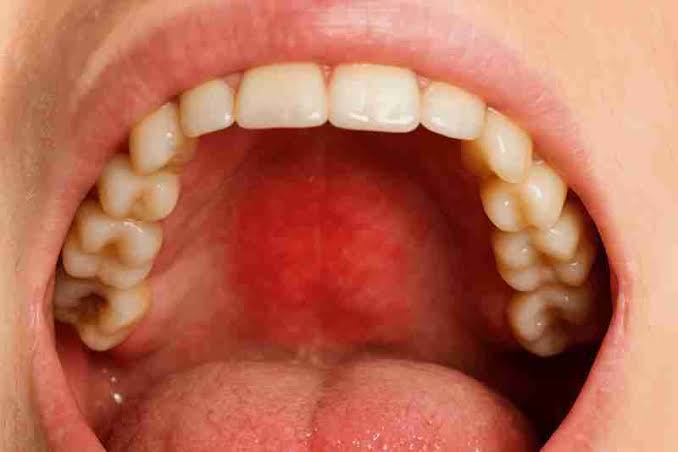
Have you ever taken a bite of piping hot pizza only to regret it seconds later? That burning sensation on the roof of your mouth is not just painful; it can make eating, drinking, and even speaking a miserable experience for days. If you are wondering how to heal sores on the roof of your mouth, you are not alone, and there are effective ways to speed up your recovery.
The roof of your mouth, known medically as the palate, is covered in delicate mucous membrane tissue. Because this area is constantly exposed to food, bacteria, and temperature changes, it is prone to irritation. While most minor burns or ulcers heal on their own within a week, knowing the right care steps can significantly reduce pain and prevent infection. In this guide, we will explore expert-backed strategies to soothe your palate and get you back to enjoying your favorite foods.
Why Do Sores Develop on the Roof of Your Mouth?
Before diving into treatments, it is crucial to understand what caused the sore. The approach to healing often depends on the underlying cause. The most common culprits include:
- Thermal Burns: Eating food or drinking liquids that are too hot is the leading cause. The delicate tissue on the hard palate blisters or peels upon contact with extreme heat.
- Canker Sores (Aphthous Ulcers): These are small, shallow lesions that develop on the soft tissues in your mouth or at the base of your gums. Unlike cold sores, they don’t occur on the surface of your lips and aren’t contagious.
- Trauma: Accidentally scratching the roof of your mouth with sharp foods like tortilla chips, hard crusts, or dental appliances can create open wounds.
- Infections: Viral infections like herpes simplex or fungal infections like oral thrush can also manifest as sores on the palate.
According to dental health statistics, minor oral burns are among the most common intraoral injuries seen in emergency rooms and dental clinics. Understanding the trigger helps you choose the right remedy. For instance, a thermal burn requires cooling and protection, while a canker sore may benefit from anti-inflammatory agents.
Immediate Steps to Relieve Pain and Promote Healing
When you first notice a sore, immediate action can limit the damage. Here is a step-by-step protocol to follow in the first 24 hours.
1. Cool Down the Area
If the sore is caused by a burn, the first step is to lower the temperature of the tissue. Sip cold water or suck on ice chips. Avoid holding ice directly against the sore for too long, as this can cause further tissue damage (freezer burn). Instead, let cold water swirl gently around your mouth for 30–60 seconds.
2. Salt Water Rinse
One of the most effective and accessible remedies is a saline rinse. Salt water acts as a mild antiseptic and helps reduce swelling.
- Mix 1/2 teaspoon of salt into 8 ounces (240 ml) of warm water.
- Swish the solution gently around your mouth for 15–30 seconds.
- Spit it out. Do not swallow.
- Repeat this process 2–3 times a day, especially after meals.
3. Avoid Irritants
During the healing phase, your palate is hypersensitive. You must avoid foods and substances that can aggravate the wound. This includes:
- Spicy foods (chili, hot sauce)
- Acidic foods (citrus fruits, tomatoes, vinegar)
- Crunchy or sharp foods (chips, nuts, toast)
- Alcohol-based mouthwashes
Top Home Remedies to Speed Up Recovery
While time is the ultimate healer, several natural remedies can accelerate the process and provide significant pain relief. These methods are widely recommended by healthcare professionals for minor oral lesions.
Honey: Nature’s Healer
Raw honey has potent antibacterial and anti-inflammatory properties. Studies have shown that applying honey topically to oral ulcers can reduce pain and size faster than some conventional treatments.
- How to use: Dab a small amount of raw, organic honey directly onto the sore using a clean cotton swab. Leave it on for 10–15 minutes before rinsing lightly. Repeat 2–3 times daily.
Aloe Vera Gel
Aloe vera is renowned for its soothing effects on skin burns, and it works similarly on oral mucosa. It creates a protective barrier over the sore, reducing friction from tongue movement and food.
- How to use: Ensure you use food-grade aloe vera gel. Apply a thin layer directly to the affected area. Let it sit for a few minutes before swallowing or rinsing.
Milk of Magnesia
This common antacid can help neutralize acids in the mouth and coat the sore, providing a protective layer.
- How to use: Dip a cotton ball in milk of magnesia and apply it directly to the sore. Let it sit for a minute. You can do this up to four times a day.
Over-the-Counter Gels
Products containing benzocaine or hyaluronic acid can provide temporary numbness and promote tissue repair. Look for brands specifically designed for oral ulcers. Always follow the package instructions regarding dosage and frequency.
Comparison: Natural Remedies vs. OTC Treatments
Choosing between natural and pharmaceutical options can be confusing. Here is a quick breakdown to help you decide.
| Feature | Natural Remedies (Honey, Aloe) | OTC Treatments (Gels, Rinses) |
|---|---|---|
| Speed of Pain Relief | Moderate | Fast (often contains anesthetics) |
| Healing Acceleration | High (anti-inflammatory) | Moderate (protective barrier) |
| Side Effects | Minimal to none | Possible allergic reaction to ingredients |
| Cost | Low (often already at home) | Moderate |
| Best For | Minor burns, sensitive users | Severe pain, larger ulcers |
When to See a Doctor
Most sores on the roof of the mouth heal within 7 to 10 days. However, certain signs indicate that you need professional medical attention. Ignoring these symptoms could lead to complications or indicate a more serious underlying condition.
You should consult a dentist or doctor if:
- The sore persists for more than two weeks without improvement.
- You experience high fever, swollen lymph nodes, or difficulty swallowing.
- The sores are unusually large or spread rapidly.
- You have a weakened immune system due to conditions like diabetes or HIV.
- You suspect the sore is related to a new medication or dental appliance.
For more detailed information on oral health conditions and when to seek care, you can refer to comprehensive resources such as Wikipedia’s article on Mouth Ulcers, which provides a broad overview of various types of oral lesions and their clinical management.
FAQ Section
How long does it take for a burned roof of the mouth to heal?
Minor thermal burns typically heal within 3 to 7 days. The mouth has a rich blood supply, which promotes rapid tissue regeneration. However, deeper burns or those that become infected may take up to two weeks to fully resolve.
Can I brush my teeth if I have a sore on the roof of my mouth?
Yes, maintaining oral hygiene is crucial to prevent infection. However, be gentle around the affected area. Use a soft-bristled toothbrush and avoid aggressive scrubbing near the sore. You might also consider using a toothpaste formulated for sensitive mouths that lacks harsh detergents like sodium lauryl sulfate (SLS).
Is it safe to pop a blister on the roof of my mouth?
No, you should never pop a blister or sore in your mouth. Doing so opens the wound to bacteria, significantly increasing the risk of infection and delaying the healing process. Let the blister rupture naturally or reabsorb into the tissue.
What foods should I eat while my mouth is healing?
Stick to a soft, bland diet. Ideal foods include yogurt, smoothies, mashed potatoes, scrambled eggs, and lukewarm soups. Avoid anything crunchy, spicy, acidic, or extremely hot. Keeping your food at room temperature or slightly cool can provide additional comfort.
Can stress cause sores on the roof of the mouth?
Yes, stress is a known trigger for canker sores. High stress levels can weaken your immune system, making you more susceptible to oral ulcers. Managing stress through adequate sleep, hydration, and relaxation techniques can help prevent recurrent sores.
Conclusion
Dealing with a sore on the roof of your mouth is uncomfortable, but it is usually a temporary issue that responds well to simple home care. By understanding how to heal sores on the roof of your mouth, you can take control of the situation. Remember to keep the area clean, avoid irritants, and use soothing remedies like salt water rinses or honey.
Patience is key, as the mouth heals quickly but needs a few days of gentle care. If your symptoms persist beyond two weeks or worsen, do not hesitate to seek professional medical advice.
Did you find this guide helpful? Share this article with friends and family who might be suffering from similar discomfort. Spreading knowledge about oral health can help others find relief faster!
Leave a Reply