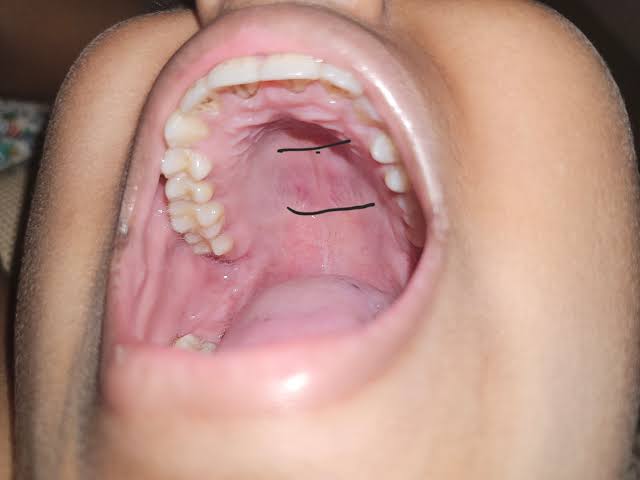
Have you ever run your tongue over the roof of your mouth and felt a strange, unexpected lump? It is a startling sensation that often triggers immediate anxiety about oral cancer or serious infection. You are not alone in this worry; millions of people search for answers regarding what is the bump on the roof of my mouth every single day.
Most of the time, these bumps are harmless and temporary. However, understanding the difference between a minor irritation and a condition requiring medical attention is crucial for your peace of mind and overall health. In this guide, we will break down the most common causes, symptoms, and treatments in plain, easy-to-understand language.
Common Causes of Bumps on the Hard Palate
The roof of your mouth, known medically as the palate, is divided into two sections: the hard palate at the front and the soft palate at the back. Bumps can appear on either section, but their causes often differ. Here are the most frequent culprits behind that mysterious lump.
1. Canker Sores (Aphthous Ulcers)
Canker sores are small, shallow lesions that develop on the soft tissues in your mouth or at the base of your gums. Unlike cold sores, they do not occur on the surface of your lips and are not contagious.
- Appearance: White or yellow center with a red border.
- Sensation: Painful, especially when eating spicy or acidic foods.
- Duration: Typically heal on their own within one to two weeks.
According to the Mayo Clinic, the exact cause of canker sores is unclear, but stress, minor injury to the inside of your mouth, or certain toothpastes may trigger them.
2. Torus Palatinus
If the bump is hard, located in the center of the roof of your mouth, and has been there for a long time without changing, it might be a torus palatinus. This is a bony growth that is completely benign.
- Prevalence: It affects approximately 20% to 30% of the population.
- Characteristics: Slow-growing, painless, and feels like bone.
- Treatment: Usually requires no treatment unless it interferes with denture fitting.
This condition is often genetic. If your parents have it, there is a higher chance you might develop it too. It is not a sign of disease and does not turn into cancer.
3. Oral Mucocele
A mucocele is a fluid-filled swelling that occurs when a salivary gland becomes blocked or damaged. While more common on the lower lip, they can appear on the roof of the mouth.
- Cause: Often results from biting the cheek or lip, or accidental trauma.
- Appearance: Bluish or clear, dome-shaped bump.
- Outcome: Many rupture and heal on their own, but some may require minor surgical removal if they persist.
4. Nasopalatine Duct Cyst
This is a rare type of cyst that develops from remnants of embryonic tissue. It is usually found in the midline of the anterior hard palate.
- Symptoms: Often asymptomatic, but can cause swelling or discharge if infected.
- Diagnosis: Requires an X-ray or CT scan for confirmation.
- Treatment: Surgical removal is typically recommended to prevent infection.
When Should You Worry About a Mouth Bump?
While most bumps are benign, it is essential to recognize the red flags that indicate a need for professional evaluation. Ignoring persistent symptoms can lead to complications.
Use this checklist to assess your situation:
| Symptom | Likely Cause | Action Required |
|---|---|---|
| Painful, white/yellow sore | Canker Sore | Monitor for 2 weeks |
| Hard, painless, central lump | Torus Palatinus | No action needed |
| Fluid-filled, bluish bump | Mucocele | Monitor; see dentist if persistent |
| Bleeding, non-healing sore | Potential Oral Cancer | See a doctor immediately |
| Rapidly growing mass | Various conditions | See a doctor immediately |
If you notice a bump that bleeds easily, does not heal after two weeks, or is accompanied by difficulty swallowing or breathing, seek medical attention promptly. Early detection is key to successful treatment for any serious oral conditions.
How to Treat and Manage Mouth Bumps at Home
For minor issues like canker sores or mild irritation, home remedies can provide significant relief. Here is a step-by-step approach to managing discomfort while your mouth heals.
Step 1: Maintain Oral Hygiene
Keep your mouth clean to prevent secondary infections. Brush gently with a soft-bristled toothbrush and use an alcohol-free mouthwash. Alcohol-based rinses can sting and irritate open sores.
Step 2: Salt Water Rinses
Salt water is a natural disinfectant and can help reduce inflammation.
- Mix 1/2 teaspoon of salt into 8 ounces (1 cup) of warm water.
- Swish the solution around your mouth for 30 seconds.
- Spit it out. Do not swallow.
- Repeat this process 3–4 times a day.
Step 3: Avoid Irritants
Stay away from foods that are:
- Spicy
- Acidic (like citrus fruits or tomatoes)
- Crunchy or sharp (like chips or nuts)
These foods can aggravate the bump and delay healing. Opt for soft, cool foods like yogurt, applesauce, or smoothies.
Step 4: Over-the-Counter Relief
Consider using topical gels or ointments designed for oral pain relief. Look for products containing benzocaine, which numbs the area temporarily. Always follow the package instructions carefully.
Understanding the Role of Diet and Lifestyle
Your daily habits play a significant role in oral health. Deficiencies in certain vitamins and minerals can make you more prone to mouth sores.
- Vitamin B12: Low levels are linked to recurrent aphthous stomatitis.
- Iron: Anemia can cause changes in the oral mucosa.
- Folate: A deficiency may contribute to ulcer formation.
Incorporating a balanced diet rich in leafy greens, lean proteins, and whole grains can support your immune system and promote faster healing. Additionally, staying hydrated keeps the oral mucosa moist and less susceptible to injury.
For more detailed information on oral anatomy and conditions, you can refer to Wikipedia’s page on the human mouth, which provides a comprehensive overview of structural components.
FAQ: Common Questions About Mouth Bumps
1. Can a bump on the roof of my mouth be cancer?
While it is possible, oral cancer is relatively rare compared to benign conditions like canker sores or torus palatinus. Oral cancer bumps are often painless in early stages, may bleed, and do not heal. If you have risk factors like smoking or heavy alcohol use, regular dental check-ups are vital.
2. Why does my mouth bump hurt when I eat hot food?
Heat can inflame sensitive tissues and nerve endings. If the bump is an ulcer or an irritated gland, hot temperatures will exacerbate the pain. Let your food cool to a lukewarm temperature before eating to minimize discomfort.
3. How long does it take for a mouth bump to go away?
It depends on the cause. Canker sores typically heal in 7–14 days. Mucoceles may resolve in a few weeks or persist longer. Torus palatinus is permanent but harmless. If a bump lasts longer than two weeks, consult a healthcare provider.
4. Is it safe to pop a bump on the roof of my mouth?
No. Never attempt to pop or squeeze a bump in your mouth. This can introduce bacteria, leading to serious infections. It can also cause unnecessary bleeding and damage to surrounding tissues. Let it heal naturally or seek professional removal if necessary.
5. Can stress cause bumps in my mouth?
Yes, stress is a known trigger for canker sores. High-stress levels can weaken your immune system, making you more susceptible to outbreaks. Managing stress through exercise, meditation, or adequate sleep can help reduce frequency.
6. What kind of doctor should I see for a mouth bump?
Start with your general dentist. They can diagnose most common oral conditions. If the issue is complex or requires specialized care, they may refer you to an oral surgeon or an otolaryngologist (ENT specialist).
Conclusion
Discovering a bump on the roof of your mouth can be alarming, but knowledge is your best defense against anxiety. In most cases, what is the bump on the roof of my mouth turns out to be a harmless condition like a canker sore or a torus palatinus. By maintaining good oral hygiene, avoiding irritants, and monitoring changes, you can manage most minor issues effectively at home.
However, never ignore persistent symptoms. If a bump does not heal within two weeks, grows rapidly, or causes significant pain, professional evaluation is essential. Your oral health is a window into your overall well-being, so treat it with care.
If you found this guide helpful, please share it with friends or family who might be dealing with similar concerns. Spreading awareness helps reduce unnecessary worry and promotes better health practices for everyone.