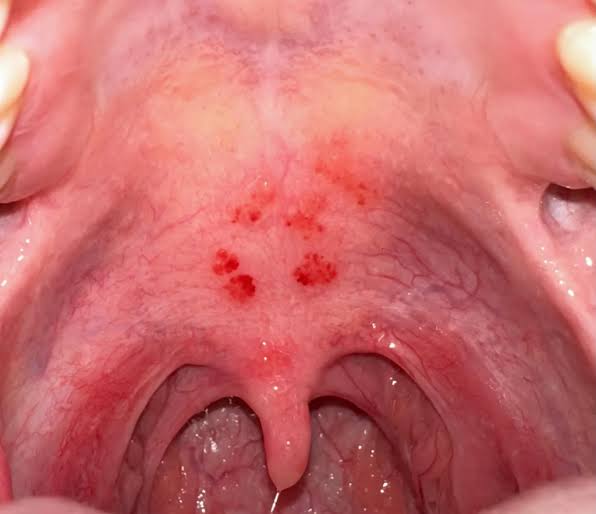
Finding unexpected changes in your body can be alarming, especially when they involve sensitive areas like your mouth and throat. If you have noticed red spots on back of throat and roof of mouth, you are likely feeling discomfort, anxiety, or confusion about what might be causing them. You are not alone; this is a common symptom that ranges from minor irritations to infections requiring medical attention.
In this comprehensive guide, we will explore the most likely culprits behind these symptoms, provide actionable home care tips, and clarify exactly when you need to seek professional help. Our goal is to empower you with accurate, easy-to-understand information so you can take the right steps toward relief.
What Causes Red Spots on the Back of the Throat?
When you look in the mirror and see red dots or patches, your first question is usually, “Is this serious?” The answer depends heavily on accompanying symptoms. Here are the most common medical conditions associated with this visual change.
1. Strep Throat (Streptococcal Pharyngitis)
Strep throat is a bacterial infection caused by Group A Streptococcus. It is one of the most frequent causes of bright red spots, often referred to as petechiae, on the soft palate (roof of the mouth) and the back of the throat.
- Key Indicators: Sudden severe sore throat, pain when swallowing, fever, and swollen lymph nodes.
- Statistic: According to the CDC, strep throat accounts for 20-30% of sore throats in children and 5-15% in adults.
- Action: Requires antibiotics. Untreated strep can lead to complications like rheumatic fever.
2. Viral Infections (Hand, Foot, and Mouth Disease)
While often associated with children, Hand, Foot, and Mouth Disease (HFMD) can affect adults. It is caused by enteroviruses, most commonly Coxsackievirus A16.
- Visual Signs: Small red blisters or ulcers on the tongue, gums, inside of the cheeks, and the roof of the mouth.
- Progression: These spots may turn into painful open sores.
- Contagion: Highly contagious through personal contact, nasal secretions, or fecal matter.
3. Allergic Reactions
Seasonal allergies or food sensitivities can cause inflammation in the oral cavity. This is often termed “allergic pharyngitis.”
- Mechanism: Post-nasal drip irritates the throat lining, causing redness and small raised bumps.
- Triggers: Pollen, dust mites, pet dander, or specific foods like strawberries or nuts.
4. Oral Thrush (Candidiasis)
Although thrush typically presents as white patches, it can sometimes cause underlying redness and irritation, especially if the white coating is scraped off. This fungal infection is more common in individuals with weakened immune systems or those taking antibiotics.
Red Spots on Roof of Mouth vs. Throat: Is There a Difference?
Understanding the location of the spots can help narrow down the diagnosis. While there is overlap, certain conditions prefer specific anatomical locations.
| Feature | Roof of Mouth (Hard/Soft Palate) | Back of Throat (Pharynx/Tonsils) |
|---|---|---|
| Common Cause | HFMD, Thermal Burns, Allergies | Strep Throat, Tonsillitis, Mono |
| Sensation | Tingling, burning, rough texture | Sharp pain, difficulty swallowing |
| Appearance | Blisters, flat red patches | Petechiae (tiny dots), swollen tonsils |
| Immediate Trigger | Hot food/drinks, acidic foods | Bacterial/Viral infection |
Note: If the spots are strictly on the roof of the mouth and appeared after eating pizza or drinking hot coffee, it is likely a thermal burn. These usually heal within 3–7 days without intervention.
When Should You See a Doctor?
Not every red spot requires a trip to the clinic, but ignoring certain symptoms can be dangerous. Use this checklist to determine if you need professional evaluation.
Seek Immediate Medical Attention If:
- You have difficulty breathing or swallowing saliva.
- You experience a high fever (over 101°F or 38.3°C) that does not respond to medication.
- There is visible pus on the tonsils or throat.
- You develop a rash on your body alongside the throat symptoms.
- The symptoms persist for more than 7 days without improvement.
For more detailed information on bacterial infections of the throat, you can refer to the general overview provided by Wikipedia on Streptococcal pharyngitis.
Effective Home Remedies for Relief
While waiting for a diagnosis or recovering from a mild viral infection, you can manage discomfort with these evidence-based home remedies.
1. Salt Water Gargle
This is the gold standard for soothing throat inflammation. Salt helps draw out excess fluid from inflamed tissues and reduces bacterial load.
- Recipe: Mix 1/2 teaspoon of non-iodized salt into 8 ounces (approx. 240 ml) of warm water.
- Method: Gargle for 10–15 seconds, then spit it out. Repeat 3–4 times daily.
- Temperature Tip: Ensure the water is warm, not hot, to avoid further irritating the mucous membranes. Ideal temperature is around 98–100°F (37–38°C).
2. Stay Hydrated with Cool Liquids
Dehydration worsens throat pain. Cool liquids can numb the area slightly and keep the mucous membranes moist.
- Recommendation: Drink at least 2 liters of water throughout the day.
- Avoid: Citrus juices (orange, lemon) and carbonated drinks, as the acidity and bubbles can sting open sores.
3. Honey and Herbal Tea
Honey has natural antibacterial and anti-inflammatory properties.
- Usage: Add one tablespoon of raw honey to chamomile or ginger tea.
- Benefit: Chamomile promotes relaxation and reduces inflammation, while ginger acts as a natural pain reliever.
4. Humidify Your Environment
Dry air exacerbates throat irritation, especially during sleep.
- Action: Use a cool-mist humidifier in your bedroom.
- Target Humidity: Maintain indoor humidity between 30% and 50% for optimal respiratory comfort.
Prevention Strategies for Oral Health
Preventing future occurrences involves maintaining a strong immune system and good oral hygiene practices.
- Hand Hygiene: Wash hands frequently with soap and water for at least 20 seconds, especially before eating. This prevents the spread of viruses like HFMD and bacteria like Strep.
- Replace Your Toothbrush: If you have been diagnosed with a bacterial infection like strep throat, replace your toothbrush after 24–48 hours of starting antibiotics to prevent reinfection.
- Dietary Adjustments: Limit sugary foods and refined carbohydrates, which can promote fungal growth (thrush) and bacterial proliferation.
- Avoid Irritants: Reduce smoking and alcohol consumption, both of which dry out and irritate the throat lining, making it more susceptible to infection.
Frequently Asked Questions (FAQ)
1. Can stress cause red spots in the throat?
Indirectly, yes. High stress levels weaken the immune system, making you more susceptible to viral outbreaks like cold sores or reactivation of latent viruses. However, stress itself does not directly create red spots; it lowers your body’s defense against the pathogens that do.
2. Are red spots on the roof of the mouth contagious?
It depends on the cause. If the spots are due to a viral infection (like HFMD or Herpes) or bacterial infection (Strep), they are highly contagious. If they are caused by allergies, thermal burns, or trauma from hard food, they are not contagious.
3. How long do red spots from a viral infection last?
Most viral-related red spots and sore throats resolve within 5 to 7 days. If symptoms persist beyond 10 days, it is crucial to see a healthcare provider to rule out bacterial infections or other underlying conditions.
4. Can acid reflux cause red spots in the throat?
Yes. Gastroesophageal Reflux Disease (GERD) can cause stomach acid to travel up the esophagus and reach the throat. This acid irritation can lead to chronic inflammation, redness, and sometimes small red bumps on the back of the throat, known as “reflux pharyngitis.”
5. What is the difference between canker sores and red spots?
Canker sores (aphthous ulcers) are typically shallow, painful lesions with a white or yellow center and a red border. They usually appear on the inner cheeks, lips, or tongue. Red spots on the back of the throat are often flat petechiae or inflamed tissue rather than open ulcers, though both can be painful.
Conclusion
Discovering red spots on back of throat and roof of mouth can be unsettling, but understanding the potential causes empowers you to react appropriately. Whether it is a simple thermal burn, a seasonal allergy, or a bacterial infection like strep throat, most cases are treatable and resolve quickly with proper care.
Remember to monitor your symptoms closely. If you experience high fever, difficulty breathing, or persistent pain, do not hesitate to consult a healthcare professional. For mild cases, stick to hydration, salt water gargles, and rest.
Found this guide helpful? Share it with friends and family on social media to help them stay informed about their oral health. Knowledge is the first step toward feeling better!
Leave a Reply