Have you ever taken a bite of hot pizza only to spend the next two days wincing every time your tongue touches the top of your mouth? It is a surprisingly common and frustrating experience. If you are currently asking yourself, “What causes the roof of your mouth to be sore,” you are not alone. This discomfort can range from a mild annoyance to a sharp pain that makes eating and drinking difficult.
In this guide, we will explore the most frequent culprits behind palate pain, offer practical home remedies, and help you determine when it is time to see a doctor. Let’s get to the bottom of that sting so you can enjoy your food again.
Common Causes of Palate Pain
The roof of your mouth, medically known as the palate, is sensitive tissue. Because it is directly exposed to everything you eat, drink, and breathe, it is vulnerable to various irritants. Understanding the root cause is the first step toward effective treatment.
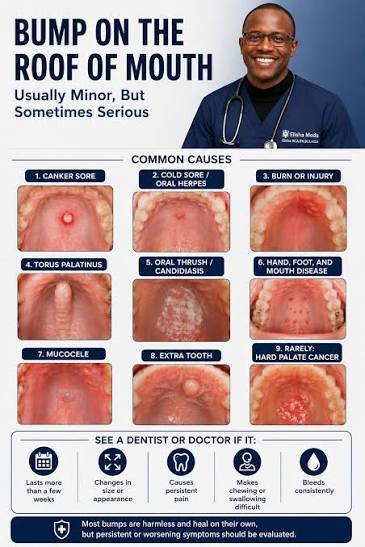
1. Thermal Burns (The Pizza Palate)
This is the most frequent cause of a sore roof of the mouth. The hard palate has a thin layer of mucous membrane covering the bone. When you consume food or liquids that are too hot (typically above 140°F or 60°C), this delicate tissue can scald instantly.
- Symptoms: Redness, blistering, peeling skin, and a raw, tender feeling.
- Healing Time: Minor burns usually heal within 3–7 days as the mouth regenerates cells faster than other parts of the body.
2. Physical Trauma and Abrasion
Sometimes, the damage isn’t from heat but from friction or sharp objects. Eating crunchy foods like tortilla chips, hard crusts, or candy can scratch the palate. Additionally, dental appliances such as retainers, dentures, or braces can rub against the roof of the mouth if they are ill-fitting.
3. Canker Sores and Cold Sores
While cold sores (herpes simplex virus) typically appear on the lips, they can occasionally occur on the hard palate. More commonly, you might develop canker sores (aphthous ulcers). These are small, shallow lesions that develop on the soft tissues in your mouth or at the base of your gums.
- Trigger Factors: Stress, minor injury to the inside of your mouth, acidic foods, or vitamin deficiencies.
- Appearance: White or yellow center with a red border.
4. Oral Thrush (Yeast Infection)
Oral thrush is a fungal infection caused by an overgrowth of Candida albicans. It is more common in infants, the elderly, and individuals with weakened immune systems or those taking antibiotics.
- Symptoms: Creamy white lesions on the tongue or inner cheeks, which can spread to the roof of the mouth. Bleeding may occur if these lesions are scraped.
- Sensation: A cotton-like feeling in the mouth, loss of taste, or cracking at the corners of the mouth.
5. Allergic Reactions and Irritants
Your palate may react to certain ingredients in toothpaste, mouthwash, or specific foods. Sodium lauryl sulfate (SLS), a foaming agent found in many toothpastes, is a known irritant for some people. Similarly, highly acidic foods (like citrus fruits or tomatoes) or spicy dishes can inflame the tissue.
When to See a Doctor
Most cases of a sore roof of the mouth resolve on their own within a week. However, persistent pain could indicate a more serious underlying condition. You should consult a healthcare provider if:
- The soreness lasts longer than two weeks.
- You have a high fever accompanying the mouth pain.
- You notice white patches that do not wipe away.
- You have difficulty swallowing or breathing.
- There is unexplained bleeding.
For more detailed information on oral conditions, you can refer to general medical resources like Wikipedia’s entry on Stomatitis to understand broader inflammatory conditions affecting the mouth.
Effective Home Remedies for Relief
While your mouth heals, you can manage the pain with these simple, effective strategies.
1. Cool Down the Area
If you have just burned your palate, act quickly. Sip cold water or suck on ice chips. This helps reduce inflammation and numbs the nerve endings temporarily. Avoid extremely cold items if you have sensitive teeth, but cool liquids are generally soothing.
2. Salt Water Rinses
A salt water rinse is a classic, dentist-recommended remedy. It helps clean the area, reduces bacteria, and promotes healing.
How to make it:
- Mix 1/2 teaspoon of salt into 8 ounces (1 cup) of warm water.
- Swish the solution gently around your mouth for 30 seconds.
- Spit it out. Do not swallow.
- Repeat 2–3 times a day.
3. Honey Application
Honey has natural antibacterial and anti-inflammatory properties. Applying a small amount of raw honey directly to the sore spot can create a protective barrier and speed up healing. Ensure you use pure, raw honey rather than processed syrup for maximum benefit.
4. Over-the-Counter Pain Relievers
Topical oral gels containing benzocaine can provide temporary numbness. Alternatively, non-prescription pain relievers like ibuprofen or acetaminophen can help manage overall discomfort and reduce inflammation. Always follow the dosage instructions on the label.
Prevention Tips: Keeping Your Palate Healthy
Preventing a sore roof of your mouth is often easier than treating it. Here are some proactive steps you can take:
| Prevention Strategy | Action Item |
|---|---|
| Temperature Check | Let hot beverages and foods cool for 2–3 minutes before consuming. Test a small bite first. |
| Dental Hygiene | Switch to an SLS-free toothpaste if you experience frequent irritation. Brush gently. |
| Hydration | Drink plenty of water to keep oral tissues moist and resilient. Dry mouth increases susceptibility to injury. |
| Dietary Awareness | Limit overly acidic or spicy foods if you are prone to canker sores. Identify and avoid personal trigger foods. |
| Appliance Care | Ensure dentures, retainers, or braces fit properly. Visit your dentist for adjustments if you feel rubbing. |
Frequently Asked Questions (FAQ)
1. How long does it take for a burned roof of the mouth to heal?
Minor thermal burns typically heal within 3 to 7 days. The mouth has a rich blood supply, which aids in rapid tissue regeneration. If the burn is severe or becomes infected, it may take up to two weeks. Keep the area clean and avoid further irritation during this period.
2. Can stress cause the roof of my mouth to be sore?
Yes, indirectly. Stress weakens the immune system, making you more susceptible to canker sores and cold sores. Additionally, stress can lead to behaviors like teeth grinding (bruxism) or nervous chewing, which might physically irritate the palate. Managing stress through relaxation techniques can help reduce the frequency of these outbreaks.
3. Is a sore roof of the mouth a sign of cancer?
While oral cancer can present as a sore that does not heal, it is rare for a sudden, acute soreness to be cancer. Oral cancer lesions are typically persistent, lasting more than two weeks, and may be accompanied by lumps, thickened patches, or difficulty moving the jaw. If you have a sore that does not heal after two weeks, see a dentist or doctor for evaluation to rule out serious conditions.
4. What foods should I avoid when the roof of my mouth is sore?
Avoid foods that are:
- Hot in temperature: Soups, coffee, tea.
- Acidic: Citrus fruits (lemons, oranges), tomatoes, vinegar-based dressings.
- Spicy: Hot peppers, curry, salsa.
- Crunchy/Sharp: Chips, nuts, hard crackers. Stick to soft, cool, and bland foods like yogurt, pudding, smoothies, and mashed potatoes until the pain subsides.
5. Can dehydration cause palate pain?
Yes. Saliva plays a crucial role in protecting the oral mucosa. When you are dehydrated, your mouth becomes dry (xerostomia), making the tissues more fragile and prone to irritation, cracking, and infection. Ensuring you drink at least 2 liters of water daily can help maintain healthy oral tissue integrity.
Conclusion
Dealing with a sore roof of your mouth is uncomfortable, but it is rarely a cause for panic. In most cases, the culprit is a minor burn, a scratch from food, or a small canker sore. By identifying what causes the roof of your mouth to be sore, you can take targeted steps to relieve the pain and prevent future occurrences.
Remember to keep your mouth clean, stay hydrated, and give your body time to heal. If the pain persists beyond two weeks or worsens, do not hesitate to seek professional medical advice.
Found this guide helpful? Share it with your friends on social media who might be suffering from “pizza palate” or other mouth mishaps. Your share could help someone find relief today!
Leave a Reply