Tag: palate burn treatment

  • I Burned The Roof Of My Mouth: Instant Relief & Healing Tips

    I Burned The Roof Of My Mouth: Instant Relief & Healing Tips

    Have you ever taken a bite of something delicious, only to immediately regret it because the temperature was far too high? It is a universal experience that leaves many of us thinking, “I burned the roof of my mouth with hot food,” while frantically searching for ways to stop the stinging sensation. You are not alone, and more importantly, there are effective, science-backed steps you can take right now to alleviate the pain and speed up recovery.

    In this guide, we will walk you through immediate first aid, what to avoid during the healing process, and when you should actually worry about seeking medical attention. Let’s turn that painful mistake into a manageable minor inconvenience.

    Why Does the Roof of Your Mouth Burn So Easily?

    Before we dive into the solutions, it helps to understand why this specific area is so vulnerable. The roof of your mouth, known medically as the palate, is covered by a thin layer of mucous membrane. Unlike the skin on your arms or legs, this tissue does not have a thick protective layer of keratin.

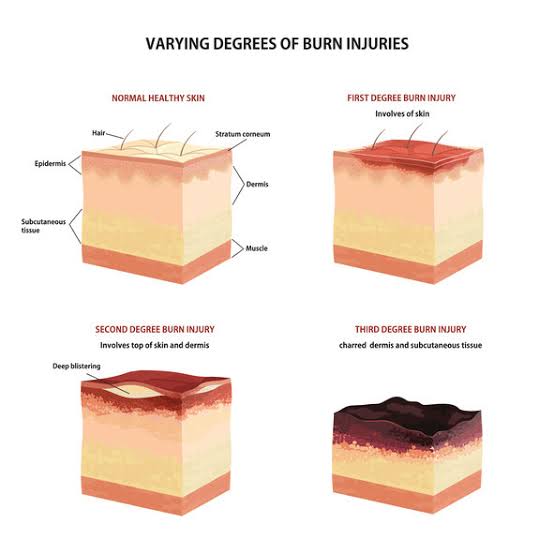
    When you consume food or beverages above 140°F (60°C), the heat transfers rapidly to these sensitive tissues. According to general medical understanding, thermal injuries to the oral cavity are classified similarly to skin burns. A first-degree burn affects only the outer layer of tissue, causing redness and pain, while a second-degree burn may result in blistering. Most kitchen-related incidents result in first-degree burns, which are painful but heal relatively quickly.

    Understanding the mechanism helps you realize that cooling the area immediately is critical to stopping the thermal damage from penetrating deeper into the tissue.

    Immediate First Aid: What to Do Right Now

    If you have just taken that scalding bite, time is of the essence. Follow these steps within the first few minutes to minimize tissue damage.

    1. Cool It Down Gently

    The most effective immediate action is to lower the temperature of the affected area. However, do not use ice cubes directly on the burn, as extreme cold can cause further tissue damage (similar to frostbite).

    • Sip cold water: Take small sips of cool (not freezing) water. Hold it in your mouth over the burned area for 10–15 seconds before swallowing.
    • Use milk: Dairy products can be soothing. The casein protein in milk may help coat the irritated tissue, providing a temporary barrier against air and further irritation.

    2. Avoid Aggravating the Area

    Once the initial shock wears off, you might feel tempted to touch the area with your tongue or fingers. Resist this urge. Probing the burn can introduce bacteria from your hands or disrupt the delicate healing cells forming on the surface.

    3. Assess the Severity

    Take a moment to look in a mirror if possible.

    • Redness only: Likely a first-degree burn. Home care is sufficient.
    • White patches or blisters: This indicates a second-degree burn. While still often manageable at home, it requires stricter hygiene to prevent infection.
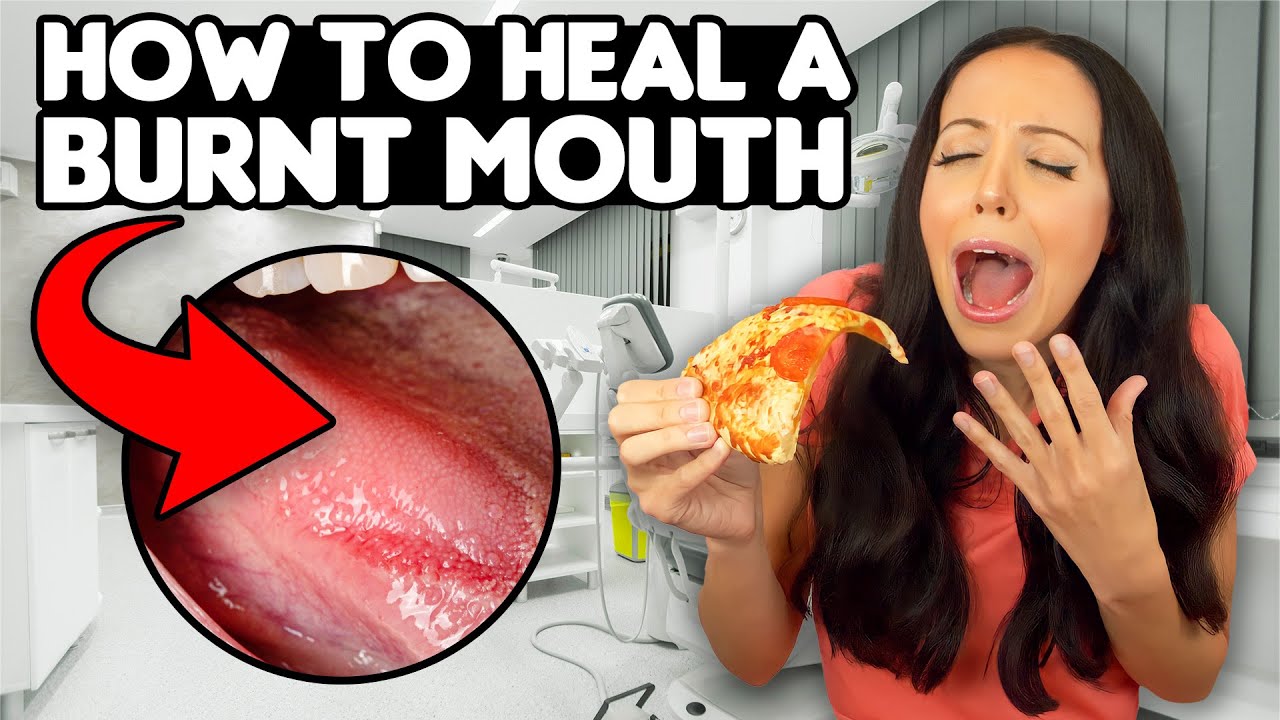
    I Burned The Roof Of My Mouth With Hot Food

    How to Speed Up Healing Over the Next 24–48 Hours

    The acute pain usually subsides within a day, but the tenderness can last longer. Here is how to manage the recovery phase effectively.

    Dietary Adjustments

    What you eat plays a massive role in how fast your palate heals. For the next two days, stick to the “BLAND” protocol:

    • Ban acidic foods (no orange juice, tomato sauce, or soda).
    • Limit spicy ingredients (avoid chili, pepper, and hot sauces).
    • Avoid crunchy textures (chips, nuts, or hard crusts can scrape the burn).
    • No extremely hot temperatures (let food cool to lukewarm).
    • Dairy and soft foods are your friends (yogurt, pudding, smoothies).

    Natural Remedies That Work

    While many home remedies are anecdotal, some have basis in anti-inflammatory properties.

    1. Honey: Applying a small amount of honey to the burned area can help. Honey has natural antibacterial and wound-healing properties. Note: Do not give honey to children under one year old.
    2. Salt Water Rinse: Mix 1/2 teaspoon of salt in 8 ounces of warm water. Swish gently. This helps keep the area clean and reduces swelling. Do this 2–3 times a day, especially after eating.
    3. Aloe Vera: If you have pure aloe vera gel (ensure it is safe for internal use), it can provide a cooling, anti-inflammatory effect similar to its use on sunburns.

    Pain Management

    If the pain is distracting you from work or sleep, over-the-counter pain relievers like ibuprofen or acetaminophen can help reduce inflammation and discomfort. Always follow the dosage instructions on the label.

    What NOT To Do When You Burn Your Palate

    Making the wrong move can turn a minor annoyance into a week-long ordeal. Here is a comparison of helpful vs. harmful actions.

    ActionImpact on HealingRecommendation
    Popping BlistersIncreases infection risk; delays healingNever do this
    Using Alcohol MouthwashCauses severe stinging; dries out tissueAvoid completely
    Eating Hot PizzaRe-injures the tissue; resets healing clockWait 48 hours
    Smoking/VapingReduces blood flow; slows cell regenerationPause if possible
    Applying ButterTraps heat; introduces bacteriaUse honey instead

    For more detailed information on oral mucosa and its healing processes, you can refer to resources such as Wikipedia’s article on Oral Mucosa to understand the biological context of your injury.

    When Should You See a Doctor?

    Most burns from hot food are minor and resolve on their own within 3 to 7 days. However, you should seek professional medical advice if:

    • The pain does not improve after 3 days.
    • You notice signs of infection, such as pus, increased swelling, or fever.
    • The burn covers a large area of your mouth or throat, making it difficult to swallow or breathe.
    • You have underlying health conditions like diabetes, which can slow down wound healing.

    FAQ: Common Questions About Burning the Roof of Your Mouth

    1. How long does it take for a burned roof of the mouth to heal?

    Typically, a first-degree burn on the palate heals within 3 to 7 days. The mouth has a rich blood supply, which aids in faster regeneration compared to skin on other parts of the body. Second-degree burns with blistering may take up to two weeks.

    2. Can I brush my teeth if I burned the roof of my mouth?

    Yes, you should continue to maintain oral hygiene to prevent infection. However, be very gentle around the burned area. Use a soft-bristled toothbrush and avoid vigorous swishing with mouthwash. A mild saltwater rinse is a better alternative to commercial mouthwashes during the healing phase.

    3. Why does my burned mouth taste weird?

    Damage to the taste buds or the nerves in the palate can temporarily alter your sense of taste. This is usually temporary. As the tissue heals and the inflammation subsides, your normal sense of taste will return. Keep your mouth clean to minimize any metallic or bitter tastes caused by minor bleeding or cellular debris.

    4. Is it safe to put ice directly on the burn?

    No. Direct application of ice can cause cold thermal injury, damaging the tissue further. It is safer to sip cold water or suck on ice chips that melt slowly, allowing the liquid to cool the area without freezing the tissue.

    5. Can I drink coffee or tea after burning my mouth?

    It is best to avoid hot beverages for at least 24–48 hours. If you must have caffeine, let your coffee or tea cool to room temperature or drink it iced. The heat from the beverage can re-aggravate the sensitive nerve endings and delay the healing process.

    6. Does sugar help heal a burned mouth?

    While honey (which contains sugar) has healing properties, refined white sugar does not. In fact, high sugar intake can promote bacterial growth in the mouth. Stick to natural sweeteners like honey if you need soothing, but avoid sugary candies or sodas.

    Conclusion

    Accidentally saying, “I burned the roof of my mouth with hot food,” is a rite of passage for many food lovers. While the pain is sharp and immediate, remember that the mouth is one of the fastest-healing parts of the human body. By cooling the area immediately, avoiding irritants, and keeping the mouth clean, you can significantly reduce discomfort and recovery time.

    Listen to your body. If it hurts, don’t eat it. If it’s hot, let it cool. Your palate will thank you.

    Did this guide help you soothe your burn? Share this article with your friends who love piping hot pizza or fresh-out-of-the-oven lasagna—it might save them from a painful afternoon!
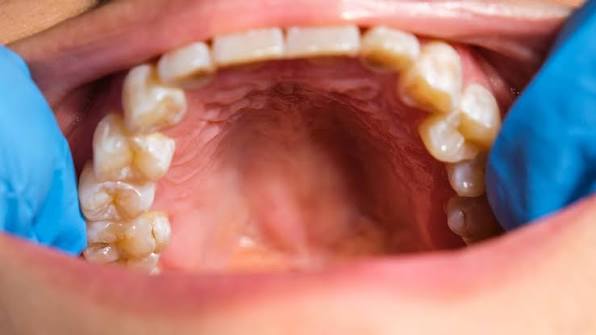
  • I Burned The Roof Of My Mouth: How to Heal Fast

    I Burned The Roof Of My Mouth: How to Heal Fast

    We have all been there. You take a bite of piping-hot pizza or sip scalding coffee, and suddenly, a sharp sting radiates across the top of your mouth. It is an uncomfortable, often painful experience that can make eating and speaking difficult for days. If you are thinking, “I burned the roof of my mouth how to heal,“ you are not alone, and relief is possible with the right care.

    The roof of your mouth, known medically as the palate, is covered by delicate mucous membranes. While these tissues are resilient, they are highly sensitive to thermal injury. Understanding how to treat this common injury effectively can significantly reduce your recovery time and prevent complications like infection. In this guide, we will walk you through immediate first aid, proven home remedies, and when to seek professional medical help.

    Immediate First Aid: What to Do Right After the Burn

    Time is critical when dealing with thermal burns in the mouth. The severity of the burn depends on the temperature of the substance and the duration of contact. Most kitchen-related burns are first-degree (superficial) or mild second-degree burns. Here is exactly what you should do in the first few minutes.

    1. Cool the Area Immediately

    Do not ignore the pain. The heat continues to damage tissue even after you swallow the food.

    • Sip Cold Water: Take small sips of cold water (around 4–10°C). Do not use ice-cold water directly on the burn as extreme cold can cause further tissue damage similar to frostbite.
    • Swish Gently: Hold the cold water in your mouth for 10–15 seconds before swallowing. This helps draw heat away from the palate.
    • Avoid Ice Cubes: Placing solid ice directly on the burned palate can stick to the tissue and cause tearing when removed.

    2. Assess the Damage

    Look in a mirror if possible.

    • Redness: Indicates a first-degree burn. It will be painful but should heal in 3–7 days.
    • Blisters or White Patches: Indicates a second-degree burn. These take longer to heal (up to 2 weeks) and require more careful management to prevent infection.
    • Charring or Numbness: This is rare from food but indicates a third-degree burn. Seek emergency medical attention immediately.

    Proven Home Remedies to Soothe Pain and Speed Up Healing

    Once the initial heat is dissipated, your goal shifts to soothing inflammation and promoting tissue regeneration. Here are the most effective, science-backed methods to manage the discomfort.

    Honey: Nature’s Healer

    Honey is not just a sweetener; it has potent antibacterial and anti-inflammatory properties. A study published in the Journal of Family Medicine and Primary Care highlights honey’s effectiveness in wound healing.

    • How to use: Take one teaspoon of raw, organic honey. Let it coat the burned area slowly. Do not rinse it out immediately. Repeat 2–3 times a day.
    • Why it works: Honey creates a protective barrier, keeps the wound moist, and prevents bacterial growth.

    Salt Water Rinses

    Salt water is a classic remedy for a reason. It helps clean the wound and reduces swelling.

    • Recipe: Mix 1/2 teaspoon of salt into 8 ounces (approx. 240 ml) of warm water. Ensure the water is lukewarm, not hot.
    • Instruction: Swish gently for 30 seconds and spit out. Do this 2–3 times a day, especially after meals.
    • Note: Avoid using too much salt, as it can dehydrate the tissue and increase pain.

    Yogurt and Milk

    Dairy products can provide a cooling effect and contain probiotics that support oral health.

    • Recommendation: Eat plain, cold yogurt. The smooth texture prevents further irritation, and the cold temperature soothes the nerve endings.
    • Caution: If you are lactose intolerant or if the burn is severe, dairy might increase mucus production, which some find uncomfortable. Listen to your body.

    Aloe Vera Gel

    Aloe vera is widely recognized for treating skin burns, and it works similarly for oral mucosa.

    • Selection: Use food-grade aloe vera gel or pure extract from the plant. Ensure it does not contain alcohol or added sugars.
    • Application: Apply a small amount directly to the burned spot. Leave it for a few minutes before rinsing with cool water.
    I Burned The Roof Of My Mouth How To Heal

    Foods to Avoid During Recovery

    What you eat is just as important as how you treat the burn. Certain foods can aggravate the injured tissue, delay healing, or introduce bacteria.

    Food CategoryWhy to AvoidSafe Alternatives
    Spicy FoodsCapsaicin irritates nerve endings and increases inflammation.Mild herbs like basil or oregano.
    Acidic FoodsCitrus and tomatoes sting open wounds and slow healing.Bananas, melons, cooked apples.
    Crunchy/Hard FoodsChips, nuts, and toast can physically scrape the blister.Mashed potatoes, smoothies, soups.
    Hot BeveragesRe-exposing the area to heat resets the healing clock.Iced tea, room-temperature water.
    Alcohol & TobaccoBoth dry out the mouth and impair immune response.Water, herbal teas (cooled).

    Understanding the Healing Timeline

    Patience is key. Oral tissue heals faster than skin because of the rich blood supply in the mouth, but it is still a biological process that cannot be rushed.

    • Days 1–2: Peak pain and sensitivity. You may notice redness or slight swelling. Stick to liquid or very soft foods.
    • Days 3–5: Pain should decrease significantly. If blisters formed, they may burst or begin to reabsorb. A white film may appear; this is often fibrin, a normal part of healing, not necessarily pus.
    • Days 6–10: Most first-degree burns are fully healed. Second-degree burns may still feel tender but should be functional.
    • Beyond 2 Weeks: If pain persists, see a dentist or doctor. Persistent non-healing ulcers can indicate other underlying issues.

    According to general medical consensus, the mouth’s rapid cell turnover rate allows for quicker recovery compared to external skin. For more detailed information on oral mucosa biology, you can refer to Wikipedia’s article on Oral Mucosa.

    When to See a Doctor

    While most palate burns are minor, complications can arise. Seek professional medical advice if you experience:

    1. Signs of Infection: Increased redness, swelling, pus, or fever.
    2. Difficulty Breathing or Swallowing: This could indicate swelling in the throat, which is a medical emergency.
    3. No Improvement: If the pain does not subside after 7–10 days of home care.
    4. Large Blisters: If blisters are larger than 1 cm or interfere with eating significantly, a doctor may need to drain them safely.

    FAQ: Common Questions About Burning the Roof of Your Mouth

    1. Why does the roof of my mouth peel after a burn?

    Peeling is a natural part of the healing process. The top layer of damaged cells dies and sheds to make way for new, healthy tissue. Do not pull the peeling skin, as this can cause bleeding and increase the risk of infection. Let it fall off naturally.

    2. Can I use toothpaste on a burned palate?

    It is generally not recommended. Many toothpastes contain sodium lauryl sulfate (SLS) and strong mint flavors that can sting and irritate the open wound. If you must brush, use a sensitive-teeth formula and avoid scrubbing the burned area directly.

    3. Does sugar help heal a burned mouth?

    No. While honey is beneficial, refined sugar can promote bacterial growth in the mouth. Bacteria thrive on sugar, which can lead to infection in the open wound. Stick to natural remedies like honey rather than sprinkling sugar on the burn.

    4. How long does it take for a blister on the roof of the mouth to heal?

    Small blisters typically heal within 7 to 10 days. Larger or deeper blisters may take up to two weeks. Keeping the area clean with salt water rinses and avoiding irritating foods will speed up this process.

    5. Is it safe to pop a blister on the roof of my mouth?

    No. Never pop a blister in your mouth. The fluid inside protects the underlying tissue from bacteria. Popping it creates an open wound that is painful and prone to infection. Let it rupture on its own or reabsorb into the body.

    6. Can stress affect the healing of a mouth burn?

    Yes. High stress levels can weaken the immune system and slow down the body’s natural healing processes. Additionally, stress may lead to behaviors like teeth grinding, which can inadvertently irritate the sensitive palate further.

    Conclusion

    Dealing with a burned palate is unpleasant, but it is rarely serious. By acting quickly with cold water, utilizing natural remedies like honey and salt water, and avoiding irritating foods, you can manage the pain and support your body’s natural healing abilities. Remember, the key phrase “I burned the roof of my mouth how to heal“ leads to simple, consistent care rather than complex medical interventions for most cases.

    Listen to your body. If the pain is manageable and decreasing, you are on the right track. If symptoms worsen, do not hesitate to consult a healthcare professional.

    Did this guide help you soothe your pain? Share this article with friends and family on social media so they know what to do the next time they enjoy their coffee a little too eagerly! Stay safe and eat wisely.

  • How To Treat Burns On The Roof Of Your Mouth

    How To Treat Burns On The Roof Of Your Mouth

    Have you ever taken a bite of piping hot pizza or sipped scalding coffee, only to feel that sharp, stinging pain on the roof of your mouth? It is a common yet incredibly uncomfortable experience that can make eating and speaking difficult for days. If you are wondering how to treat burns on the roof of your mouth, you are in the right place to find safe, effective, and immediate relief strategies.

    Immediate First Aid: What to Do Right After the Burn

    The first few minutes after burning the delicate tissue on your palate (the roof of your mouth) are critical. The skin inside your mouth is mucous membrane, which is thinner and more sensitive than the skin on your hands or arms. Acting quickly can minimize tissue damage and reduce pain intensity.

    1. Cool It Down Immediately

    The most important step is to stop the heating process. Do not ignore the pain hoping it will go away.

    • Sip Cold Water: Take small sips of ice-cold water. Hold the water in your mouth for 10–15 seconds before swallowing. This helps draw heat away from the burned tissue.
    • Use Ice Chips: If water isn’t enough, suck on small ice chips. Let them melt slowly over the burned area. Do not apply ice directly to the wound for extended periods, as this can cause further tissue damage (frostbite-like injury).
    • Avoid Ice Cream Initially: While tempting, dairy products can sometimes increase mucus production or coat the area, trapping heat if the mouth isn’t cooled down first. Stick to water or ice first.

    2. Assess the Severity

    Not all burns are the same. Understanding the degree of your burn helps determine the next steps.

    • First-Degree Burn: Redness, mild swelling, and pain. No blisters. This usually heals within 3–7 days.
    • Second-Degree Burn: Blisters may form, severe pain, and significant redness. Healing can take up to two weeks.
    • Third-Degree Burn: Rare in the mouth from food, but involves white or charred tissue and numbness due to nerve damage. Seek medical attention immediately.

    For most food-related incidents, you are likely dealing with a first-degree or mild second-degree burn.

    Effective Home Remedies for Pain Relief and Healing

    Once you have cooled the area, you can use various household items to soothe the pain and accelerate healing. The goal is to keep the area moist, reduce inflammation, and prevent infection.

    Honey: The Natural Healer

    Honey has been used for centuries for its antibacterial and anti-inflammatory properties. A study published in the Journal of Family Medicine and Primary Care highlights honey’s effectiveness in wound healing.

    • How to use: Dab a small amount of raw, organic honey directly onto the burned spot. Let it sit for a few minutes before swallowing. Repeat 2–3 times a day.
    • Why it works: It creates a protective barrier, keeps the wound moist, and fights bacteria.

    Salt Water Rinse

    While it might sting initially, a salt water rinse is one of the most recommended treatments by dentists.

    • Recipe: Mix 1/2 teaspoon of salt into 8 ounces (approx. 240 ml) of warm (not hot) water.
    • Method: Swish gently around your mouth for 30 seconds, focusing on the roof of your mouth, then spit it out.
    • Frequency: Do this 2–3 times a day, especially after meals.
    • Benefit: Salt water helps clean the wound, reduces swelling, and balances the pH level in your mouth, creating an environment less favorable for bacteria.

    Aloe Vera Gel

    Aloe vera is renowned for treating skin burns, and it works similarly for oral mucosa.

    • Selection: Use pure aloe vera gel. Ensure it is food-grade or explicitly safe for internal use. Avoid gels with added alcohol or fragrances.
    • Application: Apply a thin layer to the burned area using a clean finger or cotton swab.
    • Effect: It provides a cooling sensation and promotes cell regeneration.

    Milk and Yogurt

    Dairy products can provide a soothing coating for the burned tissue.

    • Why: The cold temperature numbs the pain, and the proteins in milk can help coat the sensitive nerves.
    • Tip: Choose plain, unsweetened yogurt. Sugar can irritate the wound and feed bacteria.
    How To Treat Burns On The Roof Of Your Mouth

    What to Avoid: Foods and Habits That Delay Healing

    Knowing what not to do is just as important as knowing how to treat the burn. Certain foods and habits can aggravate the injury, leading to prolonged pain or secondary infection.

    CategoryItems to AvoidReason
    TemperatureHot coffee, soup, teaRe-injures the sensitive tissue and increases inflammation.
    TextureChips, crusty bread, nutsSharp edges can scrape the blister or raw skin, causing bleeding.
    AcidityCitrus fruits, tomato sauce, sodaAcidic substances sting open wounds and slow down healing.
    SpiceChili powder, hot sauce, curryCapsaicin irritates nerve endings, increasing pain significantly.
    ChemicalsAlcohol-based mouthwash, tobaccoAlcohol dries out the tissue; tobacco restricts blood flow needed for healing.

    Pro Tip: Stick to a soft, bland diet for the first 48 hours. Think mashed potatoes, lukewarm broth, scrambled eggs, and smoothies (without acidic fruits like orange or pineapple).

    When to See a Doctor: Recognizing Complications

    Most burns on the roof of the mouth heal on their own within a week. However, complications can arise. According to general medical guidelines, you should consult a healthcare provider if you experience any of the following:

    1. Signs of Infection: Increased redness, pus, foul odor, or fever.
    2. Persistent Pain: Pain that does not improve after 7–10 days.
    3. Large Blisters: If blisters are large, interfere with breathing or swallowing, or burst and bleed excessively.
    4. Difficulty Swallowing: If the swelling is so severe that you cannot drink fluids, you risk dehydration.

    For more detailed information on oral tissue injuries and medical classifications, you can refer to resources like Wikipedia’s page on Burns, which provides a comprehensive overview of burn degrees and medical treatments.

    FAQ: Common Questions About Mouth Burns

    How long does it take for the roof of your mouth to heal?

    Typically, a minor first-degree burn on the roof of the mouth heals within 3 to 7 days. The mouth has a rich blood supply, which aids in faster healing compared to skin on other parts of the body. Second-degree burns may take up to two weeks.

    Can I brush my teeth if I have a burn on the roof of my mouth?

    Yes, you should maintain oral hygiene to prevent infection. However, be gentle. Use a soft-bristled toothbrush and avoid scrubbing the burned area directly. You might want to skip flossing near the upper palate if it causes discomfort, but keep the rest of your mouth clean.

    Is it okay to pop a blister on the roof of my mouth?

    No. Never pop a blister in your mouth. The blister acts as a natural bandage, protecting the underlying raw tissue from bacteria and food particles. Popping it increases the risk of infection and delays healing. Let it burst or reabsorb naturally.

    Why does the roof of my mouth feel rough after a burn?

    As the burn heals, the top layer of damaged tissue may peel off. This can create a rough or “skin-like” texture. This is a normal part of the regeneration process. Keep the area clean and moist, and the new, smooth tissue will emerge underneath.

    Can I use over-the-counter pain relievers?

    Yes. Over-the-counter pain medications like ibuprofen (Advil) or acetaminophen (Tylenol) can help manage pain and reduce inflammation. Always follow the dosage instructions on the label. Topical oral anesthetics containing benzocaine can also provide temporary numbness, but use them sparingly.

    Conclusion

    Dealing with a burn on the roof of your mouth is painful, but it is rarely serious if treated correctly. By acting quickly to cool the area, using soothing remedies like honey or salt water rinses, and avoiding irritating foods, you can speed up your recovery significantly. Remember, patience is key—your mouth is designed to heal rapidly, but it needs a little help from you.

    If you found this guide helpful, please share it with your friends and family on social media. You never know who might need quick advice after their next hot cup of coffee! Stay safe, eat wisely, and keep smiling.

  • Why Is the Roof of Your Mouth Sore?

    Why Is the Roof of Your Mouth Sore?

    Have you ever taken a bite of hot pizza only to spend the next two days wincing every time your tongue touches the top of your mouth? It is a surprisingly common and frustrating experience. If you are currently asking yourself, “What causes the roof of your mouth to be sore,” you are not alone. This discomfort can range from a mild annoyance to a sharp pain that makes eating and drinking difficult.

    In this guide, we will explore the most frequent culprits behind palate pain, offer practical home remedies, and help you determine when it is time to see a doctor. Let’s get to the bottom of that sting so you can enjoy your food again.

    Common Causes of Palate Pain

    The roof of your mouth, medically known as the palate, is sensitive tissue. Because it is directly exposed to everything you eat, drink, and breathe, it is vulnerable to various irritants. Understanding the root cause is the first step toward effective treatment.

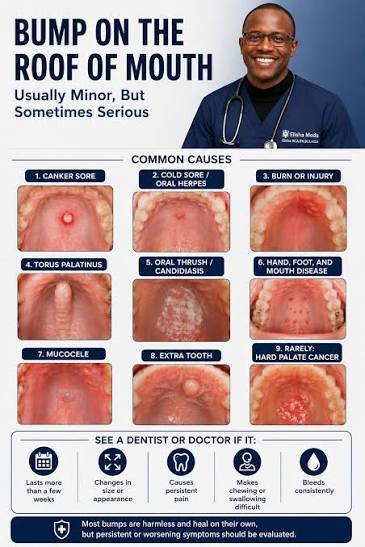
    1. Thermal Burns (The Pizza Palate)

    This is the most frequent cause of a sore roof of the mouth. The hard palate has a thin layer of mucous membrane covering the bone. When you consume food or liquids that are too hot (typically above 140°F or 60°C), this delicate tissue can scald instantly.

    • Symptoms: Redness, blistering, peeling skin, and a raw, tender feeling.
    • Healing Time: Minor burns usually heal within 3–7 days as the mouth regenerates cells faster than other parts of the body.

    2. Physical Trauma and Abrasion

    Sometimes, the damage isn’t from heat but from friction or sharp objects. Eating crunchy foods like tortilla chips, hard crusts, or candy can scratch the palate. Additionally, dental appliances such as retainers, dentures, or braces can rub against the roof of the mouth if they are ill-fitting.

    3. Canker Sores and Cold Sores

    While cold sores (herpes simplex virus) typically appear on the lips, they can occasionally occur on the hard palate. More commonly, you might develop canker sores (aphthous ulcers). These are small, shallow lesions that develop on the soft tissues in your mouth or at the base of your gums.

    • Trigger Factors: Stress, minor injury to the inside of your mouth, acidic foods, or vitamin deficiencies.
    • Appearance: White or yellow center with a red border.

    4. Oral Thrush (Yeast Infection)

    Oral thrush is a fungal infection caused by an overgrowth of Candida albicans. It is more common in infants, the elderly, and individuals with weakened immune systems or those taking antibiotics.

    • Symptoms: Creamy white lesions on the tongue or inner cheeks, which can spread to the roof of the mouth. Bleeding may occur if these lesions are scraped.
    • Sensation: A cotton-like feeling in the mouth, loss of taste, or cracking at the corners of the mouth.

    5. Allergic Reactions and Irritants

    Your palate may react to certain ingredients in toothpaste, mouthwash, or specific foods. Sodium lauryl sulfate (SLS), a foaming agent found in many toothpastes, is a known irritant for some people. Similarly, highly acidic foods (like citrus fruits or tomatoes) or spicy dishes can inflame the tissue.

    When to See a Doctor

    Most cases of a sore roof of the mouth resolve on their own within a week. However, persistent pain could indicate a more serious underlying condition. You should consult a healthcare provider if:

    • The soreness lasts longer than two weeks.
    • You have a high fever accompanying the mouth pain.
    • You notice white patches that do not wipe away.
    • You have difficulty swallowing or breathing.
    • There is unexplained bleeding.

    For more detailed information on oral conditions, you can refer to general medical resources like Wikipedia’s entry on Stomatitis to understand broader inflammatory conditions affecting the mouth.

    What Causes The Roof Of Your Mouth To Be Sore

    Effective Home Remedies for Relief

    While your mouth heals, you can manage the pain with these simple, effective strategies.

    1. Cool Down the Area

    If you have just burned your palate, act quickly. Sip cold water or suck on ice chips. This helps reduce inflammation and numbs the nerve endings temporarily. Avoid extremely cold items if you have sensitive teeth, but cool liquids are generally soothing.

    2. Salt Water Rinses

    A salt water rinse is a classic, dentist-recommended remedy. It helps clean the area, reduces bacteria, and promotes healing.

    How to make it:

    1. Mix 1/2 teaspoon of salt into 8 ounces (1 cup) of warm water.
    2. Swish the solution gently around your mouth for 30 seconds.
    3. Spit it out. Do not swallow.
    4. Repeat 2–3 times a day.

    3. Honey Application

    Honey has natural antibacterial and anti-inflammatory properties. Applying a small amount of raw honey directly to the sore spot can create a protective barrier and speed up healing. Ensure you use pure, raw honey rather than processed syrup for maximum benefit.

    4. Over-the-Counter Pain Relievers

    Topical oral gels containing benzocaine can provide temporary numbness. Alternatively, non-prescription pain relievers like ibuprofen or acetaminophen can help manage overall discomfort and reduce inflammation. Always follow the dosage instructions on the label.

    Prevention Tips: Keeping Your Palate Healthy

    Preventing a sore roof of your mouth is often easier than treating it. Here are some proactive steps you can take:

    Prevention StrategyAction Item
    Temperature CheckLet hot beverages and foods cool for 2–3 minutes before consuming. Test a small bite first.
    Dental HygieneSwitch to an SLS-free toothpaste if you experience frequent irritation. Brush gently.
    HydrationDrink plenty of water to keep oral tissues moist and resilient. Dry mouth increases susceptibility to injury.
    Dietary AwarenessLimit overly acidic or spicy foods if you are prone to canker sores. Identify and avoid personal trigger foods.
    Appliance CareEnsure dentures, retainers, or braces fit properly. Visit your dentist for adjustments if you feel rubbing.

    Frequently Asked Questions (FAQ)

    1. How long does it take for a burned roof of the mouth to heal?

    Minor thermal burns typically heal within 3 to 7 days. The mouth has a rich blood supply, which aids in rapid tissue regeneration. If the burn is severe or becomes infected, it may take up to two weeks. Keep the area clean and avoid further irritation during this period.

    2. Can stress cause the roof of my mouth to be sore?

    Yes, indirectly. Stress weakens the immune system, making you more susceptible to canker sores and cold sores. Additionally, stress can lead to behaviors like teeth grinding (bruxism) or nervous chewing, which might physically irritate the palate. Managing stress through relaxation techniques can help reduce the frequency of these outbreaks.

    3. Is a sore roof of the mouth a sign of cancer?

    While oral cancer can present as a sore that does not heal, it is rare for a sudden, acute soreness to be cancer. Oral cancer lesions are typically persistent, lasting more than two weeks, and may be accompanied by lumps, thickened patches, or difficulty moving the jaw. If you have a sore that does not heal after two weeks, see a dentist or doctor for evaluation to rule out serious conditions.

    4. What foods should I avoid when the roof of my mouth is sore?

    Avoid foods that are:

    • Hot in temperature: Soups, coffee, tea.
    • Acidic: Citrus fruits (lemons, oranges), tomatoes, vinegar-based dressings.
    • Spicy: Hot peppers, curry, salsa.
    • Crunchy/Sharp: Chips, nuts, hard crackers. Stick to soft, cool, and bland foods like yogurt, pudding, smoothies, and mashed potatoes until the pain subsides.

    5. Can dehydration cause palate pain?

    Yes. Saliva plays a crucial role in protecting the oral mucosa. When you are dehydrated, your mouth becomes dry (xerostomia), making the tissues more fragile and prone to irritation, cracking, and infection. Ensuring you drink at least 2 liters of water daily can help maintain healthy oral tissue integrity.

    Conclusion

    Dealing with a sore roof of your mouth is uncomfortable, but it is rarely a cause for panic. In most cases, the culprit is a minor burn, a scratch from food, or a small canker sore. By identifying what causes the roof of your mouth to be sore, you can take targeted steps to relieve the pain and prevent future occurrences.

    Remember to keep your mouth clean, stay hydrated, and give your body time to heal. If the pain persists beyond two weeks or worsens, do not hesitate to seek professional medical advice.

    Found this guide helpful? Share it with your friends on social media who might be suffering from “pizza palate” or other mouth mishaps. Your share could help someone find relief today!