Have you ever taken a bite of piping hot pizza or sipped scalding coffee, only to feel that sharp, stinging pain on the roof of your mouth? It is a common yet incredibly uncomfortable experience that can make eating and speaking difficult for days. If you are wondering how to treat burns on the roof of your mouth, you are in the right place to find safe, effective, and immediate relief strategies.
Immediate First Aid: What to Do Right After the Burn
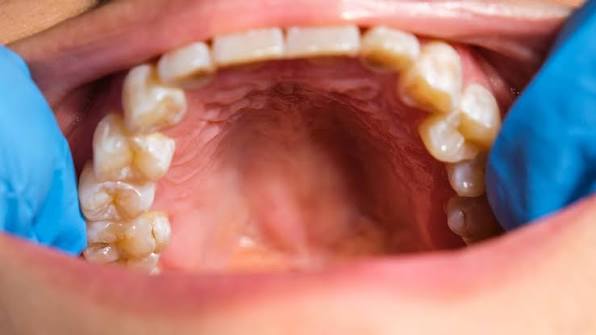
The first few minutes after burning the delicate tissue on your palate (the roof of your mouth) are critical. The skin inside your mouth is mucous membrane, which is thinner and more sensitive than the skin on your hands or arms. Acting quickly can minimize tissue damage and reduce pain intensity.
1. Cool It Down Immediately
The most important step is to stop the heating process. Do not ignore the pain hoping it will go away.
- Sip Cold Water: Take small sips of ice-cold water. Hold the water in your mouth for 10–15 seconds before swallowing. This helps draw heat away from the burned tissue.
- Use Ice Chips: If water isn’t enough, suck on small ice chips. Let them melt slowly over the burned area. Do not apply ice directly to the wound for extended periods, as this can cause further tissue damage (frostbite-like injury).
- Avoid Ice Cream Initially: While tempting, dairy products can sometimes increase mucus production or coat the area, trapping heat if the mouth isn’t cooled down first. Stick to water or ice first.
2. Assess the Severity
Not all burns are the same. Understanding the degree of your burn helps determine the next steps.
- First-Degree Burn: Redness, mild swelling, and pain. No blisters. This usually heals within 3–7 days.
- Second-Degree Burn: Blisters may form, severe pain, and significant redness. Healing can take up to two weeks.
- Third-Degree Burn: Rare in the mouth from food, but involves white or charred tissue and numbness due to nerve damage. Seek medical attention immediately.
For most food-related incidents, you are likely dealing with a first-degree or mild second-degree burn.
Effective Home Remedies for Pain Relief and Healing
Once you have cooled the area, you can use various household items to soothe the pain and accelerate healing. The goal is to keep the area moist, reduce inflammation, and prevent infection.
Honey: The Natural Healer
Honey has been used for centuries for its antibacterial and anti-inflammatory properties. A study published in the Journal of Family Medicine and Primary Care highlights honey’s effectiveness in wound healing.
- How to use: Dab a small amount of raw, organic honey directly onto the burned spot. Let it sit for a few minutes before swallowing. Repeat 2–3 times a day.
- Why it works: It creates a protective barrier, keeps the wound moist, and fights bacteria.
Salt Water Rinse
While it might sting initially, a salt water rinse is one of the most recommended treatments by dentists.
- Recipe: Mix 1/2 teaspoon of salt into 8 ounces (approx. 240 ml) of warm (not hot) water.
- Method: Swish gently around your mouth for 30 seconds, focusing on the roof of your mouth, then spit it out.
- Frequency: Do this 2–3 times a day, especially after meals.
- Benefit: Salt water helps clean the wound, reduces swelling, and balances the pH level in your mouth, creating an environment less favorable for bacteria.
Aloe Vera Gel
Aloe vera is renowned for treating skin burns, and it works similarly for oral mucosa.
- Selection: Use pure aloe vera gel. Ensure it is food-grade or explicitly safe for internal use. Avoid gels with added alcohol or fragrances.
- Application: Apply a thin layer to the burned area using a clean finger or cotton swab.
- Effect: It provides a cooling sensation and promotes cell regeneration.
Milk and Yogurt
Dairy products can provide a soothing coating for the burned tissue.
- Why: The cold temperature numbs the pain, and the proteins in milk can help coat the sensitive nerves.
- Tip: Choose plain, unsweetened yogurt. Sugar can irritate the wound and feed bacteria.
What to Avoid: Foods and Habits That Delay Healing
Knowing what not to do is just as important as knowing how to treat the burn. Certain foods and habits can aggravate the injury, leading to prolonged pain or secondary infection.
| Category | Items to Avoid | Reason |
|---|---|---|
| Temperature | Hot coffee, soup, tea | Re-injures the sensitive tissue and increases inflammation. |
| Texture | Chips, crusty bread, nuts | Sharp edges can scrape the blister or raw skin, causing bleeding. |
| Acidity | Citrus fruits, tomato sauce, soda | Acidic substances sting open wounds and slow down healing. |
| Spice | Chili powder, hot sauce, curry | Capsaicin irritates nerve endings, increasing pain significantly. |
| Chemicals | Alcohol-based mouthwash, tobacco | Alcohol dries out the tissue; tobacco restricts blood flow needed for healing. |
Pro Tip: Stick to a soft, bland diet for the first 48 hours. Think mashed potatoes, lukewarm broth, scrambled eggs, and smoothies (without acidic fruits like orange or pineapple).
When to See a Doctor: Recognizing Complications
Most burns on the roof of the mouth heal on their own within a week. However, complications can arise. According to general medical guidelines, you should consult a healthcare provider if you experience any of the following:
- Signs of Infection: Increased redness, pus, foul odor, or fever.
- Persistent Pain: Pain that does not improve after 7–10 days.
- Large Blisters: If blisters are large, interfere with breathing or swallowing, or burst and bleed excessively.
- Difficulty Swallowing: If the swelling is so severe that you cannot drink fluids, you risk dehydration.
For more detailed information on oral tissue injuries and medical classifications, you can refer to resources like Wikipedia’s page on Burns, which provides a comprehensive overview of burn degrees and medical treatments.
FAQ: Common Questions About Mouth Burns
How long does it take for the roof of your mouth to heal?
Typically, a minor first-degree burn on the roof of the mouth heals within 3 to 7 days. The mouth has a rich blood supply, which aids in faster healing compared to skin on other parts of the body. Second-degree burns may take up to two weeks.
Can I brush my teeth if I have a burn on the roof of my mouth?
Yes, you should maintain oral hygiene to prevent infection. However, be gentle. Use a soft-bristled toothbrush and avoid scrubbing the burned area directly. You might want to skip flossing near the upper palate if it causes discomfort, but keep the rest of your mouth clean.
Is it okay to pop a blister on the roof of my mouth?
No. Never pop a blister in your mouth. The blister acts as a natural bandage, protecting the underlying raw tissue from bacteria and food particles. Popping it increases the risk of infection and delays healing. Let it burst or reabsorb naturally.
Why does the roof of my mouth feel rough after a burn?
As the burn heals, the top layer of damaged tissue may peel off. This can create a rough or “skin-like” texture. This is a normal part of the regeneration process. Keep the area clean and moist, and the new, smooth tissue will emerge underneath.
Can I use over-the-counter pain relievers?
Yes. Over-the-counter pain medications like ibuprofen (Advil) or acetaminophen (Tylenol) can help manage pain and reduce inflammation. Always follow the dosage instructions on the label. Topical oral anesthetics containing benzocaine can also provide temporary numbness, but use them sparingly.
Conclusion
Dealing with a burn on the roof of your mouth is painful, but it is rarely serious if treated correctly. By acting quickly to cool the area, using soothing remedies like honey or salt water rinses, and avoiding irritating foods, you can speed up your recovery significantly. Remember, patience is key—your mouth is designed to heal rapidly, but it needs a little help from you.
If you found this guide helpful, please share it with your friends and family on social media. You never know who might need quick advice after their next hot cup of coffee! Stay safe, eat wisely, and keep smiling.
Leave a Reply