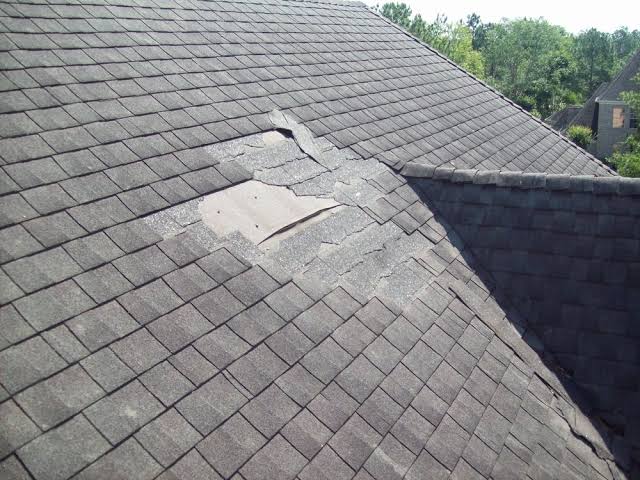
Your home is likely your biggest investment, and the roof is its first line of defense against the elements. If you are staring at water stains on your ceiling or finding shingles in your yard, you are probably asking yourself, “How do I know my roof needs to be replaced?” Ignoring these warning signs can lead to costly structural damage, mold growth, and decreased property value.
In this comprehensive guide, we will walk you through the definitive signs that indicate your roof has reached the end of its life. We will combine industry standards, expert insights, and practical inspection tips to help you make an informed decision. Whether you have asphalt shingles, metal, or tile, understanding the lifecycle of your roofing material is crucial for maintaining a safe and dry home.
1. How Old Is Your Roof? Understanding Material Lifespans
The most straightforward indicator of whether a replacement is needed is age. While regular maintenance can extend a roof’s life, every material has a finite lifespan. If your roof is approaching or has exceeded its expected service life, proactive replacement is often smarter than waiting for a catastrophic failure.
Here is a breakdown of common roofing materials and their average lifespans:
| Roofing Material | Average Lifespan | Key Durability Factors |
|---|---|---|
| Asphalt Shingles (3-tab) | 15–20 years | Susceptible to wind and UV damage |
| Architectural Asphalt | 25–30 years | Thicker, more durable than 3-tab |
| Metal Roofing | 40–70 years | Resistant to fire, wind, and rot |
| Wood Shakes/Shingles | 20–25 years | Requires maintenance against moss/rot |
| Clay/Concrete Tile | 50+ years | Heavy, brittle, but extremely long-lasting |
| Slate | 75–100+ years | Natural stone, very heavy, premium cost |
Note: These estimates assume proper installation and moderate climate conditions. Extreme weather events can significantly reduce these timelines.
If you bought your home recently and don’t know the age of the roof, check your closing documents or look for a manufacturer’s sticker on the underside of a shingle in the attic. If it’s been two decades since the last replacement, it is time to call a professional for an assessment.
2. Are There Visible Signs of Damage on the Exterior?
You do not need to be a contractor to spot major red flags. A simple visual inspection from the ground (using binoculars) or safely from a ladder can reveal critical issues. Here are the primary exterior signs that answer the question, “How do I know my roof needs to be replaced?”
Curling, Cupping, or Clawing Shingles
Shingles should lie flat. If you see edges turning upward (curling) or the center dipping while edges stay high (cupping), the shingles are failing. This is often caused by moisture absorption or poor ventilation in the attic. Once shingles curl, they become brittle and prone to breaking off in high winds.
Missing Granules
Asphalt shingles are coated with granules that protect them from UV rays and provide fire resistance. Over time, these granules wash away. Check your gutters and downspouts. If you see an accumulation of sand-like particles, your shingles are losing their protective layer. This exposes the asphalt underneath to the sun, accelerating deterioration.
Missing or Broken Shingles
Occasional missing shingles after a storm can be repaired. However, if you notice widespread missing pieces, cracks, or bald spots where the underlying mat is visible, patch repairs will no longer suffice. The integrity of the entire roof system is compromised.
Sagging Roof Deck
This is a critical emergency sign. If your roofline looks uneven or sags in the middle, it indicates structural weakness. This could be due to prolonged moisture retention rotting the decking or insufficient support beams. Do not wait. Contact a structural engineer or roofing professional immediately.
3. What Do Interior Signs Tell You About Roof Health?
Sometimes, the roof looks fine from the outside, but the interior tells a different story. Water is persistent and will find the path of least resistance.
Water Stains and Leaks
Brown, yellow, or grayish stains on your ceiling or upper walls are classic indicators of a leak. While a single small stain might be a localized flashings issue, multiple stains or large discolored areas suggest widespread failure.
- Pro Tip: Check your attic during or immediately after a rainstorm. Use a flashlight to look for water trails, damp insulation, or dripping water. Even small drips can lead to massive mold problems over time.
Daylight Through the Roof Boards
Go into your attic on a sunny day. Turn off the lights and look up. If you see beams of sunlight piercing through the roof deck, you have gaps that allow water, air, and pests to enter. This is a clear sign that the roof structure is failing.
Mold and Rot
Musty odors in the attic or visible black/green mold on the underside of the roof deck indicate chronic moisture issues. This not only damages the wood structure but also poses serious health risks to your family. For more information on the health impacts of indoor mold, you can refer to resources from Wikipedia.
4. How Does Energy Efficiency Relate to Roof Condition?
An often-overlooked sign of a failing roof is a spike in your energy bills. Your roof plays a vital role in your home’s thermal envelope.
If your shingles are deteriorating, they lose their ability to reflect heat. Furthermore, gaps and poor ventilation can cause hot air to build up in the attic during summer and escape during winter. This forces your HVAC system to work harder.
If you notice your heating or cooling costs rising without a change in usage habits, have your roof’s insulation and ventilation checked. A new, energy-efficient roof can significantly lower your monthly utility costs, offsetting part of the replacement expense.
5. Repair vs. Replace: Making the Right Financial Decision
One of the most common dilemmas homeowners face is deciding between repair and replacement. Here is a general rule of thumb used by industry professionals:
- Repair: If the damage is localized (e.g., a few missing shingles from a storm), the roof is less than 10 years old, and there are no signs of widespread wear.
- Replace: If the roof is over 20 years old, leaks are recurring in different areas, or more than 30% of the roof shows signs of wear.
Continuously repairing an old roof is often a “money pit.” Each repair adds cost without extending the overall lifespan significantly. Investing in a full replacement provides peace of mind, improved curb appeal, and often comes with a new warranty (typically 20–50 years for materials).
FAQ Section
Q1: Can I replace just one section of my roof?
A: Technically, yes, but it is rarely recommended. Matching new shingles to old, weathered ones is difficult due to fading and granule loss. This can result in an unsightly patchwork appearance. Furthermore, the transition area between old and new roofing is a potential weak point for leaks. Most professionals advise replacing the entire roof for uniformity and warranty validity.
Q2: Will homeowner’s insurance cover roof replacement?
A: It depends on the cause of the damage. Insurance typically covers “sudden and accidental” damage, such as from a storm, hail, or falling tree. It generally does not cover wear and tear, age-related deterioration, or lack of maintenance. Review your policy carefully and document any storm damage with photos before filing a claim.
Q3: How long does a roof replacement take?
A: For an average-sized single-family home, a professional crew can complete a roof replacement in 1 to 3 days. Factors that may extend this timeline include complex roof designs (multiple valleys, turrets), severe weather delays, or the need to replace rotten decking.
Q4: Should I install a new roof over the old one?
A: While “roof-over” installations are cheaper and faster, they are not ideal. Adding weight to the existing structure can be risky, and it hides underlying issues like rotting deck boards. Additionally, many manufacturers will void warranties if shingles are installed over existing layers. Most experts recommend a full tear-off to inspect and repair the deck before installing new materials.
Q5: How do I choose a reputable roofing contractor?
A: Look for contractors who are licensed, insured, and have strong local references. Check reviews on independent platforms like Google or BBB. Ask for proof of insurance and a written estimate that details materials, labor, timeline, and cleanup procedures. Avoid door-to-door solicitors who demand large upfront payments.
Conclusion
Knowing how do I know my roof needs to be replaced is about vigilance and understanding the signs of aging. From checking the age of your shingles to inspecting your attic for light leaks, these steps empower you to protect your home before minor issues become major disasters.
Remember, a roof is not just an aesthetic feature; it is a critical structural component that ensures your family’s safety and comfort. If you suspect your roof is nearing the end of its life, do not hesitate to schedule a professional inspection. Early action saves money and stress in the long run.
Found this guide helpful? Share it with your neighbors on social media to help them protect their homes too! A community aware of roof maintenance is a safer community.
Leave a Reply