Your roof is the first line of defense against the elements, yet it is often the most neglected part of home maintenance until disaster strikes. Many homeowners wait for a catastrophic leak before taking action, but by then, the structural damage can be extensive and costly. Understanding how do you know if you need a new roof early can save you thousands in repairs and protect your family’s safety. In this guide, we will walk you through the clear, undeniable signs that indicate it is time to call a professional, ensuring you make an informed decision with confidence.
The Age Factor: Is Your Roof Past Its Prime?
One of the most straightforward indicators of roof health is its age. Just like any other major component of your home, roofing materials have a finite lifespan. If you are unsure when your roof was last replaced, checking your home inspection report or asking previous owners is a good start.
Most standard asphalt shingle roofs last between 20 to 25 years. However, this timeline can vary based on the quality of materials used, the climate in your region, and the quality of the original installation.
- Asphalt Shingles: 20–25 years
- Wood Shakes: 25–30 years
- Metal Roofing: 40–70 years
- Slate/Tile: 50+ years
If your roof is approaching or has exceeded these age limits, even if it looks fine from the ground, it may be losing its waterproofing integrity. Proactive replacement before a major storm season is often cheaper than emergency repairs after a failure.
Visible Exterior Signs: What to Look For From the Ground
You do not need to climb a ladder to spot many warning signs. A simple visual inspection from your yard or street can reveal significant issues. Here is what you should look for:
1. Curling, Cupping, or Clawing Shingles
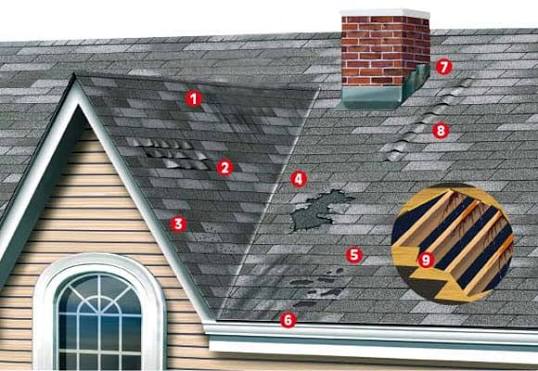
Shingles should lie flat against the roof deck. If you see edges curling upward (cupping) or downward (clawing), the shingles are drying out and losing their ability to shed water effectively. This is a common sign of aging asphalt shingles exposed to heat and UV radiation.
2. Missing Granules
Asphalt shingles are coated with granules that protect them from the sun and add fire resistance. Over time, these granules wear off. Check your gutters and downspouts; if you find an accumulation of sand-like particles, your shingles are deteriorating. Bald spots on shingles are a clear indicator that replacement is imminent.
3. Cracked or Broken Shingles
Cracks allow water to seep directly into the roof deck. While a few cracked shingles can be repaired, widespread cracking suggests the entire system is brittle and failing.
4. Sagging Roof Deck
A sagging roof is a critical emergency. It indicates structural weakness, possibly due to rotting decking or compromised support beams. If you notice any dips or sags, contact a structural engineer or roofing contractor immediately. Do not wait.
Interior Warning Signs: Clues Inside Your Home
Sometimes, the exterior looks deceptively okay, but the interior tells a different story. Water travels, meaning a leak might appear far from where it entered the roof.
Attic Inspection
Go into your attic during the day with the lights off. Look for:
- Daylight: If you can see beams of sunlight coming through the roof boards, you have gaps that need sealing.
- Stains or Dark Spots: These indicate past or current water intrusion.
- Mold or Mildew: A musty smell or visible mold growth suggests trapped moisture, which can compromise indoor air quality and structural wood.
Ceiling and Wall Stains
Yellowish-brown stains on your ceilings or upper walls are classic signs of a roof leak. If these stains grow after rainstorms, the issue is active. Note that plumbing leaks can mimic roof leaks, so it is essential to rule out internal pipes first.
The “People Also Ask” Insights: Specific Scenarios
To provide deeper clarity, let’s address specific questions often asked by homeowners regarding roof condition.
Does Moss Mean I Need a New Roof?
Not necessarily. Moss holds moisture against the shingles, which can accelerate decay, but its presence alone doesn’t mandate a full replacement. However, if moss has lifted shingles or caused underlying rot, partial or full replacement may be needed. Regular cleaning and zinc strips can prevent moss growth.
How Do Weather Events Impact Roof Lifespan?
Severe weather, such as hail storms or high winds, can cause immediate damage. Hail can bruise shingles, breaking the sealant strip and dislodging granules. Wind can lift shingles, breaking the adhesive bond. After any severe weather event, a professional inspection is recommended, even if no leaks are visible.
Is It Better to Repair or Replace?
This depends on the extent of the damage. Use this simple rule of thumb:
- Repair: If the damage is localized (e.g., missing shingles from a single tree branch) and the roof is less than 15 years old.
- Replace: If more than 30% of the roof is damaged, if there are multiple leak points, or if the roof is near the end of its expected lifespan. Constantly repairing an old roof is often a “money pit.”
Comparison: Repair vs. Replacement
| Feature | Roof Repair | Roof Replacement |
|---|---|---|
| Cost | Lower upfront cost ($300–$1,000+) | Higher upfront cost ($5,000–$15,000+) |
| Longevity | Temporary fix (1–5 years) | Long-term solution (20+ years) |
| Best For | Minor, isolated damage | Widespread wear, aging, or structural issues |
| Home Value | Minimal impact | Increases curb appeal and resale value |
| Warranty | Often limited to repair area | Full manufacturer and labor warranty |
For more detailed information on roofing materials and standards, you can refer to Wikipedia’s entry on Roofing.
Step-by-Step: How to Perform a Basic Self-Inspection
If you want to check your roof safely, follow these steps. Safety First: Never climb onto a wet or steep roof. Use binoculars for a close-up view from the ground.
- Check the Perimeter: Walk around your house. Look for shingles in the yard or gutter debris.
- Inspect Flashing: Look at the metal strips around chimneys, vents, and skylights. Rust, cracks, or missing sections here are common leak sources.
- Examine Valleys: The “valleys” where two roof planes meet are high-traffic areas for water. Ensure they are clear of debris and that shingles are intact.
- Look for Soft Spots: If you can safely access the attic, press gently on the roof deck from underneath. Soft or spongy areas indicate rot.
- Document Findings: Take photos of any suspicious areas. This helps contractors give you accurate estimates.
FAQ Section
1. How much does a new roof typically cost in the US?
The cost varies widely based on size, material, and location. On average, a standard asphalt shingle roof replacement for a 2,000-square-foot home ranges from $8,000 to $12,000. Premium materials like metal or slate can cost significantly more.
2. Can I replace just one section of my roof?
Yes, but it is often difficult to match the color of new shingles with aged ones. Additionally, if the rest of the roof is old, the new section may fail sooner due to uneven wear. Most professionals recommend replacing the entire plane or the whole roof for consistency and warranty purposes.
3. Does homeowners insurance cover roof replacement?
Insurance typically covers roof damage caused by sudden, accidental events like storms, hail, or falling trees. It generally does not cover wear and tear, age-related deterioration, or lack of maintenance. Always review your policy and document damage thoroughly after a storm.
4. How long does a roof replacement take?
For an average-sized home, a professional crew can complete a roof replacement in 1 to 3 days. Larger homes or complex roof designs may take up to a week. Weather conditions can also impact the timeline.
5. What is the best time of year to replace a roof?
Late spring to early fall is ideal because temperatures are moderate, allowing adhesives to seal properly. However, reputable contractors work year-round. Scheduling during the off-season (winter) might sometimes yield better pricing due to lower demand.
Conclusion
Knowing how do you know if you need a new roof is about balancing observation, age, and professional advice. Ignoring small signs like curled shingles or attic stains can lead to massive structural damage and higher costs down the road. By regularly inspecting your roof and understanding its lifespan, you protect your biggest investment—your home.
If you noticed any of the red flags mentioned above, do not hesitate to contact a licensed roofing contractor for a thorough inspection. Peace of mind is worth the effort.
Found this guide helpful? Share it with your neighbors on Facebook or Twitter to help them protect their homes too!