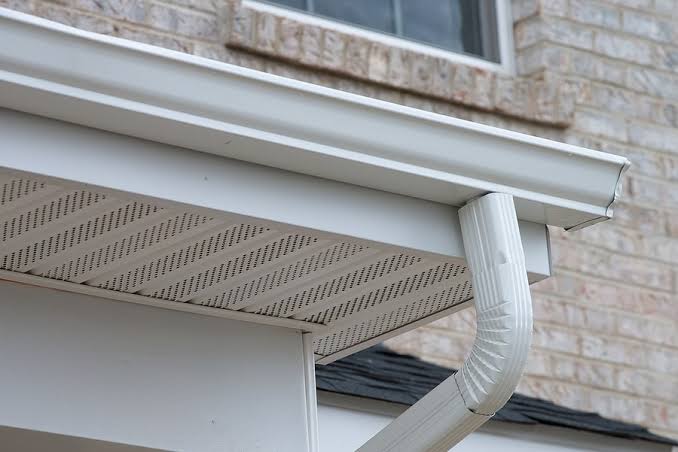
Have you ever stared up at your aging shingles, dreading the mess and cost of a full roof replacement? It is a common stressor for homeowners, but one question often adds to the confusion: do gutters need to be removed to replace a roof? The short answer is usually no, but the long answer involves protecting your investment and ensuring a watertight seal. Let’s dive into the details so you can make an informed decision without unnecessary anxiety or expense.
The Short Answer: No, But There Are Exceptions
In the vast majority of residential roofing projects, gutters do not need to be completely removed to replace a roof. Modern roofing techniques allow professional contractors to work around existing gutter systems. However, this depends heavily on the condition of your current gutters and the type of roofing material being installed.
If your gutters are in good shape, securely attached, and properly aligned, a skilled roofer will simply lift the edge of the new underlayment and shingles slightly over the back edge of the gutter. This ensures that water flows directly from the roof into the channel without leaking behind it.
However, there are scenarios where removal or adjustment is necessary. If your gutters are old, sagging, or damaged, replacing them simultaneously with your roof is often the smarter financial move. Additionally, certain complex roof designs or specific metal roofing systems may require temporary detachment to ensure proper flashing installation.
Why Most Roofers Prefer Leaving Gutters In Place
You might wonder why contractors don’t just take them off to make their job easier. The reason lies in efficiency, cost, and risk management.
1. Cost Efficiency for Homeowners
Removing and reinstalling gutters is labor-intensive. If you hire a separate gutter company to remove them before the roofers arrive and then reinstall them afterward, you are paying for double the labor. Even if your roofer offers to do it, they will likely charge a premium for this extra service. By leaving them in place, you keep the project budget focused on the roof itself.
2. Reduced Risk of Damage
Every time a gutter is detached and reattached, there is a risk of damaging the fascia board (the wooden strip behind the gutter) or breaking the seals at the corners. Older vinyl or aluminum gutters can become brittle over time. Removing them increases the likelihood of cracks or leaks post-installation. Keeping them intact minimizes these risks.
3. Faster Project Completion
Roofing crews work quickly to minimize exposure to the elements. Detaching gutters adds hours to the timeline. For a standard asphalt shingle roof, speed is essential to prevent rain damage to the exposed deck. Leaving gutters in place allows the crew to maintain their workflow without unnecessary interruptions.
When Should You Actually Remove Gutters?
While keeping gutters is the norm, there are critical situations where removal is the better choice. Ignoring these signs can lead to costly repairs down the line.
- Severe Corrosion or Rust: If your metal gutters are rusted through, they cannot effectively channel water. Installing a new roof over failing gutters is counterproductive.
- Loose or Sagging Sections: If the gutters are pulling away from the house, the fascia board behind them may be rotted. A roofer needs access to inspect and repair this wood before installing new drip edges.
- Upgrading Gutter Size: If you are moving from standard 5-inch gutters to larger 6-inch high-capacity gutters, the old ones must be removed.
- Complex Flashing Requirements: Some standing seam metal roofs or slate tiles require intricate flashing that integrates directly with the gutter system. In these cases, partial removal might be needed for a seamless fit.
The Critical Role of Drip Edge and Flashing
One of the most important aspects of roof replacement is the installation of the drip edge. This is a metal strip placed along the edges of the roof to direct water away from the fascia and into the gutters.
| Component | Function | Interaction with Gutters |
|---|---|---|
| Drip Edge | Directs water off the roof deck | Sits over the gutter back edge or tucks under shingles above it |
| Underlayment | Waterproof barrier | Extends slightly over the drip edge |
| Shingles | Primary weather protection | Overlap the drip edge, ensuring water flows into the gutter |
If gutters are left in place, the roofer must carefully tuck the drip edge under the existing gutter lip or ensure the shingles overlap correctly. If this step is rushed, water can seep behind the gutter, causing rot in the fascia and soffit. This is why hiring an experienced contractor is vital—they know how to manipulate materials without removing the entire gutter system.
Step-by-Step: How Roofers Work Around Existing Gutters
Understanding the process can help you communicate better with your contractor. Here is how professionals typically handle this task:
- Inspection: The crew inspects the gutter alignment and stability. If they are loose, they may tighten the hangers before starting.
- Removal of Old Shingles: The old shingles are stripped away, exposing the roof deck and the existing drip edge (if any).
- Fascia Repair: Any rotten wood behind the gutters is repaired. This is crucial because the gutter attaches to this board.
- Installation of New Drip Edge: A new metal drip edge is installed along the eaves. The roofer will slide this metal piece so that it sits just inside or over the back lip of the existing gutter.
- Underlayment and Shingling: The waterproof underlayment is rolled out, followed by the new shingles. The bottom row of shingles is cut or positioned to ensure water flows smoothly into the gutter channel.
- Cleanup: Debris is cleared from the gutters to ensure proper flow immediately after completion.
For more detailed information on roofing components and standards, you can refer to general construction guidelines on Wikipedia.
Pros and Cons: Removing vs. Keeping Gutters
To help you decide what is best for your specific situation, consider this comparison:
Keeping Existing Gutters
- Pros: Lower cost, faster installation, less risk of fascia damage, no need to coordinate multiple contractors.
- Cons: Harder to inspect fascia thoroughly, potential for minor water leakage if not flashed correctly, limits ability to upgrade gutter size.
Removing and Reinstalling Gutters
- Pros: Full access to fascia for repairs, opportunity to upgrade gutter system, ensures perfect integration with new drip edge.
- Cons: Higher labor costs, increased project duration, higher risk of damaging old gutters during removal, requires precise re-alignment.
FAQ Section
1. Will my warranty be voided if I don’t remove my gutters?
No, most manufacturer warranties for shingles do not require gutter removal. However, the workmanship warranty from your contractor should cover any leaks related to improper flashing around the gutters. Always ask your roofer about their specific policy.
2. Can I replace my gutters at the same time as my roof?
Absolutely. In fact, many homeowners choose to do both simultaneously. If your gutters are older than 15–20 years, replacing them while the roofers are already on-site can save on ladder setup time and labor coordination.
3. What happens if debris falls into my gutters during replacement?
A reputable roofing crew will use tarps and careful techniques to minimize debris. However, some granules and small pieces of shingle will inevitably fall in. Ensure your contract includes a final cleanup where they blow out or scoop out the gutters before leaving.
4. Do metal roofs require different gutter handling?
Yes, metal roofs often have different expansion and contraction rates. Some standing seam metal roofs require specialized clamps that attach to the panel seams, which might interfere with existing gutter mounts. In these cases, partial adjustment or removal is more common than with asphalt shingles.
5. How can I tell if my fascia is rotted behind the gutters?
Look for peeling paint on the fascia board, visible sagging of the gutter, or soft spots when you gently press on the wood. If you see these signs, tell your roofer immediately. They may need to detach a section of the gutter to replace the wood.
Conclusion
So, do gutters need to be removed to replace a roof? In most cases, no. Leaving them in place is cost-effective, faster, and safer for the structural integrity of your home’s eaves. However, if your gutters are old, damaged, or improperly aligned, taking the opportunity to replace or repair them during the roofing project is a wise investment.
The key is communication. Discuss the condition of your gutters with your roofing contractor during the initial estimate. Ask them to inspect the fascia board and explain how they plan to flash the new roof around your existing gutters. By making an informed decision, you ensure your new roof performs at its best for decades to come.
If you found this guide helpful, please share it with friends or neighbors who are planning home improvements. Knowledge is power when it comes to protecting your biggest asset—your home!
Leave a Reply