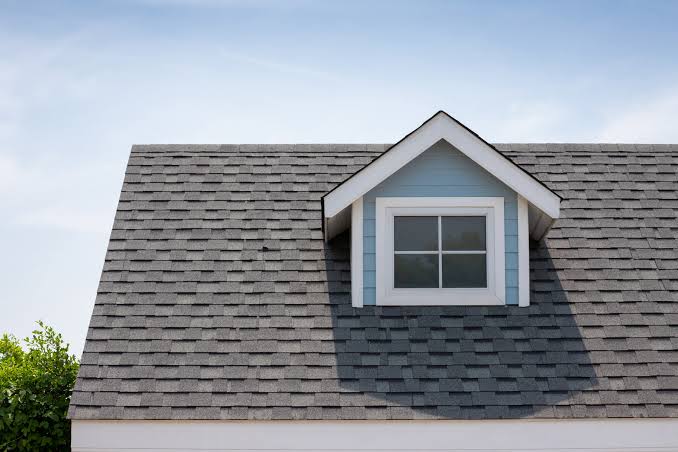
Replacing a roof is one of the most stressful home maintenance tasks a homeowner can face. It involves significant financial investment, logistical coordination, and the anxiety of exposing your home to the elements. If you are dealing with a shed, garage, or a small section of your main house, you might be asking, “How much does it cost to replace a small roof?” to budget effectively without overpaying.
In this guide, we will break down the current market rates for 2026, explain the factors that influence pricing, and provide actionable advice to help you navigate this project with confidence. Whether you are a DIY enthusiast or planning to hire a professional, understanding the numbers is the first step toward a successful renovation.
Understanding the Average Cost Breakdown
When estimating the cost of a small roof replacement, it is crucial to move beyond vague guesses. In the United States, roofing costs are typically calculated per “square,” which equals 100 square feet of roof area. However, for small projects like sheds or detached garages (often ranging from 100 to 300 square feet), contractors may charge a minimum fee rather than a strict per-square rate.
As of 2026, the national average cost to replace a small roof ranges between $1,500 and $4,500. This wide variance depends heavily on materials, labor rates in your specific region, and the complexity of the roof structure.
Key Cost Components
- Materials: 40–50% of the total cost.
- Labor: 30–40% of the total cost.
- Permits & Disposal: 10–20% of the total cost.
For a standard 10×12 foot shed (120 sq. ft.), using basic asphalt shingles, you might pay closer to the lower end of that spectrum. Conversely, if you opt for metal roofing or slate for a small porch roof, the price can double or triple.
What Factors Influence Small Roof Replacement Prices?
Several variables can cause your final bill to fluctuate. Understanding these helps you anticipate hidden costs.
1. Material Selection
The type of roofing material is the single biggest driver of cost. Here is a quick comparison of popular options for small structures:
| Material | Cost per Sq. Ft. (Installed) | Lifespan | Best For |
|---|---|---|---|
| Asphalt Shingles | $3.50 – $5.50 | 15–20 Years | Budget-friendly sheds & garages |
| Metal Roofing | $7.00 – $12.00 | 40–70 Years | Durability & modern aesthetics |
| Wood Shakes | $6.00 – $9.00 | 20–30 Years | Rustic or historical looks |
| Rubber/EPDM | $4.00 – $8.00 | 20–30 Years | Flat roofs on extensions |
2. Roof Pitch and Complexity
A flat or low-slope roof is generally cheaper and safer to work on than a steeply pitched roof. Steep roofs require special safety equipment, harnesses, and more time, which increases labor costs. Additionally, if your small roof has multiple valleys, chimneys, or skylights, the installation becomes more complex, requiring more flashing and sealant.
3. Geographic Location
Labor rates vary significantly across the US. Homeowners in high-cost-of-living areas like California or New York will pay substantially more for labor compared to those in the Midwest or South. Furthermore, local building codes may require specific materials resistant to wind, hail, or fire, which can affect pricing.
4. Removal of Old Roofing
Does the old roof need to be torn off? Most professionals recommend removing existing layers to inspect the decking for rot. This adds to the disposal fees and labor time. If you are lucky enough to have a solid deck and local codes allow it, installing new shingles over the old ones (“overlay”) can save you roughly 10–15% of the total cost, though this is not always recommended for long-term durability.
Is It Cheaper to Repair or Replace a Small Roof?
This is a common dilemma. If the damage is localized—such as a few missing shingles after a storm—a repair might cost only $300 to $800. However, if the roof is nearing the end of its lifespan (15+ years for asphalt), repairs are often a temporary band-aid.
Consider replacement if:
- More than 30% of the roof is damaged.
- There is widespread leaking or water stains on the interior ceiling.
- The shingles are curling, cracking, or losing granules extensively.
While replacement has a higher upfront cost, it provides peace of mind and prevents recurring repair bills. For small roofs, the price difference between a major repair and a full replacement is often smaller than homeowners expect, making replacement the more logical long-term investment.
Step-by-Step Guide to Hiring a Contractor
If you decide to hire a professional, follow these steps to ensure you get a fair deal and quality work.
- Get Multiple Quotes: Aim for at least three detailed estimates. Ensure each quote includes the same scope of work (e.g., tear-off, new underlayment, specific shingle brand).
- Check Credentials: Verify that the contractor is licensed, insured, and bonded. Ask for proof of liability insurance and workers’ compensation.
- Read Reviews: Look for recent reviews on platforms like Google, Yelp, or the Better Business Bureau. Pay attention to comments about cleanliness and punctuality.
- Ask About Warranties: A reputable roofer should offer both a manufacturer’s warranty on materials and a workmanship warranty on their labor (typically 2–10 years).
- Sign a Detailed Contract: Never proceed without a written contract that outlines the start date, completion date, payment schedule, and exact materials to be used.
For more information on building standards and safety regulations, you can refer to general construction guidelines on Wikipedia.
DIY vs. Professional Installation: Which is Right for You?
For a small roof, such as a garden shed, DIY is a viable option for handy homeowners. However, it comes with risks.
Pros of DIY:
- Significant cost savings (you only pay for materials).
- Personal satisfaction and skill acquisition.
- Flexibility in scheduling.
Cons of DIY:
- Safety hazards (falls are a leading cause of home injury).
- Potential voiding of material warranties if not installed by a certified pro.
- Risk of improper installation leading to leaks and structural damage.
If you choose DIY, ensure you have the right tools: a nail gun, roofing shovel, chalk line, and proper safety harness. Always check local permit requirements, as some municipalities require inspections even for small outbuildings.
FAQ Section
How long does it take to replace a small roof?
For a professional crew, replacing a small roof (under 300 sq. ft.) typically takes one day. This includes tear-off, inspection, and installation. DIY projects may take a weekend or longer, depending on experience and weather conditions.
Do I need a permit to replace a small roof?
Regulations vary by city and county. Many jurisdictions require permits for any structural roofing work, even on sheds. Check with your local building department before starting. Failing to obtain a permit can result in fines and issues when selling your home.
What is the cheapest way to replace a roof?
Asphalt shingles are generally the most affordable option. To further reduce costs, consider doing the tear-off yourself (if physically able) and hiring a pro only for the installation. Alternatively, look for “contractor specials” or leftover materials from larger jobs.
Can I install a new roof over the old one?
Yes, but it is not always advisable. Adding a second layer adds weight to the structure and makes it harder to detect underlying deck rot. Most building codes allow up to two layers of asphalt shingles, but only one layer of other materials. Always consult a professional to assess the structural integrity of your roof deck.
How do I maintain my new small roof?
Regular maintenance extends the life of your roof. Clean gutters twice a year to prevent water backup. Trim overhanging tree branches to reduce debris and shade (which promotes moss growth). Inspect the roof annually for missing shingles or damaged flashing, especially after severe weather events.
Conclusion
Knowing how much does it cost to replace a small roof empowers you to make informed decisions for your home. While the average cost ranges from $1,500 to $4,500, your specific price will depend on materials, location, and labor choices. By understanding these factors, comparing quotes, and considering the long-term value of quality materials, you can protect your investment and ensure your small structure remains dry and durable for years to come.
Don’t let the stress of roofing overwhelm you. Take your time, do your research, and choose the path that best fits your budget and skills. If you found this guide helpful, please share it with friends or neighbors who might be facing similar home improvement challenges!
Leave a Reply