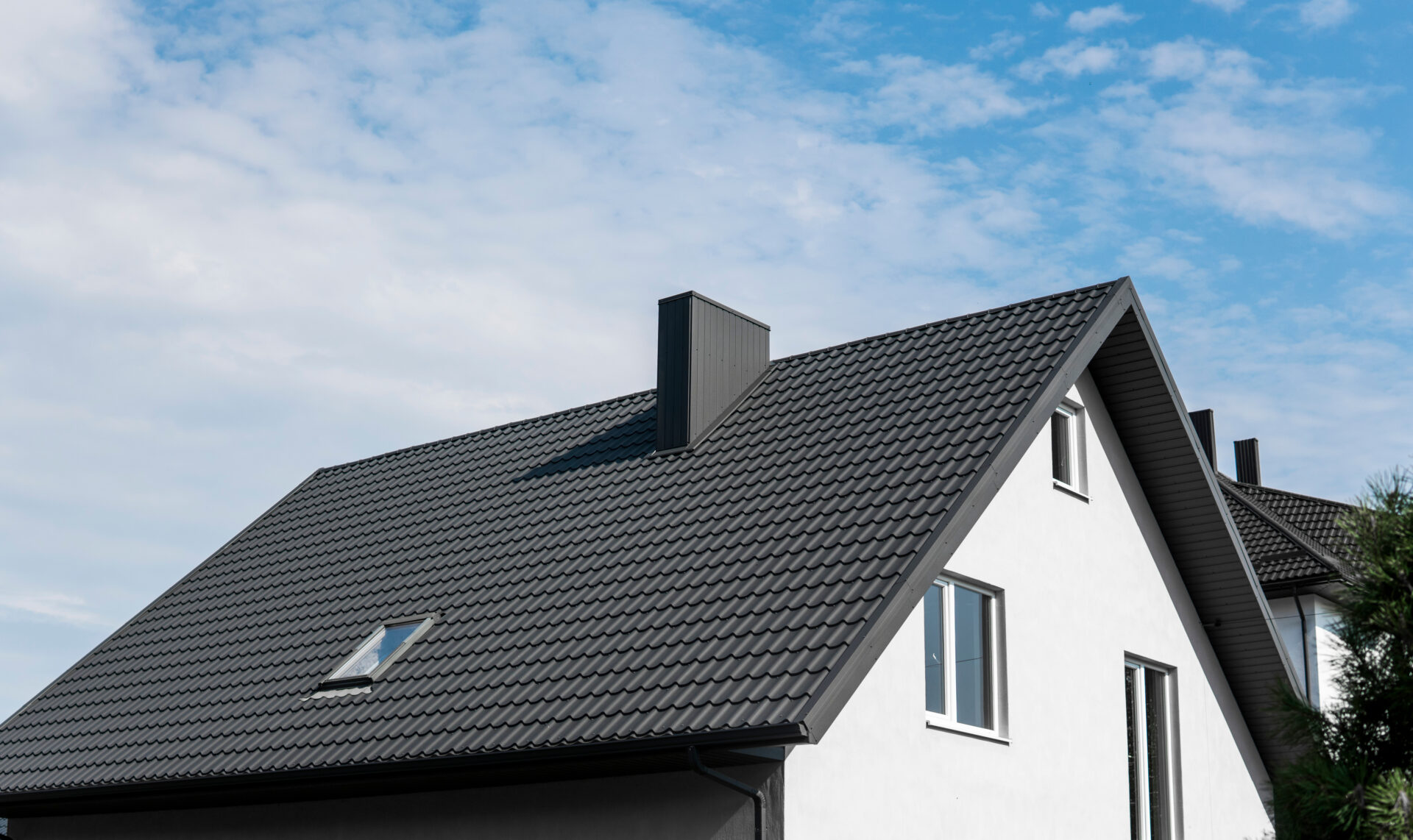
Category: home improvement budget

  • How Much To Put A New Roof On My House?

    How Much To Put A New Roof On My House?

    Replacing a roof is one of the most significant investments a homeowner can make. It protects your family, enhances curb appeal, and ensures the structural integrity of your home. If you are currently asking yourself, “How much to put a new roof on my house,” you are not alone; this is one of the most common yet stressful questions for homeowners in the US today.

    The short answer is that the national average typically ranges between $8,500 and $14,500, but this number can fluctuate wildly based on your location, materials, and roof complexity. In this comprehensive guide, we will break down every factor influencing these costs so you can plan your budget with confidence and avoid unexpected surprises.

    What Is the Average Cost to Replace a Roof in 2026?

    Understanding the baseline cost is the first step in financial planning. As of late 2026, inflation and supply chain stabilization have settled into a new normal for construction materials. While prices vary by region, here is a general breakdown based on home size and roofing square footage (one “square” equals 100 square feet).

    Home SizeRoofing SquaresEstimated Cost Range (Asphalt)Estimated Cost Range (Premium)
    Small (1,000 sq ft)10–12 squares$4,500 – $6,500$9,000 – $13,000
    Medium (1,700 sq ft)17–20 squares$7,500 – $11,000$15,000 – $22,000
    Large (2,500+ sq ft)25–30 squares$11,000 – $16,000$22,000 – $35,000+

    Note: “Premium” includes materials like metal, slate, or high-end architectural shingles.

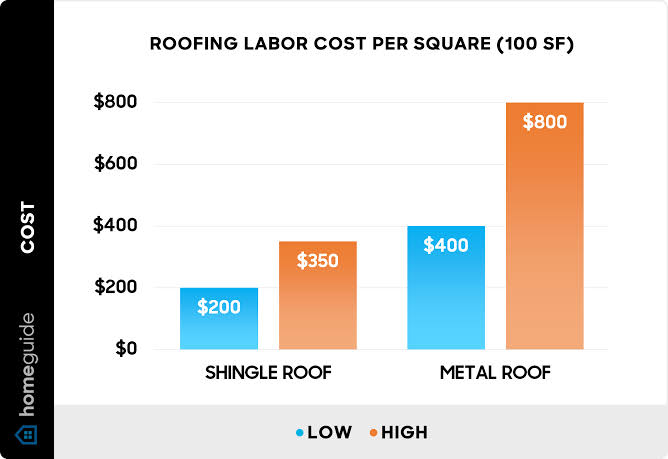
    It is crucial to remember that these figures include both materials and labor. Labor often accounts for 40% to 60% of the total bill, depending on the difficulty of the installation.

    How Do Different Roofing Materials Affect the Price?

    The material you choose is the single biggest variable in your final bill. Each option offers a different balance of longevity, aesthetics, and cost.

    1. Asphalt Shingles

    This is the most popular choice in the United States due to its affordability and ease of installation.

    • 3-Tab Shingles: The budget-friendly option. They last 15–20 years.
    • Architectural Shingles: Thicker, more durable, and aesthetically pleasing. They last 25–30 years and cost about 20–30% more than 3-tab options.

    2. Metal Roofing

    Metal roofs are gaining popularity for their durability and energy efficiency.

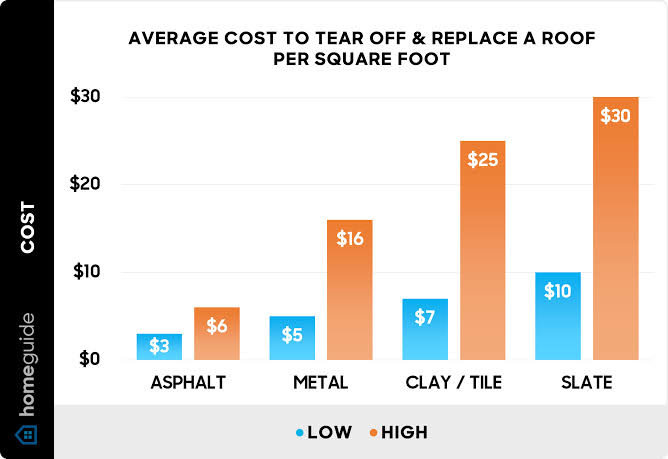
    • Steel/Aluminum: Costs range from $12 to $20 per square foot installed. They can last 40–70 years.
    • Copper/Zinc: Premium luxury options costing $25+ per square foot, but they can last over 100 years.

    3. Clay and Concrete Tiles

    Common in the Southwest and Florida, these tiles are heavy and require reinforced roof structures.

    • Cost: $15–$30 per square foot.
    • Lifespan: 50–100 years.

    4. Slate and Wood Shakes

    These are high-end aesthetic choices. Slate is incredibly durable but fragile during installation, while wood shakes require regular maintenance to prevent rot.

    • Slate Cost: $20–$40+ per square foot.
    • Wood Shake Cost: $14–$25 per square foot.

    For a deeper understanding of material properties and historical usage, you can refer to the detailed entry on Roofing materials on Wikipedia.
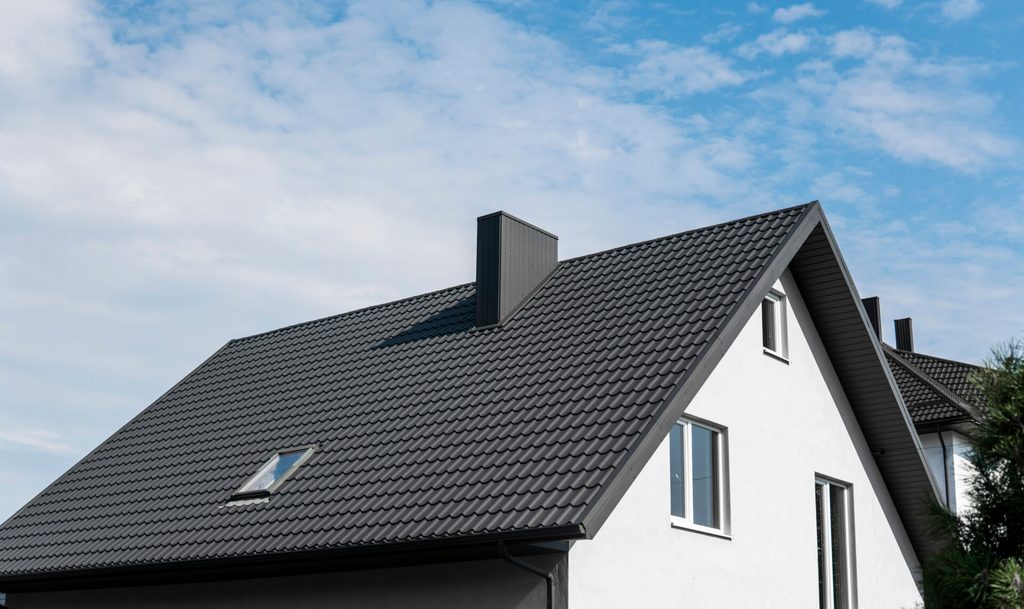
    How Much To Put A New Roof On My House

    What Hidden Factors Increase Roof Replacement Costs?

    Many homeowners receive a quote that seems reasonable, only to see the price jump after the contractor inspects the site. Here are the specific factors that drive up the price:

    Roof Pitch and Complexity

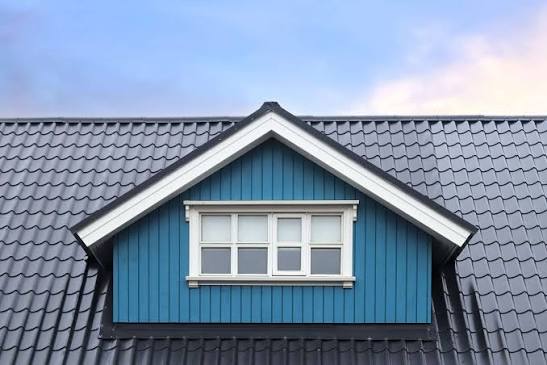
    A steep roof requires special safety equipment, more time, and highly skilled labor. If your roof has multiple valleys, dormers, chimneys, or skylights, the installation becomes more complex. Complex roofs can increase labor costs by 20–40%.

    Removal of Old Layers

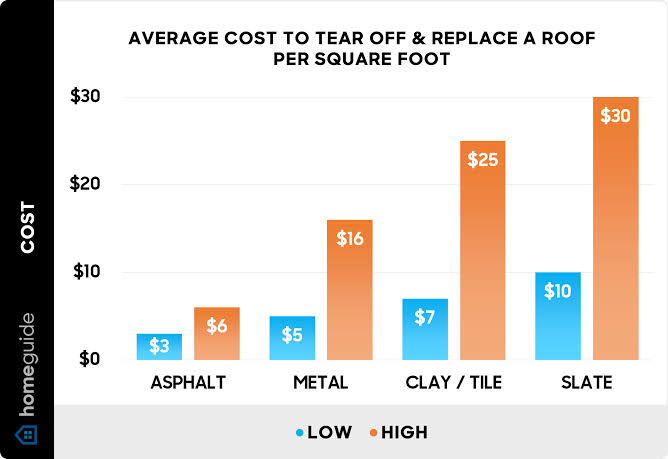
    If you have two or more layers of old shingles, some local codes allow them to be covered, but most professionals recommend tearing them off. Tear-off services add $1–$5 per square foot to your bill due to disposal fees and extra labor.

    Structural Repairs

    Once the old roof is removed, contractors may find rotten decking (plywood or OSB boards). Replacing damaged decking typically costs $75–$150 per sheet, plus labor. Always ask your contractor if this estimate is included in the initial quote or billed as an extra.

    Geographic Location

    Labor rates in urban areas like New York City or San Francisco are significantly higher than in rural Midwest towns. Additionally, if you live in a hurricane-prone area, you may need impact-resistant materials, which carry a premium price tag.

    Step-by-Step Guide to Budgeting for Your New Roof

    To ensure you are financially prepared, follow this logical process before signing any contracts.

    1. Get Multiple Quotes: Obtain at least three detailed estimates from licensed and insured contractors. Do not just look at the bottom line; compare the scope of work.
    2. Check for Permits: Most municipalities require a permit for roof replacement. Ensure your contractor includes the permit fee (usually $100–$500) in their quote.
    3. Inspect the Decking: Ask the contractor to inspect the wood decking during the tear-off phase. Agree on a per-sheet price for replacements beforehand to avoid shock bills.
    4. Consider Timing: Roofing demand peaks in late summer and early fall. Scheduling your project in late winter or early spring might secure you a better rate due to lower demand.
    5. Review Warranty Options: Understand the difference between the manufacturer’s warranty (covers material defects) and the workmanship warranty (covers installation errors). A strong workmanship warranty is worth paying slightly more for.

    FAQ: Common Questions About Roof Replacement Costs

    1. Can I replace my roof myself to save money?

    While technically possible, DIY roofing is strongly discouraged for most homeowners. The risk of injury is high, and improper installation can void manufacturer warranties and lead to leaks. Furthermore, many insurance policies will not cover damage caused by unlicensed work. The savings are rarely worth the liability.

    2. Does homeowners insurance cover roof replacement?

    Insurance typically covers roof damage caused by sudden, accidental events like hail storms, windstorms, or falling trees. It generally does not cover wear and tear or age-related deterioration. Check your policy’s “Actual Cash Value” vs. “Replacement Cost Value” clauses, as this significantly affects your payout.

    3. How long does a roof replacement take?

    For an average-sized home (1,500–2,000 sq ft), a professional crew can complete the job in 1 to 3 days. Larger homes or complex designs may take up to a week. Weather delays are common, so build some flexibility into your schedule.

    4. Is it better to repair or replace my roof?

    If your roof is less than 10 years old and the damage is localized (e.g., a few missing shingles), repair is cost-effective. However, if your roof is over 20 years old, has widespread leaking, or has lost significant granules, replacement is the better long-term investment. Frequent repairs on an aging roof often exceed the cost of a new one over time.

    5. What is the most cost-effective roofing material?

    Architectural asphalt shingles offer the best balance of cost, durability, and aesthetic appeal for most US homeowners. They are affordable, widely available, and come with decent warranties. While metal is cheaper in the long run due to longevity, the upfront cost is nearly double that of asphalt.

    Conclusion

    Determining how much to put a new roof on my house requires looking beyond the simple price per square foot. You must consider material longevity, labor complexity, and potential structural repairs. While the average cost hovers between $8,500 and $14,500, your specific situation will dictate the final number.

    By understanding these variables, getting multiple quotes, and choosing the right material for your climate and budget, you can make an informed decision that protects your home for decades to come. Remember, a roof is not just an expense; it is a critical component of your home’s value and safety.

    Found this guide helpful? Share it with friends or family who are planning home improvements, and leave a comment below with your own roofing experiences or questions!
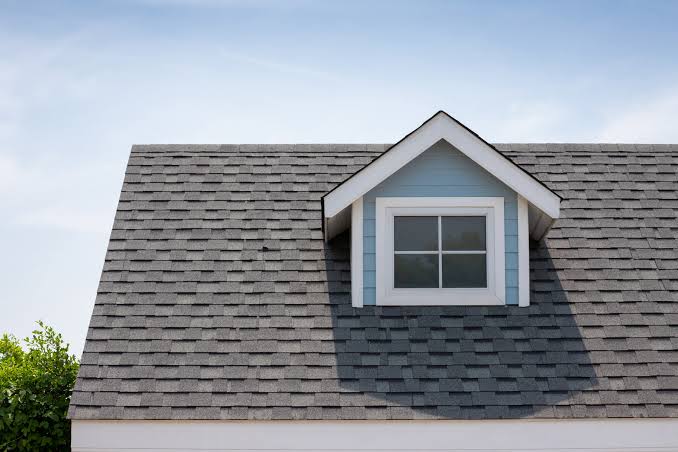
  • How Much Does It Cost To Replace A Small Roof?

    How Much Does It Cost To Replace A Small Roof?

    Replacing a roof is one of the most stressful home maintenance tasks a homeowner can face. It involves significant financial investment, logistical coordination, and the anxiety of exposing your home to the elements. If you are dealing with a shed, garage, or a small section of your main house, you might be asking, “How much does it cost to replace a small roof?” to budget effectively without overpaying.

    In this guide, we will break down the current market rates for 2026, explain the factors that influence pricing, and provide actionable advice to help you navigate this project with confidence. Whether you are a DIY enthusiast or planning to hire a professional, understanding the numbers is the first step toward a successful renovation.

    Understanding the Average Cost Breakdown

    When estimating the cost of a small roof replacement, it is crucial to move beyond vague guesses. In the United States, roofing costs are typically calculated per “square,” which equals 100 square feet of roof area. However, for small projects like sheds or detached garages (often ranging from 100 to 300 square feet), contractors may charge a minimum fee rather than a strict per-square rate.

    As of 2026, the national average cost to replace a small roof ranges between $1,500 and $4,500. This wide variance depends heavily on materials, labor rates in your specific region, and the complexity of the roof structure.

    Key Cost Components

    • Materials: 40–50% of the total cost.
    • Labor: 30–40% of the total cost.
    • Permits & Disposal: 10–20% of the total cost.

    For a standard 10×12 foot shed (120 sq. ft.), using basic asphalt shingles, you might pay closer to the lower end of that spectrum. Conversely, if you opt for metal roofing or slate for a small porch roof, the price can double or triple.

    What Factors Influence Small Roof Replacement Prices?

    Several variables can cause your final bill to fluctuate. Understanding these helps you anticipate hidden costs.

    1. Material Selection

    The type of roofing material is the single biggest driver of cost. Here is a quick comparison of popular options for small structures:

    MaterialCost per Sq. Ft. (Installed)LifespanBest For
    Asphalt Shingles$3.50 – $5.5015–20 YearsBudget-friendly sheds & garages
    Metal Roofing$7.00 – $12.0040–70 YearsDurability & modern aesthetics
    Wood Shakes$6.00 – $9.0020–30 YearsRustic or historical looks
    Rubber/EPDM$4.00 – $8.0020–30 YearsFlat roofs on extensions

    2. Roof Pitch and Complexity

    A flat or low-slope roof is generally cheaper and safer to work on than a steeply pitched roof. Steep roofs require special safety equipment, harnesses, and more time, which increases labor costs. Additionally, if your small roof has multiple valleys, chimneys, or skylights, the installation becomes more complex, requiring more flashing and sealant.

    3. Geographic Location

    Labor rates vary significantly across the US. Homeowners in high-cost-of-living areas like California or New York will pay substantially more for labor compared to those in the Midwest or South. Furthermore, local building codes may require specific materials resistant to wind, hail, or fire, which can affect pricing.

    4. Removal of Old Roofing

    Does the old roof need to be torn off? Most professionals recommend removing existing layers to inspect the decking for rot. This adds to the disposal fees and labor time. If you are lucky enough to have a solid deck and local codes allow it, installing new shingles over the old ones (“overlay”) can save you roughly 10–15% of the total cost, though this is not always recommended for long-term durability.

    How Much Does It Cost To Replace A Small Roof

    Is It Cheaper to Repair or Replace a Small Roof?

    This is a common dilemma. If the damage is localized—such as a few missing shingles after a storm—a repair might cost only $300 to $800. However, if the roof is nearing the end of its lifespan (15+ years for asphalt), repairs are often a temporary band-aid.

    Consider replacement if:

    • More than 30% of the roof is damaged.
    • There is widespread leaking or water stains on the interior ceiling.
    • The shingles are curling, cracking, or losing granules extensively.

    While replacement has a higher upfront cost, it provides peace of mind and prevents recurring repair bills. For small roofs, the price difference between a major repair and a full replacement is often smaller than homeowners expect, making replacement the more logical long-term investment.

    Step-by-Step Guide to Hiring a Contractor

    If you decide to hire a professional, follow these steps to ensure you get a fair deal and quality work.

    1. Get Multiple Quotes: Aim for at least three detailed estimates. Ensure each quote includes the same scope of work (e.g., tear-off, new underlayment, specific shingle brand).
    2. Check Credentials: Verify that the contractor is licensed, insured, and bonded. Ask for proof of liability insurance and workers’ compensation.
    3. Read Reviews: Look for recent reviews on platforms like Google, Yelp, or the Better Business Bureau. Pay attention to comments about cleanliness and punctuality.
    4. Ask About Warranties: A reputable roofer should offer both a manufacturer’s warranty on materials and a workmanship warranty on their labor (typically 2–10 years).
    5. Sign a Detailed Contract: Never proceed without a written contract that outlines the start date, completion date, payment schedule, and exact materials to be used.

    For more information on building standards and safety regulations, you can refer to general construction guidelines on Wikipedia.

    DIY vs. Professional Installation: Which is Right for You?

    For a small roof, such as a garden shed, DIY is a viable option for handy homeowners. However, it comes with risks.

    Pros of DIY:

    • Significant cost savings (you only pay for materials).
    • Personal satisfaction and skill acquisition.
    • Flexibility in scheduling.

    Cons of DIY:

    • Safety hazards (falls are a leading cause of home injury).
    • Potential voiding of material warranties if not installed by a certified pro.
    • Risk of improper installation leading to leaks and structural damage.

    If you choose DIY, ensure you have the right tools: a nail gun, roofing shovel, chalk line, and proper safety harness. Always check local permit requirements, as some municipalities require inspections even for small outbuildings.

    FAQ Section

    How long does it take to replace a small roof?

    For a professional crew, replacing a small roof (under 300 sq. ft.) typically takes one day. This includes tear-off, inspection, and installation. DIY projects may take a weekend or longer, depending on experience and weather conditions.

    Do I need a permit to replace a small roof?

    Regulations vary by city and county. Many jurisdictions require permits for any structural roofing work, even on sheds. Check with your local building department before starting. Failing to obtain a permit can result in fines and issues when selling your home.

    What is the cheapest way to replace a roof?

    Asphalt shingles are generally the most affordable option. To further reduce costs, consider doing the tear-off yourself (if physically able) and hiring a pro only for the installation. Alternatively, look for “contractor specials” or leftover materials from larger jobs.

    Can I install a new roof over the old one?

    Yes, but it is not always advisable. Adding a second layer adds weight to the structure and makes it harder to detect underlying deck rot. Most building codes allow up to two layers of asphalt shingles, but only one layer of other materials. Always consult a professional to assess the structural integrity of your roof deck.

    How do I maintain my new small roof?

    Regular maintenance extends the life of your roof. Clean gutters twice a year to prevent water backup. Trim overhanging tree branches to reduce debris and shade (which promotes moss growth). Inspect the roof annually for missing shingles or damaged flashing, especially after severe weather events.

    Conclusion

    Knowing how much does it cost to replace a small roof empowers you to make informed decisions for your home. While the average cost ranges from $1,500 to $4,500, your specific price will depend on materials, location, and labor choices. By understanding these factors, comparing quotes, and considering the long-term value of quality materials, you can protect your investment and ensure your small structure remains dry and durable for years to come.

    Don’t let the stress of roofing overwhelm you. Take your time, do your research, and choose the path that best fits your budget and skills. If you found this guide helpful, please share it with friends or neighbors who might be facing similar home improvement challenges!

  • How Much Is The Average Cost To Replace A Roof?

    How Much Is The Average Cost To Replace A Roof?

    Replacing a roof is one of the most significant home maintenance projects you will ever undertake. It is not just about aesthetics; it is about protecting your family, your belongings, and your investment from the elements. If you are staring at curled shingles or worrying about the next storm, you are likely asking yourself: How Much Is The Average Cost To Replace A Roof?

    The short answer is that in 2026, the national average for a full roof replacement typically ranges between $8,500 and $14,000 for a standard asphalt shingle roof on an average-sized home (2,000–2,500 sq. ft.). However, this number can swing dramatically based on materials, location, and structural complexity. In this guide, we will break down every factor influencing your final bill so you can budget with confidence and avoid hidden surprises.

    What Factors Influence the Total Roof Replacement Cost?

    Understanding why prices vary is crucial to getting a fair quote. It is rarely as simple as “price per square foot.” Several key variables drive the final number up or down.

    1. Roof Size and Pitch

    Contractors measure roofs in “squares,” where one square equals 100 square feet. A larger roof naturally requires more materials and labor. However, the pitch (slope) matters immensely. A steeply pitched roof is dangerous and difficult to navigate, requiring special safety equipment and more time. Consequently, contractors often charge a premium for high-pitch roofs compared to low-slope or flat roofs.

    2. Material Selection

    This is the biggest variable. While asphalt shingles are the most common due to their affordability, other materials offer different lifespans and aesthetic appeals.

    • Asphalt Shingles: The budget-friendly standard.
    • Metal Roofing: Higher upfront cost but lasts 50+ years.
    • Slate or Tile: Premium luxury options with extreme durability but heavy weight requirements.

    3. Labor and Location

    Labor costs vary significantly by region. In high-cost-of-living areas like California or New York, labor rates are higher than in the Midwest. Additionally, if your home is in a remote area, travel fees may apply. Always check local market rates rather than relying solely on national averages.

    4. Structural Repairs and Removal

    Does your old roof need to be torn off first? Most codes allow for two layers of shingles, but if you already have two, or if the decking is rotten, the old material must be removed. This adds to the labor cost. Furthermore, if the wooden decking underneath is damaged by water rot, replacing those boards will add $50–$75 per sheet of plywood to your bill.

    Breakdown of Costs by Roofing Material

    To help you visualize the differences, here is a comparison of popular roofing materials available in 2026. Note that these prices include both materials and professional installation.

    Material TypeAverage Cost Per Square FootLifespanProsCons
    3-Tab Asphalt$3.50 – $5.5015–20 YearsAffordable, easy to installShorter lifespan, prone to wind damage
    Architectural Asphalt$4.50 – $7.0025–30 YearsBetter aesthetics, durableMore expensive than 3-tab
    Standing Seam Metal$9.00 – $14.0040–70 YearsEnergy efficient, long-lastingHigh upfront cost, noisy in rain
    Clay/Concrete Tile$10.00 – $18.0050+ YearsFireproof, classic lookVery heavy, requires reinforced structure
    Natural Slate$15.00 – $30.00+75–100+ YearsUnique beauty, incredibly durableExtremely expensive, fragile to walk on

    Note: Prices are estimates and can fluctuate based on regional supply chain conditions.

    How Much Is The Average Cost To Replace A Roof

    Does the Complexity of My Roof Design Matter?

    Yes, significantly. A simple gable roof (a triangle shape) is the easiest and cheapest to replace. However, many modern homes feature complex designs with multiple valleys, dormers, chimneys, and skylights.

    Each penetration in your roof (like a chimney or vent pipe) requires careful flashing installation to prevent leaks. This demands skilled labor and more time. According to industry standards, complex roof designs can increase labor costs by 20% to 40% compared to a simple layout. When requesting quotes, ensure the contractor walks around your home to assess these complexities rather than giving a quote based solely on satellite imagery.

    Hidden Costs You Might Not Expect

    When budgeting for how much is the average cost to replace a roof, homeowners often forget the ancillary expenses. Here are common hidden costs:

    • Permits: Most municipalities require a building permit for roof replacement. Fees can range from $100 to $500 depending on your city.
    • Dumpster Fees: Removing old shingles generates a lot of waste. Dumpster rental and disposal fees typically cost between $300 and $600.
    • Gutter Replacement: It is often recommended to replace gutters when replacing the roof to ensure a seamless water drainage system. This can add another $1,000–$3,000.
    • Landscaping Protection: If you have delicate shrubs or gardens under the eaves, you may need to pay extra for protective tarping or post-job cleanup.

    For a deeper understanding of roofing standards and material science, you can refer to general construction guidelines on Wikipedia.

    Step-by-Step: How to Budget and Hire the Right Contractor

    Replacing a roof is an investment. Follow these steps to ensure you get quality work at a fair price.

    1. Get Multiple Quotes: Never settle for the first estimate. Aim for at least three detailed quotes from licensed and insured contractors.
    2. Check Credentials: Verify their license, insurance (liability and workers’ comp), and local reputation. Look for reviews on independent platforms, not just their website.
    3. Ask About Warranties: There are two types: manufacturer warranties (covering material defects) and workmanship warranties (covering installation errors). A reputable roofer should offer at least a 5–10 year workmanship warranty.
    4. Review the Contract: Ensure it details the scope of work, specific materials (brand and color), timeline, payment schedule, and cleanup procedures. Avoid large upfront deposits; a 10–30% deposit is standard.
    5. Plan for Weather: Roofing cannot be done in heavy rain or snow. Build some flexibility into your timeline.

    FAQ Section

    1. Can I replace my roof myself to save money?

    While DIY might seem tempting, roof replacement is dangerous and technically complex. Improper installation can void manufacturer warranties and lead to severe water damage. Most experts strongly advise hiring professionals to ensure safety and longevity.

    2. How long does a roof replacement take?

    For an average-sized home with asphalt shingles, the actual installation usually takes 1 to 3 days. However, weather delays or complex structural repairs can extend this timeline. Metal or tile roofs may take longer due to the intricacy of installation.

    3. Is it better to repair or replace my roof?

    If your roof is less than 10 years old and has isolated damage, repair is often sufficient. However, if your roof is nearing the end of its lifespan (20+ years for asphalt) or has widespread leaking, replacement is more cost-effective in the long run. Frequent repairs on an old roof add up quickly.

    4. Does homeowners insurance cover roof replacement?

    It depends on the cause of the damage. Insurance typically covers sudden, accidental damage caused by storms, hail, or falling trees. It generally does not cover wear and tear, age-related deterioration, or lack of maintenance. Always review your policy and consult your agent.

    5. What is the best time of year to replace a roof?

    Late spring through early fall is the peak season for roofing, meaning prices may be higher due to demand. However, scheduling in the off-season (late fall or winter, weather permitting) might yield discounts. Keep in mind that asphalt shingles require warm temperatures to seal properly, so extreme cold is not ideal.

    Conclusion

    So, how much is the average cost to replace a roof? While the national average hovers between $8,500 and $14,000, your specific cost will depend on your home’s size, chosen materials, and local labor rates. By understanding these factors, you can move from anxiety to empowerment.

    Remember, a new roof is not just an expense; it is a critical upgrade that enhances your home’s value, energy efficiency, and safety. Do not rush the decision. Take the time to compare quotes, verify credentials, and choose materials that fit your long-term goals.

    Found this guide helpful? Share it with friends or family who are facing similar home improvement decisions. Spreading knowledge helps everyone make smarter financial choices!

  • How Much Is The Average Cost Of A New Roof?

    How Much Is The Average Cost Of A New Roof?

    Replacing a roof is one of the most significant home improvement projects a homeowner can undertake. It is not just about aesthetics; it is about protecting your family, your belongings, and your investment from the elements. If you are staring at curling shingles or dealing with a persistent leak, you are likely asking the critical question: How much is the average cost of a new roof?

    The answer isn’t a single number, but rather a range influenced by materials, labor, and your home’s specific architecture. In this guide, we will break down the costs clearly, helping you make an informed decision without the stress of hidden fees or surprise bills.

    Understanding the National Average for Roof Replacement

    Before diving into the specifics, let’s look at the big picture. As of 2026, the national average cost to replace a roof in the United States typically falls between $8,500 and $14,500. However, this figure can vary significantly based on location and the complexity of the job.

    For a standard 2,000-square-foot home using mid-range asphalt shingles, most homeowners spend around $11,000. It is crucial to understand that this price includes both materials and labor. Labor often accounts for 60% of the total cost, while materials make up the remaining 40%.

    Several factors drive these costs up or down:

    • Roof Pitch: Steeper roofs require more safety equipment and time, increasing labor costs.
    • Location: Urban areas with higher living costs generally have higher roofing rates.
    • Removal Costs: Tearing off the old roof adds to the expense but is often necessary for a proper installation.

    Cost Breakdown by Roofing Material

    The type of material you choose is the biggest variable in your final bill. Here is a comparison of popular roofing materials, including their average cost per square foot (installed).

    Material TypeAverage Cost per Sq. Ft.LifespanProsCons
    Asphalt Shingles$3.50 – $5.5015–30 YearsAffordable, easy to installShorter lifespan, less eco-friendly
    Metal Roofing$7.00 – $12.0040–70 YearsDurable, energy-efficientHigher upfront cost, noisy in rain
    Clay/Concrete Tiles$10.00 – $18.0050+ YearsFire-resistant, aesthetic appealVery heavy, requires structural support
    Wood Shakes$6.00 – $9.0020–40 YearsNatural look, good insulationHigh maintenance, fire risk
    Slate$15.00 – $30.0075–100+ YearsExtremely durable, luxuriousVery expensive, fragile during install

    Why Asphalt Shingles Remain Popular

    Despite the rise of metal and synthetic options, asphalt shingles remain the most common choice in the US. They offer the best balance of cost and performance for the average homeowner. If you are on a tight budget, 3-tab asphalt shingles are the most economical option, while architectural shingles offer better durability and curb appeal for a slightly higher price.

    The Rise of Metal Roofing

    Metal roofing has gained traction due to its longevity and energy efficiency. While the initial investment is higher, the long-term value is substantial. Many homeowners find that metal roofs lower their insurance premiums and energy bills, offsetting the initial cost over time.

    How Much Is The Average Cost Of A New Roof

    How Roof Size and Complexity Impact Price

    When calculating how much is the average cost of a new roof, contractors do not just look at the floor plan of your house. They measure the “roofing square,” which is 100 square feet of roof area. A 2,000-square-foot home might have a 2,500-square-foot roof due to overhangs and pitch.

    The “Pitch” Factor

    A low-slope roof is easier and safer to work on. Conversely, a steep pitch requires special harnesses, scaffolding, and slower work pace. Expect to pay 10–20% more for labor on a steep roof compared to a low-slope one.

    Additional Structural Elements

    Does your roof have multiple chimneys, skylights, or valleys? Each of these features requires extra flashing and careful sealing to prevent leaks.

    • Chimney Flashing: $200–$500 per chimney.
    • Skylight Installation/Sealing: $300–$1,000 per unit.
    • Valley Work: Requires precise cutting and weaving of shingles, adding to labor time.

    Labor Costs and Regional Variations

    Labor is not a fixed cost across the country. In regions with high demand for skilled tradespeople, such as the Northeast or California, labor rates can be significantly higher than in the Midwest or South.

    According to industry data, labor costs can range from $40 to $80 per hour per worker. A typical crew consists of 3–5 people. For a standard roof replacement, the job usually takes 1–3 days.

    Expert Tip: Always ask if the quote includes cleanup and disposal fees. Some contractors charge extra for hauling away the old shingles, which can add $500–$1,000 to your bill.

    For more detailed information on construction standards and material properties, you can refer to Wikipedia’s entry on Roofing. This resource provides a broad overview of historical and technical aspects of roofing systems.

    Hidden Costs to Watch Out For

    Budgeting for a new roof involves more than just the shingles and nails. Here are common hidden costs that can catch homeowners off guard:

    1. Decking Repair: Once the old shingles are removed, contractors may find rotten wood decking. Replacing plywood sheets costs $70–$100 per sheet.
    2. Permits: Most local municipalities require a building permit for roof replacement. Fees vary but typically range from $150 to $500.
    3. Gutter Replacement: If your gutters are old, it is wise to replace them while the roofers are already on site. This can add $1,000–$3,000 depending on the material.
    4. Ventilation Upgrades: Proper attic ventilation extends the life of your roof. Adding ridge vents or soffit vents may cost an additional $300–$600.

    Steps to Get an Accurate Quote

    To ensure you are getting a fair price, follow these steps when hiring a roofer:

    1. Get Multiple Quotes: Aim for at least three detailed estimates from licensed and insured contractors.
    2. Check References: Look for online reviews and ask for references from recent jobs in your neighborhood.
    3. Verify Insurance: Ensure the contractor has both liability insurance and workers’ compensation. This protects you from liability if an accident occurs on your property.
    4. Read the Contract: Make sure the contract specifies the brand and color of shingles, the scope of work, and the warranty details.

    FAQ Section

    1. Does homeowners insurance cover roof replacement?

    Insurance typically covers roof replacement if the damage is caused by a sudden, accidental event like a storm, hail, or falling tree. It generally does not cover wear and tear or age-related deterioration. Check your policy for “Actual Cash Value” vs. “Replacement Cost Value” coverage.

    2. How long does a roof replacement take?

    For an average-sized home, a roof replacement usually takes 1 to 3 days. Larger homes or complex roofs with multiple stories may take up to a week. Weather conditions can also cause delays.

    3. Can I install a new roof over the old one?

    While it is possible to layer new shingles over old ones (known as a “roof-over”), it is generally not recommended. It hides potential deck damage, voids many manufacturer warranties, and adds unnecessary weight. Most professional roofers insist on a full tear-off.

    4. What is the best time of year to replace a roof?

    Late spring and early fall are ideal because the weather is mild. However, roofing can be done in most seasons. Winter installations are possible but may take longer due to cold temperatures affecting adhesive sealing. Summer can be hot for workers, potentially slowing progress.

    5. How do I maintain my new roof to make it last?

    Regular maintenance is key. Clean your gutters twice a year, trim overhanging tree branches, and inspect your roof after major storms. Look for missing shingles, granule loss, or signs of moss growth. Addressing small issues early prevents costly repairs later.

    Conclusion

    Knowing how much is the average cost of a new roof empowers you to budget effectively and avoid scams. While the average hovers around $11,000, your specific cost will depend on material choices, roof complexity, and local labor rates. By understanding these variables, you can choose a solution that fits your financial situation and protects your home for decades to come.

    Don’t rush the process. Take the time to compare quotes, verify credentials, and ask questions. A new roof is a significant investment, but it pays dividends in comfort, safety, and property value.

    Found this guide helpful? Share it with your friends on social media who might be facing similar home improvement decisions!

  • Roof Replacement Cost: 2000 Sq Ft Guide

    Roof Replacement Cost: 2000 Sq Ft Guide

    Replacing a roof is one of the most significant home improvement investments you will ever make. It is not just about aesthetics; it is about protecting your family and your biggest asset from the elements. If you are wondering about the average cost to replace a roof 2000 sq ft house, you are likely feeling a mix of anxiety and urgency. You want to ensure you get a fair price without sacrificing quality or longevity.

    In this comprehensive guide, we will break down the exact costs, hidden fees, and material choices that define your final bill. By the end, you will have the knowledge to negotiate confidently with contractors and choose the best solution for your home.

    What Is the Average Cost to Replace a Roof on a 2000 Sq Ft House?

    When homeowners ask about roofing costs, they often confuse “floor square footage” with “roof square footage.” This is a critical distinction. A 2,000 square foot single-story home will have a roof area of roughly 2,000 to 2,200 square feet, depending on overhangs. However, a two-story home with the same floor plan might only have a 1,000 to 1,200 square foot roof.

    For the purpose of this guide, we assume you need to cover 2,000 square feet of actual roof surface area.

    As of late 2026, the national average cost to replace a roof on a 2,000 sq ft home ranges between $8,500 and $14,500 for standard asphalt shingles. However, this number can fluctuate significantly based on location, material choice, and roof complexity.

    Breakdown by Material Type

    The material you choose is the single biggest factor in your total cost. Here is a realistic price range for a 2,000 sq ft roof:

    MaterialCost per Sq. Ft. (Installed)Total Estimated Cost (2,000 Sq Ft)Lifespan
    3-Tab Asphalt Shingles$3.50 – $5.50$7,000 – $11,00015–20 Years
    Architectural Shingles$4.50 – $7.50$9,000 – $15,00025–30 Years
    Metal Roofing$8.00 – $14.00$16,000 – $28,00040–70 Years
    Clay/Concrete Tile$10.00 – $18.00$20,000 – $36,00050+ Years
    Slate$15.00 – $30.00+$30,000 – $60,000+75–100+ Years

    Note: Prices include materials, labor, removal of old roofing, and disposal fees.

    Most US homeowners opt for architectural asphalt shingles because they offer the best balance of durability, curb appeal, and cost. While 3-tab shingles are cheaper upfront, they are increasingly being phased out due to their shorter lifespan and lower wind resistance ratings.

    What Factors Influence the Final Roofing Quote?

    Understanding why quotes vary can save you thousands. It is not just about the shingles; it is about the structure beneath them and the labor required to install them.

    1. Roof Pitch and Complexity

    A flat or low-slope roof is easier and safer to work on, resulting in lower labor costs. Conversely, a steep pitch (high slope) requires special safety equipment, more time, and highly skilled labor. If your roof has multiple valleys, dormers, chimneys, or skylights, the complexity increases. These features require precise flashing and cutting, which drives up the man-hours needed.

    2. Removal of Old Layers

    Does your current roof have one layer or two? Most local building codes allow up to two layers of shingles. If you have only one layer, removal is straightforward. If you have two, or if the underlying wood decking is rotten, the cost will rise.

    • Tear-off cost: Typically adds $1.00–$2.50 per square foot.
    • Decking repair: Replacing a sheet of plywood (4×8 ft) costs between $75 and $150 per sheet, including labor and materials.

    3. Geographic Location

    Labor rates in urban areas like New York City or San Francisco are significantly higher than in rural Midwest towns. Additionally, regions prone to hurricanes or hail may require impact-resistant shingles, which carry a premium price tag but may lower your insurance premiums.

    4. Seasonality

    Roofing is weather-dependent. Demand spikes in late summer and early fall. If you can schedule your replacement during the winter or early spring (weather permitting), you might secure a discount of 5–10% as contractors look to fill their schedules.

    Average Cost To Replace A Roof 2000 Sq Ft House

    How Much Does Labor Cost Compared to Materials?

    A common rule of thumb in the construction industry is the 40/60 split. Roughly 40% of your total cost goes toward materials, while 60% covers labor, overhead, and profit.

    However, in 2026, with rising insurance costs for contractors and fuel prices affecting transportation, labor costs have crept closer to 50–55% of the total bill.

    Why Labor Costs Are Rising

    • Skilled Labor Shortage: There is a nationwide shortage of experienced roofers. High demand allows skilled crews to charge more.
    • Insurance Premiums: Roofing is one of the most dangerous jobs in construction. Contractors pay high liability and workers’ compensation insurance, which is passed on to you.
    • Disposal Fees: Dumping old shingles at landfills has become more expensive due to environmental regulations.

    Pro Tip: Never choose a roofer solely based on the lowest labor cost. Extremely low bids often indicate uninsured workers or subpar installation practices that could void your manufacturer’s warranty.

    Should You Repair or Replace Your Roof?

    This is the million-dollar question. Not every leak requires a full replacement. Understanding the threshold can help you budget effectively.

    Signs You Need a Full Replacement

    • Age: Your roof is over 20 years old (for asphalt).
    • Granule Loss: You find excessive granules in your gutters, leaving shingles bald and vulnerable to UV damage.
    • Widespread Leaks: Leaks are appearing in multiple areas, not just one spot.
    • Sagging: The roof deck is sagging, indicating structural rot or water damage.

    When Repair Makes Sense

    • Localized Damage: Only a small section was damaged by a fallen branch.
    • Young Roof: The roof is less than 10 years old and under warranty.
    • Minor Flashing Issues: Leaks are coming from chimney or vent flashing, which is cheap to fix.

    According to industry standards, if repair costs exceed 50% of the cost of a new roof, replacement is the more financially sound decision. A new roof adds significant value to your home, whereas repairs are merely maintenance.

    How to Choose the Right Roofing Contractor

    Selecting the right partner is crucial for E-E-A-T (Experience, Expertise, Authoritativeness, and Trustworthiness). Do not just pick the first name on Google.

    1. Verify Licensing and Insurance: Ask for proof of general liability and workers’ compensation insurance. Call the provider to verify it is active.
    2. Check Local References: Online reviews are helpful, but asking for addresses of recent jobs in your neighborhood allows you to see the work firsthand.
    3. Get Three Detailed Quotes: Ensure each quote breaks down materials, labor, tear-off, and disposal. Apples-to-apples comparison is key.
    4. Look for Manufacturer Certifications: Top brands like GAF, CertainTeed, and Owens Corning certify contractors who meet rigorous training standards. These “Master Elite” or “Preferred” contractors often offer extended warranties.

    For more information on building standards and safety regulations, you can refer to resources provided by Wikipedia regarding general roofing practices and historical material evolution.

    FAQ Section

    Q: Does homeowners insurance cover roof replacement?

    A: Typically, yes, but only if the damage is caused by a covered peril such as wind, hail, fire, or falling objects. Insurance rarely covers wear and tear or age-related deterioration. Always check your policy’s deductible and depreciation clauses.

    Q: How long does it take to replace a roof on a 2000 sq ft house?

    A: For a standard asphalt shingle roof, a professional crew can usually complete the job in 1 to 3 days. Metal, tile, or slate roofs may take a week or longer due to the complexity of installation.

    Q: What is the best time of year to replace a roof?

    A: Late spring through early fall is ideal because temperatures are moderate, allowing shingle adhesives to seal properly. However, scheduling in the off-season (winter) may yield better pricing, provided the weather cooperates.

    Q: Can I install a new roof over the old one?

    A: In many jurisdictions, you can install one new layer over an existing single layer. However, this is generally not recommended. It traps heat, shortens the life of the new shingles, and makes it impossible to inspect the wood decking for rot. A full tear-off is always the superior choice.

    Q: How much value does a new roof add to my home?

    A: According to real estate data, a new roof can recoup 60–70% of its cost in increased home value. More importantly, it makes your home significantly easier to sell, as buyers are wary of immediate major repairs.

    Conclusion

    Replacing the roof on your 2,000 sq ft home is a substantial project, with costs typically ranging from $8,500 to $14,500 for quality architectural shingles. While the initial investment may seem steep, viewing it as a long-term protection strategy rather than just an expense changes the perspective.

    By understanding the breakdown of labor versus materials, recognizing the impact of roof complexity, and choosing a certified contractor, you can avoid costly mistakes. Remember, the cheapest bid is rarely the best value. Prioritize quality materials and skilled craftsmanship to ensure your roof lasts for decades.

    Did you find this guide helpful? Share it with your neighbors on Facebook or Pinterest who might be facing similar roofing decisions. Knowledge is power when it comes to home maintenance!

  • Roof Replacement Cost: 1400 Sq Ft Guide

    Roof Replacement Cost: 1400 Sq Ft Guide

    Replacing a roof is one of the most significant home maintenance investments you will ever make. It is not just about aesthetics; it is about protecting your family, your belongings, and your property’s structural integrity from the elements. If you are currently staring at curling shingles or dealing with a leak, you are likely stressed about the budget. You are not alone. Many homeowners in the US face this exact dilemma, wondering how much to replace roof on 1400 sq ft house without breaking the bank.

    In this comprehensive guide, we will break down the costs, materials, and hidden factors that influence your final bill. By the end of this article, you will have a clear financial roadmap and the confidence to hire the right professional for the job.

    What Is the Average Cost to Replace a Roof on a 1400 Sq Ft House?

    When homeowners ask, “How much does it cost to replace a roof?”, the answer varies based on location and material. However, for a standard 1,400 square foot home, we can provide a reliable estimate range for 2026.

    It is crucial to distinguish between the living space square footage and the roof square footage. A 1,400 sq ft single-story house typically has a roof area of approximately 1,700 to 1,800 square feet due to overhangs, pitch, and complexity. Roofing contractors measure in “squares,” where one square equals 100 square feet. Therefore, you are likely looking at a project size of 17 to 18 squares.

    National Average Cost Breakdown

    For a standard asphalt shingle roof, which is the most common choice in the United States, the total cost usually falls between $7,500 and $12,500. This includes labor, materials, waste removal, and permits.

    Material TypeEstimated Cost per Square FootTotal Est. (1,400 sq ft home)Lifespan
    3-Tab Asphalt$4.50 – $6.00$7,500 – $9,50015-20 Years
    Architectural Asphalt$5.50 – $8.50$9,000 – $12,50025-30 Years
    Metal Roofing$9.00 – $14.00$14,000 – $22,00040-70 Years
    Clay/Concrete Tile$12.00 – $25.00$19,000 – $35,000+50+ Years

    Note: These prices are national averages. Labor costs in high-demand metropolitan areas like New York or San Francisco may be 20-30% higher.

    Which Factors Influence Your Final Roofing Quote?

    Understanding why prices fluctuate helps you negotiate better. Here are the primary variables that contractors consider when giving you a quote.

    1. Roof Pitch and Complexity

    A flat or low-slope roof is easier and safer to work on, keeping labor costs lower. However, if your 1,400 sq ft house has a steep pitch (high slope), contractors need special safety equipment and more time. Additionally, features like chimneys, skylights, and valleys increase the complexity. Each penetration requires careful flashing and sealing, which adds to labor hours.

    2. Material Selection

    As shown in the table above, your choice of shingles dramatically impacts the price. While 3-tab asphalt shingles are the budget-friendly option, architectural shingles offer better wind resistance and a more dimensional look. For long-term value, many homeowners are increasingly turning to metal roofing, despite the higher upfront cost, because it lasts nearly twice as long.

    3. Removal of Old Layers

    Does your current roof have one layer of shingles or two? Most local building codes allow up to two layers. If you have two existing layers, the contractor must remove both before installing the new roof. This “tear-off” process doubles the labor and disposal fees. Expect to pay an additional $1,000 to $2,000 for a double-layer tear-off.

    4. Geographic Location

    Labor rates vary significantly across the US. In the Midwest, labor might cost $2.50 per square foot, while in the Northeast or West Coast, it could exceed $4.50 per square foot. Furthermore, if you live in a hurricane-prone area like Florida, you may need impact-resistant shingles, which carry a premium price tag.

    How Much To Replace Roof On 1400 Sq Ft House

    How Do Labor and Material Costs Compare?

    A common misconception is that materials make up the bulk of the cost. In reality, labor often accounts for 60% to 70% of the total bill.

    • Materials: Include shingles, underlayment, flashing, nails, and ventilation components.
    • Labor: Includes tear-off, installation, cleanup, and hauling away debris.

    To ensure you are getting a fair deal, ask your contractor for a line-item breakdown. If a quote seems unusually low, check if they are skimping on high-quality underlayment or using subpar flashing materials. These hidden corners are where leaks often start.

    What Are the Hidden Costs You Should Anticipate?

    Beyond the base quote, several “surprise” expenses can arise during a roof replacement project. Being prepared prevents sticker shock.

    Decking Repair

    Once the old shingles are removed, the wooden decking (plywood or OSB boards) is exposed. If water has leaked in the past, some boards may be rotted or soft. Contractors typically charge $75 to $150 per sheet to replace damaged decking. For a 1,400 sq ft house, budget an extra $500 to $1,000 for potential repairs.

    Permit Fees

    Most municipalities require a building permit for a full roof replacement. This ensures the work meets local code standards for wind and fire resistance. Permit fees generally range from $150 to $500, depending on your city. Always verify if your contractor includes this in their initial quote.

    Waste Disposal

    Roofing generates a significant amount of waste. A 1,400 sq ft roof can produce 3-4 tons of debris. Dumpster rental and disposal fees are usually included in the labor cost, but confirm this. If not, expect a fee of $300 to $600.

    Step-by-Step: The Roof Replacement Process

    Knowing what to expect reduces anxiety. Here is how a professional job unfolds:

    1. Inspection and Measurement: The contractor measures the roof area and inspects the attic for ventilation issues.
    2. Material Delivery: Shingles and supplies are delivered to your driveway. Protect your landscaping with tarps.
    3. Tear-Off: The crew removes old shingles and nails. This is the loudest part of the process.
    4. Deck Inspection: The wood deck is checked for rot. Damaged sections are replaced.
    5. Underlayment Installation: A water-resistant barrier (ice and water shield) is installed along eaves and valleys.
    6. Shingle Installation: New shingles are nailed down, starting from the bottom edge up. Flashing is installed around chimneys and vents.
    7. Cleanup: Magnets are used to pick up stray nails. Debris is hauled away.
    8. Final Inspection: The contractor walks the site with you to ensure satisfaction.

    For more detailed technical standards on roofing materials, you can refer to general construction guidelines on Wikipedia.

    Frequently Asked Questions (FAQ)

    1. Can I replace the roof myself to save money?

    While DIY is tempting, roof replacement is dangerous and technically complex. Improper installation can void warranties and lead to severe water damage. Most manufacturers require certified installation for warranty validation. It is strongly recommended to hire a licensed professional.

    2. How long does it take to replace a roof on a 1400 sq ft house?

    For a standard asphalt shingle roof, the job typically takes 1 to 2 days. Weather delays or complex architectural features may extend this to 3 days. Metal roofs or tile roofs may take longer due to the intricacy of installation.

    3. Does homeowners insurance cover roof replacement?

    Insurance typically covers roof replacement if the damage is caused by a sudden, accidental event like a storm, hail, or fallen tree. It generally does not cover wear and tear or age-related deterioration. Check your policy’s “Actual Cash Value” vs. “Replacement Cost Value” clauses.

    4. What is the best time of year to replace a roof?

    Late spring to early fall is ideal because temperatures are moderate, allowing shingle adhesives to seal properly. However, roofing can be done in winter if temperatures are above freezing. Avoid scheduling during peak rainy seasons in your region.

    5. How do I choose a reliable roofing contractor?

    Look for contractors who are licensed, insured, and have local references. Check reviews on Google and the Better Business Bureau. Ask for proof of liability insurance and workers’ compensation. Never pay the full amount upfront; a 30-50% deposit is standard.

    Conclusion

    Knowing how much to replace roof on 1400 sq ft house empowers you to make smart financial decisions. While the average cost ranges from $7,500 to $12,500 for asphalt shingles, your final price depends on materials, labor rates, and structural complexity. Remember, a roof is not just an expense; it is an investment in your home’s longevity and safety.

    Do not rush the process. Get at least three quotes, check credentials, and prioritize quality over the lowest bid. A well-installed roof will protect your home for decades, giving you peace of mind.

    Found this guide helpful? Share it with your neighbors on Facebook or Twitter to help them prepare for their own home maintenance projects!

  • How Much Does It Cost To Replace An Entire Roof?

    How Much Does It Cost To Replace An Entire Roof?

    Replacing a roof is one of the most significant home improvement projects you will ever undertake. It is not just about aesthetics; it is about protecting your family, your belongings, and your investment from the elements. If you are staring at curling shingles or dealing with a persistent leak, you are likely asking the critical question: how much does it cost to replace an entire roof?

    The answer varies widely, but understanding the factors involved can help you avoid sticker shock and make informed decisions. In this guide, we will break down the costs, materials, and hidden expenses so you can plan your budget with confidence.

    Understanding the Average Cost Breakdown

    When homeowners search for roofing costs, they often find a massive range in prices. This is because every roof is unique. However, having a baseline expectation is crucial for financial planning.

    In 2026, the national average cost to replace a roof on a standard 2,000-square-foot home typically ranges between $8,500 and $15,000. For high-end materials or complex architectural designs, this figure can easily climb to $25,000 or more.

    It is important to note that these figures usually include both materials and labor. Labor often accounts for 40% to 60% of the total bill, depending on your location and the difficulty of the job.

    Key Factors Influencing Price

    Several variables dictate where your project will fall within that price spectrum:

    • Roof Size: Measured in “squares” (one square equals 100 square feet). Larger roofs require more materials and labor.
    • Pitch and Complexity: A steep, multi-gabled roof with chimneys and skylights takes longer to install than a simple, low-pitch roof.
    • Material Choice: Asphalt shingles are the most affordable, while slate, copper, or clay tiles are premium options.
    • Location: Labor rates in urban areas like New York or San Francisco are significantly higher than in rural regions.
    • Removal of Old Roofing: Tearing off and disposing of existing layers adds to the cost. Some local codes allow up to two layers, but removal is often recommended for longevity.

    Comparing Roofing Materials: Cost vs. Longevity

    Choosing the right material is a balance between upfront cost and long-term value. Here is a detailed comparison of the most common roofing materials available in the US market today.

    Material TypeAverage Cost per Sq. Ft.LifespanProsCons
    Asphalt Shingles$3.50 – $5.5015–30 YearsAffordable, easy to install, wide variety of colors.Shorter lifespan, susceptible to wind damage.
    Metal Roofing$7.00 – $12.0040–70 YearsDurable, energy-efficient, fire-resistant.Higher upfront cost, can be noisy during rain.
    Wood Shakes$6.50 – $9.5020–40 YearsNatural aesthetic, good insulation.Requires maintenance, fire risk (unless treated).
    Clay/Concrete Tiles$10.00 – $18.0050+ YearsExtremely durable, excellent for hot climates.Very heavy (may need structural reinforcement), fragile.
    Slate$15.00 – $30.00+75–100+ YearsPremium look, virtually indestructible.Extremely expensive, requires specialized installers.

    Note: Prices include material and installation labor.

    For many American homeowners, asphalt shingles remain the go-to choice due to their cost-effectiveness. However, if you plan to stay in your home for decades, investing in metal roofing or slate can offer better return on investment through durability and energy savings.

    How Much Does It Cost To Replace An Entire Roof

    The Hidden Costs You Might Forget

    When calculating how much does it cost to replace an entire roof, it is easy to focus solely on the shingles. However, several ancillary costs can sneak up on you if you are not prepared.

    1. Structural Repairs

    Once the old roof is removed, contractors may discover rotted decking (the wooden base under the shingles). Replacing rotten plywood typically costs $75 to $150 per sheet. While unexpected, this repair is vital for the integrity of your new roof.

    2. Ventilation and Flashing

    Proper ventilation extends the life of your roof by preventing heat and moisture buildup. Upgrading ridge vents, soffit vents, or installing new flashing around chimneys and valleys may add $500 to $1,500 to your bill. Do not skip this step; poor ventilation is a leading cause of premature roof failure.

    3. Permit Fees

    Most municipalities require a building permit for roof replacement. These fees vary by city but generally range from $150 to $500. Your contractor should handle this, but ensure it is included in your quote.

    4. Dumpster and Disposal

    Disposing of old roofing materials is heavy work. Expect to pay $300 to $600 for dumpster rental and disposal fees, depending on the size of your roof and local landfill rates.

    Step-by-Step Guide to Getting Accurate Quotes

    To ensure you get a fair price, follow these steps when hiring a roofing contractor:

    1. Get Multiple Estimates: Aim for at least three detailed quotes. Do not just look at the bottom line; compare what is included.
    2. Check Credentials: Verify that the contractor is licensed, insured, and bonded. Look for certifications from major manufacturers like GAF or CertainTeed.
    3. Ask About Warranty: A reputable roofer will offer a workmanship warranty (typically 5–10 years) in addition to the manufacturer’s material warranty.
    4. Review the Contract: Ensure the contract specifies the type of shingles, color, underlayment type, and cleanup procedures.
    5. Avoid Large Upfront Payments: Never pay the full amount upfront. A deposit of 10–30% is standard, with the remainder paid upon completion and inspection.

    For more information on building standards and safety regulations, you can refer to general construction guidelines on Wikipedia.

    FAQ Section

    How long does a roof replacement take?

    Most residential roof replacements can be completed in 1 to 3 days, depending on the size of the home and weather conditions. Complex roofs or those requiring structural repairs may take up to a week.

    Can I replace my roof myself to save money?

    While technically possible, DIY roof replacement is strongly discouraged for most homeowners. It involves significant safety risks, requires specialized tools, and mistakes can void warranties or lead to leaks. Professional installation ensures code compliance and longevity.

    Does homeowners insurance cover roof replacement?

    Insurance typically covers roof replacement if the damage is caused by a sudden, covered peril such as a storm, hail, or falling tree. It generally does not cover wear and tear or age-related deterioration. Check your policy details and consult your agent.

    What is the best time of year to replace a roof?

    Late spring to early fall is the ideal window because weather conditions are predictable. However, scheduling during the off-season (late fall or winter) might yield lower prices as contractors have more availability, provided temperatures are not too cold for proper shingle sealing.

    How do I know if I need a full replacement or just repairs?

    If your roof is over 20 years old, has widespread granule loss, multiple leaks, or sagging areas, a full replacement is likely necessary. If the damage is isolated to a small area and the rest of the roof is in good condition, repairs may suffice. A professional inspection is the best way to determine this.

    Conclusion

    Knowing how much does it cost to replace an entire roof empowers you to navigate the process with clarity and confidence. While the average cost sits between $8,500 and $15,000, your final price will depend on materials, roof complexity, and local labor rates.

    Remember, a roof is not just an expense; it is an investment in your home’s safety and value. By choosing quality materials, hiring reputable professionals, and accounting for hidden costs, you ensure peace of mind for decades to come.

    Did you find this guide helpful? Share it with friends or family who might be facing similar home improvement decisions. Your share could help them save thousands!

  • How Much To Get A New Roof On A House?

    How Much To Get A New Roof On A House?

    Replacing a roof is one of the most significant financial decisions a homeowner will face. It is not just about aesthetics; it is about protecting your family and your biggest asset from the elements. If you are currently stressed about budgets and quotes, you are not alone. Understanding exactly how much to get a new roof on a house can help you plan effectively and avoid unpleasant surprises during the construction process.

    In this guide, we will break down the current market rates for 2026, explain the factors that drive prices up or down, and provide you with the tools to negotiate fair contracts. Whether you have a modest bungalow or a sprawling estate, knowing the numbers empowers you to make the right choice.

    What Is the Average Cost of a New Roof in 2026?

    The short answer is that most homeowners in the United States spend between $8,500 and $14,000 for a complete roof replacement on an average-sized home (approximately 2,000 square feet). However, this number can vary wildly depending on your location, the materials chosen, and the complexity of your roof’s design.

    According to recent industry data, the national average cost per square foot ranges from $4.50 to $7.50 for standard asphalt shingle installations. For high-end materials like slate or copper, this price can skyrocket to $15.00–$30.00+ per square foot.

    It is crucial to understand that “roofing squares” are the unit of measurement used by professionals. One square equals 100 square feet of roof area. Therefore, a 2,000-square-foot roof is actually 20 squares. When requesting quotes, always ask if the price is per square foot or per roofing square to avoid confusion.

    Key Cost Drivers

    • Material Costs: Account for roughly 40–50% of the total bill.
    • Labor Costs: Account for 30–40% of the total bill.
    • Removal & Disposal: Old shingles must be torn off and hauled away, costing $1–$5 per square foot.
    • Permits & Inspections: Local municipality fees can range from $100 to $500.

    How Do Different Roofing Materials Affect the Price?

    The material you choose is the single biggest variable in your final invoice. While asphalt shingles remain the most popular choice due to their affordability, other options offer better longevity or aesthetic appeal at a higher premium.

    Below is a comparison of common roofing materials and their estimated installed costs for a standard 2,000 sq. ft. home:

    Material TypeEstimated Total CostLifespanProsCons
    Asphalt Shingles$8,500 – $14,00015–30 YearsAffordable, easy to repairShorter lifespan, prone to wind damage
    Metal Roofing$12,000 – $24,00040–70 YearsDurable, energy-efficientHigher upfront cost, noisy in rain
    Clay/Concrete Tile$15,000 – $30,00050+ YearsFire-resistant, beautifulVery heavy, requires reinforced structure
    Wood Shakes$18,000 – $32,00030–40 YearsNatural look, good insulationHigh maintenance, fire risk
    Slate$25,000 – $50,000+75–100+ YearsExtremely durable, luxury lookExtremely heavy, expensive installation

    Note: Prices include labor and materials but exclude structural repairs.

    For a deeper understanding of material properties and historical usage, you can refer to the comprehensive overview on Roofing materials provided by Wikipedia. This resource offers excellent technical background on how different materials interact with climate conditions.

    How Much To Get A New Roof On A House

    Does Roof Size and Pitch Impact Labor Costs?

    Yes, significantly. Roofers do not just charge for the flat footprint of your house; they charge for the actual surface area of the roof, which includes slopes, valleys, and peaks.

    The Pitch Factor

    A steeply pitched roof is more dangerous and time-consuming to work on. It requires special safety equipment, such as harnesses and scaffolding, and slows down the installation crew.

    • Low Slope (Walkable): Standard labor rates apply.
    • Medium Slope: May incur a 10–20% labor surcharge.
    • Steep Slope: Can increase labor costs by 30–50% or more.

    Complexity Matters

    A simple gable roof (two sloping sides meeting at a ridge) is the cheapest to replace. In contrast, roofs with multiple hips, valleys, dormers, chimneys, and skylights require intricate flashing work. Each penetration point (like a vent pipe) needs careful sealing to prevent leaks, adding hours of skilled labor to the project.

    Are There Hidden Costs in Roof Replacement?

    One of the most common complaints from homeowners is encountering “unexpected” fees after the work has begun. To protect your wallet, you must account for these potential hidden costs before signing a contract.

    1. Decking Repair: Once the old shingles are removed, the wooden deck underneath is exposed. If rot or water damage is found, plywood sheets must be replaced. This typically costs $75–$100 per sheet of plywood, plus labor.
    2. Ventilation Upgrades: Modern building codes often require specific ventilation ratios. If your current soffit or ridge vents are inadequate, you may need to install new ones to maintain your warranty.
    3. Dumpster Fees: Disposing of old roofing materials is not free. Heavy materials like tile or slate require specialized disposal methods, which can add hundreds of dollars to the bill.
    4. Landscaping Protection: If you have delicate shrubs or a pool near the house, the contractor may charge extra for protective tarping and cleanup to ensure no debris causes damage.

    How to Choose the Right Roofing Contractor

    Finding a reliable roofer is just as important as choosing the right material. The roofing industry has seen its share of fly-by-night operators, especially after major storm events. Here is a step-by-step guide to vetting your contractor:

    1. Verify Licensing and Insurance: Never hire a roofer who cannot provide proof of general liability insurance and workers’ compensation. If a worker gets injured on your property and the contractor is uninsured, you could be liable.
    2. Check Local References: Ask for three recent references in your neighborhood. Call them and ask about cleanliness, timeliness, and post-installation support.
    3. Look for Manufacturer Certifications: Top manufacturers (like GAF, CertainTeed, or Owens Corning) certify contractors who meet strict training standards. These “Master Elite” or “Platinum” contractors often offer extended warranties.
    4. Get Multiple Quotes: Aim for at least three detailed written estimates. Be wary of any quote that is significantly lower than the others; it often indicates cut corners or subpar materials.
    5. Read the Warranty Fine Print: Understand the difference between the manufacturer’s warranty (covers material defects) and the workmanship warranty (covers installation errors). A strong workmanship warranty should last at least 5–10 years.

    FAQ Section

    1. Should I repair my roof or replace it entirely?

    If your roof is less than 10 years old and the damage is localized (e.g., a few missing shingles from a storm), repair is usually cost-effective. However, if your roof is over 20 years old, has widespread granule loss, or leaks in multiple areas, a full replacement is more economical in the long run. Constant repairs on an aging roof often exceed the cost of a new one.

    2. Does homeowners insurance cover roof replacement?

    It depends on the cause of the damage. Most policies cover “sudden and accidental” damage caused by covered perils like hail, windstorms, or falling trees. They generally do not cover wear and tear, age-related deterioration, or lack of maintenance. Always review your policy’s “Actual Cash Value” vs. “Replacement Cost Value” clauses.

    3. How long does a roof replacement take?

    For an average-sized home with asphalt shingles, the physical installation typically takes 1 to 3 days. Larger homes, complex designs, or adverse weather conditions can extend this timeline. Metal or tile roofs may take longer due to the intricacy of installation.

    4. What is the best time of year to replace a roof?

    Late spring through early fall is the peak season, meaning prices may be higher due to demand. However, roofing can be done in colder months as long as temperatures are above freezing (for proper shingle adhesion). Scheduling in the off-season (late winter) might yield better pricing and faster availability, though weather delays are more likely.

    5. Can I install a new roof over the old one?

    While technically possible in some jurisdictions, it is generally not recommended. Installing a second layer traps heat and moisture, which can accelerate the decay of the roof deck and void manufacturer warranties. Most local building codes allow only two layers maximum, and many professional roofers refuse to do it to ensure quality and longevity.

    Conclusion

    Determining how much to get a new roof on a house involves more than just picking a price tag. It requires balancing material quality, labor expertise, and long-term value. While the upfront cost of $8,500 to $14,000+ may seem steep, a properly installed roof protects your home’s structural integrity and increases its resale value.

    By understanding the breakdown of costs, vetting contractors thoroughly, and planning for potential hidden fees, you can approach this major home improvement project with confidence. Don’t rush the decision; take the time to compare quotes and ask questions.

    Found this guide helpful? Share it with your neighbors on Facebook or Pinterest to help them prepare for their own home maintenance projects!

  • How Much Does It Cost To Get A Roof Done?

    How Much Does It Cost To Get A Roof Done?

    Replacing a roof is one of the most significant investments a homeowner can make. It is not just about aesthetics; it is about protecting your family and your biggest asset from the elements. If you are staring at curling shingles or dealing with a leak, you are likely asking the critical question: How much does it cost to get a roof done?

    The answer varies widely depending on materials, labor, and location, but understanding the numbers empowers you to make informed decisions without breaking the bank. In this guide, we will break down the costs, explain the factors that influence pricing, and help you navigate the quoting process with confidence.

    Understanding the National Average for Roof Replacement

    Before diving into specific materials, it is helpful to look at the big picture. For a typical single-family home in the United States, the cost to replace a roof generally ranges between $5,000 and $15,000. However, this is a broad estimate.

    According to recent industry data, the national average sits around $8,500 to $12,000 for a standard 2,000-square-foot home using asphalt shingles. This price includes both materials and labor. It is crucial to note that prices have fluctuated due to supply chain issues and inflation in construction materials over the last few years.

    When calculating costs, contractors usually measure roofing area in “squares.” One square equals 100 square feet. Most residential roofs range from 15 to 30 squares. Knowing your roof’s size in squares is the first step to getting an accurate quote.

    Key Factors That Influence Your Final Bill

    Why does your neighbor’s roof cost $6,000 while yours might be $12,000? Several variables drive the final price tag. Understanding these will help you interpret quotes more effectively.

    1. Roof Size and Complexity

    The larger the roof, the higher the cost. However, complexity matters more than just square footage. A simple gable roof (two sloping sides) is cheaper to install than a hip roof (four sloping sides) or a roof with multiple valleys, dormers, and chimneys. These features require more time, more cutting, and more flashing materials.

    2. Choice of Materials

    This is the most significant cost driver. Here is a quick comparison of popular materials:

    Material TypeAverage Cost per Square FootLifespanProsCons
    Asphalt Shingles$3.50 – $5.5015–30 YearsAffordable, easy to repairShorter lifespan, less eco-friendly
    Metal Roofing$7.00 – $12.0040–70 YearsDurable, energy-efficientHigher upfront cost, noisy in rain
    Clay/Concrete Tile$10.00 – $20.0050+ YearsFire-resistant, aesthetic appealVery heavy, requires reinforced structure
    Wood Shakes$6.00 – $9.0020–40 YearsNatural look, good insulationHigh maintenance, fire risk
    Slate$15.00 – $30.0075–100+ YearsExtremely durable, premium lookExtremely expensive, fragile

    3. Labor and Location

    Labor costs vary significantly by region. Roofers in high-cost-of-living areas like California or New York will charge more than those in the Midwest. Additionally, the steepness of your roof affects labor. Steeper roofs require special safety equipment and take longer to navigate, increasing the hourly labor rate.

    4. Removal of Old Roofing

    Does your quote include “tear-off”? Removing the old roof adds to the cost, typically $1.00 to $5.00 per square foot. Some homeowners opt to layer new shingles over old ones to save money, but this is often discouraged. It can void warranties and hide underlying deck damage. Always check local building codes, as many jurisdictions limit roofing to two layers maximum.

    How Much Does It Cost To Get A Roof Done

    Hidden Costs You Might Not Expect

    When asking how much does it cost to get a roof done, many homeowners forget to budget for the unexpected. Here are common additional expenses:

    • Plywood Decking Repair: If the wood beneath your shingles is rotted or damaged, it must be replaced. This costs roughly $75 to $100 per sheet of plywood.
    • Ventilation Upgrades: Proper airflow extends the life of your roof. Installing ridge vents or soffit vents may add $300 to $600 to the project.
    • Permits: Most cities require a permit for roof replacement. Fees range from $150 to $500 depending on your municipality.
    • Dumpster Fees: Disposing of old shingles isn’t free. Expect to pay $300 to $600 for dumpster rental and disposal fees.

    For more detailed information on roofing structures and standards, you can refer to Wikipedia’s entry on Roofing, which provides a comprehensive overview of global roofing practices and materials.

    Step-by-Step Guide to Getting an Accurate Quote

    To ensure you are paying a fair price, follow these steps when hiring a contractor:

    1. Get Multiple Quotes: Aim for at least three detailed estimates. Do not just look at the bottom line; compare what is included.
    2. Check Credentials: Ensure the roofer is licensed, insured, and bonded. Ask for proof of liability insurance and workers’ compensation.
    3. Inspect the Warranty: A good roofer offers both a manufacturer’s warranty (on materials) and a workmanship warranty (on labor). Look for at least a 5–10 year workmanship guarantee.
    4. Ask About Cleanup: Confirm that the quote includes magnetic nail sweeping and debris removal. You do not want to find nails in your lawn later.
    5. Review the Contract: Ensure it specifies the brand, color, and type of shingles, as well as the start and completion dates.

    Frequently Asked Questions (FAQ)

    1. Can I replace my roof myself to save money?

    While DIY projects can save on labor, roofing is dangerous and technically complex. Mistakes can lead to leaks, structural damage, and voided warranties. Unless you have professional experience, it is highly recommended to hire a licensed contractor. The risk of injury and potential for costly errors usually outweighs the savings.

    2. Does homeowners insurance cover roof replacement?

    It depends on the cause of the damage. Insurance typically covers sudden, accidental damage caused by storms, hail, or falling trees. It generally does not cover wear and tear, age-related deterioration, or lack of maintenance. Always review your policy and consult with your adjuster before starting work.

    3. How long does a roof replacement take?

    For an average-sized home, a professional crew can complete a roof replacement in 1 to 3 days. Larger homes or complex roofs with multiple stories may take up to a week. Weather delays can also impact the timeline.

    4. What is the best time of year to replace a roof?

    Late spring through early fall is the peak season for roofing because the weather is predictable. However, scheduling during the off-season (late fall or winter) might result in lower prices or faster availability, provided the temperature is above freezing for proper shingle sealing.

    5. Should I choose architectural or 3-tab shingles?

    Architectural (dimensional) shingles are thicker, more durable, and offer a better aesthetic than basic 3-tab shingles. They cost slightly more but provide better wind resistance and a longer lifespan. For most homeowners, architectural shingles offer the best balance of cost and value.

    Conclusion

    So, how much does it cost to get a roof done? While the national average hovers between $8,500 and $12,000, your specific cost will depend on your home’s size, material choice, and local labor rates. Investing in quality materials and a reputable contractor ensures your roof lasts for decades, providing peace of mind and protecting your home’s value.

    Don’t rush the decision. Take the time to gather quotes, understand the scope of work, and choose a solution that fits your budget and long-term goals. A new roof is not just an expense; it is a vital upgrade to your home’s integrity.

    Found this guide helpful? Share it with your friends on social media who might be facing similar home improvement decisions!

  • How Much To Put A Metal Roof On My House?

    How Much To Put A Metal Roof On My House?

    Have you been staring at your aging shingles, worrying about the next storm, and wondering if it’s time for an upgrade? You are not alone; many homeowners are making the switch to durable, energy-efficient metal roofing. If you are asking yourself, “How much to put a metal roof on my house,” you have come to the right place for clear, actionable answers.

    While the upfront investment is higher than traditional asphalt shingles, the long-term value is undeniable. In this guide, we will break down the costs, factors influencing price, and what you can expect in 2026. Let’s dive into the numbers so you can budget with confidence.

    What Is the Average Cost of a Metal Roof in 2026?

    When planning your budget, it is essential to look at both national averages and local variations. As of 2026, the cost to install a metal roof typically ranges from $9,000 to $45,000, depending heavily on the size of your home and the type of metal chosen.

    On a per-square-foot basis, you can expect to pay between $8 and $18 per square foot for materials and installation combined. This is significantly higher than asphalt shingles, which usually cost $3–$5 per square foot. However, context is key. Metal roofs last 40–70 years, whereas asphalt lasts only 15–20 years.

    Cost Breakdown by Home Size

    To give you a clearer picture, here is a estimated cost table based on average US home sizes:

    Home Size (Sq. Ft.)Roof Area (Approx. Sq. Ft.)Low-End Estimate (Corrugated)High-End Estimate (Standing Seam)
    1,000 sq. ft.1,200 sq. ft.$9,600$21,600
    1,500 sq. ft.1,800 sq. ft.$14,400$32,400
    2,000 sq. ft.2,400 sq. ft.$19,200$43,200
    2,500 sq. ft.3,000 sq. ft.$24,000$54,000

    Note: These figures include removal of old roofing, underlayment, labor, and materials. Prices vary by region.

    Which Metal Material Fits Your Budget?

    Not all metal roofs are created equal. The material you choose is the single biggest factor in determining how much to put a metal roof on my house. Here are the most common options available in the US market today.

    1. Galvanized Steel (Most Affordable)

    Steel is the most popular choice for residential roofing due to its balance of cost and durability. It is coated with zinc to prevent rust.

    • Cost: $8–$12 per sq. ft.
    • Best For: Budget-conscious homeowners in moderate climates.

    2. Aluminum (Best for Coastal Areas)

    Aluminum is naturally resistant to corrosion, making it ideal for homes near the ocean. It is lighter than steel but can be more expensive.

    • Cost: $10–$14 per sq. ft.
    • Best For: Coastal regions with high salt exposure.

    3. Zinc and Copper (Premium Luxury)

    These metals offer unmatched aesthetics and longevity (100+ years). They develop a natural patina over time, which protects the metal further.

    • Cost: $15–$25+ per sq. ft.
    • Best For: Historic homes or luxury estates where aesthetics are paramount.

    For a deeper understanding of metal properties and their industrial applications, you can refer to this comprehensive resource on Metal Wikipedia.

    Labor Costs: Why Professional Installation Matters

    You might be tempted to DIY to save money, but metal roofing requires specialized skills. Improper installation can lead to leaks, noise issues, and voided warranties.

    Labor typically accounts for 40% to 60% of the total project cost. In 2026, skilled roofers charge between $4 and $8 per square foot for labor alone. Several factors influence this rate:

    • Roof Complexity: A simple gable roof is cheaper to install than a roof with multiple valleys, dormers, or chimneys.
    • Pitch and Height: Steeper roofs require more safety equipment and time, increasing labor costs.
    • Location: Labor rates in urban areas like New York or San Francisco are significantly higher than in rural Midwest towns.

    Pro Tip: Always get at least three quotes from licensed and insured contractors. Check their reviews on platforms like Angi or HomeAdvisor to ensure they have experience with metal specifically.

    How Much To Put A Metal Roof On My House

    Hidden Costs to Consider

    When calculating how much to put a metal roof on my house, do not forget the “hidden” expenses that often surprise homeowners.

    Old Roof Removal

    Most contractors will need to remove your existing shingles before installing metal. This adds $1–$3 per square foot to your bill. While some metal roofs can be installed over existing shingles, this is not always recommended as it can trap moisture and void warranties.

    Underlayment and Insulation

    High-quality synthetic underlayment is crucial for preventing condensation, a common issue with metal roofs. Expect to pay an additional $0.50–$1.00 per square foot for premium underlayment.

    Structural Reinforcement

    Although metal is lightweight, older homes may need structural upgrades to support the new roofing system or to meet current building codes. An engineer’s inspection may cost $300–$600.

    Metal Roof vs. Asphalt Shingles: A Quick Comparison

    Is the extra cost worth it? Let’s compare the two most popular roofing materials.

    FeatureMetal RoofingAsphalt Shingles
    Lifespan40–70 years15–20 years
    MaintenanceLowModerate
    Energy EfficiencyHigh (reflects solar heat)Low (absorbs heat)
    Resale ValueIncreases home valueNeutral impact
    Weather ResistanceExcellent (wind, fire, hail)Good (varies by quality)

    Over the lifespan of the roof, metal often proves cheaper because you avoid replacing it two or three times. Additionally, many insurance companies offer discounts of 5% to 15% on premiums for homes with metal roofs due to their fire and wind resistance.

    Frequently Asked Questions (FAQ)

    1. Does a metal roof increase noise during rain?

    This is a common myth. When installed correctly with solid sheathing and proper insulation, a metal roof is no louder than an asphalt shingle roof. In fact, many homeowners find the sound of rain on metal soothing.

    2. Will a metal roof interfere with my Wi-Fi or cell signal?

    No. Modern metal roofing systems do not block radio waves significantly enough to affect your home’s Wi-Fi or cell reception. Any minor interference is negligible compared to other building materials like brick or concrete.

    3. How long does it take to install a metal roof?

    For an average-sized home (2,000 sq. ft.), installation typically takes 3 to 7 days. This depends on the crew size, weather conditions, and the complexity of the roof design.

    4. Can I walk on a metal roof?

    Yes, but you must be careful. You should only walk on the flat parts of the panels and avoid stepping on the ribs or seams, which can dent. Always wear soft-soled shoes and use proper safety gear.

    5. Is metal roofing environmentally friendly?

    Absolutely. Most metal roofs contain 25% to 95% recycled content and are 100% recyclable at the end of their life. Unlike asphalt shingles, which contribute millions of tons to landfills annually, metal is a sustainable choice.

    6. What maintenance does a metal roof require?

    Metal roofs are low-maintenance. You should inspect them twice a year for loose fasteners or debris accumulation. Cleaning gutters and rinsing the roof with water occasionally will keep it looking new. Avoid using abrasive cleaners that could damage the protective coating.

    Conclusion

    So, how much to put a metal roof on my house? While the initial price tag of $9,000 to $45,000 may seem steep, consider it an investment in your home’s future. With a lifespan that outlasts traditional materials by decades, superior energy efficiency, and increased curb appeal, metal roofing pays for itself over time.

    By choosing the right material, hiring a qualified installer, and accounting for hidden costs, you can enjoy a durable, beautiful roof that protects your family for generations.

    Did you find this guide helpful? Share it with your friends on Facebook or Pinterest who are also considering a roof upgrade! If you have more questions, leave a comment below—we love hearing from our readers.