Replacing a roof is one of the most significant investments a homeowner can make. It protects your family, enhances curb appeal, and significantly impacts your property’s value. If you are staring at aging shingles or dealing with leaks, you are likely asking the critical question: how much does a new roof cost 1500 sq ft?
The answer isn’t a single number, but rather a range influenced by materials, location, and labor. In this guide, we will break down the costs clearly, helping you plan your budget with confidence and avoid unexpected surprises.
Understanding the Average Cost Range for 1,500 Sq Ft
When homeowners search for roofing estimates, they often confuse “footprint area” with “roofing square footage.” A 1,500 square foot house typically has a roof area between 1,650 and 1,800 square feet due to overhangs, pitch, and complexity. However, for standard estimation purposes, contractors often use the home’s footprint as a baseline before measuring the actual roof surface.
As of 2026, the national average cost to replace a roof on a 1,500-square-foot home ranges from $8,500 to $14,500.
This wide range exists because roofing is not a commodity product; it is a customized construction project. The primary driver of this cost is the material chosen. For instance, basic asphalt shingles are the most affordable option, while metal, tile, or slate can double or triple the price.
According to industry data, the cost per square foot generally falls between $5.50 and $9.50 for standard asphalt installations. This includes both materials and labor. If you opt for premium materials, expect to pay upwards of $12 to $20 per square foot.
Pro Tip: Always ask your contractor if their quote is based on the floor plan square footage or the actual roof square footage. The latter is more accurate and prevents bill shock later.
Breakdown by Material: What Fits Your Budget?
The type of roofing material you choose is the biggest variable in your final bill. Here is a detailed comparison of popular options for a 1,500 sq ft home.
1. Asphalt Shingles (Most Popular)
Asphalt shingles remain the dominant choice in the US due to their balance of cost and durability.
- 3-Tab Asphalt: The most economical option. Expect to pay $8,500 – $11,000. They last 15–20 years.
- Architectural Asphalt: Thicker, more durable, and aesthetically pleasing. Costs range from $10,500 – $14,500. Lifespan is 25–30 years.
2. Metal Roofing (Growing Trend)
Metal roofs are gaining popularity for their longevity and energy efficiency.
- Steel/Aluminum: Costs between $12,000 – $18,000. They can last 40–70 years and reflect solar heat, reducing cooling bills.
- Copper/Zinc: Premium luxury options costing $25,000+.
3. Clay or Concrete Tiles
Common in the Southwest and Florida, these offer excellent durability but require reinforced roof structures.
- Cost: $15,000 – $25,000.
- Lifespan: 50+ years.
4. Wood Shakes
For a rustic look, wood shakes are beautiful but require high maintenance.
- Cost: $14,000 – $20,000.
- Note: Check local fire codes, as some areas restrict wood roofing.
| Material | Avg. Total Cost (1,500 Sq Ft) | Lifespan | Maintenance Level |
|---|---|---|---|
| 3-Tab Asphalt | $8,500 – $11,000 | 15-20 Years | Low |
| Architectural Asphalt | $10,500 – $14,500 | 25-30 Years | Low |
| Metal (Steel) | $12,000 – $18,000 | 40-70 Years | Very Low |
| Clay Tile | $15,000 – $25,000 | 50+ Years | Medium |
Labor and Additional Costs You Can’t Ignore
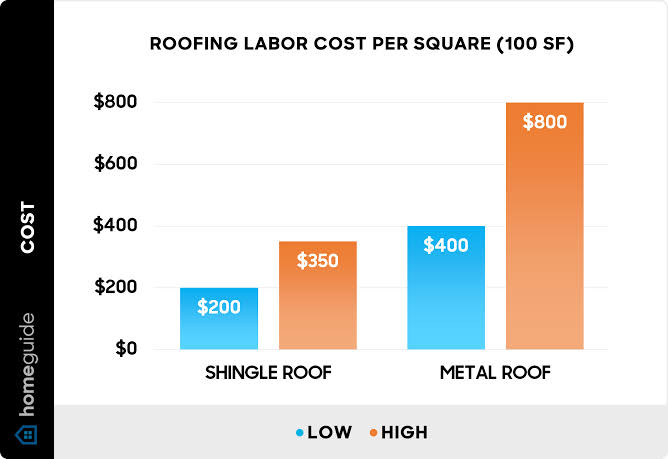
While materials get the spotlight, labor accounts for roughly 40% to 50% of the total project cost. In 2026, labor rates have stabilized but vary significantly by region. Urban areas with higher costs of living, such as New York or San Francisco, will see higher labor charges compared to rural Midwest locations.
Tear-Off and Disposal
Before installing a new roof, the old one must be removed. This process, known as a “tear-off,” adds to the cost.
- Tear-Off Cost: Approximately $1.00 – $1.50 per square foot.
- Disposal Fees: Dumping fees for old shingles can add $300 – $600 to your bill.
Some contractors may offer to install new shingles over the old layer (“overlay”). While this saves money upfront, it is generally discouraged. It voids warranties, hides potential deck damage, and adds unnecessary weight to your home’s structure.
Underlayment and Flashing
These are the unsung heroes of your roof.
- Underlayment: A water-resistant barrier installed beneath shingles. Synthetic underlayment is superior to felt paper and costs slightly more but offers better protection.
- Flashing: Metal strips used around chimneys, vents, and valleys. Poor flashing is the #1 cause of leaks. Ensure your contractor uses high-grade aluminum or copper flashing.
Permit Fees
Most municipalities require a permit for roof replacement. Fees typically range from $150 to $500, depending on your local government. Always verify that your contractor handles permit acquisition as part of their service.
Factors That Influence Your Final Quote
Beyond materials and labor, several structural factors can increase the complexity and cost of your project.
Roof Pitch and Complexity
A steep roof requires special safety equipment, scaffolding, and more time to navigate. Contractors often charge a “steepness factor” fee. Similarly, roofs with many valleys, dormers, chimneys, or skylights require more intricate cutting and sealing, increasing labor hours.
Geographic Location
Material availability and local climate codes affect pricing. For example, homes in hurricane-prone zones like Florida may require impact-resistant shingles or additional fastening methods, which increase costs. Conversely, areas with mild weather may have lower insurance and material requirements.
Seasonality
Roofing is seasonal work. Prices tend to be higher during peak seasons (late spring through early fall) when demand is highest. Scheduling your replacement in late winter or early spring might secure you a better rate, provided weather permits.
How to Choose the Right Contractor
Selecting the right professional is crucial for ensuring your investment lasts. Do not simply choose the lowest bid. Extremely low quotes often indicate subpar materials, insufficient insurance, or hidden fees.
- Check Credentials: Ensure the contractor is licensed, bonded, and insured. Ask for proof of liability insurance and workers’ compensation.
- Read Reviews: Look for recent reviews on Google, BBB, and specialized sites like Angi or HomeAdvisor. Pay attention to comments about cleanliness and communication.
- Get Multiple Quotes: Aim for at least three detailed estimates. Compare them line-by-line, not just the bottom line.
- Warranty Matters: Look for manufacturers’ warranties (often 20–50 years) and workmanship warranties from the contractor (typically 2–10 years).
For more detailed information on building standards and safety regulations, you can refer to resources like Wikipedia’s page on Roofing, which provides a broad overview of historical and modern techniques.
FAQ Section
Q: How long does it take to replace a roof on a 1,500 sq ft home?
A: Most residential roof replacements on a home of this size can be completed in 1 to 3 days. Weather delays or complex architectural features may extend this timeline.
Q: Does homeowners insurance cover roof replacement?
A: Insurance typically covers roof damage caused by sudden, accidental events like storms, hail, or falling trees. It generally does not cover wear and tear or age-related deterioration. Check your policy details and consult your agent.
Q: Should I repair my roof or replace it entirely?
A: If your roof is less than 10 years old and has isolated damage, repairs may suffice. However, if your roof is over 15 years old, has widespread leaking, or missing granules, a full replacement is more cost-effective in the long run.
Q: Can I install a new roof myself to save money?
A: While technically possible, DIY roofing is highly discouraged. It involves significant safety risks, requires specialized tools, and may void manufacturer warranties. Professional installation ensures code compliance and longevity.
Q: What is the best time of year to replace a roof?
A: Late spring and early fall offer the best balance of mild weather and contractor availability. Avoid extreme heat or heavy rain seasons if possible, as temperature affects shingle adhesion.
Conclusion
Understanding how much does a new roof cost 1500 sq ft empowers you to make informed decisions for your home. With average costs ranging from $8,500 to $14,500 for asphalt shingles, budgeting accurately is key. Remember to factor in material quality, labor complexity, and necessary permits.
Investing in a high-quality roof not only secures your home against the elements but also boosts its market value. Don’t rush the process—get multiple quotes, verify credentials, and choose materials that fit both your budget and your long-term goals.
Found this guide helpful? Share it with friends or neighbors who might be planning their own home improvements!