Category: home improvement budget

  • New Roof Cost in Los Angeles: 2026 Price Guide

    New Roof Cost in Los Angeles: 2026 Price Guide

    Replacing a roof is one of the most significant home improvement investments you will ever make. It protects your family, boosts your property value, and ensures your home can withstand the unique Southern California climate. If you are currently stressing over budgets and contractor quotes, you are not alone. Many homeowners ask, “How Much Does A New Roof Cost In Los Angeles?” because the prices here differ significantly from the national average due to high labor costs, strict building codes, and diverse architectural styles.

    In this guide, we will break down the real costs for 2026, helping you navigate the market with confidence. We will look beyond simple averages to understand what drives these prices up or down, ensuring you get a fair deal without compromising on quality.

    What Is the Average Cost of a New Roof in Los Angeles?

    When planning your budget, it is essential to distinguish between national averages and local realities. In Los Angeles, the cost of a new roof typically ranges from $15,000 to $45,000 for an average-sized home (approximately 1,500 to 2,500 square feet). However, luxury materials or complex architectural designs can push this figure well above $60,000.

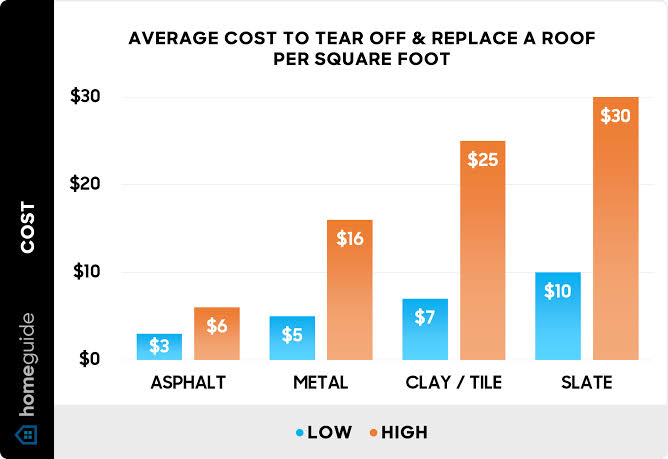
    To give you a clearer picture, let’s look at the cost per square foot. In the LA metro area, homeowners generally pay between $8 and $18 per square foot installed. This wide range exists because “roofing” is not a one-size-fits-all service. A simple asphalt shingle replacement on a single-story ranch house in the Valley will cost significantly less than a custom clay tile installation on a multi-story Spanish Colonial in Santa Monica.

    Several factors contribute to these higher-than-average costs:

    • Labor Rates: Los Angeles has some of the highest skilled labor costs in the country.
    • Permitting Fees: The City of Los Angeles and surrounding counties have rigorous permitting processes that add time and money.
    • Disposal Costs: Dumping fees for old roofing materials are higher in California due to environmental regulations.

    How Do Different Roofing Materials Affect the Price?

    The material you choose is the single biggest variable in your final bill. In Los Angeles, aesthetic preferences often clash with budget constraints. Here is a breakdown of the most common materials used in Southern California.

    Asphalt Shingles

    Asphalt remains the most popular choice due to its affordability and ease of installation.

    • Cost: $8 – $12 per sq. ft.
    • Pros: Affordable, widely available, decent wind resistance.
    • Cons: Shorter lifespan (15–20 years) in intense UV heat; can look generic.

    Clay and Concrete Tiles

    Iconic to Los Angeles architecture, tile roofs are durable and energy-efficient but heavy and expensive.

    • Cost: $12 – $25+ per sq. ft.
    • Pros: Lasts 50+ years, fire-resistant, excellent insulation.
    • Cons: Requires reinforced roof framing due to weight; higher initial cost.

    Metal Roofing

    Gaining popularity in LA for its modern look and sustainability.

    • Cost: $10 – $18 per sq. ft.
    • Pros: Reflects solar heat (lowering AC bills), lasts 40–70 years, lightweight.
    • Cons: Can be noisy during rain; requires specialized installers.

    Cool Roofs (Energy Star Rated)

    Given California’s Title 24 energy standards, many homeowners opt for “cool roofs” that reflect more sunlight.

    • Cost: Varies by material, usually adds 10–15% to standard material costs.
    • Benefit: Significant long-term savings on air conditioning.
    MaterialAvg. Cost (LA)LifespanBest For
    Asphalt Shingles$8 – $12 / sq. ft.15-20 YearsBudget-conscious, quick installs
    Concrete Tile$12 – $18 / sq. ft.30-50 YearsMediterranean/Spanish styles
    Clay Tile$18 – $25+ / sq. ft.50+ YearsHistoric homes, luxury aesthetics
    Metal Standing Seam$12 – $18 / sq. ft.40-70 YearsModern homes, eco-friendly goals

    Why Are Labor and Permit Costs Higher in Los Angeles?

    Understanding why you are paying a premium helps you evaluate quotes better. In Los Angeles, labor is not just about manpower; it is about compliance and expertise.

    First, California Building Code is stricter than many other states. For example, roofs in Wildland-Urban Interface (WUI) zones must meet specific fire-resistance ratings. Installers must be certified to handle these materials correctly, which commands a higher wage.

    Second, the permitting process in Los Angeles County can be bureaucratic. Contractors often factor in the administrative time required to secure permits from the Department of Building and Safety. Delays in inspection scheduling can also extend the project timeline, increasing labor hours.

    Furthermore, insurance for roofing contractors in California has skyrocketed in recent years. These overhead costs are inevitably passed down to the homeowner. When you hire a licensed, bonded, and insured pro, you are paying for peace of mind that the job will be done legally and safely.
    How Much Does A New Roof Cost In Los Angeles

    What Hidden Costs Should You Watch Out For?

    A common mistake homeowners make is focusing only on the material and labor quote while ignoring ancillary costs. To avoid sticker shock, ask your contractor about these potential add-ons:

    1. Tear-Off and Disposal: Removing the old roof is labor-intensive. Expect to pay $1–$3 per square foot for tear-off and dumping fees. Some quotes include this; others do not. Always clarify.
    2. Decking Repair: Once the old shingles are removed, contractors may find rotten plywood sheathing. Replacing a sheet of plywood typically costs $75–$150 per sheet, plus labor.
    3. Ventilation Upgrades: Proper airflow is critical in LA’s heat. Adding ridge vents or soffit vents may be required to meet current code, adding $500–$1,500 to the total.
    4. Skylights and Chimneys: Flashing around these features requires meticulous work. Repairing or replacing flashing can add $200–$500 per feature.

    For more details on building standards and safety requirements, you can refer to general construction guidelines on Wikipedia.

    How to Choose the Right Roofing Contractor in LA

    With thousands of roofers in Los Angeles, how do you pick the right one? Do not just go with the lowest bid. In roofing, the lowest price often correlates with cut corners.

    • Check Licensing: Ensure they hold a valid C-39 Roofing Contractor License from the California Contractors State License Board (CSLB).
    • Read Local Reviews: Look for reviews specifically mentioning punctuality, cleanliness, and communication. Google Maps and Yelp are valuable resources here.
    • Ask for References: A reputable contractor should provide references from recent jobs in your neighborhood.
    • Verify Insurance: Ask for proof of general liability and workers’ compensation insurance. This protects you if a worker is injured on your property.

    FAQ Section

    1. Does homeowners insurance cover roof replacement in Los Angeles?

    Generally, insurance covers roof replacement only if the damage is caused by a sudden, covered peril like a fire, hail, or falling tree. It typically does not cover wear and tear or age-related deterioration. Given that many insurers are pulling out of California, review your policy carefully and consider if a new roof might lower your premiums.

    2. How long does a roof replacement take in LA?

    For an average single-family home, the physical installation usually takes 2 to 5 days. However, the entire process—from permitting to final inspection—can take 4 to 8 weeks. Weather delays are rare in LA but can happen during the rainy season (December–March).

    3. Is it cheaper to repair or replace my roof?

    If your roof is less than 10 years old and the damage is localized (e.g., a few missing shingles), repair is cost-effective. However, if your roof is over 15 years old or has widespread leaks, replacement is often the better financial decision in the long run. Frequent repairs add up quickly.

    4. Do I need a permit for a new roof in Los Angeles?

    Yes. Almost all roof replacements in Los Angeles County require a building permit. This ensures the work meets seismic and fire safety codes. Your contractor should handle the permitting process, but you should verify that the permit has been issued before work begins.

    5. What is the best time of year to replace a roof in Los Angeles?

    The best time is during the dry months, typically late spring through early fall (May to October). While LA doesn’t have harsh winters, the rainy season can cause delays and safety hazards for workers. Scheduling in advance during peak season is also wise, as good contractors book up quickly.

    Conclusion

    So, how much does a new roof cost in Los Angeles? While the average ranges from $15,000 to $45,000, the true cost depends on your material choice, home size, and structural needs. Investing in a high-quality roof is not just an expense; it is a crucial step in protecting your most valuable asset against the elements and enhancing your home’s curb appeal.

    By understanding the breakdown of labor, materials, and permits, you can negotiate better with contractors and avoid hidden fees. Remember, the cheapest option is rarely the best when it comes to your home’s integrity.

    Found this guide helpful? Share it with your neighbors on Facebook or Nextdoor who might be facing the same roofing dilemmas. Let’s help our LA community make smarter home improvement decisions!
  • How Much Does It Cost To Get Your Roof Replaced?

    How Much Does It Cost To Get Your Roof Replaced?

    Replacing a roof is one of the most significant home improvement investments you will ever make. It is not just about aesthetics; it is about protecting your family, your belongings, and the structural integrity of your home from the elements. If you are staring at water stains on your ceiling or curling shingles, you are likely asking the critical question: how much does it cost to get your roof replaced?

    The answer is rarely a single number. Costs vary wildly based on location, materials, and the complexity of your home’s architecture. However, understanding the financial landscape can empower you to budget effectively and avoid being overcharged by contractors. In this comprehensive guide, we will break down the real costs associated with roof replacement in 2026, helping you make an informed decision without the stress.

    Understanding the National Average Costs

    Before diving into specific materials, it is essential to establish a baseline. As of 2026, the national average cost to replace a roof on a standard 2,000-square-foot home ranges between $8,500 and $14,500. Most homeowners spend approximately $11,000 for a complete tear-off and replacement using mid-range asphalt shingles.

    However, this figure is merely a starting point. Several factors influence where your project will fall within this range:

    • Roof Size: Measured in “squares” (one square equals 100 square feet).
    • Pitch and Slope: Steeper roofs require more safety equipment and labor time.
    • Location: Labor rates in urban areas like New York or San Francisco are significantly higher than in rural Midwest regions.
    • Material Choice: This is the biggest variable, ranging from economical asphalt to premium slate.

    According to recent industry data, labor typically accounts for 60% to 70% of the total cost, while materials make up the remaining 30% to 40%. This highlights why choosing a reputable contractor is just as important as choosing the right shingle.

    Cost Breakdown by Roofing Material

    The type of material you choose is the primary driver of your final bill. Here is a detailed look at the most common roofing options available in the US market today.

    1. Asphalt Shingles

    Asphalt remains the most popular choice in the United States due to its affordability and ease of installation.

    • 3-Tab Shingles: The most economical option. Expect to pay $3.50 – $5.50 per square foot installed. They typically last 15–20 years.
    • Architectural (Dimensional) Shingles: These offer a thicker, more textured look and better durability. Costs range from $4.50 – $7.50 per square foot. They often come with 30-year warranties.

    2. Metal Roofing

    Metal roofs are gaining popularity for their longevity and energy efficiency. While the upfront cost is higher, the lifespan often exceeds 50 years.

    • Steel Panels: $9.00 – $12.00 per square foot.
    • Aluminum or Copper: $15.00 – $25.00+ per square foot. Copper is a luxury item that develops a distinct patina over time but requires minimal maintenance.

    3. Clay and Concrete Tiles

    Common in the Southwest and Florida, these tiles are heavy, durable, and fire-resistant.

    • Cost: $10.00 – $18.00 per square foot.
    • Note: Your home’s framing may need reinforcement to support the weight, which can add $1,000–$3,000 to the project.

    4. Slate Roofing

    Slate is the pinnacle of roofing elegance and durability, often lasting over 100 years.

    • Cost: $20.00 – $40.00+ per square foot.
    • Consideration: Installation requires specialized craftsmen, making labor costs significantly higher.
    MaterialAvg. Cost Per Sq. Ft.LifespanBest For
    3-Tab Asphalt$3.50 – $5.5015-20 YearsBudget-conscious homeowners
    Architectural Asphalt$4.50 – $7.5025-30 YearsBalance of cost and aesthetics
    Metal (Steel)$9.00 – $12.0040-50 YearsLong-term value & snow shedding
    Clay/Concrete Tile$10.00 – $18.0050+ YearsHot climates & Spanish styles
    Slate$20.00 – $40.00+75-100+ YearsHistoric homes & luxury estates
    How Much Does It Cost To Get Your Roof Replaced

    Hidden Costs and Additional Factors

    When calculating how much does it cost to get your roof replaced, many homeowners forget to account for the “hidden” expenses that appear once the old roof is removed.

    Tear-Off and Disposal

    You cannot install a new roof over multiple layers of old shingles in most jurisdictions. The old material must be removed and disposed of properly.

    • Cost: $1.00 – $2.50 per square foot.
    • This includes labor for removal and dumpster rental fees. If your roof has hazardous materials like asbestos (common in homes built before 1980), abatement costs can skyrocket to $5,000+.

    Roof Decking Repair

    Once the shingles are off, the wooden decking underneath is exposed. If rot or water damage is found, these boards must be replaced.

    • Cost: $70 – $100 per sheet of plywood or OSB.
    • Most contractors include a small allowance for minor repairs, but extensive rot will increase the bill. Always ask for a “per-sheet” price in your contract to avoid surprises.

    Ventilation and Flashing

    Proper ventilation is crucial for extending the life of your new roof. Upgrading ridge vents, soffit vents, and replacing rusted flashing around chimneys and skylights is essential.

    • Cost: $500 – $1,500 for a comprehensive ventilation upgrade.

    For more technical details on roofing standards and material specifications, you can refer to authoritative resources such as Wikipedia’s entry on Roofing.

    How to Choose the Right Contractor

    The lowest bid is rarely the best value. A poorly installed roof will leak regardless of how expensive the shingles are. Here is how to vet your roofer:

    1. Check Licensing and Insurance: Ensure they have general liability and workers’ compensation insurance. Ask for proof.
    2. Look for Manufacturer Certifications: Top brands like GAF, CertainTeed, and Owens Corning certify contractors who meet high installation standards. These certifications often extend the warranty period.
    3. Read Local Reviews: Check Google Maps and BBB ratings. Look for patterns in complaints regarding cleanup or communication.
    4. Get Three Quotes: Never settle for the first estimate. Compare the scope of work, not just the bottom line. Ensure each quote includes the same materials and warranty terms.

    Frequently Asked Questions (FAQ)

    1. Does homeowners insurance cover roof replacement?

    Insurance typically covers roof replacement if the damage is caused by a sudden, accidental event like a hailstorm, windstorm, or falling tree. However, they generally do not cover wear and tear, age-related deterioration, or lack of maintenance. Always review your policy’s “Actual Cash Value” vs. “Replacement Cost Value” clauses.

    2. How long does a roof replacement take?

    For an average-sized home (2,000 sq. ft.), a professional crew can usually complete the job in 1 to 3 days. Larger homes, complex architectural features (like multiple turrets or steep pitches), or bad weather conditions can extend this timeline to a week.

    3. Is it cheaper to repair or replace a roof?

    If your roof is less than 10 years old and the damage is localized (e.g., a few missing shingles from a storm), repair is cost-effective. However, if your roof is nearing the end of its lifespan (15+ years for asphalt) or has widespread leaks, replacement is more economical in the long run. Constant repairs add up quickly and do not solve underlying structural issues.

    4. What is the best time of year to replace a roof?

    Late spring through early fall is the peak season, meaning prices may be higher due to demand. However, roofing can be done in winter as long as temperatures are above freezing (asphalt shingles need heat to seal properly). Scheduling in the off-season (late fall or winter) might yield better pricing and faster availability, provided the weather cooperates.

    5. Can I stay in my house during the replacement?

    Yes, most homeowners stay in their homes during the process. However, expect significant noise, vibration, and dust. It is advisable to remove fragile items from walls and attics. If you have sensitive pets or work from home, you might consider staying elsewhere for the 1–3 days of active construction.

    Conclusion

    Knowing how much does it cost to get your roof replaced is the first step toward protecting your home’s value. While the average homeowner spends between $8,500 and $14,500, your specific cost will depend on material choices, roof complexity, and local labor rates. Remember, a roof is not an expense to minimize, but an investment to optimize. Choosing quality materials and a certified installer ensures peace of mind for decades to come.

    Don’t let uncertainty stall your project. Gather three quotes, check those credentials, and prioritize long-term durability over short-term savings. If you found this guide helpful, please share it with friends or neighbors who might be facing similar home improvement decisions. Together, we can build safer, stronger communities.

  • How Much Does It Cost To Get A Roof Fixed?

    How Much Does It Cost To Get A Roof Fixed?

    Leaking ceilings and missing shingles can turn your home into a stressful environment overnight. You are likely searching for answers because you need clarity on how much does it cost to get a roof fixed without breaking the bank. This guide breaks down the real numbers, hidden fees, and smart strategies to handle your roofing repairs confidently.

    Understanding the Average Cost of Roof Repairs

    When disaster strikes, the first question on every homeowner’s mind is the price tag. In the United States, the cost to repair a roof varies significantly based on the extent of the damage, the materials used, and your geographic location. However, having a baseline expectation helps you negotiate better with contractors and avoid overpaying.

    According to recent industry data from 2025 and 2026, the national average for minor to moderate roof repairs ranges between $400 and $1,100. For more extensive structural issues or major storm damage, costs can climb between $1,200 and $3,500. If you are dealing with a complete section replacement rather than a simple patch, expect to pay upwards of $7,000.

    It is crucial to understand that these figures are estimates. A small leak in an accessible area might only cost $200 to seal, while fixing water damage that has rotted the underlying decking could triple that amount. Always request at least three detailed quotes from licensed professionals to ensure you are getting a fair market rate.

    Key Factors That Influence Repair Prices

    Why do two neighbors pay different amounts for similar-looking repairs? The answer lies in several variable factors. Understanding these elements will help you anticipate where your money is going.

    1. Type of Roofing Material

    The material your roof is made of dictates both the labor complexity and the cost of supplies.

    • Asphalt Shingles: The most common and affordable option. Repairs are straightforward, typically costing $150–$400 per section.
    • Metal Roofing: Durable but requires specialized skills. Repair costs average $300–$800 due to the need for specific tools and sealing techniques.
    • Tile or Slate: These are premium materials. Breaking a tile during repair is a risk, so labor is higher. Expect to pay $500–$1,000+ for repairs.

    2. Extent of the Damage

    Is it just a few missing shingles, or has water penetrated the underlayment?

    • Surface Level: Replacing shingles or sealing flashings is cheap.
    • Structural: If rot has set in, carpenters must replace the plywood decking before new roofing can be installed. This adds significant labor and material costs.

    3. Roof Pitch and Accessibility

    Safety is a major cost driver. A steeply pitched roof requires harnesses, scaffolding, and more time to navigate. Contractors charge a “steep slope premium,” which can increase labor costs by 20% to 50%. Similarly, if your roof is surrounded by tall trees or power lines, the difficulty level—and price—goes up.

    4. Geographic Location

    Labor rates in urban areas like New York City or San Francisco are naturally higher than in rural Midwest towns. Additionally, regions prone to hurricanes or heavy snowfall may have higher demand for roofers, driving up prices during peak seasons.

    Common Roof Problems and Their Specific Costs

    Not all repairs are created equal. Below is a breakdown of common issues and their typical price ranges in the current market.

    Repair TypeDescriptionAverage Cost Range
    Shingle ReplacementFixing cracked, curled, or missing shingles.$150 – $450
    Flashing RepairSealing metal strips around chimneys and vents.$200 – $500
    Valley RepairFixing the intersection where two roof slopes meet.$300 – $600
    Skylight Leak FixResealing or replacing flashing around skylights.$250 – $750
    Soffit/Fascia RepairFixing the wooden boards along the roof edge.$200 – $1,000
    Emergency TarpingTemporary cover to stop active leaking.$150 – $300

    Note: Prices include both labor and materials.

    How Much Does It Cost To Get A Roof Fixed

    DIY vs. Professional Repair: When to Call an Expert

    Many homeowners consider tackling minor repairs themselves to save money. While this is tempting, it comes with risks.

    When DIY Might Work

    If you are handy, have proper safety gear, and the issue is minor (like replacing a single visible shingle), you might spend only $50–$100 on materials. However, you must be comfortable working at heights. One slip can lead to severe injury or further damage to your home.

    When to Hire a Pro

    You should always hire a professional if:

    • The leak source is not obvious.
    • The roof pitch is steep.
    • There is signs of mold or structural rot.
    • The repair involves flashing around chimneys or vents.

    Professional roofers carry liability insurance and workers’ compensation. If an accident occurs on your property during a DIY project, you could be held liable. Furthermore, improper repairs can void your manufacturer’s warranty. As noted by industry standards, proper installation is critical for longevity. For more details on roofing construction standards, you can refer to general building principles outlined on Wikipedia.

    Hidden Costs to Watch Out For

    When budgeting for how much does it cost to get a roof fixed, do not forget the hidden expenses that often surprise homeowners.

    1. Permit Fees: Many municipalities require permits for roof repairs exceeding a certain dollar amount. These can range from $50 to $500.
    2. Debris Removal: Hauling away old shingles and nails isn’t always included in the base quote. Ask if dumpster fees are covered.
    3. Interior Damage: If the leak has damaged drywall, insulation, or paint inside your attic or living space, those repairs are separate from the roof fix.
    4. Seasonal Surcharges: Emergency repairs during winter or after a major storm often come with a premium due to high demand and hazardous working conditions.

    How to Save Money on Roof Repairs

    Saving money doesn’t mean cutting corners; it means being strategic. Here are proven ways to reduce your out-of-pocket expenses.

    • Get Multiple Quotes: Never accept the first estimate. Compare at least three detailed bids. Look for outliers—if one is significantly cheaper, ask why. It might indicate lower-quality materials.
    • Check Your Homeowners Insurance: If the damage was caused by a storm, hail, or falling tree, your insurance may cover most of the cost. Review your policy’s deductible and coverage limits.
    • Schedule Off-Season: Roofers are busiest in late summer and fall. Scheduling non-emergency repairs in late winter or early spring can sometimes yield discounts of 10% to 15%.
    • Maintain Regularly: Annual inspections can catch small issues before they become expensive disasters. Cleaning gutters and trimming overhanging branches are free ways to protect your roof.

    FAQ Section

    1. Does homeowners insurance cover roof repairs?

    Generally, yes, but only if the damage is sudden and accidental, such as from a storm, hail, or fallen tree. Wear and tear, lack of maintenance, or old age are typically excluded. Always file a claim promptly and document the damage with photos.

    2. How long does a typical roof repair take?

    Minor repairs, like replacing a few shingles, can be completed in 2–4 hours. More complex jobs involving flashing or decking replacement may take 1–2 days. Weather conditions can also cause delays.

    3. Can I repair my roof myself?

    While technically possible for very minor issues, it is not recommended for most homeowners. The risk of falls, improper sealing leading to future leaks, and voiding warranties makes professional hiring the safer and often more cost-effective choice in the long run.

    4. What is the lifespan of a repaired roof section?

    A properly executed repair should last as long as the surrounding roof material. If your roof is 20 years old and you patch a section, that patch will hold, but the rest of the roof may still fail soon. Consider the overall age of your roof when deciding between repair and replacement.

    5. How do I find a trustworthy roofer?

    Look for contractors who are licensed, insured, and have positive reviews on third-party sites like Google or BBB. Ask for references from past clients and verify their local business license. Avoid door-to-door solicitors who demand full payment upfront.

    Conclusion

    Knowing how much does it cost to get a roof fixed empowers you to make informed decisions for your home. While the average cost ranges from $400 to $1,100 for minor repairs, variables like material, location, and damage extent play huge roles. By understanding these factors, comparing quotes, and checking your insurance coverage, you can manage the expense effectively.

    Don’t let a small leak become a major catastrophe. Address roofing issues promptly to protect your investment and your family’s comfort. If you found this guide helpful, please share it with your friends and neighbors on social media—they might need this information too!

  • How Many Roof Estimates Do You Need?

    How Many Roof Estimates Do You Need?

    Replacing a roof is one of the most significant investments a homeowner can make. It’s not just about shingles and nails; it’s about protecting your family, your assets, and your peace of mind for the next two decades. With so many contractors vying for your business, it’s easy to feel overwhelmed by varying prices and promises. If you are asking yourself, “How many estimates should I get for a new roof,” you are already on the right track to making a smart decision.

    In this guide, we will break down the industry standard for obtaining quotes, explain why getting too few or too many can be detrimental, and provide a clear roadmap for selecting the right professional for your home.

    The Golden Rule: Why Three Estimates Is the Sweet Spot

    When industry experts and consumer protection agencies discuss hiring contractors, the number three consistently appears as the magic figure. But why three? Why not just one, or perhaps ten?

    Getting a single estimate leaves you vulnerable. Without a baseline for comparison, you have no way of knowing if the price is fair, if the scope of work is complete, or if the contractor is upselling unnecessary services. You are essentially flying blind.

    On the other hand, gathering ten or more estimates can lead to “analysis paralysis.” It consumes valuable time, frustrates contractors (who may prioritize more serious clients), and often results in diminishing returns. After the third or fourth quote, the information tends to become repetitive, and the differences in price usually reflect variations in material quality or overhead rather than fundamental value.

    Therefore, aiming for three detailed estimates provides a balanced perspective. It allows you to:

    • Identify the average market rate for your specific project.
    • Spot outliers (prices that are suspiciously low or excessively high).
    • Compare different approaches to solving your roofing issues.

    What Should Be Included in a Professional Roofing Estimate?

    Not all estimates are created equal. A handwritten note on a napkin is not an estimate; it’s a guess. To accurately compare bids, you need to ensure each contractor provides a comprehensive, written proposal. When reviewing these documents, look for the following critical components:

    1. Detailed Scope of Work

    The estimate should explicitly state what will be done. This includes the removal of old layers (tear-off), inspection of the decking, and installation of new materials. Vague language like “repair roof” is a red flag.

    2. Material Specifications

    Don’t just accept “architectural shingles.” The estimate should specify:

    • Brand and Model: (e.g., GAF Timberline HDZ, Owens Corning Oakridge).
    • Color: Exact color code.
    • Underlayment: Type and weight (e.g., synthetic vs. felt paper).
    • Ventilation: Specifics on ridge vents, soffit vents, or turbine vents.

    3. Timeline and Warranty

    A professional quote includes a start date, an estimated completion date, and details on warranties. This includes both the manufacturer’s warranty on materials and the contractor’s workmanship warranty.

    ComponentBasic Estimate (Avoid)Professional Estimate (Seek)
    Materials“Shingles and nails”Brand, model, color, underlayment type
    Labor“Installation included”Tear-off, disposal, cleanup, installation steps
    Warranty“1 year guarantee”Specific years for labor, manufacturer warranty details
    Payment“Cash only”Structured payment schedule, accepted credit cards/checks

    Red Flags: When an Estimate Is Too Good to Be True

    One of the most common mistakes homeowners make is choosing the lowest bid without understanding why it is low. In the roofing industry, a significantly lower price often indicates corner-cutting.

    If one estimate is 20-30% lower than the other two, proceed with extreme caution. Here are common reasons for artificially low bids:

    • Subpar Materials: Using thin, low-grade shingles that may fail within five years.
    • Incomplete Tear-Off: Leaving old shingles underneath, which voids warranties and traps moisture.
    • Lack of Insurance: The contractor may not carry liability or workers’ compensation insurance, putting you at financial risk if an accident occurs.
    • Hidden Fees: The initial quote excludes disposal fees, permit costs, or repairs to rotted decking, which are added later as “change orders.”

    According to the Federal Trade Commission (FTC), consumers should always verify a contractor’s license and insurance before signing any contract. This step is non-negotiable.

    How Many Estimates Should I Get For A New Roof

    Step-by-Step Guide to Getting Accurate Estimates

    To ensure you receive comparable and accurate quotes, follow this structured approach. Consistency is key when asking multiple contractors to bid on the same job.

    1. Prepare Your Home: Clear the attic of valuable items and ensure access to the roof is unobstructed. Take photos of any existing leaks or damage to show each contractor.
    2. Define Your Needs: Decide if you want to upgrade materials (e.g., moving from 3-tab to architectural shingles) or add features like skylights or better ventilation. Communicate this clearly to every bidder.
    3. Schedule Simultaneously: Try to schedule estimates within a short timeframe (e.g., one week). This ensures that material prices and market conditions remain consistent across all bids.
    4. Be Present During the Inspection: Walk the property with the contractor. Ask questions about their process. A contractor who takes time to explain the issue builds trust.
    5. Request Written Quotes Only: Verbal estimates are not binding. Insist on a detailed written document for every bid.

    Comparing Apples to Apples: The Decision Matrix

    Once you have your three estimates, create a simple comparison chart. Do not just look at the bottom-line price. Evaluate the value proposition.

    Example Comparison Criteria:

    • Total Cost: Include taxes and permits.
    • Material Quality: Are they using premium brands?
    • Warranty Length: Is the workmanship warranty 2 years, 5 years, or 10 years?
    • Communication: Did they return calls promptly? Were they professional?
    • Reviews: Check recent reviews on Google, BBB, or local community groups.

    Often, the middle-priced option offers the best balance of quality and cost. The highest bid might include premium services you don’t need, while the lowest might lack essential protections.

    FAQ Section

    1. Is it rude to ask for multiple estimates?

    Not at all. Professional contractors expect competition. In fact, reputable contractors are confident in their pricing and quality. If a contractor pressures you to sign immediately because “the price goes up tomorrow,” consider it a major warning sign.

    2. Do I have to pay for roofing estimates?

    Most reputable roofing companies offer free estimates. However, some specialized consultants or structural engineers may charge a fee for a detailed diagnostic report, especially if complex structural issues are suspected. Always ask upfront if there is a fee.

    3. How long does a roofing estimate take?

    A thorough onsite inspection typically takes 30 to 60 minutes. The contractor needs to inspect the roof surface, the attic (for ventilation and leaks), and the exterior fascia and gutters. Rushed inspections often lead to inaccurate quotes.

    4. Can I negotiate the price of a new roof?

    Yes, but focus on value rather than just slashing the price. You might ask if they can match a competitor’s price for the same materials, or if they can include additional services (like gutter cleaning) for free. Avoid haggling over labor costs to the point where the contractor feels forced to cut corners.

    5. What if all three estimates are vastly different?

    If the variance is huge, it likely means the contractors are proposing different scopes of work. One might be suggesting a full tear-off while another proposes an overlay. Request a clarification meeting with each contractor to align the scope of work, then ask for revised quotes.

    6. Should I choose a local contractor or a national chain?

    Local contractors often provide more personalized service and are deeply invested in their community reputation. National chains may have more resources but less flexibility. For most residential projects, a highly-rated local contractor with strong E-E-A-T (Experience, Expertise, Authoritativeness, and Trustworthiness) signals is often the best choice.

    Conclusion

    So, how many estimates should you get for a new roof? The answer is clear: aim for three. This number provides enough data to make an informed decision without causing unnecessary delay or confusion.

    Remember, the cheapest option is rarely the best value when it comes to your home’s primary defense against the elements. By focusing on detailed scopes of work, verified credentials, and clear communication, you can select a partner who will deliver a roof that lasts.

    Don’t let the stress of hiring paralyze you. Take control of the process, ask the right questions, and trust your instincts. If you found this guide helpful, please share it with friends or neighbors who might be facing similar home improvement decisions. Together, we can build smarter, safer homes.

  • How Much Does It Cost To Get Your Roof Fixed?

    How Much Does It Cost To Get Your Roof Fixed?

    There is nothing quite as unsettling as seeing a water stain spread across your ceiling or finding shingles scattered on your lawn after a storm. For most homeowners, the immediate question isn’t just about the damage itself, but the financial impact: how much does it cost to get your roof fixed? Understanding these costs early can help you budget effectively and avoid being overcharged by contractors.

    In this guide, we will break down the typical price ranges, explain what drives these costs up or down, and provide actionable advice to ensure you get a fair deal. Whether you are dealing with a minor leak or significant storm damage, knowing the numbers puts you back in control.

    What Is the Average Cost of Roof Repairs in 2026?

    When planning your home maintenance budget, it is crucial to have a realistic baseline. In 2026, the national average for roof repairs in the United States typically falls between $400 and $1,100, with most homeowners paying around $750 for standard fixes.

    However, “average” can be misleading because roof issues vary wildly in severity. Minor repairs, such as replacing a few missing shingles or resealing a vent pipe, might cost as little as $150 to $400. On the other hand, major structural repairs or extensive leak mitigation can range from $1,200 to $3,500 or more.

    Several key factors influence where your project lands on this spectrum:

    • Roof Size and Pitch: Steeper roofs require more safety equipment and labor time.
    • Material Type: Asphalt shingles are cheaper to fix than slate, tile, or metal.
    • Location: Labor rates in urban areas like New York or San Francisco are significantly higher than in rural regions.
    • Urgency: Emergency repairs performed on weekends or holidays often incur premium fees.

    According to recent industry data, the cost per square foot for repairs generally hovers between $4.50 and $9.00, depending on the complexity of the job. Always request itemized quotes to see exactly how these figures apply to your specific situation.

    How Do Material Choices Affect Repair Costs?

    The material your roof is made of is the single biggest determinant of repair costs. Different materials require different skills, tools, and replacement parts.

    Asphalt Shingles

    Asphalt remains the most popular roofing material in the US due to its affordability.

    • Repair Cost: $150–$450
    • Pros: Widely available, easy to replace, low labor cost.
    • Cons: Shorter lifespan (15–20 years), prone to wind damage.

    Metal Roofing

    Metal roofs are gaining popularity for their durability and energy efficiency.

    • Repair Cost: $300–$800
    • Pros: Long-lasting (40+ years), fire-resistant.
    • Cons: Higher initial repair cost, requires specialized contractors.

    Tile and Slate

    These premium materials offer unmatched aesthetics and longevity but come with a hefty price tag for repairs.

    • Repair Cost: $600–$1,500+
    • Pros: Extremely durable, high curb appeal.
    • Cons: Fragile during walking/repair, heavy (may require structural support), expensive materials.

    For a deeper understanding of various roofing materials and their historical context, you can refer to this Wikipedia article on roofing.

    How Much Does It Cost To Get Your Roof Fixed

    When Should You Repair vs. Replace Your Roof?

    One of the most common dilemmas homeowners face is deciding whether a repair is sufficient or if a full replacement is necessary. Making the wrong choice can lead to wasted money on temporary fixes that fail within months.

    Use this comparison table to help guide your decision:

    FactorChoose Repair If…Choose Replacement If…
    Age of RoofLess than 10–15 years oldOlder than 20 years (for asphalt)
    Damage ExtentLocalized to one area (<30% of roof)Widespread damage across multiple sections
    Shingle ConditionA few missing or curled shinglesGranule loss is widespread; bald spots visible
    Leak HistoryFirst or second leak occurrenceRecurring leaks despite previous repairs
    BudgetLimited immediate fundsPlanning to sell home or stay long-term

    Expert Tip: If your roof is nearing the end of its warranty period, a replacement might be more cost-effective in the long run. Constantly patching an aging roof often costs more over five years than a single replacement would.

    What Hidden Costs Should You Watch Out For?

    While the quote for shingles and labor might seem straightforward, several hidden costs can inflate your final bill. Being aware of these helps you prepare financially and negotiate better.

    1. Permit Fees: Most municipalities require permits for roofing work. These can range from $50 to $500 depending on your local laws. Ensure your contractor includes this in the estimate.
    2. Decking Repair: Once old shingles are removed, contractors may discover rotten wood decking underneath. Replacing plywood decking typically costs $2.50 to $4.00 per square foot.
    3. Dumpster and Disposal: Removing old roofing materials generates significant waste. Dumpster rental and disposal fees can add $200 to $600 to your total.
    4. Flashing and Ventilation: Often overlooked, damaged flashing around chimneys and vents needs replacement to prevent future leaks. This can add $100 to $300 per incident.

    Always ask your contractor: “Does this quote include tear-off, disposal, and potential decking repairs?” A transparent contractor will provide a contingency clause for unforeseen structural issues.

    How to Find a Reliable Roofing Contractor

    Finding the right professional is just as important as understanding the cost. A low bid from an unlicensed handyman can lead to costly mistakes and voided warranties.

    Follow these steps to vet your roofer:

    1. Check Licensing and Insurance: Verify that they hold a valid state license and carry both liability and workers’ compensation insurance. This protects you from being liable for accidents.
    2. Read Recent Reviews: Look for reviews on Google, Yelp, and the Better Business Bureau (BBB). Pay attention to how the company responds to negative feedback.
    3. Get Multiple Quotes: Aim for at least three detailed estimates. Be wary of quotes that are significantly lower than the others; this often indicates cut corners or hidden fees.
    4. Ask for References: A reputable contractor should be able to provide contact information for past clients in your area.
    5. Review the Contract: Ensure the contract specifies start and end dates, payment schedules, material brands, and warranty details. Never pay the full amount upfront.

    FAQ Section

    1. Does homeowners insurance cover roof repairs?

    It depends on the cause of the damage. Most policies cover sudden, accidental damage caused by storms, hail, or falling objects. However, they typically do not cover wear and tear, lack of maintenance, or gradual leaks. Always review your policy and document the damage with photos before filing a claim.

    2. How long does a typical roof repair take?

    Minor repairs, such as fixing a small leak or replacing a few shingles, can often be completed in half a day to one day. More extensive repairs involving flashing, decking, or larger sections may take 2 to 3 days. Weather conditions can also impact the timeline.

    3. Can I repair my roof myself to save money?

    While DIY might seem cost-effective, roofing is dangerous and technically complex. Incorrect installation can void warranties and lead to worse leaks. We recommend DIY only for very minor tasks, like cleaning gutters or replacing a single, easily accessible shingle. For anything involving heights or waterproofing, hire a professional.

    4. What is the best season to fix a roof?

    Spring and early fall are ideal because the weather is mild and dry. Summer can be too hot for workers and materials, while winter poses risks due to ice and snow. However, if you have an active leak, do not wait for the “perfect season”—address it immediately to prevent interior damage.

    5. How can I extend the life of my roof after repairs?

    Regular maintenance is key. Clean your gutters twice a year to prevent water backup, trim overhanging tree branches to reduce debris and physical damage, and inspect your attic for signs of moisture or poor ventilation annually.

    Conclusion

    Knowing how much does it cost to get your roof fixed empowers you to make smart financial decisions for your home. While the average cost ranges from $400 to $1,100, your specific price will depend on materials, damage extent, and location. By understanding these variables, watching out for hidden fees, and choosing a reputable contractor, you can protect your home without breaking the bank.

    Don’t let roof anxiety keep you up at night. Take action today by getting those quotes and securing your home’s future.

    Found this guide helpful? Share it with your neighbors on Facebook or Twitter to help them prepare for their next home maintenance project!

  • Townhouse Roof Cost: 2026 Price Guide

    Townhouse Roof Cost: 2026 Price Guide

    Replacing a roof is one of the most significant home maintenance expenses you will face. It is not just about shingles; it is about protecting your investment and ensuring your family stays dry and safe. If you are staring at curling shingles or dealing with a leak, you are likely asking the critical question: How Much Does A New Roof Cost For A Townhouse?

    The answer isn’t a single number, but rather a range influenced by materials, labor, and your specific community rules. In this guide, we will break down the costs clearly, helping you navigate quotes, understand hidden fees, and make an informed decision without the stress.

    Understanding the Average Cost Range

    When budgeting for a roof replacement, context is everything. Unlike standalone single-family homes, townhouses share walls and often have complex rooflines that require specialized labor.

    In 2026, the national average cost to replace a townhouse roof typically falls between $8,000 and $15,000. However, this can vary significantly based on your location and the size of your unit.

    • Low-End Estimate: $6,500 (Basic asphalt shingles, small footprint, low labor cost area).
    • Average Estimate: $11,500 (Mid-grade architectural shingles, standard complexity).
    • High-End Estimate: $20,000+ (Premium materials like metal or slate, steep pitches, high-cost urban areas).

    It is crucial to note that these figures usually cover the entire roofing system, including underlayment, flashing, ventilation, and labor—not just the visible shingles.

    Key Factors That Influence Your Final Bill

    Why do two neighbors pay different amounts for similar-looking roofs? Several variables drive the price up or down. Understanding these will help you analyze quotes more effectively.

    1. Material Selection

    The type of roofing material is the biggest cost driver. Here is a quick comparison of popular options for townhouses:

    MaterialEstimated Cost per Sq. Ft.LifespanProsCons
    Asphalt Shingles$4.50 – $7.0015-25 YearsAffordable, easy to repairShorter lifespan, less eco-friendly
    Metal Roofing$9.00 – $14.0040-70 YearsDurable, energy-efficientHigher upfront cost, noise
    Synthetic Slate$10.00 – $15.0030-50 YearsLooks premium, lightweightExpensive, requires specialized installers
    Clay/Concrete Tile$12.00 – $18.0050+ YearsFire-resistant, aestheticVery heavy, may need structural support

    2. Roof Complexity and Pitch

    Townhouses often feature “step-down” designs where one unit’s roof is lower than the next. This creates valleys and flashpoints that are prone to leaks if not installed correctly.

    • Steep Pitch: Requires safety harnesses and more time, increasing labor costs by 20-30%.
    • Multiple Valleys: More flashing and sealant are needed, adding to material costs.

    3. Labor and Location

    Labor accounts for roughly 60% of your total bill. In major metropolitan areas like New York or San Francisco, expect to pay a premium due to higher insurance and living costs for contractors. Conversely, rural areas may offer lower rates but fewer qualified specialists.

    4. Removal of Old Layers

    Does your townhouse have one layer of shingles or two? Most building codes allow up to two layers. Removing existing shingles adds $1,500 to $3,000 to the project due to disposal fees and extra labor. If your HOA allows it, installing over the old layer can save money, though it is generally not recommended for long-term durability.

    The Hidden Factor: HOA Rules and Shared Costs

    One unique aspect of townhouse living is the Homeowners Association (HOA). Before you hire a contractor, you must consult your HOA guidelines.

    Who Pays for What?

    In many townhouse complexes, the roof is considered a “common element” or “limited common element.” This distinction is vital:

    • Common Element: The HOA pays for the entire roof using reserve funds. You might only pay a special assessment fee spread over months.
    • Limited Common Element: You are responsible for the roof section directly above your unit, but the HOA dictates the materials and color.
    • Private Responsibility: You pay for everything, but must adhere to strict aesthetic guidelines.

    Tip: Always request the current “Reserve Study” from your HOA. It shows if they have enough funds saved for major repairs, which can save you from unexpected special assessments.

    For more detailed definitions of property types and legal structures, you can refer to Wikipedia’s page on Condominiums and Housing Cooperatives, which provides a broad overview of shared ownership models that often apply to townhouses.

    How Much Does A New Roof Cost For A Townhouse

    Step-by-Step Guide to Getting Accurate Quotes

    Getting the right price requires more than calling one roofer. Follow these steps to ensure you are comparing apples to apples.

    1. Check Your HOA Docs First: Identify if you are financially responsible or if the HOA covers it. Note any approved vendor lists.
    2. Measure Your Square Footage: While contractors will measure for free, knowing your approximate square footage (e.g., 1,200 sq. ft.) helps you spot inflated quotes. Remember, roofing is measured in “squares” (1 square = 100 sq. ft.).
    3. Get Three Detailed Estimates: Do not settle for a verbal quote. Request written estimates that include:
      • Brand and type of shingles (e.g., GAF Timberline HDZ).
      • Type of underlayment (synthetic vs. felt).
      • Warranty details (manufacturer vs. workmanship).
      • Cleanup and disposal fees.
    4. Verify Insurance and Licensing: Ensure the contractor has general liability and workers’ compensation insurance. This protects you if a worker is injured on your property.
    5. Ask About Timeline: Townhouse projects often require coordination with adjacent units. Ask how they will manage debris and protect your neighbor’s property.

    Signs You Need a Replacement Now

    Waiting too long can turn a $10,000 job into a $20,000 disaster involving structural damage. Look for these red flags:

    • Granule Loss: Find sandy granules in your gutters? Your shingles are aging and losing UV protection.
    • Curling or Cupping: Shingles that curl at the edges are brittle and ready to crack.
    • Daylight Through Rafters: If you see light from your attic, you have gaps that let water in.
    • Age: If your roof is over 20 years old, even if it looks okay, it is likely near the end of its life.

    FAQ Section

    1. Does homeowners insurance cover townhouse roof replacement?

    Generally, insurance covers roof replacement if the damage is caused by a sudden, covered peril like a hailstorm, wind, or falling tree. It typically does not cover wear and tear or age-related deterioration. Always check your policy’s “Actual Cash Value” vs. “Replacement Cost” clauses.

    2. How long does a townhouse roof replacement take?

    For a standard townhouse unit, the physical installation usually takes 1 to 3 days. However, obtaining HOA approval and scheduling can add 2–4 weeks to the timeline. Weather delays are also common, so build some buffer time into your plans.

    3. Can I choose any color for my townhouse roof?

    No. Most HOAs have strict architectural control committees that dictate approved colors and materials to maintain neighborhood uniformity. Choosing an unapproved color can result in fines or being forced to redo the work. Always submit samples for approval before signing a contract.

    4. Is it cheaper to repair or replace a townhouse roof?

    If the damage is isolated (e.g., a few missing shingles from a storm), repair is cheaper ($300–$800). However, if your roof is over 15 years old and leaking in multiple spots, replacement is more cost-effective in the long run. Frequent repairs add up and do not extend the overall lifespan of the roof.

    5. What warranty should I expect?

    You should receive two warranties:

    • Manufacturer’s Warranty: Covers defects in the shingles (typically 25–50 years).
    • Workmanship Warranty: Covers installation errors by the contractor (typically 2–10 years). Ensure the workmanship warranty is in writing and understand what voids it (e.g., lack of annual maintenance).

    Conclusion

    Knowing how much does a new roof cost for a townhouse empowers you to budget effectively and avoid being overcharged. While the average cost ranges from $8,000 to $15,000, your final price depends on materials, labor, and HOA regulations.

    Don’t rush the process. Take the time to review your HOA guidelines, get multiple detailed quotes, and choose a reputable contractor who understands the nuances of townhouse architecture. A new roof is a significant investment, but it brings peace of mind, improved energy efficiency, and increased property value.

    Found this guide helpful? Share it with your neighbors or on social media to help others in your community navigate their roofing projects with confidence!

  • How Much Does It Cost To Fix A Leaking Roof?

    How Much Does It Cost To Fix A Leaking Roof?

    Discovering a water stain on your ceiling is every homeowner’s nightmare. It triggers immediate anxiety about structural damage, mold growth, and, most pressingly, the financial hit. If you are staring at that damp patch and wondering how much does it cost to fix a leaking roof, you are not alone. This guide breaks down the real costs, hidden factors, and smart strategies to handle this stressful situation without breaking the bank.

    Understanding the Price Range: What to Expect in 2026

    The short answer is that fixing a leaking roof can cost anywhere from $350 to $4,500+, depending heavily on the severity of the leak and the type of roofing material. However, a single number rarely tells the whole story. Most minor repairs, such as replacing a few shingles or resealing flashing, typically fall between $350 and $1,500.

    For more significant issues involving structural decking or extensive water damage, costs can skyrocket to $2,000–$4,500. According to recent industry data, the national average for minor roof repairs sits around $950. It is crucial to understand that these figures are estimates; local labor rates, material availability, and the complexity of your roof’s pitch play massive roles in the final bill.

    Key Factors Influencing Repair Costs

    Several variables dictate where your specific repair falls within that price spectrum:

    • Roof Pitch and Accessibility: Steep roofs require special safety equipment and more labor time, increasing costs by 20–30%.
    • Material Type: Asphalt shingles are the cheapest to repair. Slate, tile, and metal roofs require specialized skills and expensive materials.
    • Extent of Damage: Is it just a missing shingle, or has water rotted the underlying plywood decking?
    • Location: Labor costs in urban areas like New York or San Francisco are significantly higher than in rural regions.

    Common Causes of Leaks and Their Specific Repair Costs

    Not all leaks are created equal. Identifying the source is the first step in determining the cost. Here is a breakdown of common culprits and their typical repair price tags.

    1. Damaged or Missing Shingles

    This is the most common cause of leaks. High winds, hail, or age can crack or dislodge shingles.

    • Cost: $150 – $500
    • Process: A roofer will lift surrounding shingles, apply roofing cement, and nail in new shingles. If only a small area is affected, this is a quick and affordable fix.

    2. Faulty Flashing

    Flashing is the metal strip used to seal joints around chimneys, vents, and skylights. When the sealant fails or the metal corrodes, water seeps in.

    • Cost: $300 – $1,000
    • Process: This involves removing old caulking, potentially replacing sections of metal flashing, and applying high-grade urethane sealant. It requires precision to ensure a watertight seal.

    3. Clogged Gutters and Ice Dams

    In colder climates, ice dams can force water under shingles. In warmer months, clogged gutters cause water to back up onto the roof deck.

    • Cost: $200 – $600 (for cleaning and minor sealant work)
    • Process: Clearing debris is cheap, but if ice dams have caused shingle lift-off, you may need shingle replacement too. Installing heat cables or improving insulation can prevent recurrence.

    4. Vent Pipe Boots

    The rubber boots around plumbing vents dry out and crack over time, creating a direct path for rain.

    • Cost: $150 – $350
    • Process: This is one of the easiest fixes. The old boot is removed, and a new universal-fit rubber boot is slid over the pipe and sealed.

    Repair vs. Replacement: When Is It Time for a New Roof?

    One of the biggest questions homeowners face is whether to patch the leak or replace the entire roof. Making the wrong choice can lead to wasted money.

    FeatureMinor RepairFull Replacement
    Average Cost$350 – $1,500$8,000 – $25,000+
    Lifespan Extension2–5 years15–30 years
    Best ForLocalized damage, newer roofsWidespread wear, multiple leaks
    Time Required1–4 hours3–7 days

    Expert Insight: If your roof is less than 10 years old and the leak is isolated, repair is usually the best option. However, if your roof is approaching its expected lifespan (20 years for asphalt, 50+ for slate) and you have multiple leaks, a replacement offers better long-term value. Continuously patching an old roof is often described as “throwing good money after bad.”

    How Much Does It Cost To Fix A Leaking Roof

    Step-by-Step: How Professionals Fix a Leak

    Understanding the process helps you verify if a contractor is doing the job correctly. Here is how a standard shingle repair is executed:

    1. Inspection and Marking: The roofer identifies the leak source from both the attic (looking for water trails) and the exterior. They mark the damaged area with chalk.
    2. Safety Setup: Ladders are secured, and harnesses are worn if the pitch is steep. Tarps are laid out to protect landscaping from falling nails.
    3. Removal: The damaged shingles are carefully lifted. Nails holding them are pulled out using a pry bar. Any rotten decking underneath is cut out and replaced with new plywood.
    4. Installation: New underlayment (if needed) is applied. New shingles are nailed into place, ensuring they align with the existing pattern.
    5. Sealing: Roofing cement is applied under the edges of the new shingles and any adjacent flashing to ensure a watertight bond.
    6. Cleanup: A magnetic roller is used to pick up stray nails, protecting your tires and lawn.

    The Hidden Cost of Delaying Repairs

    Many homeowners hesitate to call a roofer, hoping the leak will stop or get better. This is a dangerous gamble. Water damage is progressive.

    • Mold Remediation: If water sits in your attic for weeks, black mold can develop. Professional mold removal costs $1,500 – $3,000.
    • Structural Integrity: Rotting rafters and trusses compromise your home’s safety. Structural repairs can exceed $5,000.
    • Insulation Damage: Wet insulation loses its R-value and must be replaced, adding hundreds to your bill.

    As noted by building science experts, even a small drip can saturate insulation quickly, leading to higher energy bills and poor indoor air quality. For more detailed information on how water affects building materials, you can refer to resources on water damage mechanisms.

    How to Choose the Right Roofer and Avoid Scams

    The roofing industry unfortunately has its share of “storm chasers” who appear after bad weather, offering cheap fixes but delivering poor work.

    • Check Licensing and Insurance: Never hire a roofer without general liability and workers’ compensation insurance. Ask for proof.
    • Get Three Quotes: Prices vary wildly. If one quote is 50% lower than the others, be suspicious. They may be cutting corners or using subpar materials.
    • Read Reviews: Look for recent reviews on Google and BBB. Pay attention to comments about cleanup and communication.
    • Warranty Matters: A reputable roofer will offer a workmanship warranty (typically 2–10 years) in addition to the manufacturer’s material warranty.

    FAQ Section

    1. Does homeowners insurance cover a leaking roof?

    It depends on the cause. If the leak is due to a sudden event like a storm, fallen tree, or hail, insurance usually covers it minus your deductible. However, if the leak is due to lack of maintenance, wear and tear, or age, insurance will likely deny the claim. Always document the damage with photos before calling your insurer.

    2. Can I fix a leaking roof myself?

    Minor issues like replacing a single shingle or sealing a vent boot can be DIY projects if you are comfortable working at heights. However, walking on a roof is dangerous. If you are unsure, lack safety gear, or have a steep roof, hire a professional. One slip can result in severe injury or further damage to the roof.

    3. How long does a roof repair take?

    Most minor repairs are completed in under 4 hours. More complex repairs involving flashing or decking replacement may take a full day. Full replacements take several days. Weather conditions can also cause delays, as roofers cannot work safely in rain or high winds.

    4. What is the cheapest way to fix a roof leak temporarily?

    If you cannot get a roofer immediately, you can use a tarp secured with ropes or heavy objects to cover the leak area from the outside. From the inside, placing a bucket and poking a small hole in the sagging ceiling drywall can relieve pressure and prevent a larger collapse. Note that these are emergency measures only, not permanent fixes.

    5. Will a new layer of shingles fix a leak?

    No. Adding a second layer of shingles (overlay) does not fix underlying leaks. In fact, it can trap moisture and make future repairs harder. The source of the leak must be identified and repaired directly before any new materials are added.

    Conclusion

    Knowing how much does it cost to fix a leaking roof empowers you to make informed decisions rather than panic-driven ones. While the average cost ranges from $350 to $1,500 for minor fixes, early intervention is the key to keeping costs low. Ignoring a small drip can lead to thousands of dollars in structural and mold remediation costs later.

    Take action today. Inspect your attic, document any signs of water, and get at least three quotes from licensed professionals. Your home is your biggest investment—protect it wisely.

    Found this guide helpful? Share it with your neighbors on Facebook or Twitter to help them prepare for storm season!

  • How Much Does It Cost To Completely Replace A Roof?

    How Much Does It Cost To Completely Replace A Roof?

    Replacing a roof is one of the most significant home maintenance investments you will ever make. It is not just about aesthetics; it is about protecting your family, your belongings, and the structural integrity of your home from the elements. If you are staring at curling shingles or dealing with a persistent leak, you are likely asking the critical question: how much does it cost to completely replace a roof?

    The answer varies widely depending on materials, location, and labor, but understanding the breakdown can save you thousands. In this guide, we will dissect the costs, explore hidden fees, and provide you with the data needed to make an informed decision without breaking the bank.

    Average Roof Replacement Costs in 2026

    Before diving into specific materials, it is essential to understand the national averages. As of 2026, the cost to replace a roof on a standard 2,000-square-foot home typically ranges between $8,500 and $14,500. However, this is a broad average. High-end materials or complex architectural designs can push this figure well over $25,000.

    Several factors influence this baseline price:

    • Roof Size: Measured in “squares” (1 square = 100 sq. ft.).
    • Pitch and Complexity: Steeper roofs require more safety equipment and labor time.
    • Location: Labor rates in urban areas like New York or San Francisco are significantly higher than in rural Midwest regions.
    • Material Choice: This is the single biggest variable in your final bill.

    According to recent industry reports, labor accounts for approximately 60% of the total cost, while materials make up the remaining 40%. This highlights why choosing the right contractor is just as important as choosing the right shingle.

    Cost Breakdown by Roofing Material

    Not all roofs are created equal. The material you choose dictates not only the upfront cost but also the longevity and maintenance requirements of your home. Here is a detailed comparison of the most common roofing materials in the US market.

    1. Asphalt Shingles

    Asphalt remains the most popular choice in the United States due to its affordability and ease of installation.

    • Average Cost: $3.50 – $5.50 per square foot installed.
    • Lifespan: 15–30 years.
    • Pros: Wide variety of colors, relatively easy to repair, cost-effective.
    • Cons: Shorter lifespan compared to other materials, susceptible to wind damage if not installed correctly.

    2. Metal Roofing

    Metal roofs have surged in popularity due to their durability and energy efficiency. They are excellent for shedding snow and resisting fire.

    • Average Cost: $7.00 – $12.00 per square foot installed.
    • Lifespan: 40–70 years.
    • Pros: Extremely durable, recyclable, reflects solar heat (lowering cooling bills).
    • Cons: Higher upfront cost, can be noisy during rain without proper insulation, requires specialized installers.

    3. Clay and Concrete Tiles

    Common in the Southwest and Florida, these tiles offer a distinct Mediterranean aesthetic and incredible durability.

    • Average Cost: $10.00 – $20.00 per square foot installed.
    • Lifespan: 50–100 years.
    • Pros: Fire-resistant, low maintenance, unique aesthetic appeal.
    • Cons: Very heavy (may require structural reinforcement), fragile if walked on, expensive installation.

    4. Slate Roofing

    Slate is the luxury option, offering unmatched beauty and longevity. It is often found on historic homes or high-end estates.

    • Average Cost: $15.00 – $30.00+ per square foot installed.
    • Lifespan: 75–200 years.
    • Pros: Naturally beautiful, virtually indestructible, adds significant property value.
    • Cons: Prohibitive cost for many homeowners, requires highly skilled craftsmen, extremely heavy.
    MaterialAvg. Cost per Sq. Ft.LifespanBest For
    Asphalt Shingles$3.50 – $5.5015-30 YearsBudget-conscious homeowners
    Metal$7.00 – $12.0040-70 YearsDurability & Energy Efficiency
    Clay/Concrete Tile$10.00 – $20.0050-100 YearsHot climates & Specific Styles
    Slate$15.00 – $30.00+75-200 YearsLuxury & Historic Homes
    How Much Does It Cost To Completely Replace A Roof

    Hidden Costs You Must Consider

    When calculating how much does it cost to completely replace a roof, many homeowners forget to account for the “hidden” expenses that appear once the old roof is removed. These can add 10–20% to your initial quote.

    Tear-Off and Disposal Fees

    You cannot install a new roof over multiple layers of old roofing in most jurisdictions. The old material must be torn off and disposed of.

    • Cost: $1.00 – $3.00 per square foot.
    • Note: If your home has lead-based paint or asbestos-containing materials (common in homes built before 1980), hazardous material abatement costs will apply. For more information on building material safety standards, you can refer to Wikipedia’s page on Asbestos.

    Decking Repair

    Once the shingles are removed, the wooden deck underneath is exposed. If rot or water damage is found, these boards must be replaced.

    • Cost: $20 – $30 per sheet of plywood, plus labor.
    • Tip: Always ask your contractor if decking repair is included in the quote or billed separately.

    Permit Fees

    Most cities and counties require a permit for a full roof replacement to ensure code compliance.

    • Cost: $150 – $500, depending on your municipality.

    Chimney and Skylight Flashing

    Flashing is the metal strip that seals joints around chimneys, vents, and skylights. It is best practice to replace flashing when replacing the roof to prevent future leaks.

    • Cost: $300 – $800 per chimney/skylight.

    Step-by-Step Guide to Budgeting for Your Roof

    To avoid financial stress, follow this logical process when planning your project.

    1. Get Three Detailed Quotes: Never settle for the first estimate. Ensure each quote includes line items for materials, labor, tear-off, disposal, and permits.
    2. Check Insurance Coverage: If your roof damage was caused by a storm, hail, or falling tree, your homeowner’s insurance may cover part or all of the replacement. Review your policy deductibles.
    3. Verify Contractor Credentials: Look for licensure, insurance, and manufacturer certifications (e.g., GAF Master Elite or Owens Corning Platinum). A certified installer often offers better warranty terms.
    4. Understand the Warranty: Distinguish between the manufacturer’s warranty (covers material defects) and the workmanship warranty (covers installation errors). Aim for at least a 10-year workmanship warranty.
    5. Plan for Timing: Roofing prices can fluctuate based on demand. Scheduling your replacement in late fall or early spring (off-peak seasons) might secure you a better rate.

    Frequently Asked Questions (FAQ)

    1. Can I replace my roof myself to save money?

    While DIY projects are tempting, roof replacement is not recommended for amateurs. It involves working at heights, handling heavy materials, and ensuring watertight sealing. Mistakes can lead to severe water damage, voided warranties, and personal injury. Professional installation ensures compliance with local building codes and manufacturer requirements.

    2. How long does a complete roof replacement take?

    For an average-sized home (2,000 sq. ft.), a professional crew can typically complete the job in 1 to 3 days. Larger homes, complex architectural features, or bad weather conditions can extend this timeline to a week.

    3. Does a new roof increase home value?

    Yes. According to real estate data, a new roof can recoup 60–70% of its cost in increased home value. More importantly, it makes your home more marketable, as buyers are often wary of purchasing homes with aging roofs.

    4. What is the cheapest way to replace a roof?

    The most cost-effective method is using 3-tab asphalt shingles. They are the least expensive material and require less specialized labor. However, consider the long-term cost; investing slightly more in architectural asphalt shingles or metal can save money on repairs and energy bills over time.

    5. Should I repair or replace my roof?

    If your roof is less than 10 years old and the damage is localized (e.g., a few missing shingles), repair is usually sufficient. However, if your roof is over 20 years old, has widespread granule loss, or leaks in multiple areas, complete replacement is more cost-effective in the long run.

    Conclusion

    Understanding how much does it cost to completely replace a roof is the first step toward protecting your biggest asset. While the average cost ranges from $8,500 to $14,500, your specific price will depend on material choices, structural needs, and local labor rates. By accounting for hidden costs like decking repair and permits, and by choosing a reputable, certified contractor, you can ensure a smooth installation process.

    Don’t let the sticker price scare you away from necessary maintenance. A new roof provides peace of mind, energy efficiency, and curb appeal that lasts for decades.

    Found this guide helpful? Share it with your friends on Facebook or Pinterest who might be facing similar home improvement decisions!
  • How Much Does a Full Roof Replacement Cost?

    How Much Does a Full Roof Replacement Cost?

    Replacing a roof is one of the most significant home improvement projects a homeowner will ever face. It is not just about aesthetics; it is about protecting your family, your belongings, and your investment from the elements. If you are staring at aging shingles or dealing with persistent leaks, you are likely asking the critical question: How much does it cost for a full roof replacement?

    The answer varies widely depending on materials, labor, and location, but understanding the breakdown can save you thousands. In this guide, we will dissect the costs, explain the hidden factors, and provide you with the knowledge needed to make an informed decision without breaking the bank.

    Understanding the Average Cost Breakdown

    When budgeting for a new roof, it is essential to look beyond a single lump sum figure. The total cost is generally divided into two main categories: materials and labor. According to industry data from late 2025 and early 2026, the national average for a full roof replacement on a standard 2,000-square-foot home ranges between $8,500 and $14,000. However, this is merely a baseline.

    Labor typically accounts for 60% to 70% of the total project cost. This high percentage reflects the skilled nature of the work, insurance requirements for contractors, and the physical intensity of the job. Materials make up the remaining 30% to 40%, though this ratio shifts significantly if you choose premium materials like slate or copper.

    It is also crucial to account for “soft costs,” such as permits, disposal fees for old roofing materials, and potential repairs to the underlying decking. Ignoring these can lead to unexpected bills mid-project. Always request a detailed line-item estimate from your contractor to ensure transparency.

    How Do Different Materials Affect the Price?

    The type of roofing material you choose is the single biggest variable in your final bill. Each material offers different lifespans, aesthetic appeals, and durability levels. Here is a comparative look at the most common options available in the US market today.

    Asphalt Shingles

    Asphalt shingles remain the most popular choice in the United States due to their affordability and ease of installation.

    • Cost: $3.50 – $5.50 per square foot.
    • Lifespan: 15–30 years.
    • Pros: Low upfront cost, wide variety of colors, easy to repair.
    • Cons: Shorter lifespan compared to other materials, susceptible to wind damage.

    Metal Roofing

    Metal roofs are gaining popularity for their longevity and energy efficiency. They are particularly effective in areas prone to heavy snow or rain.

    • Cost: $7.00 – $12.00 per square foot.
    • Lifespan: 40–70 years.
    • Pros: Extremely durable, fire-resistant, recyclable, reflects solar heat.
    • Cons: Higher initial cost, can be noisy during rain without proper insulation.

    Clay and Concrete Tiles

    Common in the Southwest and Florida, these tiles offer a distinct Mediterranean look and exceptional durability.

    • Cost: $10.00 – $20.00 per square foot.
    • Lifespan: 50–100 years.
    • Pros: Fireproof, insect-resistant, maintains color over time.
    • Cons: Very heavy (may require structural reinforcement), fragile if walked on.

    Slate Roofing

    Slate is the luxury option, offering unmatched beauty and longevity. It is often found on historic or high-end homes.

    • Cost: $15.00 – $30.00+ per square foot.
    • Lifespan: 75–200 years.
    • Pros: Natural stone, virtually maintenance-free, adds significant property value.
    • Cons: Extremely expensive, requires specialized installers, very heavy.
    MaterialAvg. Cost per Sq. Ft.LifespanBest For
    Asphalt Shingles$3.50 – $5.5015-30 YearsBudget-conscious homeowners
    Metal$7.00 – $12.0040-70 YearsLong-term durability & energy savings
    Clay/Concrete Tile$10.00 – $20.0050-100 YearsHot climates & specific aesthetics
    Slate$15.00 – $30.00+75-200 YearsLuxury homes & historic preservation

    What Hidden Factors Increase Roof Replacement Costs?

    While material and labor are the primary drivers, several secondary factors can inflate your budget. Being aware of these helps you avoid sticker shock when reviewing quotes.

    Roof Pitch and Complexity

    A steeply pitched roof is more dangerous and time-consuming to work on. Contractors may charge a premium for steep slopes because they require additional safety equipment, such as harnesses and scaffolding. Similarly, roofs with multiple valleys, dormers, chimneys, or skylights require more intricate flashing and cutting, which increases labor hours.

    Structural Repairs

    Once the old roofing material is removed, the condition of the underlying wood decking becomes visible. If water has leaked through, you may need to replace rotted plywood or OSB (Oriented Strand Board). This is often an unforeseen cost. Expect to pay an additional $50 to $100 per sheet of plywood replaced, plus labor.

    Geographic Location

    Labor rates vary significantly by region. In high-cost-of-living areas like California or New York, labor rates are substantially higher than in the Midwest or South. Additionally, local building codes may require specific materials or installation techniques, such as hurricane straps in coastal regions, which add to the material cost.

    Seasonality

    Timing matters. Roofing companies are busiest in late summer and early fall. Scheduling your replacement during the off-season (late winter or early spring) might yield discounts, although weather delays are a risk. Conversely, emergency repairs during storm season often come with premium pricing due to high demand.

    How Much Does It Cost For A Full Roof Replacement

    How to Choose the Right Contractor?

    Selecting the right professional is just as important as choosing the right material. A poor installation can void warranties and lead to premature failure, regardless of how expensive the materials are.

    1. Verify Licensing and Insurance: Ensure the contractor holds a valid state license and carries both liability insurance and workers’ compensation. This protects you from being liable if a worker is injured on your property.
    2. Check References and Reviews: Look for recent reviews on independent platforms. Ask for references from past clients and actually call them. Ask about cleanliness, communication, and adherence to the schedule.
    3. Get Multiple Quotes: Obtain at least three detailed estimates. Be wary of quotes that are significantly lower than the others; this often indicates cut corners or subpar materials.
    4. Review the Warranty: Understand the difference between the manufacturer’s warranty (covers material defects) and the contractor’s workmanship warranty (covers installation errors). A reputable roofer should offer a workmanship warranty of at least 2–5 years.

    For more detailed information on construction standards and safety regulations, you can refer to general building guidelines provided by authoritative sources such as Wikipedia’s entry on Roofing.

    FAQ Section

    How long does a full roof replacement take?

    For an average-sized home (1,500–2,000 sq. ft.), a full roof replacement typically takes 1 to 3 days. Larger homes, complex roof designs, or adverse weather conditions can extend this timeline to a week or more.

    Can I stay in my house during the roof replacement?

    Yes, you can usually stay in your home. However, expect significant noise, vibration, and dust. It is advisable to remove fragile items from walls and shelves, park vehicles away from the driveway to avoid debris damage, and keep windows closed to prevent dust entry.

    Does homeowners insurance cover roof replacement?

    Insurance typically covers roof replacement if the damage is caused by a sudden, accidental event like a storm, hail, or falling tree. It generally does not cover wear and tear, age-related deterioration, or lack of maintenance. Check your policy specifics and document any storm damage immediately.

    Is it better to repair or replace my roof?

    If your roof is less than 10 years old and the damage is localized (e.g., a few missing shingles), repair is cost-effective. However, if your roof is nearing the end of its lifespan (15+ years for asphalt) or has widespread leaking, replacement is the better long-term investment. Frequent repairs on an old roof often cost more in the long run.

    How do I finance a new roof?

    Many homeowners use personal savings, home equity loans, or HELOCs (Home Equity Lines of Credit). Some roofing companies offer financing plans, but interest rates can be high. Additionally, check if your state offers energy-efficiency rebates if you switch to reflective metal roofing or cool shingles.

    Conclusion

    Understanding how much does it cost for a full roof replacement empowers you to plan effectively and avoid financial stress. While the average cost hovers between $8,500 and $14,000, your specific situation—dictated by material choice, roof complexity, and location—will determine the final figure.

    Remember, a roof is not just an expense; it is a critical component of your home’s integrity and value. Investing in quality materials and a reputable contractor ensures peace of mind for decades to come.

    Did you find this guide helpful? Share it with friends or family who might be facing similar home improvement decisions. Your share could help them save money and make smarter choices!

  • Metal Roof vs. Shingles: Which Is Cheaper?

    Metal Roof vs. Shingles: Which Is Cheaper?

    Choosing a new roof is one of the most significant financial decisions a homeowner can make. It is not just about aesthetics; it is about protecting your biggest asset while managing your budget effectively. Many homeowners find themselves stuck in a dilemma, asking the critical question: “Is It Cheaper To Do A Metal Roof Or Shingles?” The answer is not as simple as looking at the price tag today; it requires understanding long-term value, maintenance costs, and lifespan. In this guide, we will dissect the numbers so you can decide with confidence.

    Upfront Costs: The Initial Price Tag

    When you first request quotes from roofing contractors, the difference in price is usually the first thing that catches your eye. Generally speaking, asphalt shingles are significantly cheaper to install than metal roofing.

    Asphalt shingles are the most common roofing material in the United States, largely due to their affordability. The materials are mass-produced, and the installation process is straightforward, requiring less specialized labor. On average, you can expect to pay between $3.50 to $5.50 per square foot for a standard asphalt shingle roof, including materials and labor.

    In contrast, metal roofing is a premium product. Whether you choose standing seam panels or metal shingles, the material costs are higher. Furthermore, installing a metal roof requires skilled craftsmen who understand how to handle expansion, contraction, and sealing. The average cost for a metal roof ranges from $8.00 to $14.00 per square foot, depending on the type of metal (steel, aluminum, copper) and the complexity of the design.

    Key Takeaway: If your primary constraint is immediate cash flow, asphalt shingles are the clear winner in terms of initial outlay. You will likely save 50% or more upfront by choosing shingles over metal.

    Long-Term Value: Lifespan and Durability

    While shingles win on upfront cost, they lose significantly when we look at the timeline. This is where the concept of “cost per year” becomes vital.

    Asphalt shingles typically last between 15 to 25 years. In harsher climates with intense sun, hail, or heavy wind, this lifespan can be even shorter. This means that over the course of 50 years, a homeowner might need to replace an asphalt roof two or three times.

    Metal roofs, however, are built to last. A high-quality metal roof can endure for 40 to 70 years, and some copper roofs can last over 100 years. They are resistant to cracking, shrinking, and eroding. They also shed snow and rain efficiently and are highly resistant to fire and wind damage.

    To visualize this, consider the following comparison:

    FeatureAsphalt ShinglesMetal Roofing
    Average Lifespan15–25 Years40–70+ Years
    Maintenance NeedsModerate (Prone to moss/algae)Low (Occasional inspection)
    Weather ResistanceModerateHigh (Wind/Fire/Hail)
    Replacement FrequencyEvery 20 YearsOnce in a Lifetime

    If you plan to stay in your home for decades, the metal roof essentially pays for itself by eliminating the need for future replacements.

    Energy Efficiency and Savings

    Another hidden cost factor is energy efficiency. Your roof plays a massive role in regulating your home’s temperature.

    Traditional dark asphalt shingles absorb a significant amount of solar heat, which can raise the temperature in your attic and force your air conditioning system to work harder during summer months. While “cool roof” shingles exist, they are often more expensive and still less efficient than metal.

    Metal roofs reflect solar radiant heat rather than absorbing it. According to studies, this can reduce cooling costs by 10% to 25%. In hot climates like Arizona, Texas, or Florida, these savings add up quickly over the life of the roof. Some metal roofs also come with special reflective pigments that meet Energy Star standards, potentially qualifying you for tax credits or utility rebates.

    Is It Cheaper To Do A Metal Roof Or Shingles

    Resale Value and Return on Investment (ROI)

    Does a new roof increase your home’s value? Absolutely. But which type offers a better return?

    Real estate experts suggest that a new roof can increase a home’s resale value by roughly 60% of the cost of the roof. However, metal roofs often have a higher perceived value among buyers. A metal roof is seen as a premium upgrade, signaling that the home is durable and low-maintenance.

    A study by Remodeling Magazine indicates that metal roof replacement has a high recoup rate because it appeals to buyers looking for move-in-ready homes with no immediate major repairs needed. Conversely, while shingles are acceptable, they do not offer the same “wow” factor or long-term guarantee to potential buyers. If you are planning to sell your home within the next five years, a metal roof might make your property stand out in a competitive market.

    Maintenance and Repair Costs

    Over time, every roof needs attention. Here is how the two compare:

    • Asphalt Shingles: They are prone to curling, cracking, and losing granules. Wind can lift them, and algae or moss can grow in humid climates, requiring cleaning or chemical treatments. Individual shingles can be replaced easily, but finding an exact color match for older roofs can be difficult.
    • Metal Roofing: These require very little maintenance. Occasionally, you may need to tighten fasteners or clear debris from valleys. However, if a metal panel is damaged (e.g., by a falling tree branch), repairing it can be more complex and costly than replacing a few shingles. That said, the frequency of such repairs is much lower.

    For a deeper understanding of roofing materials and their historical development, you can refer to this Wikipedia article on roofing.

    Environmental Impact

    For eco-conscious homeowners, the disposal of old roofing materials is a concern. Asphalt shingles are petroleum-based and contribute significantly to landfill waste. Although some shingles are recycled into pavement, the majority end up in dumps.

    Metal roofing is often made from 25% to 95% recycled content and is 100% recyclable at the end of its life. This makes it a sustainable choice that reduces your carbon footprint. If environmental responsibility is part of your decision-making process, metal is the superior option.

    FAQ Section

    1. Is it cheaper to do a metal roof or shingles in the long run?

    While shingles are cheaper upfront, metal roofs are often cheaper in the long run. When you factor in the lifespan (40-70 years vs. 15-25 years), energy savings, and lack of replacement costs, metal roofing usually offers a better total cost of ownership.

    2. Can I install a metal roof over existing shingles?

    In many cases, yes. Installing a metal roof over existing shingles can save you the cost of tear-off and disposal fees. However, you must check local building codes and ensure your roof structure can support the additional weight. Always consult with a professional roofer before proceeding.

    3. Do metal roofs make noise when it rains?

    This is a common myth. Modern metal roofs are installed with solid sheathing and insulation underneath, which dampens sound effectively. In fact, many homeowners report that metal roofs are quieter during rainstorms than shingle roofs because the metal panels are securely fastened and insulated.

    4. Will a metal roof affect my home insurance premiums?

    Often, yes, in a good way. Because metal roofs are highly resistant to fire, wind, and hail, many insurance companies offer discounts on homeowners’ insurance premiums. These discounts can range from 5% to 35%, helping to offset the higher initial cost of the metal roof.

    5. What is the cheapest type of metal roofing?

    Corrugated galvanized steel is generally the most affordable type of metal roofing. It is durable and cost-effective, though it may not have the same aesthetic appeal as standing seam or stone-coated steel options. Aluminum is another mid-range option that is great for coastal areas due to its rust resistance.

    Conclusion

    So, is it cheaper to do a metal roof or shingles? The answer depends on your timeline. If you need the lowest possible price today and plan to move in a few years, asphalt shingles are the practical choice. However, if you view your home as a long-term investment, metal roofing is the financially smarter option. It offers unparalleled durability, energy savings, and increased property value that shingles simply cannot match.

    Don’t just look at the invoice from the contractor; look at the value over the next 40 years. Making the right choice now can save you thousands in the future.

    Found this guide helpful? Share it with your friends on Facebook or Pinterest who are also planning home improvements! Let’s help everyone make informed decisions about their homes.