Have you ever looked up at your home’s roof and wondered if that extra thickness is helping or hurting your house? It is a common dilemma for homeowners facing wear and tear: how many layers of shingles should be on a roof before it becomes a liability rather than an asset? While adding a second layer might seem like a quick, cost-saving fix, understanding the structural and financial implications is crucial for your home’s long-term health.
In this guide, we will break down the industry standards, legal restrictions, and practical realities of roof layering. We aim to help you make an informed decision that balances budget concerns with safety and durability.
The General Rule: Why One Layer Is Best
When asking how many layers of shingles should be on a roof, the short answer from most professional roofers is simple: one.
Ideally, every time you replace your roof, the old shingles should be completely removed (a process known as a “tear-off”) before new materials are installed. This ensures that the roofing deck—the wooden foundation beneath your shingles—is fully visible and inspectable.
The Hidden Dangers of Multiple Layers
While some local building codes may permit two layers, there are significant reasons why experts advise against it:
- Masked Damage: Old shingles can hide rotting wood, mold, or damaged decking. If you cover these issues without fixing them, the structural integrity of your roof continues to degrade unseen.
- Weight Load: Asphalt shingles are heavier than they look. A single square (100 sq. ft.) of asphalt shingles weighs between 200 to 350 pounds. Adding a second layer doubles this load. Many older homes were not engineered to support this extra weight, risking sagging or even collapse in extreme cases.
- Warranty Voidance: Most major shingle manufacturers will void their warranty if their product is installed over more than one existing layer. This leaves you financially exposed if premature failure occurs.
According to the International Residential Code (IRC), which serves as the basis for many local regulations in the United States, no more than two layers of roof covering are allowed on any structure. However, just because it is legal in some areas does not mean it is advisable.
Can You Put Two Layers of Shingles on a Roof?
Yes, technically, you can. But should you? This is where the nuance lies.
In many jurisdictions across the US, building codes allow for a maximum of two layers of asphalt shingles. If you currently have one layer, you may be permitted to install a second one directly over it. However, if you already have two layers, you must remove all of them before installing new ones.
The “Overlay” Method: Pros and Cons
Some homeowners choose an overlay (installing new shingles over old) to save money and time. Let’s look at the trade-offs objectively.
| Feature | Tear-Off (One Layer) | Overlay (Two Layers) |
|---|---|---|
| Cost | Higher (labor + disposal fees) | Lower (no removal costs) |
| Time | Longer (2–4 days typically) | Faster (1–2 days typically) |
| Inspection | Full deck inspection possible | Deck remains hidden |
| Longevity | Maximum lifespan achieved | Reduced lifespan due to heat retention |
| Resale Value | Higher buyer confidence | Potential red flag for inspectors |
Key Insight: While an overlay saves roughly 15–25% on upfront labor costs, it often leads to higher maintenance costs later. The trapped heat between two layers can cause the new shingles to age faster, potentially reducing their lifespan by several years.
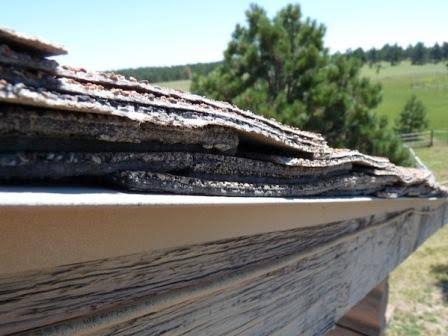
What Happens If You Have Three Layers?
If you are wondering how many layers of shingles should be on a roof and you discover you already have three, you are in a critical situation.
Having three layers is almost universally a violation of building codes in the United States. It poses severe risks:
- Structural Failure: The weight may exceed the design load of your roof trusses or rafters.
- Insurance Issues: Homeowners insurance providers may deny claims related to roof damage if they discover unpermitted or code-violating work. In some cases, they may cancel your policy entirely.
- Difficulty in Future Repairs: When the time comes to replace the roof again, the cost and labor required to remove three layers of bonded shingles will be exponentially higher than a standard tear-off.
If you suspect you have three layers, consult a licensed structural engineer or a certified roofing contractor immediately. Do not attempt to add another layer.
Factors That Determine Your Roof’s Limit
Not all roofs are created equal. Several variables influence whether you can safely add a second layer.
1. Local Building Codes
Regulations vary by state, county, and even city. For example, some areas in Florida or California with strict wind mitigation codes may prohibit overlays entirely to ensure proper nailing patterns into the deck. Always check with your local building department before starting work.
2. Condition of the Existing Roof
You cannot install new shingles over old ones if the existing roof is:
- Curling or buckling significantly.
- Missing large sections of shingles.
- Showing signs of water damage or leaks.
- Made of a different material (e.g., you cannot put asphalt shingles over wood shakes or slate without specific preparation).
3. Type of Shingles
Architectural (dimensional) shingles are thicker and heavier than traditional 3-tab shingles. If your first layer consists of heavy architectural shingles, adding a second layer may push the weight limit too far. Conversely, if the first layer is lightweight 3-tab, a second layer might be structurally safer, though still not ideal for longevity.
Step-by-Step: How to Check Your Current Layers
If you are unsure how many layers you currently have, follow these steps to investigate safely. Note: Always prioritize safety. Use a sturdy ladder and have a spotter.
- Inspect the Edge: Look at the edge of your roof near the gutter or fascia board. You can often see the distinct layers of shingles stacked on top of each other.
- Check Vent Pipes: Look around plumbing vents or chimney flashing. These penetrations often reveal the thickness of the roofing material.
- Review Home Records: If you bought the house recently, check the disclosure statements or previous inspection reports. They often note the number of layers.
- Consult a Professional: The most accurate method is to hire a roofer for a minor inspection. They can lift a corner of a shingle near the edge to count the layers precisely.
FAQ Section
Q1: Does adding a second layer of shingles void my warranty?
A: Yes, in most cases. Major manufacturers like GAF, Owens Corning, and CertainTeed typically require a complete tear-off to validate their full warranty. Installing over an existing layer may result in a limited or voided warranty, leaving you responsible for replacement costs if defects arise.
Q2: Is it cheaper to overlay shingles or tear them off?
A: Overlaying is initially cheaper because you save on labor and dumpster fees for disposing of the old material. However, when you factor in the reduced lifespan of the new shingles and potential future repair costs, a tear-off is often more cost-effective in the long run.
Q3: Can I mix different brands of shingles in different layers?
A: It is strongly discouraged. Different brands have varying thicknesses, granule compositions, and expansion rates. Mixing them can lead to uneven wear, poor sealing, and aesthetic issues. Stick to one consistent system if possible, or better yet, remove the old layer entirely.
Q4: How much weight does a second layer add to my roof?
A: A second layer of asphalt shingles adds approximately 2.5 to 3.5 pounds per square foot. For an average 2,000-square-foot roof, this equals an additional 5,000 to 7,000 pounds of weight. Ensure your home’s framing was built to handle this load.
Q5: Will having two layers affect my home’s resale value?
A: It can. Knowledgeable buyers and home inspectors often view multiple layers as a deferred maintenance issue. It may lower your appraised value or require you to reduce the price to account for the eventual costly tear-off the buyer will face.
Q6: Can I install metal roofing over two layers of shingles?
A: Generally, no. Most metal roofing manufacturers and building codes require a solid, flat substrate. Installing metal over two layers of shingles creates an uneven surface that can cause the metal panels to warp, leak, or fail. A tear-off is usually required before installing metal.
Conclusion
So, how many layers of shingles should be on a roof? The ideal answer is one. While a second layer is sometimes permissible under local codes, it comes with compromises in longevity, warranty coverage, and structural safety. Three layers are rarely acceptable and pose serious risks.
Investing in a complete tear-off ensures your home is protected, your warranty is valid, and your roof lasts as long as possible. Don’t let short-term savings lead to long-term headaches.
If you found this guide helpful, please share it with friends or neighbors who might be facing similar roofing decisions. A well-informed homeowner is a safe homeowner!
Leave a Reply