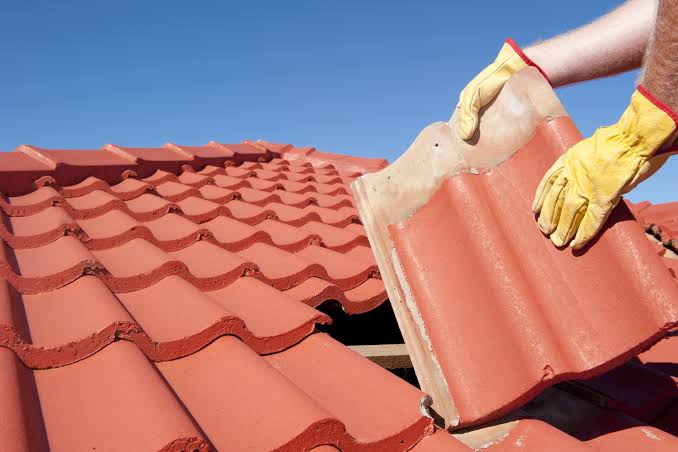
Leaking ceilings and missing shingles can turn your home into a stressful environment overnight. You are likely searching for answers because you need clarity on how much does it cost to get a roof fixed without breaking the bank. This guide breaks down the real numbers, hidden fees, and smart strategies to handle your roofing repairs confidently.
Understanding the Average Cost of Roof Repairs
When disaster strikes, the first question on every homeowner’s mind is the price tag. In the United States, the cost to repair a roof varies significantly based on the extent of the damage, the materials used, and your geographic location. However, having a baseline expectation helps you negotiate better with contractors and avoid overpaying.
According to recent industry data from 2025 and 2026, the national average for minor to moderate roof repairs ranges between $400 and $1,100. For more extensive structural issues or major storm damage, costs can climb between $1,200 and $3,500. If you are dealing with a complete section replacement rather than a simple patch, expect to pay upwards of $7,000.
It is crucial to understand that these figures are estimates. A small leak in an accessible area might only cost $200 to seal, while fixing water damage that has rotted the underlying decking could triple that amount. Always request at least three detailed quotes from licensed professionals to ensure you are getting a fair market rate.
Key Factors That Influence Repair Prices
Why do two neighbors pay different amounts for similar-looking repairs? The answer lies in several variable factors. Understanding these elements will help you anticipate where your money is going.
1. Type of Roofing Material
The material your roof is made of dictates both the labor complexity and the cost of supplies.
- Asphalt Shingles: The most common and affordable option. Repairs are straightforward, typically costing $150–$400 per section.
- Metal Roofing: Durable but requires specialized skills. Repair costs average $300–$800 due to the need for specific tools and sealing techniques.
- Tile or Slate: These are premium materials. Breaking a tile during repair is a risk, so labor is higher. Expect to pay $500–$1,000+ for repairs.
2. Extent of the Damage
Is it just a few missing shingles, or has water penetrated the underlayment?
- Surface Level: Replacing shingles or sealing flashings is cheap.
- Structural: If rot has set in, carpenters must replace the plywood decking before new roofing can be installed. This adds significant labor and material costs.
3. Roof Pitch and Accessibility
Safety is a major cost driver. A steeply pitched roof requires harnesses, scaffolding, and more time to navigate. Contractors charge a “steep slope premium,” which can increase labor costs by 20% to 50%. Similarly, if your roof is surrounded by tall trees or power lines, the difficulty level—and price—goes up.
4. Geographic Location
Labor rates in urban areas like New York City or San Francisco are naturally higher than in rural Midwest towns. Additionally, regions prone to hurricanes or heavy snowfall may have higher demand for roofers, driving up prices during peak seasons.
Common Roof Problems and Their Specific Costs
Not all repairs are created equal. Below is a breakdown of common issues and their typical price ranges in the current market.
| Repair Type | Description | Average Cost Range |
|---|---|---|
| Shingle Replacement | Fixing cracked, curled, or missing shingles. | $150 – $450 |
| Flashing Repair | Sealing metal strips around chimneys and vents. | $200 – $500 |
| Valley Repair | Fixing the intersection where two roof slopes meet. | $300 – $600 |
| Skylight Leak Fix | Resealing or replacing flashing around skylights. | $250 – $750 |
| Soffit/Fascia Repair | Fixing the wooden boards along the roof edge. | $200 – $1,000 |
| Emergency Tarping | Temporary cover to stop active leaking. | $150 – $300 |
Note: Prices include both labor and materials.
DIY vs. Professional Repair: When to Call an Expert
Many homeowners consider tackling minor repairs themselves to save money. While this is tempting, it comes with risks.
When DIY Might Work
If you are handy, have proper safety gear, and the issue is minor (like replacing a single visible shingle), you might spend only $50–$100 on materials. However, you must be comfortable working at heights. One slip can lead to severe injury or further damage to your home.
When to Hire a Pro
You should always hire a professional if:
- The leak source is not obvious.
- The roof pitch is steep.
- There is signs of mold or structural rot.
- The repair involves flashing around chimneys or vents.
Professional roofers carry liability insurance and workers’ compensation. If an accident occurs on your property during a DIY project, you could be held liable. Furthermore, improper repairs can void your manufacturer’s warranty. As noted by industry standards, proper installation is critical for longevity. For more details on roofing construction standards, you can refer to general building principles outlined on Wikipedia.
Hidden Costs to Watch Out For
When budgeting for how much does it cost to get a roof fixed, do not forget the hidden expenses that often surprise homeowners.
- Permit Fees: Many municipalities require permits for roof repairs exceeding a certain dollar amount. These can range from $50 to $500.
- Debris Removal: Hauling away old shingles and nails isn’t always included in the base quote. Ask if dumpster fees are covered.
- Interior Damage: If the leak has damaged drywall, insulation, or paint inside your attic or living space, those repairs are separate from the roof fix.
- Seasonal Surcharges: Emergency repairs during winter or after a major storm often come with a premium due to high demand and hazardous working conditions.
How to Save Money on Roof Repairs
Saving money doesn’t mean cutting corners; it means being strategic. Here are proven ways to reduce your out-of-pocket expenses.
- Get Multiple Quotes: Never accept the first estimate. Compare at least three detailed bids. Look for outliers—if one is significantly cheaper, ask why. It might indicate lower-quality materials.
- Check Your Homeowners Insurance: If the damage was caused by a storm, hail, or falling tree, your insurance may cover most of the cost. Review your policy’s deductible and coverage limits.
- Schedule Off-Season: Roofers are busiest in late summer and fall. Scheduling non-emergency repairs in late winter or early spring can sometimes yield discounts of 10% to 15%.
- Maintain Regularly: Annual inspections can catch small issues before they become expensive disasters. Cleaning gutters and trimming overhanging branches are free ways to protect your roof.
FAQ Section
1. Does homeowners insurance cover roof repairs?
Generally, yes, but only if the damage is sudden and accidental, such as from a storm, hail, or fallen tree. Wear and tear, lack of maintenance, or old age are typically excluded. Always file a claim promptly and document the damage with photos.
2. How long does a typical roof repair take?
Minor repairs, like replacing a few shingles, can be completed in 2–4 hours. More complex jobs involving flashing or decking replacement may take 1–2 days. Weather conditions can also cause delays.
3. Can I repair my roof myself?
While technically possible for very minor issues, it is not recommended for most homeowners. The risk of falls, improper sealing leading to future leaks, and voiding warranties makes professional hiring the safer and often more cost-effective choice in the long run.
4. What is the lifespan of a repaired roof section?
A properly executed repair should last as long as the surrounding roof material. If your roof is 20 years old and you patch a section, that patch will hold, but the rest of the roof may still fail soon. Consider the overall age of your roof when deciding between repair and replacement.
5. How do I find a trustworthy roofer?
Look for contractors who are licensed, insured, and have positive reviews on third-party sites like Google or BBB. Ask for references from past clients and verify their local business license. Avoid door-to-door solicitors who demand full payment upfront.
Conclusion
Knowing how much does it cost to get a roof fixed empowers you to make informed decisions for your home. While the average cost ranges from $400 to $1,100 for minor repairs, variables like material, location, and damage extent play huge roles. By understanding these factors, comparing quotes, and checking your insurance coverage, you can manage the expense effectively.
Don’t let a small leak become a major catastrophe. Address roofing issues promptly to protect your investment and your family’s comfort. If you found this guide helpful, please share it with your friends and neighbors on social media—they might need this information too!
Leave a Reply