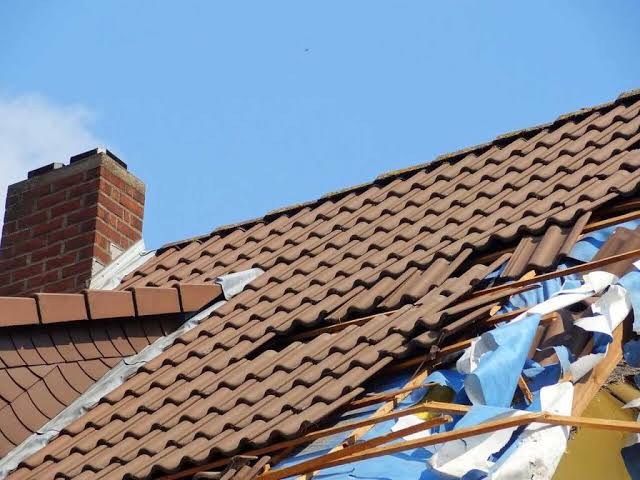
Replacing a roof is one of the most significant investments a homeowner can make. It protects your family, enhances curb appeal, and increases property value. However, the uncertainty surrounding the schedule often causes significant stress. You might be asking yourself, “How long does it take to get a roof done?” while worrying about weather delays, noise, and logistical disruptions.
Understanding the timeline helps you plan your life around the construction. In this guide, we will break down the exact steps, variables, and realistic expectations for roofing projects in the United States, ensuring you are fully prepared for the process.
What Is the Average Timeframe for a Roof Replacement?
When homeowners ask about roofing timelines, they are usually looking for a ballpark figure. For a standard single-family home in the US, a complete roof replacement typically takes 1 to 3 days.
However, this is an average, not a guarantee. Several factors influence this window:
- Small homes (under 1,500 sq. ft.): Often completed in 1 day.
- Medium homes (1,500–2,500 sq. ft.): Usually take 2 days.
- Large or complex homes (2,500+ sq. ft.): Can take 3 to 5 days.
If you are only getting a repair rather than a full replacement, the job might be finished in just a few hours. But for a full tear-off and installation, planning for a long weekend of disruption is wise.
Pro Tip: Always add a “buffer day” to your mental calendar. Unexpected issues like rotten decking or sudden rainstorms can extend the timeline by 24–48 hours.
Key Factors That Influence Roofing Duration
Why do some neighbors finish in a day while others take a week? The answer lies in the specific conditions of your project. Here are the primary variables that contractors consider when estimating time.
1. Roof Size and Complexity
Square footage is the most obvious factor. A simple gable roof is much faster to install than a roof with multiple hips, valleys, dormers, and chimneys. Each architectural feature requires precise cutting, flashing, and sealing, which slows down the crew significantly.
2. Material Type
Not all roofing materials are installed at the same speed.
- Asphalt Shingles: The fastest to install. Most US crews are highly efficient with these.
- Metal Roofing: Can be faster if using standing seam panels, but slower if using individual shingles.
- Tile or Slate: These are heavy and fragile. Installation is labor-intensive and can take 1 to 2 weeks for larger homes.
- Wood Shakes: Require careful handling and often need additional underlayment steps, extending the timeline.
3. Condition of the Existing Roof
If your current roof has multiple layers (which is common in older US homes), the removal process (“tear-off”) takes longer. Furthermore, once the old material is removed, the contractor must inspect the wood decking. If they find rot or water damage, they must replace the plywood before installing new shingles. This repair work adds time but is crucial for longevity.
4. Weather Conditions
Roofing is an outdoor job. Rain, high winds, or extreme heat can halt work entirely.
- Rain: Wet decks cannot be covered; it traps moisture and leads to mold.
- Wind: Safety hazard for workers and can blow away loose materials.
- Heat: In states like Arizona or Texas, midday heat may force crews to start earlier and stop during peak temperatures, stretching the job over more calendar days.
5. Crew Size and Experience
A larger, experienced crew can work faster. A typical team consists of 4–6 workers. One person manages debris, two remove old shingles, and others install the new material. Smaller companies with fewer hands on deck will naturally take longer.
Step-by-Step: The Roofing Process Timeline
To understand where the time goes, let’s look at the actual workflow. This breakdown assumes a standard asphalt shingle replacement on a medium-sized home.
Day 1: Preparation and Tear-Off
The crew arrives early, usually between 7:00 AM and 8:00 AM.
- Site Protection: They lay tarps around the perimeter to protect landscaping and catch falling nails.
- Dumpster Placement: A large dumpster is positioned for debris.
- Tear-Off: Workers strip the old shingles, underlayment, and flashing. This is the noisiest part of the process.
- Inspection: The bare wood deck is inspected for rot. Minor repairs are made immediately.
- Underlayment Installation: A water-resistant barrier is rolled out and nailed down.
By the end of Day 1, your house is vulnerable to rain, so weather monitoring is critical.
Day 2: Installation and Flashing
- Starter Strips: Special shingles are installed along the eaves to prevent wind uplift.
- Shingle Installation: The main field of shingles is nailed down. This is the bulk of the labor.
- Flashing: Metal flashing is installed around chimneys, vents, and walls. This is the most technical part, ensuring water tightness.
- Ridge Vents: Ventilation caps are installed at the peak of the roof.
Day 3: Cleanup and Final Inspection
- Debris Removal: All old shingles and nails are collected. Magnetic sweepers are often used to pick up stray nails from the lawn and driveway.
- Gutter Cleaning: Gutters are cleared of any granules or debris.
- Final Walkthrough: The project manager inspects the work with you to ensure satisfaction.
For a visual understanding of roofing materials and their lifespans, you can refer to general construction standards on Wikipedia’s Roofing page.
Comparison: Roofing Materials and Estimated Install Times
| Material | Average Install Time (2,000 sq. ft. home) | Durability | Cost Level |
|---|---|---|---|
| Asphalt Shingles | 1–2 Days | 15–30 Years | Low–Medium |
| Metal Panels | 2–3 Days | 40–70 Years | Medium–High |
| Clay/Concrete Tile | 5–7 Days | 50+ Years | High |
| Slate | 7–10 Days | 75–100+ Years | Very High |
| Wood Shakes | 3–5 Days | 20–30 Years | High |
Note: Times include tear-off and disposal.
Common Delays and How to Avoid Them
Even with the best planning, delays happen. Here are the most common culprits:
- Permit Issues: In many US municipalities, a permit is required before work begins. If your contractor waits until the last minute to apply, you could face a week-long delay. Solution: Ensure permits are secured before the start date.
- Material Shortages: Supply chain disruptions can delay specific color shingles. Solution: Confirm material availability in writing before signing the contract.
- Hidden Damage: As mentioned, rotten decking is often invisible until the old roof is removed. Solution: Ask your contractor how they charge for unexpected decking repairs (usually per sheet of plywood).
FAQ: Frequently Asked Questions About Roofing Timelines
1. Can I stay in my house while the roof is being replaced?
Yes, most homeowners stay in their homes. However, expect significant noise, vibration, and dust. If you have small children, elderly family members, or pets sensitive to noise, you might consider staying elsewhere for the 1–2 days of active tear-off and nailing.
2. Does rain stop the roofing process?
Yes. Roofers cannot install shingles on a wet deck because it voids warranties and traps moisture. If it rains, work will pause until the wood is completely dry. This is why scheduling during dry seasons (late spring to early fall) is ideal in most US regions.
3. How long does a roof inspection take?
A professional roof inspection typically takes 30 to 60 minutes. If you are getting an estimate, the inspector will walk the roof, check the attic for leaks, and assess the condition of the flashing and gutters.
4. What happens if the job isn’t finished in one day?
It is normal for jobs to span multiple days. Your contractor will cover the exposed underlayment with tarps if there is a risk of rain overnight. Ensure your contract specifies who is responsible for weatherproofing the site at the end of each day.
5. Do I need to be home during the installation?
You do not need to be home the entire time, but you should be available for the initial walkthrough and the final inspection. Make sure the crew has access to your backyard and that gates are unlocked.
6. How long does it take to get a roofing permit?
This varies by city and county. In some areas, permits are issued instantly online. In others, it can take 3 to 10 business days for approval. Always ask your contractor about local permit timelines during the quoting phase.
Conclusion
So, how long does it take to get a roof done? For the majority of US homeowners using asphalt shingles, the answer is 1 to 3 days. While this seems short, the preparation, permitting, and cleanup phases extend the overall project timeline to a few weeks from contract signing to completion.
By understanding the factors—such as roof complexity, material choice, and weather—you can set realistic expectations. Choose a reputable contractor who communicates clearly about potential delays, and ensure your home is prepared for the brief period of disruption.
A new roof is a long-term investment in your home’s safety and value. Don’t rush the selection process, but rest assured that the installation itself is quicker than you might think.
Found this guide helpful? Share it with your neighbors on Facebook or Twitter who might be considering their own roofing projects. Knowledge is power when it comes to home improvement!
Leave a Reply