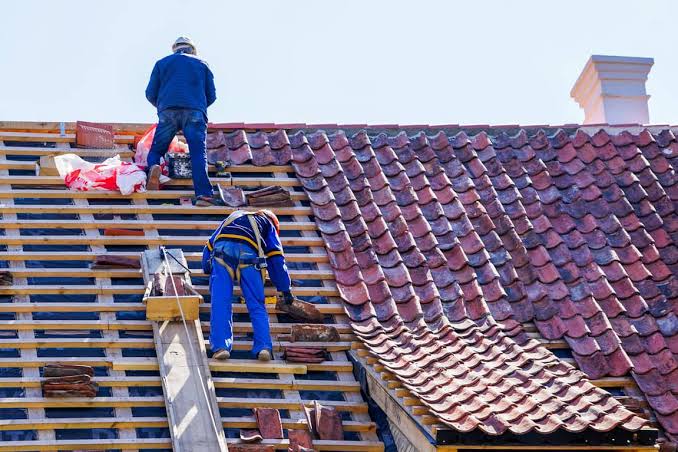
Have you noticed missing granules or curling edges on your current roof? It is a stressful realization, but knowing how long does it take to replace a shingle roof can help you plan your life around the construction noise and disruption. Most homeowners are surprised to learn that the actual installation is faster than they think, though preparation and cleanup play significant roles in the total timeline.
In this guide, we will break down the exact timeframe, the factors that influence speed, and what you can do to ensure your project stays on schedule. Whether you are dealing with a sudden leak or planning a proactive upgrade, understanding the clock is key to a smooth experience.
The Short Answer: Typical Timelines for Shingle Replacement
For the average single-family home in the United States, replacing an asphalt shingle roof typically takes one to three days.
However, “average” is a broad term. A small, simple ranch-style home with easy access might be completed in a single day by a large crew. Conversely, a multi-story Victorian home with complex angles, valleys, and chimneys could take up to a week.
According to industry standards, a professional roofing crew of 4–6 people can install approximately 1,000 to 1,500 square feet of roofing per day under ideal conditions. Since most residential roofs range from 2,000 to 3,000 square feet, the math suggests a 2-day job is the norm.
Why Speed Matters
You might wonder why speed is emphasized. Beyond convenience, a faster installation reduces the risk of weather damage. The longer your roof deck is exposed to the elements after the old shingles are removed, the higher the chance of water intrusion. Professional contractors prioritize efficiency not just for profit, but for protection.
Key Factors That Influence Your Roofing Timeline
While the 1–3 day estimate is a good baseline, several variables can stretch or shrink this window. Understanding these factors helps you set realistic expectations with your contractor.
1. Roof Size and Complexity
The sheer square footage is the most obvious factor. However, complexity often matters more than size.
- Simple Roofs: Large, flat planes with few penetrations (vents, pipes) are quick to strip and re-cover.
- Complex Roofs: Multiple gables, dormers, steep pitches, and intricate valleys require careful cutting and flashing work. This slows down the crew significantly as precision is prioritized over speed.
2. Condition of the Roof Deck
Once the old shingles are removed, the underlying wood decking is exposed. If the previous roof had leaks, the wood may be rotted or damaged.
- Minor Repairs: Replacing a few sheets of plywood adds only a few hours.
- Major Structural Issues: If widespread rot is found, the crew must stop installation to repair the structure. This can add 1–2 days to the project. Note: Ethical contractors will not cover damaged wood, as it voids warranties and compromises safety.
3. Weather Conditions
Roofing is an outdoor trade, making it highly susceptible to weather.
- Rain: Work stops immediately. Wet decks cannot be covered, and new shingles may not seal properly if installed in damp conditions.
- Wind: High winds make handling large sheets of underlayment dangerous and difficult.
- Temperature: Asphalt shingles become brittle in extreme cold and too soft in extreme heat. Ideal installation temperatures are between 40°F and 85°F.
4. Crew Size and Experience
A seasoned crew with a dedicated tear-off team and an installation team works much faster than a smaller, less experienced group. Always ask your contractor about their typical crew size for a project of your magnitude.
Step-by-Step: The Roof Replacement Process
To understand where the time goes, let’s look at the workflow. This breakdown assumes a standard 2,500 sq. ft. home with moderate complexity.
Day 1: Preparation and Tear-Off
The first day is often the loudest and most disruptive.
- Site Protection: The crew arrives early to protect your landscaping, lay down tarps, and set up dumpsters.
- Removal of Old Materials: Workers strip off the existing shingles, underlayment, and nail strips. This debris is chuted directly into the dumpster to keep the yard clean.
- Inspection: Once bare, the roof deck is inspected for rot or damage.
- Prep Work: Drip edges are installed, and any necessary deck repairs are made.
Time Estimate: 4–6 hours.
Day 2: Underlayment and Shingle Installation
This is the core construction phase.
- Ice and Water Shield: In colder climates, a self-adhering membrane is applied to eaves and valleys to prevent ice dams.
- Underlayment: A synthetic or felt barrier is rolled out over the entire deck to provide a secondary layer of water resistance.
- Shingle Installation: Starting from the bottom edge, shingles are nailed in place according to manufacturer specifications. Flashing is installed around chimneys, vents, and walls.
Time Estimate: 6–8 hours.
Day 3: Finishing Touches and Cleanup
The final day ensures longevity and aesthetics.
- Ridge Vents and Caps: Proper ventilation is installed along the peak to allow airflow, which extends the life of the shingles.
- Final Inspection: The foreman checks for loose nails, proper alignment, and sealed flashings.
- Cleanup: Magnets are used to pick up stray nails from the yard and driveway. All debris is hauled away.
Time Estimate: 2–4 hours.
Comparison: Architectural vs. 3-Tab Shingles
Not all shingles are created equal. The type of material you choose impacts both the look and the installation time.
| Feature | 3-Tab Shingles | Architectural (Laminated) Shingles |
|---|---|---|
| Installation Speed | Faster (lighter, easier to handle) | Slightly Slower (heavier, thicker) |
| Durability | Moderate (15–20 years) | High (25–30+ years) |
| Aesthetics | Flat, uniform look | Dimensional, textured look |
| Cost | Lower | Higher |
| Best For | Budget-conscious, rental properties | Homeowners seeking value and curb appeal |
While architectural shingles take slightly longer to install due to their weight and thickness, the difference is usually negligible—often just a matter of hours rather than days. For more detailed information on roofing materials, you can refer to Wikipedia’s entry on Roof Shingles to understand the historical and technical evolution of these products.
Frequently Asked Questions (FAQ)
1. Can I stay in my house during the roof replacement?
Yes, most homeowners stay in their homes. However, expect significant noise, vibration, and dust. If you work from home, consider arranging alternative workspace for the duration of the project. Pets and small children should be kept indoors or away from the work zone for safety.
2. What happens if it rains during the project?
Professional roofers monitor weather forecasts closely. If rain is predicted, they will either delay the start date or ensure that the section of the roof exposed that day is fully covered with waterproof underlayment before leaving. Never leave a roof deck exposed overnight if rain is possible.
3. Do I need to remove my satellite dish or solar panels?
Yes, any equipment mounted on the roof must be removed and reinstalled. This is often handled by specialized subcontractors (e.g., the solar company) and can add 1–2 days to the overall timeline. Coordinate this with your roofing contractor in advance.
4. How long does the warranty process take?
The physical installation is done in days, but the warranty registration happens afterward. Your contractor should provide you with manufacturer warranty documents within 2–4 weeks after completion. Ensure you receive these for your records.
5. Will my homeowner’s insurance cover the time it takes?
Insurance covers the cost of damage, not the time. However, if the replacement is due to a covered peril (like hail), the insurance adjuster’s inspection timeline can delay the start of work. This administrative phase can take 1–3 weeks before the crew ever arrives.
Conclusion
Knowing how long does it take to replace a shingle roof empowers you to plan effectively. While the average project spans 1 to 3 days, variables like roof complexity, weather, and deck condition can influence this timeline. By choosing a reputable contractor with a solid track record, you ensure that the job is done efficiently without sacrificing quality.
Remember, a rushed job can lead to leaks and premature failure. It is better to have a crew take an extra half-day to ensure proper flashing and ventilation than to save time at the expense of integrity.
Did you find this guide helpful? Share it with your neighbors on Facebook or Twitter who might be facing similar roofing decisions. A well-informed community makes for better home maintenance outcomes for everyone!
Leave a Reply