Replacing a roof is one of the most significant home maintenance investments you will ever make. It is not just about aesthetics; it is about protecting your family, your belongings, and the structural integrity of your home from the elements. If you are staring at curling shingles or dealing with a persistent leak, you are likely asking the critical question: how much does it cost to completely replace a roof?
The answer varies widely depending on materials, location, and labor, but understanding the breakdown can save you thousands. In this guide, we will dissect the costs, explore hidden fees, and provide you with the data needed to make an informed decision without breaking the bank.
Average Roof Replacement Costs in 2026
Before diving into specific materials, it is essential to understand the national averages. As of 2026, the cost to replace a roof on a standard 2,000-square-foot home typically ranges between $8,500 and $14,500. However, this is a broad average. High-end materials or complex architectural designs can push this figure well over $25,000.
Several factors influence this baseline price:
- Roof Size: Measured in “squares” (1 square = 100 sq. ft.).
- Pitch and Complexity: Steeper roofs require more safety equipment and labor time.
- Location: Labor rates in urban areas like New York or San Francisco are significantly higher than in rural Midwest regions.
- Material Choice: This is the single biggest variable in your final bill.
According to recent industry reports, labor accounts for approximately 60% of the total cost, while materials make up the remaining 40%. This highlights why choosing the right contractor is just as important as choosing the right shingle.
Cost Breakdown by Roofing Material
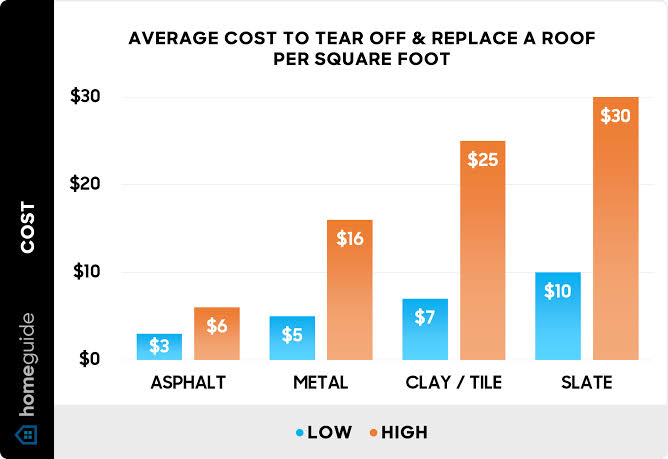
Not all roofs are created equal. The material you choose dictates not only the upfront cost but also the longevity and maintenance requirements of your home. Here is a detailed comparison of the most common roofing materials in the US market.
1. Asphalt Shingles
Asphalt remains the most popular choice in the United States due to its affordability and ease of installation.
- Average Cost: $3.50 – $5.50 per square foot installed.
- Lifespan: 15–30 years.
- Pros: Wide variety of colors, relatively easy to repair, cost-effective.
- Cons: Shorter lifespan compared to other materials, susceptible to wind damage if not installed correctly.
2. Metal Roofing
Metal roofs have surged in popularity due to their durability and energy efficiency. They are excellent for shedding snow and resisting fire.
- Average Cost: $7.00 – $12.00 per square foot installed.
- Lifespan: 40–70 years.
- Pros: Extremely durable, recyclable, reflects solar heat (lowering cooling bills).
- Cons: Higher upfront cost, can be noisy during rain without proper insulation, requires specialized installers.
3. Clay and Concrete Tiles
Common in the Southwest and Florida, these tiles offer a distinct Mediterranean aesthetic and incredible durability.
- Average Cost: $10.00 – $20.00 per square foot installed.
- Lifespan: 50–100 years.
- Pros: Fire-resistant, low maintenance, unique aesthetic appeal.
- Cons: Very heavy (may require structural reinforcement), fragile if walked on, expensive installation.
4. Slate Roofing
Slate is the luxury option, offering unmatched beauty and longevity. It is often found on historic homes or high-end estates.
- Average Cost: $15.00 – $30.00+ per square foot installed.
- Lifespan: 75–200 years.
- Pros: Naturally beautiful, virtually indestructible, adds significant property value.
- Cons: Prohibitive cost for many homeowners, requires highly skilled craftsmen, extremely heavy.
| Material | Avg. Cost per Sq. Ft. | Lifespan | Best For |
|---|---|---|---|
| Asphalt Shingles | $3.50 – $5.50 | 15-30 Years | Budget-conscious homeowners |
| Metal | $7.00 – $12.00 | 40-70 Years | Durability & Energy Efficiency |
| Clay/Concrete Tile | $10.00 – $20.00 | 50-100 Years | Hot climates & Specific Styles |
| Slate | $15.00 – $30.00+ | 75-200 Years | Luxury & Historic Homes |
Hidden Costs You Must Consider
When calculating how much does it cost to completely replace a roof, many homeowners forget to account for the “hidden” expenses that appear once the old roof is removed. These can add 10–20% to your initial quote.
Tear-Off and Disposal Fees
You cannot install a new roof over multiple layers of old roofing in most jurisdictions. The old material must be torn off and disposed of.
- Cost: $1.00 – $3.00 per square foot.
- Note: If your home has lead-based paint or asbestos-containing materials (common in homes built before 1980), hazardous material abatement costs will apply. For more information on building material safety standards, you can refer to Wikipedia’s page on Asbestos.
Decking Repair
Once the shingles are removed, the wooden deck underneath is exposed. If rot or water damage is found, these boards must be replaced.
- Cost: $20 – $30 per sheet of plywood, plus labor.
- Tip: Always ask your contractor if decking repair is included in the quote or billed separately.
Permit Fees
Most cities and counties require a permit for a full roof replacement to ensure code compliance.
- Cost: $150 – $500, depending on your municipality.
Chimney and Skylight Flashing
Flashing is the metal strip that seals joints around chimneys, vents, and skylights. It is best practice to replace flashing when replacing the roof to prevent future leaks.
- Cost: $300 – $800 per chimney/skylight.
Step-by-Step Guide to Budgeting for Your Roof
To avoid financial stress, follow this logical process when planning your project.
- Get Three Detailed Quotes: Never settle for the first estimate. Ensure each quote includes line items for materials, labor, tear-off, disposal, and permits.
- Check Insurance Coverage: If your roof damage was caused by a storm, hail, or falling tree, your homeowner’s insurance may cover part or all of the replacement. Review your policy deductibles.
- Verify Contractor Credentials: Look for licensure, insurance, and manufacturer certifications (e.g., GAF Master Elite or Owens Corning Platinum). A certified installer often offers better warranty terms.
- Understand the Warranty: Distinguish between the manufacturer’s warranty (covers material defects) and the workmanship warranty (covers installation errors). Aim for at least a 10-year workmanship warranty.
- Plan for Timing: Roofing prices can fluctuate based on demand. Scheduling your replacement in late fall or early spring (off-peak seasons) might secure you a better rate.
Frequently Asked Questions (FAQ)
1. Can I replace my roof myself to save money?
While DIY projects are tempting, roof replacement is not recommended for amateurs. It involves working at heights, handling heavy materials, and ensuring watertight sealing. Mistakes can lead to severe water damage, voided warranties, and personal injury. Professional installation ensures compliance with local building codes and manufacturer requirements.
2. How long does a complete roof replacement take?
For an average-sized home (2,000 sq. ft.), a professional crew can typically complete the job in 1 to 3 days. Larger homes, complex architectural features, or bad weather conditions can extend this timeline to a week.
3. Does a new roof increase home value?
Yes. According to real estate data, a new roof can recoup 60–70% of its cost in increased home value. More importantly, it makes your home more marketable, as buyers are often wary of purchasing homes with aging roofs.
4. What is the cheapest way to replace a roof?
The most cost-effective method is using 3-tab asphalt shingles. They are the least expensive material and require less specialized labor. However, consider the long-term cost; investing slightly more in architectural asphalt shingles or metal can save money on repairs and energy bills over time.
5. Should I repair or replace my roof?
If your roof is less than 10 years old and the damage is localized (e.g., a few missing shingles), repair is usually sufficient. However, if your roof is over 20 years old, has widespread granule loss, or leaks in multiple areas, complete replacement is more cost-effective in the long run.
Conclusion
Understanding how much does it cost to completely replace a roof is the first step toward protecting your biggest asset. While the average cost ranges from $8,500 to $14,500, your specific price will depend on material choices, structural needs, and local labor rates. By accounting for hidden costs like decking repair and permits, and by choosing a reputable, certified contractor, you can ensure a smooth installation process.
Don’t let the sticker price scare you away from necessary maintenance. A new roof provides peace of mind, energy efficiency, and curb appeal that lasts for decades.
Found this guide helpful? Share it with your friends on Facebook or Pinterest who might be facing similar home improvement decisions!
Leave a Reply