Replacing a roof is one of the most significant investments a homeowner can make. It protects your family, enhances curb appeal, and secures your property’s value. If you are currently stressing over budgets and quotes, you are not alone; understanding how much does it cost to do a new roof is the first step toward making a confident, financially sound decision.
In this guide, we will break down the real costs associated with roofing projects in 2026, helping you avoid unexpected surprises and choose the right materials for your home.
Understanding the Average Cost of Roof Replacement
When homeowners ask, “How much does it cost to do a new roof?” the answer varies significantly based on location, home size, and material choice. However, having a baseline expectation is crucial for budgeting.
As of 2026, the national average cost to replace a roof in the United States ranges between $8,500 and $14,500. For a standard 2,000-square-foot home, most homeowners spend around $11,000.
It is important to note that these figures are estimates. A small ranch-style home might cost as little as $5,000, while a large, complex multi-story home with premium materials can easily exceed $30,000. The price per square foot typically falls between $4.00 and $7.50, including both labor and materials.
Key Factors Influencing Price
- Roof Size: Measured in “squares” (100 square feet).
- Pitch and Complexity: Steeper roofs require more safety equipment and labor time.
- Material Type: Asphalt shingles are affordable; slate and metal are premium.
- Location: Labor rates in urban areas like New York or San Francisco are higher than in rural Midwest regions.
Breakdown by Roofing Material
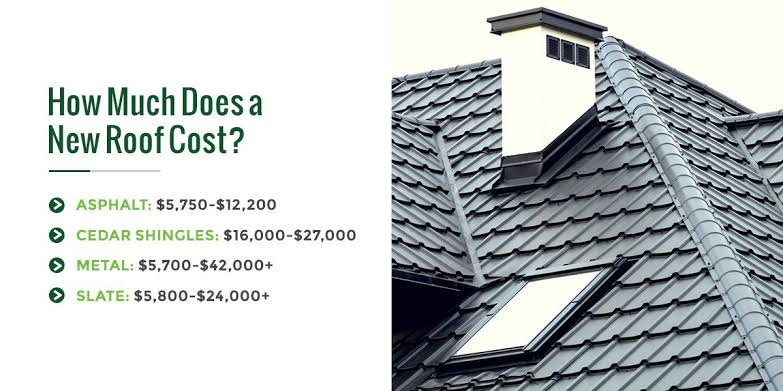
The material you choose is the single biggest variable in your total cost. Below is a detailed comparison of popular roofing materials available in the US market today.
| Material | Average Cost per Sq. Ft. | Lifespan | Pros | Cons |
|---|---|---|---|---|
| Asphalt Shingles | $4.00 – $6.50 | 15–30 Years | Affordable, easy to install, widely available | Shorter lifespan, prone to wind damage |
| Metal Roofing | $7.50 – $14.00 | 40–70 Years | Durable, energy-efficient, fire-resistant | Higher upfront cost, can be noisy |
| Clay/Concrete Tile | $10.00 – $20.00 | 50+ Years | Aesthetic appeal, extremely durable | Very heavy, requires structural support |
| Wood Shakes | $6.50 – $13.00 | 20–40 Years | Natural look, good insulation | High maintenance, fire risk |
| Slate | $15.00 – $30.00+ | 75–100+ Years | Luxury appearance, lasts a lifetime | Extremely expensive, fragile, heavy |
Why Asphalt Shingles Remain Popular
Despite the rise of metal roofing, asphalt shingles still account for nearly 80% of residential roofs in the US. They offer the best balance of cost and performance for the average homeowner. If you are looking to minimize immediate expenses, 3-tab asphalt shingles are the most economical option, though architectural shingles offer better durability for a slightly higher price.
Labor and Installation Costs
Many homeowners underestimate the labor component, which typically accounts for 60% to 70% of the total project cost. Skilled labor is not just about nailing shingles; it involves proper ventilation installation, flashing details, and waste removal.
What Drives Labor Costs Up?
- Roof Pitch: A steep roof (e.g., 8/12 pitch or higher) requires special harnesses, scaffolding, and slower work pace, increasing labor hours.
- Complexity: Multiple chimneys, skylights, valleys, and dormers require intricate cutting and sealing, which takes more time.
- Seasonality: Roofing demand peaks in late summer and early fall. Scheduling your project in late winter or early spring may yield lower labor rates due to contractor availability.
According to industry standards, a professional crew can typically complete a standard asphalt roof replacement in 1 to 3 days. Faster completion does not always mean better quality; ensure your contractor follows manufacturer guidelines for nail patterns and underlayment.
Hidden Costs and Additional Expenses
When calculating how much does it cost to do a new roof, you must account for more than just shingles and labor. Several ancillary costs can inflate your final bill if not planned for.
1. Old Roof Removal (Tear-Off)
Most local building codes require the removal of old roofing layers before installing new ones. This process, known as a “tear-off,” adds $1.00 to $3.00 per square foot to your cost. It includes labor for removal and fees for dumping the debris at a landfill.
2. Decking Repair
Once the old shingles are removed, contractors inspect the wooden deck underneath. If rot or water damage is found, plywood or OSB sheets must be replaced. Expect to pay $75 to $150 per sheet of plywood, plus labor.
3. Permits and Inspections
Most municipalities require a building permit for roof replacement. Permit fees vary by county but generally range from $150 to $500. This ensures the work meets local wind and fire safety codes.
4. Ventilation and Flashing
Upgrading ridge vents, soffit vents, and pipe boots is often recommended during a re-roof. Proper ventilation extends the life of your shingles by reducing heat buildup in the attic. Budget an extra $500 to $1,000 for comprehensive ventilation upgrades.
How to Choose the Right Roofing Contractor
Selecting the right professional is as critical as choosing the right material. A low bid might seem attractive, but it often signals corner-cutting on materials or insurance coverage.
Steps to Vet a Roofer:
- Check Licensing and Insurance: Ensure they have general liability and workers’ compensation insurance. Ask for proof.
- Read Reviews: Look for recent reviews on Google, Bing, and BBB. Pay attention to how they handle complaints.
- Get Multiple Quotes: Obtain at least three detailed written estimates. Compare line items, not just the bottom line.
- Ask About Warranties: A reputable roofer offers both a manufacturer’s warranty on materials and a workmanship warranty on labor (typically 2–10 years).
For more information on building standards and safety regulations, you can refer to general construction guidelines on Wikipedia.
FAQ Section
1. Can I install a new roof over the old one?
While technically possible in some jurisdictions, it is generally not recommended. Adding a second layer traps heat, voids manufacturer warranties, and makes it difficult to detect deck rot. Most experts advise a full tear-off for long-term durability.
2. Does homeowners insurance cover roof replacement?
Insurance typically covers roof damage caused by sudden events like hail, windstorms, or falling trees. It does not cover wear and tear, age-related deterioration, or lack of maintenance. Check your policy’s “actual cash value” vs. “replacement cost” clauses.
3. How long does a roof replacement take?
For an average-sized home using asphalt shingles, the process usually takes 1 to 3 days. Larger homes, complex designs, or premium materials like slate or tile can take 1 to 2 weeks. Weather delays are also common factors.
4. What is the most cost-effective roofing material?
Asphalt shingles are the most cost-effective option for most US homeowners. They provide adequate protection for 15–20 years at the lowest upfront cost. However, if you plan to stay in your home for 30+ years, metal roofing may offer better long-term value despite the higher initial price.
5. When is the best time of year to replace a roof?
Late spring and early fall are ideal. Temperatures are moderate, which helps asphalt shingles seal properly. Avoid extreme heat (which can make shingles too pliable) or freezing cold (which makes them brittle). Winter installations are possible but may carry higher risks of weather delays.
Conclusion
Understanding how much does it cost to do a new roof empowers you to navigate the renovation process with confidence. While the average cost hovers between $8,500 and $14,500, your specific price will depend on material choices, roof complexity, and local labor rates.
Remember, a roof is not just an expense; it is a critical shield for your home. Investing in quality materials and reputable labor pays dividends in longevity and peace of mind. Don’t rush the decision—get multiple quotes, check credentials, and plan for those hidden costs like decking repair and permits.
Found this guide helpful? Share it with friends or family who are considering home improvements! Spreading knowledge helps everyone make smarter financial decisions.