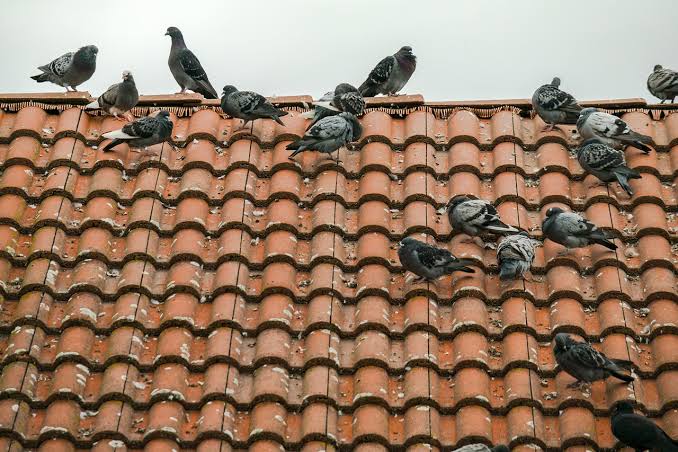
There is nothing quite as frustrating as hearing the cooing of birds at dawn or finding white droppings staining your freshly cleaned driveway. If you are reading this, you are likely dealing with a persistent flock that has decided your home is their new hangout spot. You are not alone; millions of homeowners face this issue annually, wondering how do you get rid of pigeons on the roof without causing harm to the birds or violating local wildlife laws.
This guide provides actionable, humane, and effective strategies to reclaim your space. We will move beyond old wives’ tales and focus on scientifically backed methods that ensure long-term results. Let’s dive into solving this problem together.
Why Are Pigeons Choosing Your Roof?
Before we discuss removal, it is crucial to understand attraction. Pigeons, specifically the Rock Dove (Columba livia), are creatures of habit. They do not choose your roof randomly. According to ornithological studies, pigeons seek three main things: safety from predators, easy access to food, and flat surfaces for nesting.
Your roof likely offers wide, flat ledges or sheltered eaves that mimic the cliff sides these birds evolved to inhabit in urban environments. Once a pair establishes a nest, they signal to the rest of the flock that the area is safe. This is why early intervention is critical. Ignoring the first few visitors often leads to a full-blown infestation within weeks.
What Are the Most Effective Physical Deterrents?
Physical barriers are widely considered the gold standard in pigeon control. Unlike chemical repellents, which can wash away in the rain, physical deterrents provide a constant reminder that your roof is not a welcoming place.
1. Bird Spikes
Bird spikes are perhaps the most common solution. These are strips of plastic or stainless steel with pointed rods that prevent birds from landing.
- Pros: Highly effective, low maintenance, invisible from the street.
- Cons: Can be difficult to install on curved tiles; requires professional installation for large areas.
2. Bird Netting
For larger open spaces, such as under eaves or around solar panels, netting is superior. It creates a physical barrier that pigeons cannot penetrate.
- Pros: Completely blocks access, durable (lasts 5-10 years).
- Cons: Visually obtrusive if not installed tightly; requires precise measurement.
3. Electric Track Systems
These systems deliver a mild, non-lethal shock when a bird lands. It conditions the pigeons to avoid the area entirely.
- Pros: Extremely effective for stubborn flocks; nearly invisible.
- Cons: Higher upfront cost; requires a power source or battery maintenance.
| Method | Effectiveness | Cost | Visibility | Maintenance |
|---|---|---|---|---|
| Spikes | High | Low-Medium | Low | Low |
| Netting | Very High | Medium | Medium | Medium |
| Electric | Very High | High | Very Low | Medium |
| Slopes | High | High | Low | None |
Do Visual and Sound Repellents Actually Work?
Many homeowners start with visual scares, such as plastic owls, reflective tape, or fake snakes. While these can provide temporary relief, their effectiveness diminishes rapidly. Pigeons are highly intelligent birds. Studies suggest that they can habituate to static objects within a few days if they realize there is no actual threat.
To make visual deterrents work, you must rotate them frequently. Move a plastic owl every two days. Combine this with auditory deterrents, such as ultrasonic devices. However, note that ultrasonic sounds have limited range and may not penetrate thick roofing materials. For serious infestations, visual and sound methods should only be used as a supplement to physical barriers, not as a standalone solution.
How Can You Make Your Roof Less Attractive?
If you want to know how do you get rid of pigeons on the roof permanently, you must remove the incentives. Pigeons are scavengers. If your roof is near a trash bin, a compost pile, or if neighbors feed birds nearby, your efforts will fail.
Sanitation is Key
Clean up any existing droppings immediately. Pigeon feces contain pheromones that attract other pigeons. Use an enzymatic cleaner to break down these scent markers. Ensure that all garbage bins are sealed tightly. If you have fruit trees, pick up fallen fruit daily.
Seal Entry Points
Inspect your roof for gaps. Pigeons can squeeze through openings as small as 2 inches. Use wire mesh or caulk to seal vents, chimneys, and gaps in the siding. This prevents them from nesting inside your attic or roof cavity, which can cause significant structural damage and fire hazards due to accumulated dry nesting material.
For more detailed information on pigeon behavior and biology, you can refer to the comprehensive entry on Wikipedia. Understanding their lifecycle helps in timing your exclusion efforts effectively, particularly before breeding season begins in spring.
Step-by-Step Guide to Installing Bird Spikes
If you decide to install bird spikes yourself, follow these precise steps to ensure durability and effectiveness.
- Measure the Area: Determine the linear footage of the ledges where pigeons land. Buy 10% extra material to account for cuts and errors.
- Clean the Surface: Scrub the ledge with a stiff brush and soapy water. Remove all droppings and debris. Allow it to dry completely. Safety Note: Always wear a N95 mask and gloves when handling bird droppings to protect against histoplasmosis.
- Prepare the Adhesive: Use a high-quality polyurethane construction adhesive. Do not use silicone, as it may not bond well with certain roofing materials.
- Apply the Spikes: Apply a bead of adhesive along the base of the spike strip. Press it firmly onto the ledge. If using screws, pre-drill holes to avoid cracking tiles.
- Join Strips: Overlap adjacent strips by at least 2 inches to prevent gaps where birds could land.
- Cure Time: Allow the adhesive to cure for 24–48 hours before exposing it to rain or checking for stability.
When Should You Call a Professional?
While DIY methods work for minor issues, some situations require expert intervention. If you have a large colony (more than 10 birds), if the nests are located in hard-to-reach areas, or if you suspect disease contamination, hire a licensed wildlife control professional.
Professionals have access to industrial-grade netting and lift equipment. They also understand local regulations regarding the removal of active nests, which is illegal in many US states during breeding season. Attempting to remove active nests with eggs or chicks can result in heavy fines.
FAQ Section
Q1: Is it legal to remove pigeons from my roof?
A: In the United States, Rock Doves (common pigeons) are generally not protected under the Migratory Bird Treaty Act. However, local city ordinances may have specific rules about humane treatment and disposal. Always check your local municipal codes before taking action. Never poison pigeons, as this is illegal and inhumane.
Q2: Will mothballs keep pigeons away?
A: No. Mothballs are ineffective against pigeons and can be toxic to pets and children. The smell is not strong enough to deter determined birds, and placing them on a roof poses environmental hazards as they dissolve in rain. Stick to physical barriers.
Q3: How often do I need to clean pigeon droppings?
A: You should clean droppings as soon as you notice them. Accumulated feces can corrode metal roofing, stain shingles, and harbor diseases like Histoplasmosis and Cryptococcosis. Regular cleaning also removes the scent markers that attract more birds.
Q4: Can pigeons damage my roof structure?
A: Yes. Their droppings are acidic and can degrade roofing materials over time. More importantly, their nesting materials are highly flammable and can block ventilation systems, leading to moisture buildup, mold, and even fire risks.
Q5: Do ultrasonic repellers work for pigeons?
A: Results are mixed. While some users report short-term success, pigeons often adapt to the noise. Ultrasonic devices are best used in combination with visual deterrents or physical barriers, rather than as a sole solution.
Q6: What is the best time of year to exclude pigeons?
A: The best time is late winter or early spring, before the breeding season begins. Excluding them before they build nests prevents legal issues and emotional distress associated with removing active nests.
Conclusion
Dealing with pigeons is a challenge, but it is certainly manageable. By understanding how do you get rid of pigeons on the roof through a combination of sanitation, physical barriers, and consistent maintenance, you can protect your home and your peace of mind. Remember, consistency is key. A one-time fix rarely works; you must make your property inhospitable to them permanently.
Start with a thorough inspection, choose the right deterrent for your roof type, and stay vigilant. Your home should be your sanctuary, not a bird bath.
Found this guide helpful? Share it with your neighbors on Facebook or Twitter to help your community stay pigeon-free!
Leave a Reply