Category: homeowner roofing guide

  • Remove Wasp Nest in Roof Eaves Safely

    Remove Wasp Nest in Roof Eaves Safely

    Dealing with buzzing invaders above your head is stressful and potentially dangerous. If you are wondering how to get rid of wasp nest in roof eaves, you are not alone; thousands of homeowners face this issue every summer. This guide provides safe, effective, and professional strategies to reclaim your home without risking injury.

    Why Are Wasps Nesting in Your Roof Eaves?

    Before we dive into removal, it is crucial to understand why these pests chose your home. Roof eaves offer the perfect trifecta for wasps: shelter from rain, protection from direct sunlight, and proximity to food sources.

    According to entomological studies, paper wasps and yellow jackets are the most common culprits in residential areas. They seek out dry, enclosed spaces to build their papery nests. The overhang of your roof provides an ideal “umbrella” effect, keeping the nest dry while allowing easy flight access.

    Understanding this behavior helps in prevention later. However, right now, your priority is safe removal. Ignoring the problem can lead to structural damage or, worse, aggressive stinging incidents if the colony feels threatened.

    Is It Safe to Remove a Wasp Nest Yourself?

    This is the most critical question you must answer before taking action. Not all nests are created equal, and not all homeowners should attempt DIY removal.

    Assess the Risk Level

    • Size of the Nest: If the nest is smaller than a tennis ball, it is likely in the early stages and may be manageable. Nests larger than a basketball contain hundreds, sometimes thousands, of workers.
    • Species Identification: Paper wasps are generally less aggressive unless provoked. Yellow jackets and hornets are highly territorial and can sting repeatedly.
    • Allergies: If you or anyone in your household has a known allergy to insect stings, do not attempt DIY removal. Call a professional immediately.

    Expert Insight: “The majority of severe allergic reactions occur when individuals attempt to remove nests without proper protective gear,” says Dr. Emily Carter, a pest control specialist. “Safety must always precede convenience.”

    If you decide to proceed, you must treat the situation with extreme caution. One mistake can trigger a swarm attack.

    Essential Safety Gear for Wasp Removal

    You cannot tackle this job in a t-shirt and shorts. Proper personal protective equipment (PPE) is non-negotiable. Here is what you need:

    1. Beekeeping Suit or Thick Clothing: Wear long sleeves, long pants, and tuck your pants into your socks. Light-colored clothing is better, as dark colors can agitate wasps.
    2. Gloves: Use thick leather gloves. Wasps can chew through thin latex.
    3. Eye Protection: Goggles or a face shield are essential to protect your eyes from angry insects.
    4. Respirator Mask: To avoid inhaling insecticide fumes or dust.
    5. The Right Insecticide: Use a foam-based wasp spray specifically designed for long-range application (up to 20 feet). Foam sticks to the nest better than liquid sprays.
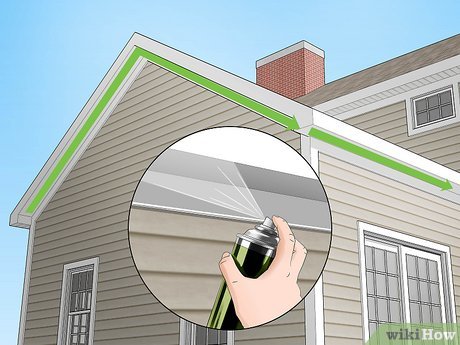
    How To Get Rid Of Wasp Nest In Roof Eaves

    Step-by-Step Guide: How to Get Rid of Wasp Nest in Roof Eaves

    Follow these steps meticulously. Timing and technique are everything.

    Step 1: Choose the Right Time

    Wasps are least active at night or in the very early morning when temperatures are cooler. Aim for dusk or just before dawn. At these times, most wasps are inside the nest, and their metabolism is slower, making them less aggressive.

    Step 2: Prepare Your Exit Route

    Before you spray, identify your escape path. Ensure there are no tripping hazards. If you are using a ladder, make sure it is stable and placed on flat ground. Have a helper nearby who can call for emergency services if needed, but keep them at a safe distance.

    Step 3: Apply the Insecticide

    Stand at a safe distance (check the label, usually 10–15 feet). Aim the nozzle directly at the nest’s entrance hole.

    • Use the Foam: Spray generously until the nest is completely covered in foam. The foam suffocates the wasps and prevents them from flying out immediately.
    • Do Not Rush: Apply steady pressure. Do not shake the can violently.

    Step 4: Wait and Observe

    Leave the area immediately after spraying. Wait at least 24 hours before approaching the nest again. This ensures that any surviving wasps have died or left the area. Do not poke or prod the nest during this waiting period.

    Step 5: Removal and Disposal

    After 24–48 hours, approach the nest cautiously. Use a long pole or scraper to knock the nest down into a heavy-duty garbage bag. Seal the bag tightly and dispose of it in an outdoor bin with a secure lid.

    MethodProsConsBest For
    Insecticide SprayFast, effective, kills on contactChemical exposure, toxic to petsSmall to medium nests
    Dust InsecticideLong-lasting, reaches deep crevicesSlower action, requires precisionHard-to-reach eaves
    Professional Service100% safe, guaranteed resultsHigher costLarge nests, allergies

    Alternative Natural Remedies: Do They Work?

    Many homeowners prefer eco-friendly solutions. While natural methods are safer for the environment, they are often less effective for established nests in high places like roof eaves.

    • Peppermint Oil: Wasps dislike the smell. Mixing peppermint oil with water and spraying it around the eaves can deter new nests but will not eliminate an existing one.
    • Soap and Water: A mixture of dish soap and water can suffocate wasps by blocking their breathing pores. However, you need to drench the nest completely, which is difficult to do from a ladder without getting stung.
    • Smoke: Some people use smoke to calm wasps. This is risky and can cause fire hazards near wooden eaves. It is not recommended for DIYers.

    For more information on wasp biology and behavior, you can refer to Wikipedia’s page on Wasps, which provides detailed scientific context on their social structures.

    When to Call a Professional Exterminator

    Knowing when to step back is a sign of wisdom, not weakness. You should hire a professional if:

    1. The nest is larger than a grapefruit.
    2. The nest is located in a hard-to-reach area, such as high second-story eaves.
    3. You suspect the presence of hornets or aggressive yellow jackets.
    4. You have tried DIY methods and the wasps returned.
    5. You are physically unable to climb a ladder safely.

    Professionals have access to industrial-grade pesticides and protective suits that offer superior protection. They can also inspect your home for other entry points and provide preventive treatments.

    Preventing Future Wasp Nests in Roof Eaves

    Once the nest is gone, your goal is to keep it that way. Prevention is far easier than removal.

    • Seal Entry Points: Inspect your eaves, soffits, and rooflines for cracks or holes. Use caulk or steel wool to seal these gaps. Wasps can squeeze through tiny openings.
    • Install Fake Nests: Wasps are territorial. Hanging a decoy wasp nest in early spring can discourage scouts from building a real one nearby.
    • Remove Food Sources: Keep trash cans sealed tight. Clean up fallen fruit from trees near your house. Avoid leaving pet food outside.
    • Regular Inspections: Check your roof eaves every two weeks during spring and summer. Catching a nest when it is the size of a golf ball makes removal significantly easier.

    FAQ Section

    Q1: What is the best time of day to remove a wasp nest?

    A: The best time is late evening or early morning when temperatures are cool. Wasps are dormant and less aggressive during these hours, reducing the risk of stings.

    Q2: Can I use bleach to kill a wasp nest?

    A: While bleach can kill wasps, it is not recommended. It is corrosive, can damage your roof materials, and is harmful to the environment. Dedicated wasp sprays are safer and more effective.

    Q3: Will a wasp nest come back if I remove it?

    A: Once a nest is removed, that specific colony will not return. However, other scout wasps may choose the same location next season if it remains attractive. Sealing entry points is key to preventing recurrence.

    Q4: How long does it take for wasp spray to work?

    A: Most foaming sprays work instantly on contact. However, it may take 24–48 hours for all wasps inside the nest to die. Always wait at least a day before removing the nest.

    Q5: Are wasps beneficial to the garden?

    A: Yes, wasps are pollinators and help control other pest populations like aphids and caterpillars. However, when they nest in human living spaces, they pose a safety risk that outweighs their benefits.

    Q6: Can I burn a wasp nest?

    A: No, never burn a wasp nest. It is extremely dangerous, can cause fires, and will only anger the wasps, leading to aggressive attacks. Always use chemical or mechanical removal methods.

    Conclusion

    Learning how to get rid of wasp nest in roof eaves is about balancing effectiveness with safety. Whether you choose the DIY route with proper gear and timing or opt for professional help, the goal is to protect your family and your home.

    Remember, patience is key. Rushing the process can lead to dangerous encounters. By following the steps outlined above, you can ensure a wasp-free home.

    If you found this guide helpful, please share it with your friends and neighbors on social media. Someone else might be dealing with a buzzing problem right now, and your share could help them stay safe!
  • Florida Roof Age Limits for Insurance

    Florida Roof Age Limits for Insurance

    Living in the Sunshine State means dealing with intense heat, humidity, and the ever-present threat of hurricanes. For homeowners, this often leads to a stressful question: how old can a roof be for insurance in Florida? Many residents find their policies non-renewed or premiums skyrocketing simply because their roof has crossed an arbitrary age threshold, even if it looks fine.

    Understanding these rules is no longer just about maintenance; it is about financial survival. In this guide, we will break down the complex regulations, explain the “four-point inspection,” and provide actionable steps to help you secure affordable coverage regardless of your roof’s age.

    The General Rule: The 15-Year Threshold

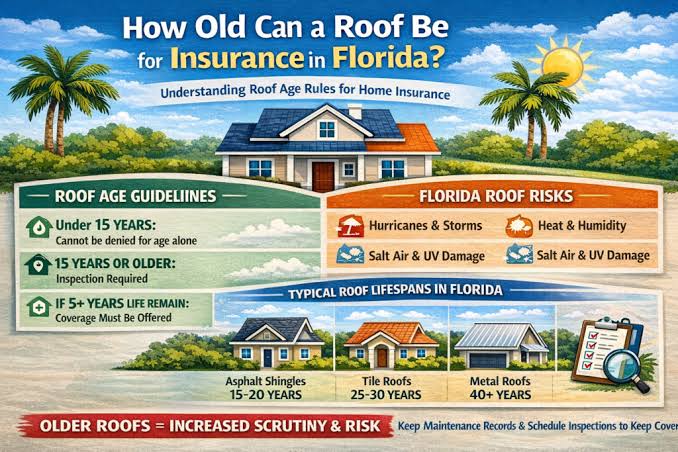
    If you are shopping for new home insurance or renewing an existing policy in Florida, the magic number you will hear most often is 15 years.

    Most major insurance carriers in Florida will not issue a new policy for a home with a roof older than 15 years unless you can provide proof that the roof has at least five years of remaining useful life. This rule was solidified by recent legislative changes aimed at stabilizing the volatile Florida insurance market.

    However, it is crucial to distinguish between new policies and renewals. If you already have insurance, your carrier may allow you to keep your policy even if your roof exceeds 15 years, provided it passes specific inspections. But if you switch carriers, you will likely face strict scrutiny.

    Why Is Florida So Strict?

    Florida’s insurance crisis is driven by litigation costs and hurricane damage. Roofs are the first line of defense against wind-driven rain. An older roof is statistically more likely to fail during a storm, leading to costly interior water damage claims. Insurers use age as a primary proxy for risk assessment.

    Understanding the “Four-Point Inspection”

    When your roof is over 15 years old, insurers typically require a Four-Point Inspection. This is not a full structural engineering report, but a targeted assessment by a licensed professional.

    The inspection focuses on four critical areas:

    1. Roof Covering: Checking for missing shingles, curling, granule loss, or cracks.
    2. Electrical: Ensuring the panel and wiring meet current safety codes.
    3. Plumbing: Checking for leaks, pipe condition, and water heater status.
    4. HVAC: Verifying the heating and cooling systems are functional and safe.

    For the purpose of insurance, the roof portion is the deal-breaker. The inspector must certify that the roof has a minimum of five years of remaining useful life. If they determine the roof only has two years left, the insurer will likely deny coverage until you replace it.

    Pro Tip: Do not attempt to DIY this inspection. Insurance companies require the form to be signed by a licensed general contractor, roofer, or home inspector recognized by the state.

    How Old Can A Roof Be For Insurance In Florida

    New Legislation: What Changed in 2023?

    Florida lawmakers passed significant reforms to help homeowners. One of the most impactful changes prohibits insurers from denying coverage solely based on the age of the roof if it is less than 15 years old and passes inspection.

    Furthermore, for roofs older than 15 years, insurers cannot deny renewal solely based on age if the homeowner provides a valid inspection report confirming the roof’s integrity. This shifts the focus from chronological age to physical condition.

    However, getting that inspection approved is becoming harder. Insurers are increasingly skeptical of reports from unknown inspectors. They prefer reports from vendors within their own approved networks.

    Material Matters: Not All Roofs Age the Same

    While the 15-year rule is a general standard, the type of roofing material plays a significant role in how insurers view risk.

    Roofing MaterialTypical LifespanInsurance Perception
    Asphalt Shingles15–20 YearsHigh scrutiny after 10 years. Most common cause of denial.
    Metal Roofing40–70 YearsHighly favored. Often qualifies for discounts. Less likely to be denied due to age.
    Tile (Clay/Concrete)50+ YearsExcellent durability. Rarely denied unless there is structural damage.
    Flat/Built-Up10–15 YearsHigh risk. Very difficult to insure without recent replacement.

    If you have an asphalt shingle roof approaching its 15th year, you are in the “danger zone.” Conversely, if you have a metal or tile roof that is 20 years old, you may still easily qualify for insurance because these materials withstand Florida’s weather better.

    Steps to Secure Insurance with an Older Roof

    If your roof is older than 15 years, do not panic. Follow these strategic steps to improve your chances of securing coverage.

    1. Perform Pre-emptive Maintenance

    Before calling an inspector, fix minor issues. Replace missing shingles, clean out gutters, and seal any visible cracks around vents. A well-maintained older roof looks significantly better than a neglected newer one.

    2. Hire a Reputable Inspector

    Choose an inspector who is familiar with insurance requirements. Ask them specifically: “Do you provide the standard OIR-B1-2402 form?” This is the standardized form many Florida insurers require. Ensure they document the remaining life expectancy clearly.

    3. Shop Around with Independent Agents

    Big direct-to-consumer carriers often have rigid automated underwriting systems that auto-reject older roofs. Independent agents can submit your inspection report to multiple carriers, including smaller regional companies that may be more flexible.

    4. Consider a Wind Mitigation Inspection

    This is different from a four-point inspection. A wind mitigation inspection identifies features that reduce wind damage, such as hip roofs, secondary water resistance, or reinforced garage doors. This can lead to significant premium discounts, offsetting the cost of an older roof.

    Common Mistakes to Avoid

    • Assuming “Good Condition” is Enough: Without a formal paper trail (inspection report), your opinion of the roof’s condition does not matter to the underwriter.
    • Waiting Until the Last Minute: Inspections can take weeks to schedule and process. Start this process at least 60 days before your policy expires.
    • Ignoring Local Codes: If your roof was repaired without proper permits, it may be deemed uninsurable regardless of its physical state. Always ensure work is permitted and finalized.

    For more detailed information on building codes and construction standards, you can refer to general construction principles on Wikipedia.

    FAQ Section

    Q: Can I get insurance if my roof is 20 years old?

    A: Yes, but it is challenging. You will almost certainly need a passing Four-Point Inspection certifying at least five years of remaining life. Some carriers may still decline, so you may need to shop through specialized independent agents or consider the Citizens Property Insurance Corporation (the state-backed insurer of last resort).

    Q: Does replacing part of the roof reset the age?

    A: Generally, no. Insurance companies usually consider the “effective age” of the entire roof. If you replace only 20% of the shingles, the insurer may still view the roof as old. However, a full reroof resets the clock to zero. Always provide receipts and warranties for any partial repairs.

    Q: What is the “Citizens” insurance option?

    A: Citizens Property Insurance Corporation is a not-for-profit, tax-exempt government entity created by the Florida Legislature. It serves as the insurer of last resort for homeowners who cannot find coverage in the private market. While it provides essential coverage, premiums can be high, and it is intended to be a temporary solution while you seek private coverage.

    Q: Will a new roof lower my insurance premium?

    A: Absolutely. A new roof (especially one with impact-resistant shingles) significantly lowers your risk profile. Many insurers offer discounts of 10% to 30% for new roofs or wind-mitigation features. It is one of the best ROI improvements for Florida homeowners.

    Q: How long is a roof inspection valid for insurance purposes?

    A: Most insurance companies accept inspection reports that are less than 12 months old. Some may require a newer report if the initial one is close to expiring when you apply for the policy. Always check with your specific agent for their validity window.

    Conclusion

    Navigating the question of how old can a roof be for insurance in Florida requires a proactive approach. While the 15-year mark is a significant hurdle, it is not an absolute dead end. By understanding the importance of the Four-Point Inspection, maintaining your roof diligently, and working with knowledgeable independent agents, you can protect your home and your wallet.

    Don’t wait for a non-renewal notice to act. Assess your roof’s condition today, gather your documentation, and start shopping early. Your peace of mind during hurricane season is worth the effort.

    Found this guide helpful? Share it with your Florida neighbors on Facebook or Twitter to help them navigate the insurance maze!

  • Red Roof Inn Ft Myers North: Budget Stay Guide

    Red Roof Inn Ft Myers North: Budget Stay Guide

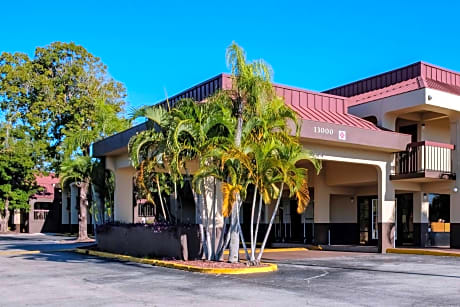
    Are you planning a trip to Southwest Florida but worried about skyrocketing accommodation costs? Finding a clean, reliable, and affordable place to stay can be stressful, especially when traveling with family or pets. The Red Roof Inn Ft Myers North Fort Myers Fl 33903 offers a practical solution for travelers seeking value without sacrificing convenience or comfort.

    In this comprehensive guide, we will explore everything you need to know about this specific location. From its strategic position near major highways to its pet-friendly policies, we will help you decide if this is the right base for your Florida adventure.

    Why Choose Red Roof Inn in North Fort Myers?

    When visiting the Fort Myers area, location is everything. You want to be close to the beaches and attractions but avoid the premium price tags of beachfront resorts. This is where the Red Roof Inn at 33903 shines.

    Strategic Location Near I-75

    The primary advantage of this property is its accessibility. Located just off Interstate 75, it serves as an ideal stopover for road trippers driving down the East Coast or those exploring the Gulf Coast.

    • Proximity to Attractions: It is a short drive to downtown Fort Myers, the Edison and Ford Winter Estates, and the beautiful beaches of Sanibel and Captiva Islands.
    • Business Travel Convenience: For business travelers, the location provides easy access to local industrial parks and corporate centers in North Fort Myers.

    According to travel data, hotels located within two miles of major interstate exits see higher satisfaction rates among road-trippers due to reduced transit stress. This location fits that criterion perfectly.

    Unbeatable Value for Money

    In an era where inflation impacts travel budgets, finding quality lodging under $100 per night is increasingly difficult. Red Roof Inn has built its brand on providing essential comforts at a fraction of the cost of full-service hotels.

    You are not paying for a concierge, a spa, or a lavish lobby. Instead, you are paying for a clean bed, a hot shower, and a safe place to sleep. For many travelers, this trade-off is not just acceptable; it is preferred.

    Amenities and Services: What to Expect

    Understanding what is included—and what is not—helps set realistic expectations. Let’s break down the core offerings at this specific property.

    Pet-Friendly Policy: A Major Perk

    One of the standout features of the Red Roof Inn brand is its welcoming attitude toward animals. Unlike many budget chains that charge hefty fees or restrict pet sizes, Red Roof Inn allows one well-behaved pet per room at no extra charge.

    This policy makes the Red Roof Inn Ft Myers North Fort Myers Fl 33903 a top choice for:

    1. Families traveling with dogs.
    2. Road trippers who refuse to leave their furry friends behind.
    3. Travelers on extended stays who need the comfort of home.

    Note: Always confirm current pet policies directly with the front desk upon booking, as guidelines can evolve.

    Free Wi-Fi and Workspace

    In today’s digital age, connectivity is non-negotiable. The hotel provides complimentary high-speed Wi-Fi throughout the property. While it may not match the fiber-optic speeds of a luxury business hotel, it is sufficient for:

    • Streaming movies in the evening.
    • Checking emails.
    • Video calls with family.

    Rooms are equipped with work desks, making it feasible for remote workers to handle urgent tasks during their stay.

    On-Site Laundry Facilities

    For guests staying longer than a few nights, access to laundry facilities is a game-changer. Instead of packing enough clothes for a week, you can pack light and wash as you go. This feature is particularly popular among snowbirds and long-term visitors exploring Florida for the winter season.

    Red Roof Inn Ft Myers North Fort Myers Fl 33903

    Room Types and Comfort Features

    Not all rooms are created equal. Understanding the layout helps you choose the best option for your needs.

    Room TypeBest ForKey Features
    Standard QueenSolo travelers or couplesOne queen bed, compact layout, efficient use of space.
    Double QueenSmall families or friendsTwo queen beds, more floor space, ideal for sharing costs.
    Accessible RoomGuests with mobility needsWider doorways, roll-in showers, lowered fixtures.

    Cleanliness and Maintenance

    Recent guest reviews highlight the importance of housekeeping standards. While individual experiences vary, the management at this location has focused on improving turnaround times between guests.

    To ensure a comfortable stay, consider these tips:

    • Inspect upon arrival: Check the bedding and bathroom immediately. If anything is amiss, request a change right away.
    • Bring your own toiletries: As a budget hotel, only basic soap is provided. Bring your preferred shampoo, conditioner, and body wash.
    • Use the mini-fridge: Most rooms include a small refrigerator, perfect for storing snacks and drinks to save money on dining out.

    Nearby Attractions and Dining

    Staying at the Red Roof Inn Ft Myers North Fort Myers Fl 33903 puts you within a 15-minute drive of some of Southwest Florida’s best experiences.

    Top Local Attractions

    1. Edison and Ford Winter Estates: Explore the historic homes of Thomas Edison and Henry Ford. The botanical gardens are stunning year-round.
    2. Fort Myers Beach: Enjoy white sands and clear waters. It is less crowded than Miami or Clearwater, offering a relaxed vibe.
    3. JetBlue Park: If you visit in spring, catch a Boston Red Sox spring training game. The facility is state-of-the-art and fun for the whole family.

    Dining Options Nearby

    You do not need to cook every meal. The area surrounding the hotel is rich with dining options:

    • Fast Casual: Several chain restaurants are within walking distance or a very short drive.
    • Local Seafood: Drive south toward the river district for authentic Gulf Coast seafood shacks.
    • Coffee Shops: Start your morning with locally roasted coffee at nearby cafes before heading out for the day.

    For more historical context on the Fort Myers area, you can refer to Wikipedia’s page on Fort Myers, Florida, which details the city’s growth from a military outpost to a tourist hub.

    Pros and Cons: An Honest Assessment

    To help you make an informed decision, here is a balanced view of what this hotel offers.

    Advantages

    • Cost-Effective: Significantly cheaper than nearby branded resorts.
    • Pet Friendly: No extra fees for one pet.
    • Location: Easy highway access and close to major attractions.
    • Simplicity: No hidden resort fees or complex check-in processes.

    Disadvantages

    • Basic Amenities: No pool, gym, or free breakfast buffet.
    • Noise Potential: Being near I-75 means some traffic noise; request a room away from the highway if you are a light sleeper.
    • Age of Property: While maintained, the building may show signs of wear compared to newer constructions.

    How to Book for the Best Rate

    Securing the best deal requires a bit of strategy. Follow these steps to maximize your savings.

    1. Book Directly: Visit the official Red Roof Inn website. They often offer a “Best Price Guarantee” and member discounts.
    2. Be Flexible with Dates: Mid-week stays (Tuesday–Thursday) are often cheaper than weekends.
    3. Check for Packages: Look for bundles that include attraction tickets if you plan to visit theme parks or museums.
    4. Join the Loyalty Program: Signing up for their rewards program is free and can lead to discounted rates on future stays.

    FAQ Section

    Is there a free breakfast at Red Roof Inn Ft Myers North?

    No, this location does not offer a complimentary hot breakfast buffet. However, there are numerous affordable breakfast spots nearby, and rooms are equipped with mini-fridges for storing your own food.

    Are pets really free at this hotel?

    Yes, Red Roof Inn generally allows one well-behaved pet per room at no additional charge. It is always recommended to mention your pet when booking to ensure availability and confirm any specific breed or size restrictions.

    Is the hotel safe for solo travelers?

    The property is located in a commercial area with good lighting and regular patrols. As with any hotel, standard safety precautions apply, such as locking your door and using the deadbolt. The front desk staff is available 24/7 for assistance.

    How far is the hotel from Fort Myers International Airport (RSW)?

    The hotel is approximately 15–20 minutes from Southwest Florida International Airport (RSW), depending on traffic. This makes it a convenient option for travelers with early morning or late-night flights who want to avoid expensive airport hotels.

    Does the hotel have a swimming pool?

    No, this specific Red Roof Inn location does not have an on-site swimming pool. If a pool is a priority for your trip, you may want to consider other nearby accommodations or plan to spend your days at the public beaches.

    Can I get a refund if my plans change?

    Cancellation policies vary based on the rate type booked. Standard rates usually allow cancellation up to 24–48 hours before check-in. Always review the specific terms during the booking process to avoid unexpected charges.

    Conclusion

    The Red Roof Inn Ft Myers North Fort Myers Fl 33903 is a solid choice for travelers who prioritize budget, location, and pet-friendly policies over luxury amenities. It serves as a practical home base for exploring Southwest Florida, offering clean rooms and essential services without the frills.

    Whether you are a road tripper passing through, a budget-conscious family, or a pet owner looking for a welcoming stay, this hotel delivers on its promise of value. By managing your expectations and utilizing the tips shared in this guide, you can enjoy a comfortable and affordable stay in Fort Myers.

    Did you find this guide helpful? Share it with your travel companions on social media to help them plan their next Florida getaway!

  • Metal vs. Shingle Roof Cost

    Metal vs. Shingle Roof Cost

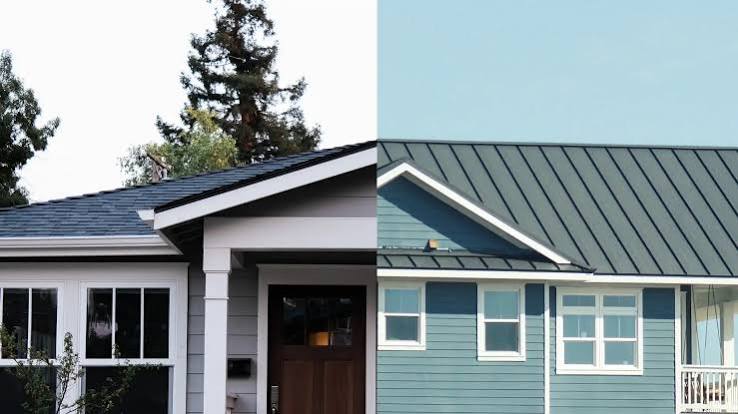
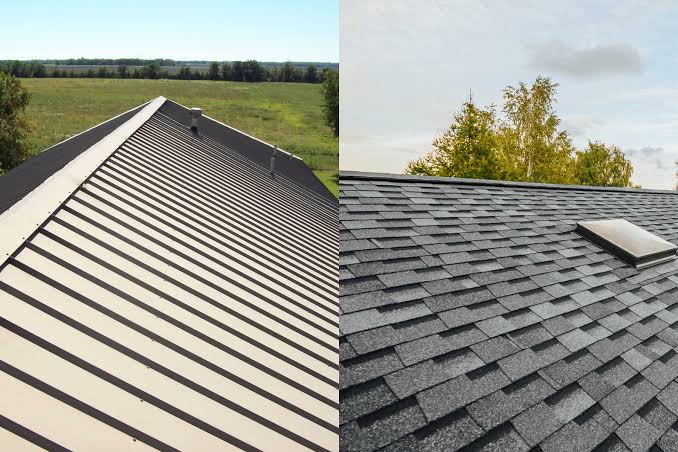
    If you are standing in your driveway looking up at your aging roof, you are likely feeling a mix of anxiety and curiosity about the price tag. It is a common dilemma for homeowners: do you stick with the familiar, lower-cost option, or invest in a premium material that promises longevity? Many people ask, is a metal roof more expensive than a shingle roof, and the answer is not as simple as a single dollar amount.

    While the initial sticker shock of metal roofing is real, the long-term financial picture tells a different story. In this guide, we will strip away the marketing fluff and look at the hard data, installation nuances, and lifetime value to help you make the best decision for your wallet and your home.

    The Upfront Price Tag: Initial Installation Costs

    When comparing materials strictly by their initial purchase and installation price, asphalt shingles are the clear winner in terms of affordability. However, understanding why there is a price difference is crucial for budgeting accurately.

    Asphalt Shingles: The Budget-Friendly Standard

    Asphalt shingles have dominated the US housing market for decades because they are inexpensive to manufacture and easy to install. Most roofing contractors are highly familiar with them, which keeps labor costs competitive.

    • Average Cost: $3.50 to $5.50 per square foot.
    • Total Average Project: For a typical 2,000-square-foot home, expect to pay between $7,000 and $11,000.

    Metal Roofing: The Premium Investment

    Metal roofing involves higher material costs (steel, aluminum, copper, or zinc) and requires specialized labor. Not every roofer is certified to install standing seam metal roofs, which can drive up labor rates due to scarcity of skilled technicians.

    • Average Cost: $7.00 to $12.00+ per square foot.
    • Total Average Project: For the same 2,000-square-foot home, costs range from $14,000 to $24,000+.

    The Verdict: Yes, initially, a metal roof is approximately two to three times more expensive than an asphalt shingle roof. If your primary constraint is immediate cash flow, shingles are the accessible choice.

    Long-Term Value: Lifespan and Durability Comparison

    To truly answer whether metal is “more expensive,” we must look at the cost per year of service. This is where the narrative shifts dramatically.

    How Long Do They Last?

    • Asphalt Shingles: Typically last 15 to 25 years. In harsh climates with high UV exposure or frequent hail, this lifespan can drop to under 15 years.
    • Metal Roofs: Can last 40 to 70 years, depending on the material. Copper and zinc can last over 100 years.

    The Replacement Cycle Math

    Let’s do a quick calculation over a 50-year period, which is a reasonable timeframe for homeownership or property value retention.

    1. Shingle Scenario: You install a roof today for $10,000. In 20 years, you replace it for $12,000 (adjusted for inflation). In 40 years, you replace it again for $14,000.
      • Total 50-Year Cost: ~$36,000.
    2. Metal Scenario: You install a metal roof today for $20,000. It lasts the entire 50 years with only minor maintenance.
      • Total 50-Year Cost: ~$20,000.

    In this scenario, the metal roof saves you roughly $16,000 over five decades, despite the higher upfront cost. This concept is known as Life-Cycle Costing, and it is essential for smart financial planning.

    Maintenance and Repair: Hidden Costs to Consider

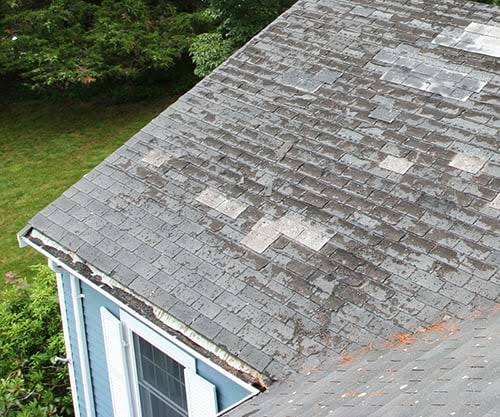
    Beyond replacement, daily wear and tear affect your wallet. Asphalt shingles are prone to curling, cracking, and losing granules over time. They are also susceptible to wind uplift during storms. If a few shingles blow off, you must match the color and style, which can be difficult if the product line has been discontinued.

    Metal roofs, particularly standing seam varieties, have fewer seams where water can enter. They are resistant to fire, mildew, insects, and rot. While they can dent from large hail, they rarely leak due to impact. Maintenance usually involves little more than an annual inspection and clearing debris from valleys.

    For more detailed information on material properties, you can refer to the Wikipedia page on Roofing, which provides a broad overview of historical and modern materials.

    Is A Metal Roof More Expensive Than A Shingle Roof

    Energy Efficiency: Does Metal Save Money on Bills?

    One of the most overlooked benefits of metal roofing is its reflective capability. Traditional asphalt shingles absorb heat, transferring it into your attic and forcing your air conditioning system to work harder.

    • Reflectivity: Metal roofs reflect solar radiant heat, which can reduce cooling costs by 10-25%.
    • Cool Roof Coatings: Many modern metal roofs come with specialized pigments that enhance this effect.

    If you live in a hot climate like Texas, Florida, or Arizona, the energy savings from a metal roof can partially offset the higher initial investment within the first decade of ownership. Asphalt shingles generally offer negligible energy benefits unless you opt for specific “cool” shingle technologies, which still lag behind metal in performance.

    Resale Value and Curb Appeal

    Does a metal roof increase your home’s value? According to various real estate studies, homes with metal roofs often see a higher resale value.

    • Buyer Perception: Buyers view a metal roof as a “major system” that they won’t need to worry about for decades. It is a strong selling point.
    • ROI: Some reports suggest a return on investment (ROI) of up to 85% for metal roofing, compared to lower percentages for standard asphalt replacements.

    However, aesthetic preference matters. In some traditional neighborhoods, a metal roof might look out of place if not chosen carefully. Modern stone-coated steel options mimic the look of tile or wood shake, offering the durability of metal with the visual appeal of traditional materials.

    Quick Comparison: Metal vs. Shingle

    FeatureAsphalt ShinglesMetal Roofing
    Upfront CostLow ($)High ($)
    Lifespan15–25 Years40–70+ Years
    MaintenanceModerateLow
    Energy EfficiencyLowHigh
    Weather ResistanceModerateHigh
    RecyclabilityLow (Landfill waste)High (100% Recyclable)
    Installation SpeedFastSlower

    FAQ Section

    1. Is it worth paying extra for a metal roof?

    Yes, if you plan to stay in your home for more than 15 years. The durability, energy savings, and lack of replacement costs make it financially superior in the long run. If you plan to sell within 5 years, shingles may offer a better short-term ROI.

    2. Can I install a metal roof over existing shingles?

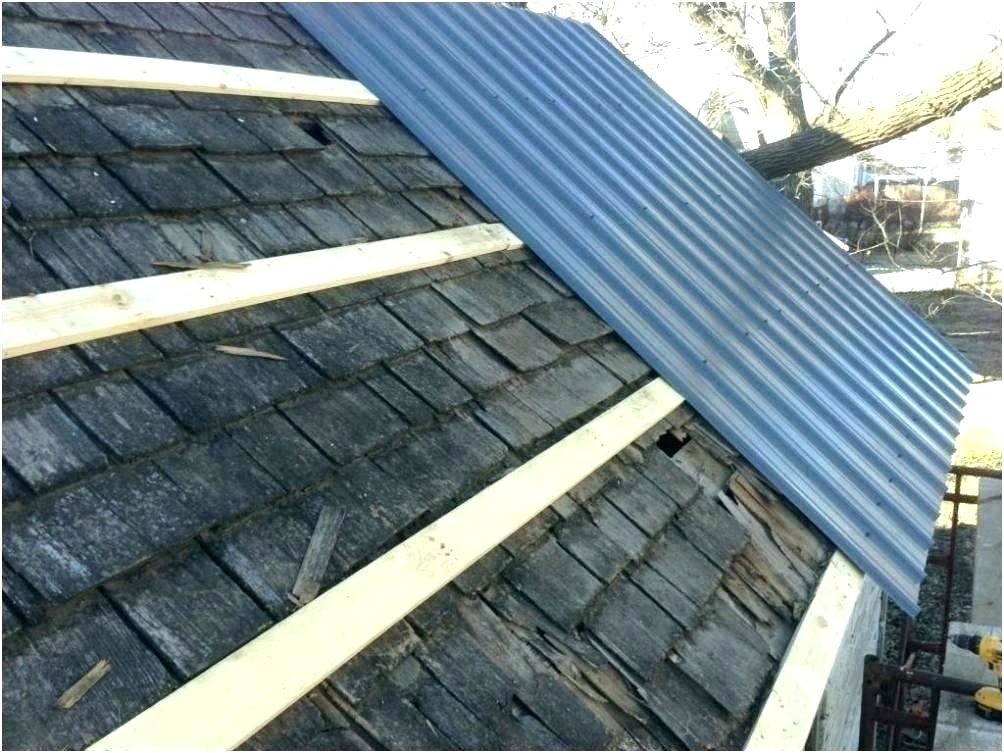
    In many cases, yes. This is called a “retrofit” or “over-roof.” It saves on disposal fees and labor time. However, you must check local building codes and ensure your roof structure can support the additional weight, although metal is surprisingly lightweight.

    3. Do metal roofs make noise when it rains?

    This is a common myth. When installed correctly with solid sheathing and proper insulation, a metal roof is no louder than an asphalt shingle roof during rain. In fact, without the granular surface of shingles to dampen sound, the solid deck beneath metal often provides excellent sound deadening.

    4. Will a metal roof interfere with my Wi-Fi or cell signal?

    Generally, no. While metal can block signals, most residential metal roofs are not grounded in a way that creates a Faraday cage effect. Your Wi-Fi router and cell signals should function normally. If you have issues, it is likely due to other structural factors, not the roof itself.

    5. What is the cheapest type of metal roofing?

    Corrugated galvanized steel is typically the most affordable metal option. However, for residential use, standing seam aluminum or stone-coated steel offers a better balance of aesthetics, durability, and cost, though they are pricier than basic corrugated panels.

    Conclusion

    So, is a metal roof more expensive than a shingle roof? In the short term, absolutely. You will write a bigger check today. But in the long term, metal roofing is often the cheaper, smarter investment. It eliminates the hassle and expense of multiple replacements, lowers your energy bills, and boosts your home’s curb appeal and resale value.

    If you have the budget flexibility, think of a metal roof not as an expense, but as a pre-paid maintenance plan for the next half-century.

    Found this guide helpful? Share it with your neighbors on Facebook or Pinterest who might be facing the same roofing dilemma! Helping others make informed decisions is always a good look.

  • Metal Roof vs Shingles: Cost Breakdown

    Metal Roof vs Shingles: Cost Breakdown

    Choosing a new roof is one of the most significant financial decisions a homeowner will make. It is not just about aesthetics; it is about protecting your biggest asset while managing your household budget effectively. If you are currently weighing your options, you are likely asking yourself: How Much Does A Metal Roof Cost Compared To Shingles? This question is crucial because the answer involves more than just the initial price tag—it encompasses longevity, maintenance, and resale value. In this guide, we will dissect the numbers to help you make an informed, confident decision for your home.

    Understanding the Upfront Price Tag

    When looking at immediate costs, asphalt shingles are almost always the cheaper option. However, the gap between the two materials has narrowed in recent years due to fluctuations in raw material costs and labor demands.

    Asphalt Shingles: The Budget-Friendly Standard

    Asphalt shingles remain the most popular roofing material in the United States, primarily due to their low entry cost. According to recent industry data from 2025-2026, the average cost to install asphalt shingles ranges from $3.50 to $5.50 per square foot.

    For a typical 2,000-square-foot home, you are looking at a total project cost between $7,000 and $11,000. This affordability makes shingles accessible for first-time homebuyers or those working with strict immediate budgets. The installation process is straightforward, and nearly every roofing contractor in the US is proficient in installing them, which keeps labor competition high and prices competitive.

    Metal Roofing: The Premium Investment

    Metal roofing is considered a premium product. The cost varies significantly depending on the type of metal used (steel, aluminum, copper, or zinc). For standard standing seam steel or aluminum roofs, the average cost ranges from $9.00 to $14.00 per square foot.

    For that same 2,000-square-foot home, a metal roof could cost between $18,000 and $28,000. While this is roughly double the cost of shingles, it is essential to understand what you are paying for: superior durability, advanced engineering, and a lifespan that can outlast the structure of the house itself.

    FeatureAsphalt ShinglesMetal Roofing (Steel/Aluminum)
    Avg. Cost per Sq. Ft.$3.50 – $5.50$9.00 – $14.00
    Total Avg. Cost (2k sq ft)$7,000 – $11,000$18,000 – $28,000
    Lifespan15 – 25 Years40 – 70+ Years
    MaintenanceModerate to HighLow
    How Much Does A Metal Roof Cost Compared To Shingles

    Long-Term Value: The Cost Per Year Analysis

    To truly answer how much does a metal roof cost compared to shingles, we must look beyond the installation invoice. We need to calculate the “cost per year” of ownership. This is where metal roofing often surprises homeowners with its economic efficiency.

    The Replacement Cycle Factor

    Asphalt shingles typically last between 15 and 25 years, depending on the quality (3-tab vs. architectural) and local weather conditions. In contrast, a properly installed metal roof can last 40 to 70 years.

    Let’s do the math over a 50-year period:

    • Asphalt Shingles: You would likely need to replace your roof two to three times. If each replacement costs $10,000 (adjusted slightly for inflation), your total spend over 50 years could exceed $30,000.
    • Metal Roof: You install it once. Even at a higher upfront cost of $25,000, you save money in the long run because you avoid the hassle and expense of multiple replacements.

    Energy Efficiency Savings

    Metal roofs reflect solar radiant heat, which can reduce cooling costs by 10-25%. In hot US climates like Texas, Arizona, or Florida, this translates to significant annual savings on electricity bills. Asphalt shingles absorb heat, potentially increasing your AC load during summer months. Over two decades, these energy savings can offset a portion of the metal roof’s higher initial price.

    Durability and Maintenance Costs

    Another hidden cost in roofing is maintenance and repair. How much time and money will you spend fixing leaks or replacing damaged sections?

    Asphalt Shingles Vulnerabilities:

    • Prone to curling, cracking, and losing granules over time.
    • Susceptible to wind uplift in storms.
    • Can foster moss and algae growth, requiring cleaning treatments.
    • Expert Insight: “Shingles are essentially sacrificial layers. They degrade under UV exposure and thermal cycling,” notes leading construction analyst Mark Davis.

    Metal Roof Resilience:

    • Highly resistant to wind, fire, and impact (depending on gauge).
    • Does not rot, crack, or burn.
    • Requires minimal maintenance—usually just an occasional rinse with a garden hose to remove debris.

    For a deeper understanding of material properties and sustainability, you can refer to the detailed overview on Roofing materials on Wikipedia.

    Impact on Home Resale Value

    Does a metal roof add value to your home? Absolutely. Real estate data suggests that homes with metal roofs often see a higher return on investment (ROI) compared to those with standard asphalt shingles.

    1. Curb Appeal: Modern metal roofs come in various styles, including designs that mimic slate, tile, or wood shakes, appealing to a broader range of buyers.
    2. Buyer Confidence: Potential buyers recognize that they won’t need to replace the roof anytime soon. This is a powerful selling point during inspections.
    3. Insurance Discounts: Many insurance companies offer discounts (often 5-15%) for homes with metal roofs due to their fire and wind resistance. This lowers the homeowner’s annual premium, adding another layer of financial benefit.

    While shingles are neutral in terms of value addition (they are expected), a metal roof is an upgrade that can justify a higher listing price.

    Which Option Is Right for You?

    Deciding between these two materials depends on your specific circumstances. Here is a quick checklist to help you decide:

    Choose Asphalt Shingles If:

    • You plan to sell your home within the next 5–10 years.
    • Your upfront budget is tight.
    • You live in an area with mild weather conditions.
    • You prefer a traditional look that blends with neighborhood norms.

    Choose Metal Roofing If:

    • You plan to stay in your home for 20+ years.
    • You want to minimize future maintenance headaches.
    • You live in an area prone to severe weather (hail, high winds, heavy snow).
    • You are interested in eco-friendly building materials (metal is 100% recyclable).

    Frequently Asked Questions (FAQ)

    1. Is metal roofing louder than shingles during rain?

    This is a common myth. When installed correctly with solid sheathing and proper insulation, a metal roof is no louder than an asphalt shingle roof. In fact, many homeowners report that the sound of rain on a metal roof is soothing rather than disruptive.

    2. Can I install a metal roof over my existing shingles?

    In many cases, yes. Metal roofing is lightweight and can often be installed directly over existing asphalt shingles. This saves on demolition and disposal costs. However, you must check local building codes and ensure your roof deck is structurally sound before proceeding.

    3. Do metal roofs attract lightning?

    No. Metal roofs do not attract lightning. Lightning strikes are determined by height and geography, not material. However, if a strike does occur, metal is non-combustible and will not catch fire, offering better protection than wood or asphalt.

    4. How does hail affect metal roofs compared to shingles?

    High-quality metal roofs (such as stone-coated steel or thick standing seam) are highly resistant to hail damage. Asphalt shingles, especially older ones, can crack or lose granules when hit by large hail, leading to leaks. Always look for metal roofing with a Class 4 UL 2218 impact rating for maximum hail protection.

    5. Will a metal roof interfere with my cell phone or Wi-Fi signal?

    Generally, no. While metal can block radio waves, modern homes have windows and other openings that allow signals to pass through. Most homeowners with metal roofs report no noticeable difference in signal strength compared to shingle roofs.

    Conclusion

    So, how much does a metal roof cost compared to shingles? Upfront, metal is significantly more expensive, often costing double that of asphalt. However, when you factor in longevity, energy savings, lower maintenance, and increased resale value, metal roofing often proves to be the more economical choice over the life of the home.

    If you have the budget for the initial investment, metal offers peace of mind and durability that shingles simply cannot match. If you need a cost-effective solution for the short term, shingles remain a reliable standard.

    Found this guide helpful? Share it with friends or family who are planning their next home improvement project! Let’s help others make smarter roofing decisions.

  • Metal Over Shingles: The Ultimate Guide

    Metal Over Shingles: The Ultimate Guide

    Are you staring at your aging asphalt shingle roof, dreading the messy, expensive process of tearing it off? You are not alone. Many homeowners in the US face this dilemma every year, looking for a solution that saves time, money, and hassle. The burning question on everyone’s mind is: Can you put a metal roof on top of shingles?

    The short answer is yes, in most cases, you absolutely can. However, it is not a simple “slap it on and forget it” situation. There are structural, legal, and technical factors you must consider before hiring a contractor or starting a DIY project. In this guide, we will break down everything you need to know about installing metal roofing over existing shingles, ensuring you make an informed decision that protects your biggest investment—your home.

    Is It Structurally Safe to Add Metal Over Shingles?

    Before you buy materials, you must address the weight load. One of the biggest myths about metal roofing is that it is heavy. In reality, modern standing seam metal roofs or metal shingles are significantly lighter than traditional asphalt shingles, clay tiles, or slate.

    Weight Comparison

    • Asphalt Shingles: Approx. 2–3.5 lbs per square foot.
    • Metal Roofing: Approx. 1–1.5 lbs per square foot.

    When you install metal over shingles, you are adding the weight of the metal panels plus the fastening system (battens or strapping). While this is generally less than the weight of a new layer of heavy architectural shingles, your roof deck must still be sound.

    Critical Check: If your current roof has multiple layers of shingles (some older homes have 2 or 3 layers), the combined weight might exceed the design load of your roof trusses. Always consult a structural engineer or a licensed roofing contractor to inspect your attic and framing if you suspect your roof is old or has been re-roofed before.

    What Do Local Building Codes Say?

    Just because it can be done physically doesn’t mean it is legal in your area. Building codes vary significantly by state, county, and even municipality in the US.

    Most jurisdictions follow the International Residential Code (IRC), which typically allows for two layers of roofing material. However, some strict areas prohibit any overlay to ensure inspectors can verify the condition of the roof deck.

    Pro Tip: Never assume. Call your local building department or check their website. Ignoring code requirements can lead to fines, forced removal of the new roof, and issues when selling your home.

    For a deeper understanding of building standards and safety regulations, you can refer to general construction guidelines on Wikipedia.

    Can You Put A Metal Roof On Top Of Shingles

    Pros and Cons of Installing Metal Over Shingles

    To help you decide, let’s look at the clear advantages and disadvantages of this method.

    The Advantages

    1. Cost Savings: You save on labor and disposal fees. Tearing off old shingles is labor-intensive and requires paying for dumpster rentals and landfill fees. By skipping this step, you can reduce the total project cost by 15–25%.
    2. Less Mess and Noise: Tear-offs create massive amounts of dust, debris, and noise. Installing over shingles keeps your yard clean and reduces disturbance to your neighbors.
    3. Added Insulation: The existing shingle layer acts as an additional thermal barrier, potentially improving your home’s energy efficiency slightly.
    4. Protection During Installation: Your home remains protected from rain during the installation process since the old roof stays intact until the new one is fully secured.

    The Disadvantages

    1. Hidden Damage: You cannot inspect the wood decking for rot, mold, or water damage. If there is underlying decay, covering it up will only worsen the problem over time.
    2. Voided Warranties: Some metal roofing manufacturers may void their warranty if installed over existing shingles. Always read the fine print.
    3. Aesthetic Issues: If the old shingles are curled or uneven, the new metal roof may not lie perfectly flat, leading to visible waviness or “telegraphing.”
    4. Ventilation Challenges: Proper airflow is crucial for metal roofs to prevent condensation. Adding a layer over shingles can complicate ventilation if not done correctly.

    Step-by-Step Installation Overview

    If you decide to proceed, here is how professionals typically approach the installation. Note that this is a complex job; improper installation can lead to leaks and wind damage.

    Step 1: Inspection and Preparation

    Walk the roof and secure any loose shingles. Replace any visibly damaged flashing around chimneys and vents. Ensure the roof surface is as flat as possible.

    Step 2: Install Furring Strips (Battens)

    Do not screw metal panels directly into the shingles. You must create a flat, ventilated surface.

    • Use 1×4 or 2×4 wooden furring strips (battens).
    • Attach them vertically through the shingles and into the roof rafters/trusses using long screws.
    • Space them according to the metal panel manufacturer’s specifications (usually 24 inches on center).

    Step 3: Add Drip Edge and Flashing

    Install new drip edges along the eaves and rakes. This ensures water flows away from the fascia board. Update all pipe boots and valley flashings.

    Step 4: Install the Metal Panels

    Start from the bottom corner and work your way up and across.

    • Use screws with rubber washers designed for metal roofing.
    • Follow the specific overlap instructions for your panel type (standing seam vs. corrugated).
    • Ensure screws are driven straight—not too tight (which crushes the washer) and not too loose.

    Step 5: Ridge Cap and Final Inspection

    Install the ridge cap to seal the peak of the roof. Conduct a final inspection to ensure all fasteners are secure and no gaps exist.

    Cost Comparison: Tear-Off vs. Overlay

    Understanding the financial impact is key. Here is a simplified breakdown for an average 2,000 sq. ft. home.

    ItemTear-Off & ReplaceMetal Over Shingles
    Labor (Removal)$1,000 – $2,000$0
    Disposal Fees$300 – $600$0
    Deck RepairVariable (High Risk)$0 (Hidden Risk)
    Material CostSameSame + Battens
    Installation LaborStandardSlightly Faster
    Total Estimated SavingsN/A$1,500 – $3,000

    Note: Prices vary by region and material quality.

    Frequently Asked Questions (FAQ)

    1. Will putting metal over shingles void my homeowner’s insurance?

    Generally, no. Most insurance companies care more about the age and condition of the roof rather than the installation method. However, you should notify your insurer after the upgrade, as metal roofs often qualify for discounts due to their durability and fire resistance.

    2. Can I install metal roofing over two layers of shingles?

    It is risky. Most building codes allow only two layers total. If you already have two layers of shingles, you likely cannot add a third layer (the metal). You would need to tear off at least one layer. Always check local codes.

    3. Does metal roofing cause interference with Wi-Fi or cell signals?

    This is a common concern. While metal can block signals, most modern homes have routers inside the house, and cell towers are powerful enough to penetrate roofs. If you have a weak signal, a simple Wi-Fi extender or a cellular repeater can solve the issue. It is rarely a dealbreaker.

    4. How long does a metal roof last compared to shingles?

    Asphalt shingles typically last 15–25 years. A properly installed metal roof can last 40–70 years. Even if installed over shingles, the metal itself will outlast the shingles beneath it, providing decades of protection.

    5. What type of metal roofing is best for overlaying?

    Standing seam metal roofs are often preferred for overlays because they are lightweight and have concealed fasteners, reducing the risk of leaks. Corrugated metal is also popular but requires careful sealing of exposed fasteners.

    Conclusion

    So, can you put a metal roof on top of shingles? Yes, you can, and for many homeowners, it is a smart, cost-effective choice. It saves money on disposal, reduces installation time, and adds a durable, long-lasting layer of protection to your home.

    However, it is not without risks. You must ensure your roof structure is sound, your local codes permit it, and you hire a qualified installer who understands the nuances of overlay installations. If your current shingles are severely damaged or curled, a tear-off might be the safer route despite the higher cost.

    Take the time to get multiple quotes, ask about warranties, and inspect your attic for any signs of existing leaks. Your roof is your home’s first line of defense against the elements—make sure it’s built to last.

    Found this guide helpful? Share it with your friends on Facebook or Pinterest who are considering a roof upgrade! Don’t forget to leave a comment below if you have more questions about metal roofing.

  • How Old Is My Roof? 5 Ways to Tell

    How Old Is My Roof? 5 Ways to Tell

    Determining the lifespan of your home’s most critical protective layer is often a source of anxiety for homeowners, especially when buying a new property or noticing minor leaks. If you are asking yourself, “How Can I Find Out How Old My Roof Is,” you are not alone; this is one of the most common questions in home maintenance. Understanding your roof’s age helps you budget for repairs, negotiate real estate deals, and prevent catastrophic water damage.

    In this guide, we will walk you through practical, step-by-step methods to uncover the truth about your roof’s history without needing a degree in construction.

    Why Knowing Your Roof’s Age Matters

    Before we dive into the how, let’s briefly address the why. A roof is not just shingles and nails; it is a complex system with a finite lifespan. Most asphalt shingle roofs last between 15 to 25 years, while metal or tile roofs can last 50 years or more.

    Knowing the exact age allows you to:

    • Plan Financially: Avoid surprise $10,000 bills by saving gradually for replacement.
    • Ensure Safety: Older roofs are more prone to structural failure during severe weather.
    • Maintain Insurance Coverage: Some insurers deny claims or increase premiums for roofs older than 20 years.

    Method 1: Check Your Home Inspection and Closing Documents

    The most accurate way to determine your roof’s age is to look at the paperwork. If you bought your home within the last few decades, the answer is likely sitting in your filing cabinet.

    Review the Seller’s Disclosure

    In many US states, sellers are legally required to disclose known defects and the age of major systems, including the roof. Look for a section labeled “Roof” or “Structural Components.” It may state the installation year or the remaining useful life.

    Analyze the Home Inspection Report

    If you had a professional home inspection when you purchased the property, the inspector likely estimated the roof’s age. While not always precise to the month, inspectors often provide a range (e.g., “Installed approx. 2010–2012”).

    Pro Tip: If you cannot find your physical copies, contact the title company or the real estate agent who handled your purchase. They often keep digital archives of transaction documents for several years.

    Method 2: Look for Permits and Building Records

    If you built your home or know that a previous owner replaced the roof, local government records are a goldmine of information. Roof replacements typically require building permits to ensure compliance with local codes.

    How to Access Public Records

    1. Visit your county or city’s official website.
    2. Navigate to the “Building Department” or “Permit Search” section.
    3. Enter your property address.
    4. Filter results by “Roofing” or “Construction.”

    You will often find the date the permit was issued and the date it was finalized. This provides a concrete timeline. For more context on how building codes evolve over time, you can refer to general historical data on Wikipedia, which explains why permitting standards have become stricter in recent decades.

    Method 3: Inspect Physical Clues on the Roof

    If paperwork is missing, your roof itself holds secrets. You don’t need to climb up there (and please don’t, for safety reasons); you can often spot clues from the ground using binoculars.

    Check for Manufacturer Date Codes

    Many shingle manufacturers stamp production dates or batch codes on the packaging or even on the shingles themselves. However, these are usually hidden under overlapping layers. Instead, look for:

    • Ventilation Stickers: Sometimes, roofers leave a sticker on the attic side of the roof deck or near vents indicating the installation date.
    • Flashing Condition: Newer flashing (metal strips around chimneys and vents) looks shiny and clean. Older flashing appears oxidized, dull, or corroded.

    Observe Shingle Granule Loss

    Asphalt shingles are coated with granules that protect them from UV rays. As a roof ages, these granules wash away.

    • Check Your Gutters: If your gutters are filled with sand-like grit, your roof is shedding granules, indicating significant aging.
    • Look for Bald Spots: From the ground, look for areas where the black asphalt base is visible. This suggests the shingles are near the end of their life.

    Method 4: Ask the Neighbors (The Community Approach)

    This might sound unconventional, but it is highly effective, especially if you live in a subdivision or housing development built around the same time.

    Homes in the same neighborhood often experience similar wear and tear. If your neighbor replaced their roof three years ago because theirs was 20 years old, and your homes were built simultaneously, your roof is likely the same age.

    Questions to ask neighbors:

    • “When did you have your roof replaced?”
    • “Did you use a specific local contractor?” (They might have records of working on your street).
    • “Have you noticed any issues with wind damage recently?”

    Method 5: Hire a Professional Roof Inspector

    When in doubt, call an expert. A licensed roofing contractor can provide a definitive assessment. Unlike a general home inspector, a roofer specializes in identifying subtle signs of aging that untrained eyes miss.

    What a Professional Looks For

    • Nail Pops: Nails backing out of the deck indicate wood expansion/contraction cycles over many years.
    • Moss and Algae Growth: While cosmetic, heavy growth can trap moisture and accelerate decay, often correlating with older installations.
    • Sagging Decking: A sign of structural fatigue, common in roofs nearing 30+ years.

    Most reputable companies offer free or low-cost inspections. They will provide a written report detailing the estimated remaining lifespan.

    How Can I Find Out How Old My Roof Is

    Comparison: DIY vs. Professional Assessment

    FeatureDIY InspectionProfessional Inspection
    CostFree$150–$300 (often waived if you hire them)
    AccuracyModerate (Estimates)High (Expert Analysis)
    Safety RiskLow (if using binoculars)None (They handle the risk)
    Detail LevelSurface observations onlyIncludes attic, decking, and ventilation
    Best ForInitial curiosityReal estate transactions or insurance claims

    Common Signs Your Roof Is Older Than You Think

    Even if you suspect your roof is young, watch out for these red flags that suggest advanced aging:

    1. Curling or Cupping Shingles: The edges turn upward or downward, breaking the seal.
    2. Cracked Shingles: Brittle shingles crack easily under foot traffic or thermal stress.
    3. Daylight Through the Attic: If you can see sunlight coming through the roof boards from inside your attic, you have gaps that have widened over time.
    4. Multiple Layers: If you discover there are two or more layers of shingles, the underlying layer could be decades old, even if the top layer looks newer.

    FAQ Section

    Q: Can I tell the exact year my roof was installed just by looking at it?

    A: Rarely. While you can estimate the condition and approximate age range (e.g., “5–10 years old”), pinpointing the exact year usually requires documentation or manufacturer batch codes that are not visible from the exterior.

    Q: Does the color of the shingles affect how fast they age?

    A: Yes. Darker shingles absorb more heat, which can accelerate the breakdown of asphalt binders over time compared to lighter-colored shingles. This thermal cycling can shorten the lifespan by a few years in hot climates.

    Q: My roof is 15 years old but looks fine. Do I need to replace it?

    A: Not necessarily. If there are no leaks, missing shingles, or granule loss, it may have several years left. However, you should increase the frequency of inspections to once a year rather than every few years.

    Q: Will a new roof increase my home’s value?

    A: Absolutely. According to real estate experts, a new roof can offer a high return on investment (ROI) because it removes a major contingency for buyers. It signals that the home is well-maintained and reduces immediate future costs for the buyer.

    Q: How often should I check my roof’s age or condition?

    A: You should perform a visual check twice a year (spring and fall) and after any major storm. A professional inspection is recommended every 3–5 years, or annually if the roof is over 15 years old.

    Conclusion

    Finding out “How Can I Find Out How Old My Roof Is“ doesn’t have to be a mystery. By combining document research, neighborhood insights, and visual inspections, you can get a reliable estimate of your roof’s age. Remember, while DIY methods are great for initial assessments, a professional opinion is invaluable for making big financial decisions.

    Don’t wait for a leak to tell you it’s time for a change. Proactive maintenance saves money and peace of mind.

    Found this guide helpful? Share it with your friends on Facebook or Twitter to help other homeowners protect their investments!

  • Why The Roof Of My Mouth Hurts When I Eat

    Why The Roof Of My Mouth Hurts When I Eat

    Have you ever taken a bite of your favorite hot pizza or crunchy chips, only to be greeted by a sharp, stinging pain on the roof of your mouth? It is a frustrating and surprisingly common experience that can turn a enjoyable meal into an ordeal. If you are asking yourself, “Why the roof of my mouth hurts when I eat,” you are not alone, and understanding the root cause is the first step toward finding relief.

    The palate, or the roof of your mouth, is lined with delicate mucous membranes that are highly sensitive to temperature, texture, and chemical irritants. While minor discomfort often resolves on its own, persistent pain can signal underlying issues ranging from simple thermal burns to nutritional deficiencies or infections. In this guide, we will explore the most likely culprits behind your discomfort, provide actionable home remedies, and help you determine when it is time to see a healthcare professional.

    Did You Burn Your Palate? The Most Common Culprit

    The most frequent reason for sudden pain on the roof of the mouth is a thermal burn, medically known as palatal burn. This happens when you consume food or beverages that are too hot for the delicate tissues to handle.

    How Thermal Burns Happen

    Your mouth has a high tolerance for heat compared to your skin, but there is a limit. Foods like molten cheese on pizza, hot coffee, or freshly fried items can exceed 160°F (71°C). When these touch the palate, they damage the top layer of cells, causing inflammation, blistering, and significant pain.

    Signs of a Palatal Burn

    • Immediate stinging sensation upon contact with hot food.
    • Redness or swelling visible on the roof of the mouth.
    • Peeling skin or small blisters appearing within 24 hours.
    • Sensitivity to cold or acidic foods for a few days.

    According to dental health experts, minor burns usually heal within 3 to 7 days. During this time, the tissue regenerates rapidly. However, repeatedly burning your mouth can lead to chronic irritation or even increase the risk of oral lesions over time.

    Pro Tip: Let your food cool for at least 2–3 minutes before taking the first bite. Stirring hot liquids also helps distribute heat evenly and lowers the surface temperature.

    Could It Be “Pizza Palate” or Abrasion Injury?

    If the temperature wasn’t the issue, the texture might be. “Pizza palate” is a colloquial term for abrasions caused by hard, crunchy, or sharp foods.

    Mechanical Irritation

    Foods such as:

    • Tortilla chips
    • Hard crust breads
    • Sharp taco shells
    • Hard candies

    These items can scratch or scrape the soft tissue of the hard palate. Unlike a burn, this is a physical injury. The pain is often localized to one spot where the scratch occurred. You might feel a rough patch with your tongue, and eating salty or spicy foods will sting intensely.

    Comparison: Burn vs. Abrasion

    FeatureThermal BurnAbrasion (Scratch)
    CauseHigh temperatureSharp/hard texture
    OnsetImmediate painPain may develop after chewing
    AppearanceRedness, blisters, peelingSmall cut, white line, or ulcer
    Healing Time3–7 days5–10 days
    Why The Roof Of My Mouth Hurts When I Eat

    Is It an Infection or Viral Issue?

    Sometimes, the pain isn’t from external trauma but from an internal biological process. Several infections can manifest as pain on the roof of the mouth, especially when eating.

    Oral Thrush (Candidiasis)

    Oral thrush is a fungal infection caused by an overgrowth of Candida albicans. It is more common in individuals with weakened immune systems, those taking antibiotics, or people with diabetes.

    • Symptoms: Creamy white lesions on the roof of the mouth, inner cheeks, or tongue. Bleeding may occur if scraped.
    • Pain Trigger: Eating can cause a burning sensation, particularly with spicy or acidic foods.

    Cold Sores (Herpes Simplex Virus)

    While often associated with lips, cold sores can appear on the hard palate. These are small, fluid-filled blisters that burst and form painful ulcers.

    • Trigger: Stress, illness, or sunlight.
    • Pain: Sharp, tingling pain before the sore appears, followed by intense tenderness when eating.

    For more detailed information on oral infections and their systemic impacts, you can refer to resources on Oral Health from Wikipedia, which provides a broad overview of conditions affecting the mouth.

    Nutritional Deficiencies and Allergic Reactions

    Your diet plays a crucial role in the health of your oral mucosa. A lack of certain vitamins can make the roof of your mouth more susceptible to pain and inflammation.

    Vitamin Deficiencies

    • Vitamin B12: Deficiency can lead to glossitis (inflammation of the tongue) and general mouth soreness.
    • Iron: Low iron levels can cause pale gums and a sore, smooth palate.
    • Folate (B9): Essential for cell repair; deficiency slows healing of minor mouth injuries.

    Food Allergies and Sensitivities

    If the pain occurs shortly after eating specific foods, you might have a mild allergic reaction or sensitivity.

    • Common Triggers: Nuts, shellfish, dairy, or acidic fruits like pineapples and strawberries.
    • Oral Allergy Syndrome: Some people with pollen allergies experience itching or swelling in the mouth when eating raw fruits or vegetables. This is due to cross-reactivity between pollen proteins and food proteins.

    Step-by-Step Relief: How to Soothe the Pain

    If you are currently experiencing pain, here is a practical, step-by-step guide to managing discomfort and promoting healing.

    1. Rinse with Salt Water Mix 1 teaspoon of salt into 8 ounces (240 ml) of warm water. Swish gently for 30 seconds and spit out. This reduces bacteria and soothes inflammation. Repeat 2–3 times a day.
    2. Apply Cold Compresses Suck on ice chips or eat cold, soft foods like yogurt or pudding. The cold numbs the nerve endings and reduces swelling. Avoid extremely frozen items directly on the wound to prevent further tissue damage.
    3. Avoid Irritants For the next 48–72 hours, strictly avoid:
      • Spicy foods (chili, hot sauce)
      • Acidic foods (citrus, tomato sauce)
      • Crunchy/hard foods (chips, nuts)
      • Alcohol-based mouthwashes
    4. Use Over-the-Counter Remedies Consider using oral gels containing benzocaine for temporary numbness. Ensure you follow the package instructions carefully.
    5. Stay Hydrated Drink plenty of water to keep the oral tissues moist. Dry mouth exacerbates pain and slows healing. Aim for at least 2 liters of water daily, at a comfortable room temperature (22–28°C).

    When to See a Doctor

    While most cases of palate pain resolve on their own, some symptoms require professional medical attention. Seek help if you experience:

    • Pain lasting longer than two weeks.
    • Difficulty swallowing or breathing.
    • High fever accompanying the mouth pain.
    • White patches that do not wipe away.
    • Unexplained bleeding or lumps.

    These could be signs of a more serious condition, such as a severe infection or, in rare cases, oral cancer. Early diagnosis is key to effective treatment.

    FAQ: Common Questions About Palate Pain

    1. Why does the roof of my mouth hurt only when I eat hot food?

    This is likely due to heightened sensitivity from a minor, unnoticed burn or abrasion. The heat stimulates the inflamed nerve endings. Alternatively, it could be a sign of thinning enamel or gum recession affecting nearby nerves, though this is less common for the palate specifically.

    2. Can stress cause pain in the roof of my mouth?

    Indirectly, yes. Stress weakens the immune system, making you more prone to canker sores or cold sore outbreaks. Additionally, stress can lead to teeth grinding (bruxism), which may cause referred pain or accidental biting of the palate.

    3. Is it safe to pop a blister on the roof of my mouth?

    No. Popping a blister increases the risk of bacterial infection and delays healing. Let it rupture naturally or absorb on its own. Keep the area clean with saltwater rinses instead.

    4. Why does my palate hurt after eating acidic fruits?

    Acidic foods like oranges, lemons, and pineapples can irritate existing micro-abrasions or sensitive tissue. This is often called “acid erosion” or simply chemical irritation. Rinsing your mouth with water immediately after eating these fruits can help neutralize the acid.

    5. Can dental appliances cause palate pain?

    Yes. Ill-fitting dentures, retainers, or night guards can rub against the roof of the mouth, causing pressure sores or ulcers. If you suspect your appliance is the cause, consult your dentist for an adjustment.

    Conclusion

    Understanding why the roof of my mouth hurts when I eat empowers you to take the right steps for relief. Whether it’s a simple thermal burn from hot coffee, a scratch from crunchy chips, or a sign of a nutritional deficiency, most cases are manageable with home care and patience. By avoiding irritants, keeping your mouth clean, and staying hydrated, you can speed up the healing process significantly.

    However, never ignore persistent pain. If your symptoms last more than two weeks or worsen, consult a healthcare provider to rule out serious conditions. Your oral health is a window to your overall well-being, so treat it with care.

    Found this guide helpful? Share it with friends who love hot pizza but hate the aftermath! Let’s spread the word on better oral health.

  • Rain During Roofing? Here’s What Happens

    Rain During Roofing? Here’s What Happens

    Have you ever looked out the window on a scheduled roofing day, seeing dark clouds gather, and felt that sinking feeling in your stomach? It is a homeowner’s worst nightmare: what happens if it rains while getting a new roof? The good news is that professional roofers are well-versed in weather contingencies and have strict protocols to protect your home. In this guide, we will break down exactly how rain affects the installation process, the potential risks involved, and what you should expect from your contractor.

    Immediate Risks: Water Intrusion and Structural Damage

    When rain hits an active roofing site, the primary concern is water intrusion. Your old roof has likely been partially or fully removed, leaving the wooden deck exposed. Without proper protection, rainwater can seep into the attic, damage insulation, and even rot the structural decking.

    According to industry standards, the exposure of the roof deck should be minimized. If rain occurs during the tear-off phase (removing old shingles), the risk is highest. However, reputable contractors do not leave your home vulnerable. They use heavy-duty tarps and waterproof underlayment to create a temporary barrier.

    It is crucial to understand that modern roofing materials are designed with weather resistance in mind, but they are not invincible during installation. The gap between removing old materials and installing new waterproof layers is the critical window where damage can occur.

    How Professional Contractors Handle Rain

    Experienced roofing teams monitor weather forecasts religiously. They do not rely on guesswork; they use advanced meteorological data to plan their schedules. If rain is predicted, they will often delay the start of the project or ensure that all exposed areas are sealed before the end of the shift.

    The “Dry-In” Process

    The most important concept to understand is the “dry-in” stage. This involves installing the underlayment (often synthetic or felt paper) over the roof deck before any shingles are applied.

    • Synthetic Underlayment: This material is highly water-resistant and can often withstand light rain for a short period without compromising integrity.
    • Felt Paper: Traditional asphalt-saturated felt is less resistant to prolonged moisture and can wrinkle or tear if wet.

    If rain starts unexpectedly, contractors will prioritize completing the dry-in process for the section they are working on. If they cannot finish the dry-in, they will cover the exposed deck with secured tarps. These tarps are weighted and fastened to prevent wind from blowing them away, ensuring your home remains dry.

    Material-Specific Impacts: Shingles vs. Flat Roofs

    Not all roofing materials react to rain in the same way. Understanding the specific material being installed helps set realistic expectations.

    Asphalt Shingles

    Asphalt shingles are the most common roofing material in the US. They require specific conditions for proper adhesion.

    • Adhesive Strips: Most modern shingles have self-sealing adhesive strips that activate with heat from the sun. If it rains and temperatures are cool, these strips may not seal immediately. This does not mean the roof is faulty, but it may require manual sealing with roofing cement in some cases.
    • Wet Shingles: Installing shingles on a wet deck is a major red flag. Moisture trapped beneath the shingles can lead to mold growth and premature deterioration. Professional roofers will never install shingles on a wet surface. They will wait for the deck to dry completely, which may take 24–48 hours depending on humidity and sunlight.

    Flat Roofs and Membranes

    For flat roofs using EPDM (rubber) or TPO membranes, rain can be more problematic during the adhesive application phase. Water can prevent proper bonding between the membrane and the deck. In such cases, contractors must dry the surface thoroughly or use mechanical fastening methods instead of adhesives until conditions improve.

    What Happens If It Rains While Getting A New Roof

    Delayed Timelines: What to Expect

    One of the most common questions homeowners ask is, “Will my project take longer?” The answer is almost always yes. Rain introduces unavoidable delays.

    ScenarioImpact on Timeline
    Light Drizzle during Tear-OffMinimal delay; tarps used immediately.
    Heavy Storm during Installation1–3 days delay for drying and inspection.
    Rain after Shingle InstallationNo delay if shingles were properly sealed.
    Wet Deck Discovered24–48 hours delay for drying before continuing.

    Contractors build “weather days” into their initial estimates. A typical roofing job might have a buffer of 1–2 days for unexpected weather. If rain causes significant delays, your contractor should communicate this clearly and provide a revised completion date.

    Long-Term Consequences of Poor Rain Management

    If a contractor fails to manage rain properly, the consequences can be severe and long-lasting. Trapped moisture can lead to:

    1. Mold and Mildew: Damp insulation and wood create an ideal environment for mold, which poses health risks and requires expensive remediation.
    2. Wood Rot: Persistent moisture weakens the roof deck, potentially requiring replacement of structural components later.
    3. Voided Warranties: Many shingle manufacturers void warranties if their products are installed on wet surfaces or if proper dry-in procedures are not followed.

    To avoid these issues, always hire a licensed and insured contractor with proven experience in weather management. You can verify industry standards and best practices by referring to authoritative sources like the National Roofing Contractors Association or general construction guidelines on Wikipedia.

    Steps to Take If It Rains During Your Project

    If you find yourself in this situation, stay calm and follow these steps:

    1. Do Not Panic: Rain is a natural occurrence, and professionals are prepared for it.
    2. Check for Leaks: Inspect your attic and ceilings for any signs of water intrusion. If you see leaks, document them with photos and notify your contractor immediately.
    3. Communicate with Your Contractor: Ask them about their weather protocol. Did they tarp the area? Is the underlayment intact?
    4. Allow Drying Time: Do not pressure the crew to continue working if the deck is wet. Rushing the process can lead to costly mistakes.
    5. Final Inspection: Once the roof is complete, request a thorough inspection to ensure no moisture was trapped during the installation.

    FAQ Section

    Q: Can roofers work in light rain?

    A: Generally, no. While light drizzle might not stop tear-off activities if tarps are ready, installing new materials like shingles or underlayment requires a dry surface. Safety is also a concern, as wet roofs are slippery and dangerous for workers.

    Q: Will rain ruin my new shingles?

    A: If installed correctly on a dry deck, rain will not ruin new shingles. In fact, shingles are designed to withstand heavy rainfall. The risk lies in installing them during rain or on a wet surface, which can compromise adhesion and trap moisture.

    Q: How long does it take for a roof deck to dry after rain?

    A: It typically takes 24 to 48 hours for a roof deck to dry completely, depending on temperature, humidity, and sunlight. Contractors will use moisture meters to ensure the wood is dry before proceeding.

    Q: Is it normal for my roofing project to be delayed due to weather?

    A: Yes, it is very common. Reputable contractors include weather buffers in their timelines. Frequent rain may extend the project by a few days, but this is preferable to risking water damage or poor installation quality.

    Q: What should I do if my contractor leaves my roof uncovered during rain?

    A: Contact them immediately. If they are unresponsive, document the damage with photos and videos. If significant damage occurs, you may need to contact your insurance company or seek legal advice. Always ensure your contract includes clauses about weather protection responsibilities.

    Conclusion

    Understanding what happens if it rains while getting a new roof empowers you to manage expectations and protect your investment. While rain can cause delays, it does not have to result in damage if handled by professionals who prioritize safety and quality. By choosing a reputable contractor who follows strict weather protocols, you ensure that your new roof will stand strong against the elements for years to come.

    If you found this guide helpful, please share it with friends or family who are planning home improvements. Staying informed is the best way to ensure a smooth and successful roofing project!

  • A-Plus Roofing Key West Stock Island Reviews: The Truth

    A-Plus Roofing Key West Stock Island Reviews: The Truth

    Finding a reliable roofer in the Florida Keys can feel like navigating a hurricane without a map. With salt air, intense UV exposure, and the constant threat of tropical storms, your roof is your home’s most critical defense. If you are searching for A- Plus Roofing Of Key West Inc Stock Island Reviews, you are likely looking for peace of mind and proof of quality before making a significant investment.

    In this comprehensive guide, we dive deep into the reputation, services, and customer experiences associated with A-Plus Roofing. We will separate marketing hype from real-world performance to help you make an informed decision for your property on Stock Island or greater Key West.

    Who Is A-Plus Roofing of Key West Inc?

    Before diving into specific reviews, it is essential to understand who this company is and what they bring to the table. A-Plus Roofing of Key West Inc. is a local roofing contractor serving the Monroe County area, with a strong presence in Stock Island and Key West.

    Unlike national chains that may subcontract work, local firms often pride themselves on community accountability. In the roofing industry, longevity and local licensing are primary indicators of stability. According to general industry standards, a reputable roofing company should hold valid state licensing and carry adequate insurance coverage for both liability and workers’ compensation.

    For context on how roofing standards vary by region, you can refer to Wikipedia’s overview of roofing to understand the specific material challenges posed by coastal environments like Florida.

    Core Services Offered

    Based on public records and service listings, A-Plus Roofing typically offers:

    • Roof Repairs: Fixing leaks, replacing damaged shingles, or addressing storm damage.
    • Roof Replacements: Full tear-offs and installations using asphalt shingles, metal roofing, or tile.
    • Maintenance Inspections: Proactive checks to extend roof lifespan.
    • Emergency Services: Rapid response for storm-related damages, which is crucial in hurricane-prone zones.

    What Do Customers Say About A-Plus Roofing on Stock Island?

    When analyzing A- Plus Roofing Of Key West Inc Stock Island Reviews, patterns emerge regarding customer satisfaction. While individual experiences vary, several key themes appear across various review platforms such as Google, Yelp, and the Better Business Bureau (BBB).

    Positive Feedback Highlights

    Many customers praise the company for its responsiveness. In the Keys, where weather windows are small, speed matters. Homeowners have noted:

    • Quick Estimate Turnaround: Several reviews mention receiving quotes within 24–48 hours.
    • Local Knowledge: Technicians understand the specific building codes of Monroe County, which are stricter than mainland Florida due to wind load requirements.
    • Cleanliness: Post-job cleanup is a frequent point of praise, with crews removing nails and debris thoroughly.

    Areas for Improvement

    No company is perfect. Some critical reviews highlight:

    • Communication Gaps: A few users reported delays in returning calls during peak storm seasons.
    • Scheduling Delays: Like many contractors in South Florida, scheduling can back up after major weather events.

    Expert Insight: “In coastal regions, the quality of installation matters more than the brand of shingle. A properly installed mid-range roof will outperform a poorly installed premium roof.” – Industry Standard Best Practices

    How Does A-Plus Roofing Compare to Competitors?

    Choosing a roofer isn’t just about one company; it’s about finding the right fit for your budget and timeline. Below is a comparison framework to help you evaluate A-Plus Roofing against other local options.

    FeatureA-Plus Roofing of Key West IncLarge National ChainsLocal Handymen
    Local Code KnowledgeHighMediumLow
    Response TimeFast (Local Team)Slow (Corporate Bureaucracy)Variable
    Warranty SupportDirect Manufacturer + LaborThird-Party AdminOften None
    Price PointCompetitive/Mid-RangePremiumLow (But Risky)
    AccountabilityHigh (Local Reputation)MediumLow

    Why Local Matters in Stock Island

    Stock Island is technically part of the Key West metropolitan area but has unique logistical challenges. Access to materials and crew availability can be tighter here than on the mainland. A local company like A-Plus has established supply lines and knows the intricacies of navigating island traffic and permit offices.

    A- Plus Roofing Of Key West Inc Stock Island Reviews

    Step-by-Step: How to Verify Roofing Credentials in Florida

    If you are considering hiring A-Plus Roofing or any other contractor, follow these steps to ensure they are legitimate and capable. This process protects you from fraud and subpar workmanship.

    1. Check the License Number: Ask for their Florida Construction Industry Licensing Board number. You can verify this instantly on the state’s official website. Ensure the license is active and covers “Roofing” specifically, not just general contracting.
    2. Verify Insurance Coverage: Request a Certificate of Insurance (COI). Look for:
      • General Liability: Minimum $1 million coverage.
      • Workers’ Compensation: Crucial if they have employees. If they claim to be exempt, ask for the exemption certificate.
    3. Ask for Local References: Don’t just look at online stars. Ask the contractor for three recent addresses in Stock Island or Key West where they completed work. Drive by and look at the curb appeal and cleanliness.
    4. Review the Contract Details: Ensure the contract includes:
      • Start and completion dates.
      • Specific materials (brand, color, type).
      • Payment schedule (never pay 100% upfront).
      • Warranty terms (both manufacturer and labor).
    5. Understand the Permit Process: In Monroe County, permits are mandatory for most roofing work. Confirm who is pulling the permit. It should be the contractor, not you. This ensures the work will be inspected by county officials.

    Common Roofing Issues in the Florida Keys

    Understanding the environment helps you ask better questions during your consultation. The Keys present a hostile environment for roofing materials.

    • Salt Corrosion: Salt spray accelerates the rusting of metal flashings and fasteners. Ask A-Plus if they use stainless steel or coated fasteners.
    • UV Degradation: Intense sun breaks down asphalt shingles faster than in northern climates. Look for shingles rated for high UV resistance.
    • Wind Uplift: Hurricane-force winds can lift shingles. Proper nailing patterns (often 6 nails per shingle instead of 4) are critical.

    FAQ: Everything You Need to Know About A-Plus Roofing

    Here are answers to the most common questions potential clients ask when researching A- Plus Roofing Of Key West Inc Stock Island Reviews.

    1. Is A-Plus Roofing licensed and insured in Florida?

    Yes, reputable local contractors like A-Plus Roofing must hold a valid Florida state roofing license to operate legally. Always verify the current status of their license through the Florida Department of Business and Professional Regulation before signing any contract.

    2. How long does a typical roof replacement take in Key West?

    For an average single-family home, a full roof replacement typically takes 2–4 days. However, this can vary based on the size of the roof, the material used (tile takes longer than shingles), and weather conditions. Rain delays are common in the summer months.

    3. Does A-Plus Roofing offer warranties?

    Most professional roofing companies offer two types of warranties: a manufacturer’s warranty on the materials (usually 20–50 years) and a workmanship warranty on the labor (typically 2–10 years). Ask A-Plus for specific details on their labor warranty coverage.

    4. Can they handle emergency repairs after a storm?

    Yes, local companies prioritize emergency repairs for existing clients and severe leaks. However, after a major hurricane, demand spikes dramatically. It is advisable to have a pre-existing relationship or at least save their contact info before storm season begins.

    5. What areas do they serve besides Stock Island?

    A-Plus Roofing primarily serves Stock Island and Key West, but many local contractors also service Big Pine Key, Marathon, and other parts of Monroe County. Confirm their service radius when you request a quote.

    6. How should I prepare my property for roofing work?

    Move vehicles out of the driveway, secure loose items in the yard, and trim tree branches hanging over the roof. Inside, remove fragile items from walls near the roofline, as vibration from hammering can cause them to fall.

    Conclusion: Making the Right Choice for Your Home

    Reading A- Plus Roofing Of Key West Inc Stock Island Reviews is just the first step in protecting your investment. The consensus suggests that A-Plus Roofing is a viable option for residents in Stock Island and Key West, offering local expertise and responsive service. However, due diligence is always required.

    Remember, the cheapest bid is rarely the best value in roofing. Prioritize communication, verified credentials, and a clear understanding of the warranty terms. Your roof shields your family from the elements; ensure it is installed by professionals who respect the unique challenges of the Florida Keys.

    Did you find this review helpful? Share this article with your neighbors on social media to help them make informed decisions about their home maintenance. If you have had an experience with A-Plus Roofing, leave a comment below to contribute to the community knowledge base.