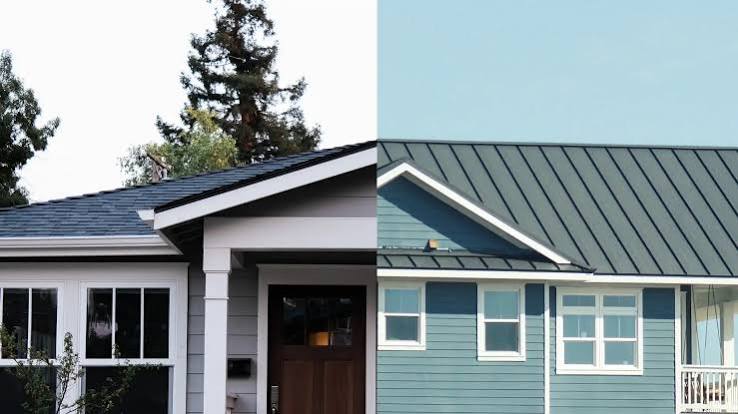
If you are standing in your driveway looking up at your aging roof, you are likely feeling a mix of anxiety and curiosity about the price tag. It is a common dilemma for homeowners: do you stick with the familiar, lower-cost option, or invest in a premium material that promises longevity? Many people ask, is a metal roof more expensive than a shingle roof, and the answer is not as simple as a single dollar amount.
While the initial sticker shock of metal roofing is real, the long-term financial picture tells a different story. In this guide, we will strip away the marketing fluff and look at the hard data, installation nuances, and lifetime value to help you make the best decision for your wallet and your home.
The Upfront Price Tag: Initial Installation Costs
When comparing materials strictly by their initial purchase and installation price, asphalt shingles are the clear winner in terms of affordability. However, understanding why there is a price difference is crucial for budgeting accurately.
Asphalt Shingles: The Budget-Friendly Standard
Asphalt shingles have dominated the US housing market for decades because they are inexpensive to manufacture and easy to install. Most roofing contractors are highly familiar with them, which keeps labor costs competitive.
- Average Cost: $3.50 to $5.50 per square foot.
- Total Average Project: For a typical 2,000-square-foot home, expect to pay between $7,000 and $11,000.
Metal Roofing: The Premium Investment
Metal roofing involves higher material costs (steel, aluminum, copper, or zinc) and requires specialized labor. Not every roofer is certified to install standing seam metal roofs, which can drive up labor rates due to scarcity of skilled technicians.
- Average Cost: $7.00 to $12.00+ per square foot.
- Total Average Project: For the same 2,000-square-foot home, costs range from $14,000 to $24,000+.
The Verdict: Yes, initially, a metal roof is approximately two to three times more expensive than an asphalt shingle roof. If your primary constraint is immediate cash flow, shingles are the accessible choice.
Long-Term Value: Lifespan and Durability Comparison
To truly answer whether metal is “more expensive,” we must look at the cost per year of service. This is where the narrative shifts dramatically.
How Long Do They Last?
- Asphalt Shingles: Typically last 15 to 25 years. In harsh climates with high UV exposure or frequent hail, this lifespan can drop to under 15 years.
- Metal Roofs: Can last 40 to 70 years, depending on the material. Copper and zinc can last over 100 years.
The Replacement Cycle Math
Let’s do a quick calculation over a 50-year period, which is a reasonable timeframe for homeownership or property value retention.
- Shingle Scenario: You install a roof today for $10,000. In 20 years, you replace it for $12,000 (adjusted for inflation). In 40 years, you replace it again for $14,000.
- Total 50-Year Cost: ~$36,000.
- Metal Scenario: You install a metal roof today for $20,000. It lasts the entire 50 years with only minor maintenance.
- Total 50-Year Cost: ~$20,000.
In this scenario, the metal roof saves you roughly $16,000 over five decades, despite the higher upfront cost. This concept is known as Life-Cycle Costing, and it is essential for smart financial planning.
Maintenance and Repair: Hidden Costs to Consider
Beyond replacement, daily wear and tear affect your wallet. Asphalt shingles are prone to curling, cracking, and losing granules over time. They are also susceptible to wind uplift during storms. If a few shingles blow off, you must match the color and style, which can be difficult if the product line has been discontinued.
Metal roofs, particularly standing seam varieties, have fewer seams where water can enter. They are resistant to fire, mildew, insects, and rot. While they can dent from large hail, they rarely leak due to impact. Maintenance usually involves little more than an annual inspection and clearing debris from valleys.
For more detailed information on material properties, you can refer to the Wikipedia page on Roofing, which provides a broad overview of historical and modern materials.
Energy Efficiency: Does Metal Save Money on Bills?
One of the most overlooked benefits of metal roofing is its reflective capability. Traditional asphalt shingles absorb heat, transferring it into your attic and forcing your air conditioning system to work harder.
- Reflectivity: Metal roofs reflect solar radiant heat, which can reduce cooling costs by 10-25%.
- Cool Roof Coatings: Many modern metal roofs come with specialized pigments that enhance this effect.
If you live in a hot climate like Texas, Florida, or Arizona, the energy savings from a metal roof can partially offset the higher initial investment within the first decade of ownership. Asphalt shingles generally offer negligible energy benefits unless you opt for specific “cool” shingle technologies, which still lag behind metal in performance.
Resale Value and Curb Appeal
Does a metal roof increase your home’s value? According to various real estate studies, homes with metal roofs often see a higher resale value.
- Buyer Perception: Buyers view a metal roof as a “major system” that they won’t need to worry about for decades. It is a strong selling point.
- ROI: Some reports suggest a return on investment (ROI) of up to 85% for metal roofing, compared to lower percentages for standard asphalt replacements.
However, aesthetic preference matters. In some traditional neighborhoods, a metal roof might look out of place if not chosen carefully. Modern stone-coated steel options mimic the look of tile or wood shake, offering the durability of metal with the visual appeal of traditional materials.
Quick Comparison: Metal vs. Shingle
| Feature | Asphalt Shingles | Metal Roofing |
|---|---|---|
| Upfront Cost | Low ($) | High ($) |
| Lifespan | 15–25 Years | 40–70+ Years |
| Maintenance | Moderate | Low |
| Energy Efficiency | Low | High |
| Weather Resistance | Moderate | High |
| Recyclability | Low (Landfill waste) | High (100% Recyclable) |
| Installation Speed | Fast | Slower |
FAQ Section
1. Is it worth paying extra for a metal roof?
Yes, if you plan to stay in your home for more than 15 years. The durability, energy savings, and lack of replacement costs make it financially superior in the long run. If you plan to sell within 5 years, shingles may offer a better short-term ROI.
2. Can I install a metal roof over existing shingles?
In many cases, yes. This is called a “retrofit” or “over-roof.” It saves on disposal fees and labor time. However, you must check local building codes and ensure your roof structure can support the additional weight, although metal is surprisingly lightweight.
3. Do metal roofs make noise when it rains?
This is a common myth. When installed correctly with solid sheathing and proper insulation, a metal roof is no louder than an asphalt shingle roof during rain. In fact, without the granular surface of shingles to dampen sound, the solid deck beneath metal often provides excellent sound deadening.
4. Will a metal roof interfere with my Wi-Fi or cell signal?
Generally, no. While metal can block signals, most residential metal roofs are not grounded in a way that creates a Faraday cage effect. Your Wi-Fi router and cell signals should function normally. If you have issues, it is likely due to other structural factors, not the roof itself.
5. What is the cheapest type of metal roofing?
Corrugated galvanized steel is typically the most affordable metal option. However, for residential use, standing seam aluminum or stone-coated steel offers a better balance of aesthetics, durability, and cost, though they are pricier than basic corrugated panels.
Conclusion
So, is a metal roof more expensive than a shingle roof? In the short term, absolutely. You will write a bigger check today. But in the long term, metal roofing is often the cheaper, smarter investment. It eliminates the hassle and expense of multiple replacements, lowers your energy bills, and boosts your home’s curb appeal and resale value.
If you have the budget flexibility, think of a metal roof not as an expense, but as a pre-paid maintenance plan for the next half-century.
Found this guide helpful? Share it with your neighbors on Facebook or Pinterest who might be facing the same roofing dilemma! Helping others make informed decisions is always a good look.
Leave a Reply