Standing on your porch and looking up at an aging roof can feel overwhelming. You know it’s time for a replacement, but the price tags attached to different materials can be staggering. Many homeowners immediately ask, “Does a metal roof cost more than a shingle roof?“ The short answer is yes, the initial installation of a metal roof is significantly higher. However, that sticker shock often hides a deeper financial reality involving longevity, maintenance, and energy savings. In this guide, we will break down the true costs so you can make a decision that protects both your home and your wallet.
Understanding the Upfront Price Tag
When comparing metal roofing vs. asphalt shingles, the most immediate difference is the installation cost. This is where the “sticker shock” occurs.
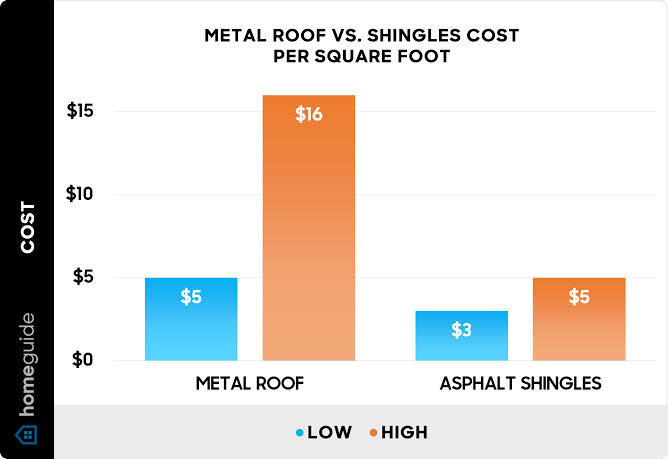
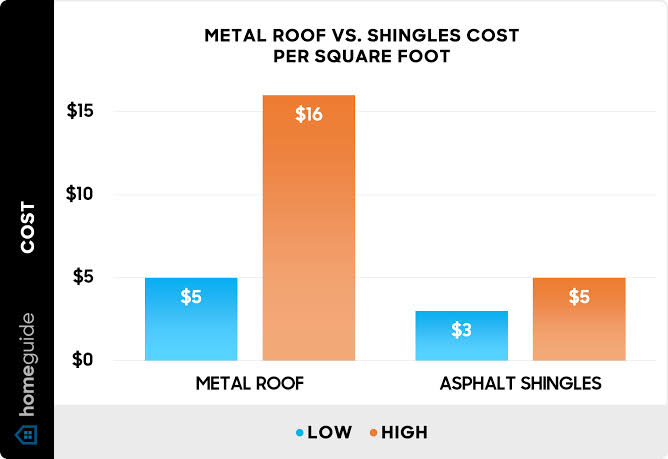
Asphalt shingles are the most common roofing material in the United States, largely because they are affordable and widely available. A standard architectural shingle roof typically costs between $3.50 and $5.50 per square foot installed. For an average 2,000-square-foot home, you might pay between $7,000 and $11,000.
In contrast, metal roofing systems vary widely based on the type of metal (steel, aluminum, copper, or zinc). Standing seam metal roofs, which are considered premium, generally range from $9.00 to $14.00 per square foot installed. For that same 2,000-square-foot home, the cost could jump to $18,000–$28,000.
Why is there such a disparity?
- Material Costs: Metal is a commodity with fluctuating prices, whereas asphalt is a petroleum byproduct that remains relatively cheap to produce.
- Labor Intensity: Installing metal requires specialized skills, precise measuring, and often more time than nailing down shingle bundles.
- Complexity: Metal roofs often require custom flashing and trim work that asphalt systems do not.
Long-Term Value: The Lifespan Factor
To truly answer whether a metal roof costs more, you must look beyond the day of installation. You need to calculate the cost per year of service.
Asphalt shingles have a limited lifespan. Even high-quality architectural shingles typically last 15 to 25 years, depending on your climate. In hot, sunny states like Arizona or Texas, UV radiation can degrade shingles faster. In humid regions, algae and moss can shorten their life. This means that over the course of 50 years, you will likely replace an asphalt roof two or three times.
Metal roofs, however, are built to last. A properly installed standing seam metal roof can last 40 to 70 years. Some copper roofs have been known to last over 100 years.
Let’s do the math:
- Asphalt Scenario: You pay $10,000 today. In 20 years, you pay another $12,000 (adjusted for inflation). In 40 years, you pay another $14,000. Total 50-year cost: ~$36,000.
- Metal Scenario: You pay $22,000 today. You do not replace it for 50+ years. Total 50-year cost: $22,000.
In this realistic scenario, the metal roof actually costs less over the lifetime of the home, despite the higher upfront fee.
Maintenance and Repair Costs
Another hidden cost factor is maintenance. Asphalt shingles are prone to specific issues that require regular attention:
- Wind Damage: High winds can lift shingle tabs, leading to leaks.
- Granule Loss: Over time, the protective granules wash away, exposing the asphalt to UV damage.
- Cracking: Thermal expansion and contraction can cause shingles to crack in extreme temperatures.
Metal roofs are incredibly durable. They are resistant to fire, mildew, insects, and rot. While they can dent from large hail, they rarely leak if installed correctly. Most metal roofs come with warranties ranging from 30 to 50 years, whereas shingle warranties often pro-rate after the first decade, leaving you with little coverage when you need it most.
For more detailed information on the durability of various roofing materials, you can refer to general construction standards outlined on Wikipedia.
Energy Efficiency and Savings
One of the most compelling arguments for metal roofing is energy efficiency. Metal roofs reflect solar radiant heat rather than absorbing it. This can reduce cooling costs by 10% to 25%.
If you live in a warm climate, this savings adds up quickly. Many metal roofs also come with special reflective pigments (cool-roof technology) that meet Energy Star standards. Asphalt shingles, particularly dark ones, absorb heat, transferring it into your attic and forcing your HVAC system to work harder.
While the energy savings alone may not offset the entire cost difference, they contribute to the overall return on investment (ROI). Additionally, some insurance companies offer discounts of 5% to 15% on homeowners’ insurance premiums for metal roofs due to their fire and wind resistance.
Resale Value and Curb Appeal
Does a new roof increase your home’s value? Absolutely. But the type of roof matters.
Real estate experts note that a metal roof can increase a home’s resale value by 1% to 6%. More importantly, it is a strong selling point. Buyers recognize that they won’t need to worry about roof replacements for decades. It signals a well-maintained, durable home.
Asphalt shingles are expected. They don’t necessarily boost value; they just maintain it. A new asphalt roof helps sell a home by removing a negotiation hurdle, but it rarely commands a premium price. A metal roof, however, can be a unique feature that sets your property apart in a competitive market.
Comparison Table: Metal vs. Shingle
| Feature | Asphalt Shingles | Metal Roofing |
|---|---|---|
| Upfront Cost | Low ($3.50–$5.50/sq. ft.) | High ($9.00–$14.00/sq. ft.) |
| Lifespan | 15–25 Years | 40–70+ Years |
| Maintenance | Moderate to High | Low |
| Energy Efficiency | Low (Absorbs Heat) | High (Reflects Heat) |
| Weather Resistance | Moderate | Excellent (Wind/Fire) |
| Recyclability | Low (Landfill waste) | High (100% Recyclable) |
| Best For | Budget-conscious, Short-term owners | Long-term owners, Eco-conscious |
Frequently Asked Questions (FAQ)
1. Is it worth paying extra for a metal roof?
Yes, if you plan to stay in your home for more than 10–15 years. The longevity, lower maintenance, and energy savings make it a financially sound investment over time. If you plan to sell within five years, asphalt may be more practical.
2. Can I install a metal roof over existing shingles?
In many cases, yes. This is called a “retrofit” or “overlay.” It can save money on tear-off and disposal costs. However, you must check local building codes and ensure your roof structure can support the additional weight. Always consult a professional roofer before proceeding.
3. Do metal roofs make noise when it rains?
This is a common myth. Modern metal roofs are installed with solid sheathing and insulation, just like asphalt roofs. When properly installed, a metal roof is no louder than a shingle roof during rainstorms. In fact, many homeowners find the sound soothing.
4. Will a metal roof affect my cell phone or Wi-Fi signal?
Generally, no. While metal can interfere with radio waves, residential roofing does not create a Faraday cage effect that blocks signals inside your home. Your Wi-Fi router and cell phones will function normally. Any minor interference is usually negligible compared to other building materials.
5. How does hail affect metal roofs compared to shingles?
Metal roofs are highly resistant to hail. While severe hail (golf ball size or larger) might cause cosmetic dents, it rarely punctures the metal. Asphalt shingles, on the other hand, can crack or lose granules from hail impact, leading to premature aging and potential leaks.
Conclusion
So, does a metal roof cost more than a shingle roof? Upfront, absolutely. You will write a bigger check on day one. But when you view your roof as a long-term asset rather than a short-term expense, the perspective shifts. Metal offers unparalleled durability, energy efficiency, and peace of mind that asphalt simply cannot match.
If you have the budget and plan to stay in your home, metal is the superior choice. If you are flipping a house or working with a tight immediate budget, asphalt remains a reliable, cost-effective option.
Found this guide helpful? Share it with your friends on Facebook or Pinterest who are also debating their next roofing project! Helping others make informed decisions is just one click away.