Choosing a new roof is one of the most significant financial decisions a homeowner can make. It protects your family, defines your home’s curb appeal, and represents a massive portion of your renovation budget. If you are standing at this crossroads, you are likely asking yourself: How Much More Does A Metal Roof Cost Than Shingles?
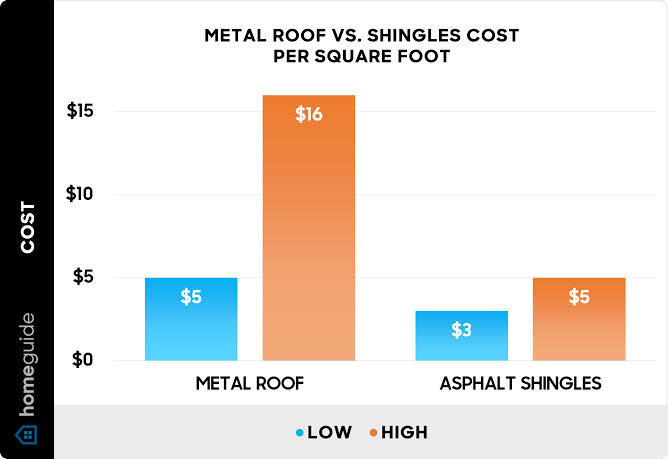
The short answer is that metal roofing typically costs two to three times more upfront than traditional asphalt shingles. However, that sticker shock doesn’t tell the whole story. While the initial investment is higher, metal roofs offer superior longevity, durability, and energy efficiency that can offset the initial price difference over time. In this guide, we will dive deep into the numbers, helping you understand not just the price tag, but the true value of each option.
Understanding the Upfront Price Gap
When comparing roofing materials, it is crucial to look at the “installed cost,” which includes both materials and labor. Prices can vary significantly based on your location in the US, the complexity of your roof’s design, and current market rates for labor.
Average Cost Breakdown
To give you a clear picture, let’s look at the national averages for a standard 2,000-square-foot home.
| Feature | Asphalt Shingles | Standing Seam Metal Roof |
|---|---|---|
| Material Cost per Sq. Ft. | $1.50 – $4.00 | $8.00 – $14.00 |
| Labor Cost per Sq. Ft. | $1.50 – $3.00 | $4.00 – $7.00 |
| Total Installed Cost | $3.00 – $7.00 | $12.00 – $21.00 |
| Total Project Cost (2k sq ft) | $6,000 – $14,000 | $24,000 – $42,000 |
Note: These are estimated averages. Premium architectural shingles or complex metal profiles (like copper or zinc) will push these prices higher.
As the table illustrates, the gap is substantial. For a typical suburban home, you might pay an extra $10,000 to $20,000 initially for metal. But why is the disparity so large?
Why Is Metal More Expensive?
The higher cost of metal roofing isn’t arbitrary. It stems from several factors:
- Material Quality: Metal panels are manufactured from steel, aluminum, or copper, which are commodity prices subject to global markets. Asphalt shingles are made from fiberglass mats and asphalt, which are generally cheaper to produce.
- Installation Complexity: Installing a metal roof requires specialized skills. Contractors must use specific fasteners, sealants, and techniques to prevent leaks and allow for thermal expansion. This specialized labor commands a higher wage than standard shingle installation.
- Underlayment Requirements: Metal roofs often require high-quality synthetic underlayment and sometimes additional insulation to prevent condensation and noise, adding to the material bill.
Long-Term Value: The Lifespan Factor
If you only look at the day of installation, shingles win on price. But roofing is a long-term game. To truly answer how much more does a metal roof cost than shingles, we must factor in replacement cycles.
Durability and Longevity
- Asphalt Shingles: Most standard 3-tab shingles last 15–20 years. Even premium architectural shingles rarely exceed 30 years. They are susceptible to wind damage, UV degradation, and thermal cracking.
- Metal Roofing: A properly installed metal roof can last 40–70 years. Some copper roofs have been known to last over 100 years. They are resistant to fire, wind speeds up to 140 mph, and do not crack or curl.
The Replacement Cycle Calculation
Let’s do the math over a 50-year period.
- Shingle Scenario: You install a roof today for $10,000. In 20 years, you replace it for $12,000 (adjusted for inflation). In 40 years, you replace it again for $14,000.
- Total 50-Year Cost: ~$36,000 + inconvenience and disposal fees.
- Metal Scenario: You install a metal roof today for $25,000. It lasts the entire 50 years with only minor maintenance.
- Total 50-Year Cost: $25,000.
In this scenario, the metal roof actually becomes cheaper over the lifespan of the home. You avoid the hassle, debris, and rising labor costs associated with two additional roof replacements.
Energy Efficiency and Maintenance Savings
Beyond longevity, operational costs play a vital role in the total cost of ownership.
Energy Bill Reductions
Metal roofs reflect solar radiant heat rather than absorbing it. According to the Metal Roofing Alliance, metal roofs can reduce cooling costs by 10–25%. In hot US states like Texas, Arizona, or Florida, this savings adds up quickly every summer. Asphalt shingles, especially darker ones, absorb heat, transferring it into your attic and forcing your AC to work harder.
Maintenance Requirements
- Shingles: Require regular inspections for missing granules, curled edges, or moss growth. They are prone to algae stains in humid climates, requiring cleaning or chemical treatments.
- Metal: Requires minimal maintenance. An occasional rinse with a garden hose to remove debris is usually sufficient. There are no granules to lose and no organic material for moss to feed on.
Resale Value and Curb Appeal
Does a metal roof increase your home’s value? Yes.
Real estate experts suggest that a metal roof can boost your home’s resale value by 1–6%. More importantly, it is a powerful selling point. Buyers recognize that they won’t need to budget for a roof replacement anytime soon. In contrast, a home with an older asphalt roof may face scrutiny during inspections, potentially leading to repair requests or lower offers.
Furthermore, metal roofing comes in a variety of styles, including panels that mimic slate, tile, or wood shakes. This allows you to achieve a high-end aesthetic without the weight or fragility of natural materials.
Environmental Impact
For eco-conscious homeowners, the choice is often clear. Asphalt shingles are petroleum-based and contribute significantly to landfill waste. It is estimated that 20 billion pounds of asphalt shingles end up in US landfills annually.
Metal roofing, on the other hand, is often made from 25–95% recycled content and is 100% recyclable at the end of its life. Choosing metal reduces your carbon footprint and supports a circular economy. For more details on sustainable building materials, you can refer to general environmental standards on Wikipedia.
FAQ Section
1. Is it hard to find contractors who install metal roofs?
It can be slightly more challenging than finding shingle roofers, as metal installation requires specific certification and experience. However, the industry is growing rapidly. Always ask for references and view previous metal projects before hiring. Look for contractors certified by manufacturers like standing seam specialists.
2. Will a metal roof be noisy when it rains?
This is a common myth. When installed correctly with solid sheathing and proper insulation, a metal roof is no noisier than an asphalt shingle roof. In fact, many homeowners report that it sounds quieter because the solid structure dampens external noise better than thin shingles.
3. Can I install a metal roof over my existing shingles?
In many cases, yes. This is called a “retrofit” or “over-roof.” It saves on disposal costs and tear-off labor. However, your local building codes must allow it, and your roof deck must be structurally sound to support the added weight (though metal is lightweight, the framing must be inspected). Always consult a professional engineer or contractor first.
4. Does hail damage metal roofs?
Modern metal roofs are rated for severe hail impact. Most carry a Class 4 UL 2218 impact resistance rating, meaning they can withstand steel balls dropped from 20 feet without puncturing. While severe hail might cause cosmetic denting, it rarely compromises the roof’s integrity or waterproofing, unlike shingles which can crack and leak immediately.
5. What is the warranty difference between the two?
Asphalt shingle warranties typically range from 20 to 30 years, but they are often prorated, meaning the coverage decreases over time. Metal roof warranties often last 30 to 50 years and are frequently non-prorated for paint finish and structural integrity, offering better long-term protection.
Conclusion
So, how much more does a metal roof cost than shingles? Upfront, you will pay a premium—often double or triple the price. But when you view roofing as a 50-year investment rather than a one-time purchase, the narrative changes.
Metal roofing offers unparalleled durability, significant energy savings, minimal maintenance, and a higher resale value. If you plan to stay in your home for decades, metal is the financially smarter choice. If you are flipping a house or on a strict immediate budget, asphalt shingles remain a viable, cost-effective solution.
We hope this breakdown helps you make an informed decision for your home. If you found this guide helpful, please share it with friends or family who are considering a roof replacement! Your network might thank you for saving them from costly mistakes.
Leave a Reply