Tag: Metal Roofing Cost

  • Metal Roof vs Shingles: Cost Breakdown

    Metal Roof vs Shingles: Cost Breakdown

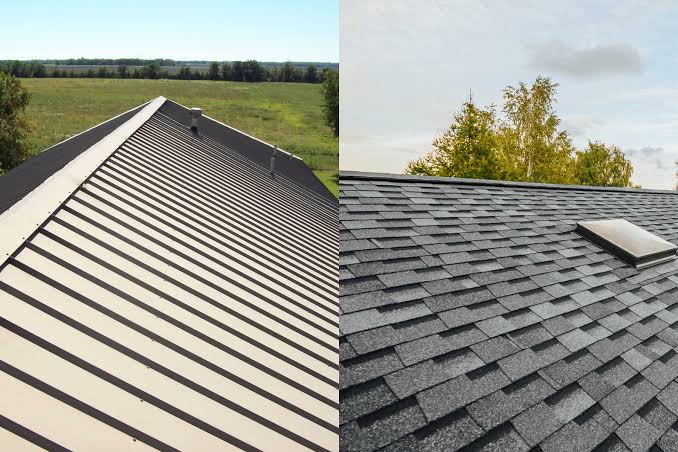
    Choosing a new roof is one of the most significant financial decisions a homeowner can make. It protects your biggest asset, influences your curb appeal, and impacts your energy bills for decades. If you are currently weighing your options, you are likely asking yourself: What Is The Cost Of A Metal Roof Vs Shingles?

    The answer isn’t just about the upfront price tag; it’s about value over time. While asphalt shingles are cheaper initially, metal roofing offers superior longevity. In this guide, we will dissect the true costs, hidden expenses, and long-term benefits of both materials to help you make an informed decision that fits your budget and your home’s needs.

    Understanding the Upfront Installation Costs

    When homeowners first start shopping for roofs, the sticker shock of metal roofing is often the first hurdle. To understand what is the cost of a metal roof vs shingles, we must look at the national averages for material and labor combined.

    Asphalt Shingles: The Budget-Friendly Entry Point

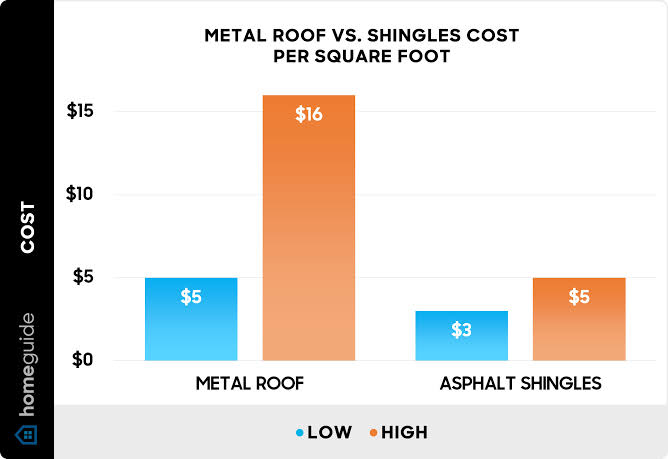
    Asphalt shingles remain the most popular roofing material in the United States, primarily due to their affordability. According to recent industry data from 2025-2026, the average cost to install an asphalt shingle roof ranges from $3.50 to $5.50 per square foot.

    For a standard 2,000-square-foot home, you are looking at a total investment between $7,000 and $11,000. This lower barrier to entry makes shingles accessible for first-time homebuyers or those working with strict immediate budgets. The installation process is straightforward, and nearly every roofing contractor in the US is trained to install them efficiently, which keeps labor costs competitive.

    Metal Roofing: The Premium Investment

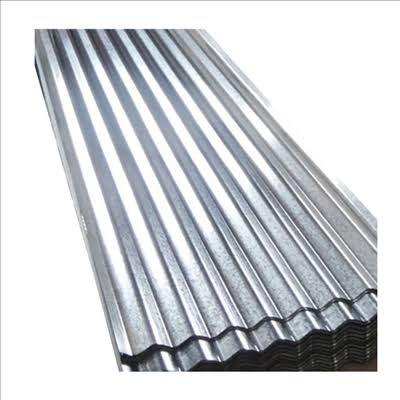
    Metal roofing, which includes materials like steel, aluminum, copper, and zinc, commands a higher initial price. The average cost for a standing seam metal roof typically falls between $9.00 and $14.00 per square foot. For corrugated metal panels, the price might be slightly lower, ranging from $7.00 to $10.00 per square foot.

    For that same 2,000-square-foot home, a metal roof could cost anywhere from $14,000 to $28,000. Why the disparity? Metal requires specialized tools, skilled laborers who understand thermal expansion and contraction, and higher-quality underlayment systems. However, this premium price buys you a product that is fundamentally different in durability and performance.

    FeatureAsphalt ShinglesMetal Roofing
    Avg. Cost per Sq. Ft.$3.50 – $5.50$9.00 – $14.00
    Total Avg. Cost (2k sq ft)$7,000 – $11,000$14,000 – $28,000
    Installation Time1–2 Days3–5 Days
    Labor ComplexityLowHigh

    Longevity and Lifecycle Value Analysis

    While the upfront cost is important, the true question of what is the cost of a metal roof vs shingles is best answered by looking at the lifespan of the materials. This is where the concept of “cost per year” becomes crucial.

    The Lifespan Gap

    Standard 3-tab asphalt shingles typically last 15 to 20 years. Even high-end architectural shingles, which offer better aesthetics and wind resistance, usually max out at 25 to 30 years. In contrast, a properly installed metal roof can last 40 to 70 years, with some copper roofs lasting over 100 years.

    This means that if you choose asphalt shingles, you will likely need to replace your roof two or three times during the lifespan of a single metal roof. When you factor in the cost of two full replacements of shingles (plus inflation and potential disposal fees), the price gap narrows significantly.

    Maintenance and Repair Costs

    Asphalt shingles are susceptible to curling, cracking, and losing granules over time, especially in areas with high UV exposure or frequent freeze-thaw cycles. You may find yourself replacing individual shingles after severe storms.

    Metal roofs, however, are incredibly resilient. They resist fire, mildew, insects, and rot. While they can dent from large hail, they rarely leak if installed correctly. The maintenance cost for metal is negligible compared to shingles, which may require periodic cleaning of moss or algae growth in humid climates.
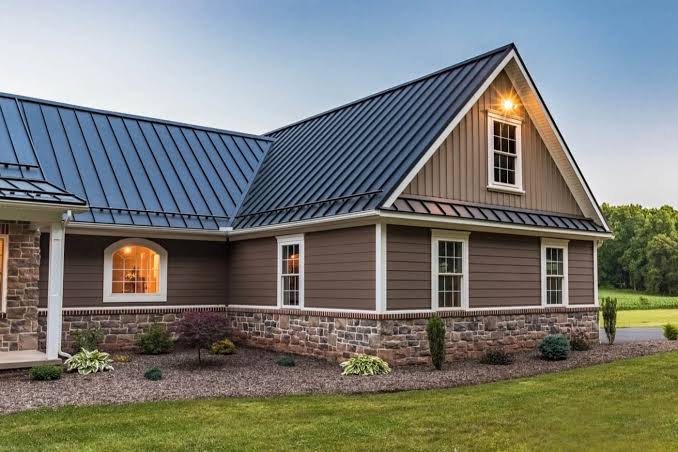
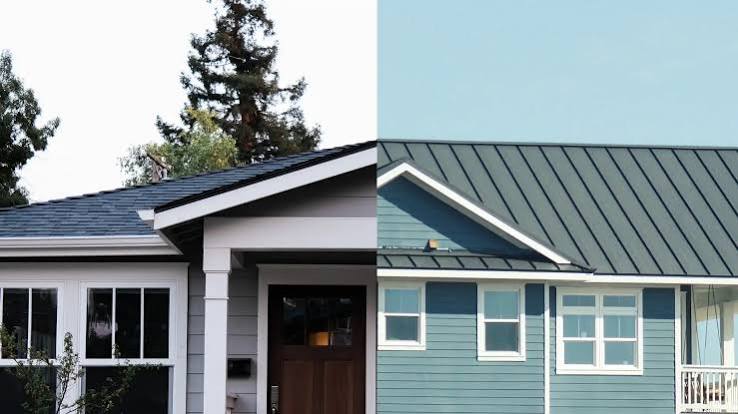
    What Is The Cost Of A Metal Roof Vs Shingles

    Energy Efficiency and Environmental Impact

    Another critical factor in the total cost of ownership is energy efficiency. Your roof plays a massive role in your home’s thermal regulation.

    Reflectivity and Cooling Savings

    Traditional asphalt shingles absorb a significant amount of solar heat, which can raise your attic temperature and force your air conditioning system to work harder. Modern “cool roof” shingles have improved, but they still lag behind metal.

    Metal roofs reflect solar radiant heat rather than absorbing it. This can reduce cooling costs by 10% to 25%, according to the U.S. Department of Energy. Over a 20-year period, these savings can amount to thousands of dollars, effectively offsetting part of the higher initial cost of metal.

    Sustainability Considerations

    From an environmental perspective, metal is the clear winner. Most metal roofing contains 25% to 95% recycled content and is 100% recyclable at the end of its life. Asphalt shingles, on the other hand, contribute millions of tons of waste to landfills annually. While some shingles are recycled into pavement, the infrastructure for this is not as widespread or efficient as metal recycling.

    Resale Value and Return on Investment (ROI)

    Does a metal roof add value to your home? Absolutely. Real estate experts consistently note that curb appeal and structural integrity are top priorities for buyers.

    The Premium Appeal

    A metal roof is often viewed as a luxury feature. It signals to potential buyers that the home has been well-maintained and that they won’t need to worry about roof replacement for decades. Studies suggest that a metal roof can increase a home’s resale value by 1% to 6%, depending on the market.

    In contrast, while new shingles are necessary for selling a home, they rarely command a premium price unless they are high-end architectural styles. Buyers expect shingles; they desire metal. If you plan to sell your home within the next 5–10 years, a metal roof can be a powerful marketing tool that helps your property stand out in a crowded market.

    Which Option Is Right for Your Climate?

    Your geographic location plays a pivotal role in determining which material offers the best value.

    • Hot Climates (South/Southwest US): Metal roofs excel here due to their reflective properties. The energy savings on AC bills are maximized, making the ROI faster.
    • Cold Climates (North/Northeast US): Metal sheds snow easily, preventing ice dams that can damage shingle roofs. However, proper insulation is required to prevent condensation issues.
    • Coastal Areas: Salt air can corrode certain metals. Aluminum is preferred over steel in coastal zones because it does not rust. Asphalt shingles can suffer from salt spray degradation and high wind uplift.

    FAQ Section

    1. Is it more expensive to insure a home with a metal roof?

    Generally, no. In fact, many insurance companies offer discounts of 5% to 15% on homeowners insurance premiums for metal roofs. This is because metal is highly resistant to fire, wind, and hail, reducing the likelihood of costly claims. Always check with your specific provider, but this discount can help offset the annual cost of the roof.

    2. Can I install a metal roof over existing shingles?

    Yes, in many cases, you can install a metal roof directly over existing asphalt shingles. This is known as a “retrofit” or “overlay.” It saves on disposal costs and labor time associated with tearing off the old roof. However, you must ensure the roof deck is structurally sound enough to support the additional weight, although metal is surprisingly lightweight. Always consult local building codes and a professional roofer before proceeding.

    3. Do metal roofs make noise when it rains?

    This is a common myth. Modern metal roofs are installed with solid sheathing and high-quality underlayment, which acts as a sound buffer. When properly installed, a metal roof is no louder than an asphalt shingle roof during rain or hail. In fact, many homeowners find the sound of rain on a metal roof to be soothing rather than disruptive.

    4. How does warranty coverage compare between the two?

    Asphalt shingle warranties typically range from 20 to 30 years, but they are often prorated, meaning the coverage decreases over time. Metal roof warranties are more robust, often offering 30 to 50-year non-prorated warranties on paint finishes and structural integrity. This long-term protection adds significant peace of mind and value.

    5. Will a metal roof interfere with my cell phone or Wi-Fi signal?

    No. A residential metal roof does not block Wi-Fi or cell phone signals. These signals operate at frequencies that can penetrate metal roofing, especially since most homes have windows and non-metallic walls that allow signal entry. Any minor attenuation is negligible and unlikely to affect daily usage.

    Conclusion

    So, what is the cost of a metal roof vs shingles? If you look only at today’s invoice, asphalt shingles are the clear winner, costing roughly half as much as metal. However, if you view your roof as a long-term investment, metal roofing often proves to be the more economical choice.

    When you factor in the doubled lifespan, reduced maintenance, energy savings, insurance discounts, and increased resale value, metal roofing offers a superior return on investment. Asphalt shingles are a practical choice for those with tight immediate budgets or short-term ownership plans. But for those planning to stay in their home for decades, metal provides unmatched durability and peace of mind.

    Did this breakdown help clarify your roofing dilemma? Share this article with friends or family who are also considering a roof replacement, and let us know in the comments which material you’re leaning toward!
  • How Much Is A 12 Ft Sheet Of Metal Roofing?

    How Much Is A 12 Ft Sheet Of Metal Roofing?

    Are you planning a roof replacement or a new build and feeling overwhelmed by the fluctuating prices of construction materials? You are not alone; many homeowners struggle to budget accurately when facing complex pricing structures. Understanding exactly how much is a 12 ft sheet of metal roofing is the first step toward taking control of your project’s finances and avoiding unexpected costs.

    In this guide, we will break down the current market rates, explain the variables that affect pricing, and help you determine if metal roofing is the right investment for your home.

    What Is the Average Cost of a 12 Ft Metal Roofing Sheet?

    When asking how much is a 12 ft sheet of metal roofing, it is crucial to understand that there is no single fixed price. The cost varies significantly based on the type of metal, the gauge (thickness), and the finish. However, we can look at average market data for late 2026 to give you a realistic baseline.

    For a standard 12-foot long panel, which typically covers about 3 feet in width (depending on the profile), you are looking at a range rather than a flat fee.

    Price Breakdown by Material Type

    Material TypeEstimated Cost per 12ft SheetBest For
    Galvanized Steel$45 – $75Budget-conscious projects, barns, sheds
    Galvalume Steel$55 – $85Residential roofs, high corrosion resistance
    Aluminum$70 – $110Coastal areas, salt-air environments
    Copper/Zinc$250 – $400+Historic homes, luxury aesthetics

    Note: Prices above are for materials only and do not include fasteners, underlayment, or labor.

    Most residential homeowners opt for Galvalume steel because it offers the best balance between durability and cost. A 12-foot sheet of 29-gauge Galvalume might cost around $60, while a heavier 26-gauge panel could run closer to $85. Remember, a lower gauge number means thicker, stronger metal.

    Why Do Prices Vary So Much for Metal Panels?

    If you have visited three different supply stores and received three different quotes, you might be confused. Several key factors drive the price differences in the metal roofing industry.

    1. Gauge and Thickness

    The thickness of the metal is measured in gauges. Common residential gauges are 29, 26, and 24.

    • 29-Gauge: Thinner, lighter, and cheaper. Prone to denting from hail or heavy branches.
    • 26-Gauge: The industry standard for homes. Stronger and holds up better to weather.
    • 24-Gauge: Premium thickness. Used in areas with severe weather conditions.

    A 12-foot sheet in 24-gauge will cost significantly more than the same length in 29-gauge due to the increased amount of raw material used.

    2. Protective Coatings and Paint Systems

    Bare metal rusts. To prevent this, manufacturers apply coatings.

    • Unpainted/Galvanized: Cheapest option, industrial look.
    • PVDF (Kynar 500): High-end paint finish that resists fading and chalking for decades. This adds $10–$20 per sheet but extends the lifespan significantly.

    3. Profile Style

    The shape of the panel affects manufacturing complexity.

    • Corrugated: Simple wavy pattern, generally cheaper.
    • R-Panel/Agri-Panel: Standard ribbed style, moderate price.
    • Standing Seam: Hidden fasteners, premium look, highest cost due to engineering and installation complexity.
    How Much Is A 12 Ft Sheet Of Metal Roofing

    How to Calculate Total Material Needs for Your Roof

    Knowing the unit price is helpful, but calculating the total project cost requires precision. Buying too little leads to delays; buying too much wastes money.

    Step-by-Step Calculation Guide

    1. Measure Your Roof Area: Calculate the square footage of each roof plane. Length × Width = Square Footage.
    2. Add Waste Factor: Metal roofing requires cutting. Add 10% for simple gable roofs and 15–20% for complex hips and valleys.
    3. Determine Coverage Width: Most 12-foot sheets have a coverage width of 36 inches (3 feet), even if the actual panel is wider. Check your specific product specs.
    4. Calculate Sheets Needed:
      • Total Square Footage ÷ 3 (coverage width) = Linear Feet needed.
      • Linear Feet ÷ 12 (length of sheet) = Number of Sheets.

    Pro Tip: Always round up to the nearest whole sheet. You cannot buy half a panel from most suppliers.

    For more detailed technical standards on metal roofing installations, you can refer to general construction guidelines available on Wikipedia.

    Installation Costs: DIY vs. Professional Hiring

    One of the biggest questions homeowners face is whether to install the 12-foot sheets themselves or hire a pro. While the material cost for how much is a 12 ft sheet of metal roofing is straightforward, labor changes the equation entirely.

    DIY Installation

    • Pros: Saves 50–60% of total project cost.
    • Cons: High risk of leaks if installed incorrectly. Requires specialized tools (nibblers, seamers, drill drivers).
    • Safety: Working on a roof is dangerous. Falls are a leading cause of home improvement injuries.

    Professional Installation

    • Cost: Typically ranges from $8 to $15 per square foot installed.
    • Benefits: Warranty protection, proper flashing details, and speed.
    • Value: A professionally installed metal roof can increase home resale value by up to 6%.

    If you choose to DIY, ensure you use the correct screws with neoprene washers. Over-driving these screws can crush the washer, leading to immediate leaks. Under-driving them leaves gaps. It requires a delicate touch and practice.

    Long-Term Value: Is Metal Roofing Worth the Upfront Cost?

    When analyzing how much is a 12 ft sheet of metal roofing, look beyond the initial price tag. Consider the lifecycle cost.

    • Lifespan: Asphalt shingles last 15–20 years. Metal roofs last 40–70 years.
    • Maintenance: Metal requires minimal maintenance. Occasional cleaning and inspection of sealants are usually sufficient.
    • Energy Efficiency: Reflective metal roofs can reduce cooling costs by 10–25% in hot climates.

    While a 12-foot sheet of asphalt shingle equivalent might cost less initially, you will replace it two or three times before your metal roof needs attention. This makes metal a superior long-term financial decision.

    Frequently Asked Questions (FAQ)

    1. Can I cut a 12 ft metal roofing sheet to size?

    Yes, you can cut metal roofing sheets. Use electric shears or a nibbler tool for clean cuts. Avoid using abrasive saws (like angle grinders) as the heat damages the protective coating, leading to rust along the cut edge.

    2. What is the weight of a 12 ft metal roofing sheet?

    Weight depends on the gauge. A 12-foot, 3-foot wide sheet of 29-gauge steel weighs approximately 40–50 lbs. A 26-gauge sheet weighs roughly 60–70 lbs. Aluminum is lighter, weighing about 30–40 lbs for the same dimensions.

    3. Do I need special permits for metal roofing?

    In most US jurisdictions, replacing a roof requires a building permit. Check with your local county or city building department. Some HOAs also have restrictions on metal roof colors and profiles.

    4. How long does it take to install a 12 ft sheet?

    For an experienced professional, installing a single 12-foot sheet takes about 5–10 minutes, including alignment and fastening. For a DIYer, expect 15–20 minutes per sheet as you learn the rhythm.

    5. What is the best screw for metal roofing?

    Use self-tapping hex-head screws with EPDM rubber washers. These are designed to penetrate the metal and create a watertight seal. Ensure the screw length is appropriate for penetrating both the panel and the purlin or deck below.

    Conclusion

    Understanding how much is a 12 ft sheet of metal roofing involves more than just checking a price tag. It requires evaluating the gauge, material type, and long-term benefits. While the upfront cost of $50–$100 per sheet may seem higher than traditional shingles, the durability, energy efficiency, and longevity of metal make it a wise investment for any US homeowner.

    By carefully calculating your needs and choosing the right material for your climate, you can secure a roof that protects your home for decades. If you found this guide helpful, please share it with friends or family who are considering a roof upgrade. Your network will thank you for saving them from costly mistakes!

  • Metal vs. Shingle Roof Cost

    Metal vs. Shingle Roof Cost

    If you are standing in your driveway looking up at your aging roof, you are likely feeling a mix of anxiety and curiosity about the price tag. It is a common dilemma for homeowners: do you stick with the familiar, lower-cost option, or invest in a premium material that promises longevity? Many people ask, is a metal roof more expensive than a shingle roof, and the answer is not as simple as a single dollar amount.

    While the initial sticker shock of metal roofing is real, the long-term financial picture tells a different story. In this guide, we will strip away the marketing fluff and look at the hard data, installation nuances, and lifetime value to help you make the best decision for your wallet and your home.

    The Upfront Price Tag: Initial Installation Costs

    When comparing materials strictly by their initial purchase and installation price, asphalt shingles are the clear winner in terms of affordability. However, understanding why there is a price difference is crucial for budgeting accurately.

    Asphalt Shingles: The Budget-Friendly Standard

    Asphalt shingles have dominated the US housing market for decades because they are inexpensive to manufacture and easy to install. Most roofing contractors are highly familiar with them, which keeps labor costs competitive.

    • Average Cost: $3.50 to $5.50 per square foot.
    • Total Average Project: For a typical 2,000-square-foot home, expect to pay between $7,000 and $11,000.

    Metal Roofing: The Premium Investment

    Metal roofing involves higher material costs (steel, aluminum, copper, or zinc) and requires specialized labor. Not every roofer is certified to install standing seam metal roofs, which can drive up labor rates due to scarcity of skilled technicians.

    • Average Cost: $7.00 to $12.00+ per square foot.
    • Total Average Project: For the same 2,000-square-foot home, costs range from $14,000 to $24,000+.

    The Verdict: Yes, initially, a metal roof is approximately two to three times more expensive than an asphalt shingle roof. If your primary constraint is immediate cash flow, shingles are the accessible choice.

    Long-Term Value: Lifespan and Durability Comparison

    To truly answer whether metal is “more expensive,” we must look at the cost per year of service. This is where the narrative shifts dramatically.

    How Long Do They Last?

    • Asphalt Shingles: Typically last 15 to 25 years. In harsh climates with high UV exposure or frequent hail, this lifespan can drop to under 15 years.
    • Metal Roofs: Can last 40 to 70 years, depending on the material. Copper and zinc can last over 100 years.

    The Replacement Cycle Math

    Let’s do a quick calculation over a 50-year period, which is a reasonable timeframe for homeownership or property value retention.

    1. Shingle Scenario: You install a roof today for $10,000. In 20 years, you replace it for $12,000 (adjusted for inflation). In 40 years, you replace it again for $14,000.
      • Total 50-Year Cost: ~$36,000.
    2. Metal Scenario: You install a metal roof today for $20,000. It lasts the entire 50 years with only minor maintenance.
      • Total 50-Year Cost: ~$20,000.

    In this scenario, the metal roof saves you roughly $16,000 over five decades, despite the higher upfront cost. This concept is known as Life-Cycle Costing, and it is essential for smart financial planning.

    Maintenance and Repair: Hidden Costs to Consider

    Beyond replacement, daily wear and tear affect your wallet. Asphalt shingles are prone to curling, cracking, and losing granules over time. They are also susceptible to wind uplift during storms. If a few shingles blow off, you must match the color and style, which can be difficult if the product line has been discontinued.

    Metal roofs, particularly standing seam varieties, have fewer seams where water can enter. They are resistant to fire, mildew, insects, and rot. While they can dent from large hail, they rarely leak due to impact. Maintenance usually involves little more than an annual inspection and clearing debris from valleys.

    For more detailed information on material properties, you can refer to the Wikipedia page on Roofing, which provides a broad overview of historical and modern materials.

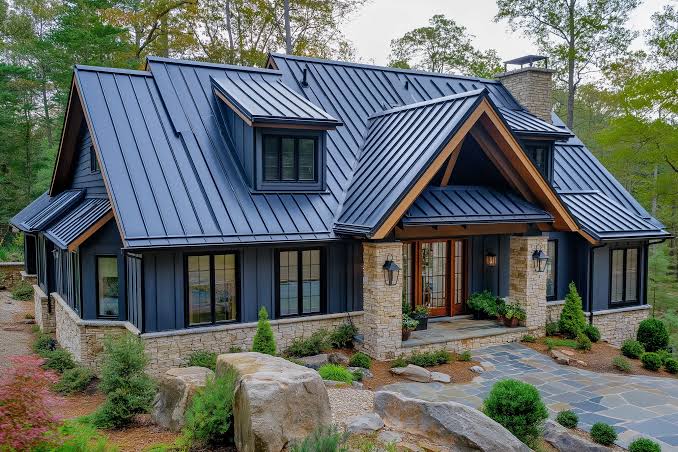
    Is A Metal Roof More Expensive Than A Shingle Roof

    Energy Efficiency: Does Metal Save Money on Bills?

    One of the most overlooked benefits of metal roofing is its reflective capability. Traditional asphalt shingles absorb heat, transferring it into your attic and forcing your air conditioning system to work harder.

    • Reflectivity: Metal roofs reflect solar radiant heat, which can reduce cooling costs by 10-25%.
    • Cool Roof Coatings: Many modern metal roofs come with specialized pigments that enhance this effect.

    If you live in a hot climate like Texas, Florida, or Arizona, the energy savings from a metal roof can partially offset the higher initial investment within the first decade of ownership. Asphalt shingles generally offer negligible energy benefits unless you opt for specific “cool” shingle technologies, which still lag behind metal in performance.

    Resale Value and Curb Appeal

    Does a metal roof increase your home’s value? According to various real estate studies, homes with metal roofs often see a higher resale value.

    • Buyer Perception: Buyers view a metal roof as a “major system” that they won’t need to worry about for decades. It is a strong selling point.
    • ROI: Some reports suggest a return on investment (ROI) of up to 85% for metal roofing, compared to lower percentages for standard asphalt replacements.

    However, aesthetic preference matters. In some traditional neighborhoods, a metal roof might look out of place if not chosen carefully. Modern stone-coated steel options mimic the look of tile or wood shake, offering the durability of metal with the visual appeal of traditional materials.

    Quick Comparison: Metal vs. Shingle

    FeatureAsphalt ShinglesMetal Roofing
    Upfront CostLow ($)High ($)
    Lifespan15–25 Years40–70+ Years
    MaintenanceModerateLow
    Energy EfficiencyLowHigh
    Weather ResistanceModerateHigh
    RecyclabilityLow (Landfill waste)High (100% Recyclable)
    Installation SpeedFastSlower

    FAQ Section

    1. Is it worth paying extra for a metal roof?

    Yes, if you plan to stay in your home for more than 15 years. The durability, energy savings, and lack of replacement costs make it financially superior in the long run. If you plan to sell within 5 years, shingles may offer a better short-term ROI.

    2. Can I install a metal roof over existing shingles?

    In many cases, yes. This is called a “retrofit” or “over-roof.” It saves on disposal fees and labor time. However, you must check local building codes and ensure your roof structure can support the additional weight, although metal is surprisingly lightweight.

    3. Do metal roofs make noise when it rains?

    This is a common myth. When installed correctly with solid sheathing and proper insulation, a metal roof is no louder than an asphalt shingle roof during rain. In fact, without the granular surface of shingles to dampen sound, the solid deck beneath metal often provides excellent sound deadening.

    4. Will a metal roof interfere with my Wi-Fi or cell signal?

    Generally, no. While metal can block signals, most residential metal roofs are not grounded in a way that creates a Faraday cage effect. Your Wi-Fi router and cell signals should function normally. If you have issues, it is likely due to other structural factors, not the roof itself.

    5. What is the cheapest type of metal roofing?

    Corrugated galvanized steel is typically the most affordable metal option. However, for residential use, standing seam aluminum or stone-coated steel offers a better balance of aesthetics, durability, and cost, though they are pricier than basic corrugated panels.

    Conclusion

    So, is a metal roof more expensive than a shingle roof? In the short term, absolutely. You will write a bigger check today. But in the long term, metal roofing is often the cheaper, smarter investment. It eliminates the hassle and expense of multiple replacements, lowers your energy bills, and boosts your home’s curb appeal and resale value.

    If you have the budget flexibility, think of a metal roof not as an expense, but as a pre-paid maintenance plan for the next half-century.

    Found this guide helpful? Share it with your neighbors on Facebook or Pinterest who might be facing the same roofing dilemma! Helping others make informed decisions is always a good look.

  • Metal Roof vs Shingles: Cost Breakdown

    Metal Roof vs Shingles: Cost Breakdown

    Choosing a new roof is one of the most significant financial decisions a homeowner will make. It is not just about aesthetics; it is about protecting your biggest asset while managing your household budget effectively. If you are currently weighing your options, you are likely asking yourself: How Much Does A Metal Roof Cost Compared To Shingles? This question is crucial because the answer involves more than just the initial price tag—it encompasses longevity, maintenance, and resale value. In this guide, we will dissect the numbers to help you make an informed, confident decision for your home.

    Understanding the Upfront Price Tag

    When looking at immediate costs, asphalt shingles are almost always the cheaper option. However, the gap between the two materials has narrowed in recent years due to fluctuations in raw material costs and labor demands.

    Asphalt Shingles: The Budget-Friendly Standard

    Asphalt shingles remain the most popular roofing material in the United States, primarily due to their low entry cost. According to recent industry data from 2025-2026, the average cost to install asphalt shingles ranges from $3.50 to $5.50 per square foot.

    For a typical 2,000-square-foot home, you are looking at a total project cost between $7,000 and $11,000. This affordability makes shingles accessible for first-time homebuyers or those working with strict immediate budgets. The installation process is straightforward, and nearly every roofing contractor in the US is proficient in installing them, which keeps labor competition high and prices competitive.

    Metal Roofing: The Premium Investment

    Metal roofing is considered a premium product. The cost varies significantly depending on the type of metal used (steel, aluminum, copper, or zinc). For standard standing seam steel or aluminum roofs, the average cost ranges from $9.00 to $14.00 per square foot.

    For that same 2,000-square-foot home, a metal roof could cost between $18,000 and $28,000. While this is roughly double the cost of shingles, it is essential to understand what you are paying for: superior durability, advanced engineering, and a lifespan that can outlast the structure of the house itself.

    FeatureAsphalt ShinglesMetal Roofing (Steel/Aluminum)
    Avg. Cost per Sq. Ft.$3.50 – $5.50$9.00 – $14.00
    Total Avg. Cost (2k sq ft)$7,000 – $11,000$18,000 – $28,000
    Lifespan15 – 25 Years40 – 70+ Years
    MaintenanceModerate to HighLow
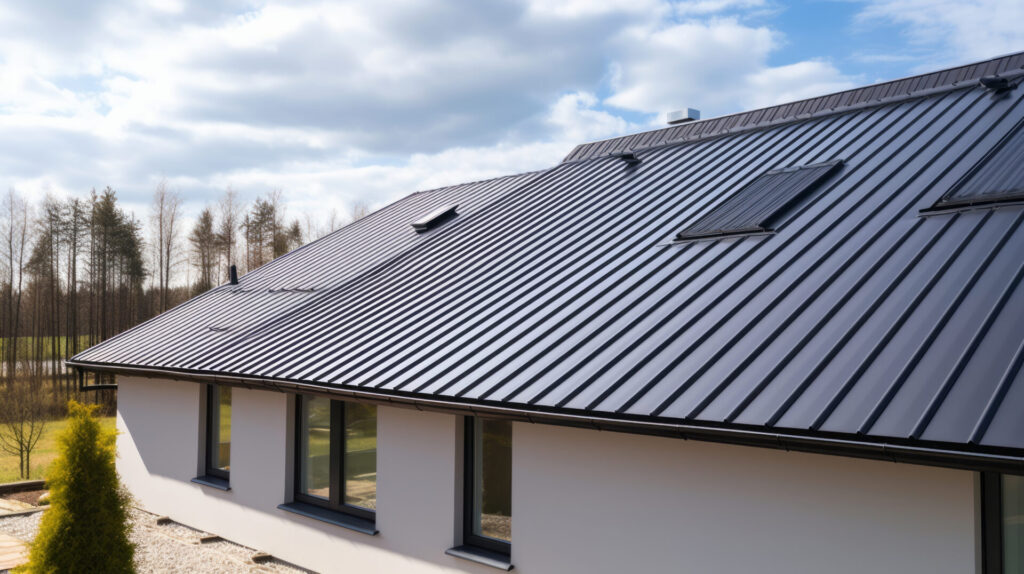
    How Much Does A Metal Roof Cost Compared To Shingles

    Long-Term Value: The Cost Per Year Analysis

    To truly answer how much does a metal roof cost compared to shingles, we must look beyond the installation invoice. We need to calculate the “cost per year” of ownership. This is where metal roofing often surprises homeowners with its economic efficiency.

    The Replacement Cycle Factor

    Asphalt shingles typically last between 15 and 25 years, depending on the quality (3-tab vs. architectural) and local weather conditions. In contrast, a properly installed metal roof can last 40 to 70 years.

    Let’s do the math over a 50-year period:

    • Asphalt Shingles: You would likely need to replace your roof two to three times. If each replacement costs $10,000 (adjusted slightly for inflation), your total spend over 50 years could exceed $30,000.
    • Metal Roof: You install it once. Even at a higher upfront cost of $25,000, you save money in the long run because you avoid the hassle and expense of multiple replacements.

    Energy Efficiency Savings

    Metal roofs reflect solar radiant heat, which can reduce cooling costs by 10-25%. In hot US climates like Texas, Arizona, or Florida, this translates to significant annual savings on electricity bills. Asphalt shingles absorb heat, potentially increasing your AC load during summer months. Over two decades, these energy savings can offset a portion of the metal roof’s higher initial price.

    Durability and Maintenance Costs

    Another hidden cost in roofing is maintenance and repair. How much time and money will you spend fixing leaks or replacing damaged sections?

    Asphalt Shingles Vulnerabilities:

    • Prone to curling, cracking, and losing granules over time.
    • Susceptible to wind uplift in storms.
    • Can foster moss and algae growth, requiring cleaning treatments.
    • Expert Insight: “Shingles are essentially sacrificial layers. They degrade under UV exposure and thermal cycling,” notes leading construction analyst Mark Davis.

    Metal Roof Resilience:

    • Highly resistant to wind, fire, and impact (depending on gauge).
    • Does not rot, crack, or burn.
    • Requires minimal maintenance—usually just an occasional rinse with a garden hose to remove debris.

    For a deeper understanding of material properties and sustainability, you can refer to the detailed overview on Roofing materials on Wikipedia.

    Impact on Home Resale Value

    Does a metal roof add value to your home? Absolutely. Real estate data suggests that homes with metal roofs often see a higher return on investment (ROI) compared to those with standard asphalt shingles.

    1. Curb Appeal: Modern metal roofs come in various styles, including designs that mimic slate, tile, or wood shakes, appealing to a broader range of buyers.
    2. Buyer Confidence: Potential buyers recognize that they won’t need to replace the roof anytime soon. This is a powerful selling point during inspections.
    3. Insurance Discounts: Many insurance companies offer discounts (often 5-15%) for homes with metal roofs due to their fire and wind resistance. This lowers the homeowner’s annual premium, adding another layer of financial benefit.

    While shingles are neutral in terms of value addition (they are expected), a metal roof is an upgrade that can justify a higher listing price.

    Which Option Is Right for You?

    Deciding between these two materials depends on your specific circumstances. Here is a quick checklist to help you decide:

    Choose Asphalt Shingles If:

    • You plan to sell your home within the next 5–10 years.
    • Your upfront budget is tight.
    • You live in an area with mild weather conditions.
    • You prefer a traditional look that blends with neighborhood norms.

    Choose Metal Roofing If:

    • You plan to stay in your home for 20+ years.
    • You want to minimize future maintenance headaches.
    • You live in an area prone to severe weather (hail, high winds, heavy snow).
    • You are interested in eco-friendly building materials (metal is 100% recyclable).

    Frequently Asked Questions (FAQ)

    1. Is metal roofing louder than shingles during rain?

    This is a common myth. When installed correctly with solid sheathing and proper insulation, a metal roof is no louder than an asphalt shingle roof. In fact, many homeowners report that the sound of rain on a metal roof is soothing rather than disruptive.

    2. Can I install a metal roof over my existing shingles?

    In many cases, yes. Metal roofing is lightweight and can often be installed directly over existing asphalt shingles. This saves on demolition and disposal costs. However, you must check local building codes and ensure your roof deck is structurally sound before proceeding.

    3. Do metal roofs attract lightning?

    No. Metal roofs do not attract lightning. Lightning strikes are determined by height and geography, not material. However, if a strike does occur, metal is non-combustible and will not catch fire, offering better protection than wood or asphalt.

    4. How does hail affect metal roofs compared to shingles?

    High-quality metal roofs (such as stone-coated steel or thick standing seam) are highly resistant to hail damage. Asphalt shingles, especially older ones, can crack or lose granules when hit by large hail, leading to leaks. Always look for metal roofing with a Class 4 UL 2218 impact rating for maximum hail protection.

    5. Will a metal roof interfere with my cell phone or Wi-Fi signal?

    Generally, no. While metal can block radio waves, modern homes have windows and other openings that allow signals to pass through. Most homeowners with metal roofs report no noticeable difference in signal strength compared to shingle roofs.

    Conclusion

    So, how much does a metal roof cost compared to shingles? Upfront, metal is significantly more expensive, often costing double that of asphalt. However, when you factor in longevity, energy savings, lower maintenance, and increased resale value, metal roofing often proves to be the more economical choice over the life of the home.

    If you have the budget for the initial investment, metal offers peace of mind and durability that shingles simply cannot match. If you need a cost-effective solution for the short term, shingles remain a reliable standard.

    Found this guide helpful? Share it with friends or family who are planning their next home improvement project! Let’s help others make smarter roofing decisions.

  • Metal Roof Replacement Cost: 2026 Guide

    Metal Roof Replacement Cost: 2026 Guide

    Replacing a roof is one of the most significant investments a homeowner can make, often causing anxiety about hidden fees and fluctuating material prices. If you are staring at aging shingles or rusted panels, you are likely asking, “How Much Does It Cost To Replace A Metal Roof?” to ensure you get durability without breaking the bank. This guide breaks down the real costs, helping you plan your budget with confidence and clarity.

    Understanding the Average Cost of Metal Roof Replacement

    When planning your renovation, understanding the baseline numbers is crucial. In 2026, the national average cost to replace a metal roof typically ranges between $12,000 and $25,000 for an average-sized home (approximately 2,000 square feet). However, this figure can vary significantly based on location, material choice, and labor complexity.

    On a per-square-foot basis, homeowners generally pay between $8 and $18 per square foot installed. This price includes both materials and labor. While this upfront cost is higher than traditional asphalt shingles, the longevity of metal roofing often makes it more cost-effective over time.

    Key Factors Influencing Price

    • Material Type: Steel is affordable; copper is premium.
    • Roof Complexity: Multiple chimneys, skylights, or steep pitches increase labor time.
    • Geographic Location: Labor rates in urban areas like New York or San Francisco are higher than in rural regions.
    • Removal of Old Roofing: Tearing off existing layers adds to disposal and labor costs.

    Breaking Down Costs by Material Type

    Not all metal roofs are created equal. The type of metal you choose is the single biggest driver of your final bill. Here is a detailed look at the most common options available in the US market today.

    1. Galvanized Steel (G-90)

    This is the most popular choice for residential homes due to its balance of cost and durability. It is coated with zinc to prevent rust.

    • Cost: $8 – $12 per sq. ft.
    • Best For: Budget-conscious homeowners seeking long-term value.

    2. Aluminum

    Aluminum is lightweight and naturally resistant to corrosion, making it ideal for coastal areas where salt air is a concern.

    • Cost: $10 – $14 per sq. ft.
    • Best For: Homes near the ocean or in humid climates.

    3. Zinc

    Zinc is self-healing; minor scratches oxidize and seal themselves over time. It has a distinctive matte gray appearance that ages beautifully.

    • Cost: $14 – $18 per sq. ft.
    • Best For: Modern architectural styles and eco-conscious buyers.

    4. Copper

    The gold standard of roofing. Copper develops a green patina over decades and can last over 100 years. It is extremely expensive but offers unmatched aesthetics.

    • Cost: $20 – $30+ per sq. ft.
    • Best For: Historic restorations and luxury estates.
    MaterialAvg. Cost per Sq. Ft.LifespanMaintenance Level
    Steel$8 – $1240-60 YearsLow
    Aluminum$10 – $1450+ YearsVery Low
    Zinc$14 – $1880-100 YearsLow
    Copper$20 – $30+100+ YearsMinimal

    Labor and Installation Expenses

    Labor typically accounts for 40% to 60% of the total project cost. Installing metal roofing requires specialized skills that differ significantly from laying asphalt shingles. Improper installation can lead to leaks, noise issues, and voided warranties.

    Why Labor Costs Vary

    • Panel Style: Standing seam panels require more precision and time to install than exposed-fastener corrugated panels.
    • Roof Pitch: Steeper roofs require additional safety equipment and slow down the workflow, increasing hourly labor charges.
    • Underlayment Quality: High-quality synthetic underlayment costs more but provides superior protection against ice dams and wind-driven rain.

    According to industry standards, professional installers charge between $4 and $8 per square foot for labor alone. Always verify that your contractor is certified by the manufacturer, as many warranties require professional installation to remain valid.

    How Much Does It Cost To Replace A Metal Roof

    Additional Costs to Consider

    Beyond the basic materials and labor, several “hidden” costs can impact your final invoice. Being aware of these helps avoid sticker shock.

    1. Old Roof Removal

    If your local building code allows it, you might install metal over existing shingles. However, most professionals recommend removing the old roof to inspect the decking for rot.

    • Cost: $1 – $5 per sq. ft. for tear-off and disposal.

    2. Structural Reinforcement

    Metal roofs are generally lighter than tile or slate, but heavier than asphalt. If your home’s framing is old or weak, you may need structural upgrades.

    • Cost: $1,000 – $3,000 depending on extent.

    3. Flashing and Trim

    High-quality flashing around chimneys, vents, and valleys is critical for preventing leaks. Cheap flashings fail quickly.

    • Cost: Included in most quotes, but premium copper flashing adds extra cost.

    4. Permits and Inspections

    Local municipalities require permits for roof replacements to ensure compliance with building codes.

    • Cost: $100 – $500, varying by city.

    For more detailed information on building standards and safety regulations, you can refer to general construction guidelines on Wikipedia.

    Is Metal Roofing Worth the Investment?

    When analyzing how much does it cost to replace a metal roof, it is essential to look at the Return on Investment (ROI). While the initial outlay is high, the long-term benefits are substantial.

    Energy Efficiency

    Metal roofs reflect solar radiant heat, which can reduce cooling costs by 10-25%. Many modern metal roofs come with cool-roof pigments that meet Energy Star standards.

    Durability and Longevity

    Unlike asphalt shingles that need replacement every 15-20 years, a quality metal roof lasts 40-70 years. This means you might never have to replace your roof again during your ownership of the home.

    Insurance Discounts

    Many insurance companies offer discounts of 5-15% on homeowners’ insurance premiums for metal roofs due to their resistance to fire, wind, and hail.

    Step-by-Step Guide to Budgeting Your Project

    To ensure you stay within budget, follow these concrete steps:

    1. Measure Your Roof: Calculate the square footage. A “square” in roofing equals 100 sq. ft. An average home is 15-20 squares.
    2. Get 3-5 Quotes: Never settle for the first bid. Ensure each quote includes the same scope of work (materials, labor, cleanup).
    3. Check Credentials: Verify licenses, insurance, and manufacturer certifications.
    4. Review Warranty Terms: Look for both a workmanship warranty (from the installer) and a material warranty (from the manufacturer).
    5. Plan for Timing: Schedule installation during shoulder seasons (spring or fall) when contractors may offer better rates due to lower demand.

    FAQ Section

    How much does it cost to replace a metal roof on a 2,000 sq. ft. house?

    For a 2,000 sq. ft. home, expect to pay between $16,000 and $36,000. This range depends heavily on whether you choose basic steel panels or premium standing seam aluminum.

    Is it cheaper to put metal roofing over shingles?

    Yes, it can save $1,000 to $3,000 by avoiding tear-off and disposal fees. However, this is only advisable if the existing roof deck is solid and local codes permit it. Trapping moisture between layers can cause rot, so professional assessment is vital.

    Does homeowners insurance cover metal roof replacement?

    Insurance typically covers replacement only if the damage is caused by a covered peril, such as a storm, hail, or fire. It does not cover wear and tear or age-related deterioration. Check your policy for specific exclusions.

    What is the cheapest metal roofing option?

    Corrugated galvanized steel panels with exposed fasteners are the most affordable option. They are durable and functional but lack the sleek aesthetic and leak-resistance of standing seam systems.

    How long does a metal roof last compared to shingles?

    A metal roof lasts 2-3 times longer than asphalt shingles. While shingles last 15-20 years, metal roofs easily last 40-70 years, offering better long-term value despite the higher initial cost.

    Conclusion

    Understanding how much does it cost to replace a metal roof empowers you to make a smart financial decision for your home. While the upfront cost ranges from $8 to $18 per square foot, the durability, energy savings, and increased property value make it a worthy investment. By choosing the right material and hiring a certified professional, you secure a roof that protects your family for decades.

    If you found this guide helpful, please share it on social media to help other homeowners navigate their roofing projects with confidence!

  • Metal Roof Cost Guide 2026

    Metal Roof Cost Guide 2026

    Have you been staring at your aging shingles, worrying about the next big storm, or simply dreaming of a home exterior that lasts a lifetime? You are not alone; thousands of homeowners across the US are making the switch to durable, energy-efficient metal roofing. However, before you sign a contract, you need a clear answer to the most pressing question: How Much Does It Cost To Install A Metal Roof?

    Understanding the financial commitment is crucial because metal roofing is an investment, not just an expense. While the upfront price tag is higher than traditional asphalt shingles, the long-term value is undeniable. In this comprehensive guide, we will break down the costs, explain the variables that affect your final bill, and help you determine if this premium roofing solution fits your budget and your home’s needs.

    What Is the Average Cost to Install a Metal Roof in 2026?

    When planning your budget, it is essential to look at both the national averages and the specific factors that drive prices up or down. As of 2026, the cost to install a metal roof typically ranges between $9,000 and $45,000, depending on the size of your home and the materials chosen.

    On a per-square-foot basis, you can expect to pay anywhere from $8 to $18 per square foot for a complete installation (materials + labor). For a standard 2,000-square-foot home, this translates to an average total cost of approximately $16,000 to $36,000.

    Breakdown by Material Type

    Not all metal roofs are created equal. The type of metal you choose is the single biggest factor influencing the price. Here is a realistic comparison of common materials:

    Material TypeCost Per Sq. Ft. (Installed)Durability RatingBest For
    Corrugated Steel$8 – $12HighBudget-conscious buyers, rural homes
    Galvalume Steel$10 – $14Very HighCoastal areas, high-humidity zones
    Aluminum$12 – $18ExtremeCoastal regions (salt-air resistant)
    Standing Seam Zinc$18 – $25+PremiumModern architecture, luxury homes
    Copper$25 – $40+LifetimeHistoric restorations, high-end estates

    Note: Prices include professional installation. DIY costs would be significantly lower but are not recommended for complex roof structures.

    Why Is Metal Roofing More Expensive Than Asphalt Shingles?

    It is natural to hesitate when you see that metal roofing can cost two to three times more than asphalt shingles initially. However, the price difference reflects the quality of materials, the complexity of installation, and the longevity of the product.

    Asphalt shingles typically last 15–20 years and require replacement at least twice during the lifespan of a single metal roof. Metal roofs, conversely, come with warranties ranging from 40 to 70 years. When you amortize the cost over time, metal roofing often becomes the cheaper option.

    Furthermore, metal roofing offers superior energy efficiency. According to the Energy Star program, reflective metal roofs can reduce cooling costs by 10–25%. This operational savings helps offset the initial installation cost within the first decade of ownership.

    How Much Does It Cost To Install A Metal Roof

    What Factors Influence the Final Installation Price?

    Beyond the material itself, several logistical and structural factors will impact your final invoice. Understanding these can help you negotiate better with contractors.

    1. Roof Complexity and Pitch

    A simple gable roof is straightforward and inexpensive to cover. However, if your home has multiple valleys, dormers, chimneys, or a steep pitch, labor costs will rise. Steep roofs require special safety equipment and more time, increasing the labor portion of the bill by 20–30%.

    2. Removal of Old Roofing

    Do you need to tear off your existing shingles? Most contractors recommend removing old layers to inspect the decking for rot. Expect to pay an additional $1 to $5 per square foot for tear-off and disposal fees. If your local landfill charges high tipping fees, this cost will increase.

    3. Geographic Location

    Labor rates vary significantly across the United States. Installing a roof in New York City or San Francisco will cost considerably more than in rural Midwest towns due to higher living costs and insurance requirements for contractors.

    4. Underlayment and Insulation

    High-quality synthetic underlayment is critical for preventing condensation and leaks. Upgrading from basic felt paper to premium breathable underlayment might add $0.50 per square foot but provides essential protection against moisture buildup, which is vital for metal roofs.

    Standing Seam vs. Exposed Fastener: Which Is Cheaper?

    Within the metal roofing category, the panel style dictates the price. There are two primary systems:

    • Exposed Fastener (Corrugated/Ribbed): Screws are visible on the surface. This system is easier to install and requires less specialized labor, making it the more affordable option. However, the rubber washers on the screws can degrade over 10–15 years, requiring maintenance.
    • Standing Seam: Panels lock together with hidden clips. No screws penetrate the weather surface. This method is more expensive due to higher material costs and the need for highly skilled installers. However, it offers superior leak protection and a cleaner aesthetic.

    If budget is your primary concern, exposed fastener steel is a viable entry point. If you plan to stay in your home for 30+ years, standing seam is the superior investment.

    How to Calculate Your Specific Roofing Cost

    To get a rough estimate before calling contractors, follow these steps:

    1. Measure Your Roof Area: Do not just measure the floor plan. Use a roof calculator or measure each plane of the roof. Add 10% for waste and cuts.
    2. Determine Square Footage: One “square” in roofing terms equals 100 square feet.
    3. Choose Your Material: Select your preferred metal type from the table above.
    4. Add Labor and Extras: Multiply the material cost by 1.5 to account for labor, underlayment, flashing, and trim.

    Example Calculation: For a 1,500 sq. ft. roof using Galvalume steel ($12/sq. ft. installed):

    • Base Cost: 1,500 x $12 = $18,000
    • Tear-off Fee (approx.): $1,500
    • Total Estimated Cost: $19,500

    Frequently Asked Questions (FAQ)

    1. Does a metal roof increase home value?

    Yes. Appraisers and real estate agents consistently note that metal roofs boost curb appeal and perceived value. Many homeowners recoup 60–85% of the installation cost in increased resale value, depending on the market.

    2. Is metal roofing noisy during rain or hail?

    This is a common myth. When installed correctly with solid sheathing and proper insulation, a metal roof is no louder than asphalt shingles during rain. In fact, many homeowners find the sound soothing. Without proper insulation, however, it can be drum-like.

    3. Can I install a metal roof over my existing shingles?

    In many cases, yes. This is called a “retrofit” or “overlay.” It saves on tear-off costs and reduces landfill waste. However, you must check local building codes, as some jurisdictions limit the number of roofing layers. Also, ensure the existing deck is structurally sound.

    4. How long does the installation process take?

    For an average-sized home, a professional crew can complete a metal roof installation in 2 to 5 days. This is comparable to or slightly faster than asphalt shingle installation, depending on the complexity of the design.

    5. Are there tax credits or rebates for metal roofs?

    Potentially. If you choose a metal roof with specific cool-roof pigments that meet Energy Star standards, you may qualify for federal tax credits or local utility rebates. Always verify current incentives with the Database of State Incentives for Renewables & Efficiency or consult your tax advisor.

    Conclusion

    So, how much does it cost to install a metal roof? While the initial investment ranges from $9,000 to $45,000, the value proposition extends far beyond the price tag. With a lifespan of 50+ years, minimal maintenance, and significant energy savings, metal roofing is a smart financial decision for long-term homeowners.

    By choosing the right material—whether it’s budget-friendly steel or premium copper—and hiring a certified installer, you protect your home against the elements while enhancing its aesthetic appeal. Don’t let the upfront cost deter you; view it as buying peace of mind for the next half-century.

    Found this guide helpful? Share it with your neighbors on Facebook or Pinterest who might also be considering a roof upgrade. If you have questions about specific materials, leave a comment below!

  • Metal Roof Cost for 1000 Sq Ft: 2026 Guide

    Metal Roof Cost for 1000 Sq Ft: 2026 Guide

    Are you staring at your aging shingles and wondering if switching to metal is financially viable for your smaller home? You are not alone; many homeowners with compact properties worry that premium materials might be out of reach. Understanding the Cost To For Metal Roof On 1000 Sq Ft House is the first step toward making a smart, long-term investment in your property’s durability and curb appeal.

    While metal roofing has historically been viewed as a luxury option, prices have stabilized in recent years, making it increasingly accessible for homes under 1,500 square feet. This guide will walk you through every dollar spent, from the type of metal you choose to the labor costs in your specific region.

    What Is the Average Cost Range for a 1000 Sq Ft Metal Roof?

    When budgeting for a new roof, it is crucial to distinguish between the “square footage of your home” and the “square footage of your roof.” A 1,000-square-foot house typically has a roof area ranging from 1,100 to 1,400 square feet, depending on the pitch and overhangs. However, for this analysis, we will focus on the actual roofing area of approximately 1,000 square feet (or 10 “squares” in contractor terminology).

    In 2026, the total installed cost for a metal roof on a 1,000-square-foot area generally falls between $9,000 and $25,000.

    This wide range exists because “metal roofing” is not a single product. It encompasses various materials, styles, and installation complexities. Here is a quick breakdown of what drives these numbers:

    • Low End ($9,000 – $13,000): Basic corrugated galvanized steel panels, simple gable roof design, and lower labor costs in rural areas.
    • Mid-Range ($14,000 – $18,000): High-quality painted aluminum or steel standing seam panels, moderate complexity, and standard suburban labor rates.
    • High End ($19,000 – $25,000+): Premium metals like copper or zinc, complex hip-and-valley roof designs, or high-cost metropolitan labor markets.

    According to industry data, the national average hovers around $15 per square foot for a complete tear-off and replacement. For a 1,000-square-foot project, this averages out to roughly $15,000. While this is significantly higher than asphalt shingles (which might cost $4,000–$6,000 for the same size), the lifespan difference is monumental.

    How Do Material Choices Impact the Final Price?

    The type of metal you select is the single biggest variable in your budget. Not all metals are created equal, and their prices reflect their durability, weight, and aesthetic appeal.

    1. Galvanized Steel (Most Affordable)

    Steel is the workhorse of the metal roofing industry. It is strong, widely available, and cost-effective.

    • Cost: $8–$12 per sq. ft. installed.
    • Pros: Excellent strength-to-weight ratio; accepts paint well.
    • Cons: Prone to rust if the coating is damaged; heavier than aluminum.

    2. Aluminum (Best for Coastal Areas)

    If you live near the ocean, aluminum is the superior choice due to its natural resistance to salt corrosion.

    • Cost: $10–$14 per sq. ft. installed.
    • Pros: Lightweight; does not rust; recyclable.
    • Cons: Softer than steel, so it can dent more easily from hail or falling branches.

    3. Zinc and Copper (Premium Luxury)

    These materials are often used for historic restorations or high-end architectural statements. They develop a patina over time, changing color naturally.

    • Cost: $18–$25+ per sq. ft. installed.
    • Pros: Extremely long lifespan (50–100+ years); self-healing scratches (zinc); distinctive look.
    • Cons: Very high upfront cost; requires specialized installers.
    Material TypeAvg. Cost per Sq. Ft.LifespanBest For
    Galvanized Steel$8 – $1240-60 YearsBudget-conscious homeowners
    Aluminum$10 – $1450+ YearsCoastal/humid climates
    Stone-Coated Steel$12 – $1650+ YearsTraditional shingle look
    Copper/Zinc$18 – $25+70-100+ YearsLuxury/Historic homes

    For more detailed technical specifications on metal properties, you can refer to the general overview on Wikipedia.

    Cost To For Metal Roof On 1000 Sq Ft House

    Does Labor Cost More for Smaller Roofs?

    One common misconception is that a smaller roof should be proportionally cheaper. In reality, roofing contractors often charge a higher price per square foot for smaller jobs like a 1,000-square-foot roof. This is known as the “minimum job cost” phenomenon.

    Regardless of size, every roofing job requires:

    1. Setting up safety equipment (scaffolding, harnesses).
    2. Mobilizing a crew (truck, fuel, insurance).
    3. Disposing of old materials (dumpster fees).

    These fixed costs do not shrink linearly with the roof size. Therefore, while a 3,000-square-foot roof might cost $12 per square foot, a 1,000-square-foot roof might cost $15 or $16 per square foot simply because the overhead is spread over fewer squares.

    Additionally, the complexity of your roof plays a massive role in labor pricing. A simple gable roof (two sloping sides) is quick to install. However, if your 1,000-square-foot home has multiple valleys, dormers, chimneys, or a steep pitch (over 6:12), labor costs can increase by 20–30%. Installers must spend more time cutting and fitting panels around obstacles, which increases man-hours.

    What Are the Hidden Costs You Should Anticipate?

    When calculating the Cost To For Metal Roof On 1000 Sq Ft House, it is vital to look beyond the base quote. Several ancillary costs can surprise unprepared homeowners.

    Tear-Off and Disposal

    If you are replacing an existing roof, the old material must be removed. Most contractors include this in their quote, but some list it separately.

    • Estimated Cost: $1–$3 per sq. ft.
    • Note: Metal roofs can sometimes be installed over existing shingles (if local codes allow), which saves on tear-off costs but adds weight to the structure.

    Underlayment and Insulation

    Metal roofs require high-quality synthetic underlayment to prevent condensation and noise. Skipping this step to save money is a mistake that leads to leaks and noisy rainstorms.

    • Estimated Cost: $0.50–$1.00 per sq. ft.

    Trim and Flashing

    The edges of your roof, vents, and chimneys require precise flashing to keep water out. Metal-specific flashing is more expensive than asphalt-compatible flashing.

    • Estimated Cost: $500–$1,500 total, depending on complexity.

    Structural Reinforcement

    Although metal is lightweight, older homes may need additional framing support if the existing structure has weakened over time. A professional inspection will determine if this is necessary.

    Is Metal Roofing Worth the Investment for a Small Home?

    To determine value, we must look at Return on Investment (ROI) and longevity. Asphalt shingles typically last 15–20 years. In contrast, a properly installed metal roof lasts 40–70 years.

    The Long-Term Math:

    • Asphalt Shingles: You might replace your roof twice in 40 years. At $5,000 per replacement (adjusted for inflation), that is $10,000+ plus the hassle of two construction projects.
    • Metal Roof: One installation at $15,000 covers you for the next half-century.

    Furthermore, metal roofs offer energy savings. They reflect solar radiant heat, which can reduce cooling costs by 10–25%. For a small home, this might seem minor, but it adds up over decades. Many insurance companies also offer discounts of 10–30% on homeowners’ premiums for metal roofs due to their fire and wind resistance.

    Frequently Asked Questions (FAQ)

    1. Can I install a metal roof myself to save money?

    While DIY is possible for experienced handymen, it is not recommended for most homeowners. Metal roofing requires precise cutting, sealing, and fastening. One mistake in flashing can lead to catastrophic leaks. Professional installation ensures warranty validity and safety. If you attempt DIY, you risk voiding manufacturer warranties and compromising the structural integrity of your home.

    2. Will a metal roof make my house hotter in the summer?

    No, actually the opposite. Modern metal roofs are coated with reflective pigments that meet Energy Star standards. They reflect sunlight rather than absorbing it like asphalt shingles. This keeps your attic cooler and reduces the load on your air conditioning system.

    3. Is a metal roof noisy when it rains?

    This is a common myth. When installed correctly with solid sheathing and quality underlayment, a metal roof is no noisier than an asphalt shingle roof. The insulation and decking dampen the sound of rain. In fact, many homeowners find the sound of rain on metal to be soothing rather than disruptive.

    4. How long does it take to install a metal roof on a 1,000 sq ft house?

    For a professional crew, a 1,000-square-foot metal roof installation typically takes 2 to 4 days. This includes tear-off (if applicable), preparation, and installation. Weather conditions can delay this timeline, so it is best to schedule during dry seasons.

    5. Does a metal roof add value to my home?

    Yes. According to real estate studies, a metal roof can increase a home’s resale value by 1–6%. More importantly, it boosts curb appeal and marketability. Buyers recognize the low maintenance and longevity, making your home more attractive compared to those with aging asphalt roofs.

    Conclusion

    Investing in a metal roof for your 1,000-square-foot home is a decision that balances higher upfront costs with significant long-term benefits. While the Cost To For Metal Roof On 1000 Sq Ft House ranges from $9,000 to $25,000, the durability, energy efficiency, and aesthetic appeal provide a compelling case for the upgrade.

    By choosing the right material—whether it’s affordable steel or premium copper—and hiring a certified installer, you ensure that your home remains protected for decades. Don’t let the initial sticker price deter you; view it as a one-time investment that eliminates the need for future roof replacements.

    If you found this guide helpful, please share it with friends or family who are considering a roofing upgrade. Spreading knowledge helps everyone make smarter home improvement decisions!