Buying a new roof is one of the most significant investments a homeowner can make, often costing tens of thousands of dollars. It is natural to wonder if this expense will pay off when it is time to sell your property. Many homeowners ask, “Does a metal roof increase the value of a home?” The short answer is yes, but the extent of that value depends on several factors, including your location, the quality of installation, and current market trends. In this guide, we will break down the financial benefits, aesthetic advantages, and practical considerations to help you make an informed decision.
Understanding the Return on Investment (ROI)
When evaluating any home improvement project, the Return on Investment (ROI) is the critical metric. Unlike cosmetic updates like painting a room, a roof replacement is a functional necessity that directly impacts the structural integrity of your house.
According to various real estate studies and remodeling impact reports, metal roofing typically offers a higher ROI compared to traditional asphalt shingles. While asphalt shingles may need replacement every 15–20 years, a high-quality metal roof can last 40–70 years. This longevity is a major selling point for potential buyers who want to avoid immediate maintenance costs.
- Average ROI for Metal Roofs: Estimates suggest homeowners can recoup between 85% to 95% of their investment upon sale.
- Comparison to Asphalt: Traditional asphalt shingles often have a lower ROI because they are viewed as a standard expectation rather than a premium upgrade.
The key takeaway here is that while you may not get 100% of your money back immediately, the increased perceived value and faster sale time often offset the initial cost.
How Much Value Does a Metal Roof Add?
Quantifying the exact dollar amount added to your home’s value can be tricky, as it varies by region and housing market. However, industry experts generally agree that a metal roof can increase a home’s resale value by 1% to 6%.
For a home valued at $500,000, this could mean an increase of $5,000 to $30,000. In areas prone to severe weather, such as hail-prone regions in the Midwest or hurricane zones in the Southeast, the value addition tends to be on the higher end of that spectrum. Buyers in these areas prioritize durability and risk mitigation, making metal roofs highly desirable.
Factors Influencing Value Addition
| Factor | Impact on Value |
|---|---|
| Location | Higher value in areas with extreme weather (snow, hail, heat). |
| Style & Curb Appeal | Modern styles (standing seam) add more value than outdated corrugated looks. |
| Color Choice | Neutral, energy-efficient colors appeal to a broader buyer base. |
| Installation Quality | Professional installation ensures warranty validity and buyer confidence. |
Why Do Buyers Prefer Metal Roofs?
To understand why a metal roof boosts value, we must look at it from the buyer’s perspective. What problems does it solve for them?
1. Exceptional Durability and Longevity
Buyers are increasingly educated about home maintenance. They know that a metal roof is resistant to cracking, shrinking, and eroding. It can withstand wind gusts of up to 140 mph and does not corrode or crack like some other materials. This peace of mind is a powerful psychological driver in the purchasing process.
2. Energy Efficiency Savings
One of the most compelling arguments for metal roofing is its energy efficiency. Metal roofs reflect solar radiant heat, which can reduce cooling costs by 10–25%. For buyers in hot climates like Arizona, Texas, or Florida, this translates to tangible monthly savings. Many modern metal roofs come with special pigment coatings that enhance this reflective capability, further boosting the home’s energy rating.
3. Low Maintenance Requirements
Unlike wood shakes that require treatment against moss and rot, or asphalt shingles that may lose granules over time, metal roofs are virtually maintenance-free. Occasional inspections and cleaning of gutters are usually all that is required. For busy professionals or retirees looking to downsize, a “set it and forget it” roof is a major luxury.
4. Fire and Weather Resistance
Metal is non-combustible and has a Class A fire rating, the highest available. In regions prone to wildfires, this feature can significantly lower homeowners insurance premiums. Additionally, metal roofs shed snow and rain efficiently, reducing the risk of water damage and ice dams.
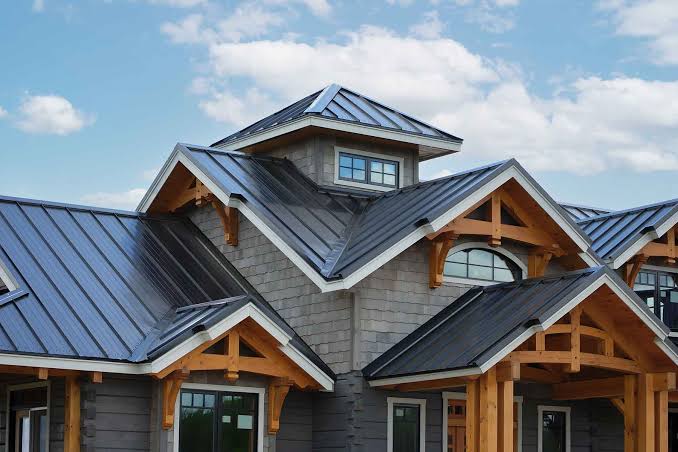
Metal Roof vs. Asphalt Shingles: A Comparison
To help you visualize the differences, here is a direct comparison between the two most common roofing materials in the US market.
| Feature | Metal Roofing | Asphalt Shingles |
|---|---|---|
| Lifespan | 40–70+ years | 15–20 years |
| Initial Cost | High ($150–$600 per square) | Low ($100–$200 per square) |
| Maintenance | Very Low | Moderate |
| Energy Efficiency | High (Reflective) | Low (Absorbs Heat) |
| Resale Value | Increases Value | Neutral/Standard |
| Environmental Impact | Recyclable | Landfill Waste |
Note: Costs are estimates and vary by region and material type (e.g., steel, aluminum, copper).
Potential Drawbacks to Consider
While the benefits are substantial, it is important to address potential concerns to maintain E-E-A-T (Experience, Expertise, Authoritativeness, and Trustworthiness).
- Noise: A common myth is that metal roofs are noisy during rain. However, when installed with proper solid sheathing and insulation, a metal roof is no louder than an asphalt roof. In fact, it can be quieter due to the additional layering.
- Denting: Lower-gauge metals can dent from large hail or falling branches. Opting for a thicker gauge (such as 24-gauge or 26-gauge steel) mitigates this risk.
- Upfront Cost: The initial investment is significantly higher than asphalt. Homeowners must plan to stay in the home long enough to realize the benefits, or ensure the local market values premium upgrades.
For more detailed technical specifications on roofing materials, you can refer to general construction standards on Wikipedia.
Steps to Maximize Value When Installing a Metal Roof
If you decide to proceed, follow these steps to ensure you get the maximum return on your investment:
- Choose the Right Style: Standing seam metal roofs are currently the most popular for residential homes due to their sleek, modern appearance and hidden fasteners. Avoid industrial-looking corrugated panels unless it fits a specific architectural style (like a farmhouse).
- Select Neutral Colors: Stick to timeless colors like charcoal, slate gray, bronze, or matte black. Bold colors may limit your pool of potential buyers.
- Hire Certified Installers: Ensure your contractor is certified by the manufacturer. This often transfers the warranty to the new homeowner, which is a huge selling point.
- Document Everything: Keep all receipts, warranty documents, and before/after photos. Provide these to potential buyers to prove the quality and age of the roof.
FAQ Section
1. Does a metal roof affect home insurance rates?
Yes, in most cases, a metal roof can lower your homeowners insurance premiums. Because metal is fire-resistant and durable against wind and hail, many insurance companies offer discounts ranging from 5% to 35%. Always check with your specific provider for exact figures.
2. Will a metal roof interfere with Wi-Fi or cell signals?
This is a common concern, but generally, a metal roof does not significantly disrupt Wi-Fi or cellular signals inside the home. Modern routers are powerful enough to penetrate roofing materials, and cell signals primarily enter through windows and walls. If you have a weak signal, a signal booster is a more effective solution than avoiding a metal roof.
3. How long does it take to install a metal roof?
The installation time varies based on the size of the home and the complexity of the roofline. On average, a professional crew can complete a residential metal roof installation in 3 to 7 days. This is comparable to or slightly longer than asphalt shingle installation due to the precision required.
4. Can I install a metal roof over my existing shingles?
In many cases, yes. Installing metal over existing shingles can save on disposal costs and labor time. However, this depends on local building codes and the condition of the underlying deck. A professional inspection is necessary to determine if your home is a candidate for this method.
5. Does the color of the metal roof fade over time?
High-quality metal roofs use Kynar 500 or similar PVDF resin-based paint systems that are highly resistant to fading, chalking, and UV degradation. Most manufacturers offer warranties against fading for 20–30 years. While slight changes may occur over decades, they are minimal compared to other materials.
Conclusion
So, does a metal roof increase the value of a home? Absolutely. It offers a compelling combination of durability, energy efficiency, and aesthetic appeal that resonates with modern homebuyers. While the upfront cost is higher than traditional options, the long-term savings on maintenance and energy, coupled with a higher resale value, make it a smart financial decision for many homeowners.
If you are planning to sell in the next few years, a metal roof can set your property apart in a competitive market. If you plan to stay longer, you will enjoy the comfort and security it provides.
Did you find this guide helpful? Share this article with friends or family who are considering a roof replacement, and let us know in the comments if you have experience with metal roofing!
Leave a Reply