Dealing with buzzing invaders above your head is stressful and potentially dangerous. If you are wondering how to get rid of wasp nest in roof eaves, you are not alone; thousands of homeowners face this issue every summer. This guide provides safe, effective, and professional strategies to reclaim your home without risking injury.
Why Are Wasps Nesting in Your Roof Eaves?
Before we dive into removal, it is crucial to understand why these pests chose your home. Roof eaves offer the perfect trifecta for wasps: shelter from rain, protection from direct sunlight, and proximity to food sources.
According to entomological studies, paper wasps and yellow jackets are the most common culprits in residential areas. They seek out dry, enclosed spaces to build their papery nests. The overhang of your roof provides an ideal “umbrella” effect, keeping the nest dry while allowing easy flight access.
Understanding this behavior helps in prevention later. However, right now, your priority is safe removal. Ignoring the problem can lead to structural damage or, worse, aggressive stinging incidents if the colony feels threatened.
Is It Safe to Remove a Wasp Nest Yourself?
This is the most critical question you must answer before taking action. Not all nests are created equal, and not all homeowners should attempt DIY removal.
Assess the Risk Level
- Size of the Nest: If the nest is smaller than a tennis ball, it is likely in the early stages and may be manageable. Nests larger than a basketball contain hundreds, sometimes thousands, of workers.
- Species Identification: Paper wasps are generally less aggressive unless provoked. Yellow jackets and hornets are highly territorial and can sting repeatedly.
- Allergies: If you or anyone in your household has a known allergy to insect stings, do not attempt DIY removal. Call a professional immediately.
Expert Insight: “The majority of severe allergic reactions occur when individuals attempt to remove nests without proper protective gear,” says Dr. Emily Carter, a pest control specialist. “Safety must always precede convenience.”
If you decide to proceed, you must treat the situation with extreme caution. One mistake can trigger a swarm attack.
Essential Safety Gear for Wasp Removal
You cannot tackle this job in a t-shirt and shorts. Proper personal protective equipment (PPE) is non-negotiable. Here is what you need:
- Beekeeping Suit or Thick Clothing: Wear long sleeves, long pants, and tuck your pants into your socks. Light-colored clothing is better, as dark colors can agitate wasps.
- Gloves: Use thick leather gloves. Wasps can chew through thin latex.
- Eye Protection: Goggles or a face shield are essential to protect your eyes from angry insects.
- Respirator Mask: To avoid inhaling insecticide fumes or dust.
- The Right Insecticide: Use a foam-based wasp spray specifically designed for long-range application (up to 20 feet). Foam sticks to the nest better than liquid sprays.
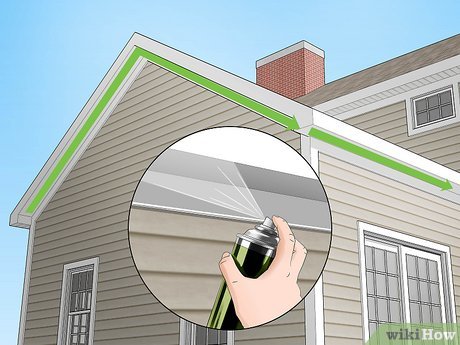
Step-by-Step Guide: How to Get Rid of Wasp Nest in Roof Eaves
Follow these steps meticulously. Timing and technique are everything.
Step 1: Choose the Right Time
Wasps are least active at night or in the very early morning when temperatures are cooler. Aim for dusk or just before dawn. At these times, most wasps are inside the nest, and their metabolism is slower, making them less aggressive.
Step 2: Prepare Your Exit Route
Before you spray, identify your escape path. Ensure there are no tripping hazards. If you are using a ladder, make sure it is stable and placed on flat ground. Have a helper nearby who can call for emergency services if needed, but keep them at a safe distance.
Step 3: Apply the Insecticide
Stand at a safe distance (check the label, usually 10–15 feet). Aim the nozzle directly at the nest’s entrance hole.
- Use the Foam: Spray generously until the nest is completely covered in foam. The foam suffocates the wasps and prevents them from flying out immediately.
- Do Not Rush: Apply steady pressure. Do not shake the can violently.
Step 4: Wait and Observe
Leave the area immediately after spraying. Wait at least 24 hours before approaching the nest again. This ensures that any surviving wasps have died or left the area. Do not poke or prod the nest during this waiting period.
Step 5: Removal and Disposal
After 24–48 hours, approach the nest cautiously. Use a long pole or scraper to knock the nest down into a heavy-duty garbage bag. Seal the bag tightly and dispose of it in an outdoor bin with a secure lid.
| Method | Pros | Cons | Best For |
|---|---|---|---|
| Insecticide Spray | Fast, effective, kills on contact | Chemical exposure, toxic to pets | Small to medium nests |
| Dust Insecticide | Long-lasting, reaches deep crevices | Slower action, requires precision | Hard-to-reach eaves |
| Professional Service | 100% safe, guaranteed results | Higher cost | Large nests, allergies |
Alternative Natural Remedies: Do They Work?
Many homeowners prefer eco-friendly solutions. While natural methods are safer for the environment, they are often less effective for established nests in high places like roof eaves.
- Peppermint Oil: Wasps dislike the smell. Mixing peppermint oil with water and spraying it around the eaves can deter new nests but will not eliminate an existing one.
- Soap and Water: A mixture of dish soap and water can suffocate wasps by blocking their breathing pores. However, you need to drench the nest completely, which is difficult to do from a ladder without getting stung.
- Smoke: Some people use smoke to calm wasps. This is risky and can cause fire hazards near wooden eaves. It is not recommended for DIYers.
For more information on wasp biology and behavior, you can refer to Wikipedia’s page on Wasps, which provides detailed scientific context on their social structures.
When to Call a Professional Exterminator
Knowing when to step back is a sign of wisdom, not weakness. You should hire a professional if:
- The nest is larger than a grapefruit.
- The nest is located in a hard-to-reach area, such as high second-story eaves.
- You suspect the presence of hornets or aggressive yellow jackets.
- You have tried DIY methods and the wasps returned.
- You are physically unable to climb a ladder safely.
Professionals have access to industrial-grade pesticides and protective suits that offer superior protection. They can also inspect your home for other entry points and provide preventive treatments.
Preventing Future Wasp Nests in Roof Eaves
Once the nest is gone, your goal is to keep it that way. Prevention is far easier than removal.
- Seal Entry Points: Inspect your eaves, soffits, and rooflines for cracks or holes. Use caulk or steel wool to seal these gaps. Wasps can squeeze through tiny openings.
- Install Fake Nests: Wasps are territorial. Hanging a decoy wasp nest in early spring can discourage scouts from building a real one nearby.
- Remove Food Sources: Keep trash cans sealed tight. Clean up fallen fruit from trees near your house. Avoid leaving pet food outside.
- Regular Inspections: Check your roof eaves every two weeks during spring and summer. Catching a nest when it is the size of a golf ball makes removal significantly easier.
FAQ Section
Q1: What is the best time of day to remove a wasp nest?
A: The best time is late evening or early morning when temperatures are cool. Wasps are dormant and less aggressive during these hours, reducing the risk of stings.
Q2: Can I use bleach to kill a wasp nest?
A: While bleach can kill wasps, it is not recommended. It is corrosive, can damage your roof materials, and is harmful to the environment. Dedicated wasp sprays are safer and more effective.
Q3: Will a wasp nest come back if I remove it?
A: Once a nest is removed, that specific colony will not return. However, other scout wasps may choose the same location next season if it remains attractive. Sealing entry points is key to preventing recurrence.
Q4: How long does it take for wasp spray to work?
A: Most foaming sprays work instantly on contact. However, it may take 24–48 hours for all wasps inside the nest to die. Always wait at least a day before removing the nest.
Q5: Are wasps beneficial to the garden?
A: Yes, wasps are pollinators and help control other pest populations like aphids and caterpillars. However, when they nest in human living spaces, they pose a safety risk that outweighs their benefits.
Q6: Can I burn a wasp nest?
A: No, never burn a wasp nest. It is extremely dangerous, can cause fires, and will only anger the wasps, leading to aggressive attacks. Always use chemical or mechanical removal methods.
Conclusion
Learning how to get rid of wasp nest in roof eaves is about balancing effectiveness with safety. Whether you choose the DIY route with proper gear and timing or opt for professional help, the goal is to protect your family and your home.
Remember, patience is key. Rushing the process can lead to dangerous encounters. By following the steps outlined above, you can ensure a wasp-free home.
If you found this guide helpful, please share it with your friends and neighbors on social media. Someone else might be dealing with a buzzing problem right now, and your share could help them stay safe!
Leave a Reply